
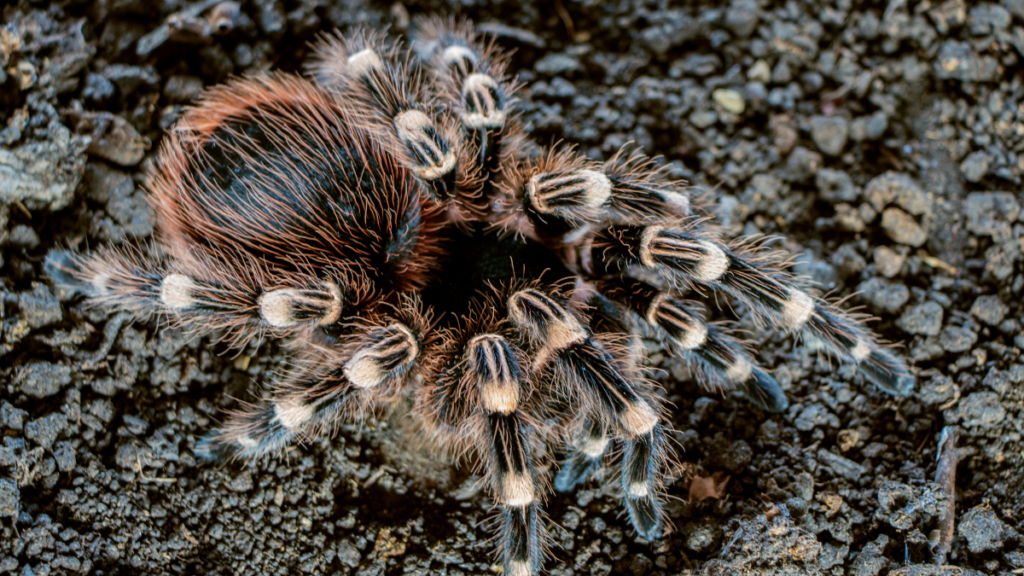
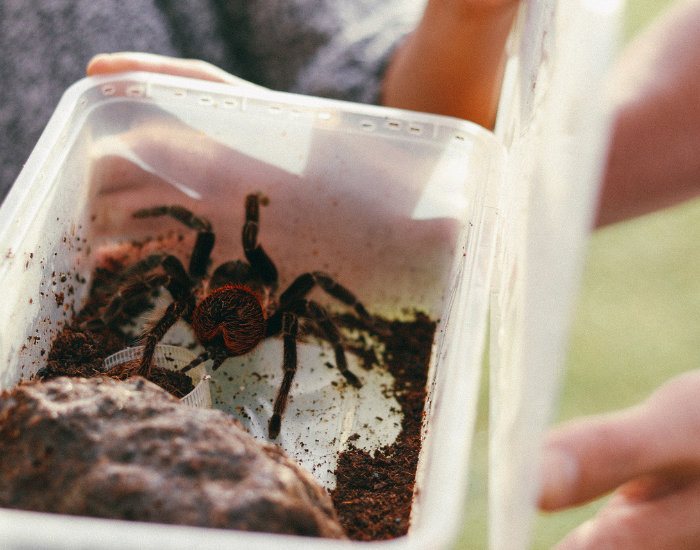
I met my first tarantula on a Tuesday, in a service corridor that smelled like damp cypress mulch. I worked in the reptile and amphibian house at a zoo, and our team also covered the tarantula section next to the snakes. Someone handed me a Mexican red knee and said, “Just keep your hand flat.”
Honestly? It wasn’t bad at all. The weight was almost nothing. The legs tapped forward, testing the surface, and I stopped flinching within about ten seconds.
That short stretch of my career rewired how I think about these animals. Tarantulas are not aggressive, they are not fast, and their venom is not built for us. They are patient ambush predators wearing a costume that scares mammals, which is exactly the point.
Here are 12 facts that changed my own understanding, drawn from the enclosures I cleaned and the field sites I’ve worked since.
1. “Tarantula” Isn’t One Animal, It’s a Family of over 1,000 Species
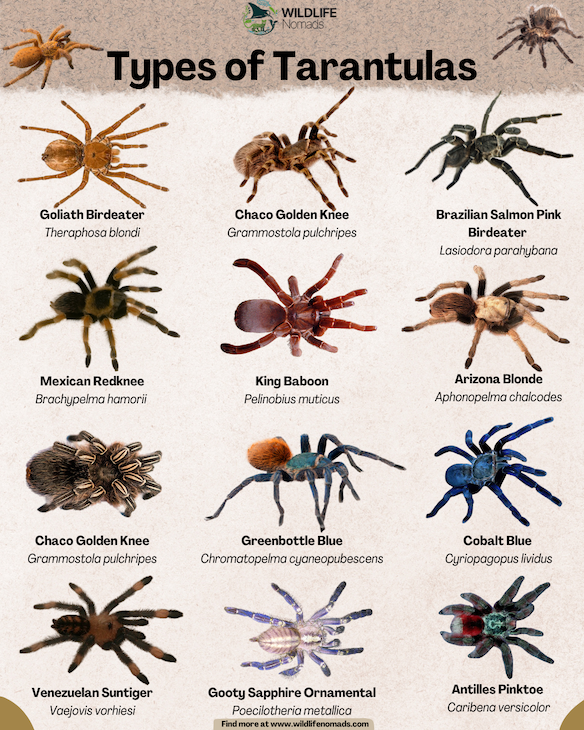
Every tarantula belongs to the family Theraphosidae, which spans about 1,080+ described species across every warm continent except Antarctica. They are mygalomorphs, an ancient lineage that split from other spiders more than 200 million years ago.
Two features separate them from most spiders. Tarantula fangs stab downward in parallel rather than closing sideways like tongs. And a dense coat gives these hairy spiders their unmistakable silhouette.
Beyond that, the label tells you almost nothing. One species may sit still for an hour while another sprints up a wall. Most tarantulas share a body plan, not a temperament, and treating many species as interchangeable is the error behind nearly every bad care sheet.
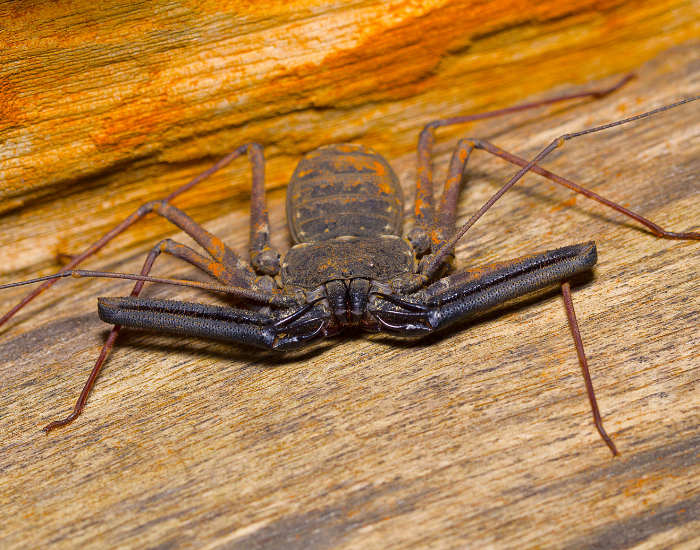
Size misleads too. Many tarantulas are modest — four inches, unremarkable — while some huntsman and wolf spiders grow big enough to fool people. Fang orientation never lies.
Eight Legs and a Gait You Can Read
A tarantula’s legs carry claws and dense adhesive tufts called scopulae, which grip glass and bark through sheer surface contact. Eight legs attach to the cephalothorax, plus two pedipalps that look like a shorter ninth and tenth limb.
Watch one walk and the rhythm is diagonal, the first and third legs on one side swing forward with the second and fourth legs on the other.
2. The Heaviest Spider on Earth Weighs More Than Six Ounces
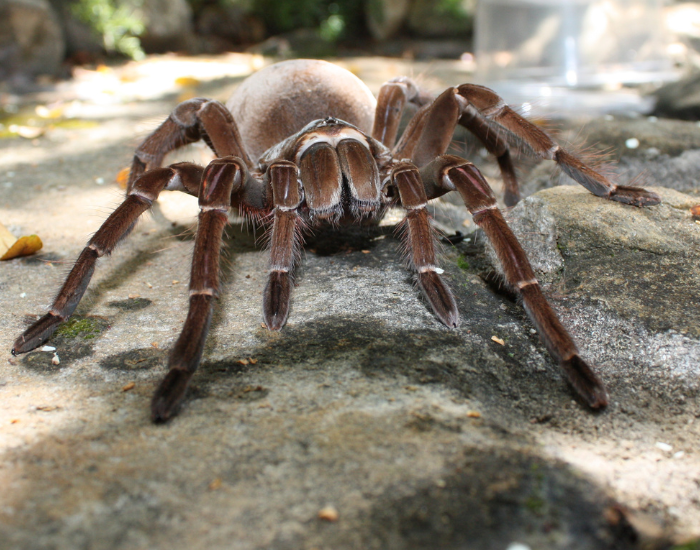
Theraphosa blondi, the goliath birdeater, is the record holder. A mature female weighs more than 6 ounces and spans up to a foot across. She lives in swampy rainforest across northern South America, inside a deep burrow lined with silk webbing.
Large fangs reaching 1 to 1.5 inches (2.5–3.8 cm) let her easily punch through heavy beetle armor, lizard scales, and frog skin, while powerful chelicerae crush the prey once captured. While exaggerated claims of 2-inch fangs circulate online, their actual fang length remains unmatched among living arachnids, roughly the size of a cheetah’s claw.
The name misleads badly. This goliath birdeater preys on frogs, rodents, and large invertebrates far more often than birds. Across the family Theraphosidae, sizes vary wildly: while most average species have a body length of 2 to 3 inches with a 5-inch diagonal leg span, true giants like T. blondi reach a staggering 11 to 12-inch leg span—large enough to cover a dinner plate.
3. Their Best Weapon Isn’t Venom… It’s Hair
Two kinds of hair cover a tarantula. The first is sensory: tiny hairs across the body and legs that register air movement and vibration. A tarantula effectively hears with its skin.
The second is defensive, and only New World species carry it. These barbed abdominal setae are called urticating hairs, and the spider kicks them airborne with its hind legs. A 2019 review of 142 species sorted these special hairs into structural types that taxonomists now use to identify lineages.
Those hairs matter more than the bite. They lodge in skin, eyes, and mucous membranes, and embedded setae migrate and cause lasting inflammation. I’ve had them in my forearm; the itch outlasted the memory of the spider. Old World species skip this entirely and compensate with speed.
4. A Tarantula Bite Feels Like a Bee Sting, and Often Isn’t Even a Bite
Paired venom glands sit behind the fangs, and a tarantula will inject venom readily into a cricket. Into a human, far less often. Most tarantula bites are defensive, and many are dry bites delivering nothing at all.
When venom does arrive, the sensation resembles a bee sting with a slower build. Weak venom is the honest description for New World species, since these compounds target insect ion channels rather than mammals.
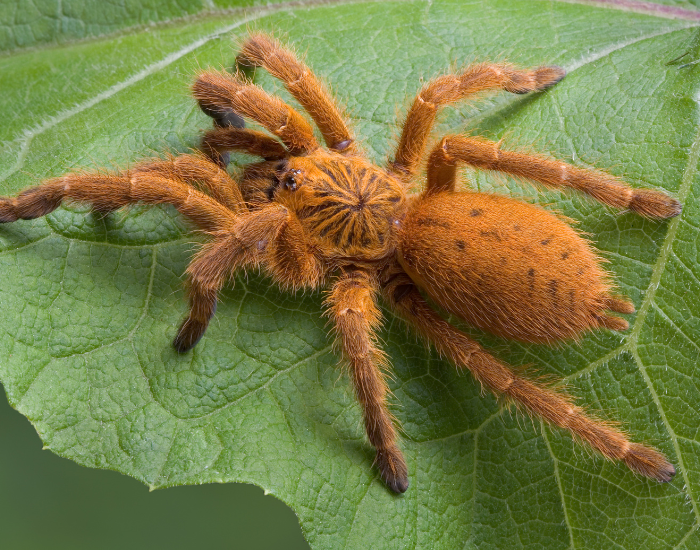
Serious cases exist. A study of medical bite reports found pronounced muscle cramps in 12.7% of victims, concentrated in Old World subfamilies like Poecilotheria . Venom is a hunting tool that happens to hurt, not a weapon aimed at us.

5. They Ambush Their Prey Instead of Trapping It
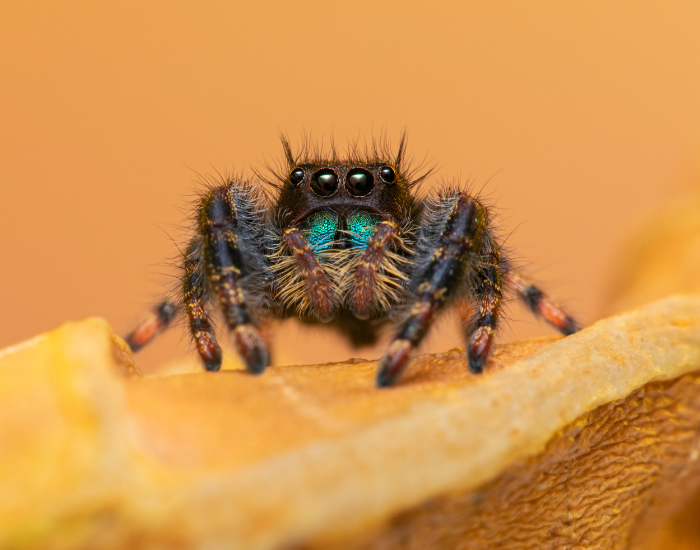
Tarantulas are nocturnal hunters, active from dusk through the small hours. They ambush prey rather than building capture webs, the single biggest behavioral difference between them and the orb weavers on your porch.
A hunting tarantula sits at its burrow mouth with a few legs on silk trip-lines, then lunges when vibration arrives. There’s no chase and no precision leap; anyone expecting a jumping spider’s accuracy will be disappointed.
They also eat other spiders. A hungry theraphosid takes smaller spiders, scorpions, and centipedes without hesitation, which is exactly why you never house two together.
6. They Can’t Chew, So They Drink Their Meals
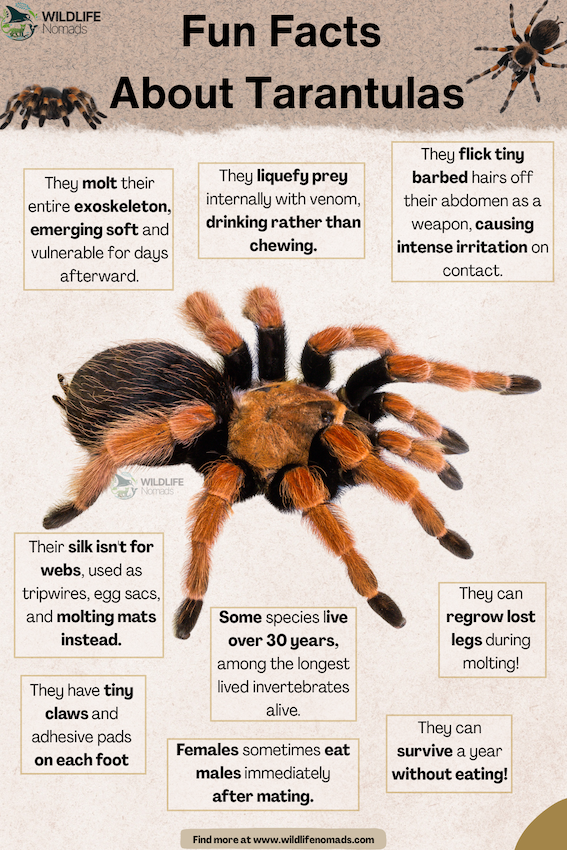
Tarantulas cannot eat solid food. After the fangs go in, digestive enzymes liquefy the tissue externally and the spider drinks the result. What’s left is a compact pellet of husk, the boluses I used to find in enclosures, neat little wads that looked like felt.
The diet tarantulas take in the wild runs mostly to insects: crickets, roaches, beetles, and grasshoppers. Bigger species add small lizards, frogs, and other small animals and rodents such as mice.
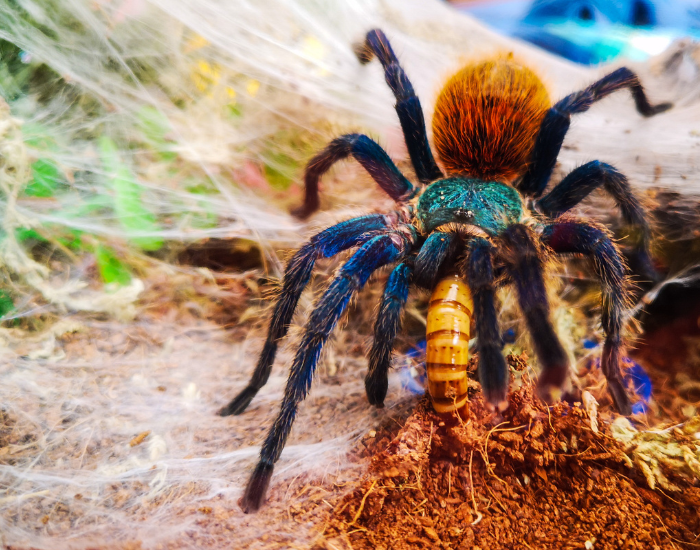
7. Females Outlive Males by Two Decades
Male tarantulas live 3 to 7 years. Female tarantulas can live 15 to 30 years, and a handful of captive females have passed 40. Reproductive strategy explains the whole gap.
Males mature, take one final molt, then abandon their burrows and walk. Mating happens roughly once a year after sexual maturity, and males often die within months of it. Every summer, North American Tarantulas put on this display across west Texas, where drivers see dozens of wandering males at dusk. I’ve covered that migration in my Texas tarantula field guide.
Females do the opposite. They stay put, sometimes within a few metres of the same burrow for life. That slow pace is also why collection hurts wild populations so badly.
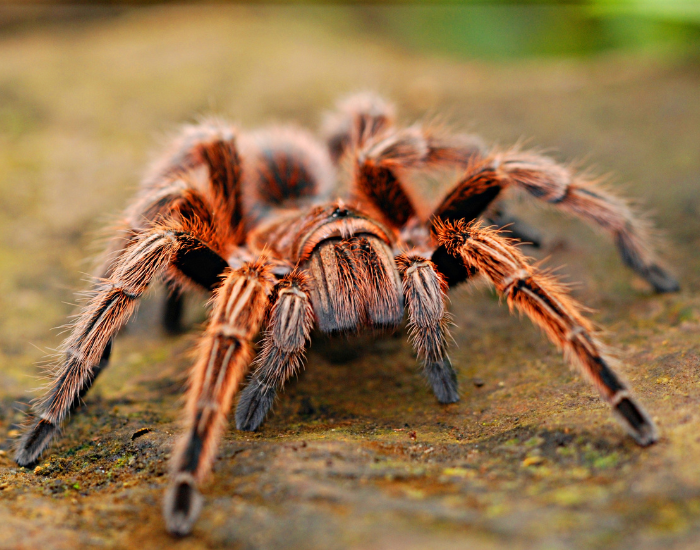
8. One Egg Sac Can Hold Two Thousand Spiderlings
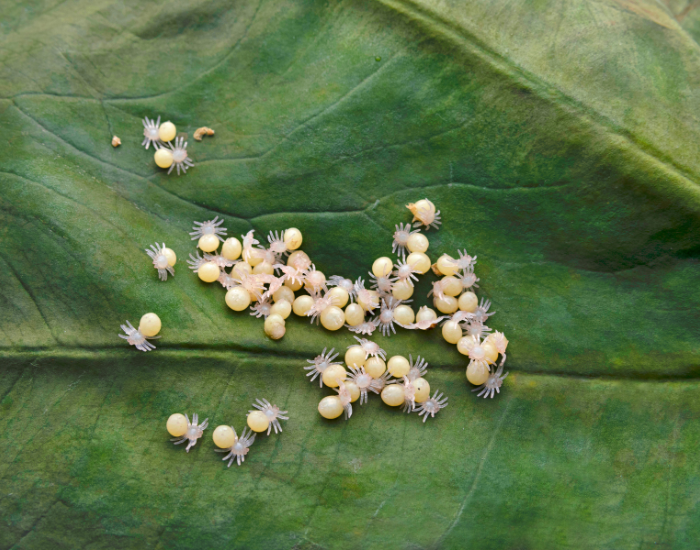
A mated female lays eggs into a silk cocoon, producing anywhere from 50 to 2,000 in a single clutch. Lasiodora parahybana, the Brazilian salmon pink, regularly tops 1,000.
She guards that egg sac for six to nine weeks, rotating it, defending it, and eating almost nothing. When the eggs hatch, spiderlings emerge fully formed and disperse within days.
There’s a research payoff hidden here. Species identification often depends on the female genitalia, paired spermathecae preserved intact in a shed skin, which lets taxonomists sex a spider without touching it.
9. Growing Up Means Climbing Out of Your Own Skin
Tarantulas grow only by molting. Tarantulas shed the entire exoskeleton, fang tips and stomach lining included, flipping onto their backs on a flat surface to do it.
The molting process takes hours, and a spider refuses food for days or weeks around it. The first time I saw one on its back I assumed it was dead, most new keepers do. A fresh molt is soft, pale, and defenceless.
Molting also lets them regenerate. A tarantula that loses a leg regrows it over successive moults, reaching near-normal size within two or three cycles.
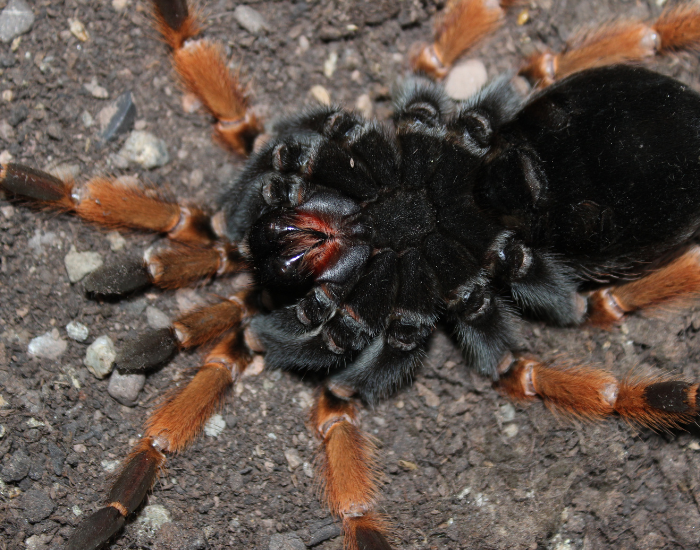
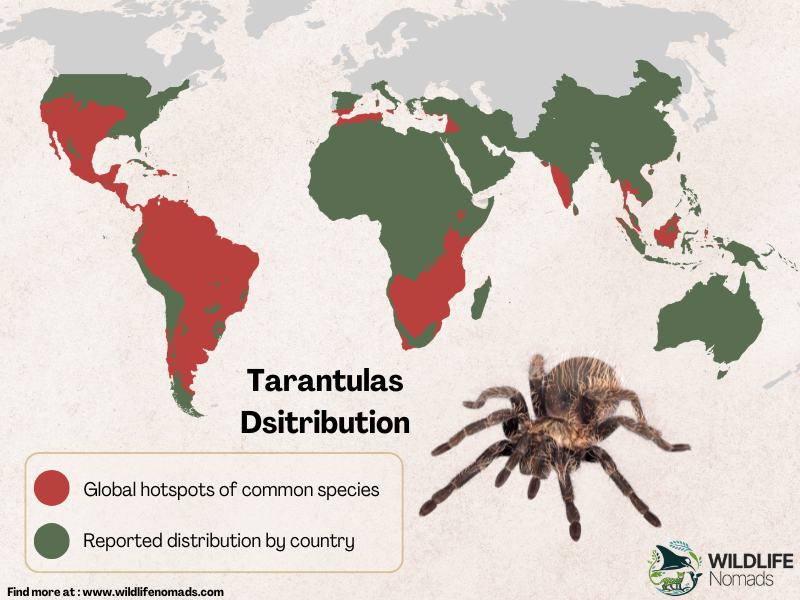
10. They Live on Every Warm Continent, but South America Owns the Most
Tarantulas inhabit warm regions worldwide except Antarctica, occupying tropical rainforest, desert, savanna, scrubland, and montane grassland. The desert stereotype covers a fraction of where tarantulas live.
Central and South America hold the greatest diversity of New World genera, from the striped zebra tarantula of Costa Rica to pinktoes in Brazilian bromeliads. Africa and Southeast Asia contribute the fastest Old World lineages, including the cobalt blue of Myanmar and Thailand.
Ground Dwellers, Burrowers, and Arboreal Species
Ground dwellers dig burrows or shelter under rocks and logs. Burrow specialists rarely surface — a cobalt blue may spend years inside its underground burrows. Arboreal species live in tree hollows and bark crevices, needing vertical height rather than floor space. Other species split the difference entirely.
11. A Wasp Terrifies Them Far More Than You Do
Tarantulas sit in the middle of the food chain, not the top. Coatis, some birds of prey like kestrels, snakes, and monitor lizards all take them. The most theatrical of their natural enemies is the parasitic pepsis wasp, better known as the tarantula hawk.
The wasp paralyzes an adult spider, drags it underground, and lays a single egg on the living body. Wasp larvae then feed on the immobilized tarantula for weeks, eating non-vital tissue first.
Against all this, tarantulas tend to flee first, flick hairs second, and bite last. Spiders that feel threatened rear into a threat posture and display their fangs before anything else. Many Old World species add a hissing sound made by rubbing bristles together.
12. Keeping One Alive for 30 Years Comes Down to Matching Its Origin
Keeping tarantulas is easier than keeping most pet reptiles, provided you copy the climate they came from. Care requirements differ by species, and generic advice kills more captive spiders than anything else.
Desert species need dry substrate and low humidity. Tropical species need damp substrate, higher humidity, and airflow. Terrestrial species need depth enough to dig burrows; arboreal species need cork bark and height instead.
What Actually Kills Captive Tarantulas
Almost never starvation. The real causes are wrong humidity, stagnant air, and interference during a molt. Feed adults once or twice a week, skip feeding while they moult, and keep water available, dehydration kills far more captives than hunger.
House every spider alone, since most are solitary and cannibalistic. And buy captive-bred stock, because the pet trade and habitat destruction have already pushed Mexican and Indian tarantula species onto protected lists.
Frequently Asked Questions
Tarantulas prefer warm habitats including tropical rainforests, deserts, scrubland, and dry forest. Most species live in South America, especially in jungle regions, though they also occur across Africa, Asia, Australia, and the southern United States. The majority live in underground burrows or under rocks and logs, emerging at night as ambush hunters.
Not particularly, provided you match humidity and temperature to the species. Feed adults once or twice a week, keep each spider individually because they are solitary, and provide fresh water. Most losses come from wrong humidity, unnecessary handling, or interference during a molt. With correct care, they live 15 to 30 years in captivity.
Most tarantula bites are not dangerous to humans. The sensation resembles a bee sting, though the pain builds slowly rather than instantly, and many defensive strikes are dry bites with no venom at all. Old World species, particularly Poecilotheria, can cause severe muscle cramps lasting days. Allergic reactions are rare but possible, so seek care if symptoms spread.
Most adult tarantulas have a body length of 2 to 3 inches and an overall diagonal leg span of 4 to 6 inches. However, the largest species in the family—such as the goliath birdeater (Theraphosa blondi)—can reach a total leg span of up to 12 inches across and weigh over 6 ounces.
Why These Spiders Deserve a Second Look
The fear most people feel around tarantulas is aimed at the wrong target. Tarantula venom is tuned for insects, not mammals, and the burrow-bound lifestyle tells you the rest: this is an animal built to hide, not to fight.
What actually threatens them is us. Collection and habitat loss pushed all Brachypelma onto CITES Appendix II within a single human generation.
Go find one. If you live anywhere in the American Southwest, walk a desert road at dusk in late summer and watch for wandering males. If you want more giants, my roundup of the biggest spiders in the world covers the record holders.
Tarantula Challenge 🕷️
Ten questions on the world’s most misunderstood spider — first a fact-or-fiction round, then multiple choice. How many can you get?
References:
Foley, S., Lüddecke, T., Cheng, D.-Q., Krehenwinkel, H., Künzel, S., Longhorn, S. J., Wendt, I., von Wirth, V., Tänzler, R., Vences, M., & Piel, W. H. (2019). Tarantula phylogenomics: A robust phylogeny of deep theraphosid clades inferred from transcriptome data sheds light on the prickly issue of urticating setae evolution. Molecular Phylogenetics and Evolution, 140, 106573. https://doi.org/10.1016/j.ympev.2019.106573
Fukushima, C. S., Mendoza, J. I., West, R. C., Longhorn, S. J., Rivera, E., Cooper, E. W. T., Hénaut, Y., Henriques, S., & Cardoso, P. (2019). Species conservation profiles of tarantula spiders (Araneae, Theraphosidae) listed on CITES. Biodiversity Data Journal, 7, e39342. https://doi.org/10.3897/BDJ.7.e39342
Hamilton, C. A., Hendrixson, B. E., & Bond, J. E. (2016). Taxonomic revision of the tarantula genus Aphonopelma Pocock, 1901 (Araneae, Mygalomorphae, Theraphosidae) within the United States. ZooKeys, 560, 1–340. https://doi.org/10.3897/zookeys.560.6264
Hauke, T. J., & Herzig, V. (2021). Muscle spasms – A common symptom following theraphosid spider bites? Toxicon, 192, 74–77. https://doi.org/10.1016/j.toxicon.2021.01.001
Kaderka, R., Bulantová, J., Heneberg, P., & Řezáč, M. (2019). Urticating setae of tarantulas (Araneae: Theraphosidae): Morphology, revision of typology and terminology and implications for taxonomy. PLOS ONE, 14(11), e0224384. https://doi.org/10.1371/journal.pone.0224384
Mendoza, J., & Francke, O. (2020). Systematic revision of Mexican threatened tarantulas Brachypelma (Araneae: Theraphosidae: Theraphosinae), with a description of a new genus, and implications on the conservation. Zoological Journal of the Linnean Society, 188(1), 82–147. https://doi.org/10.1093/zoolinnean/zlz046