
When we talk about conservation, one phrase pops up repeatedly: “invasive species.” But what is an invasive species, and why does it threaten native wildlife?
Invasive species rank among the biggest threats to biodiversity worldwide. They disrupt ecosystems, outcompete native species, alter habitats, and cause lasting economic or environmental harm. I write this as a field biologist who spent two years fighting invasive plant species in Sydney, so I will weave in stories from the field.
What Is an Invasive Species?
An invasive species is any organism, whether plants, animals, insects, or pathogens, that does not naturally exist in a location and spreads aggressively. People introduce these species intentionally or through accidental release via global trade, travel, and agriculture.
Once they establish, they outcompete native species for resources and tip ecosystems out of balance. Healthy ecosystems stay highly balanced and adaptive to their local conditions. An aggressive newcomer can unravel that balance fast and erode ecosystem health.
Why Are Invasive Species a Problem?
Invasive species are a global issue because they disrupt the delicate balance of ecosystems and cause significant environmental harm. They compete with native species for resources like food, water, and space, often leading to declines or even extinctions of local wildlife. Invasive species can also introduce diseases, alter food webs, and change the physical environment, making it harder for native species to survive.
The economic impact is staggering too. According to the U.S. Environmental Protection Agency (EPA), damages from invasive species cost billions annually, up to $138 billion per year in the U.S. alone. That includes losses in agriculture, forestry, and fisheries, as well as the cost of managing these invaders.
The Key Difference Between Native, Non-Native, and Invasive
- Native species evolved in a particular area and form part of the natural ecosystem.
- Non-native (or exotic) species are those introduced to an area outside their natural range, where they do not naturally exist.
- Invasive species are a subset of non-native species that cause harm.
Not all non-native species are invasive, but those that are can wreak havoc.
Key Traits of Invasive Species
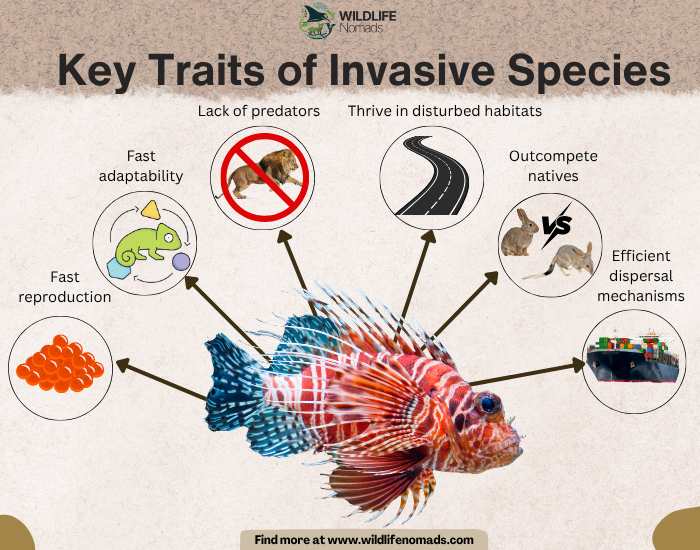
Invasive species often share some common characteristics:
- Rapid reproduction and growth: Many invasive species, like the cane toad, can reproduce quickly, leading to population booms.
- High adaptability to different environments: They can survive in a variety of conditions, from urban areas to remote forests.
- Lack of natural predators in the new habitat: Without natural enemies, their numbers grow unchecked.
- Efficient dispersal mechanisms
- Ability to outcompete native species for resources: They often outcompete native species for resources, as seen with plants like kudzu.
- Highly invasive nature: These species exploit environmental changes such as wildfires or human activity, causing significant ecological disturbances.
This makes them ecological bullies. Their success often comes at the expense of native biodiversity.
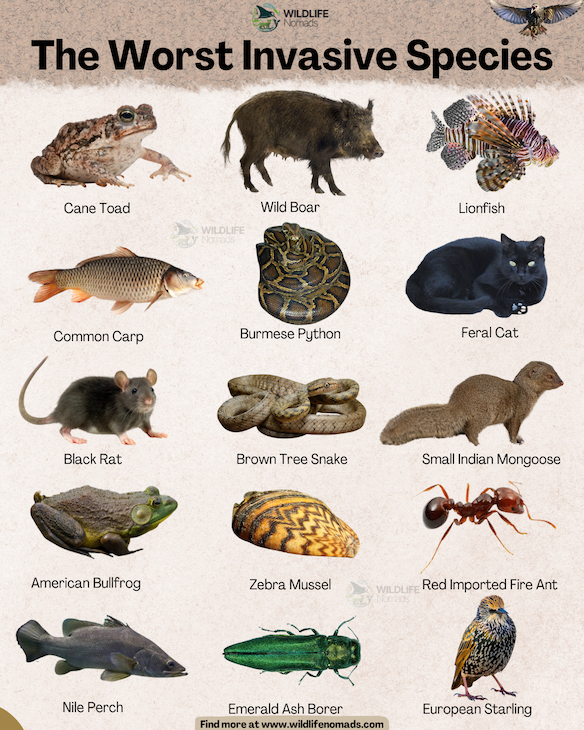
Examples of Invasive Species: Animals That Cause Chaos
Let’s look at some examples of an invasive species that have made headlines for their impact on native populations and their rapid spreading.
Burmese Pythons in the United States
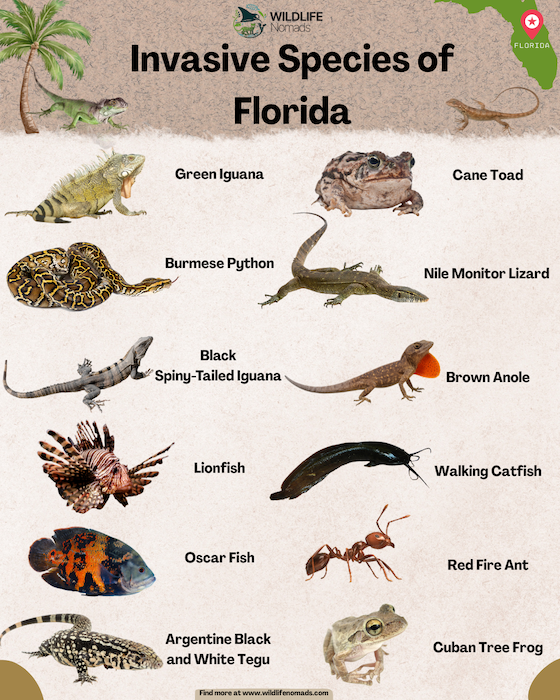
In the Florida Everglades, Burmese pythons are a notorious example of invasive animals in the United States. The species, Python bivittatus, escaped through the pet trade and now holds a breeding population across South Florida.
The U.S. Geological Survey reports that Python bivittatus competes with native wildlife for food. As Burmese pythons outcompete Florida’s native snakes and prey on mammals, they have driven severe declines in raccoons and opossums. See our full guide to the invasive species of Florida.

Cane Toads in Australia
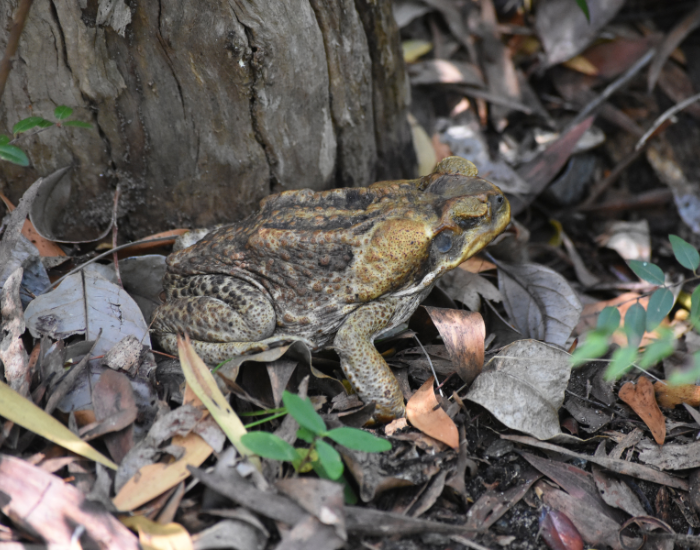
Cane toads, native to South and Central America and Southeast Asia, were introduced to Australia in 1935 to control sugar cane pests. However, they’ve since become a major problem. The Smithsonian notes that these toxic toads kill predators that try to eat them, like native Australian frogs, and compete with local species for food. Today, they’ve spread across northern Australia, disrupting ecosystems. I have seen them many time in urban, non-urban and national parks. They are a very big problem.
Lionfish in the Caribbean
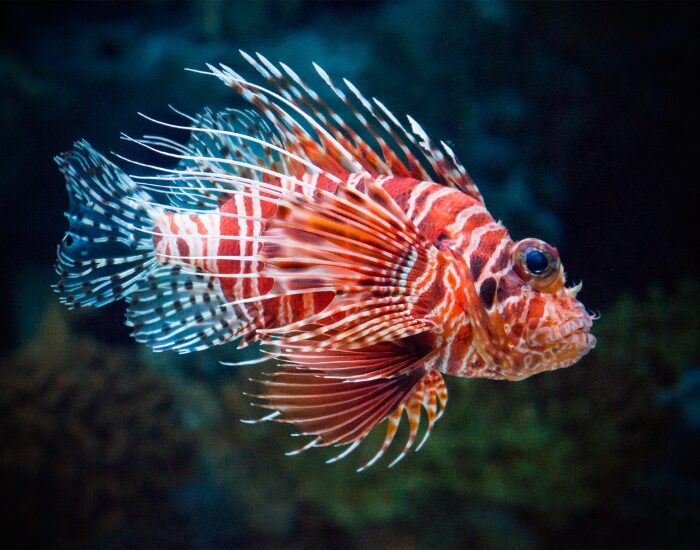
Lionfish, native to the Indo-Pacific, have invaded the Caribbean and the southeastern U.S. coast. These animals living far outside their range prey on native fish and shrink reef biodiversity, according to NOAA. With few natural predators, their population has exploded.
I have a soft spot and a professional grudge for this fish. Recently I was diving in the Red Sea and met an unexpected resident I had seen before in its native range in Indonesia: the lionfish. Always stunning, always that beautiful, deadly-looking silhouette.
But I have also dived with lionfish in the Caribbean, where they are pure invader. There they hunt native reef fish relentlessly. The same animal can be a treasured native in one sea and a wrecking ball in another.
Examples of Invasive Species: Plants That Take Over
Kudzu in the United States
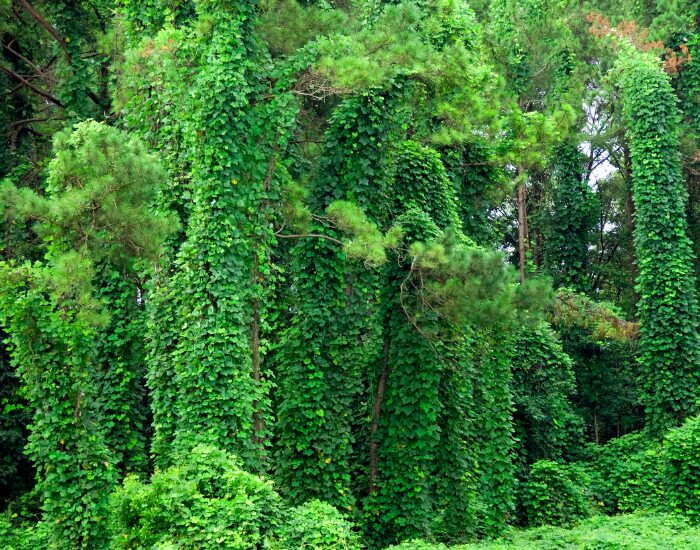
Known as “the vine that ate the South,” kudzu was introduced to the U.S. in the 1870s as an ornamental plant and later promoted for erosion control. Invasive species like kudzu can also spread through human activities, such as the use of shipping palettes, which inadvertently transport insects and other organisms globally. National Geographic reports that it grows up to a foot a day, smothering native plants and trees by blocking sunlight. It’s now a major problem across the southeastern U.S.
Japanese Knotweed in the United Kingdom
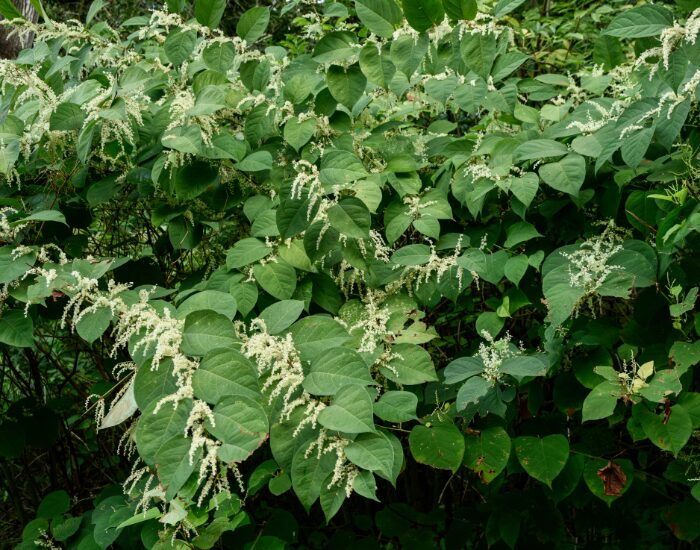
Arrived in the UK as an ornamental plant in the 19th century. The Natural History Museum explains that it outcompetes native plants, damages infrastructure, and resists eradication. It alters habitats outright, driving lasting environmental changes.
Water Hyacinth in Africa
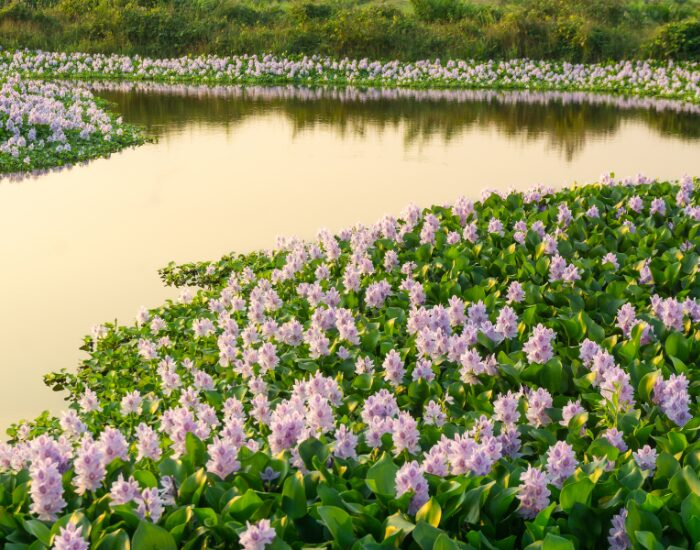
Water hyacinth, a floating plant native to South America, has invaded waterways in Africa, including Lake Victoria. WWF notes that it forms dense mats, blocking sunlight and oxygen, which harms aquatic life and disrupts fishing communities. These dense mats can also facilitate the spread of various aquatic organisms, further impacting native species and local ecosystems.
Invasive Species Around the World: A Global Perspective
Uninvited species are a global problem, often spread by human activities such as the transport of goods and unintended introductions. Let’s explore a few examples.
From the Field: Fighting Invasive Plants in Sydney
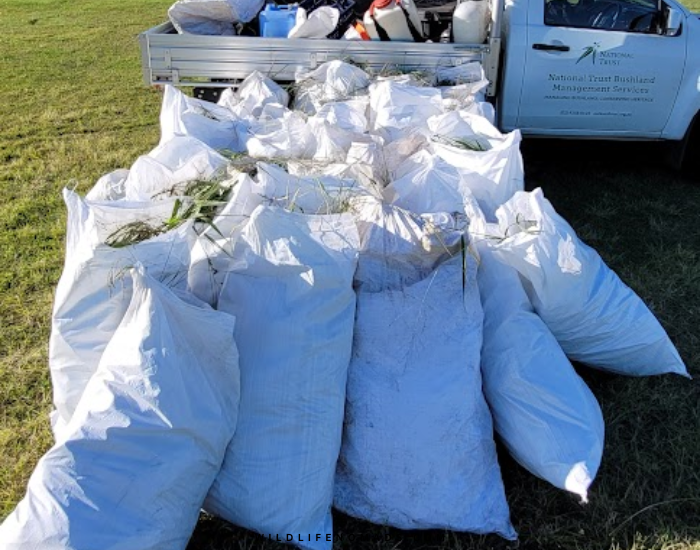
For two years in Sydney, I worked directly on invasive plant species. I walked the field, evaluated affected areas, and we acted accordingly to mitigate the worst outbreaks. I watched whole populations of native plants buckle under aggressive invaders like morning glory and the neem tree.
This topic dominates conversations among biologists in Australia. As an island, Australia faces enormous risk from invasive species that outcompete native flora and fauna. During my master’s there, the threat came up again and again, because so much native life evolved with no defense.
United States: Zebra Mussels
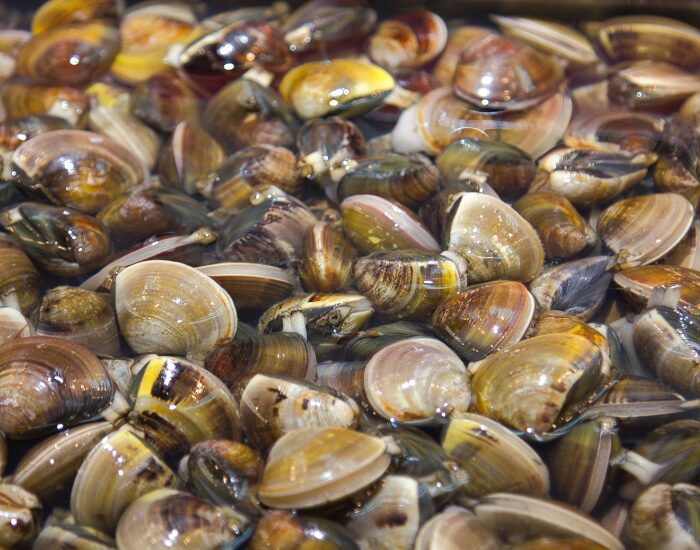
Zebra mussels, originally from the Caspian Sea, were introduced to the Great Lakes via ballast water in the 1980s. The U.S. Department of the Interior reports that they’ve spread across the U.S., clogging water systems and outcompeting native mussels, leading to declines in aquatic biodiversity.
Australia: European Rabbits
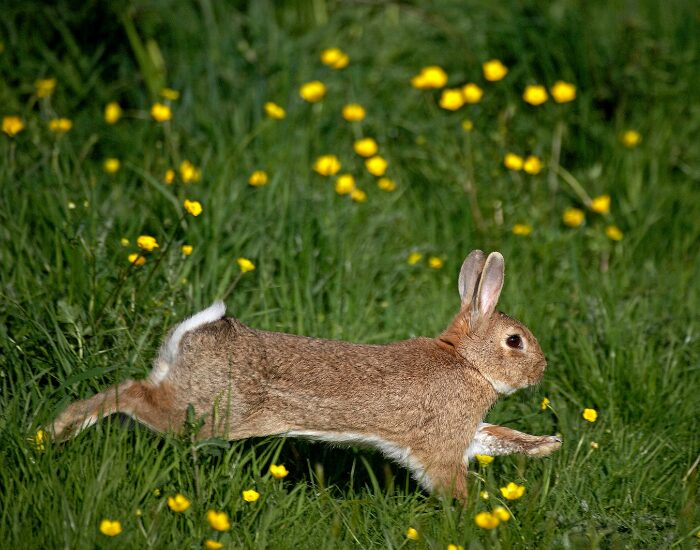
Settlers released European rabbits for hunting in the 18th century. Unlike domestic cows, raised as a beneficial organism for agriculture, rabbits became disaster. A few wild rabbits became hundreds of millions, overgrazing vegetation and pushing the bilby toward collapse.
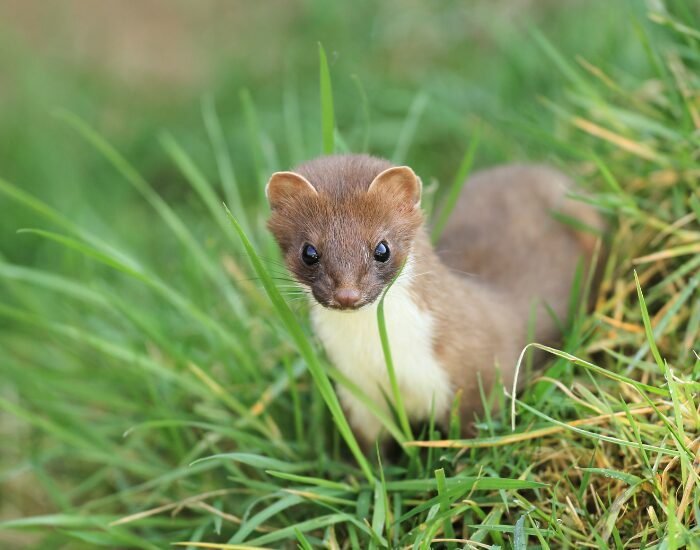
New Zealand: Stoats
managers introduced stoats in the 1880s to control rabbits. Instead the stoats turned on native birds, including the kiwi. The Department of Conservation links stoats to the decline of many endangered birds.
Invasive Species List in the US
The United States carries a long list of invasive species:
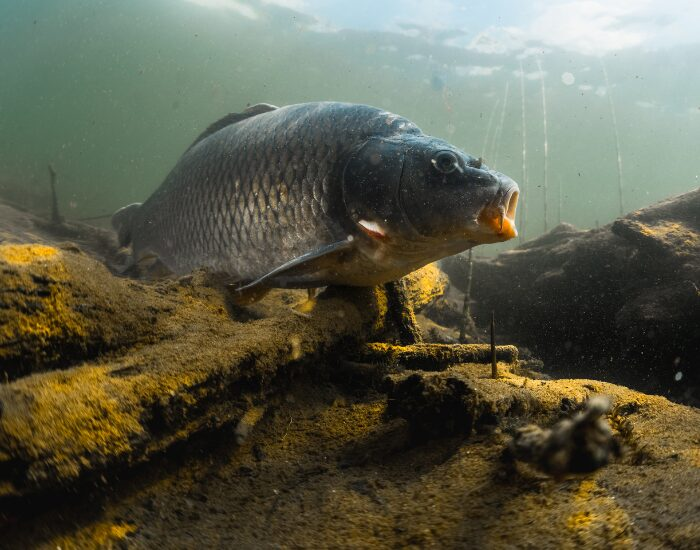
- Asian carp and other invasive carp: Outcompete native fish and disrupt the food web across waterways like the Mississippi River
- European starling: Competes with native birds for nesting sites (see the starling family)
- Zebra mussels: Clog water infrastructure
- Burmese python: Consumes native mammals and birds in the Everglades
- Coypu (nutria): A South American rodent that destroys wetlands
- Feral hog: A wild boar that causes billions in agricultural damage
- Northern snakehead: An air-breathing Asian fish that preys on native fish
Invasive carp deserve special attention. Several invasive carp species breed so fast that they crowd out native fish across entire river systems. Agencies now spend heavily to slow the invasive carp front before it reaches the Great Lakes. Anglers who catch a northern snakehead should report it to their state wildlife service.
Invasive Animals in the United States
One of the most well-known invasive animals in the U.S. is the feral hog, which causes billions in agricultural damage annually. Another is the northern snakehead, a fish native to Asia that threatens freshwater ecosystems by preying on native fish species.
Invasive Plants That People Love
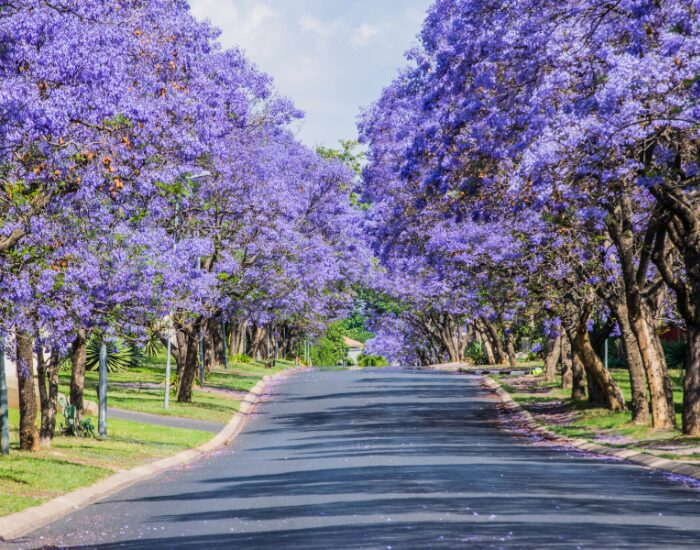
It might surprise you that some beloved plants are actually invasive non native plants. Take the jacaranda tree, for example. Loved for its purple blossoms, it’s considered invasive in parts of South Africa and Australia, where it outcompetes native flora. Similarly, English ivy, often used in landscaping, can choke out native plants and trees in forests.
How Are They Introduced?
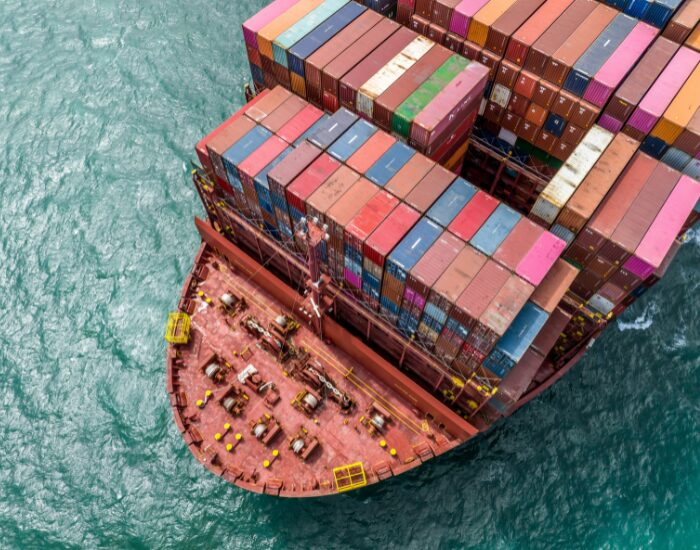
Humans drive the spread of introduced species. National Geographic explains that invasive species hitch a ride through human activity and carry uninvited species along:
- Shipping: Aquatic invaders like zebra mussels ride in ballast water.
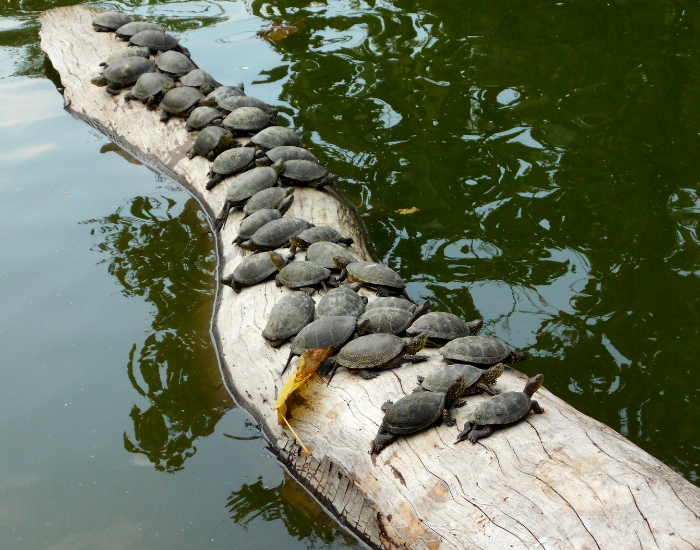
- Pet trade: Burmese pythons began as escaped pets. Dumped aquarium turtles follow the same path; learn the difference with the northern painted turtle.
- Ornamental plants and accidental transport: Garden plants escape, and insects ride in wooden shipping pallets.
Preventative measures remain the most cost-effective method to control invasive species. Stopping an accidental release at the border costs far less than fighting an established invader for decades.
How They Impact Native Populations
Invasive species hammer native populations several ways. They hunt native species directly, which can drive decline or extinction. Resource competition threatens native species by consuming the food and space they need.
They also introduce new pathogens and diseases to native wildlife, like the West Nile virus carried by the Asian tiger mosquito. And they alter habitats, fire regimes, and nutrient cycles. The impacts of invasive species stack and compound until native systems give way.
The ripple spreads further. Invasive species can alter food webs by eliminating native food sources. When lionfish slash native fish, the predators that depend on them suffer too. Some invaders even change soil chemistry and disrupt nutrient cycles, so native seedlings struggle to return.
Biodiversity Loss and Climate Change
Invasive species degrade ecosystems and drive biodiversity loss worldwide. That loss makes ecosystems more fragile and more vulnerable to further degradation. Researchers estimate that invasive species are a factor in roughly 40% of all endangered species listings.
Climate change makes it worse. As temperatures rise, stressed trees fall easy prey to the mountain pine beetle, and outbreaks explode. Warmer weather expands the range of these invaders into habitats that cold once held back.
Economic, Cultural, and Health Costs
Invasive species are an economic problem too. The U.S. spends an estimated $120 billion a year on damage, covering agriculture, forestry, water systems, and wildlife management. Beyond ecology, they hit hard economically and culturally, eroding traditions like Hawaii’s land-based practices.
They affect human health as well. Invasive plants like poison ivy cause allergic reactions, while invasive animals can spread disease through mosquitoes and ticks that thrive in disturbed habitats. Invasive species can also degrade water quality, raising real health risks.
Control and Eradication Methods
Effective invasive species management requires tailored, multi-step strategies. No single tool works everywhere, so managers combine several.
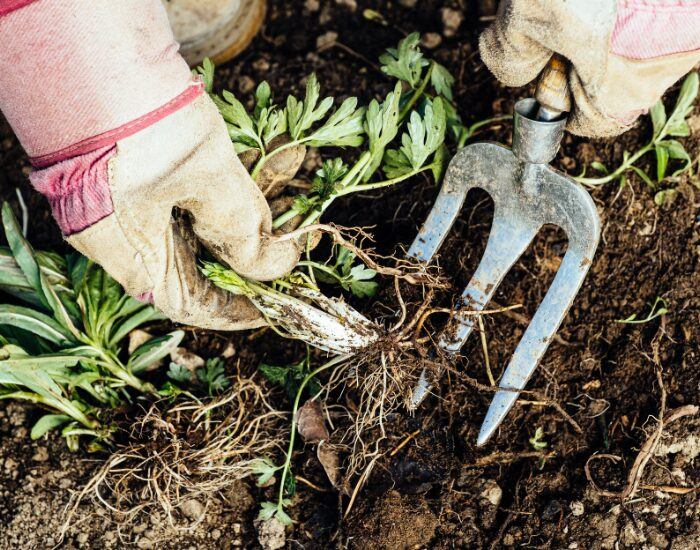
Biological control introduces natural predators or parasites from the pest’s native range to suppress the invader. Chemical control uses targeted herbicides or pesticides; in water, chemical treatment relies on herbicides formulated for aquatic environments to minimize toxicity. Physical control removes or destroys invasive species manually or mechanically, and biodegradable geotextiles can smother invasive plants.
Cultural control changes environments or human behaviors to prevent the spread. It includes soil management and planting native species that outcompete invaders. Integrated Pest Management (IPM) ties all these tactics into one coordinated plan. Early detection and rapid response sit at the core, sharpened by tools like drones and conservation AI.
What Can You Do?
- Never release pets into the wild (for example, cats released as pets)
- Plant native species in your landscaping
- Clean boats and gear before moving between water bodies
- Report unusual sightings to your local wildlife service
- Avoid moving firewood, soil, or seeds that carry uninvited species
Keep escaped pets and dumped aquariums out of the wild, and you cut off one of the most common pathways.
Can Invasive Species Ever Be Beneficial?
Surprisingly, yes. In Hawaii, non-native birds took over seed dispersal after native birds went extinct, according to a 2021 study in Scientific American. But the same birds also spread invasive plants, which worsens the problem. We have to weigh the pros and cons case by case.
Invasive Species: True or False? 🌿
Ten statements about invasive species — some true, some common misconceptions. How many can you call correctly?
Fact-check · True or False?
Frequently Asked Questions
A native species evolved in an area and belongs to its ecosystem. A non-native species lives outside its natural range, where it does not naturally exist. An invasive species is a non-native species that spreads and causes economic or environmental harm. So every invasive species is non-native, but most non-native species never turn invasive.
Human activity drives nearly every introduction. Ships carry invaders in ballast water, the pet trade releases animals, and the plant trade spreads ornamentals. Accidental transport in shipping pallets adds more. Preventing that first accidental release is the cheapest, most effective control.
Yes, and it helps. Wildlife agencies promote harvesting lionfish, invasive carp, and feral hogs as a control tool. Lionfish make excellent table fare, and chefs serve invasive carp under market-friendly names. Eating these invaders eases pressure on native wildlife while turning a problem into a food source.
Prevention wins every time. After that, early detection and rapid response stop small outbreaks fast. For established invaders, Integrated Pest Management blends biological, chemical, physical, and cultural control into one tailored plan. The right mix depends on the species and the site.
A Delicate Balance
Invasive species are a human problem with ecological consequences. By staying informed and choosing carefully, we each help protect native ecosystems. I have seen the damage up close, from Sydney’s bushland to Caribbean reefs, and I have also seen smart management bring native species back.
References:
Ballew, N. G., Bacheler, N. M., Kellison, G. T., & Schueller, A. M. (2016). Invasive lionfish reduce native fish abundance on a regional scale. Scientific Reports, 6, 32169. https://doi.org/10.1038/srep32169
Diagne, C., Leroy, B., Vaissière, A.-C., Gozlan, R. E., Roiz, D., Jarić, I., Salles, J.-M., Bradshaw, C. J. A., & Courchamp, F. (2021). High and rising economic costs of biological invasions worldwide. Nature, 592(7855), 571–576. https://doi.org/10.1038/s41586-021-03405-6
Fantle-Lepczyk, J. E., Haubrock, P. J., Kramer, A. M., Cuthbert, R. N., Turbelin, A. J., Crystal-Ornelas, R., Diagne, C., & Courchamp, F. (2022). Economic costs of biological invasions in the United States. Science of the Total Environment, 806, 151318. https://doi.org/10.1016/j.scitotenv.2021.151318
Haines, M. L., et al. (2024). The impact of invasive alien species on threatened and endangered species: A geographic perspective. Wildlife Society Bulletin, 48(2), e1552. https://doi.org/10.1002/wsb.1552
Pyšek, P., Hulme, P. E., Simberloff, D., Bacher, S., Blackburn, T. M., Carlton, J. T., et al. (2020). Scientists’ warning on invasive alien species. Biological Reviews, 95(6), 1511–1534. https://doi.org/10.1111/brv.12627
Roy, H. E., Pauchard, A., Stoett, P., Renard Truong, T., et al. (2023). Thematic assessment report on invasive alien species and their control of the Intergovernmental Science-Policy Platform on Biodiversity and Ecosystem Services (IPBES). IPBES Secretariat. https://doi.org/10.5281/zenodo.7430692