
One of my favorite concepts that I learned during my conservation journey is rewilding. As urbanization expands and natural habitats shrink, rewilding has emerged as an idea that brings hope for biodiversity conservation. But rewilding is more than just conservation, it’s about actively restoring ecosystems, reintroducing species, and letting nature heal itself.
Rewilding is a nature conservation approach that involves restoring natural ecosystems and promoting species diversity by allowing natural processes to occur with minimal human intervention. It aims to recreate resilient ecosystems by reintroducing native species, such as large carnivores and keystone species, while preserving wild nature.
That’s the vision of rewilding: an active conservation approach that goes beyond preserving what’s left and actively works to rebuild what’s been lost. From bringing wolves back to Yellowstone to reintroducing Tasmanian devils to mainland Australia, rewilding projects worldwide are proving that nature can bounce back when given the chance.
What Is Rewilding?
Rewilding is a proactive approach to conservation that focuses on restoring ecosystems to their natural state. Unlike traditional conservation efforts that often focus on maintaining landscapes in their current condition, rewilding seeks to:
- Reintroduce keystone species that have disappeared from their native habitats
- Restore natural processes like flooding, grazing, and predator-prey dynamics
- Minimize human intervention, allowing ecosystems to self-regulate and thrive
- Recreate resilient ecosystems that can adapt to environmental changes
In short, rewilding is about letting nature do what it does best: heal itself. The concept involves understanding ecological processes and the intricate web of relationships within ecosystems. One compelling example is the reintroduction of beavers to river ecosystems, which has improved water quality, reduced flooding, and created habitats for countless other species.
Rewilding efforts are essential for mitigating climate change, addressing biodiversity loss, and promoting ecological restoration. The approach requires a deep understanding of how ecosystems function and the patience to allow natural processes to unfold over time.
Benefits of Rewilding
Ecosystem Restoration and Biodiversity
Rewilding helps restore ecosystem function and structure, promoting biological diversity and supporting a wide range of species. By reintroducing native species and removing barriers to natural processes, rewilding creates self-sustaining ecosystems that can thrive with minimal human intervention.
The preservation of top predators and highly interactive species helps maintain trophic levels and supports the balance of ecosystems. This restoration of natural food webs creates cascading benefits throughout the entire ecosystem, supporting species diversity from the smallest insects to the largest mammals.
Climate Change Mitigation
Rewilding can help mitigate climate change by enhancing carbon capture and promoting natural solutions to environmental challenges. Restored forests, grasslands, and wetlands act as carbon sinks, sequestering atmospheric carbon dioxide and helping to stabilize global climate patterns.
Natural ecosystems are often more effective at carbon storage than human-managed landscapes, making rewilding a powerful tool in the fight against climate change.
Economic Opportunities
Rewilding can provide significant economic opportunities for local communities and support the development of nature-based enterprises. Ecotourism, in particular, has proven to be a sustainable source of income for many rewilding areas.
Conservation-focused travel that funds wildlife restoration creates jobs while supporting biodiversity recovery. Local communities can benefit from guiding services, accommodation, and other tourism-related businesses that develop around successful rewilding projects.

Ecosystem Services and Human Well-being
By preserving ecosystem services, rewilding supports human well-being and promotes a better future for all. These services include water purification, flood control, pollination, and natural pest control, all essential for human survival and prosperity.
Additionally, rewilding can help reduce human-wildlife conflict by restoring natural habitats and promoting coexistence with wild animals, creating more harmonious relationships between humans and nature.
Rewilding in Practice
Species Reintroduction and Habitat Restoration
Rewilding involves a range of practices, including species reintroduction, habitat restoration, and the removal of barriers to natural processes. These projects require careful planning and scientific expertise to ensure success.
Examples of rewilding in practice include the reintroduction of grizzly bears and Eurasian lynx to core areas, and the restoration of natural habitats in national parks. Each project is tailored to the specific ecosystem and its unique needs.
Collaboration and Community Involvement
Successful rewilding programs often involve collaboration between local communities, conservation biologists, and other stakeholders to achieve common goals. This collaborative approach ensures that projects have local support and can address the needs of both wildlife and human communities.
Organizations like Rewilding Europe, Rewilding Britain, and the Rewilding Institute are leading the charge in promoting rewilding efforts and supporting the development of rewilding projects across different continents.

Global Rewilding Movements
The concept of rewilding is gaining popularity globally, with rewilding projects in North America and South America focusing on habitat restoration and species reintroduction. Each region faces unique challenges and opportunities, but the fundamental principles remain the same.
Rewilding in Australia: Restoring a Unique Landscape
Australia’s biodiversity is legendary, but it’s also one of the most threatened. Habitat destruction, invasive species, and climate change have pushed many native animals to the brink. However, rewilding is making a difference.
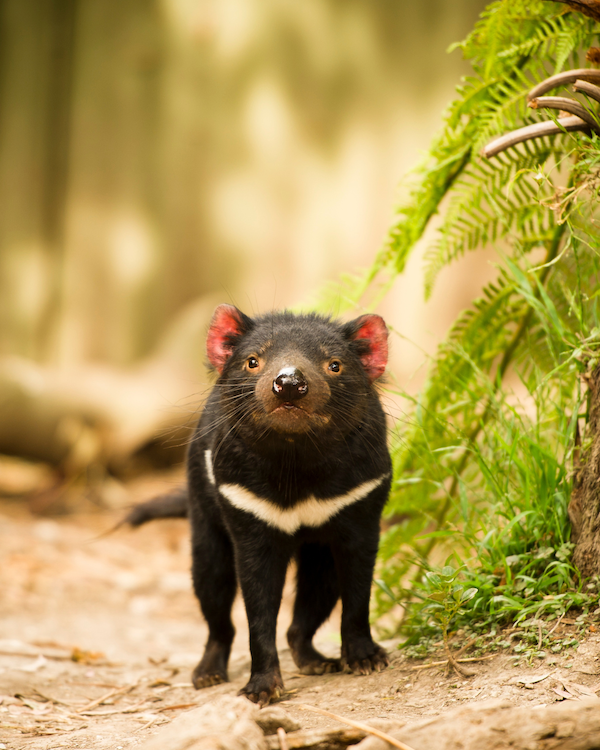
- Tasmanian Devils Return to Mainland Australia
Once wiped out from the mainland, Tasmanian devils were reintroduced in 2020 to help control invasive species like feral cats and foxes, which threaten smaller marsupials. - Arid Recovery Project
This initiative has successfully reintroduced bilbies, bettongs, and bandicoots to predator-free reserves, helping to rebuild populations of these once-abundant species. - Rewilding Gardens
On a smaller scale, Australians are encouraged to plant native flora, provide water sources, and remove invasive plants to support local wildlife in urban areas.
Wilding vs. Rewilding: Understanding the Difference
Both wilding and rewilding aim to restore nature, but there’s a key distinction that’s important to understand:
Wilding involves leaving nature alone to regenerate without human intervention. This passive approach allows natural succession to occur over time, with minimal human involvement.
Rewilding takes active steps to restore ecosystems, such as reintroducing species, removing human-made barriers, or actively managing invasive species. This hands-on conservation approach is designed to correct past damage and kickstart natural recovery.
Rewilding is hands-on conservation, designed to accelerate the restoration process and address specific ecological problems that might not resolve naturally without intervention.
What Is a Rewilder?
A rewilder is anyone who actively participates in restoring ecosystems. You don’t have to be a scientist or professional conservationist to be a rewilder. The rewilding community includes:
- Conservation biologists leading large-scale restoration projects
- Local communities participating in species monitoring and habitat restoration
- Gardeners creating native habitats in urban areas
- Policymakers advocating for protected areas and wildlife corridors
- Individuals making small changes in their own communities
Rewilding is for everyone, from conservation professionals to individuals making small changes in their daily lives that support ecosystem restoration.
How to Rewild Your Own Backyard
Rewilding isn’t just for national parks—it starts at home. Your garden can become a wildlife sanctuary with just a few simple changes:
Plant Native Species
Replace exotic plants with local trees, flowers, and shrubs. Native plants provide food and shelter for local wildlife and require less water and maintenance than non-native species.
Create Wildlife Corridors
Leave sections of your garden undisturbed to provide shelter for birds, insects, and small mammals. These wild areas connect habitats and allow wildlife to move safely through urban environments.
Add a Water Source
A small pond or birdbath can support frogs, insects, and thirsty animals. Water features become hubs of biodiversity, attracting a wide variety of species.
Ditch Chemicals
Pesticides and synthetic fertilizers harm pollinators and soil health. Organic gardening methods support the entire ecosystem web that exists in your backyard.
Let It Grow Wild
Avoid over-manicuring your lawn. Fallen leaves and logs create essential microhabitats for insects, fungi, and small animals that form the foundation of healthy ecosystems.
Challenges of Rewilding
While rewilding offers tremendous benefits, it also faces significant challenges that must be addressed for successful implementation:
Human-Wildlife Conflict
Reintroducing predators can create tensions with farmers and communities who fear for their livestock and safety. Education and compensation programs are essential for gaining local support.
Funding and Resources
Large-scale rewilding projects require significant financial investment and long-term commitment. Securing sustainable funding remains one of the biggest obstacles to expanding rewilding efforts.
Invasive Species Management
Ensuring that non-native species don’t outcompete reintroduced wildlife requires ongoing monitoring and management. Invasive species can quickly undermine rewilding efforts if not properly controlled.
Political and Social Acceptance
Rewilding can be controversial, particularly in areas where it may be seen as conflicting with human interests or economic development. Building public support requires careful communication and demonstration of benefits.
Despite these challenges, many organizations and local people are working to overcome obstacles and promote rewilding efforts worldwide.
The Importance of Community Engagement
Community engagement is critical to the success of rewilding efforts, as it helps build support and promote coexistence with wild animals. Local communities play a key role in rewilding projects, from providing financial support to participating in species monitoring and habitat restoration.
Building Local Support
Rewilding organizations are working to engage both rural and urban communities, promoting the benefits of rewilding from mitigating climate change to supporting local economies. When local people understand and support rewilding goals, projects are much more likely to succeed.
Community-Led Initiatives
Community-led rewilding initiatives can help promote species diversity and support the recovery of lost species. These grassroots efforts often have the advantage of local knowledge and long-term commitment to the area.
Creating a Global Movement
By involving local people in rewilding efforts, it’s possible to build a global movement that promotes a better future for all. Urban communities, in particular, can play important roles in supporting rewilding through education, funding, and lifestyle changes.
Rewilding Success Stories
Around the world, rewilding projects have revived lost species, restored ecological balance, and even boosted local economies. Here are some of the most inspiring success stories that showcase the incredible resilience of nature when given the chance to recover.
- Yellowstone National Park, USA
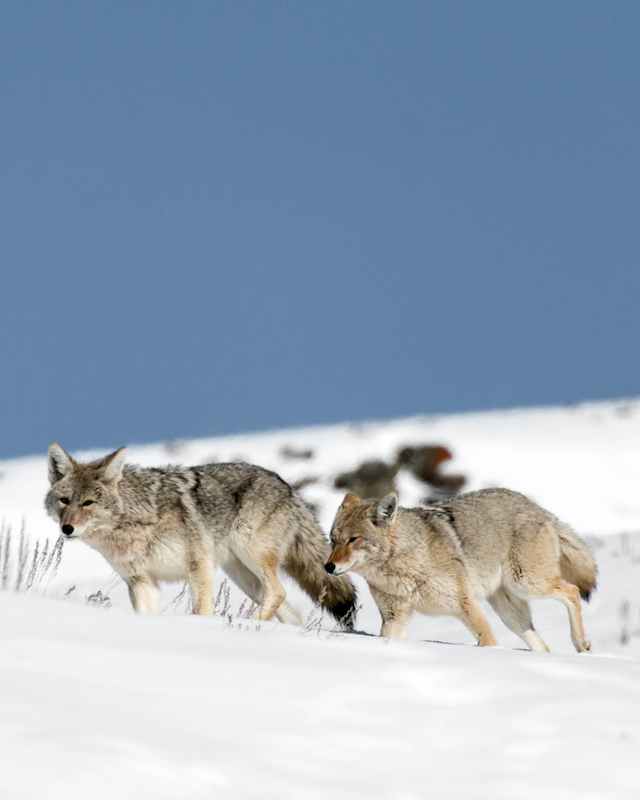
Yellowstone’s wolf reintroduction in 1995 is one of the most famous rewilding success stories. After wolves were eradicated in the early 20th century, elk populations skyrocketed, overgrazing riverbanks and causing habitat degradation. With the return of wolves, elk behavior changed, allowing vegetation to recover, stabilizing riverbanks, and boosting biodiversity. This cascading effect, known as a trophic cascade, led to increased populations of beavers, birds, and even fish. The project proved that apex predators play a crucial role in maintaining ecological balance.

- Knepp Estate, UK
The Knepp Estate in England is a remarkable example of farmland turned wild. Once intensively farmed, the land was converted into a rewilding project in the early 2000s, allowing nature to take over with minimal human intervention. Free-roaming animals like deer, cattle, and wild ponies now shape the landscape, encouraging native plant growth and boosting biodiversity. The project has seen the return of rare species, including turtle doves, purple emperor butterflies, and white storks, which bred in the UK for the first time in centuries. Knepp’s success has become a model for rewilding across Europe.
- Iberian Lynx Recovery, Spain & Portugal
The Iberian lynx was once the world’s most endangered feline, with fewer than 100 individuals left in the early 2000s. Conservationists launched an ambitious rewilding effort, creating protected areas, restoring habitat, and breeding lynxes for reintroduction. These efforts paid off, with populations now exceeding 1,600 individuals, making it one of the greatest predator recovery stories. The lynx’s return has helped regulate rabbit populations, a keystone prey species, benefiting the entire ecosystem. This recovery highlights the importance of long-term commitment and international collaboration in rewilding efforts.
- Cabo Pulmo, Mexico
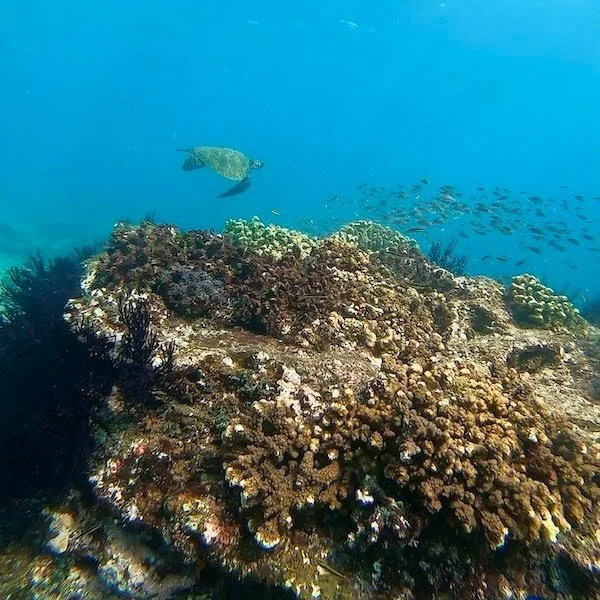
Cabo Pulmo was once a depleted fishing ground in the Gulf of California, but a local community-driven initiative turned it into a thriving marine reserve. In 1995, residents persuaded the government to establish a no-take marine park, banning fishing entirely. Within a decade, fish biomass increased by over 400%, with large predators like sharks and groupers returning to the reef. Today, Cabo Pulmo is a world-class diving destination, proving that marine rewilding not only restores biodiversity but also provides sustainable economic opportunities. It stands as a model for marine conservation worldwide.
Challenges in Rewilding
Rewilding is a powerful conservation tool, but it comes with challenges:
- Human-Wildlife Conflict – Reintroducing predators can create tensions with farmers and communities.
- Funding & Resources – Large-scale projects require financial investment and long-term commitment.
- Invasive Species Management – Ensuring that non-native species don’t outcompete reintroduced wildlife.
How You Can Support Rewilding
Even if you’re not working directly in conservation, you can help rewilding efforts in several meaningful ways:
Support Rewilding Organizations
Groups like Rewilding Europe, The Australian Wildlife Conservancy, and The Rewilding Institute are leading the charge. Your donations and volunteer time can make a real difference.
Advocate for Protected Areas
Encourage policies that expand nature reserves and support reintroduction programs. Contact your representatives and vote for leaders who prioritize environmental conservation.
Create Wildlife-Friendly Spaces
Even small urban gardens can provide food and shelter for native species. Every rewilded space, no matter how small, contributes to the larger conservation effort.
Choose Ecotourism
Support conservation-focused travel that funds wildlife restoration. Your tourism dollars can directly support rewilding projects and local communities.
Spread Awareness
Share information about rewilding with friends, family, and social networks. Education and awareness are crucial for building the support needed for large-scale rewilding efforts.
Rewilding and Conservation: A Unified Approach
Rewilding is a key component of modern conservation efforts, helping to restore ecosystem function and promote species diversity. Conservation biologists and other experts are working to promote rewilding efforts and support the development of projects worldwide.
By addressing biodiversity loss and promoting ecological restoration, rewilding helps support the health and resilience of ecosystems. The preservation of top predators and highly interactive species maintains trophic levels and supports ecological balance.
The ultimate goal of rewilding is to create self-sustaining ecosystems that can thrive with minimal human intervention, supporting a wide range of species and promoting biological diversity for future generations.
The Future of Rewilding: A Vision for Tomorrow
Rewilding represents more than just a conservation strategy, it’s a fundamental mindset shift toward recognizing nature’s inherent ability to heal and thrive when given the opportunity.
As we face the mounting challenges of climate change and biodiversity loss, rewilding offers a path forward that benefits both wildlife and human communities. The success stories from Yellowstone to Australia demonstrate that with commitment, resources, and community support, we can restore ecosystems and bring species back from the brink of extinction.
The future of rewilding lies in expanding these efforts globally, creating networks of restored habitats that can support wildlife migration and genetic diversity. Technology will play an increasingly important role, from genetic rescue techniques to monitoring systems that track ecosystem health.
A Wilder, Healthier Planet
Rewilding is a powerful approach to nature conservation that can help restore ecosystem function and promote species diversity. By allowing natural processes to occur and preserving wild nature, rewilding helps mitigate climate change and address biodiversity loss.
While there are challenges to rewilding, the benefits are clear—from promoting ecological restoration to supporting local economies and creating sustainable relationships between humans and nature.
The wolves of Yellowstone and the Tasmanian devils of Australia are evidence that rewilding projects can help nature bounce back when we let it. Whether through large-scale projects or planting a single native tree, every effort counts toward creating a wilder, healthier planet.
As a global movement, rewilding has the potential to create a better future for all—from humans to wild animals and the ecosystems we all depend on. By working together to promote rewilding efforts, we can help preserve the natural world and support the health and resilience of ecosystems for generations to come.
The more we integrate rewilding into our lives, our policies, and our communities, the closer we get to a world where nature and humanity can thrive together in balance and harmony.