For decades, the idea of wolves Colorado sounded more like a historical footnote than a living reality. By the 1940s, gray wolves, once roaming the Southern Rockies in healthy numbers. had been eradicated through hunting, trapping, and poisoning campaigns. For more than 70 years, their howls were absent from Colorado’s mountains and valleys.
But that silence has ended. Wolves are back, both through natural migration from neighboring states and through active wolf reintroduction in Colorado led by Colorado Parks and Wildlife (CPW). Their return is sparking celebration, controversy, and a profound debate about how modern society coexists with apex predators.
In this article, we’ll explore the history of wolf reintroduction Colorado, the new wolf packs settling in, how the state is managing conflicts, and what science says about wolves’ role in ecosystems.
The History of Wolves in Colorado
From Eradication to Extirpation
By the early 20th century, wolves were targeted as threats to livestock and game species. Bounty programs incentivized their killing, and by the 1940s, the last wolf in Colorado was thought to be gone.
Natural Dispersal in the 1990s
The first wolf sightings in decades were reported in the 1990s as gray wolves from the Northern Rockies dispersed southward. The Snake River Pack in Wyoming was particularly significant, with one collared wolf later crossing into Colorado.
The Ballot Box Reintroduction
In 2020, Colorado voters narrowly approved Proposition 114, making the state the first to mandate wolf reintroduction through a ballot measure. This landmark decision required CPW to reintroduce wolves to the Western Slope by 2023.
The program, supported by state law, public engagement, and the wildlife commission, has since brought wolves translocated from Oregon into carefully selected release sites in Colorado. To facilitate the initial capture and transfer of wolves for reintroduction, a one-year agreement with Oregon was established.
Colorado Parks and Wildlife’s Role
Colorado Parks and Wildlife (CPW) has become the central player in the wolf restoration story. Their responsibilities include:
- Wolf Reintroduction Colorado Program: Translocating wolves from other states such as Oregon and Idaho.
- Wolf Population Monitoring: Using GPS collars, wolf activity maps, and field officers to track wolves’ movements.
- Conflict Mitigation: Running the Wolf-Livestock Conflict Minimization Program, offering support to ranchers.
- Compensation Programs: Reimbursing ranchers for livestock confirmed killed by wolves under the Game Damage Program.
- Public Engagement: Holding consultations with landowners, tribal representatives, and the public.
- CPW Biologists: CPW biologists are responsible for monitoring and managing wolf populations, conducting research, and advising on conservation strategies.
Capture operations, including helicopter-assisted immobilization and health assessments, are a critical part of the reintroduction process to ensure the safety and well-being of wolves during translocation.
Wolves in Colorado are now managed under the federal Endangered Species Act, with added flexibility through the “10(j) experimental population rule”, which allows the state to manage wolves as a “non-essential experimental population.” This ensures wolves remain protected while giving CPW authority to manage conflicts.
CPW is also working closely with federal agencies such as the U.S. Fish and Wildlife Service and other wildlife service organizations to coordinate wolf management and conservation strategies.

Release Sites and the Experimental Population
Choosing the Right Release Sites
The return of gray wolves to Colorado has been anything but accidental. CPW meticulously selected release sites for the gray wolf reintroduction program, aiming to give these iconic animals the best possible chance at establishing a self-sustaining wolf population.
Each release site was chosen for its remote wilderness, abundant prey, and minimal risk of conflict with domestic animals or human activity, key factors in ensuring the long-term success of wolves in Colorado.
The First Releases: Grand, Eagle, and Pitkin Counties
The first major release took place in Grand County, where ten gray wolves were released in December 2023. With its vast stretches of public land and healthy elk and deer herds, Grand County offered an ideal starting point for the wolves’ new chapter.
Building on this success, a second release site was established in Eagle and Pitkin counties, where fifteen wolves were released in January 2025. These wolves came to Colorado through partnerships with British Columbia and Oregon, reflecting a collaborative, multi-state approach to wildlife restoration.

An Experimental Population Under the ESA
A crucial aspect of the program is its designation as an experimental population under the federal Endangered Species Act. This status gives CPW the flexibility to manage wolves in ways that balance their protection with the needs of local communities.
It allows wildlife officers to respond proactively to potential conflicts, such as wolves preying on livestock, while still ensuring the species’ recovery remains a top priority.
Tracking Wolf Activity With GPS
To track the progress of the reintroduction, CPW has outfitted many wolves with GPS collars. These devices provide real-time data on wolf movements, territory establishment, and interactions with other animals.
The information gathered has been invaluable for refining management strategies and understanding how gray wolves in Colorado adapt to their new environment. As wolf population numbers grow, CPW expects to see more packs forming and new territories claimed across the Western Slope and beyond.
The Copper Creek Pack as a Case Study
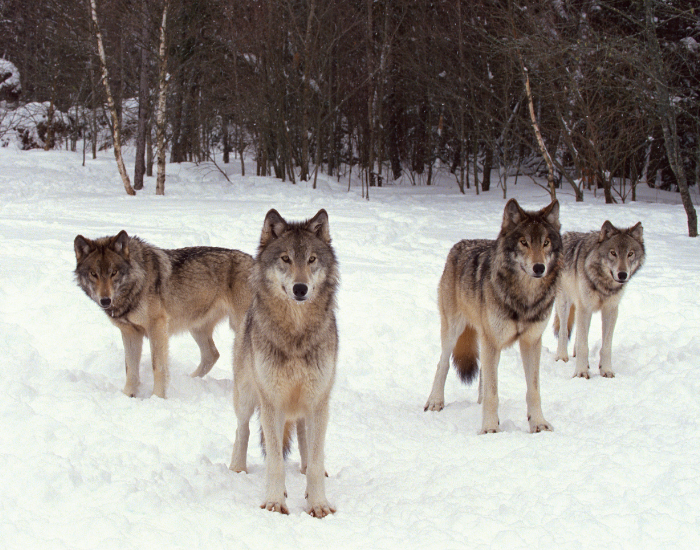
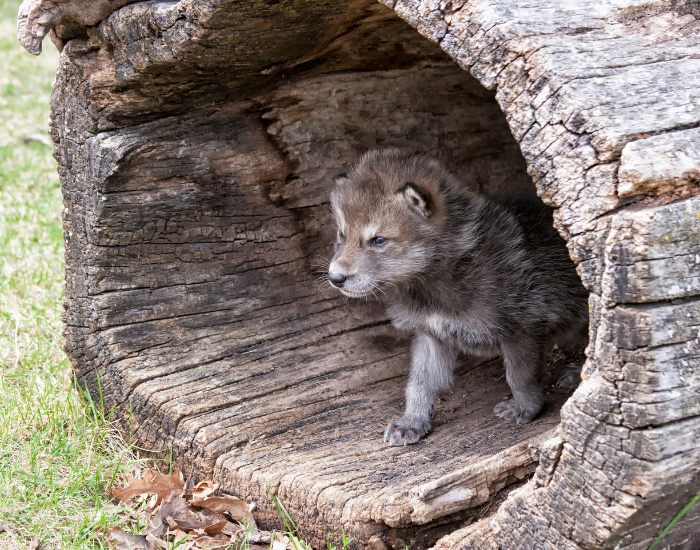
The Copper Creek Pack, the first to form after reintroduction, has become a focal point for researchers and wildlife enthusiasts alike. Monitoring this pack has offered unique insights into the social dynamics, hunting patterns, and pup-rearing behaviors of gray wolves in Colorado.
Each new litter of pups is a sign that the reintroduction effort is working, and that a new generation of wolves is learning to thrive in the Rockies.
Public Engagement and Community Involvement
Public engagement remains a cornerstone of the program. CPW regularly updates the public on wolf activity, hosts educational events, and invites feedback on management practices.
This historic effort, driven by Colorado voters and supported by partnerships with other states and provinces, has set a national precedent for how wildlife can be restored through science, collaboration, and community involvement.
Ongoing Challenges and Next Steps
Of course, challenges remain. As wolves explore new territories, potential conflicts with livestock and other wildlife are an ongoing concern. CPW continues to adapt its strategies, working closely with ranchers, hunters, and conservation groups to manage wolves effectively and minimize negative impacts.
The careful selection of release sites, the flexibility of the experimental population designation, and the commitment to monitoring and public engagement have all been critical to the success of gray wolf reintroduction in Colorado.
As wolf population numbers grow and new packs establish themselves, the state’s approach will continue to evolve, ensuring that wolves, wildlife, and people can share Colorado’s wild landscapes for generations to come.
Where Are Wolves in Colorado?
As of 2025, confirmed wolf activity spans multiple counties across the Western Slope and north-central Colorado. Wolves have been seen, collared, and monitored in:
- Jackson County – Home to the North Park Pack, the first confirmed pack with pups since the 1940s.
- Grand County – Early sightings and pack activity, including the Copper Creek Pack before its relocation.
- Routt County – King Mountain Pack established here.
- Pitkin County – Now home to the relocated Copper Creek Pack.
- Moffat, Rio Blanco, and Larimer Counties – Each GPS point represents a recorded location of a wolf tracked via GPS collar, confirming wolves exploring new territories, including recent monitoring efforts and sightings in eastern Moffat County.
The Colorado Wolf and Wildlife Center is a facility involved in wolf conservation, and some wolf movements have been recorded near the wildlife center.

Wolf Activity Map
CPW publishes updated wolf activity maps showing movements of collared wolves across the Continental Divide and near the Front Range. One collared female even reached Teller County, the closest wolf recorded near urban Colorado communities.
Wolf Packs and Breeding in Colorado
The definition of a wolf pack in Colorado requires at least two wolves traveling together regularly, with official recognition often hinging on whether they produce pups. A breeding pair, defined as a male and female wolf that have produced pups, is a key indicator of a pack’s reproductive success and establishment in Colorado. Here are the notable packs today:
- North Park Pack – Jackson County; naturally migrated from Wyoming; produced six pups in 2021.
- Copper Creek Pack – Originally in Grand County, now in Pitkin County.
- King Mountain Pack – Active in Routt County.
- One Ear Pack – Documented in Jackson County.
- Snake River Pack Connection – Wolves dispersing from Wyoming’s Snake River Pack have crossed into Colorado.
CPW confirms multiple litters have now been born, with new pups documented annually. The question of how many pups survive each year depends on prey availability, weather, and human conflict.
Why Reintroduce Wolves to Colorado?
The reasons for reintroducing wolves to Colorado extend beyond nostalgia:
- Ecological BalanceWolves regulate elk and deer populations, preventing overgrazing. This helps aspen and willow forests recover, supporting songbirds, fish, and beavers. Healthy fish populations and fishing opportunities are also supported by balanced ecosystems, as wolves help regulate prey species that impact aquatic habitats.
- Cultural and Ethical ValueWolves are native to Colorado. Many argue the state has a responsibility to restore what was lost through human eradication.
- Public SupportColorado voters mandated reintroduction, demonstrating public engagement in conservation.
Scientific research, including work in Yellowstone, shows how the presence of an apex predator, like the wolf presence can trigger trophic cascades, restoring entire ecosystems by keeping prey populations in check.
The Wolf Controversy in Colorado
Wolf reintroduction has been one of the most polarizing wildlife issues in the state.
- Ranchers fear losses to livestock and economic instability.
- Hunters argue wolves may compete for elk and deer, reducing hunting opportunities.
- Conservationists stress that wolves are keystone predators essential for biodiversity.
The Colorado Department of Parks and Wildlife Commission has tried to balance these views, but not to anyones surprise, tensions remain high, especially in rural ranching communities on the Western Slope.
Wolf reintroduction also has significant implications for wildlife’s balance and ecosystem health in Colorado as the Yellowstone wolf reintroduction demonstrates.
Conflict Management and Livestock Protection
Living with wolves requires careful management. CPW’s Wolf-Livestock Conflict Minimization Program offers tools such as:
- Range riders to monitor herds.
- Fladry (flagged fencing) to deter wolves.
- Guard dogs and hazing techniques.
When wolves attack livestock, ranchers can apply for compensation. In cases of illegal take (killing a wolf outside the law), penalties include:
- Fines up to $100,000.
- Loss of hunting privileges.
- Possible jail time.
This balance, compensating losses while protecting wolves, is at the heart of Colorado’s management approach.

The Role of Science and Monitoring
Wolves are tracked through a combination of modern technology and boots-on-the-ground fieldwork:
- GPS Points – Collars record data every few hours, giving researchers real-time insights into wolf movements and territory use.
- Camera Traps – Placed along wildlife corridors to confirm pack activity and pup presence.
- Wolf Activity Maps – Updated regularly for public awareness, showing the general areas where wolves roam without revealing exact den sites.
- Wildlife Officers – On the ground verifying sightings, investigating livestock conflicts, and monitoring pack health.
In February 2024, Colorado Parks and Wildlife (CPW) released an updated wolf activity map showing the ranges of collared wolves across the state. This initiative, built on GPS collar data, provides the public with watershed-level insights while protecting sensitive habitats during denning season.
Researchers emphasize that building a self-sustaining wolf population in Colorado will require steady breeding, dispersal into new habitats, and above all, genetic diversity. To support this, Canada recently promised 15 gray wolves from British Columbia to bolster Colorado’s reintroduction efforts, an important step in avoiding inbreeding and strengthening long-term resilience.
Ongoing research and data collection are therefore essential, not only for tracking wolves in Colorado today, but for ensuring future generations of gray wolves can thrive across the Rockies.
Future Outlook: Wolves in Colorado
The outlook for wolves is cautiously optimistic:
- Wolf Population Numbers Grow – From a handful of animals in 2020 to more than 29 by 2025.
- Breeding Pairs – Increasing numbers of pups mean expansion is likely.
- Public Engagement – CPW continues to involve ranchers, tribes, conservationists, and voters.
- Potential Conflicts – With wolves dispersing closer to the Front Range, coexistence strategies will be tested.
Neighboring states like New Mexico are also participating in wolf reintroduction and management, playing a key role in regional recovery efforts.
Colorado’s wolves may never reach the numbers seen in states like Montana or Idaho, but they are here to stay.
FAQ You May Have
Yes. Multiple wolf packs now roam Colorado, including the North Park and Copper Creek packs.
To restore ecosystems, comply with voter-approved Proposition 114, and bring back a native predator.
Primarily on the Western Slope in counties like Jackson, Routt, Pitkin, and Grand.
It allows Colorado to manage wolves as an experimental population, balancing protection with flexibility in managing conflicts.
Up to $100,000, with additional penalties like jail time and loss of hunting licenses.
Since 2021, multiple litters have been documented, including the first six pups born in Jackson County.
No. There are no recorded wolf attacks on humans in Colorado.
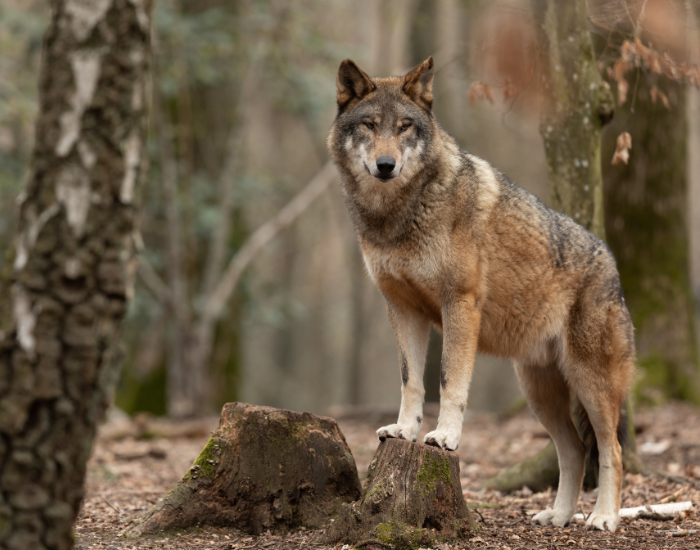
Wolves are larger (up to 100 lbs), with broader snouts and longer legs compared to coyotes.
A New Chapter for Wolves Colorado
The reintroduction of wolves in Colorado is a bold experiment, part science, part politics, part cultural restoration. With wolf reintroduction Colorado well underway, packs forming, and wolf population numbers growing, the question is no longer whether wolves belong in Colorado, but how people will choose to coexist with them.
Their return signals a shift: toward healthier ecosystems, tougher conversations, and a recognition that true wildness is noisy, unpredictable, and worth protecting.