Unbelievable Evolutionary Traits That Help Animals Thrive in the

Nature has an unparalleled ability to inspire awe, especially when it comes to the extraordinary adaptations animals have developed to survive. Across ecosystems, from ocean depths to forest canopies, wildlife has evolved unique traits that defy imagination. These adaptations aren’t just fascinating; they’re vital to survival in some of the harshest conditions on Earth, showcasing how animals adapt to their environments. Let’s explore the top 10 weirdest animal adaptations for survival, diving into their ecological significance, scientific names, and the marvels of their evolution.
1. Anglerfish (Lophiiformes):
Deep in the dark abyss of the ocean, the anglerfish has perfected the art of deception. Found in the murky depths of the Atlantic and Antarctic Oceans, the anglerfish thrives where sunlight never penetrates.
This peculiar fish uses a bioluminescent lure to attract unsuspecting prey. It is essential for survival in an environment where food is scarce. Prey is tricked into swimming close, mistaking the light for a smaller fish.
The light, produced by symbiotic bacteria, dangles just above its gaping mouth. Some species of anglerfish display sexual parasitism, where the much smaller male permanently fuses to the female, providing sperm in exchange for sustenance

2. Satanic Leaf-Tailed Gecko (Uroplatus phantasticus)
Native to the tropical rainforests of Madagascar, the Satanic leaf-tailed gecko is a master of disguise, perfectly mimicking a dried leaf with jagged edges, vein patterns, and even natural-looking “tears” in its leaf-like structure.
Its ability to flatten its body against surfaces enhances its camouflage, allowing it to blend seamlessly into leaf litter and tree bark. This remarkable adaptation helps the gecko evade predators like birds and snakes in its predator-rich environment, ensuring its survival. Despite its eerie name, this gecko showcases some of nature’s most fascinating evolutionary marvels.

3. Bombardier Beetle (Brachininae)
When threatened, the bombardier beetle unleashes an explosive defense mechanism by ejecting a boiling-hot chemical spray from its abdomen, accompanied by a loud popping sound and a cloud of noxious gas.
This spray, reaching temperatures close to 100°C, can be discharged in rapid bursts, effectively deterring predators. Found across the globe, particularly in tropical and temperate regions, this beetle’s ability to mix and release chemical compounds on demand demonstrates a highly effective evolutionary adaptation for survival.
4. Axolotl (Ambystoma mexicanum)
Native to the lake systems of Xochimilco and Chalco in Mexico, the axolotl is a unique type of salamander that retains its larval features throughout its life. Often called the “Mexican walking fish,” it’s renowned for its extraordinary ability to regenerate limbs, spinal cords, and even parts of vital organs like the heart and brain.
This incredible adaptation has made the axolotl a focal point for medical research, with scientists studying its potential applications for human tissue regeneration. Its remarkable regenerative abilities give it a survival advantage in the wild, allowing it to recover from injuries that would be fatal to most species.

5. Mimic Octopus (Thaumoctopus mimicus): Master of Disguise
The mimic octopus takes camouflage to a whole new level by imitating venomous sea creatures such as lionfish, sea snakes, and jellyfish. Found in the shallow coastal waters of the Indo-Pacific region, this clever cephalopod adjusts its shape, movement, and coloration to deter predators. Its ability to seamlessly switch between multiple disguises highlights its quick-thinking survival skills.
By convincing potential threats that it’s dangerous or unpalatable, the mimic octopus turns deception into an art form, making it one of the ocean’s most intriguing inhabitants.
Read more about octopuses:
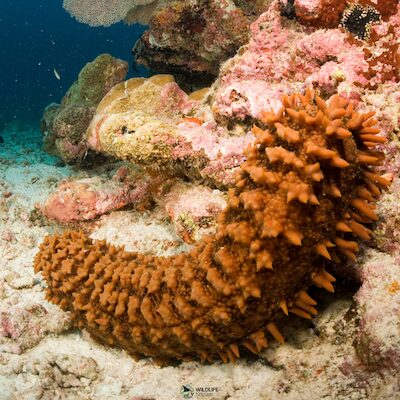
6. Sea Cucumber (Holothuroidea)
The sea cucumber is a type of echinoderm that are master of unconventional survival tactics. When threatened, it ejects its internal organs to distract predators, a strategy that may sound extreme but is highly effective.
These organs regenerate over time, ensuring the sea cucumber remains unharmed. Found on ocean floors worldwide, particularly in shallow coastal areas, sea cucumbers display a fascinating array of survival strategies. For instance, some species release a sticky, toxic substance to fend off attackers. Moreover, as natural recyclers, they contribute significantly to the health of marine ecosystems, proving that survival in the ocean often requires thinking outside the box.
7. Planarian Worm (Platyhelminthes): The Immortal Regenerator
Planarian worms are tiny wonders with extraordinary regenerative abilities. If cut into multiple pieces, each fragment can grow into a fully functional worm, making them practically immortal. Found in freshwater environments worldwide, planarians have been extensively studied by scientists to understand stem cell behavior and regeneration.
This remarkable adaptation ensures their survival in environments where predation or injury is common, cementing their place as some of nature’s most resilient creatures.

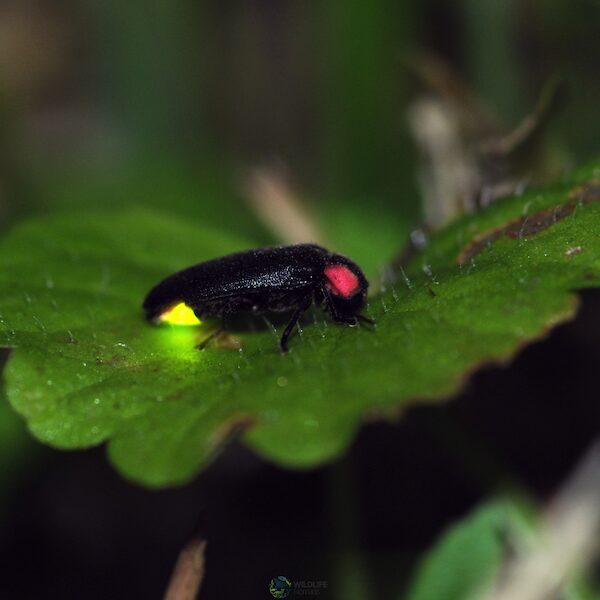
8. Firefly (Lampyridae): Nature’s Glowing Communicator
Fireflies light up forests and grasslands worldwide with their glowing abdomens, a stunning display of bioluminescence powered by the compound luciferin. Each species boasts its own unique flash pattern, which acts as a signature for communication in the darkness.
This magical glow serves multiple purposes: attracting mates, deterring predators, and enabling inter-species communication. Beyond their enchanting display, fireflies are a testament to how light can be both beautiful and functional in the natural world.
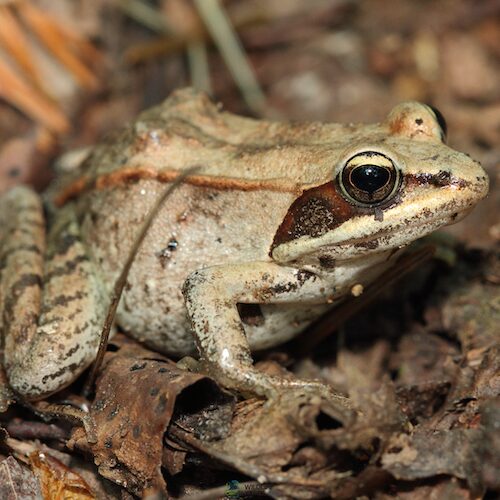
9. Wood Frog (Rana sylvatica)
Found in North America’s forests and tundra, the wood frog is a type of amphibian that has evolved an astonishing adaptation to endure harsh winters. Alaskan wood frogs’ bodies can freeze solid, with over 60% of their bodies turning to ice, allowing them to endure extreme cold temperatures.
It produces glucose, which acts as a natural antifreeze, protecting its vital organs as its body shuts down completely during freezing temperatures. When spring arrives, the frog thaws and resumes life as if it had merely paused. This adaptation allows the wood frog to thrive in climates too extreme for most amphibians, showcasing nature’s resilience in the face of adversity.
10. Pistol Shrimp (Alpheidae): The Underwater Sniper
The pistol shrimp wields one of the ocean’s most powerful weapons: a snapping claw capable of creating a burst of sound strong enough to stun or kill prey. The snap generates a cavitation bubble that collapses with heat and light comparable to the sun’s surface temperature.
Found in tropical and subtropical waters, these shrimp often form symbiotic relationships with goby fish, working together for mutual survival. This tiny yet mighty creature demonstrates how power and precision can make even the smallest animals formidable predators.

Bonus Adaptations for those that are really into cool adaptations:
11. Pufferfish (Tetraodontidae): The Inflatable Defender
In the vast and perilous ocean, the pufferfish has developed a remarkable defense mechanism to deter predators. When threatened, this unique fish can inflate its body by ingesting water or air, transforming into a spiky, unappetizing ball.
This sudden increase in size makes it difficult for predators to swallow the pufferfish, providing a crucial window for escape. When threatened, the sharp spines that protrude as it inflates not only add an extra layer of protection but also make the pufferfish appear even more formidable. Furthermore, this physical adaptation is a clear example of how certain animal species have gradually evolved to survive in their environments, ultimately using their bodies as both shield and sword.

12. Cuttlefish (Sepiida): The Master of Disguise
Cuttlefish are the chameleons of the sea. These creatures uses specialized skin cells called chromatophores to change color and texture, creating complex patterns that mimic the environment. Whether evading predators or sneaking up on prey, this physical adaptation is a testament to the cuttlefish’s survival prowess.
Cuttlefish can also release clouds of ink when threatened, further confusing predators and providing a swift escape. This combination of physical and behavioral adaptations makes the cuttlefish one of the most elusive creatures in the animal kingdom.

13. Tubeworms (Riftia pachyptila): The Extremophile Survivors
Living in the extreme conditions of deep-sea hydrothermal vents, tubeworms have evolved to thrive where few other organisms can. These remarkable creatures lack a digestive system, instead relying on chemosynthetic bacteria housed within their bodies to convert toxic chemicals into energy.
This unique physical adaptation allows tubeworms to survive in environments with high levels of toxic chemicals and low oxygen levels. Their ability to endure extreme temperatures and pressures showcases the incredible resilience of some animal species.
Tubeworms are a prime example of how life can adapt to survive in the most inhospitable conditions, turning what seems like a barren wasteland into a thriving ecosystem.

Questions you may have
The axolotl is often considered to have the coolest adaptation—it can regenerate entire limbs and even parts of its heart and brain.
Some of the top adaptations include camouflage, echolocation, regeneration, bioluminescence, and hibernation.
Examples include a camel’s ability to store water, a chameleon’s color change, penguin blubber for warmth, shark teeth, owl night vision, bat echolocation, giraffe neck length, arctic fox fur color changes, electric eel shocks, and snake heat sensing.
The pistol shrimp’s snapping claw that creates a shockwave and the mimic octopus’s ability to impersonate other species are two of the most unique adaptations in nature.
Nature’s Boundless Ingenuity
The exploration of these ten—plus three bonus—extraordinary animals offers a profound testament to Nature’s boundless ingenuity. From the light-up deception of the deep-sea Anglerfish to the solid-freeze survival of the Wood Frog, these adaptations aren’t just biological quirks; they are evolutionary masterpieces refined over millennia. They showcase how life, when faced with the planet’s harshest challenges, always finds a way to thrive.
Whether through the astonishing self-healing of the Axolotl and Planarian Worm, the explosive chemistry of the Bombardier Beetle, or the thermal precision of the Pistol Shrimp’s snap, each creature demonstrates a unique solution to the fundamental problem of survival. These weird and wonderful traits—critical for evading predators, securing sustenance, and enduring extreme environments—underscore a single powerful truth: the capacity for adaptation is the ultimate strength in the animal kingdom, continuously inspiring awe and driving scientific discovery.
References:
Jozet-Alves, C., Schnell, A. K., & Clayton, N. S. (2023). Cephalopod learning and memory. Current Biology, 33(20), R1091–R1095. https://doi.org/10.1016/j.cub.2023.08.013
Kangale, L. J., Raoult, D., Fournier, P. E., Abnave, P., & Ghigo, E. (2021). Planarians (Platyhelminthes)-An Emerging Model Organism for Investigating Innate Immune Mechanisms. Frontiers in cellular and infection microbiology, 11, 619081. https://doi.org/10.3389/fcimb.2021.619081
Koukouvinis, P., Bruecker, C., & Gavaises, M. (2017). Unveiling the physical mechanism behind pistol shrimp cavitation. Scientific reports, 7(1), 13994. https://doi.org/10.1038/s41598-017-14312-0
Storey, J. M., Wu, S., & Storey, K. B. (2021). Mitochondria and the Frozen Frog. Antioxidants (Basel, Switzerland), 10(4), 543. https://doi.org/10.3390/antiox10040543
Medina-Feliciano, J. G., & García-Arrarás, J. E. (2021). Regeneration in Echinoderms: Molecular Advancements. Frontiers in cell and developmental biology, 9, 768641. https://doi.org/10.3389/fcell.2021.768641
Sugiura S. (2018). Anti-predator defences of a bombardier beetle: is bombing essential for successful escape from frogs?. PeerJ, 6, e5942. https://doi.org/10.7717/peerj.5942