Wildlife Nomads


The figbird hit our roof tent with a thud. It had been fighting another bird above our campsite for minutes, and then it simply crashed into the canvas. That was my welcome to Booti Booti National Park, and it set the tone for our best wildlife stop on the NSW mid north coast so far.
Booti Booti sits on an 8 km peninsula between the Pacific Ocean and Wallis Lake, about 20 km south of Forster. We arrived straight after six nights in Barrington Tops, at Polblue campground and Gloucester River. In two short walks we logged 21 species, including a bird I had never seen anywhere in my life.
This guide is part of our lap around Australia. Below you’ll find every animal we recorded and where we found it. You’ll also find the practical stuff: the Ruins campground, the walks, fires, dogs and the drive in.
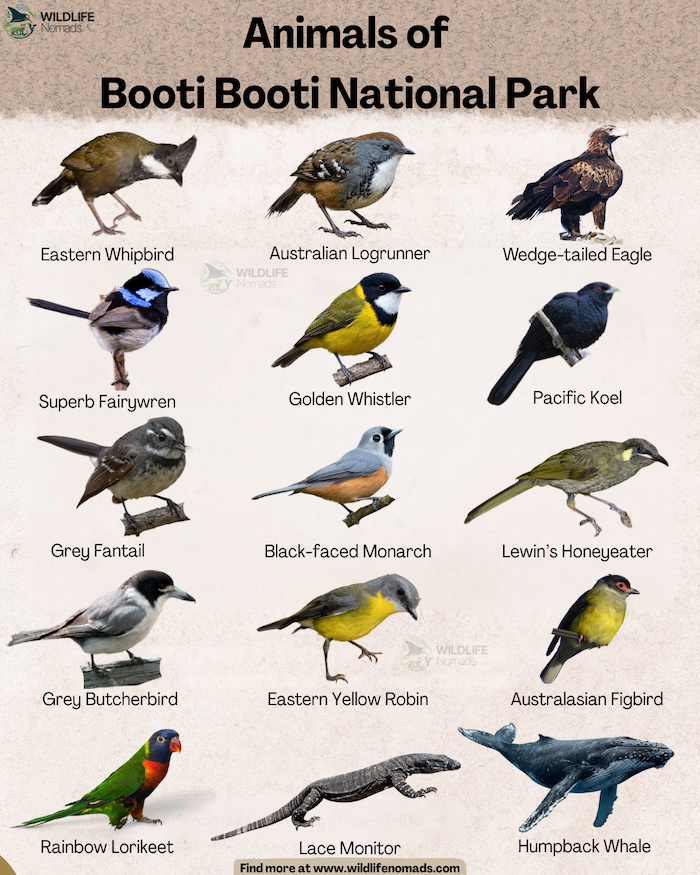
Booti Booti National Park | By Wildlife Nomads
About Booti Booti National Park
Booti Booti is a small coastal national park on the NSW mid north coast of New South Wales. Its name comes from butibuti, a local Worimi Aboriginal word meaning “plenty of honey.” The Worimi people have cared for this country for thousands of years. Shell middens and stone tool sites still survive inside the park.
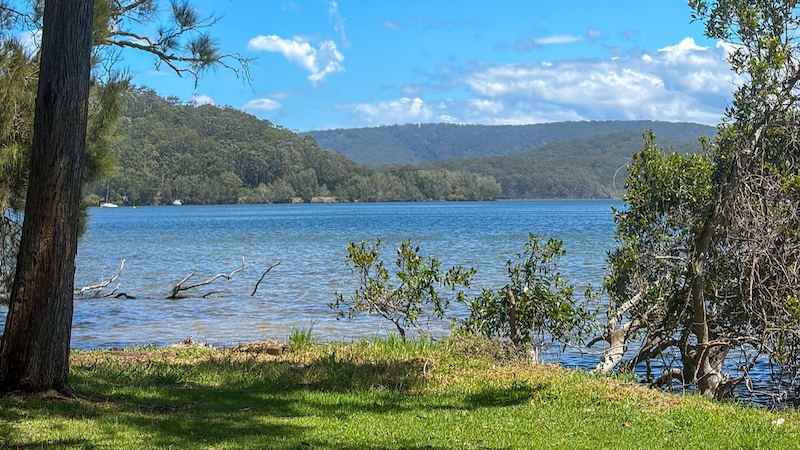
The park packs a lot into a narrow strip of land. On one side, Seven Mile Beach faces the Pacific Ocean. On the other, the tranquil lake offers 11 km of estuarine foreshore, calm water and mangroves. Between them sit scenic headlands, coastal rainforest and heath.
That mix explains the wildlife. Ocean, lake and forest species overlap here in a very small area. As a result, hiking, swimming, birdwatching and whale watching all fit into one day trip.
Families come for the beautiful beaches, the patrolled water at Elizabeth Beach and a picnic spot beneath the paperbarks. Others come for surfing and mountain biking. You can visit from Forster for the day, or camp overnight at the Ruins and turn it into a slow coastal adventure.
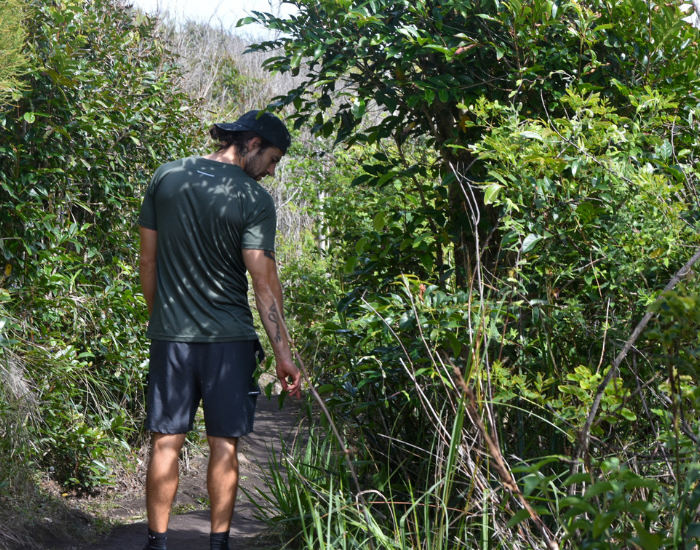
Getting to Booti Booti National Park: Krambach and Forster
We left Gloucester two days earlier than planned. On the way, we tried our first free camp of the lap, at Krambach on the Bucketts Way. Honestly, we expected something dodgy. Instead we found very clean toilets with hot water and a quiet place to sleep.
We didn’t set up camp at all. We parked, walked to the local pub for dinner and a beer, and watched the view. It felt like a true country Australian experience, and I’d stop there again in a heartbeat.
Next came a night at a Reflections caravan park in Forster. It costs more than a national park, but sometimes you want extra comfort. We swam at the beach, walked the town, had coffee and restocked. Forster sits where Wallis Lake meets the sea, and its mangroves and waterways are stunning. The lake is also famous for Sydney rock oysters, so try them if you eat seafood.
The park lies about 20 km south of Forster. The Lakes Way runs there through Pacific Palms. Before checking in, we had a picnic at Elizabeth Beach and then cooled off at the lake. Both deserve a stop.
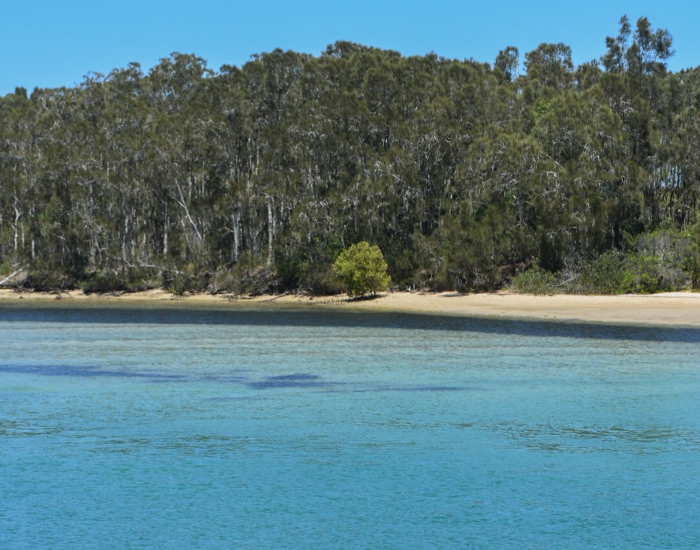
Camping at Booti Booti: The Ruins Campground
There are no cabins inside the park. As a result, booti booti national park accommodation means either the Ruins campground or a holiday park in Forster or Pacific Palms. The Ruins sits at the southern end of Seven Mile Beach, at 4374 The Lakes Way, Booti Booti NSW 2428.
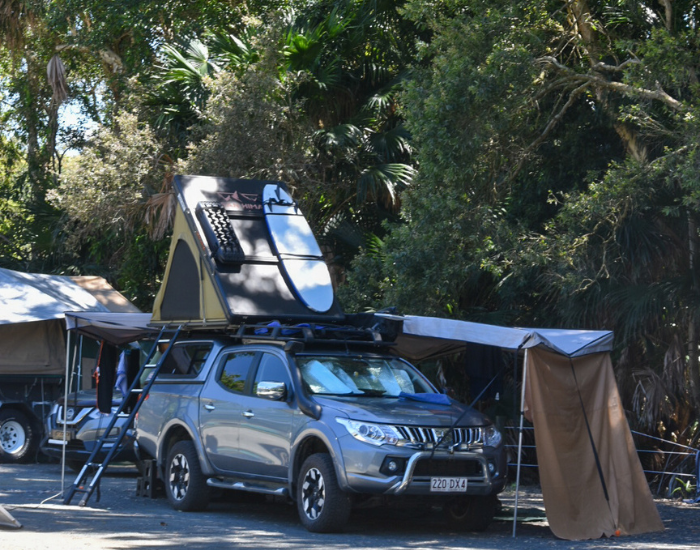
For us, camping at Booti Booti was easy. There was no formal check-in, and the campground felt quiet after the busy national parks further north. The amenities were the best of the lap so far: new flush toilets, clean hot showers, drinking water and free gas barbecues.
Campfires aren’t allowed here, so leave the firewood at home. Generators are prohibited too. Day visitors can use a separate picnic area with picnic tables and a barbecue shelter.
We took site 60, which backs onto a wall of bush and a small swamp. It gave us enough shade, yet still enough open sky for Starlink. Park entry costs $8 per vehicle per day unless you hold an NSW annual pass.
Booti Booti National Park Walks: Where the Wildlife Is
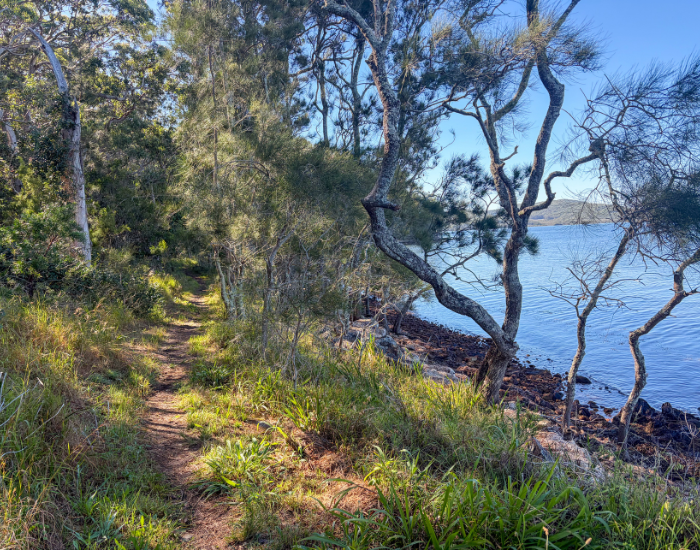
Among the walking tracks in NSW national parks, the Booti loop is one of the best for birdwatching and whale watching. It runs 8 km and links Booti Hill, the ocean side and the Lakeside track. NPWS suggests two to three hours. We split it, walking the beach side one day and the lakeside track across the road the next.
These walks gave us most of our animals. The beach side climbs through twisted eucalypts into patches of coastal rainforest. This salt-tolerant littoral rainforest grows only near the sea, and it is now a critically endangered ecological community nationally.
My advice is boring but it works. Walk slowly, stop often and listen. For a short walk, head to Cape Hawke near Forster. Its lookout tower has some of the most stunning lookouts on the coast, over Wallis Lake and Seven Mile Beach. The NSW parks service lists over 210 bird species in the park, so bring binoculars.
The Animals of Booti Booti National Park
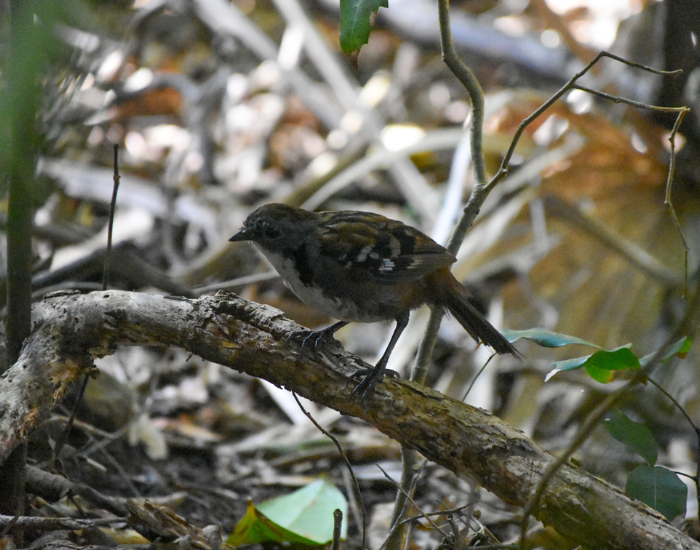
1. Australian Logrunner (Orthonyx temminckii)
This was the highlight: a new bird for the lap and for me, ever. On the Booti Hill side we heard rustling on the ground. I expected a lizard. Instead, a chubby rufous-brown bird hopped from low branches to the bushes, then down into the leaf litter.
Logrunners feed by kicking leaf litter aside while bracing on stiff, spiny tail feathers. Interestingly, they breed in the dry winter, when leaf litter still holds enough moisture for their insect prey. It took real patience to get a proper photo.
2. Eastern Whipbird (Psophodes olivaceus)
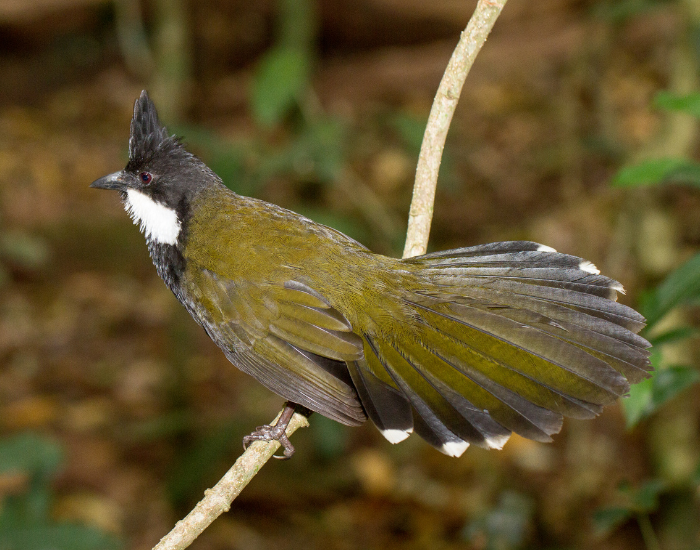
I’ve heard the whipcrack call for years along the east coast. Seeing the bird is another story. Right after the logrunner, I kept my eyes on the track and a dark, crested bird walked straight across it.
A second later, it called. I didn’t expect one on the ground, but whipbirds forage mostly in leaf litter under dense cover. There’s no photo yet, so the hunt continues.
3. Golden Whistler (Pachycephala pectoralis)
On the lakeside track we found a full adult male in the classic pose: black head, white throat, black collar and a blazing yellow chest. Females and young males look plain grey-brown by comparison. It was a nice sighting cause it is common to spot these birds as juveniles or females.
Males take more than a year to moult into that colour. Listen for a rich, rolling song that often finishes with a loud crack.
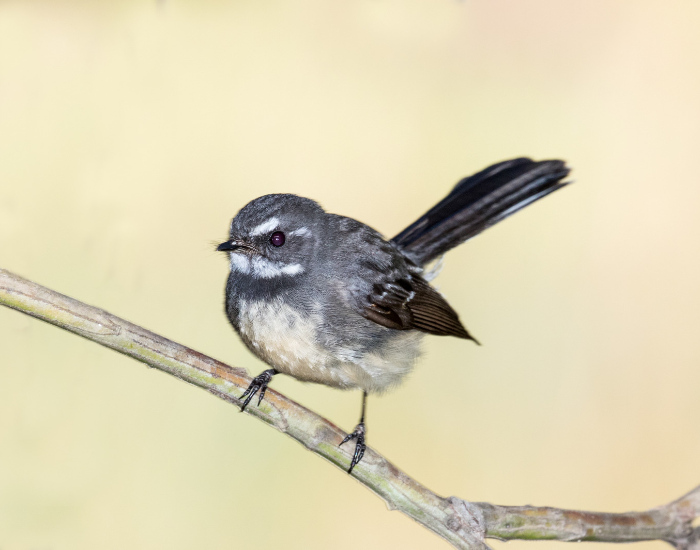
4. Grey Fantail (Rhipidura albiscapa)
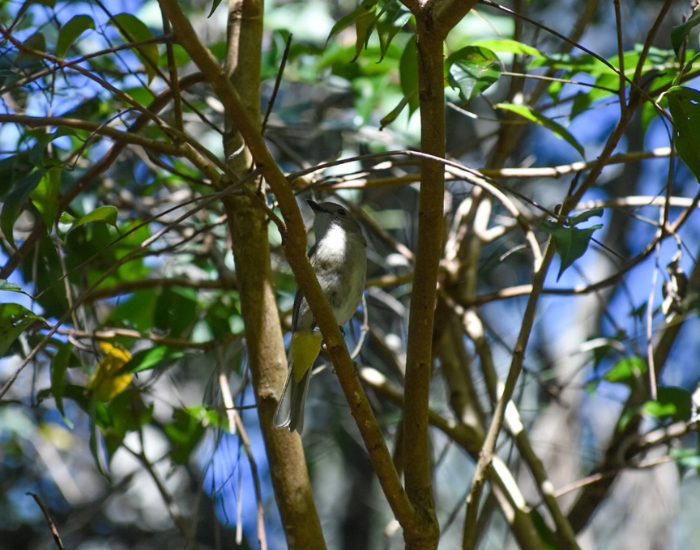
The moment I saw it, I thought: Willie Wagtail, but smaller and greyer. That’s no coincidence, since both belong to the same genus. The restless tail fanning gives them away every time.
Fantails use that movement to flush small insects, then snatch them in mid-air. We counted quite a few along a short stretch of the lakeside track.
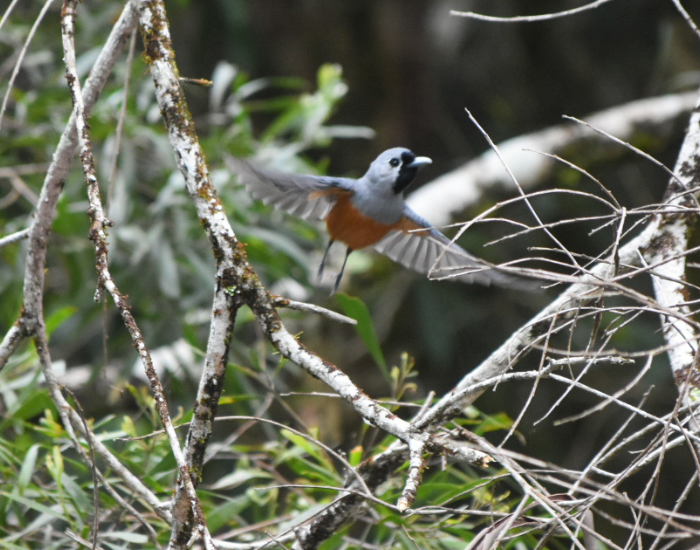
5. Black-faced Monarch (Monarcha melanopsis)
I only saw one, but after Gloucester River I recognised it instantly. That black patch around the bill and eyes is unmistakable.
Black-faced monarchs are spring and summer visitors to NSW. Many spend winter in north Queensland or New Guinea, then return south to breed in rainforest.
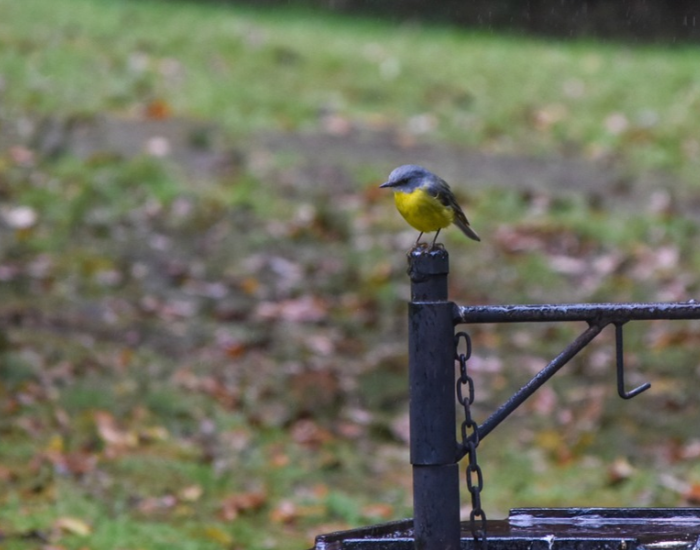
6. Eastern Yellow Robin (Eopsaltria australis)
This robin did its usual trick, clinging sideways to a trunk before dropping onto an insect. It’s a classic perch-and-pounce hunter. Walk this trail slowly and you’ll realise it’s full of life. The robin is usually the first to show itself. Read more about robins of Australia.
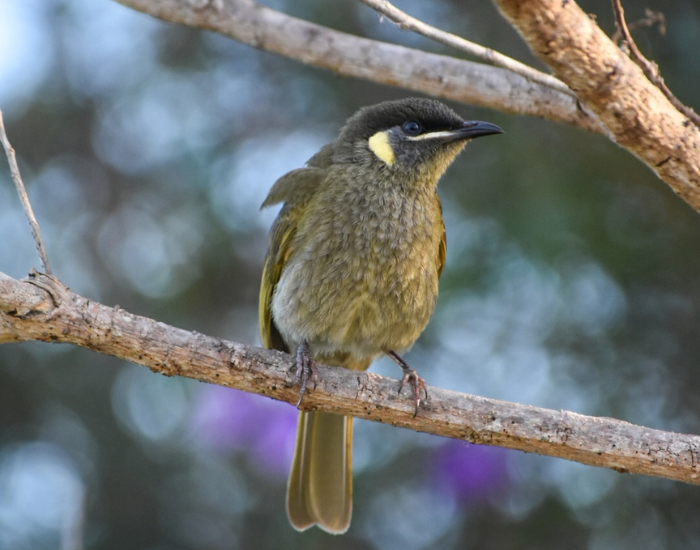
7. Lewin’s Honeyeater (Meliphaga lewini)
We found this one on the booti walking track, and it’s easy to miss. Its call is a rapid rattle, so listen first. Then look for an olive bird with a pale, crescent-shaped ear patch. It’s one of many honeyeaters of Australia on this coast.
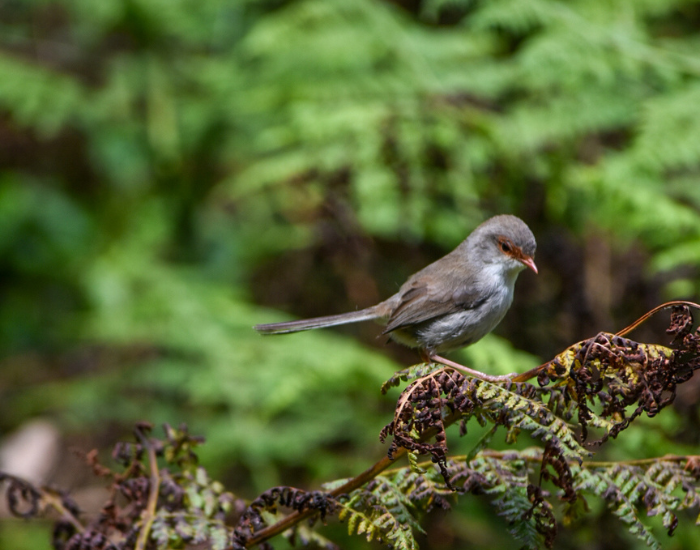
8. Superb Fairywren (Malurus cyaneus)
We saw quite a few of these wrens on both tracks. After this many stops, we’re finally getting good at finding them. Look low, along grassy edges and shrubs.
In spring, breeding males turn electric blue. Brown helpers, often grown offspring, help the pair feed the next brood.
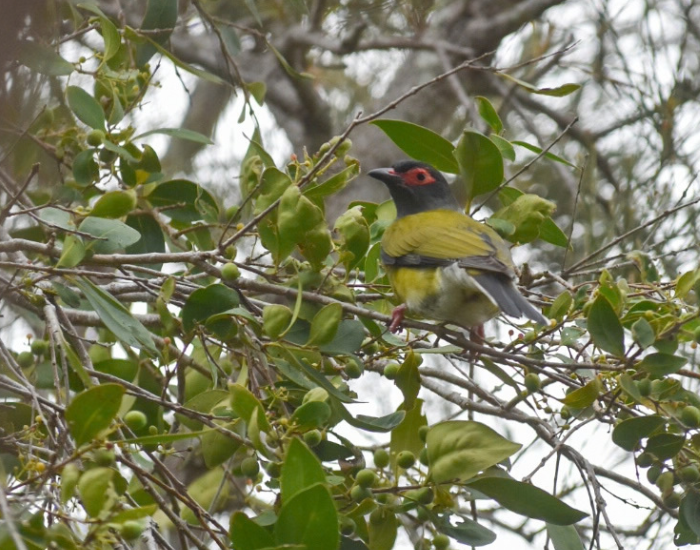
9. Australasian Figbird (Sphecotheres vieilloti)
This one gave us the show of the trip. A figbird fought another honeyeater, probably a noisy miner or a wattlebird, right above our roof tent. The fight lasted several minutes.
It crashed into the tent at one point and almost flew into me later. Figbirds are fruit specialists, so a good fruiting tree is worth defending.
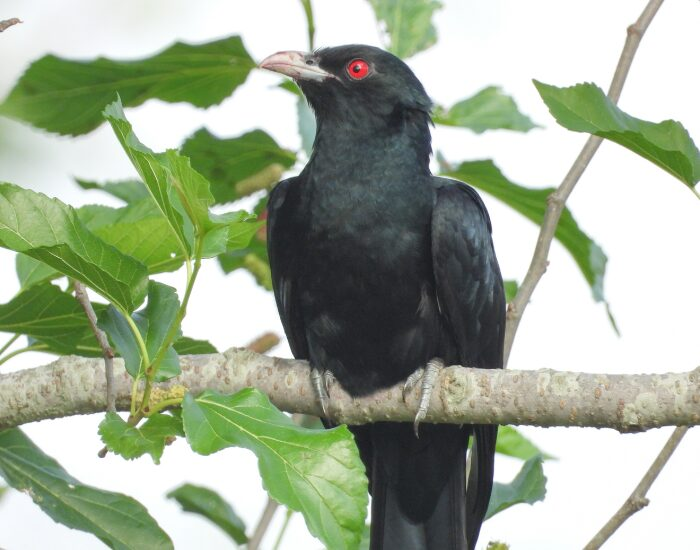
10. Pacific Koel (Eudynamys orientalis)
Once again we heard it before we saw it. That rising call took me straight back to Malaysia. However, the bird I knew there is the Asian koel. In Australia you’re hearing the Pacific koel, a separate species that arrives each spring.
Koels are brood parasites. Females lay eggs in the nests of figbirds, friarbirds and wattlebirds, which then raise the chick. So that figbird fight above our tent might have had higher stakes than we thought.
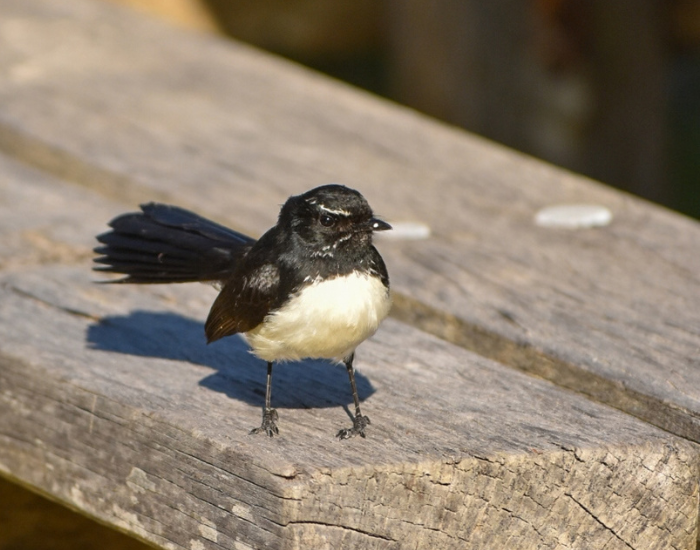
11. Willie Wagtail (Rhipidura leucophrys)
Messing with everyone, as always. Here it harassed magpies and even a lace monitor. My personal list now covers kookaburras, magpies, ravens, kangaroos, wallabies and a goanna. This bird weighs about 20 grams and fears absolutely nothing.
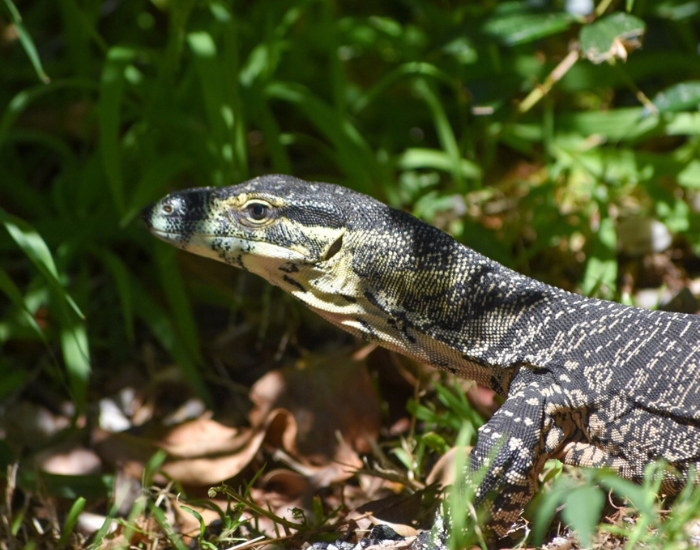
12. Lace Monitor (Varanus varius)
A small one walked out of the bush and swamp behind site 60. It reminded me of the bush patch behind our site at Illaroo, where monitors also appeared. This one wandered right into the middle of the wagtail-versus-magpie squabble.
Lace monitors can reach 2 metres and are part predator, part scavenger. One study found carrion dominated their diet in every season. Goannas visit The Ruins regularly, so keep your food sealed.
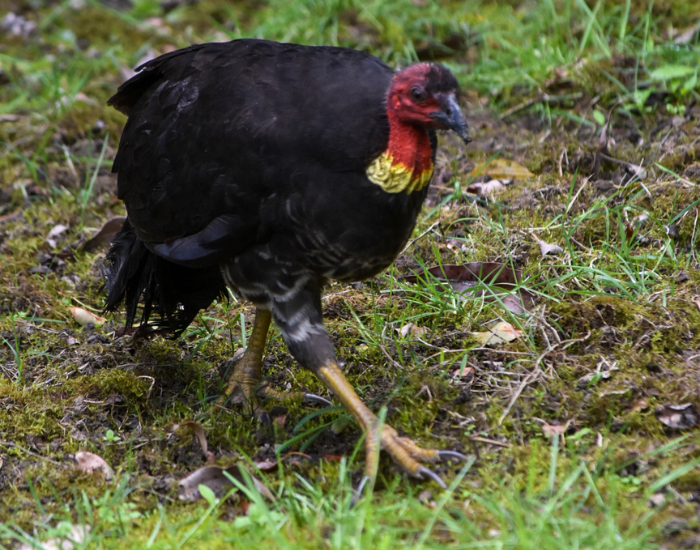
13. Australian Brushturkey (Alectura lathami)
So many, again. After Gloucester I thought I’d had enough, and these were even bolder. One tried to steal my tomatoes and my wraps straight off the table, so pack everything away every time.
Brushturkeys have spread back into towns and cities in recent decades, helped by legal protection from hunting. They have clearly learned that campers mean snacks.
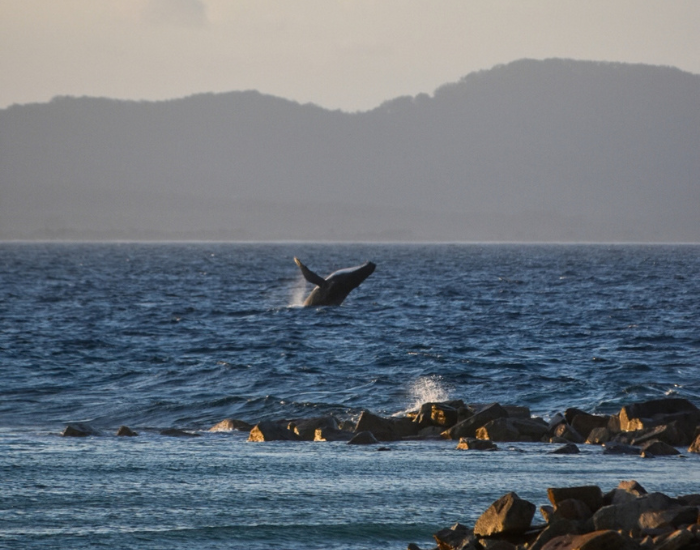
14. Humpback Whale (Megaptera novaeangliae)
We spotted four, which surprised us. I assumed the season was over and worried they were running late. In fact, the southern migration past NSW continues into November. The last groups heading south are often mothers with calves.
Humpbacks migrate along the coast twice a year, heading north in winter and south again in spring. East Australian humpback whales have recovered strongly since whaling ended in 1962, growing about 11% a year (Noad et al., 2019). You can follow their journey on our humpback whale migration map.
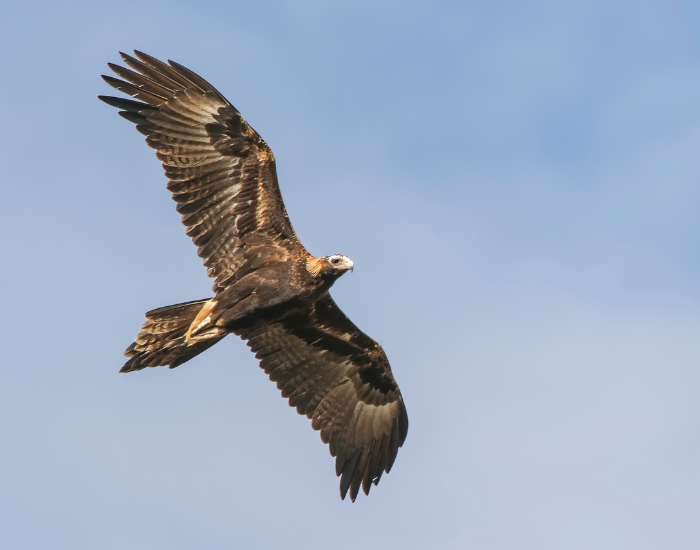
15. Wedge-tailed Eagle (Aquila audax)
Our final sighting came as we drove out of the park. A big dark raptor circled over the road. After ruling out everything else, only a young wedge-tailed eagle fit.
Young wedgies look golden-brown, darkening over several years towards adult black. Sadly there’s no photo, because I was driving. Meet more Australian eagles.
16. Pelicans, Cormorants, Butcherbirds, Wattlebirds and Lorikeets
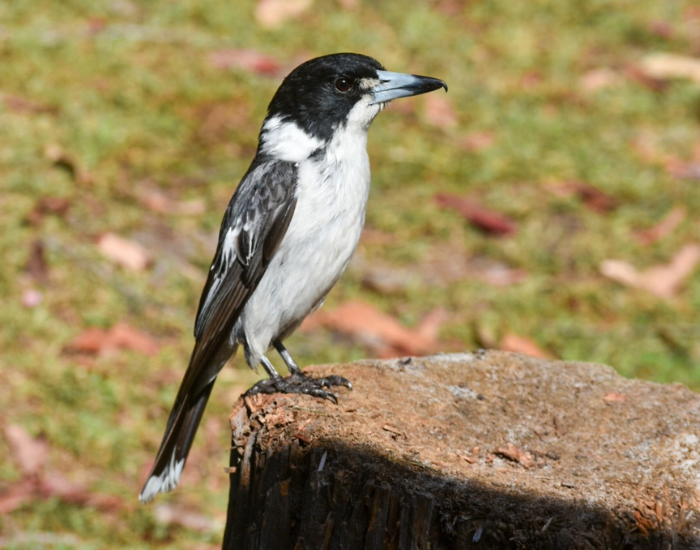
Several regulars rounded out the list. Australian pelicans (Pelecanus conspicillatus) floated on the ocean, and little black cormorants (Phalacrocorax sulcirostris) flew low over the waves. A few pied butcherbirds (Cracticus nigrogularis) hung around the campground.
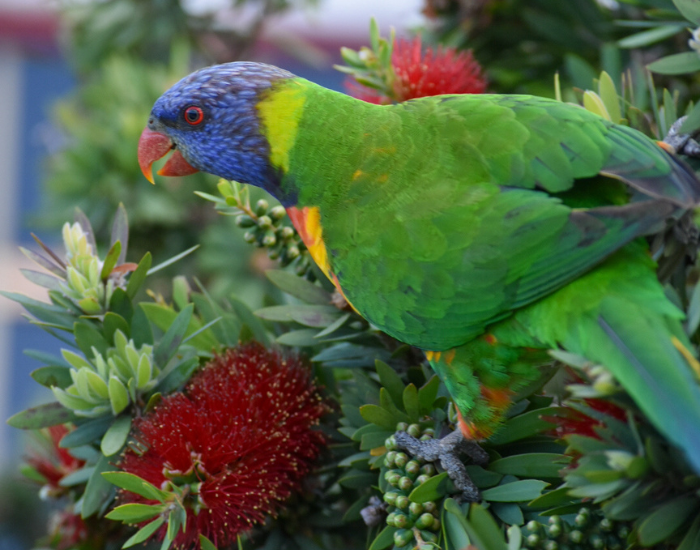
Little wattlebirds (Anthochaera chrysoptera) worked the flowering shrubs. On the lakeside trail, rainbow lorikeets (Trichoglossus moluccanus) screeched overhead. That call is how you know you’re in Australia.
Frequently Asked Questions
The Booti walking track is an 8 km loop that takes about two to three hours. It starts at the Ruins campground and links Booti Hill, the coast and the Wallis Lake shoreline. It’s graded moderate, with some climbing on Booti Hill. You can also walk it in two halves, as we did.
No. Pets aren’t permitted anywhere in Booti Booti National Park, except certified assistance animals. If you travel with a dog, look at holiday parks around Forster and check their pet policies before booking.
Yes. Entry costs $8 per vehicle per day, paid at the park office or through the Park’nPay app. If you’re visiting several NSW national parks on one trip, an annual pass usually works out cheaper.
No. Campfires aren’t allowed at the Ruins campground, so don’t bring firewood. Free gas barbecues in the pavilion cover your cooking. Parks can also close during high fire danger, so check NPWS alerts before you drive in.
The Ruins is the only campground inside the park, and it sits between Wallis Lake and Seven Mile Beach. For other Wallis Lake camping, there are holiday parks around Forster, Tuncurry and Pacific Palms. They cost more but offer powered sites.
Booti Booti Is the Lap’s Best Birding Stop So Far
Booti Booti National Park proves that a short loop between Wallis Lake and Seven Mile Beach beats a long drive. Beach, littoral rainforest and lakeshore sit within a few kilometres, so the birds stack up fast. A logrunner, a whipbird and a golden whistler in one walk is a very good morning.
Next, we’re heading further south on the lap. Follow every stop on our Australia lap page, or plan your own route with our guide to the best NSW national parks. Have you walked the Booti track? Tell me in the comments what you saw. I’d love to know if anyone found the whipbird in good light.
References
Goosem, C. H., Booth, D. T., & Walter, G. H. (2015). Winter breeding of a subtropical rainforest passerine: Spatio-temporal distribution of prey and the sex-related foraging behaviour of the Southern Logrunner, Orthonyx temminckii. Emu, 115(4), 345–355. https://doi.org/10.1071/MU15008
Guarino, F. (2001). Diet of a large carnivorous lizard, Varanus varius. Wildlife Research, 28(6), 627–630. https://doi.org/10.1071/WR01001
Hall, M. J., Martin, J. M., Burns, A. L., & Hochuli, D. F. (2024). The decline, fall, and rise of a large urban colonising bird. Wildlife Research, 51(7), WR23156. https://doi.org/10.1071/WR23156
Littleford-Colquhoun, B. L., Clemente, C., Whiting, M. J., Ortiz-Barrientos, D., & Frère, C. H. (2017). Archipelagos of the Anthropocene: Rapid and extensive differentiation of native terrestrial vertebrates in a single metropolis. Molecular Ecology, 26(9), 2466–2481. https://doi.org/10.1111/mec.14042
Noad, M. J., Kniest, E., & Dunlop, R. A. (2019). Boom to bust? Implications for the continued rapid growth of the eastern Australian humpback whale population despite recovery. Population Ecology, 61(2), 198–209. https://doi.org/10.1002/1438-390X.1014