My First Encounter With a Rainbow Lorikeet
The first time I saw a rainbow lorikeet was in 2019, during my very first visit to Australia. I was walking through a quiet suburban street in Melbourne when a flash of green, blue, and orange caught my eye. Years later, after moving to Australia, spotting these birds became an everyday experience, from the bustling parks of Sydney to the leafy suburbs of Brisbane. Yet, no matter how common they are, I still feel a spark of excitement every time I see one in the wild. There’s something truly special about their bold colors, playful chatter, and the way they bring life to even the most ordinary urban corners.
So let’s explore 10 fascinating facts about the rainbow lorikeet bird – the essential knowledge that makes these lorikeet parrots such iconic symbols of northern and eastern Australia.

10 Fascinating Facts About Rainbow Lorikeets
1. Rainbow Lorikeets Have Specialized Brush-Tipped Tongues
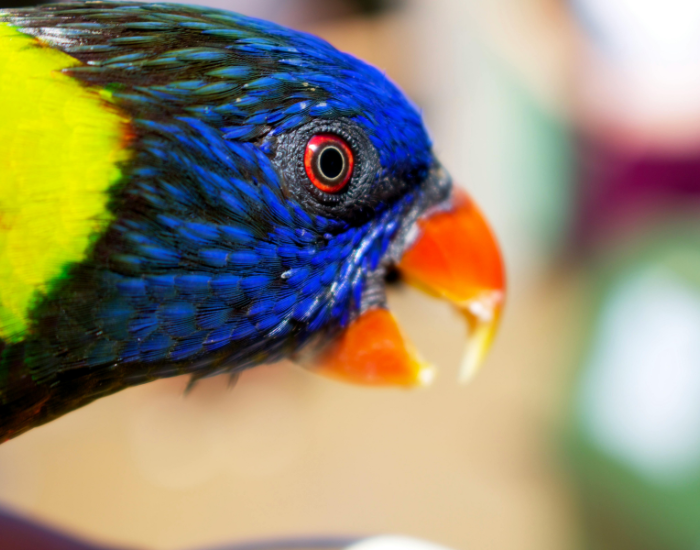
Rainbow lorikeets (Trichoglossus moluccanus) are among the few parrots with brush-tipped tongues specifically designed for nectar feeding. Their unique tongue features brush-like papillae that are perfectly adapted for lapping up nectar and pollen from flowering trees. Furthermore, this specialized tongue allows them to access food sources other birds cannot reach.
Key Physical Characteristics:
- Size: Rainbow lorikeets measure around 25–30 cm (10–12 inches) long, with a wingspan of 17 cm
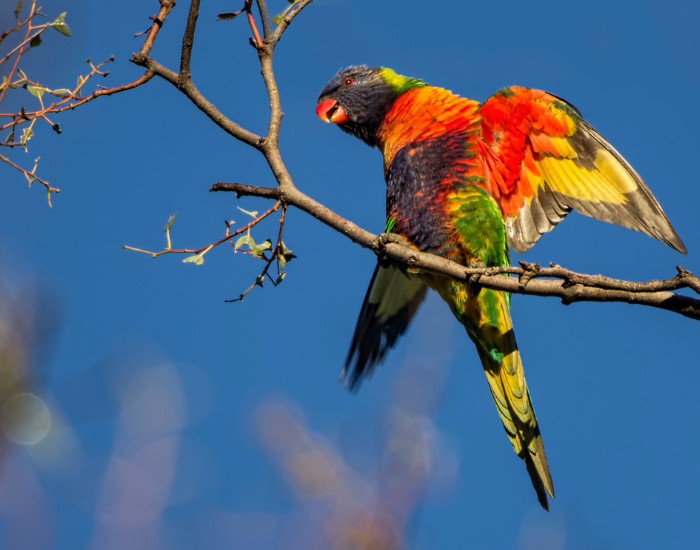
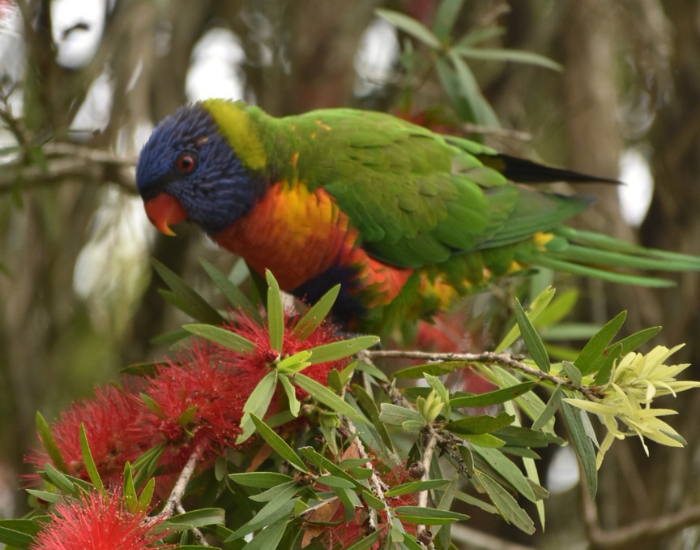
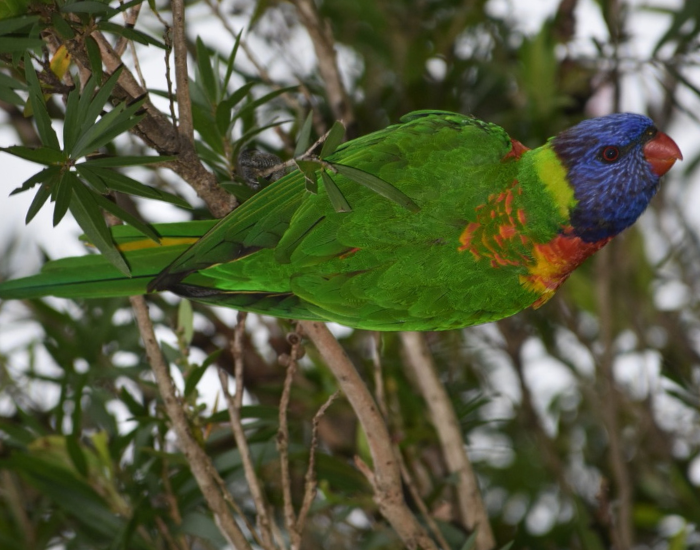
- Plumage: Brilliantly colored feathers – blue head, bright red beak, green wings, orange yellow chest, and hints of violet
- Weight: Approximately 75-157 grams
- Body Type: Considered medium-sized parrots within the lorikeet parrot group
These nectar feeders display some of the most vibrant plumage in the avian world. Indeed, their colorful plumage makes them unmistakable in both wild and well treed urban areas.
2. They Can Fly Up to 50 km Per Day Searching for Food
Rainbow lorikeets are long-distance flyers, traveling up to 50 kilometers daily while searching for seasonal flowering trees and prolific fruiting areas. These fast moving flocks navigate across northern and eastern Australia, following blooming patterns and food availability.
Diet and Feeding Behavior:
Rainbow lorikeets are primarily nectar feeders and pollen eaters. Their feeding habits include:
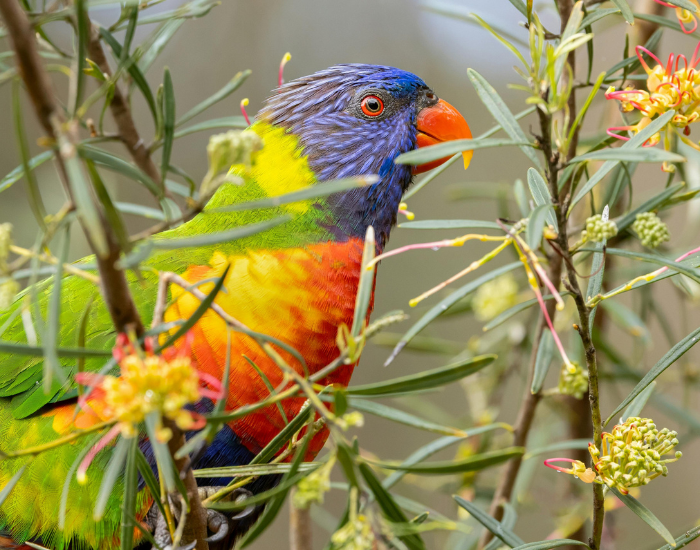
- Nectar from eucalypt trees, grevillea, and bottlebrush trees
- Pollen from native blossoms and flowering trees
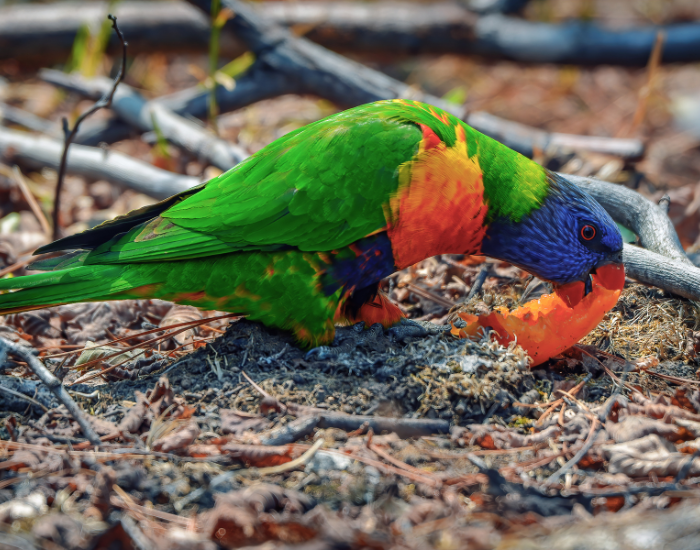
- Fruits – rainbow lorikeet eats fruits such as apples, pears, and grapes
- Seeds and occasional insects
- Flowers from exotic garden plants
Furthermore, they play a crucial role as nectar feeders in pollinating native Australian plants. Consequently, their daily flights help maintain ecosystem health across vast distances.
What NOT to Feed Rainbow Lorikeets:
- Bread
- Processed sugar or honey mixes
- Dairy products
- Processed seeds not designed for lorikeets
- Artificial feeding stations with incorrect formulas
Instead, if you want to attract them safely, plant native flowering trees and shrubs. Additionally, consider planting grevillea, bottlebrush, and eucalyptus species that provide natural food sources.
3. Rainbow Lorikeets Form Lifelong Pair Bonds
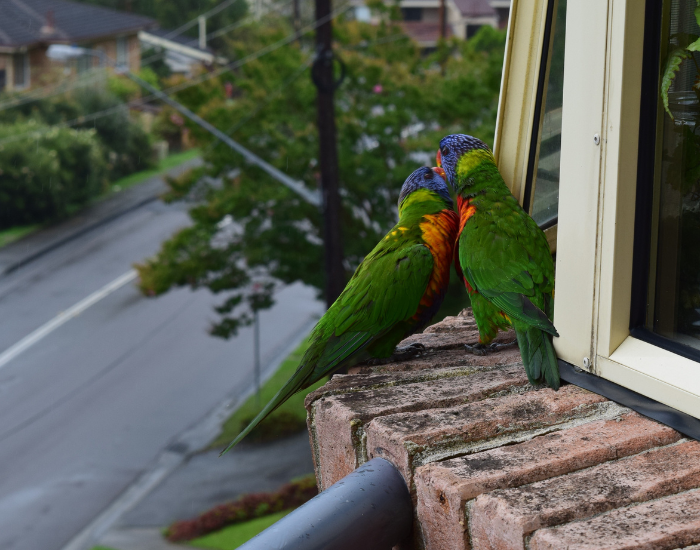
Rainbow lorikeets mate for life, often seen feeding each other and engaging in mutual preening. You’ll rarely see a lone rainbow lorikeet for extended periods. Moreover, paired birds communicate through softer calls even within noisy communal roosts.
Breeding Season Behavior:
During breeding season, both sexes prepare the nest cavity, usually in hollow limbs of trees, as a safe place for laying eggs. Only the female incubates the two eggs while the male provides food. Furthermore, both parents feed the young for several weeks after hatching.
Social Bonding Behaviors:
- Feeding partners mouth-to-mouth
- Mutual preening and grooming
- Staying close throughout the year
- Defending nesting sites together
- Teaching offspring together
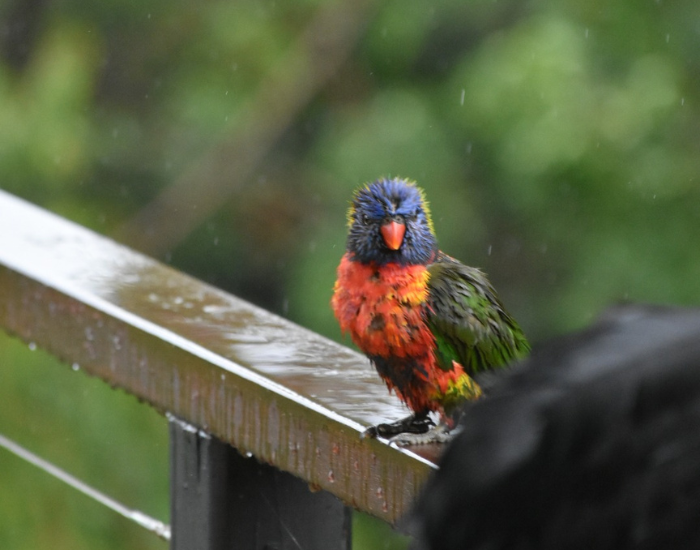
One rainy afternoon in Tallebudgera Valley, I watched a pair of rainbow lorikeets huddled together on the deck railing, feathers puffed against the chill. They shuffled closer, pressing their heads together as the rain fell around them. It was a simple, tender moment that revealed just how deeply bonded these birds are.

4. They Gather in Massive Communal Roosts With Hundreds of Birds
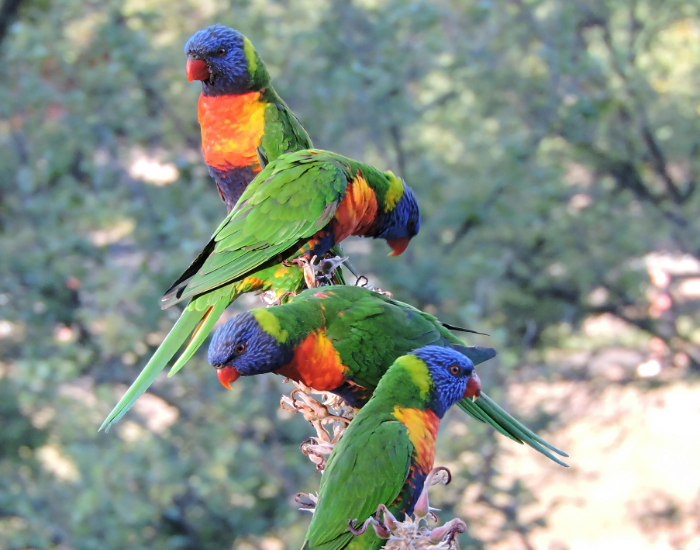
In urban areas and natural habitats, rainbow lorikeets gather in communal roosts with hundreds of birds, creating deafening evening choruses. These spectacular displays occur especially at dusk when fast moving flocks converge on favorite roosting trees, which serve as important roost sites.
Roosting Behavior:
Rainbow lorikeets are highly social, traveling in flocks sometimes hundreds strong. Their screeches can drown out traffic – especially at communal roosts in the evening. However, within the noise, pairs communicate through softer calls. Rainbow lorikeets often compete with other species for access to prime roost sites, which are crucial for their nightly gatherings.
Where They Roost:
- Tall eucalypt trees in parks
- Urban fig trees and palm trees
- Coastal woodlands
- Mangrove areas
- Well treed urban areas
Moreover, these communal roosts serve important social functions – allowing birds to share information about food sources, strengthen pair bonds, and protect against predators through group vigilance.
Their adaptability is astonishing. Consequently, you’ll find rainbow lorikeets roosting in Brisbane parks, Sydney gardens, and even in the tree outside your office window.
5. Rainbow Lorikeets Are Essential Pollinators for Native Plants
Rainbow lorikeets play a crucial role in pollinating Australian native plants, making them vital to ecosystem health. Their diet as nectar feeders means they transfer pollen between flowering trees while feeding.
Pollination Services:
As nectar feeders, rainbow lorikeets visit numerous flowers daily, dusting their heads with pollen that transfers to the next blossom. Furthermore, their fast moving flocks cover large distances, enabling genetic diversity in plant populations.
Plants They Pollinate:
- Eucalypt tree varieties with seasonal flowering
- Grevillea species for year-round nectar
- Bottlebrush (Callistemon) for colorful blooms
- Paperbark trees (Melaleuca)
- Native banksias and coastal species
Additionally, many eucalypt trees and native flowering species depend partly on lorikeet pollination. Therefore, protecting rainbow lorikeets means protecting entire ecosystems.
While primarily nectar feeders, rainbow lorikeets also eat fruits during prolific fruiting seasons and occasionally disperse seeds. Consequently, they help spread native plant species across coastal regions and urban areas.
6. They’re Classified as Pests in New Zealand
While rainbow lorikeets are native birds in Australia, they’re classified as pests under the biosecurity act in New Zealand. This dual status highlights an important conservation lesson.
Status in Australia:
In Australia, rainbow lorikeets are native to northern and eastern Australia, ranging from Queensland down to South Australia. Additionally, they inhabit Tasmania and have been introduced to Perth, Western Australia, through aviary releases.
They naturally thrive in:
- Eucalypt forests and coastal woodlands
- Mangroves and coastal regions
- Urban areas and city parks
Furthermore, they play essential roles in pollinating native flowering trees and maintaining ecosystem health.
Invasive Status in New Zealand:
However, in New Zealand, the situation differs dramatically. Aviary releases and escaped cage birds have led to a feral population after captive birds started breeding in the wild. These feral populations compete with native birds, and local populations have been monitored and managed in various regions. Consequently, New Zealand classifies them as an unwanted organism under the biosecurity act. Authorities such as MPI Biosecurity and DOC have taken measures to prevent rainbow lorikeets from establishing further feral populations, including eradication and control programs.
7. Aboriginal Stories Celebrate Them as Symbols of Color and Joy
Rainbow lorikeets hold cultural significance in Aboriginal stories, often described as symbols of color and joy. Their plumage, blue head, green wings, orange yellow chest, and bright red beak – has inspired indigenous storytelling for thousands of years.
Cultural Importance:
Indigenous Australians have long observed rainbow lorikeets’ behaviors, incorporating their characteristics into Dreamtime stories and traditional knowledge. Moreover, these birds represent the vibrancy and diversity of Australian landscapes.
Modern Cultural Impact:
Today, rainbow lorikeets have become iconic symbols of Australia itself. Consequently, they appear in:
- Tourism materials promoting Australian wildlife
- Children’s books and educational resources
- Conservation campaigns
- Urban wildlife programs
- Botanical garden exhibits
Unlike many native birds that retreat when cities expand, rainbow lorikeets have embraced urban Australia. In fact, some ecologists argue they’ve become the sparrows of Australia, filling ecological and cultural niches few species can.
8. Rainbow Lorikeets Hang Upside Down While Feeding
Rainbow lorikeets regularly hang upside down while feeding, demonstrating remarkable acrobatic abilities. They chase each other mid-air and display impressive aerial maneuvers while navigating through dense canopy.
Their playful nature extends beyond social interaction into feeding behavior. Rainbow lorikeets:
- Hang from thin branches to reach blossoms
- Twist their bodies to access nectar from any angle
- Balance on swaying flowers while feeding
- Move rapidly between flowers within the same tree
Additionally, watching them feed is like observing a circus performance – constant motion, incredible balance, and fearless acrobatics.
Playful Behavior:
Beyond feeding, rainbow lorikeets exhibit playful behaviors throughout the day:
- Chasing flock members in aerial games
- Wrestling on branches
- Swinging from tree limbs
- Vocalizing loudly during play
Moreover, this playfulness contributes to pair bonding and social cohesion within flocks. Consequently, their behavior reveals high intelligence and complex social structures.
9. They’ve Thrived in Urban Areas Unlike Many Native Species
Rainbow lorikeets have thrived in well treed urban areas, unlike many native species that decline with urbanization. Their adaptability has allowed them to exploit food sources in both natural and urban environments successfully. They are highly adaptable to a variety of treed habitats, including rainforests, woodlands, and urban parks, which supports their widespread distribution.
Several factors explain their urban success:
- Food Availability: Garden plants, street trees, and ornamental flowering species provide year-round nectar
- Nesting Sites: Old trees in parks offer hollow limbs for nest cavities
- Reduced Competition: Some native competitors struggle in urban areas
- Bold Behavior: Rainbow lorikeets aren’t shy around humans
Furthermore, they’ve learned to navigate urban dangers while exploiting urban resources. Consequently, populations in cities like Sydney, Brisbane, and Melbourne are highly abundant.
Urban Challenges:
Despite their success, rainbow lorikeets face urban dangers:
- Window strikes and building collisions
- Vehicle collisions on roads
- Domestic cats pose significant risks
- Disease transmission at high densities
- Competition with other species for nesting sites
Additionally, poor diets from well-meaning residents lead to health problems like lorikeet paralysis syndrome, a mysterious condition linked to nutritional imbalances.
Regional Distribution:
Northern Territory and Northern Australia: Rainbow lorikeets and red collared lorikeets overlap, sometimes hybridizing. Additionally, northern Australia populations access year-round flowering due to tropical conditions.
Eastern Australia: From Queensland to South Australia, eastern Australia hosts the densest rainbow lorikeet populations. Moreover, this region provides optimal habitat with extensive eucalypt forests and coastal woodlands.
Western Australia: In Perth, introduced populations from aviary releases have established themselves. However, authorities monitor these populations to prevent competition with native species.
Tasmania: Tasmanian populations represent the southern limit of their range. Interestingly, these birds face harsher winters but adapt by following seasonal flowering patterns.
10. Rainbow Lorikeets Live 7-9 Years Wild, Up to 20 in Captivity
Rainbow lorikeets live 7–9 years in the wild under natural conditions. However, in captivity with proper care, they can live up to 20 years. Their lifespan depends heavily on diet quality, habitat conditions, and disease exposure.
Factors Affecting Lifespan:
In the Wild:
- Predation by birds of prey and cats
- Disease, particularly psittacine beak and feather disease
- Food availability and seasonal flowering patterns
- Competition for nesting sites
- Urban dangers like window strikes
In Captivity:
- Specialized nectar diet quality
- Veterinary care availability
- Protection from predators
- Reduced stress from food scarcity
- Disease prevention measures
Are Rainbow Lorikeets Good Pets?
They’re challenging pets due to their specialized diet, noise levels, and messiness. Moreover, their liquid-based nectar diet creates unique care requirements:
Pet Care Challenges:
- Dietary Needs: Specialized nectar diets are essential
- Messiness: Frequent watery droppings from liquid-based diet
- Noise: Their screeches aren’t neighbor-friendly
- Health Risks: Susceptible to psittacine beak and feather disease
- Social Needs: Require significant daily interaction
Consequently, they’re better admired in the wild or in professional aviary settings.
Other Rainbow Lorikeet Species in Australia
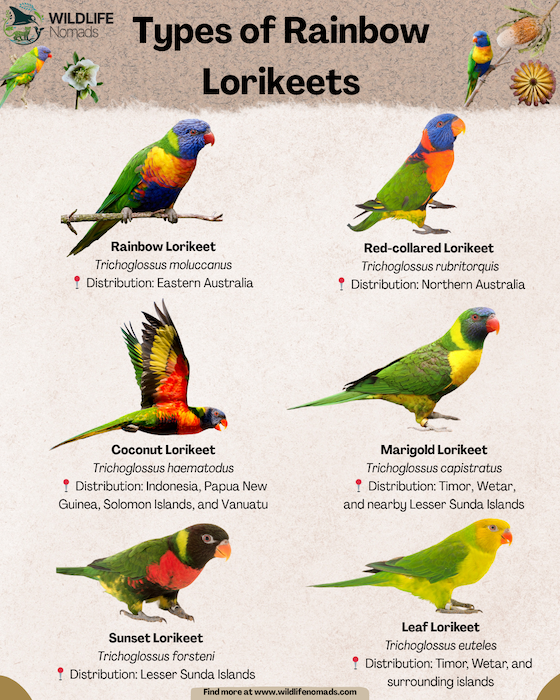
While the rainbow lorikeet bird is the most iconic, Australia is home to several other lorikeet species. One notable related species is the coconut lorikeet (Trichoglossus haematodus), which is widespread in New Guinea and the northern Torres Strait Islands. The coconut lorikeet differs from the rainbow lorikeet in its physical characteristics and geographic distribution, but both belong to the same genus, Trichoglossus. Together, these rainbow lorikeet species showcase the diversity of Australia’s nectar feeding birds.
Related Species:
- Musk Lorikeet (Glossopsitta concinna): Displays a red forehead and predominantly green plumage. These birds prefer eucalypt forests in southern and eastern Australia.
- Scaly Breasted Lorikeet (Trichoglossus chlorolepidotus): Features green feathers streaked with yellow scales across the breast. Additionally, they often mix with rainbow lorikeet flocks.
- Red Collared Lorikeet (Trichoglossus rubritorquis): Found in northern Australia and northern territory, this species closely resembles rainbow lorikeets but features a distinctive red collar.
- Little Lorikeet (Glossopsitta pusilla): The smallest of the group, rarely seen but widespread across eastern Australia.
Moreover, each species occupies slightly different ecological niches, reducing competition for food sources among these nectar feeders.
Conservation Status and Current Threats
Despite their abundance, rainbow lorikeets face several challenges. Protecting pristine island habitats from invasive species, including feral populations of rainbow lorikeets, is crucial to preserving native ecosystems. Understanding these threats helps us protect these iconic Australian birds.
Current Threats:
Urban Dangers: Window strikes, vehicle collisions, and domestic cats pose significant risks in well treed urban areas.
Habitat Loss: Clearing of old forests reduces available nesting sites in hollow limbs and decayed wood. Moreover, loss of mature eucalypt trees impacts food availability.
Disease: Psittacine beak and feather disease poses risks to local populations. Additionally, lorikeet paralysis syndrome affects birds fed inappropriate diets.
Competition: In some urban areas, highly abundant rainbow lorikeet populations may compete with other species for nesting sites and food sources.
Conservation Efforts:
Conservation initiatives focus on several key areas:
- Protecting nesting habitats and preserving trees with nest cavities
- Encouraging native plant gardens with appropriate food sources
- Preventing disease spread through biosecurity measures
- Educating the public about proper feeding practices
- Monitoring feral populations in areas like New Zealand environment
Furthermore, organizations track prolific fruiting seasons and seasonal flowering patterns to understand population dynamics better.
How to Attract Rainbow Lorikeets to Your Garden
Creating a wildlife friendly garden supports these native birds while providing enjoyable wildlife viewing. Here’s how to do it responsibly.
Plant Native Flowering Trees:
Best Plants for Rainbow Lorikeets:
- Eucalyptus varieties with seasonal flowering
- Grevillea species for year-round nectar
- Bottlebrush (Callistemon) for colorful blooms
- Paperbark trees (Melaleuca)
- Native banksias and coastal species
Additionally, ensure you have tall trees that provide nest cavities and hollow limbs for potential breeding sites.
Provide Natural Food Sources:
Rather than using artificial feeding stations, focus on planting diverse native species that bloom at different times. This approach ensures year-round food availability while supporting natural feeding behavior.
Furthermore, avoid chemicals and pesticides that could harm rainbow lorikeets or reduce insect populations they occasionally eat.
Create Safe Spaces:
Safety Measures:
- Install decals on windows to prevent strikes
- Keep cats indoors, especially during dawn and dusk
- Preserve mature trees with potential nest cavities
- Avoid disturbing breeding pairs during nesting season
- Provide water sources with shallow edges for bathing
Latest Research on Rainbow Lorikeets
Recent research continues to reveal new insights into the adaptability and ecological role of rainbow lorikeets. A 2024 study published in Urban Ecosystems documented how these colorful parrots thrive in suburban environments, visiting over 20 species of flowering plants and acting as both pollinators and seed dispersers in Australian gardens. Even in city landscapes, their presence supports local biodiversity and plant reproduction.
Meanwhile, a 2025 study in Frontiers in Ecology and Evolution used stable isotope analysis to identify captive escapees among wild lorikeet populations, showing that the pet trade still contributes individuals to the wild. Together, these findings highlight how rainbow lorikeets navigate the fine line between urban survivors and conservation concerns, flourishing in human spaces while reminding us of the complex connections between wildlife and people.
FAQs About Rainbow Lorikeets
Rainbow lorikeets live 7–9 years in the wild. However, in captivity with proper care, they can live up to 20 years. Their lifespan depends heavily on diet quality, habitat conditions, and disease exposure.
Yes, some rainbow lorikeets can mimic words and sounds. However, they’re less skilled than cockatoos or African grey parrots. Additionally, their natural vocalizations are quite loud and frequent.
They’re challenging pets due to their specialized diet, noise levels, and messiness. Moreover, their liquid-based nectar diet creates unique care requirements. Consequently, they’re better admired in the wild or in professional aviary settings.
Rainbow lorikeets are native to northern and eastern Australia, including Queensland, New South Wales, and parts of South Australia. Additionally, they naturally occur in Tasmania and northern territory regions.
Never feed rainbow lorikeets bread, honey water, processed foods, or dairy products. Instead, if you want to attract them, plant native flowering trees like eucalyptus, grevillea, and bottlebrush. Furthermore, avoid artificial feeding stations with incorrect formulas.
Yes, rainbow lorikeets form strong, lifelong pair bonds. You’ll often see paired birds feeding each other, preening together, and staying close throughout the year. Moreover, both parents participate in raising their young.
Great Adaptability of the Rainbow Lorikeets
Next time you see a rainbow bird in your garden, don’t just admire the colorful plumage and bright red beak. Instead, notice the behaviors, the pair bonds, the pollination, and the role it plays in keeping Australia’s ecosystems alive. Moreover, consider how you can support these remarkable birds through native plantings and responsible practices.
Whether you encounter them in well treed urban areas, coastal woodlands, or remote eucalypt forests, rainbow lorikeets represent Australia’s vibrant natural heritage. Furthermore, their successful adaptation to urban environments demonstrates that conservation and development can coexist when we prioritize native species and their habitats.