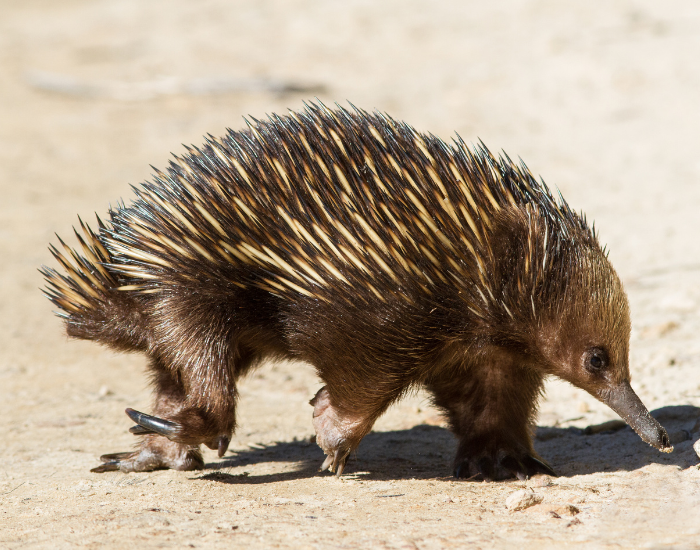
I lived in North Ryde, Sydney, directly across from Lane Cove National Park. Most mornings I walked the tracks before work. If I stopped and listened, I would hear a small crunch of leaves. And there it was: a short-beaked echidna shuffling through the litter, spines up, utterly unbothered. That animal is a monotreme. It lays eggs. It has almost nothing to do with a porcupine. Yet it looks like one, and that is exactly what makes convergent species so addictive to study.
I have not seen an echidna since, which still annoys me, because I now live closer to the bush in Queensland. But that first sighting sent me back to something that hooked me during my bachelor’s degree. Unrelated species evolve the same solutions, over and over, separated by tens of millions of years.
Below are 15 examples of convergent evolution I keep coming back to. Wings, spines, eyes, antifreeze, even a crab body plan that keeps reappearing. Each one shows how natural selection reaches the same answer from different starting points.
What Is a Convergent Species?
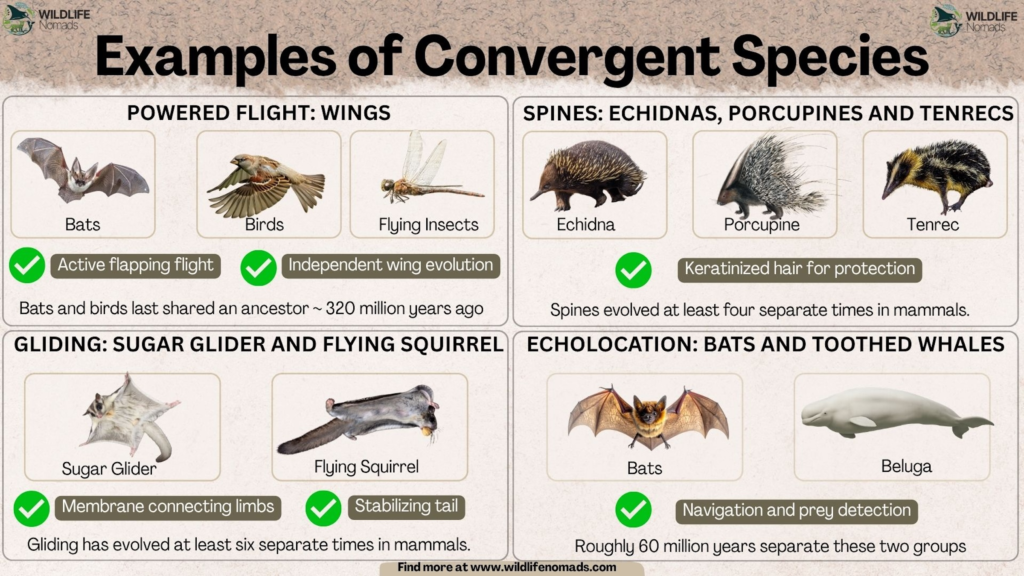
A convergent species independently evolved traits resembling those of a distantly related organism. The two are not closely related and share no common ancestor for that trait. Different species in similar environments face the same selective forces, so evolution reaches functionally similar features from different ancestors. Biologists call the result convergent traits, or convergent structures when the anatomy itself matches.
That is the opposite of divergent evolution, where one species splits into many forms. Homologous structures arise from shared ancestry; analogous structures evolve independently in different species. A bat wing and a bird wing are both at once. The arm bones are homologous, right down to the wrist bone, the wings are not.
Three forces drive it. Environmental pressures favour specific traits, DNA mutations supply the raw material, and natural selection edits toward the same outcome. Developmental constraints then limit which pathways stay available. Opposable thumbs are a good example. Primates, opossums, and koalas all have them, and the giant panda faked one from a wrist bone.
Phylogenetic analysis settles whether a trait was inherited or reinvented. DNA evidence reconstructs the ancestral state, and flightless birds show why that matters. Ratites all descend from flying ancestors, and flight loss evolved multiple times. One caution: coverage in outlets like National Geographic often implies repeated evolution means identical genetics. A Nature Genetics study found the same parallel changes in marine mammal lineages that had not evolved convergently (Foote et al., 2015). Evolutionary convergence in body form is common; convergence in specific genes is rarer.
1. Bats, Birds, and Insects: Powered Flight
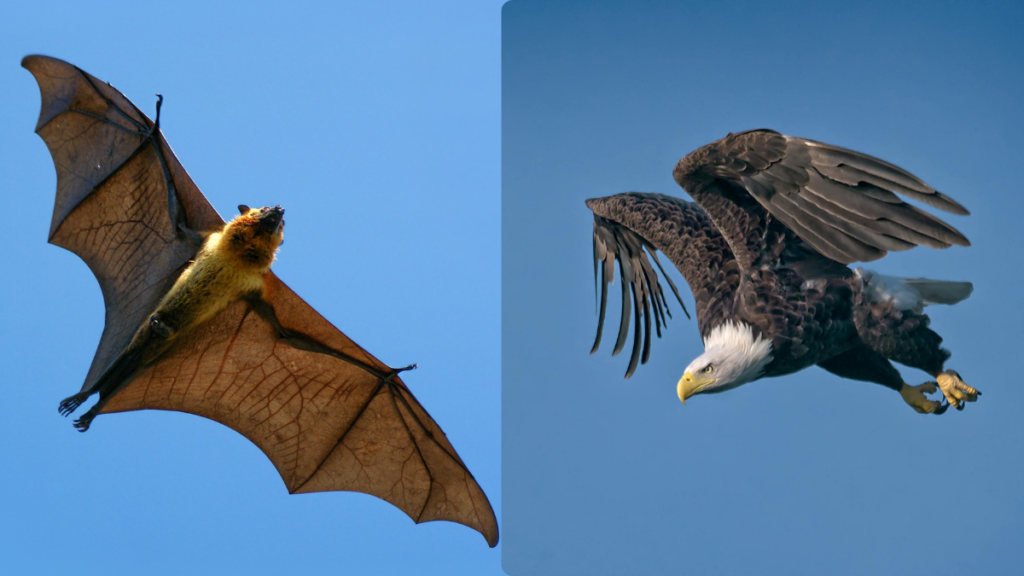
Powered flight has appeared four times in the natural world: insects, pterosaurs, birds, and bats. Insects (like flies and bees for example) got there first, roughly 400 million years ago. Their wings are not modified limbs at all. Birds and bats independently evolved flight from forelimbs, but built the airfoil differently. Feathers sit on fused hand bones; bat skin stretches across absurdly elongated fingers.
Australia is where this stopped being an abstraction for me. Flying foxes roost in suburban parks here, and they are enormous. A grey-headed flying fox (Pteropus poliocephalus) unfolds a metre of wing at dusk. Then a magpie does the same job with feathers. That is the clearest lesson in convergent evolution I can offer.
Bats and birds remain the standard example of convergent evolution in flight adaptations. Insects reached the same aerodynamic outcome without any skeleton at all, which is why several species of dragonfly outmanoeuvre both.
Convergent Evolution · 1 of 15
Bat, Bird, and Dragonfly: three runs at flight
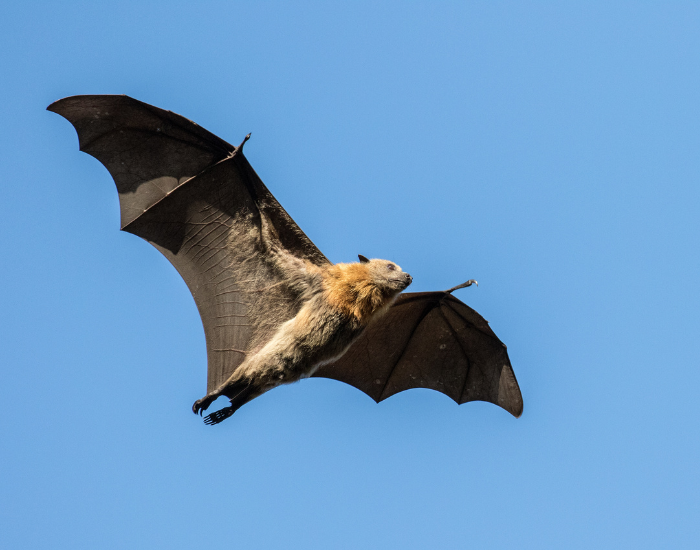
Bat
Mammal
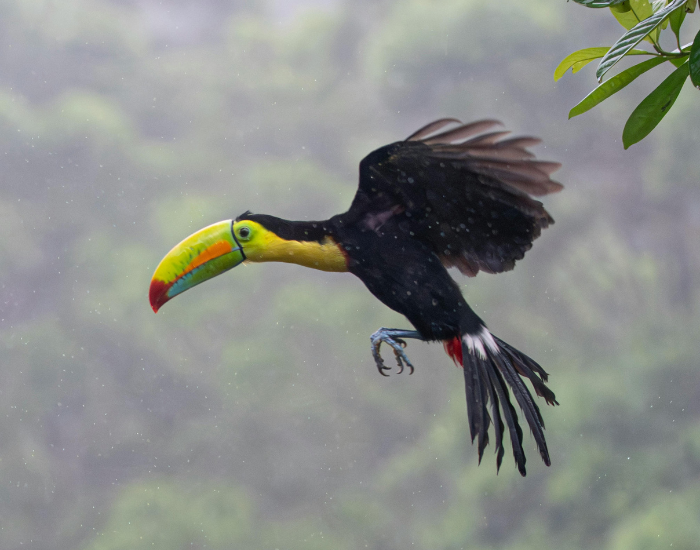
Bird
Feathered flyer
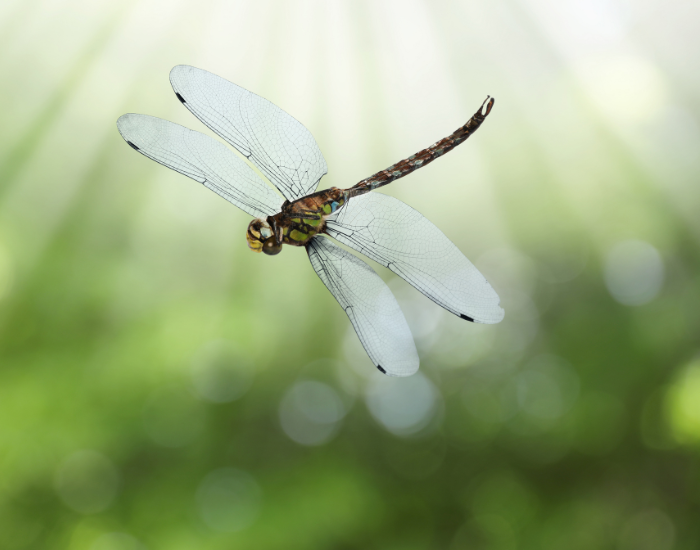
Dragonfly
Insect
What all three evolved separately
Powered flight has appeared four separate times on Earth: insects, pterosaurs, birds, and bats. None of them inherited it from the others.
Insect wings are not modified limbs at all. Bats and birds both rebuilt the same ancestral arm into an airfoil, then covered it differently — skin stretched across long fingers, or feathers off a fused hand.
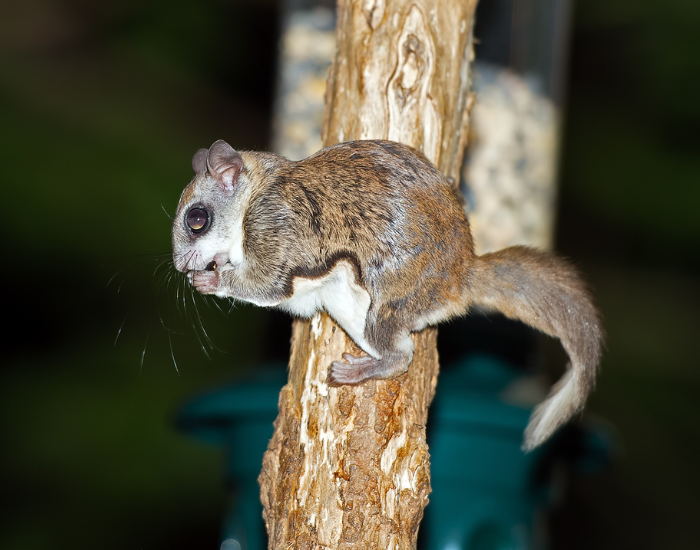
2. Sugar Gliders and Flying Squirrels: Gliding Membranes
Here is my favourite trap. A friend in Mexico bred sugar gliders, and I assumed for years they were some kind of squirrel. They are not. Sugar gliders (Petaurus breviceps) are marsupials, and I only met them properly once I moved to Australia.
Flying squirrels are placental mammals in the rodent order. Sugar gliders carry their young in a pouch. Both stretch a membrane called a patagium between wrist and ankle, and both steer with a flattened tail. Flying lemurs and sugar gliders have analogous gliding structures too, and gliding has evolved at least six separate times in mammals.
The sugar glider and the various types of squirrels are the cleanest marsupial-versus-placental comparison in the world. Two clades, same forest canopy, same escape route from potential predators.
Convergent Evolution · 2 of 15
Sugar Glider vs Flying Squirrel: the same glide, twice

Sugar Glider
Marsupial
Flying Squirrel
Placental rodent
What both evolved separately
Both stretch a flap of skin called a patagium between the front and hind limbs, turning the whole body into a wing. Neither can flap, so both are gliders rather than flyers.
Both steer and brake mid-glide with a broad tail. It is the difference between landing on a trunk and missing it.
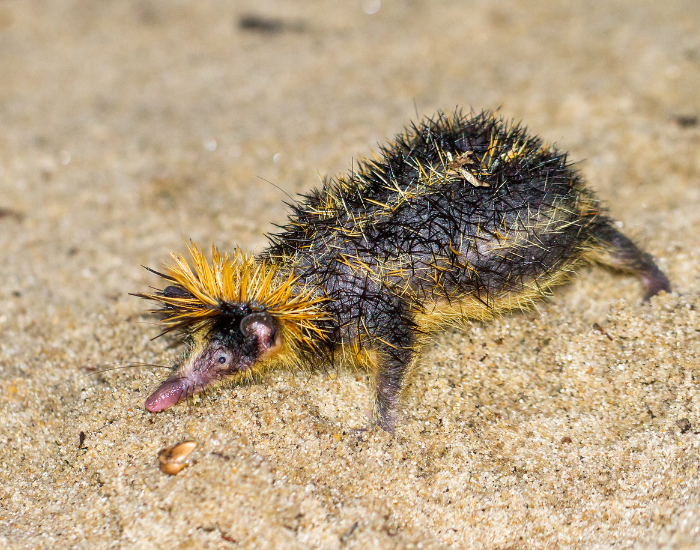
3. Echidnas, Porcupines, and Tenrecs: Spines
Spines are just hair. Every one of these animals modified keratin into a defensive weapon, and they did it independently at least four times. Echidnas are monotremes. Porcupines are rodents. Tenrecs are afrotherians, closer to elephants than to hedgehogs. Other animals, including hedgehogs and spiny mice, reached softer versions of the same trick.
Even within porcupines the trait split. Old World and New World porcupines belong to separate families, and their quills appear to be convergent rather than inherited. The lesser hedgehog tenrec (Echinops telfairi) looks so much like a hedgehog that the resemblance fooled early taxonomists into grouping them.
Same solution to the same question: how do you stop a predator that has teeth?
Convergent Evolution · 3 of 15
Echidna, Porcupine, and Tenrec: spines invented three times
Echidna
Egg-laying mammal

Porcupine
Rodent
Tenrec
Afrotherian
What all three evolved separately
Every spine here is keratin — the same material as ordinary hair, stiffened and sharpened. Three unrelated groups reached for the same raw material independently.
None of them run. All three stop, tuck the head, and turn the sharp side toward the threat, because that is what works against a predator with teeth.
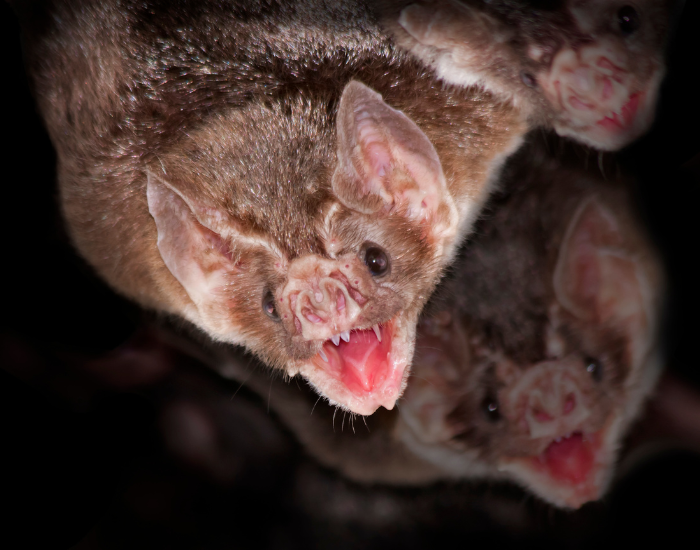
4. Bats and Toothed Whales: Echolocation
Echolocation evolved independently in both bats and whales, and this one runs deep. It is not just behavioural convergence, it shows up at the molecular level. The hearing protein prestin carries the same amino acid substitutions in echolocating bats and dolphins. Roughly 60 million years separate the two groups.
A 2013 genome-wide study found signatures of molecular convergence across hundreds of loci in echolocating mammals. That said, later work argued the signal was weaker than reported once appropriate null models were applied. I like this example precisely because scientists still argue about it.
Bats hunt insects in darkness. Toothed whales (like orcas or sperm whale) hunt fish in turbid water. Neither can see. Both built biological sonar from scratch.
Convergent Evolution · 4 of 15
Bat vs Toothed Whale: hunting by sound
Bat
Mammal, on land
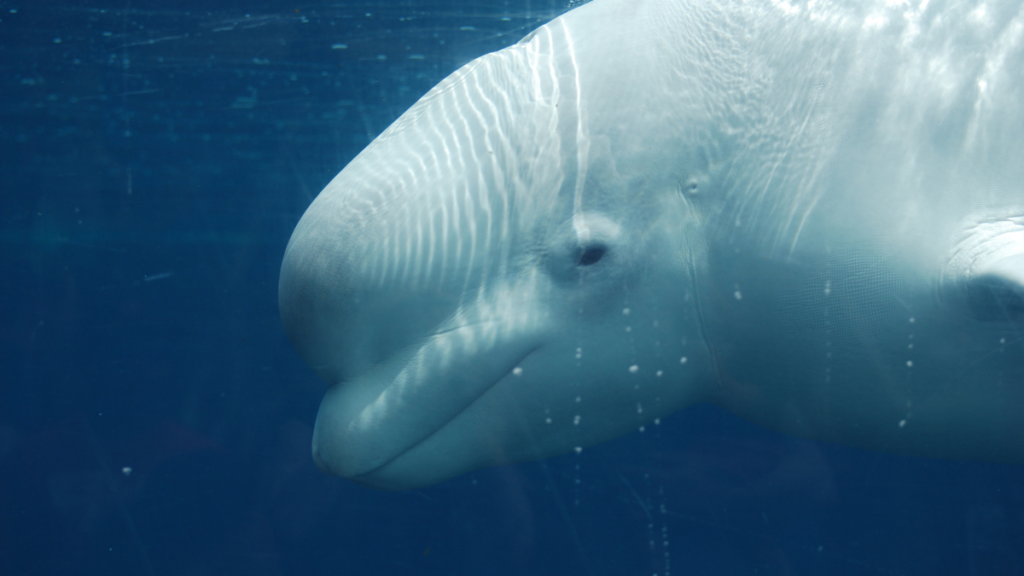
Toothed Whale
Mammal, in the ocean
What both evolved separately
One hunts insects in the dark, the other hunts fish in murky water. Both fire out calls and read the echoes to build a picture of what is ahead.
A protein in the inner ear called prestin carries matching changes in echolocating bats and toothed whales. Convergence here is not just in behaviour — it reaches down into the molecule.
5. Sharks, Dolphins, and Ichthyosaurs: The Same Streamlined Shape
Sharks are cartilaginous fish. Dolphins are mammals. Ichthyosaurs were marine reptiles, and they are extinct species now, known only from fossils. All three converged on the same streamlined shape: fusiform body, dorsal fin, stiff tail, pointed snout.
Water is 800 times denser than air, so the marine environment punishes anything that is not hydrodynamically efficient. Dolphins and sharks have analogous body shapes but different ancestors, the tail is the giveaway. Sharks beat side to side; dolphins beat up and down, a leftover from running on land.
Penguins, seals, and tuna landed on a similar body shape as well. Any fast pursuit predator in open water ends up with a similar shape, whatever it evolved from.
Ichthyosaurs got there first, more than 200 million years ago. Dolphins repeated the trick after the dinosaurs were gone.
Convergent Evolution · 5 of 15
Dolphin vs Shark: the same streamlined shape
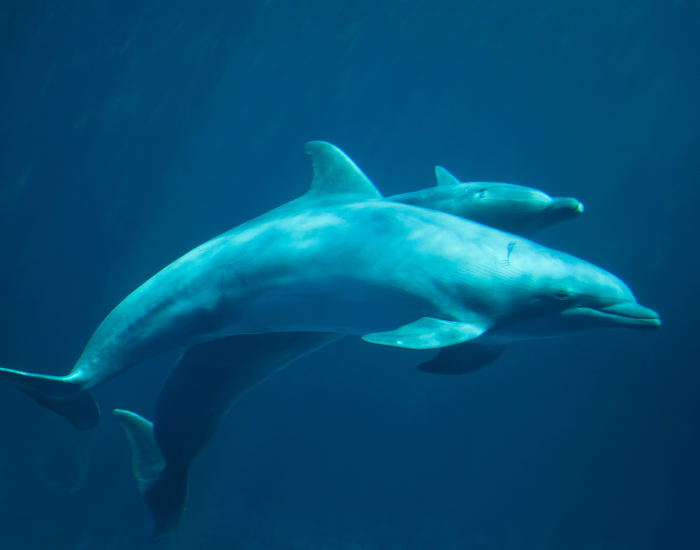
Dolphin
Mammal

Shark
Fish
What both evolved separately
Water is around 800 times denser than air, so it punishes any shape that is not efficient. Both arrived at the same torpedo body with a stabilising fin on top.
Both drive themselves with a rigid tail and a narrow wrist in front of it. Look closely and ancestry shows: one beats side to side, the other up and down.
6. Vertebrates and Octopuses: Camera-Type Eyes
Camera-type eyes evolved in mammals, octopuses, and squids independently. Lens, iris, retina, focusing muscles, the whole assembly, built twice from unrelated tissue. Our last common ancestor with a cephalopod had, at best, a light-sensitive patch.
The octopus arguably built it better. In humans and other vertebrates, nerve fibers run in front of the photoreceptors. They bundle out through the retina, which creates a blind spot. Cephalopods wired theirs from behind. No blind spot at all.
This is the single best argument against the idea that evolution engineers anything. It improvises with whatever developmental material is lying around, and sometimes the improvisation is genuinely worse.
Convergent Evolution · 6 of 15
Octopus vs Vertebrate Eye: built twice
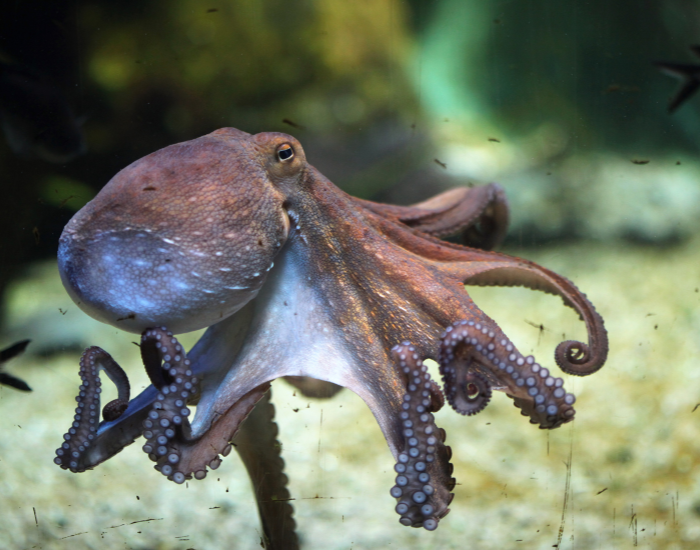
Octopus
Mollusc
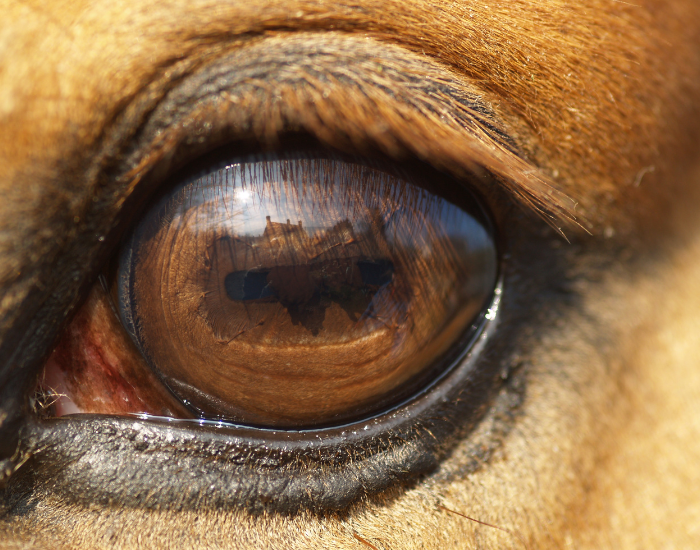
Vertebrate
Mammal
What both evolved separately
The full camera assembly — aperture, lens, light-sensitive screen — appeared separately in molluscs and in vertebrates. Their last shared ancestor had little more than a patch of light-sensitive cells.
Both groups added muscles to sharpen the picture, though they solved it differently: one moves the lens, the other changes its shape.
7. King Crabs and Coconut Crabs: The Crab Body Plan
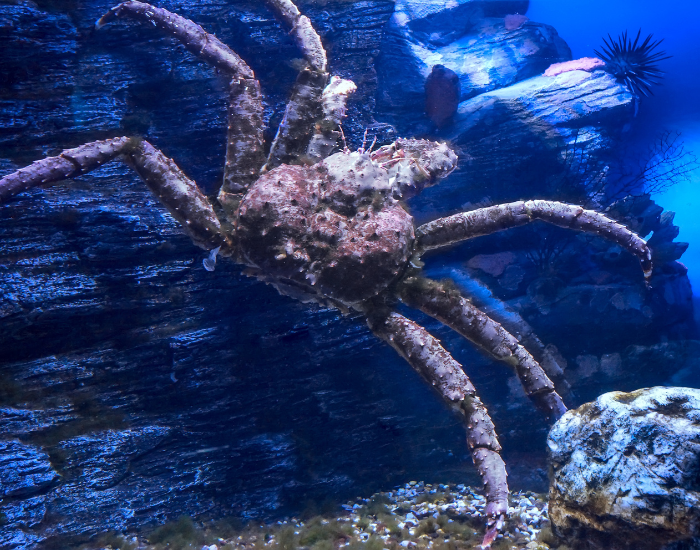
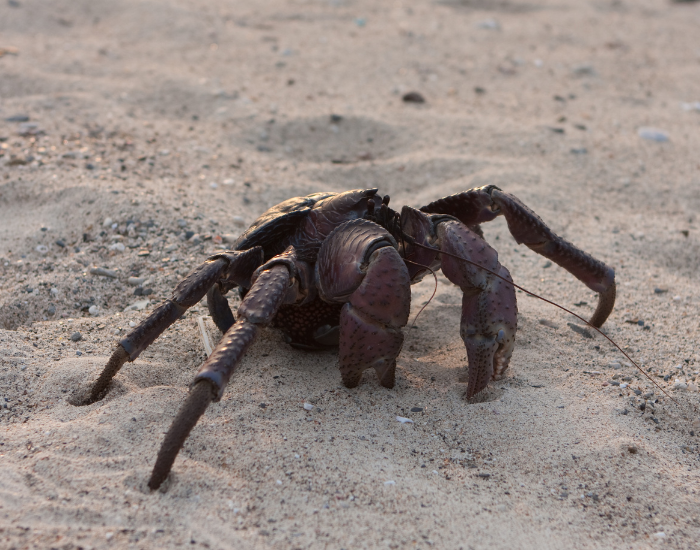
Carcinization is the running joke of evolutionary biology, and it is real. At least five groups of crustaceans evolved a crab like body plan independently. That list includes king crabs, porcelain crabs, hairy stone crabs, coconut crabs, and true crabs themselves.
A crab body plan means a flattened, widened carapace and a tail tucked underneath. It works for scuttling sideways, wedging into crevices, and defending a broad shield. King crabs descend from hermit crabs that abandoned the shell and flattened out.
Interestingly, the reverse also happens. Decarcinization has occurred repeatedly in both Brachyura and Anomura. The crab body form is a favoured destination, not an inevitable one.
Convergent Evolution · 7 of 15
King Crab vs Coconut Crab: the crab body plan
King Crab
Marine, cold water
Coconut Crab
Land-living
What both evolved separately
A broad shield works for wedging into crevices and for scuttling sideways out of trouble. Different crustacean lineages keep rediscovering it.
Both descend from ancestors that carried a soft, exposed abdomen. Both independently folded it away beneath a hard shell and stopped needing a borrowed shelter.
8. Antarctic Notothenioids and Arctic Cod: Antifreeze Proteins
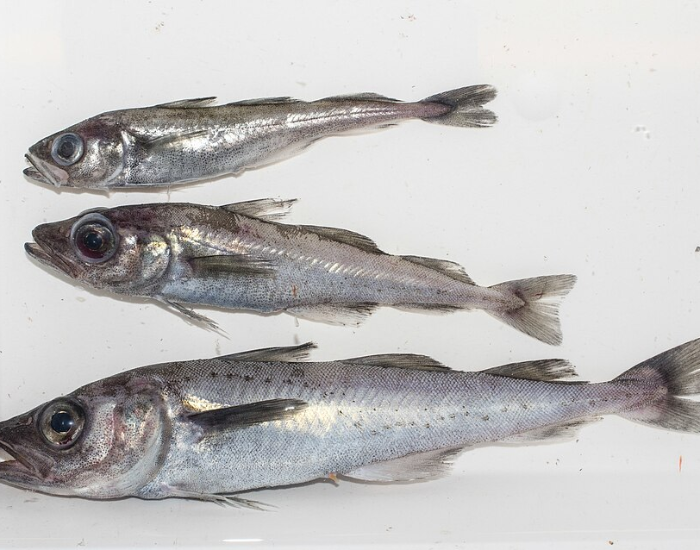
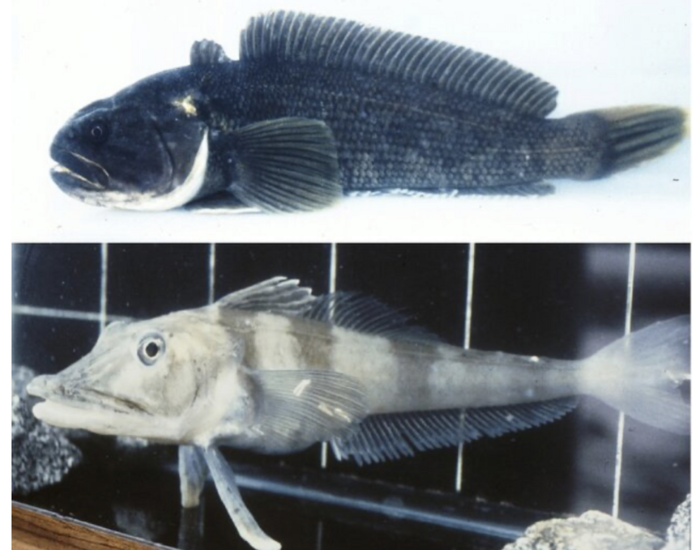
Antifreeze proteins evolved in Arctic and Antarctic fish independently. This is my pick for the most improbable case on the list. Arctic cod and Antarctic notothenioid fish produce nearly identical antifreeze glycoproteins that bind ice crystals and stop them growing.
The proteins are almost the same. The genes are not. Notothenioid antifreeze evolved from an ancestral trypsinogen, a digestive enzyme gene. The Arctic gadid version arose from non-coding DNA that was previously silent.
Two poles, two ocean basins, one chemical answer. Different genomic routes to the same molecule is about as pure a demonstration of convergence as biology offers.
Convergent Evolution · 8 of 15
Arctic vs Antarctic Fish: antifreeze at both poles
Arctic Fish
Northern ocean
Antarctic Fish
Southern ocean
What both evolved separately
Both make molecules that latch onto tiny ice crystals in the blood and stop them growing. Without them, either fish would freeze solid in water below zero.
The proteins are almost identical in shape and function, even though the two groups live at opposite ends of the planet and have never met.
9. Cacti and Euphorbs: Desert Succulents
Both evolved similar adaptations for desert survival, and the plant kingdom deserves more credit in these conversations. Cacti (Cactaceae) are American. Most spiny succulent euphorbs (Euphorbia) are African. Put them side by side and most people cannot tell them apart.
Both store water in swollen green stems and both dropped leaves to cut water loss. They also run CAM photosynthesis, opening their pores at night. Both grew spines. A cactus spine is a modified leaf emerging from an areole; a euphorb spine is a modified stipule or branch.
Snap a euphorb and it bleeds toxic white latex. A cactus does not. The scientific name is usually the fastest way to tell which continent you are looking at.
Convergent Evolution · 9 of 15
Cactus vs Euphorb: two deserts, one plant shape
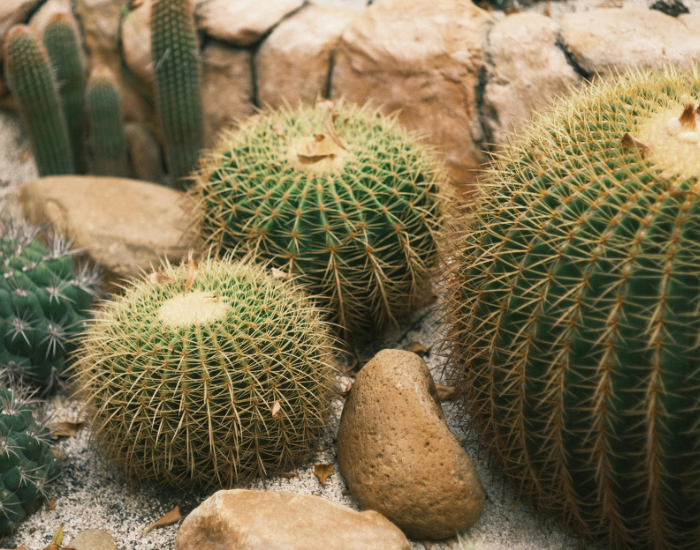
Cactus
The Americas
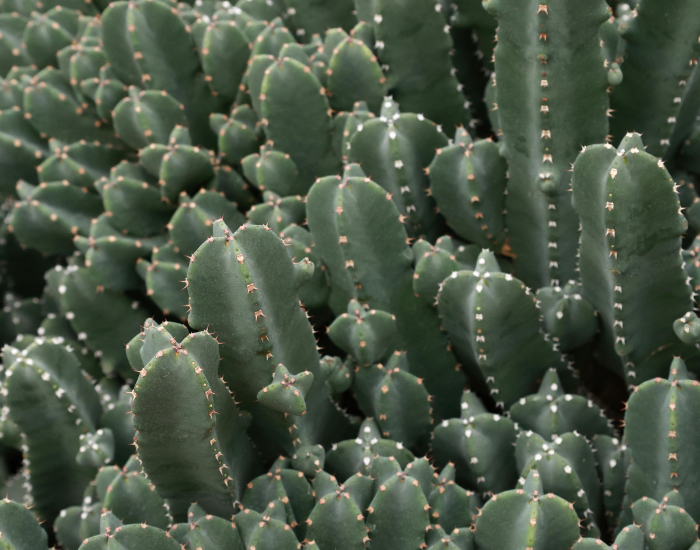
Euphorb
Africa
What both evolved separately
Both gave the job of photosynthesis to a thick, water-holding stem. Put the two side by side and most people cannot tell which continent they came from.
Leaves lose water, so both dropped them and grew spines instead. Both also open their pores at night rather than in the heat of the day.
10. Nepenthes, Sarracenia, and Cephalotus: Carnivorous Plants
Carnivorous plants evolved similar trapping mechanisms independently at least six times. Pitcher traps alone appeared in three unrelated lineages. Nepenthes occupies the Old World tropics and Sarracenia the New World. Cephalotus follicularis is one genus and one species, restricted to a corner of southwestern Australia.
All three grow on nutrient-poor soils where nitrogen is the limiting factor. All three converted a leaf into a slippery-rimmed jug filled with digestive fluid. Genome work on Cephalotus showed the enzymes came from the same ancestral plant-defence proteins in each lineage.
Three continents. Same soil problem. Same jug.
Convergent Evolution · 10 of 15
Three Pitcher Plants, Three Continents
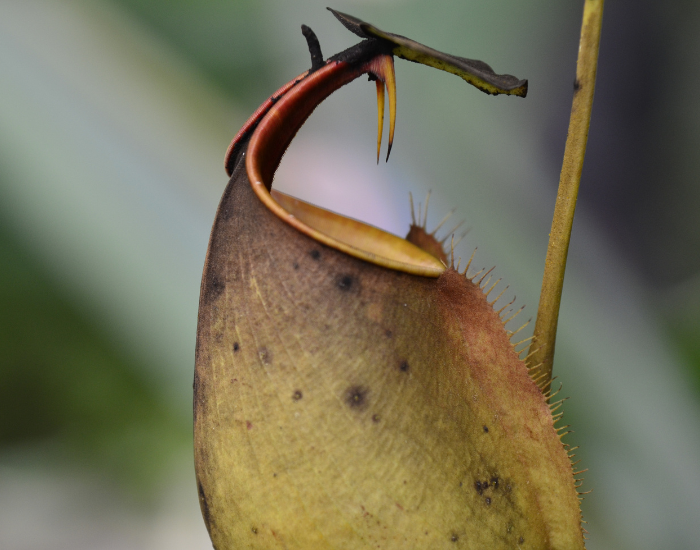
Tropical Pitcher
Asia
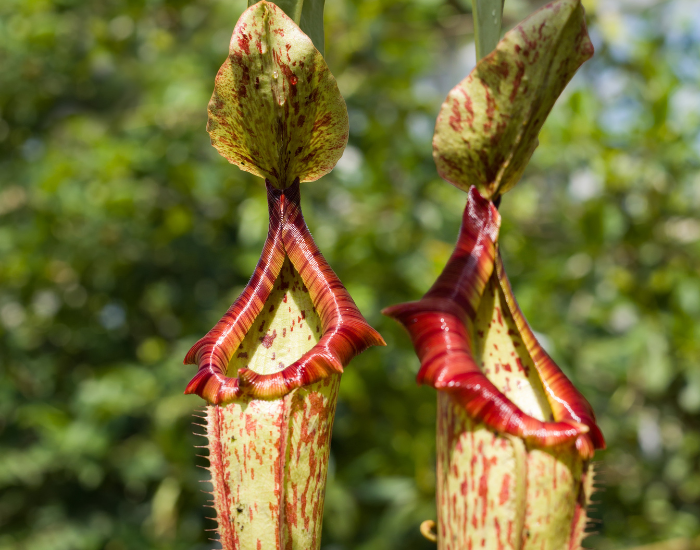
Trumpet Pitcher
The Americas
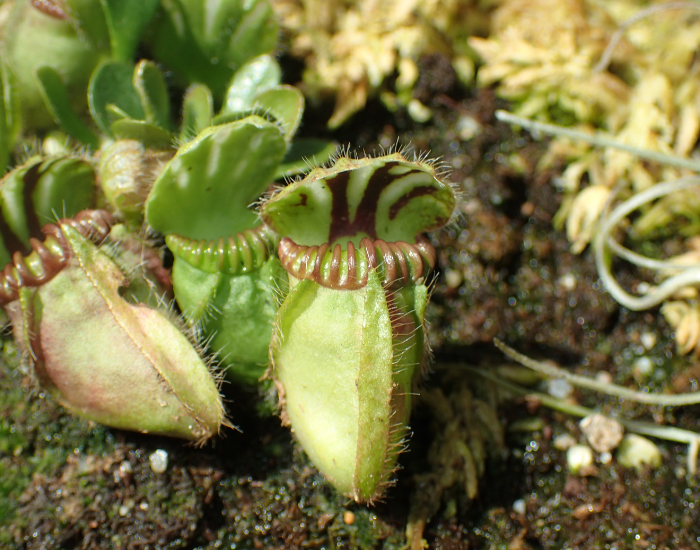
Australian Pitcher
Australia
What all three evolved separately
Three unrelated plant families each turned an ordinary leaf into a pitfall trap, complete with a slippery rim that insects cannot grip.
All three fill the jug with enzymes that dissolve prey. Genome work shows each lineage repurposed the same kind of ancestral plant-defence proteins to do it.
11. Chameleons and Seahorses: Independently Mobile Turret Eyes
Chameleons and seahorses both swivel each eye independently, scanning two directions at once. One is a reptile in trees. The other is a fish in seagrass. Their common ancestry is roughly 400 million years back, so this is convergence in the strict sense.
The shared pressure is ambush hunting. Both animals move slowly and cannot afford to chase prey, so they need wide surveillance without moving the body. Both then lock their eyes forward for a binocular strike. One fires a tongue; the other snaps a suction feed.
Convergent Evolution · 11 of 15
Chameleon vs Seahorse: eyes that move alone

Chameleon
Reptile, in trees
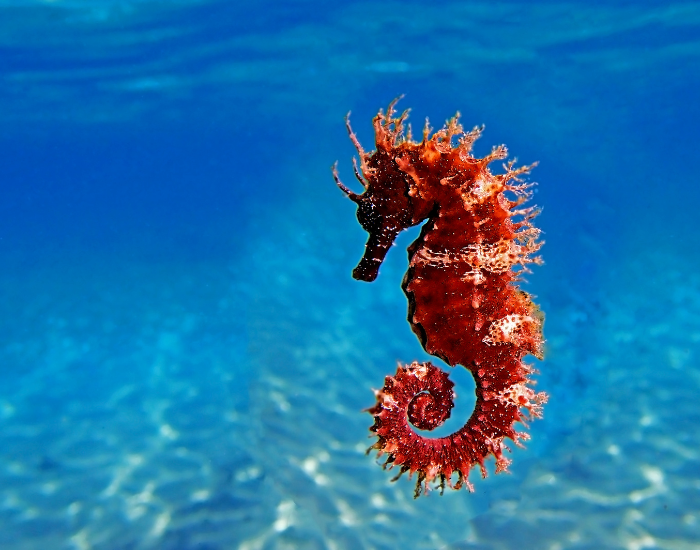
Seahorse
Fish, in seagrass
What both evolved separately
Both can point one eye forward and the other backward at the same time, scanning two directions at once without moving the body.
The moment prey is found, both snap the eyes together for depth perception. One fires a tongue; the other strikes with a suction snap.
12. Ducks, Beavers, and Platypuses: Webbed Feet
Webbing between the toes has evolved dozens of times: in birds, rodents, carnivorans, monotremes, and amphibians. It is cheap to build developmentally, because embryos start with webbed digits and normally delete the tissue. Convergence is easy when the developmental switch already exists.
Ducks paddle with fully webbed front toes. Beavers webbed only the hind feet and kept dexterous front paws for handling timber. The platypus went further and folded its webbing back to expose claws for digging.
Same physics of drag, three different compromises with the rest of the animal's life.
Convergent Evolution · 12 of 15
Duck, Beaver, and Platypus: webbed feet
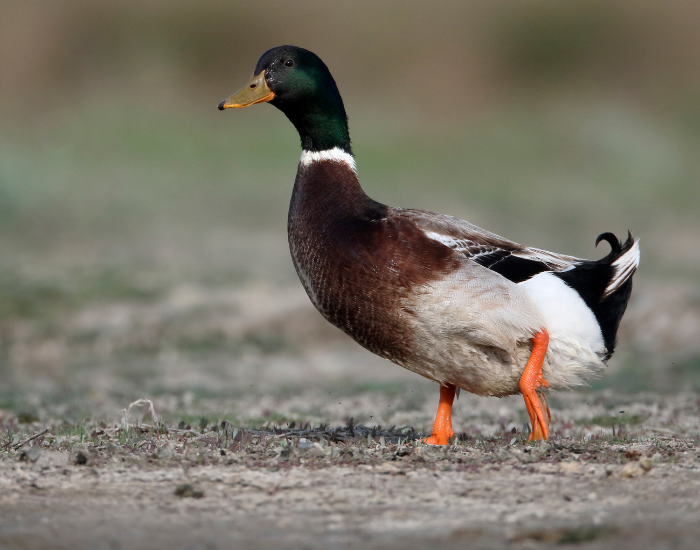
Duck
Bird
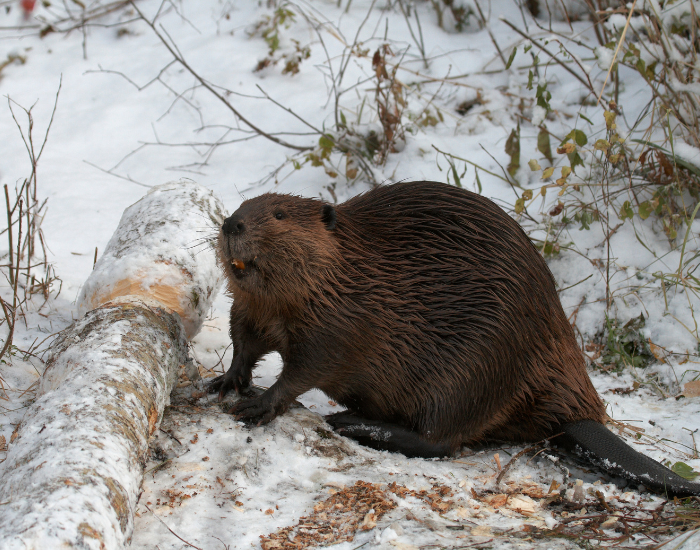
Beaver
Rodent

Platypus
Egg-laying mammal
What all three evolved separately
Webbing turns a foot into a paddle by increasing surface area on the push and folding away on the recovery stroke. Birds, rodents, and monotremes each built it separately.
All three drive themselves with the feet rather than the tail or the body. The compromise differs: full webbing on the front toes, webbing on the hind feet only, or webbing that folds back to free the claws.
13. Kangaroos, Jerboas, and Springhares: Hopping on Two Legs
Bipedal hopping evolved at least four times in mammals. Macropods did it in Australia, jerboas in Asia, kangaroo rats in North America, springhares in Africa. Every one is an open-country animal needing speed and sudden direction changes.
The engineering is beautiful. A red kangaroo (Osphranter rufus) stores elastic energy in its Achilles tendons and recycles it with each bound. Its oxygen cost barely rises as it speeds up. Above about 15 km/h, hopping becomes cheaper than running.
I am still in awe every time I watch a mob move across open plains here. Humans went bipedal too, from a completely different starting point. Two legs is a solution nature reaches by more than one road.
Convergent Evolution · 13 of 15
Kangaroo, Jerboa, and Springhare: hopping on two legs
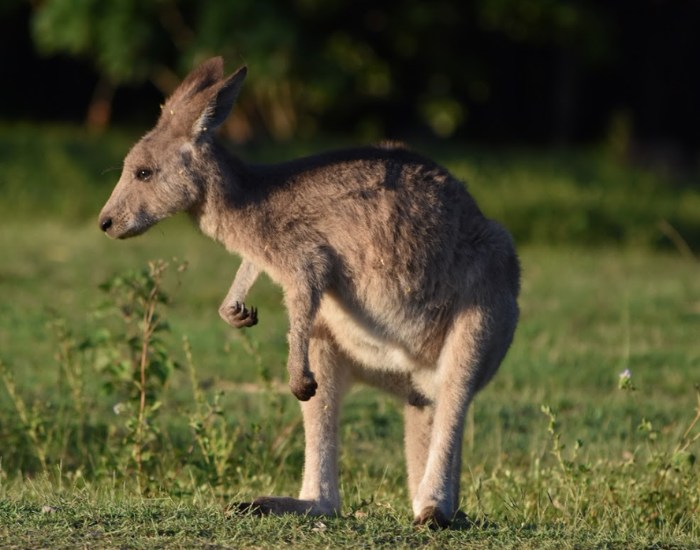
Kangaroo
Australia
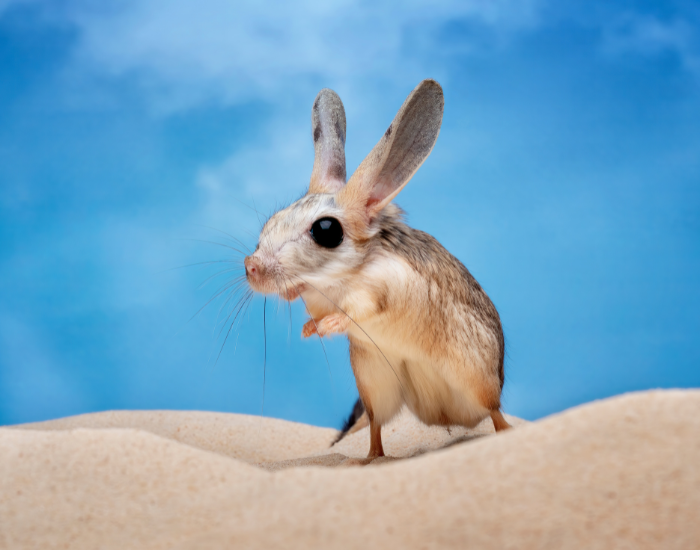
Jerboa
Asia
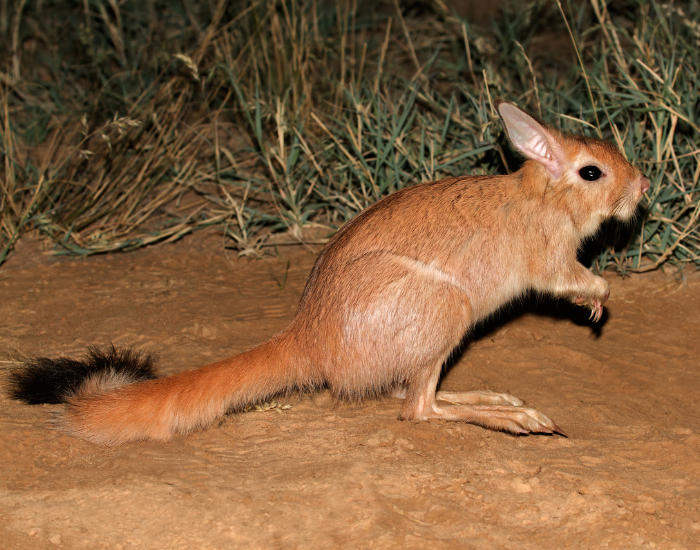
Springhare
Africa
What all three evolved separately
Three unrelated groups on three continents abandoned four-legged running for two-legged bounding. Every one of them lives in open country where speed and sudden turns matter.
All three swing a heavy tail to stay balanced in mid-air and to change direction on landing. Take the tail away and the whole gait falls apart.
14. Echidnas, Pangolins, and Anteaters: Built to Eat Ants
A 2025 analysis of 4,099 mammal species tracked specialised ant-and-termite eating. It evolved at least 12 separate times since the dinosaurs died out. Echidnas, pangolins, numbats, giant anteaters, aardvarks, and aardwolves all landed on the same body. Long snout, no useful teeth, sticky tongue, heavy claws.
Ants and termites now exceed 15,000 species, and their combined biomass outweighs all wild mammals. That is a food resource too large to ignore, so many instances of convergence followed.
My Lane Cove echidnas were doing exactly this. They tore into ant nests with the same toolkit a giant anteater (Myrmecophaga tridactyla) uses 15,000 kilometres away.
Convergent Evolution · 14 of 15
Echidna, Pangolin, and Anteater: built to eat ants
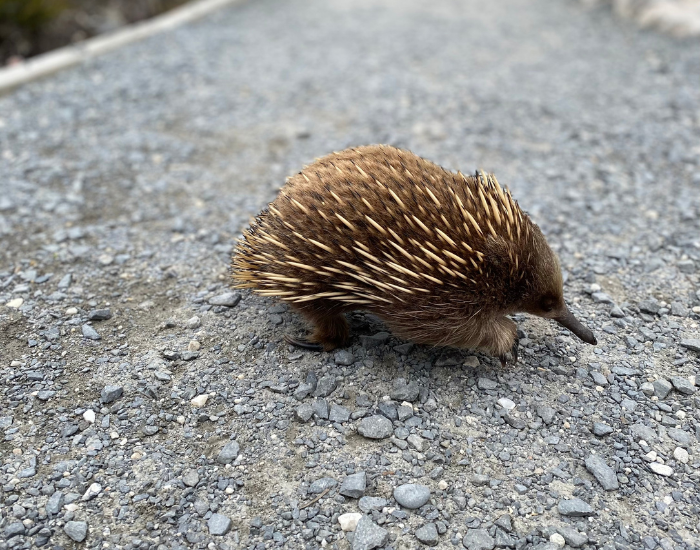
Echidna
Australia
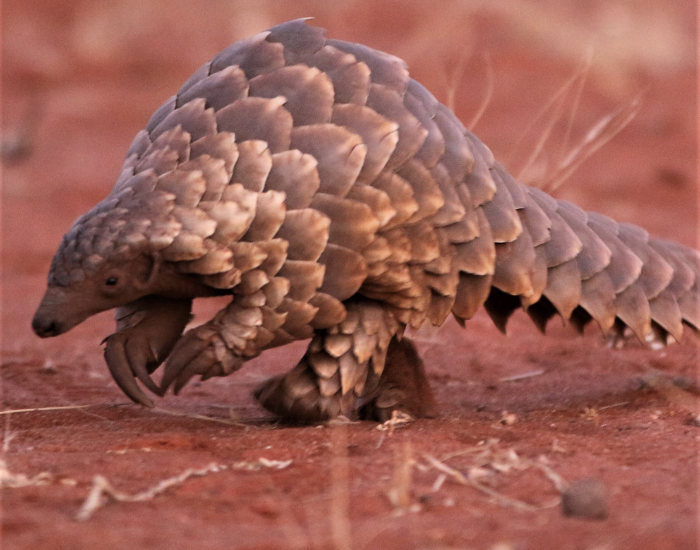
Pangolin
Africa and Asia
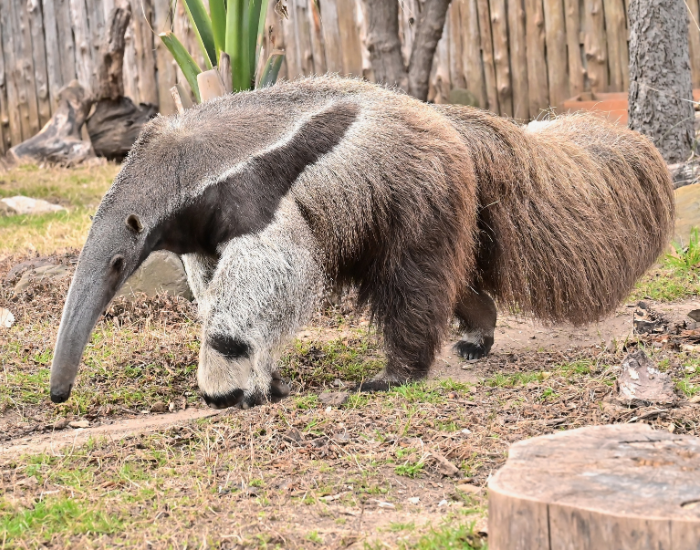
Anteater
South America
What all three evolved separately
Chewing is pointless when the meal is thousands of insects, so all three lost their teeth and stretched the snout into a probe for nest tunnels.
Every one of them pairs powerful claws for breaking open a nest with a long tongue coated in sticky saliva for emptying it.
15. New World and Old World Vultures: Bald-Headed Scavengers
New World vultures (Cathartidae) and Old World vultures (Accipitridae) are not each other's closest relatives. World vultures split into two groups that converged on scavenging from different corners of the bird family tree. The bald head, broad soaring wings, and strong stomach acid all evolved twice.
There is one clear behavioural difference. Turkey vultures (Cathartes aura) locate carcasses by smell, using one of the largest olfactory bulbs of any bird. Old World vultures like the griffon (Gyps fulvus) hunt almost entirely by sight, watching each other as much as the ground.
Similar characteristics, different sensory strategy. That mismatch is often the tell that you are looking at convergence rather than shared ancestry. The two lineages are strikingly convergent above the neck and unrelated below it.
Convergent Evolution · 15 of 15
New World vs Old World Vulture: the same scavenger
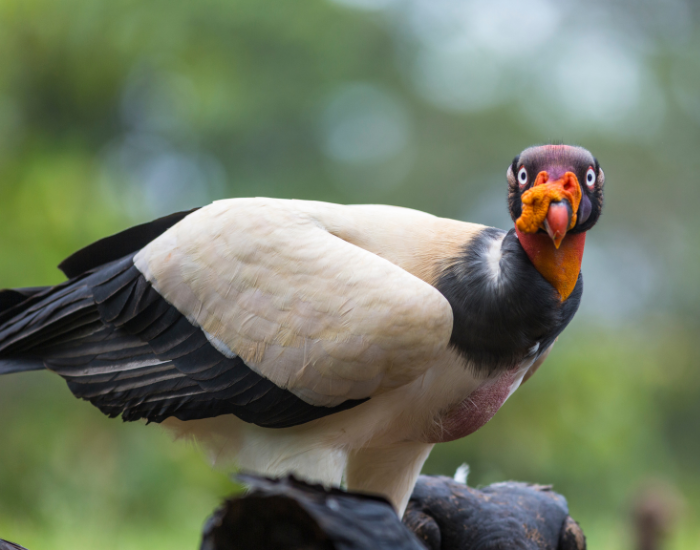
New World Vulture
The Americas
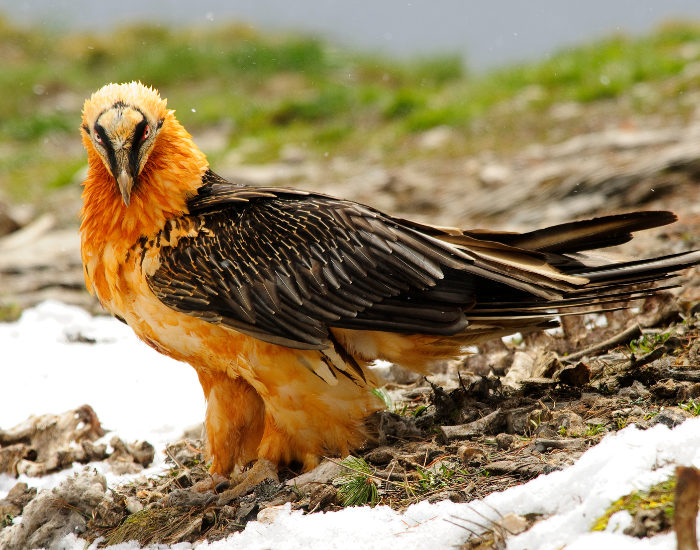
Old World Vulture
Europe, Asia, Africa
What both evolved separately
Feathers on the head would trap bacteria and gore. Both groups lost them independently, and both can push deep into a carcass and stay clean.
Scavenging means covering huge distances cheaply. Both evolved long, broad wings that ride thermals for hours with almost no flapping.
Frequently Asked Questions
Convergent evolution animals include bats and whales (echolocation), dolphins and sharks (streamlined shape), sugar gliders and flying squirrels (gliding membranes), echidnas and porcupines (spines), and at least five crustacean groups that convergently evolved crab-like bodies. The thylacine, an extinct marsupial, converged on a wolf-like skull despite being separated from placental mammals for over 160 million years. Both give birth to live young, but by very different routes.
Yes, but not a flying one. Birds and bats share a distant amniote ancestor from roughly 320 million years ago that walked on four legs. Bats and birds independently evolved powered flight long afterwards, which is why their wing skeletons differ so much. Their forelimb bones are homologous; their wings are analogous structures.
Five well-documented examples of convergent evolution are: echolocation in bats and toothed whales; camera-type eyes in vertebrates and octopuses; antifreeze glycoproteins in Arctic and Antarctic fish; succulent stems in cacti and euphorbs; and pitcher traps in three unrelated carnivorous plant families. Each pairs unrelated species that faced the same ecological problem and reached the same functional answer.
No. Divergent evolution describes one lineage splitting into species with increasingly different traits, like Darwin's finches. Convergent evolution describes unrelated lineages arriving at similar features. A useful shortcut: divergence produces homologous structures from a common ancestor, while convergence produces analogous structures from different ancestors.
Go Look for One Yourself
Evolution is not a ladder toward one perfect animal. It is a search algorithm with a limited toolkit. When other species face the same ecological niche, that algorithm keeps returning similar traits. Sometimes millions of years apart, sometimes down to the same amino acid. Jonathan Losos calls this the question of improbable destinies. I think it is the most interesting open question in the field.
Do not take my word for it. Walk a suburban park at dusk and watch bats and birds share the same airspace with two totally different wings. Compare a sugar glider to a flying squirrel, or an echidna to a porcupine.
References:
Foote, A. D., Liu, Y., Thomas, G. W. C., Vinař, T., Alföldi, J., Deng, J., … Gibbs, R. A. (2015). Convergent evolution of the genomes of marine mammals. Nature Genetics, 47(3), 272–275. https://doi.org/10.1038/ng.3198
Fukushima, K., Fang, X., Alvarez-Ponce, D., Cai, H., Carretero-Paulet, L., Chen, C., Shirasu, K. (2017). Genome of the pitcher plant Cephalotus reveals genetic changes associated with carnivory. Nature Ecology & Evolution, 1(3), 0059. https://doi.org/10.1038/s41559-016-0059
Sackton, T. B., Grayson, P., Cloutier, A., Hu, Z., Liu, J. S., Wheeler, N. E., … Edwards, S. V. (2019). Convergent regulatory evolution and loss of flight in paleognathous birds. Science, 364(6435), 74–78. https://doi.org/10.1126/science.aat7244
Vida, T., Calamari, Z. T., & Barden, P. (2025). Convergent evolution of myrmecophagy across mammals. Evolution. https://doi.org/10.1093/evolut/qpaf121
Wolfe, J. M., Luque, J., & Bracken-Grissom, H. D. (2021). How to become a crab: Phenotypic constraints on a recurring body plan. BioEssays, 43(5), 2100020. https://doi.org/10.1002/bies.202100020
Zhuang, X., Yang, C., Murphy, K. R., & Cheng, C.-H. C. (2019). Molecular mechanism and history of non-sense to sense evolution of antifreeze glycoprotein gene in northern gadids. Proceedings of the National Academy of Sciences, 116(10), 4400–4405. https://doi.org/10.1073/pnas.1817138116