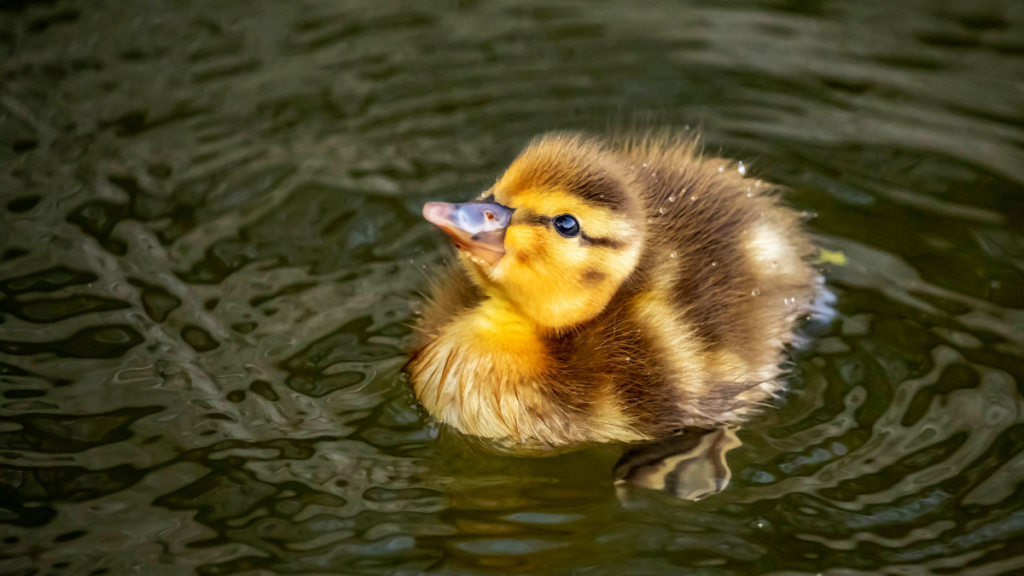
I have watched ducks on every continent I have worked. I have seen them on canals in Belgium and lakes in Sweden. You can find them in Australian reserves and along the Nile during a cruise near Aswan. From Mexico to Canada, the same truth holds. Domestic duck breeds are everywhere, and people love them.
Here is the thing most travelers miss. The birds paddling around a village pond are rarely wild. They are domestic duck breeds, shaped by thousands of years of human care. Once you learn to read them, a plain “duck” becomes a Pekin, a Runner, or a Cayuga at a glance.
This guide covers 15 of the most iconic domestic ducks you will meet worldwide. I will share how to tell them apart, what each one is bred for, and small field notes from my own travels. By the end, you should be able to name the ducks in your local park with confidence.
What Makes a Duck “Domestic”?
Most domestic ducks descend from the wild Mallard, Anas platyrhynchos, first tamed in southern China thousands of years ago. Selective breeding turned one wild bird into dozens of domesticated ducks with wildly different bodies. Scientists call the domestic form Anas platyrhynchos domesticus.
The Muscovy is the great exception. It is a separate domesticated species from South America, with its own biology and its own quirks. Interestingly, when you cross a Muscovy with a common duck, you get sterile mule ducks, so the two lines rarely produce fertile offspring together.
One more field note. Most heavy domestic ducks cannot fly, which keeps them safer and far easier to manage than their wild cousins. That grounded body is a direct result of breeding for meat and eggs. Like geese and other domestic waterfowl, they ask for little beyond space, clean water, and steady feed.
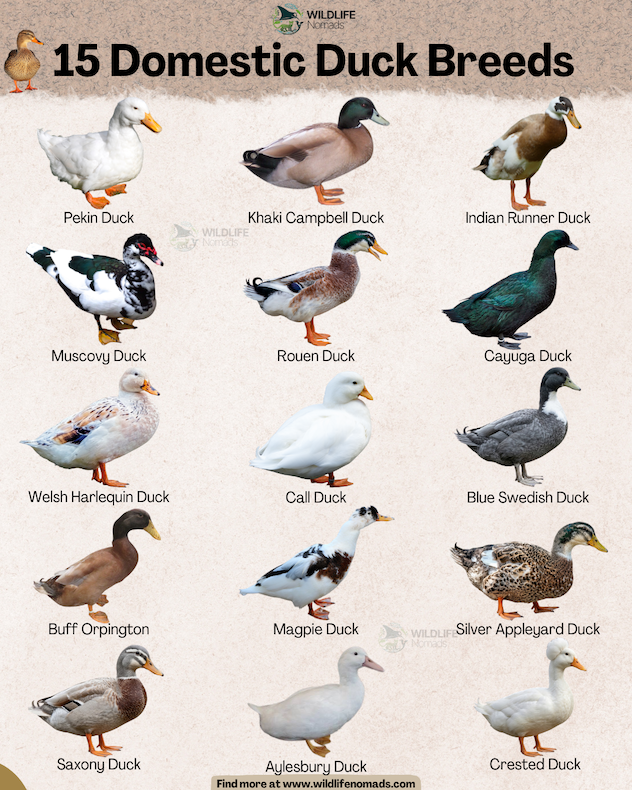
The 15 Domestic Duck Breeds
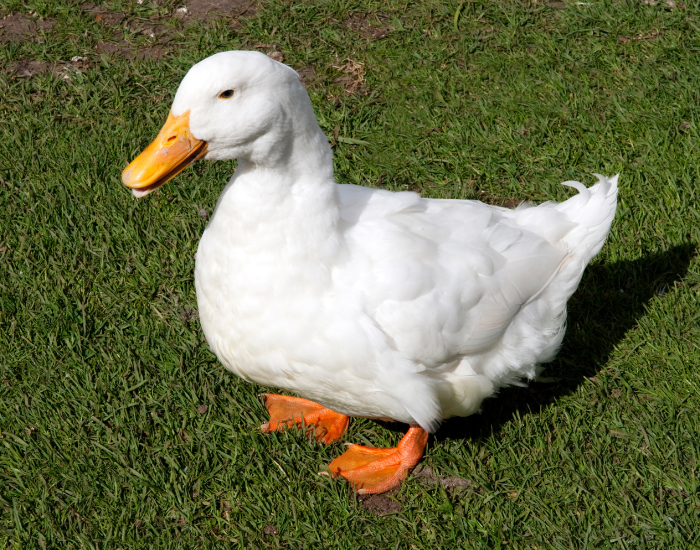
1. Pekin: The Classic White Duck
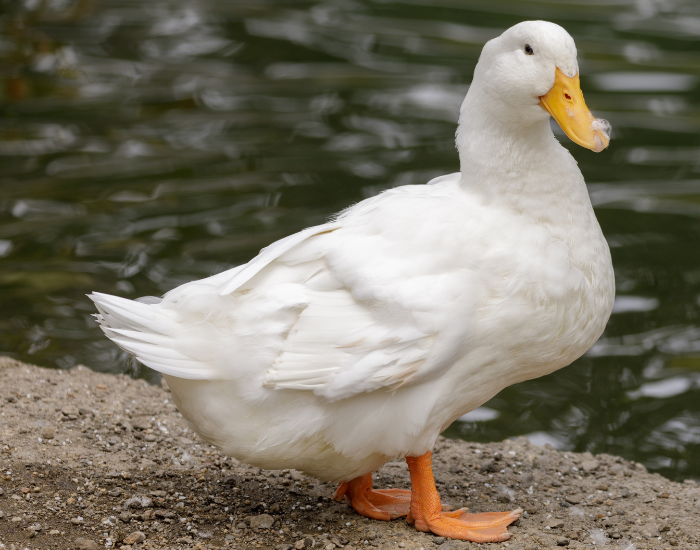
If you picture a “duck,” you are probably picturing a Pekin. Pekin ducks are the most popular domestic breed on Earth, and around 90% of the duck meat produced in America comes from them. That yellow-billed, snow-white body is the poultry industry’s workhorse.
They grow fast. A commercial Pekin can weigh 7 lb by just 7 weeks of age. Beyond the farm, Pekins are known for a calm and friendly demeanor, which makes them superb pets. They also lay well, dropping large white duck eggs through the laying season.
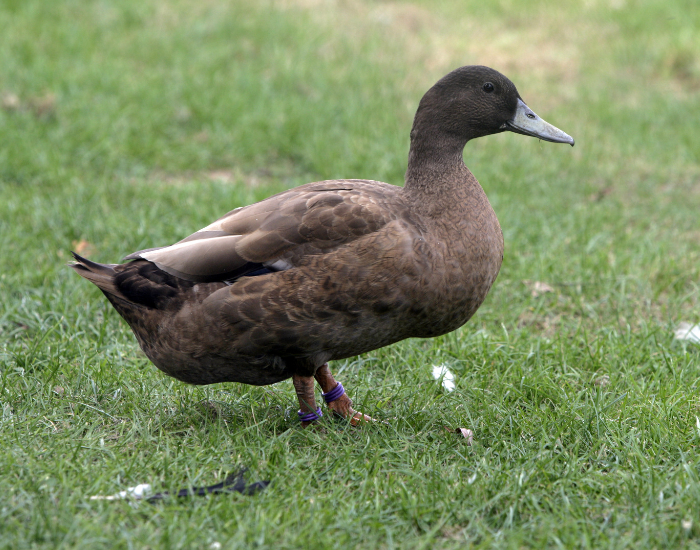
2. Khaki Campbell: The Egg Machine
When people ask me for the best layer, I always say Khaki Campbell. This modest brown breed is widely considered the best egg-laying breed among domestic ducks. A healthy hen lays 5–6 eggs per week, outproducing most chickens.
I have watched flocks of them scavenging Vietnamese rice paddies, and the numbers back up the sight. Field studies recorded over 270 duck eggs per bird across a single laying season. For anyone serious about egg production, this is the breed to beat.
3. Indian Runner: The Bowling Pin on Legs
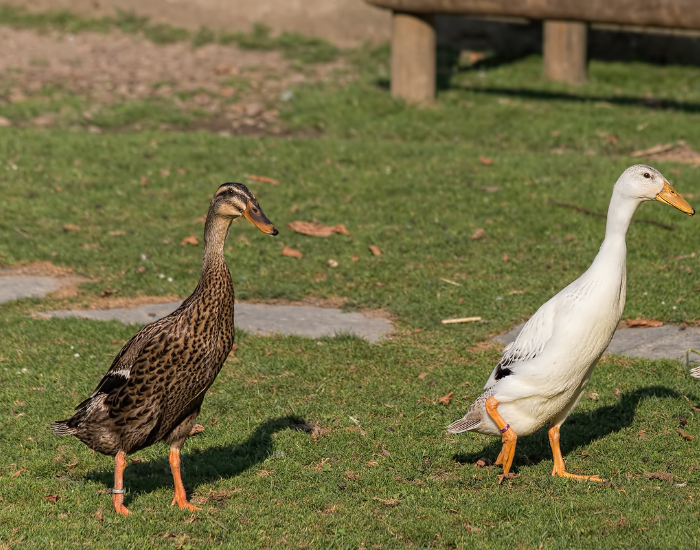
No duck looks more comical or more distinctive. Indian Runner ducks stand fully upright and sprint rather than waddle, so a flock resembles a set of running bowling pins. Once you see them, you never forget them.
Runner ducks are exceptional foragers and prolific layers, dropping 4–5 eggs per week while patrolling the garden for slugs. However, they can be nervous birds. Startle a flock and they may stampede as one panicked, feathered wave.
4. Muscovy: The Duck That Doesn’t Quack
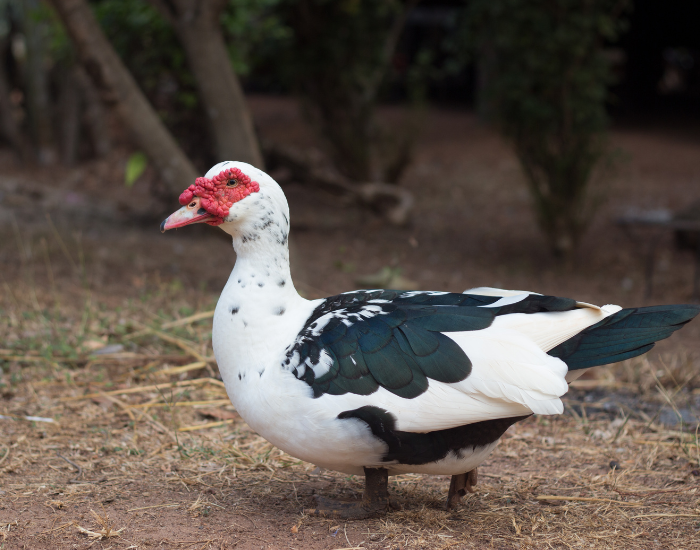
The Muscovy is the rebel of this list. It is a separate domesticated species, not a Mallard descendant, and its warty red face is unmistakable. Muscovy ducks do not quack; instead they hiss and make a soft, breathy call, which makes them wonderfully quiet neighbors.
They are also excellent foragers and can fly well if their wings are not clipped. Muscovy drakes reach around 3.5 to 5.5 kg (7.7 to 12 lbs) by 13 weeks, and their meat is dark, lean, and often compared to veal. I have watched wild-living Muscovies roosting in trees, a reminder of how different this species really is.
5. Rouen: The Giant Mallard Look-Alike
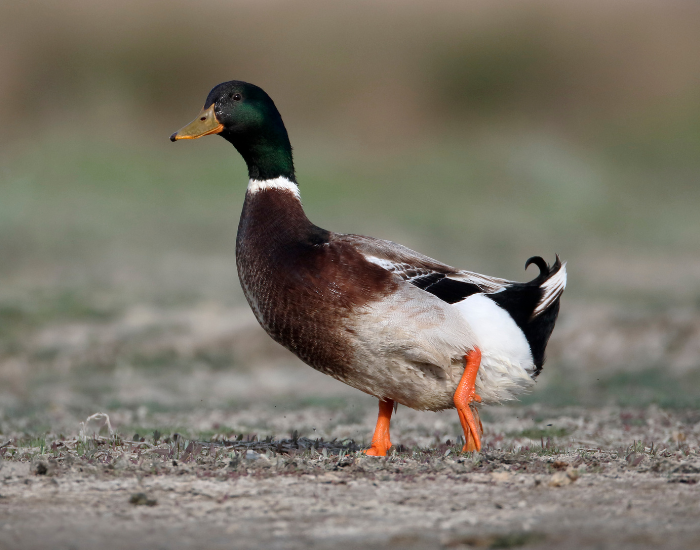
At first glance, a Rouen looks like a Mallard that ate too much. It wears the same green head and chestnut chest, but on a heavy, meat-focused frame that rarely leaves the ground. This is a breed built for the table.
Rouen ducks are primarily known as a meat production breed, prized for rich flavor. They still lay a respectable 3–5 bluish-tinted eggs per week. For photographers, they are a gift, since they hold still far better than any wild mallard ever will.
6. Cayuga: The Beetle-Green Beauty
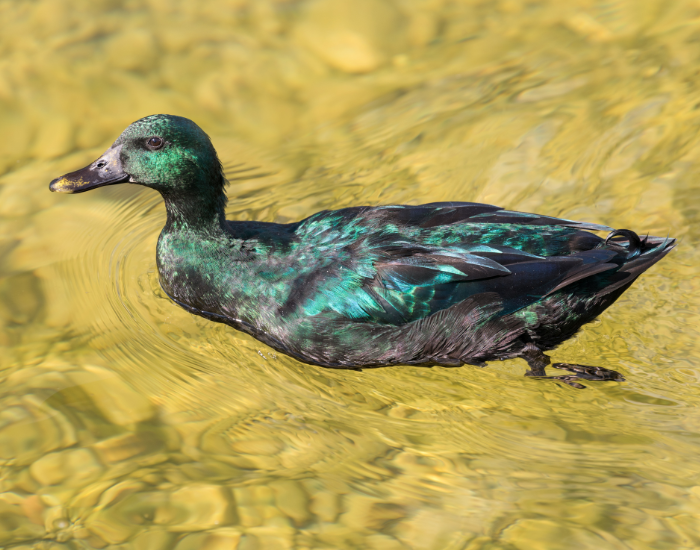
Few domestic ducks stop me in my tracks like a Cayuga in sunlight. Its black plumage flashes iridescent green, like polished beetle shells. The breed originated near Cayuga Lake in New York, and it carries that cool-climate hardiness with ease.
Cayugas have a calm disposition, which makes them ideal for backyard flocks. They lay 3–4 eggs per week, and the eggs often start out charcoal-gray before fading paler through the season. As a bonus, they are quiet and steady around people.
7. Welsh Harlequin: The Gentle Forager
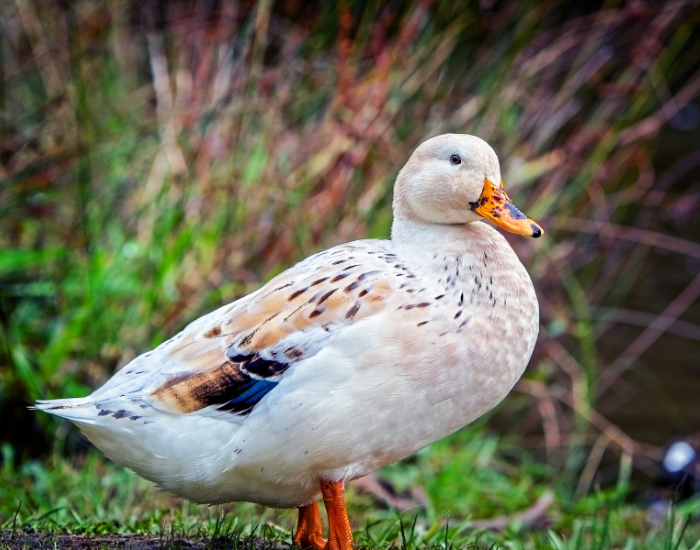
The Welsh Harlequin is a personal favorite for anyone who wants beauty and productivity together. Its delicate cream-and-bronze feathers make drakes and females look almost hand-painted. Do not confuse it with the wild Harlequin duck, which is an entirely different sea-going bird.
These ducks are curious, active foragers with a calm temperament. Welsh Harlequins lay 4–6 eggs per week, so they double as steady layers. In a mixed flock, they tend to be the peacemakers rather than the bullies.
8. Call Duck: The Loud Little Charmer
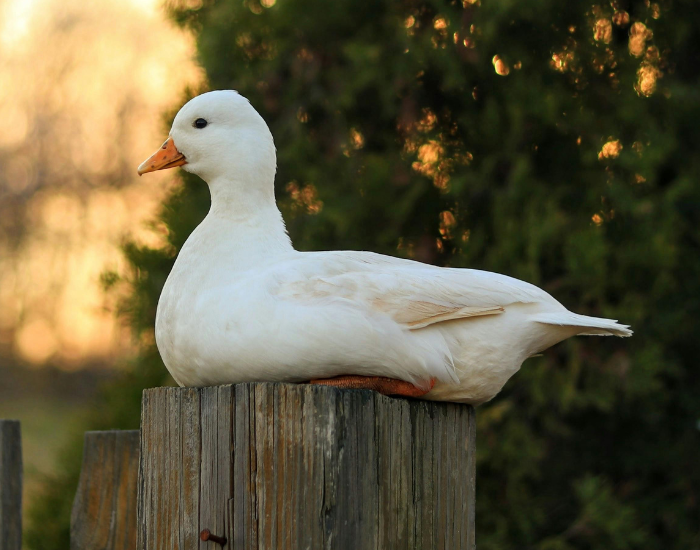
Call ducks are the smallest breed here, and easily the noisiest. Bred originally to lure wild ducks toward hunters, they are known for a playful attitude and loud, ringing calls. What they lack in size, they make up in personality.
Their round heads and stubby bills give them an almost cartoonish look. They make poor layers and poor meat birds, so people keep them purely as ornamental pets. If you want a duck with the volume of a car alarm, this is your bird.
9. Swedish (Blue Swedish): The Slate-Blue Survivor
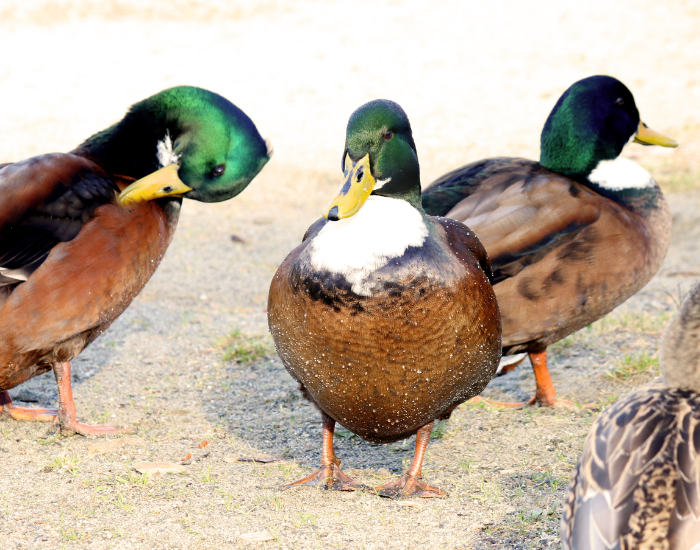
Swedish ducks wear a soft, slate-blue coat with a white bib across the chest. That dusky color makes them one of the more subtly handsome domestic ducks around. They are a calm, hardy, medium-weight duck built for cold climates across the northern hemisphere.
Because blue plumage does not breed true, a single clutch can hatch blue, black, and silver ducklings. That genetic lottery is half the fun of raising them. They serve as a solid dual-purpose breed for both eggs and meat.
10. Buff Orpington: The Honey-Colored Farm Duck
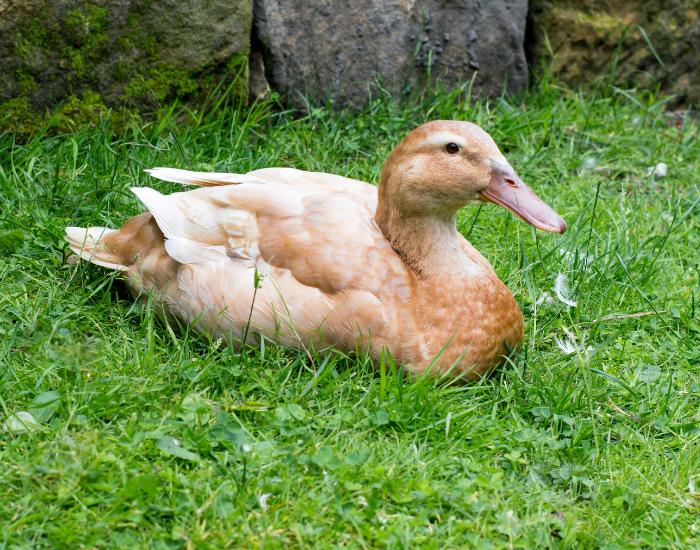
The Buff Orpington, often just called the Buff, glows a warm fawn-buff from bill to tail. Developed in England, it was designed as a great dual-purpose breed for both a good carcass and steady duck eggs. That balance keeps it popular on small farms.
Buffs are calm, docile, and easy to handle, which makes them beginner-friendly. They are good layers by any standard, and their gentle nature suits family flocks. I find them among the most relaxed ducks to photograph up close.
11. Magpie: The Tuxedo Duck
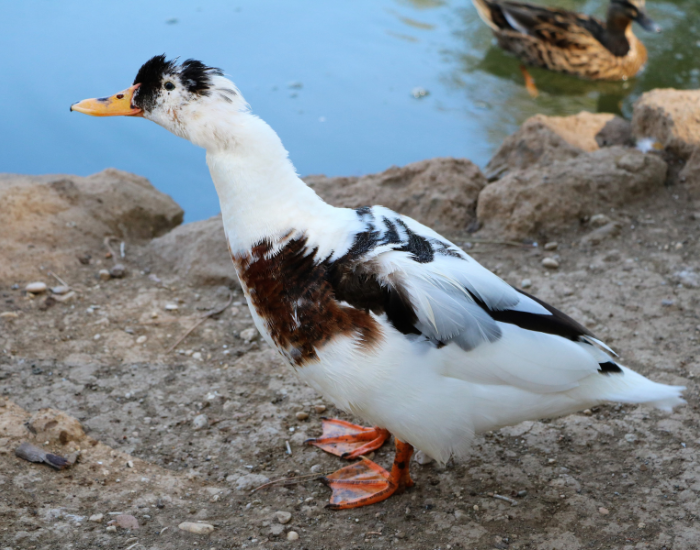
Magpie ducks look exactly like their name, dressed in crisp black-and-white like a bird in formalwear. That bold pattern makes them one of the easiest domestic breeds to identify from a distance. They stay lightweight and active into old age.
Beyond looks, they earn their keep. Magpie ducks lay 4–5 colorful eggs per week, ranging from cream to blue-green. As enthusiastic foragers, they thrive on free range and clear a garden of pests fast.
12. Silver Appleyard: The Best All-Rounder
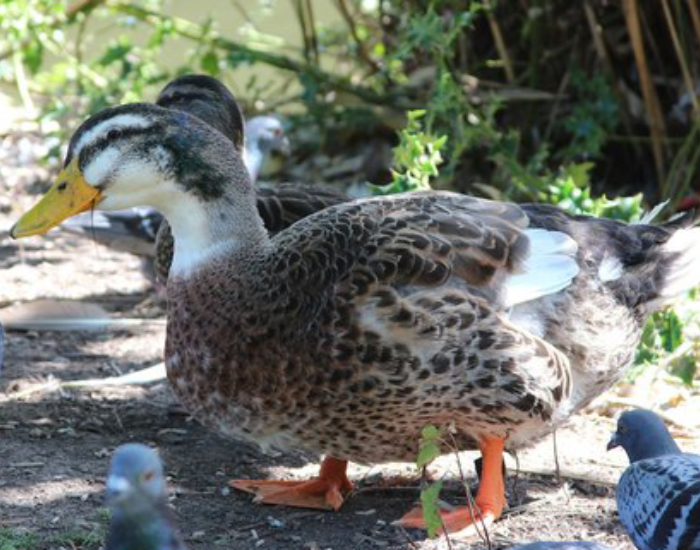
If I had to pick one duck to do everything, it might be the Silver Appleyard. It is often called a great dual-purpose breed because it delivers both generous meat and plentiful duck eggs. Few domestic ducks balance the two so well.
The plumage is a rich mosaic of silver, chestnut, and cream, especially on the drakes. They are friendly, sociable, and thrive in groups, like most domestic ducks. For a family that wants beauty, eggs, and a good table bird, this breed is hard to beat.
13. Saxony: The Pastel Powerhouse
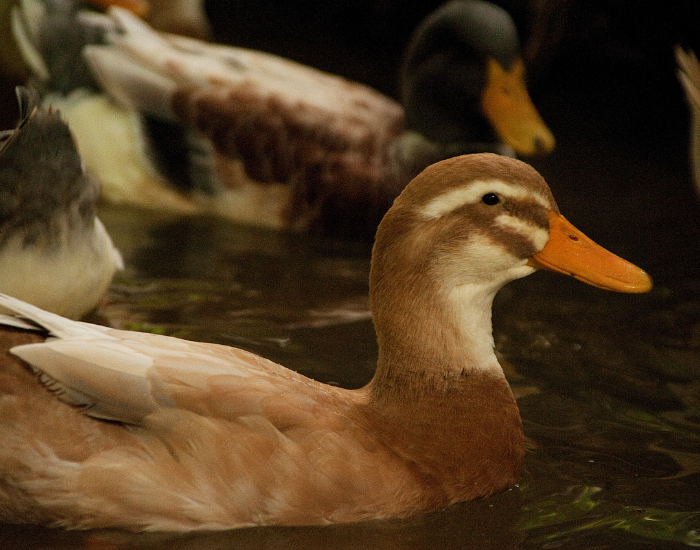
The Saxony is a large, striking duck in soft pastel blues and warm apricot tones. Bred in Germany from heavier stock, it is a hefty dual-purpose bird with real presence. That size makes it a favorite for both exhibition and the table.
Despite the bulk, Saxonies stay active and forage eagerly across a pasture. They are calm, sociable birds that rarely panic. They also lay a decent number of large duck eggs, rounding out a genuinely versatile package.
14. Aylesbury: England’s Storybook Duck
The Aylesbury is the pure-white English meat duck of children’s picture books, right down to its pale pink bill. For centuries it was Britain’s premier table duck, raised by the thousand near the town that gave it its name. It is history you can hold.
This is a heavy, deep-bodied bird that stays close to the ground. Purebred Aylesburys are now rare, so spotting a true one is a small thrill. They are gentle giants, calm and slow-moving around people.
15. Crested Duck: The Pom-Pom Head
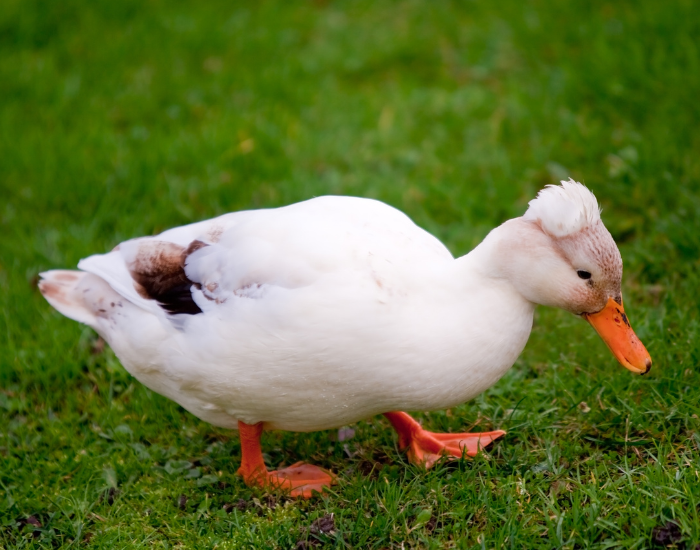
You cannot mistake a Crested duck, thanks to the fluffy ball of feathers perched on its skull. That pom-pom comes from a genetic quirk, and it makes the breed a favorite ornamental pick. Crested ducks come in white and many other colors.
They are friendly, sociable birds that lay a fair number of eggs. Because the crest links to a genetic trait, thoughtful breeding matters for their health. Kept well, they are cheerful, eye-catching additions to any small flock.
That pom-pom comes from a dominant genetic mutation that leaves a gap in the skull filled with a fat pad. Because inheriting two copies of this gene is fatal in the shell, breeders must pair crested ducks with non-crested ducks to prevent high embryo mortality.”
Frequently Asked Questions
The most common domestic duck breeds are the Pekin, the Khaki Campbell, and the Indian Runner. Pekins dominate meat production, Khaki Campbells lead in egg laying, and Runners are prized foragers. The Muscovy is also widespread, though it is a separate domesticated species rather than a Mallard descendant.
Start with body shape, posture, and color. An upright, bottle-shaped duck is likely a Runner, while a low, heavy white bird is probably a Pekin or Aylesbury. Check the bill and face too, since a warty red face means Muscovy. Egg color and temperament give further clues.
Pekin and Cayuga ducks are among the friendliest, thanks to their calm temperament. Most domestic ducks are friendly and sociable and thrive in groups, so they rarely do well alone. For a quiet home, a Muscovy is a strong choice because it does not quack. Always give pet ducks companions.
For most keepers, the top five are Pekin, Khaki Campbell, Welsh Harlequin, Cayuga, and Buff Orpington. They combine calm personalities, steady egg production, and easy care. Each offers unique traits suited to eggs, meat, or simple companionship.
Which Duck Is Right for You?
The real magic of domestic ducks is choice. You can pick a breed by purpose, whether you want eggs, meat, or a companion that follows you around the yard. A Khaki Campbell fills the egg basket, a Rouen fills the roasting pan, and a Call duck fills the afternoon with noise.
Wild ducks will always have my heart in the field, from the mallard that started this whole story to the dazzling harlequin duck of cold rivers. Yet domestic breeds offer something rare, a chance to sit with a duck and truly know it.
So go look. Visit a local pond, a farm, or a friend’s backyard, and try to name what you see. Then tell me in the comments which domestic duck breed won you over.
Can You Name That Duck? 🦆
A 15-photo identification challenge — the wrong answers are deliberately tricky look-alikes with similar colour or build. Go back and change any answer before you score.
Which duck breed is this?
References:
Nho, L. T., & Tieu, H. V. (1997). Egg production and economic efficiency of Khaki Campbell ducks reared on locally available feedstuffs in the coastal land stretch of the Red River Delta. Livestock Research for Rural Development, 9(1). https://www.lrrd.org/lrrd9/1/nho91a.htm
Zhang, Z., Jia, Y., Almeida, P., Mank, J. E., van Tuinen, M., Wang, Q., Qu, L. (2018). Whole-genome resequencing reveals signatures of selection and timing of duck domestication. GigaScience, 7(4), giy027. https://doi.org/10.1093/gigascience/giy027
Zhu, F., Yin, Z.-T., Wang, Z., Smith, J., Zhang, F., Martin, F., Hou, Z.-C. (2021). Three chromosome-level duck genome assemblies provide insights into genomic variation during domestication. Nature Communications, 12, 5932. https://doi.org/10.1038/s41467-021-26272-1
da Silva Costa, J., Lemos, W. M., Braga, I. M. T. dos S., dos Santos, B. S., Souza, M. A., & de Araújo Guimarães, D. A. (2023). Nutritional aspects and commercial challenges of Muscovy duck meat (Cairina moschata). World’s Poultry Science Journal, 79(3), 513–533. https://doi.org/10.1080/00439339.2023.2234347
Zhao, P. Y., Ao, X., Zhao, W., & Zhou, L. (2025). Effects of different energy and protein levels on growth performance, carcass traits, and meat quality of Pekin ducks. Frontiers in Veterinary Science, 12, 1438526. https://doi.org/10.3389/fvets.2025.1438526