I’ve spent most of my working life chasing wildlife around the world. My background is in field biology, and I did my master’s in conservation in Australia, where the lab work bled into early-morning transects, late-night spotlight surveys, and the kind of long conversations with classmates that turn into lifelong friendships. Two of the friends I made there ended up shaping how I think about South Africa long before I’d ever booked a flight there.
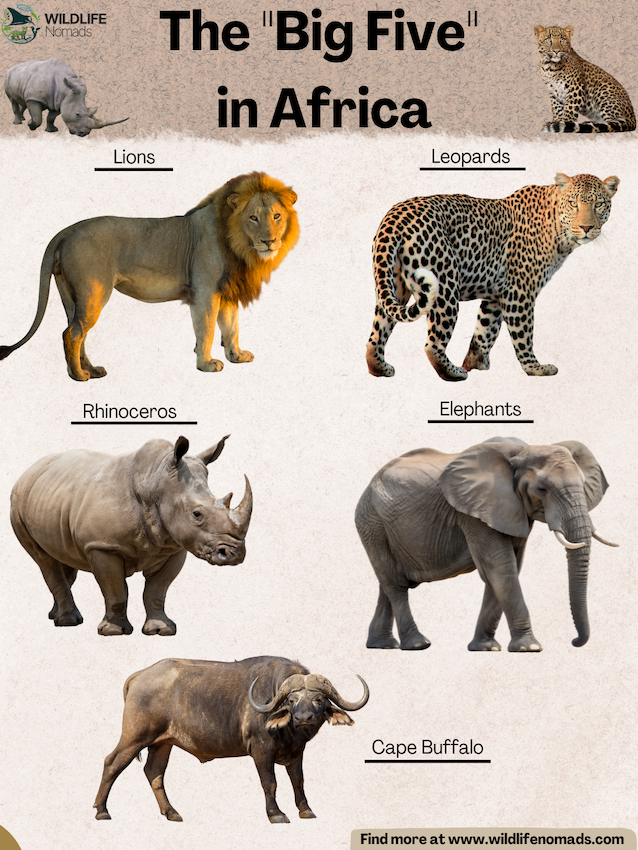
South Africa is home to some of the world’s most remarkable wildlife and ranks among Africa’s premier destinations for animal lovers. The country is famous for the “Big Five” — lions, leopards, rhinoceros, elephants, and African buffalos — but its fauna extends far beyond these iconic species.
With over 300 mammal species and more than 850 bird species, South Africa’s diverse ecosystems teem with life. Open savannas stretch across the landscape where zebra herds graze alongside buffalo. Coastal wetlands attract spectacular birds. Endemic antelopes roam the interior grasslands. Predators hunt under the intense African sun. From Kruger National Park to private reserves in KwaZulu-Natal, the country’s extensive network of protected areas showcases its commitment to wildlife conservation.
Each region offers unique safari experiences. Visitors encounter African elephants, the largest land mammals, roaming freely alongside agile antelope species, while elusive predators and vibrant birds add to the spectacle. Whether watching elephant herds crossing rivers, spotting rare birds in the trees, or witnessing antelope leaping across grasslands, South Africa’s wildlife diversity never fails to inspire.
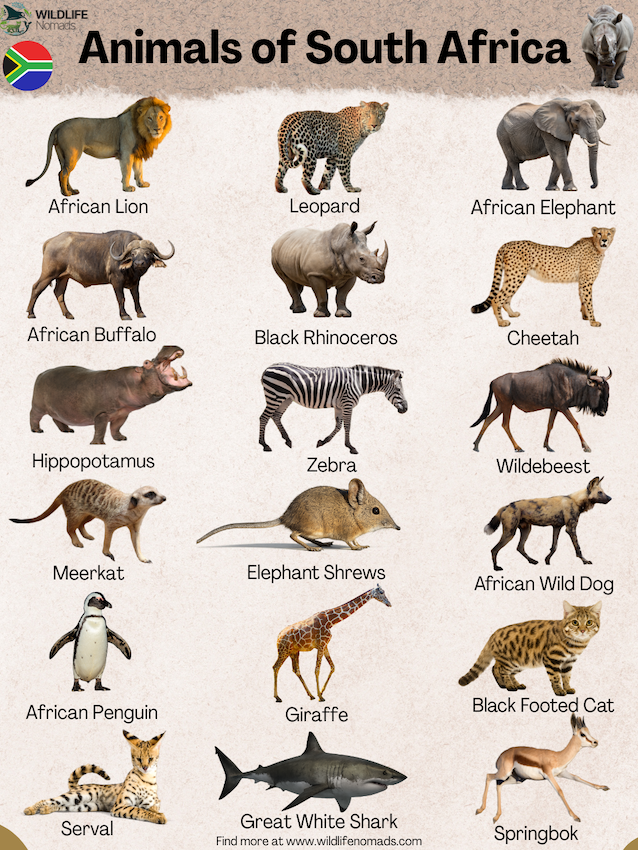
The Big 5 Animals in South Africa
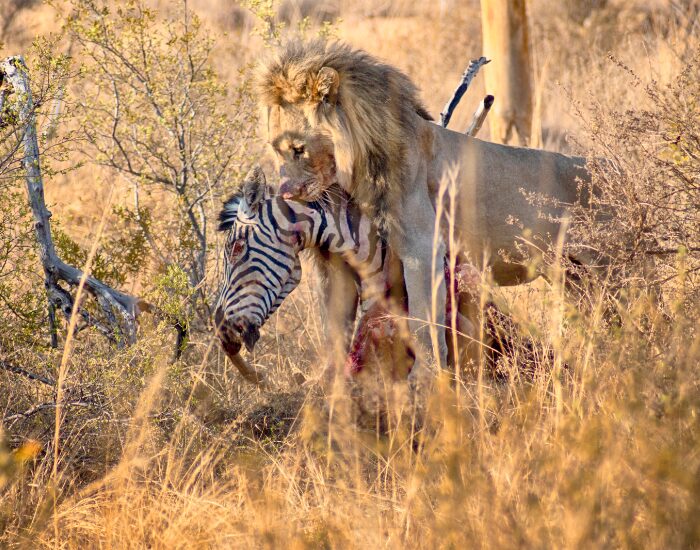
1. African Lion (Panthera leo)
The African lion reigns as king of the savanna across multiple game reserves. Kruger National Park, Kgalagadi Transfrontier Park, and private reserves like Sabi Sands host thriving lion populations. These apex predators play vital roles in maintaining healthy ecosystems.
Prides consist of related females and their cubs. One or two male lions patrol the territory. Only the males possess the impressive manes that make them stand out, creating stunning photographic opportunities during golden-hour safaris. Their roars resonate for kilometers across the African bush.
Lions hunt communally, demonstrating remarkable coordination. They target zebras, buffalo, and various antelope species. Morning and late-afternoon drives offer the best chances for sightings. These predators remain most active during cooler hours.
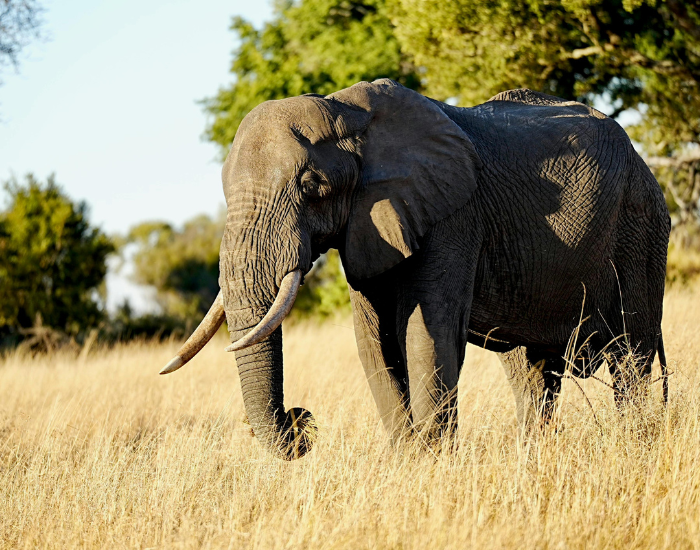
2. African Elephant (Loxodonta africana)
African elephants claim the title of largest land mammal on Earth and one of the smartest on earth. These intelligent giants inhabit Kruger, Addo Elephant National Park near Port Elizabeth, and Tembe Elephant Park bordering Mozambique. Their social structures demonstrate remarkable complexity. Compared to their Asian Elephants, African elephants are generally larger, have bigger ears shaped like the African continent, and both males and females usually have tusks, while Asian elephants, found only in Asia, are smaller, have smaller, rounded ears, and typically only males have prominent tusks.
Matriarchs lead highly social herds bound by deep family connections. Elephants communicate through low-frequency rumbles that travel over vast distances. They serve as “ecosystem engineers” by pushing down trees to create grasslands. Additionally, they forge watering holes that benefit countless other animals.
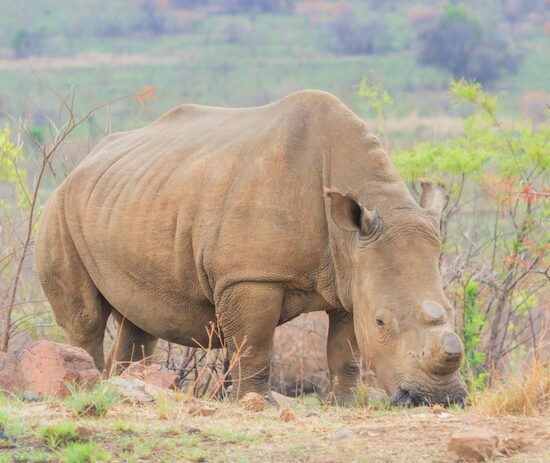
3. White Rhinoceros (Ceratotherium simum)
White rhinos embody both conservation success and ongoing challenges. Despite their power and primeval appearance, these endangered animals display surprisingly docile behavior. They graze peacefully in open grasslands of Kruger, Hluhluwe-Imfolozi Park, and private game reserves across KwaZulu-Natal.
The southern white rhino subspecies primarily inhabits South African protected areas. Current estimates suggest 15,000-18,000 individuals remain in the wild. The IUCN Red List classifies them as Near Threatened. Their broad, square lips perfectly suit grazing on savanna grasses.
In contrast, the black rhino is smaller, has a pointed upper lip adapted for browsing shrubs, and is classified as Critically Endangered due to severe poaching and habitat loss. Black rhinos are now found in much lower numbers and face even greater threats to their survival.
Have. alook at our article about How many rhinos are left to dive deeper.
4. Cape Buffalo (Syncerus caffer)
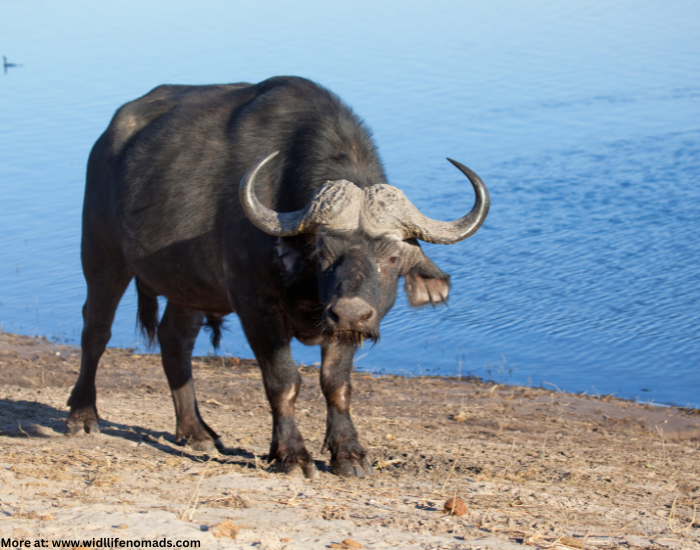
Cape buffalo complete the terrestrial Big Five list. These formidable bovines often receive less attention than other iconic species. However, they command respect throughout Africa. Large herds graze along rivers and watering holes in Kruger and Limpopo reserves.
Adults weigh up to 900 kilograms (approximately 2,000 pounds). Herd members fiercely defend calves against lions and hyenas. This behavior reveals complex social structures built on communal defense.
Cape buffalo earned a reputation as one of Africa’s most dangerous animals. Nevertheless, safari-goers who maintain respectful distances typically observe peaceful grazing at dusk. Conservation focuses on habitat continuity to ensure genetically robust populations. These animals play significant roles in controlling savanna vegetation.
5. Leopard (Panthera pardus)
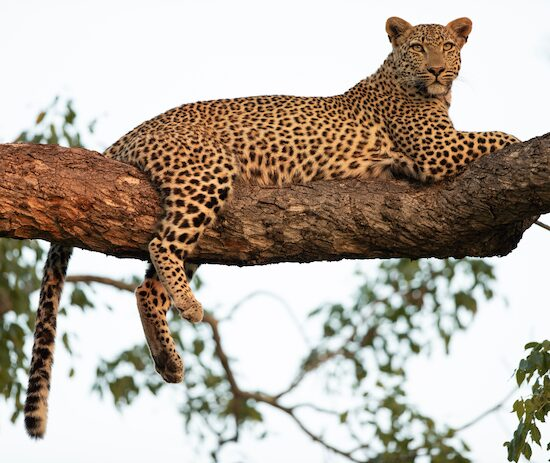
Leopards inhabit multiple ecosystems throughout South Africa. They thrive from Drakensberg foothills to Lowveld bushveld in Kruger. These solitary predators rely on stealth and camouflage rather than teamwork.
Spotting a leopard ranks as a top safari highlight due to their elusive nature. They stash prey in tree branches where other predators cannot reach it. This behavior protects their kills from lions and hyenas. Leopards hunt impala, bushbuck, and smaller prey species.
Other Iconic South African Animals
6. African Wild Dog (Lycaon pictus)
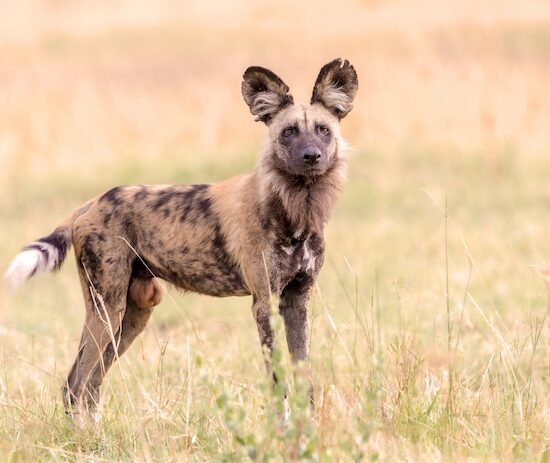
African wild dogs sport distinctive mottled coats of black, brown, and cream. As one of Africa’s most endangered and distinctive carnivores, these predators roam in tightly bonded packs. Their team-based hunting tactics yield some of the highest success rates among African carnivores.
Habitat fragmentation and persecution severely reduced their historical range. In South Africa, Kruger’s private concessions and Hluhluwe-Imfolozi offer prime viewing locations. Watching wild dogs coordinate during hunts proves mesmerizing.
7. Cheetah (Acinonyx jubatus)
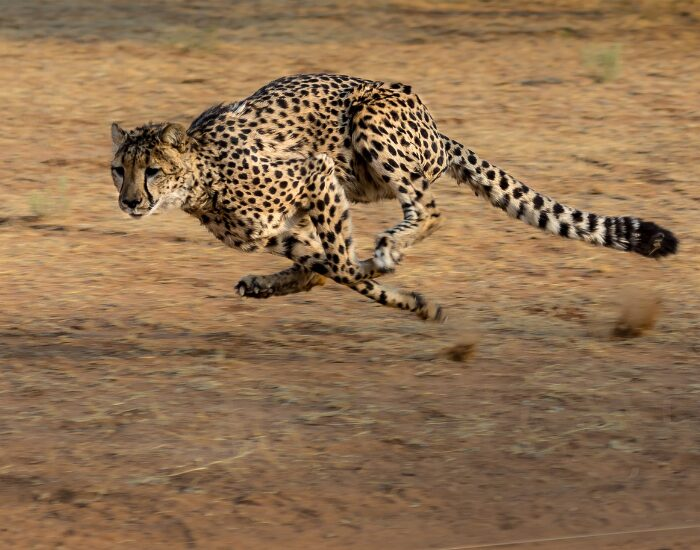
Famed for unmatched speed, up to 110 km/h (68 mph), the cheetah roams parts of Kruger, Pilanesberg, Kgalagadi, and smaller reserves. With slender bodies and distinctive tear-mark facial stripes, cheetahs rely on open grasslands for swift chases after small to medium prey like springbok or impala.
Open grasslands enable swift chases after springbok or impala. However, farmland fencing that encroaches on migration routes reduces hunting success. Researchers establish “cheetah safe zones” in private reserves, ensuring adequate open territory.
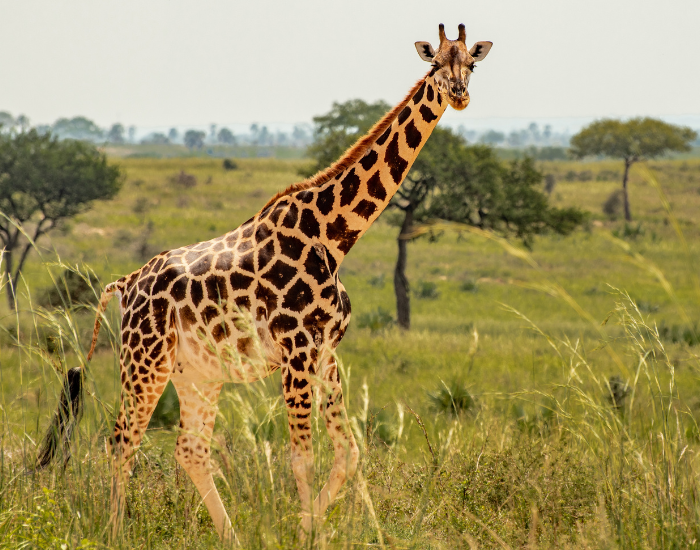
8. Giraffe (Giraffa camelopardalis)
Graceful giraffes tower up to five meters (approximately 16 feet) tall, and their large size makes them the tallest land animal. They populate Kruger, Addo Elephant Park, and various Limpopo game reserves. Long necks and tongues enable browsing acacia leaves high above competition.
Despite their placid appearance, giraffes deliver lethal kicks defending themselves or calves. Conservation tasks include maintaining acacia woodlands and ensuring safe migration corridors. Highways and farmland create barriers requiring careful management.
9. Hippopotamus (Hippopotamus amphibius)
Hippos rank among South Africa’s most dangerous animals. These massive mammals spend days submerged in rivers and lakes. Kruger National Park, iSimangaliso Wetland Park, and various reserves host thriving populations.
Adults weigh 1,500-1,800 kilograms, making them the third-largest land mammals. Despite their bulk, hippos move surprisingly fast on land. At night, they leave the water in search of food, mainly grazing on grass, which forms the bulk of their diet. They can consume up to 40 kilograms of food nightly.
Territorial males defend river sections aggressively. Their powerful jaws can crush crocodiles. Therefore, safari guides emphasize maintaining safe distances. However, observing hippos wallowing in muddy pools creates memorable wildlife moments.

10. Spotted Hyena (Crocuta crocuta)
Spotted hyenas challenge common misconceptions as skilled hunters rather than mere scavengers. These intelligent predators, easily recognized by their brownish-grey spotted coats, live in complex matriarchal societies. Kruger and other game reserves support healthy hyena populations.
Their powerful jaws crush bones, accessing nutrients other predators cannot. Hyenas hunt cooperatively, taking down prey as large as wildebeest. Additionally, they steal kills from lions and leopards when opportunities arise.

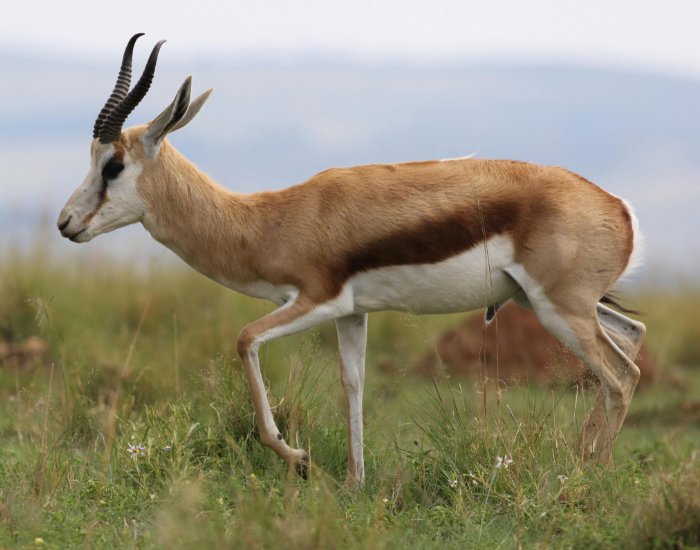
11. Springbok (Antidorcas marsupialis)
Springboks embody the spirit of South African wildlife and are recognized as the national animal of South Africa. The springbok holds deep cultural significance, symbolizing unity and pride, and is famously associated with Nelson Mandela and the Rugby World Cup. These medium-sized antelopes perform spectacular pronking jumps when alarmed. They leap repeatedly with stiff legs, displaying white back crests.
Kgalagadi Transfrontier Park hosts enormous springbok herds. These animals thrive in arid conditions where other species struggle. Their adaptations include extracting moisture from vegetation.
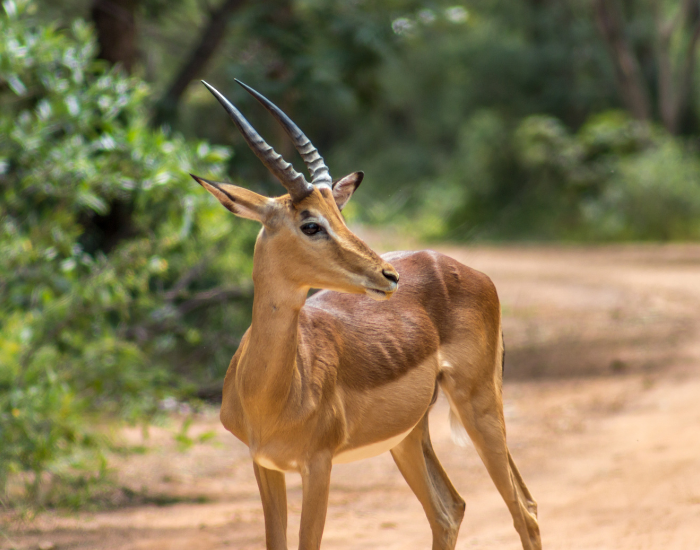
12. Impala (Aepyceros melampus)
Impalas rank as the most common antelope species across South African game reserves. These graceful animals form large herds in woodland and savanna habitats. Males sport distinctive lyre-shaped horns.
Their incredible agility enables them to jump as high as 3 meters and leap distances of up to 10 meters. This remarkable jumping ability helps them escape predators during high-speed chases. Impala herds create a vital prey base supporting lions, leopards, cheetahs, and wild dogs.
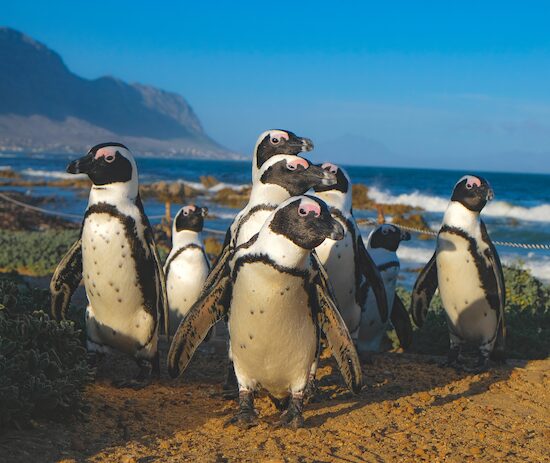
13. African Penguin (Spheniscus demersus)
The only African penguin among all 18 species of penguins. Found along the southwestern coast of South Africa, from islands near Cape Town to spots along the Eastern Cape, these charismatic seabirds sport a distinctive black-and-white plumage with a unique pattern on their chests. Often called the “jackass penguin” because of their braying vocalization, African penguins prefer rocky shores and island colonies for nesting, safely away from predators.
Sadly, overfishing and habitat disturbance have pushed them onto the endangered list-Near Threatened. Visitors can observe them at places like Boulders Beach near Simon’s Town, where carefully managed boardwalks enable close yet respectful viewing.
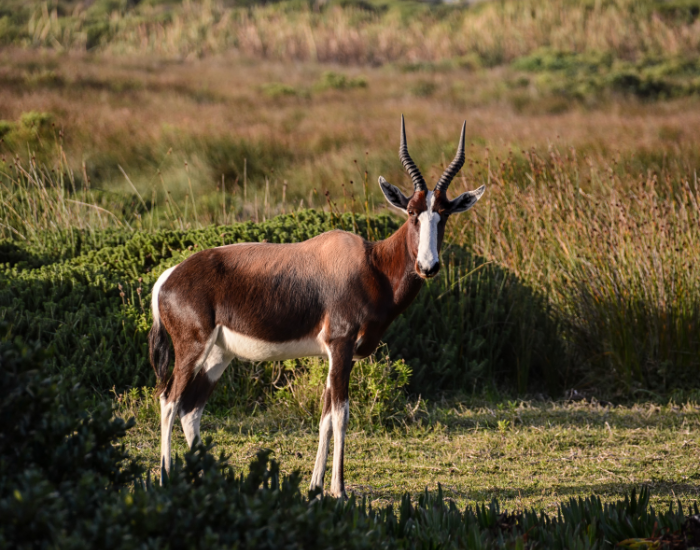
14. Bontebok (Damaliscus pygargus pygargus)
Among species found only in South Africa, the bontebok stands out, an antelope with a sleek white facial blaze and chocolate-brown hide. Once near extinction due to overhunting and habitat loss, it was saved through breeding and reintroduction programs.
Now found in reserves like Bontebok National Park (near Swellendam) and private fynbos-protected areas, this species exemplifies how local communities and park management can reverse an animal’s fate. Often overshadowed by elephants or lions, bonteboks show how quickly an endemic species can rebound with proper protection.
15. African Fish Eagle (Haliaeetus vocifer)
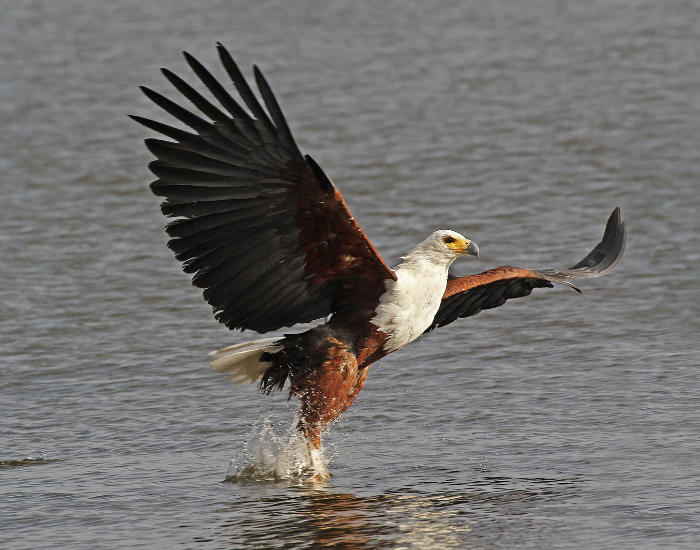
The African fish eagle’s distinctive call symbolizes wild Africa. These birds of prey inhabit waterways throughout South African national parks. Their piercing, haunting cries carry across lakes and rivers.
Adults display striking white heads, chestnut bodies, and powerful talons. These eagles hunt fish by swooping down and snatching prey from water surfaces. Kruger’s rivers, iSimangaliso’s wetlands, and numerous dams support healthy populations.
16. Black-Footed Cat (Felis nigripes)
Africa’s smallest wild cat is also one of its most formidable hunters. Black-footed cats roam the arid grasslands and scrublands of the Karoo and Kalahari, moving silently at night in search of rodents, birds, and insects.
Despite their small size—barely 1.5 to 2.5 kg—they boast one of the highest hunting success rates of any feline. Their secretive, nocturnal behavior makes sightings exceptionally rare, though research collars and camera traps provide glimpses into their lives.

17. Serval (Leptailurus serval)
Servals thrive in South Africa’s wet grasslands and marshy savannas, where their long legs and oversized ears help them detect and pounce on prey hidden in tall grass. Known for their incredible vertical leap—up to two meters—they specialize in catching rodents, birds, and frogs with remarkable precision. Conservancies in KwaZulu-Natal and the Lowveld offer occasional sightings, especially at dawn or dusk when these elusive cats are most active.

18. Elephant Shrews (Macroscelidea spp.)
Despite their name, elephant shrews are not shrews at all but small insectivorous mammals distantly related to elephants. Species like the Cape rock elephant shrew inhabit rocky outcrops, shrublands, and fynbos regions across South Africa. Quick and agile, they dart between shrubs in search of insects, spiders, and small invertebrates. Their long noses help probe leaf litter, while their territorial trails form tiny pathways through dense vegetation.

Endangered Animals of South Africa
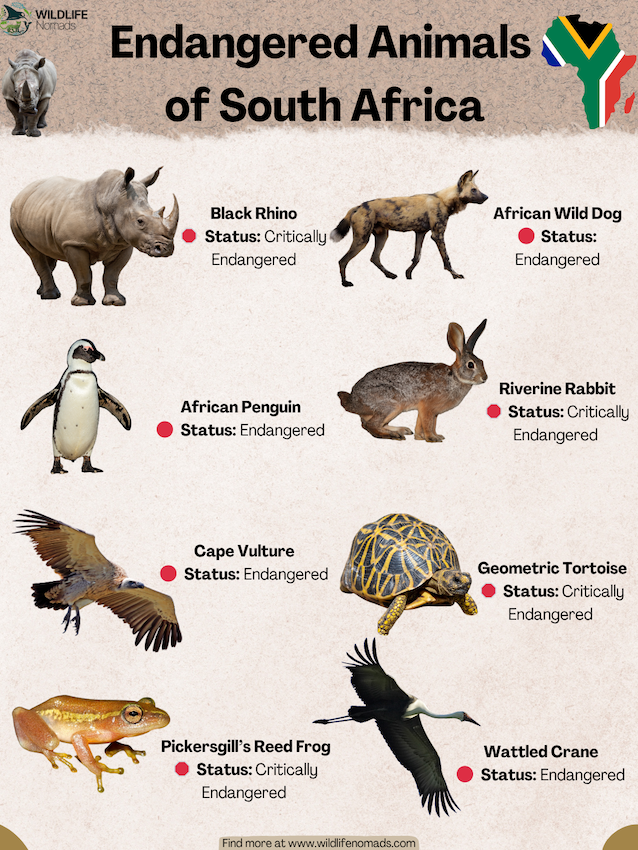
While South Africa boasts incredible wildlife diversity, many species face critical threats to their survival. The country is home to numerous endangered and critically endangered animals, from the mighty black rhinoceros weighing over 1,400 kg to the tiny Pickersgill’s reed frog at just 3 cm long.
Habitat loss, poaching, climate change, and human-wildlife conflict continue to push vulnerable species toward extinction. The African penguin has declined by over 70% in recent decades due to overfishing and oil spills. The riverine rabbit, found only in the Karoo region, faces severe habitat degradation. Meanwhile, the geometric tortoise struggles as its fynbos habitat shrinks under agricultural expansion.
Conservation organizations, national parks, and local communities work tirelessly to protect these species through breeding programs, anti-poaching efforts, and habitat restoration. The success story of the white rhino—brought back from fewer than 100 individuals in the early 1900s, demonstrates what dedicated conservation can achieve. However, many species remain in crisis, requiring ongoing vigilance and support.
Frequently Asked Questions
The Big Five (lion, leopard, elephant, rhino, buffalo) dominate many travelers’ wish lists, but you’ll also encounter zebras, giraffes, impalas, hippos, crocodiles, hyenas, wild dogs, and hundreds of bird species in parks like Kruger or Pilanesberg.
Endemics such as the bontebok and certain reptiles (like the geometric tortoise) exist primarily within the country’s borders. Bird endemics include the Cape rockjumper and the Drakensberg siskin, underscoring the specialized habitats found in mountainous or fynbos areas.
The Big Five are lion, leopard, elephant, rhinoceros, and Cape buffalo. Originally a hunting term referencing species that posed the greatest challenge on foot, it now signifies the top five animals safari-goers typically hope to see.
The Big Five in South Africa
Best Places for Safari Experience
Kruger National Park (also known as Kruger Park, the country’s most famous wildlife reserve) remains South Africa’s flagship wildlife destination. This massive reserve covers nearly 20,000 square kilometers. Visitors encounter the Big Five plus hundreds of bird species and diverse wildlife.
Private game reserves adjacent to Kruger offer luxury safari experiences. Sabi Sands and other concessions provide exclusive access and expert guides. These areas often deliver superior leopard sightings.
Hluhluwe-Imfolozi Park protects significant rhino populations in KwaZulu-Natal. This historic reserve pioneered white rhino conservation. It combines Big Five viewing with spectacular rolling landscapes.
Addo Elephant National Park near Port Elizabeth focuses on elephant conservation. However, it now protects lions, buffalo, leopards, and rhinos too. The malaria-free status appeals to families with young children.
Kgalagadi Transfrontier Park spans South Africa and Botswana borders. This desert park offers exceptional predator viewing. Lions with black manes, cheetahs, and enormous springbok herds characterize the experience.
This website is reader-supported. When you book a wildlife experiences through links listed on this site, we may earn an affiliate commission.
One of the most Biodiverse places on Earth
South African animals represent some of Earth’s most magnificent wildlife. From powerful predators to gentle giants, the diversity astounds visitors. Game reserves and national parks protect these species for future generations.
Kruger National Park and surrounding private reserves deliver world-class safari experiences. The Big Five remain primary attractions, yet countless other species deserve attention. Endemic animals like bonteboks showcase unique South African biodiversity.
Conservation efforts continue protecting endangered species against poaching and habitat loss. Community involvement proves essential for long-term success. Therefore, safari tourism directly supports wildlife protection while providing unforgettable experiences.
References:
Coverdale, T. C., Kartzinel, T. R., Grabowski, K. L., Shriver, R. K., Hassan, A. A., Goheen, J. R., Palmer, T. M., & Pringle, R. M. (2016). Elephants in the understory: Opposing direct and indirect effects of consumption and ecosystem engineering by megaherbivores. Ecology, 97(11), 3219–3230. https://doi.org/10.1002/ecy.1557
Ferreira, S. M., Greaver, C., Knight, G. A., Knight, M. H., Smit, I. P. J., & Pienaar, D. (2015). Disruption of rhino demography by poachers may lead to population declines in Kruger National Park, South Africa. PLOS ONE, 10(6), e0127783. https://doi.org/10.1371/journal.pone.0127783
Müller, L., Briers-Louw, W. D., Seele, B. C., Stefanus Lochner, C., & Amin, R. (2022). Population size, density, and ranging behaviour in a key leopard population in the Western Cape, South Africa. PloS one, 17(5), e0254507. https://doi.org/10.1371/journal.pone.0254507
Fritz, H. (2017). Long-term field studies of elephants: Understanding the ecology and conservation of a long-lived ecosystem engineer. Journal of Mammalogy, 98(3), 603–611. https://doi.org/10.1093/jmammal/gyx023
Loveridge, A. J., Sousa, L. L., Cushman, S., Kaszta, Ż., & Macdonald, D. W. (2022). Environmental and anthropogenic drivers of African leopard Panthera pardus population density. Biological Conservation, 272, 109641. https://doi.org/10.1016/j.biocon.2022.109641
Nicholson, S. K., Marneweck, D. G., Lindsey, P. A., Marnewick, K., & Davies-Mostert, H. T. (2020). A 20-year review of the status and distribution of African wild dogs (Lycaon pictus) in South Africa. African Journal of Wildlife Research, 50(1), 8–19. https://doi.org/10.3957/056.050.0008
Sherley, R. B., Barham, B. J., Barham, P. J., Campbell, K. J., Crawford, R. J. M., Grigg, J., Horswill, C., McInnes, A., Morris, T. L., Pichegru, L., Steinfurth, A., Weller, F., Winker, H., & Votier, S. C. (2020). The conservation status and population decline of the African penguin deconstructed in space and time. Ecology and Evolution, 10(15), 8506–8516. https://doi.org/10.1002/ece3.6554