When it comes to African safaris, few destinations are as iconic, or as accessible, as Kruger National Park. Spanning nearly 20,000 square kilometers in the northeast of South Africa, Kruger is one of the largest and most celebrated national parks on the continent. As an African game reserve, it boasts more species of large mammals than any other.
Think Big Five sightings, scenic savannas, and enough biodiversity to keep even the most seasoned naturalist enthralled. Whether it’s your first safari or your fifteenth, wildlife safaris in Kruger National Park deliver unforgettable experiences without requiring charter flights or weeks off the grid.
In this guide, we’ll answer all your top questions about Kruger, from when to visit and how much it costs, to whether it stacks up to the Serengeti. So let’s dive in and start planning your perfect Kruger game reserve South Africa adventure.
What Makes Kruger National Park So Famous?
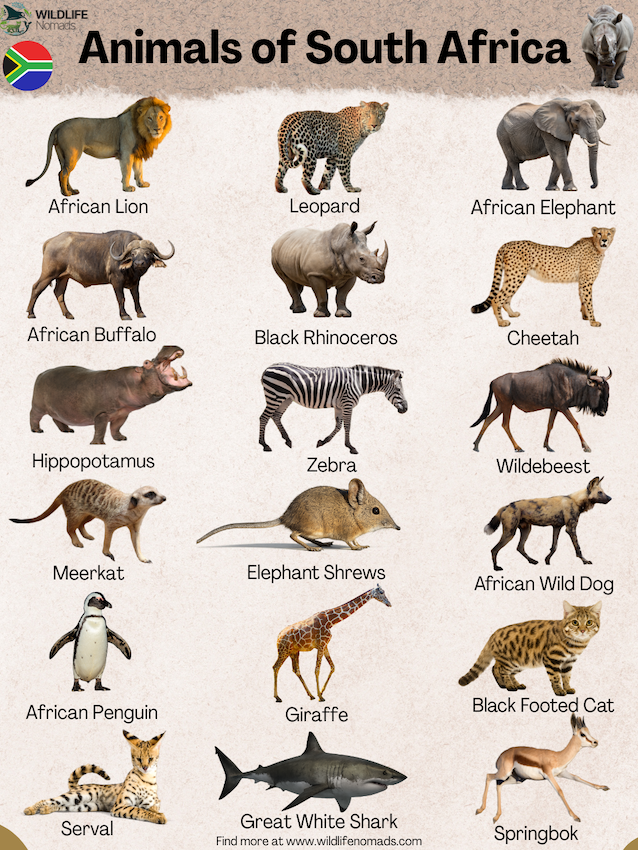
Kruger NP South Africa isn’t just famous because it’s big, it’s famous because it’s wild. Within its borders roam over 500 bird species, 147 mammals, and more than 100 reptiles. South Africa is full of Animals. The park is part of the Great Limpopo Transfrontier Park, linking it with parks in Zimbabwe and Mozambique, creating one of the most ambitious conservation corridors in Africa.
Highlights:
- Big Five: lion, leopard, elephant, rhino, and buffalo
- Self-drive safari opportunities
- Affordable and luxury accommodation options
- Cultural heritage sites, including Iron Age ruins
- Extensive network of roads and rest camps
Visitors can also spot hyenas, cheetahs, African wild dogs, the ostrich bird, giraffes, zebras, hippopotamuses, crocodiles, and antelope species such as kudu, impala, and sable. For birders, species like the Southern Ground Hornbill, Bateleur eagle, and lilac-breasted roller are highly sought-after.
What is the Best Month to Visit Kruger National Park?
Timing your visit to Kruger National Park Zuid Afrika can dramatically affect your wildlife sightings and overall experience. Here’s a month-by-month breakdown:
- May to September (Dry Season): This is the best time for wildlife safaris. Water sources shrink, bringing animals out into the open. Vegetation is sparse, making it easier to spot game. The weather is also cool and dry, with fewer mosquitoes.
- October to April (Green Season): Expect lush landscapes, migratory birds, and baby animals—but also heat, humidity, and the chance of rain. November and December mark the birthing season for many herbivores, attracting predators.
Best Overall: June to August. Cooler temps, exceptional visibility, and minimal malaria risk make it the sweet spot for most travelers.
Best for Birding: December to February, when migratory species arrive.
Best for Photography: April and October, when the lighting is softer and the landscapes are lush without being overly dense.

Is Kruger National Park Expensive?
Compared to other African safari destinations, Kruger National Park South Africa offers excellent value for money. Whether you’re on a shoestring or seeking ultra-luxury, Kruger caters to all styles and budgets.
Average Daily Costs:
- Self-Drive Budget Safari: $100–$200 per person (includes car hire, park fees, and basic rest camp accommodation)
- Mid-Range Guided Safari: $300–$600 per person
- Luxury Lodge Stay: $800–$2,000+ per person per night (all-inclusive with game drives and meals)
Pro Tip: Book SANParks rest camps early, especially in peak season, as they offer the best budget-friendly access to the park.
Public vs. Private: Understanding Kruger’s Safari Zones
Public Kruger National Park
The public section of Kruger NP South Africa is managed by SANParks and features self-drive roads, budget accommodations, and affordable guided activities.
Pros:
- Budget-friendly
- Extensive road network
- Family-friendly
Cons:
- Can get crowded in peak season
- Limited off-road access
Private Reserves (Greater Kruger Area)
Private reserves like Sabi Sands, Timbavati, and Manyeleti are part of the Greater Kruger National Park and allow for more exclusive safari experiences with off-road game drives and expert trackers.
Pros:
- Luxury lodges
- Fewer vehicles per sighting
- Night drives and walking safaris
Cons:
- Higher price point
- No self-driving allowed

Top Wildlife Safaris in Kruger National Park
Here are five unforgettable safari experiences worth considering:
1. Self-Drive Safari
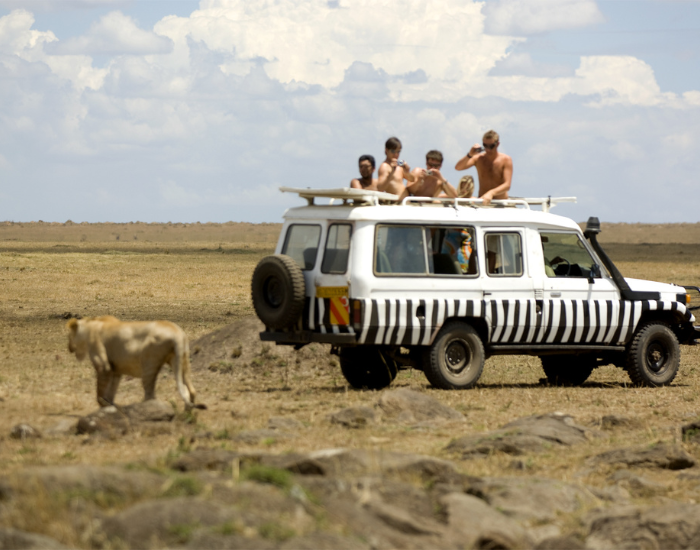
Perfect for independent travelers. Rent a car in Johannesburg or Nelspruit and explore the park at your own pace.
Crocodile Bridge is a convenient entrance for self-drive safaris.
2. Guided Day Tours
Offered from most rest camps or nearby towns. Ideal for first-timers wanting expert insight.
3. Private Lodge Packages
Stay in a luxury tented camp or lodge within a private game reserve, with included meals, guides, and game drives.
4. Photographic Safaris
Specialized tours led by wildlife photographers to help you capture epic shots of big cats, elephants, and birds.
5. Walking Safaris
Led by armed guides and trackers, these hikes immerse you in the bush’s sounds, smells, and subtle signs.
Choosing Your Accommodation
When planning your stay in Kruger National Park, you’ll find a diverse range of accommodation options to suit every budget and preference. Whether you’re looking for the ultimate luxury experience or a more rustic, budget-friendly stay, Kruger has something for everyone.
For those seeking a high-end experience, luxury lodges such as Singita, Sabi Sabi, and Ulusaba offer private guides, exclusive access to the park, and top-notch amenities. These lodges provide an intimate and luxurious way to experience the park’s wildlife and landscapes.
If you’re on a budget, the park’s rest camps, including Skukuza, Satara, and Letaba, offer a more affordable yet comfortable stay. These camps are well-equipped with essential facilities and provide a great base for exploring the park. For a truly immersive experience, consider staying in one of the park’s bush camps, such as Punda Maria or Shingwedzi. These camps offer a more secluded and intimate connection with nature, allowing you to fully appreciate the park’s beauty and tranquility.
Preparing for Your Safari
Embarking on a safari in Kruger National Park requires some preparation to ensure you have a safe and enjoyable experience. Here are a few essential tips to keep in mind:
- Dress Appropriately: Wear neutral colors like sand, khaki, and cream to blend in with the surroundings. Avoid bright colors that may scare away animals or attract unwanted attention. For walking safaris, choose comfortable shoes and clothing that allows for ease of movement. For guided drives, dress in layers to accommodate temperature fluctuations.
- Essential Gear: Bring a good camera with a zoom lens to capture high-quality shots of the wildlife. Binoculars are also useful for spotting animals from a distance, but check with your lodge or driver if they are available. Don’t forget to pack warm clothing for chilly mornings and evenings.
- Follow Park Rules: Be aware of the park’s rules and regulations, including speed limits and road closures. Always follow instructions from your guide or driver to ensure your safety and the safety of the wildlife.
By preparing adequately, you’ll be able to fully enjoy the incredible wildlife and landscapes that Kruger National Park has to offer.
Getting to Kruger National Park
Kruger National Park is conveniently located in northeastern South Africa, making it easily accessible from major cities. Here are a few ways to get to the park:
- By Car: The park is approximately 360 km (220 miles) from Johannesburg, and the drive takes around 4-5 hours. This option offers flexibility and the opportunity to explore the surrounding areas at your own pace.
- By Air: Kruger International Airport, located near the park’s western border, offers flights from Johannesburg and other major cities. This is a quick and convenient way to reach the park, especially if you’re short on time.
- By Bus: Several bus companies offer services from Johannesburg to Kruger National Park, providing an affordable and comfortable option for travelers.
Once you arrive at the park, you can choose to self-drive or take a guided tour. Self-driving requires a valid driver’s license and a 4×4 vehicle, allowing you to explore the park at your own pace. Guided tours, on the other hand, offer the expertise of an experienced guide and a more immersive experience.
Location and Geography
Kruger National Park is situated in the northeast of South Africa, spanning the eastern parts of Limpopo and Mpumalanga provinces. Covering an impressive area of 19,485 km² (7,523 sq mi), it is one of the largest national parks in the world. The park’s altitude varies between 200 m (660 ft) in the east and 840 m (2,760 ft) in the southwest, offering diverse landscapes and ecosystems.
The climate in Kruger National Park is subtropical to tropical, with a hot semi-arid climate (Köppen BSh). The rainy season occurs from September to May, bringing lush greenery and an abundance of wildlife. The park’s plant life is divided into four main areas, each corresponding roughly to the four quadrants of the park. This diversity in vegetation supports a wide range of animal species, making Kruger a haven for wildlife enthusiasts.

Iconic Kruger National Park Experiences
Kruger National Park offers a plethora of iconic experiences that will leave you with lifelong memories. Here are a few must-try activities:
- Game Viewing: Renowned for its incredible game viewing opportunities, Kruger National Park is home to a wide range of animals and birds. Whether you’re on a self-drive safari or a guided tour, you’re sure to encounter some of Africa’s most iconic wildlife.
- Walking Safaris: For a more intimate experience, take a guided walking safari. Led by experienced guides, these safaris allow you to get up close and personal with the park’s wildlife and ecosystems, offering a unique perspective on the natural world.
- Bush Camps: Staying in a bush camp provides a unique and immersive atmosphere. These camps offer a more secluded experience, allowing you to connect with nature and enjoy the tranquility of the park.
- Nocturnal Wildlife: Experience the park’s nocturnal wildlife on a guided night drive. Spot lions, leopards, hyenas, and other creatures that come to life after dark, offering a thrilling and unforgettable adventure.
- Private Game Reserves: For a luxurious and exclusive experience, visit one of the park’s private game reserves, such as Sabi Sabi or Ulusaba. These reserves offer high-end accommodations, private guides, and exclusive access to the park’s wildlife.
These iconic experiences are just a glimpse of what Kruger National Park has to offer. Whether you’re a seasoned safari-goer or a first-time visitor, the park promises an adventure of a lifetime.
How Safe is a Safari in Kruger?
Kruger is one of the safest places for a wildlife safari, provided you follow the rules. Within the public section, staying in your vehicle is mandatory unless in designated areas or with a guide. Private reserves offer well-managed, guided experiences.
Safety Tips:
- Never get out of your vehicle unless at marked spots.
- Follow speed limits and park rules.
- Don’t feed or approach wildlife.
- Book reputable guides for walking or night safaris.
Medical facilities, emergency response systems, and ranger patrols are in place, making Kruger National Park Zuid Afrika a reliable and safe option for solo travelers, families, and groups.
How Does Kruger Compare to the Serengeti?
This is one of the most asked questions in safari circles: Serengeti or Kruger?
| Feature | Kruger National Park | Serengeti National Park |
|---|---|---|
| Accessibility | Easy (self-drive, local flights) | More remote, fly-in often required |
| Cost | More affordable | Mid- to high-end |
| Wildlife Viewing | Big Five + diversity year-round | Great Migration is seasonal |
| Safari Style | Self-drive or guided | Primarily guided |
| Infrastructure | Extensive, well-developed | Limited to lodges & camps |
Verdict: If you want flexibility, accessibility, and affordability, go with Kruger game reserve South Africa. If witnessing the Great Migration is your dream, head to the Serengeti.
Conservation and Sustainability in Kruger
Kruger plays a vital role in conservation through anti-poaching units, ecological research, and community involvement. Here’s how they do it:
1. Anti-Poaching Efforts
Kruger is on the frontlines of rhino conservation. The park uses high-tech surveillance, drones, canine units, and specially trained ranger teams to combat poaching. SANParks collaborates with military and international organizations to crack down on illegal wildlife trade.
2. Research and Monitoring
Kruger is a living laboratory. It supports numerous research projects on predator-prey dynamics, climate change, vegetation shifts, and endangered species management. Long-term monitoring helps guide policies for biodiversity protection.
3. Transfrontier Conservation
As part of the Great Limpopo Transfrontier Park, Kruger is involved in cross-border conservation. This initiative connects wildlife corridors between South Africa, Mozambique, and Zimbabwe, ensuring genetic diversity and seasonal migration.
4. Community Outreach and Jobs
Many local communities depend on Kruger for employment, from hospitality to guiding. Programs like the SANParks Social Legacy program invest in education, health, and job training to uplift communities bordering the park.
5. Eco-Tourism and Low-Impact Travel
Kruger encourages responsible travel through regulated park entry, waste management, eco-lodges, and water conservation. Many private lodges operate on solar energy, recycle greywater, and contribute to local schools and conservation funds.
By choosing to travel here, visitors support an economic model that values nature and sustains it for future generations.

Tips for Planning a Kruger Safari
- Book in Advance: Especially for high season (June–August)
- Pack Smart: Neutral clothing, sun protection, binoculars, and a good camera
- Stay Hydrated: Days can get hot, even in winter
- Respect the Wildlife: Keep your distance, stay in your vehicle during drives
- Mix It Up: Combine a few days in public Kruger with a splurge night in a private lodge
Why Kruger Deserves a Spot on Your Safari Bucket List
Whether you’re chasing lions at sunrise or quietly observing elephants from your camp porch, South Africa’s Kruger National Park offers a chance to connect with Africa in its purest form. With its mix of accessibility, biodiversity, and adventure, Kruger is more than a park—it’s a feeling.
From world-class wildlife encounters to cutting-edge conservation, Kruger NP South Africa balances wild experiences with comfort and safety. It’s perfect for families, first-timers, photographers, and seasoned safari-goers alike.
So, whether you’re planning a long-awaited trip to Kruger National Park Zuid Afrika or adding it to a broader national Kruger Park South Africa itinerary, one thing is certain: you’ll leave changed.
Safari Recommendations at Kruger!
This blog is reader-supported. When you buy experiences through links listed on this site, we may earn an affiliate commission.