

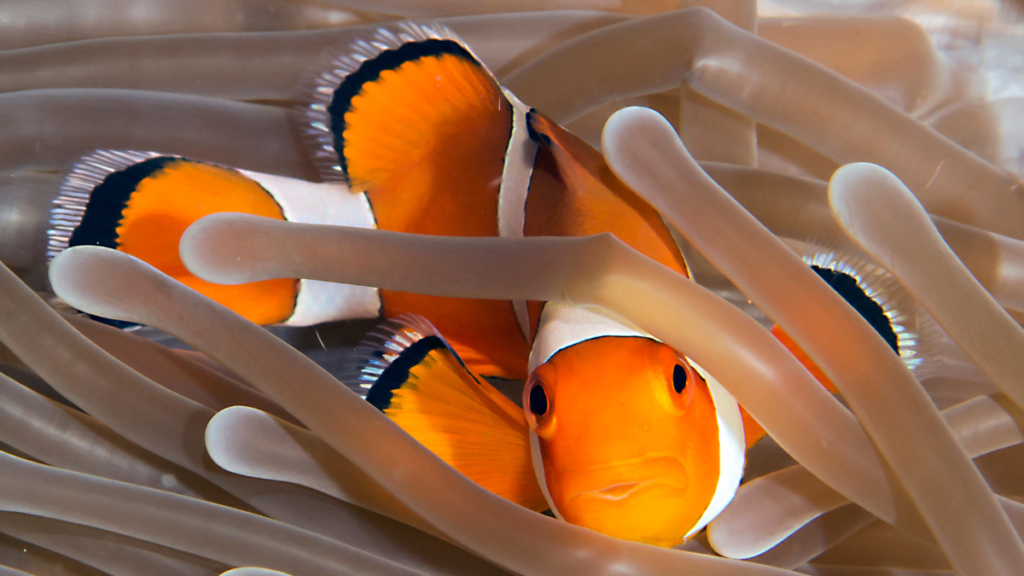
I have chased animals across six continents, but I keep coming back to fishes. One morning in the Red Sea, snorkeling alone at dawn, a small white fish with black stripes started shadowing me. I tensed up at first. I have been nipped by triggerfish and harried by smaller reef species before, so I expected aggression. This one was different. It rose to the surface beside me, hovered near my mask, and watched. It felt less like a chase and more like the fish was studying me.
That curiosity is the whole point of this article. Fishes are the most diverse group of vertebrates on Earth, yet most people only meet a handful of them. These animals account for more than half of all vertebrate species, with an evolutionary history spanning over 450 million years. Here you will learn the three main classes of fishes, fifteen standout fishes from my own dives, and how scientists study them. By the end, you will see your local river or reef differently.
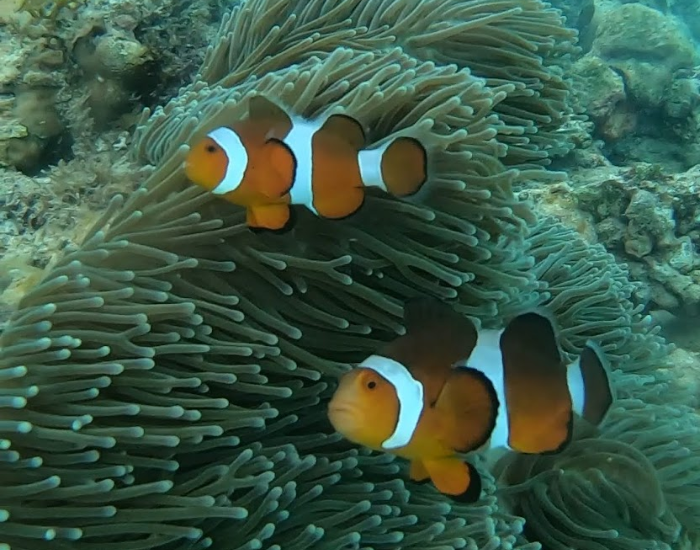
What Makes a Fish a Fish?
Before the examples, a quick definition matters. A fish is an aquatic vertebrate that breathes using gills and, in most cases, moves with fins. Yet that simple category hides staggering diversity. I am a biologist, not a marine biologist by training, but decades of diving turned this hobby into an obsession.
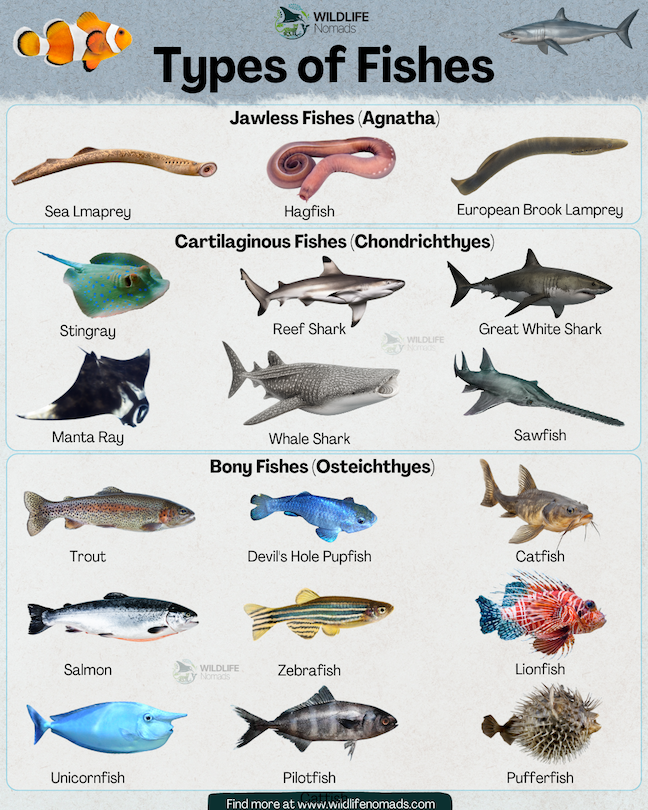
Ichthyology, the study of fish, splits these animals into three living classes: Agnatha, Chondrichthyes, and Osteichthyes. Each class tells a different chapter of natural history, with its own anatomy, behaviour, and ecological role. Let us start with the oldest fishes.
Class 1: Jawless Fishes (Agnatha)
Jawless fishes are the living relics of fish biology. They lack jaws, true scales, and paired fins. These primitive vertebrates have nonetheless survived for hundreds of millions of years, which makes them irreplaceable to scientists reconstructing early evolution.
1. Sea Lamprey
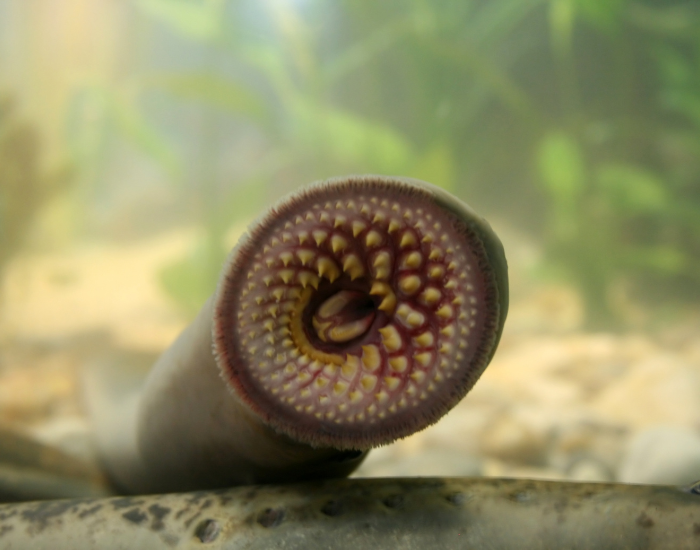
The lamprey is the poster animal for jawless fishes. Instead of biting, it clamps onto prey with a circular mouth ringed in rasping teeth. Its larval stage, called the ammocoete, burrows in riverbed sediment for years before transforming. That long larval development gives researchers a rare window into ancient physiology. Held in the hand, a lamprey feels like a living fossil, because it nearly is.
2. Hagfish
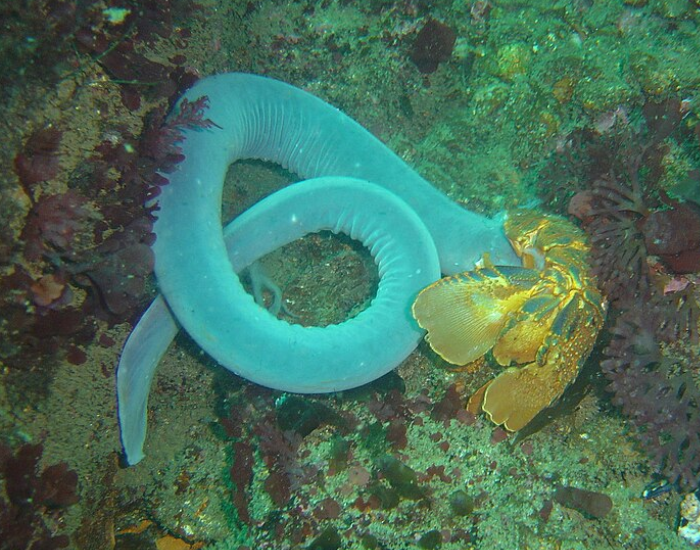
Hagfish look like eels but belong on their own ancient branch. When threatened, a single hagfish can produce litres of defensive slime in seconds. They scavenge carcasses on the deep sea floor, recycling nutrients that would otherwise vanish. Their bodies lack proper bones, relying on a flexible rod called a notochord. I have never dived deep enough to meet one in person.
Class 2: Cartilaginous Fishes (Chondrichthyes)
Now we reach the animals that quicken every diver’s pulse. Cartilaginous fishes include sharks, rays, and their relatives. Instead of bones, their bodies rest on a lightweight skeleton made entirely of cartilage. Their skin carries placoid scales, tiny tooth-like structures that protect them and cut drag through the water.
3. Reef Sharks
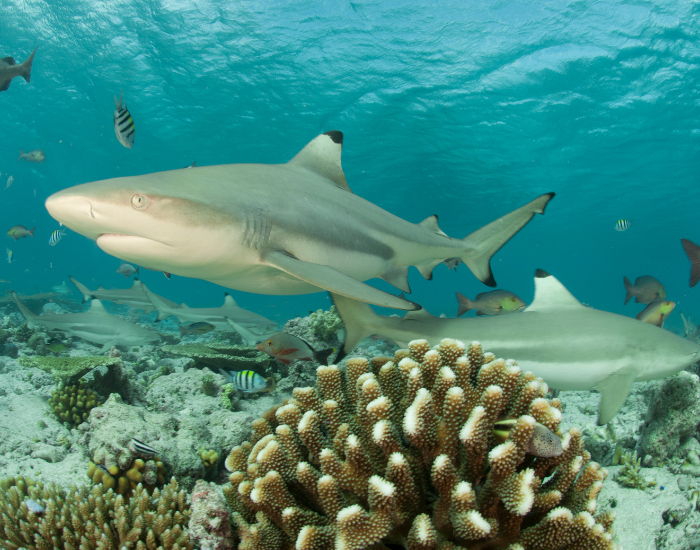
Reef sharks are far calmer than their reputation suggests. Diving in the Caribbean and again off South east Asia, I watched white and black tip reef sharks patrol the drop-off with unhurried confidence. These predators rarely show interest in divers. Their teeth, constantly replaced through life, grip fast-moving fishes rather than anything my size. Healthy shark populations signal a healthy reef.
4. Stingrays
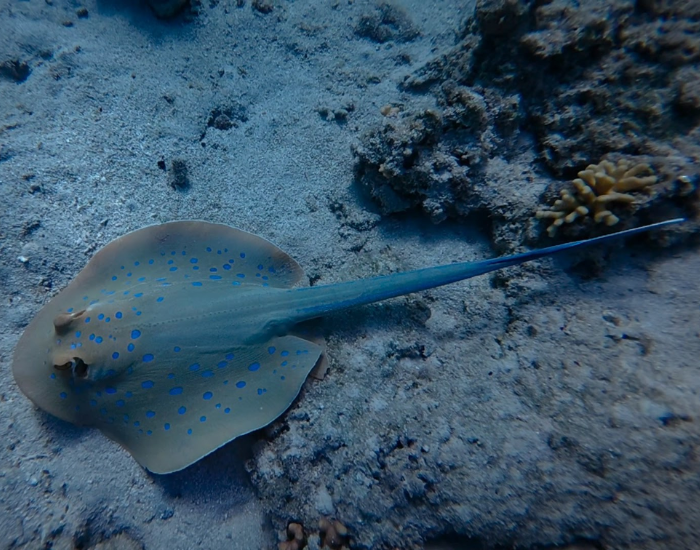
Few encounters match drifting over a stingray half-buried in sand. Stingrays glide using broad pectoral fins that ripple like wings. The famous barb is purely defensive, deployed only when a ray feels pinned. Recently in the Red Sea, I spotted several blue-spotted rays swimming and gliding through coral for several minutes while it ignored me entirely. Truly beautiful.
5. Sawfish
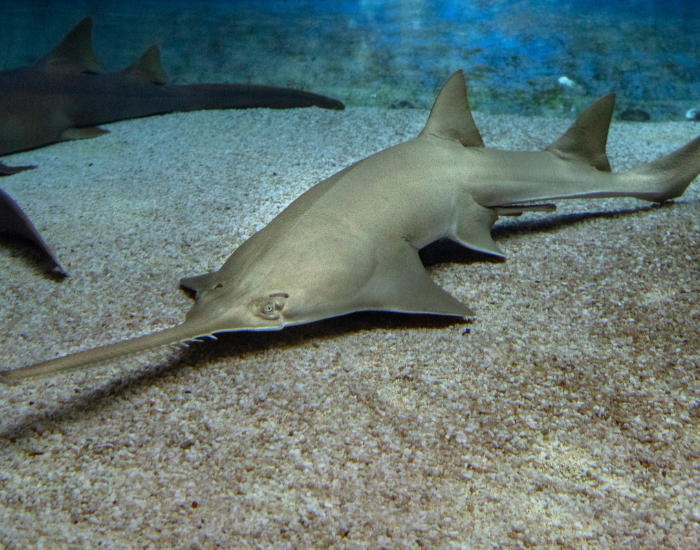
The sawfish carries one of the strangest tools in the ocean. Its elongated rostrum, studded with teeth, slashes through schools of prey and senses tiny electrical signals. Sadly, sawfish are now among the most threatened fishes on the planet. Their shallow coastal habitat overlaps heavily with fishing nets. Given current trends, I may never see one in the wild.
Class 3: Bony Fishes (Osteichthyes)
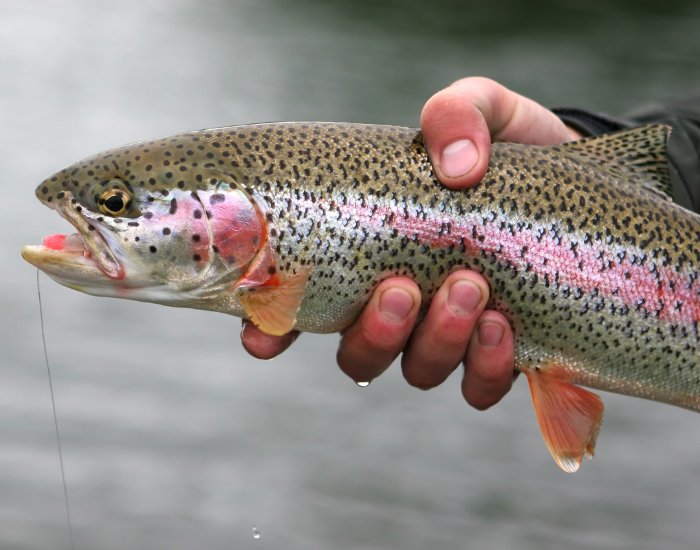
Here is where the diversity explodes. Bony fishes dominate aquatic life, with over 32,000 described species worldwide. Teleosts, the advanced ray-finned group, make up roughly 96% of all fishes. These species split almost evenly between freshwater and marine ecosystems. Ray-finned fishes like the rainbow trout use complex gills to pump oxygenated blood through their bodies, adapting beautifully to their surrounding water.
Freshwater Bony Fishes
There are about 15,200 freshwater fish species, and South America alone holds more than 5,600 in its Neotropical rivers. Freshwater fishes are particularly vulnerable, because habitat degradation hits rivers and lakes hard.
6. Rainbow Trout
The rainbow trout is a textbook ray-finned fish. It needs cold, oxygenated water and clean gravel beds to thrive. Its gills extract dissolved oxygen with remarkable efficiency, feeding oxygenated blood to active muscles. Trout also act as sensitive indicators; when they vanish from a stream, the whole aquatic system is usually in trouble.
7. Catfish
Catfish prove that fishes do not need scales to succeed. Their bare skin is packed with taste buds, so the whole body works like a roving tongue. Barbels around the mouth sweep murky riverbeds for food. With thousands of species across South America, Asia, and beyond, catfish are one of evolution’s great success stories.

8. Devil’s Hole Pupfish
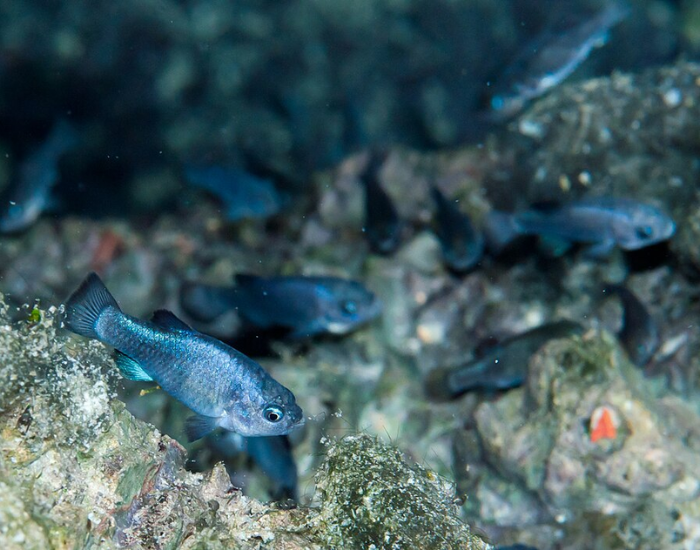
No fish humbles me more than the Devil’s Hole pupfish. Its entire wild range is a single water-filled cavern in Nevada, a pool roughly 3 by 6 metres across. A few hundred individuals represent the whole species. That tiny population makes it one of the rarest vertebrates alive. It is a good reminder that an entire lineage can hinge on one fragile habitat.
9. Salmon
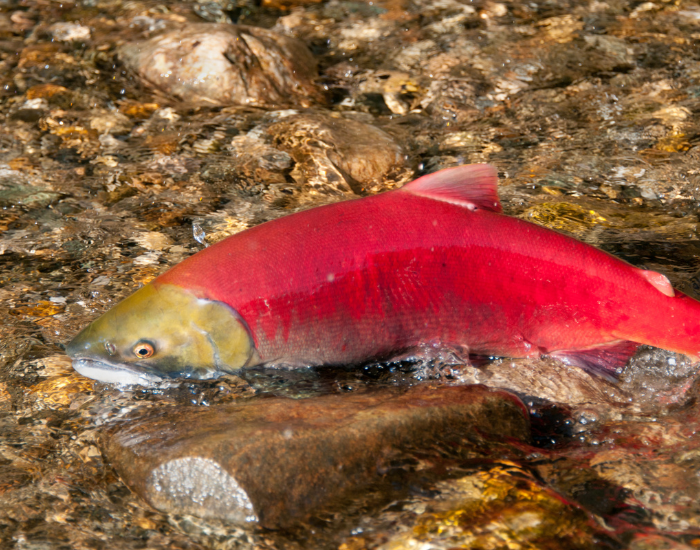
Salmon perform one of nature’s great navigation feats. After years at sea, they return to the exact river where they hatched. Research suggests they combine an extraordinary sense of smell with the ability to read Earth’s magnetic fields. Their eggs, laid in gravel nests, fuel entire ecosystems from bears to forests.
Marine Bony Fishes
The ocean holds the other half of bony fish diversity. Coral reefs in the Indo-Pacific rank among the richest marine habitats on Earth, offering abundant shelter and food. My month in Egypt brought several species into sharp focus.
10. Lionfish
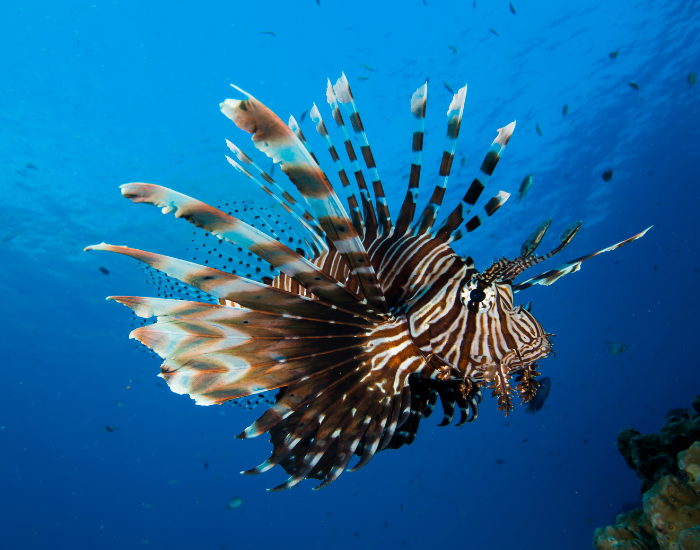
In the Red Sea I watched lionfish drift like floating crowns of venomous spines. In their native range they belong, but as an invasive species elsewhere they wreak havoc. Released into the Atlantic and Caribbean, lionfish devour native fishes with no natural predators to check them. They sit high on the list of most venomous fishes for good reason.
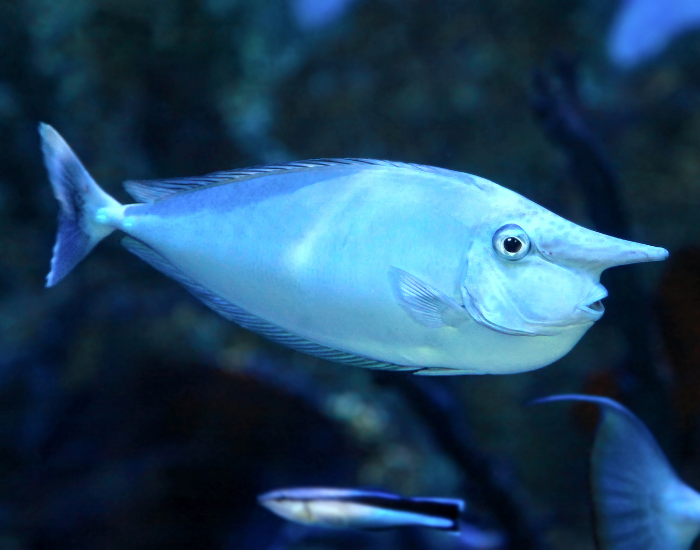
11. Unicornfish
The unicornfish was a first for me in Egypt, and I grinned into my regulator. A bony horn juts from its forehead, giving the fish its mythical name. These grazers cruise reef edges in loose groups, cropping algae and keeping coral clean. One species, I realized, can shape the health of a whole reef.
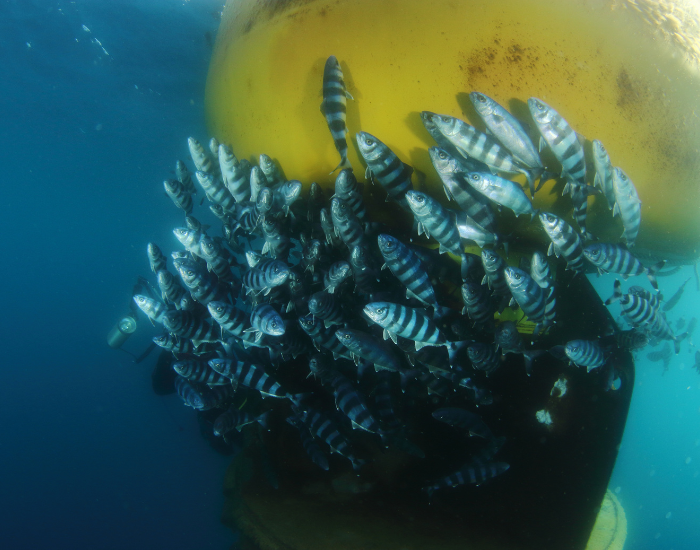
12. Pilotfish
That curious morning visitor in the Red Sea? Almost certainly a pilotfish. Pilotfish wear bold black bars on a pale body and famously escort sharks, turtles, and the occasional snorkeler. They follow large animals to feed on scraps and parasites. The behaviour I read as “studying me” was likely the fish treating me as a moving feeding station. Either way, it remains my favourite fish encounter to date.
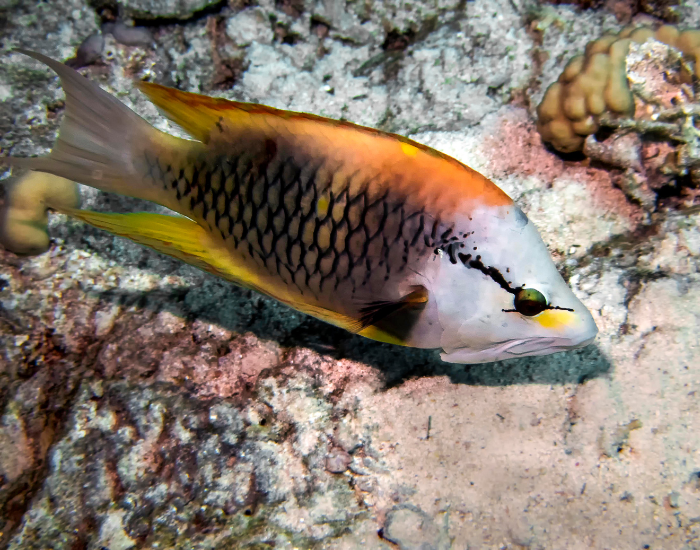
13. Wrasses
The wrasses are the reef’s restless workers. This enormous family ranges from thumb-sized cleaners to the hulking humphead wrasse. Cleaner wrasses run tiny “stations” where larger fishes queue to have parasites removed. Many wrasses also change sex during their lives, a flexibility that still astonishes me. In Thailand and the Philippines I rarely finished a dive without meeting several.
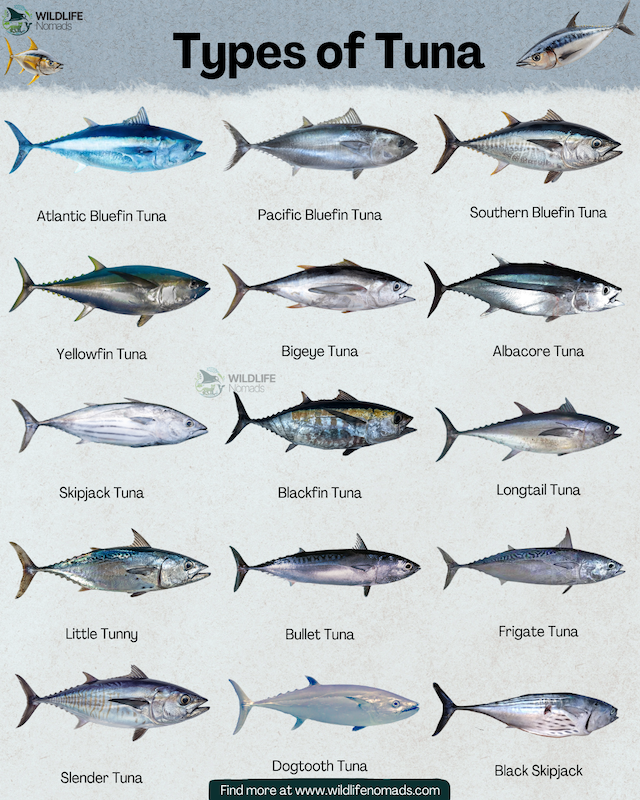
14. Tuna and Mackerel
Tuna and mackerel are the marathon athletes of the sea. Both belong to a fast-swimming family built for open water. Tuna are partly warm-blooded, which lets their muscles fire harder than the surrounding water should allow. That power, unfortunately, makes them prime targets for industrial fisheries.
15. Pufferfish
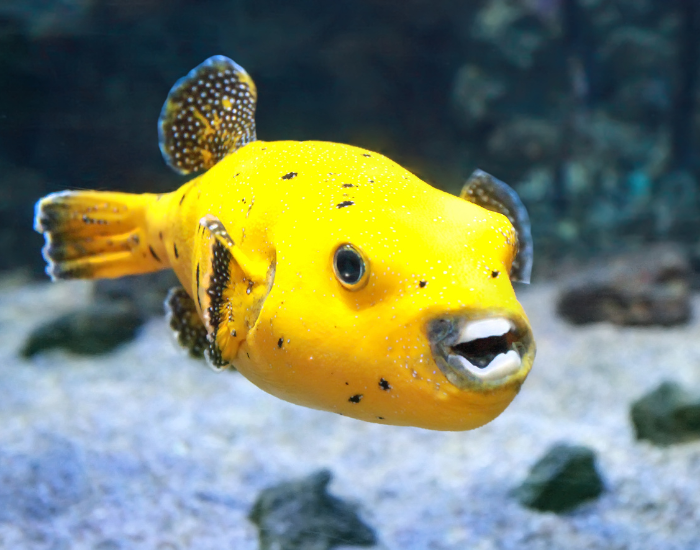
I will end the list with the pufferfish, a personal favourite. When alarmed, it gulps water and balloons into a spiny sphere. Many species also carry tetrodotoxin, a defence far deadlier than their cartoonish looks suggest. In the Philippines I watched one inflate slowly, deflate, then potter off as though nothing happened. Charming, clever, and best admired from a polite distance, the pufferfish closes my list of fishes.
How We Actually Study Fishes: Ichthyology and Collections
People assume fish science happens only underwater. In truth, much of it lives in museum drawers. To define ichthyology simply: it is the branch of biology devoted to fishes. Scientists at institutions like the Smithsonian fish collection and the California Academy of Sciences maintain enormous reference collections.
These collections matter more than they look. Each museum fish is a preserved specimen, logged in a catalog with locality, date, and collector records. Such large collections let researchers track how species change across decades. The Smithsonian alone curates millions of fish specimens, a catalog of natural history that no field trip could replicate.
When I study fish in the wild, I am adding to a far older story. Generations of scientists built the taxonomy I rely on, naming each genus and sorting the world’s fishes into order. To discover fish in the collection of any major university museum is to meet biology’s memory bank.
This research also drives conservation. Historical records reveal which populations have crashed and which forms still hold on. So the quiet work of cataloging specimens underpins almost everything we know about diverse fish life.
Global Fish Conservation and Ecology
Fishes do far more than fill our plates. They cycle essential nutrients like nitrogen and phosphorus through the water column, sustaining ecosystem stability and resilience. Mangroves and coral reefs serve as nurseries, offering young fishes abundant food and shelter. Lose the fishes, and the surrounding water loses its balance.
The pressures are real and well documented. In 2017, about 34% of global marine fish stocks were overfished, according to FAO data. Overfishing reduced Atlantic cod to roughly 1% of its historical level, gutting a once-legendary population. The 2025 IUCN Red List records thousands of threatened fish species, with freshwater fauna especially exposed.
Humans depend on these animals more than we admit. According to the latest FAO data, aquatic foods provide roughly 15% of all animal protein consumed globally, and for 3.2 billion people, they account for at least 20% of their animal protein intake.
There is room for cautious hope. Fish farming, practiced since around 3,500 BCE, takes pressure off wild stocks when managed well. Well-run marine reserves let depleted populations rebound. I have watched protected reefs in Australia teem with life that nearby unprotected zones simply lacked.
Can You Name That Fish? 🐠
A 15-photo identification challenge spanning all three classes of fishes. Pick the species you think it is — go back and change any answer before you score.
Which fish is this?
Frequently Asked Questions
Almost certainly, but the mix will look different. Resilient and farmed species should remain common, while overfished and habitat-sensitive fishes may decline sharply. The outcome depends on how quickly we curb overfishing and protect freshwater habitats. Conservation choices made this decade will shape which species your grandchildren see.
The zebrafish leads the field. Its embryos are transparent, its genetics are well mapped, and it breeds quickly, which makes it ideal for fish research on development. Much of what science knows about vertebrate biology and disease comes from this small freshwater species. For evolution and taxonomy, museum specimens still anchor most fishes research today.
The Devil’s Hole pupfish is a strong contender. Its entire wild population lives in one Nevada cavern pool measuring roughly 3 by 6 metres. With only a few hundred individuals, it ranks among the rarest vertebrates on Earth. Its survival now hinges almost entirely on human stewardship.
The earliest fishes were jawless, soft-bodied animals that appeared over 450 million years ago. These primitive vertebrates lacked jaws and bones, much like today’s lampreys and hagfish. They mark the deep root of the vertebrate family tree. Every fish, and indeed every human, traces back to those humble forms.
Yes, fishes hear surprisingly well. They detect sound through inner ear organs and a sensory line that runs along the body, reading vibrations in the water. Many species use sound to communicate, navigate, and avoid danger. So your noisy approach on a dive rarely goes unnoticed.
A Last Thought From the Water
Three classes, fifteen fishes, and one curious pilotfish that turned a routine swim into a memory I still replay. Fish biology rewards attention: look closely and it only gets stranger and richer. For more, wander into the weirdest fishes in the world, or descend with me into the animals of the deep sea. Then tell me in the comments: which fish has been studying you? Better yet, grab a mask and go find out.
References:
Food and Agriculture Organization of the United Nations. (2020). The state of world fisheries and aquaculture 2020: Sustainability in action. FAO. https://doi.org/10.4060/ca9229en
Linley, T. D., Gerringer, M. E., Yancey, P. H., Drazen, J. C., Weinstock, C. L., & Jamieson, A. J. (2016). Fishes of the hadal zone including new species, in situ observations and depth records of Liparidae. Deep-Sea Research Part I: Oceanographic Research Papers, 114, 99–110. https://doi.org/10.1016/j.dsr.2016.05.003
Lohmann, K. J., Putman, N. F., & Lohmann, C. M. F. (2008). Geomagnetic imprinting: A unifying hypothesis of long-distance natal homing in salmon and sea turtles. Proceedings of the National Academy of Sciences, 105(49), 19096–19101. https://doi.org/10.1073/pnas.0801859105
Nelson, J. S., Grande, T. C., & Wilson, M. V. H. (2016). Fishes of the world (5th ed.). Wiley. https://doi.org/10.1002/9781119174844
Rabosky, D. L., Chang, J., Title, P. O., Cowman, P. F., Sallan, L., Friedman, M., Kaschner, K., Garilao, C., Near, T. J., Coll, M., & Alfaro, M. E. (2018). An inverse latitudinal gradient in speciation rate for marine fishes. Nature, 559, 392–395. https://doi.org/10.1038/s41586-018-0273-1
Sayer, C. A., Fernando, E., Jenkins, R. K. B., et al. (2025). One-quarter of freshwater fauna threatened with extinction. Nature, 638, 138–145. https://doi.org/10.1038/s41586-024-08375-z
Lohmann, K. J., Lohmann, C. M. F., Brothers, J. R., & Putman, N. F. (2019). There and back again: Natal homing by magnetic navigation in sea turtles and salmon. Journal of Experimental Biology, 222, jeb184077. https://doi.org/10.1242/jeb.184077





.jpg)