
If you love Wildlife, how many times have you pictured this? You’re bouncing along in an open jeep, the African sun warming your face, as a herd of elephants and zebras ambles by just meters away. Or maybe you’re sipping coffee at dawn, watching a lion’s silhouette against the savanna. That’s the magic of African safaris, a front-row seat to nature’s grandest show. But with a continent so vast and wild, where do you even start? Today, we’re diving into the best safari in Africa, answering your burning questions like “What’s the best country for a safari?” and sharing insider tips to make your trip epic.
Whether you’re chasing the Big Five, planning a luxury safari, or dreaming of endless horizons, this guide’s got you covered. Let’s unpack the best safaris in Africa, because trust me, this isn’t a trip you want to wing!
Notes From the Field: Why Trust This Guide
I’ve spent two decades studying wildlife in the field, and the Wildlife Nomads team lives this work. Last year a close collaborator set out on a solo camping journey across Namibia and Botswana. She drove the gravel roads alone, pitched her tent in the bush, and woke to fresh lion tracks beside the fire pit.
Over three weeks she logged elephants, oryx, desert-adapted rhino, and more than 200 bird species. Nights under the Namibian sky, with no light pollution and only the distant call of a jackal, reshaped how she reads this environment. That kind of personal, boots-on-the-ground experience informs every recommendation here. We don’t copy brochures. We discover these places ourselves and report what wild Africa is really like, so your own safari journey starts from honest field notes.
So, What Is an African Safari
An African safari is a thrilling adventure that allows you to explore the vast and diverse wildlife of the continent. Picture yourself in the heart of the Serengeti, where majestic lions roam freely, or gliding silently through the Okavango Delta in Botswana, past gentle giants like elephants and hippopotamuses. An African safari offers a unique opportunity to witness the beauty and wonder of the natural world up close. Whether you’re a seasoned traveler or embarking on your first safari trip, Africa has something to offer every kind of adventurer. With its rich cultural heritage, stunning landscapes, and incredible wildlife, an African safari is an unforgettable experience that will leave you with lifelong memories.
What Makes a Safari in Africa So Special?
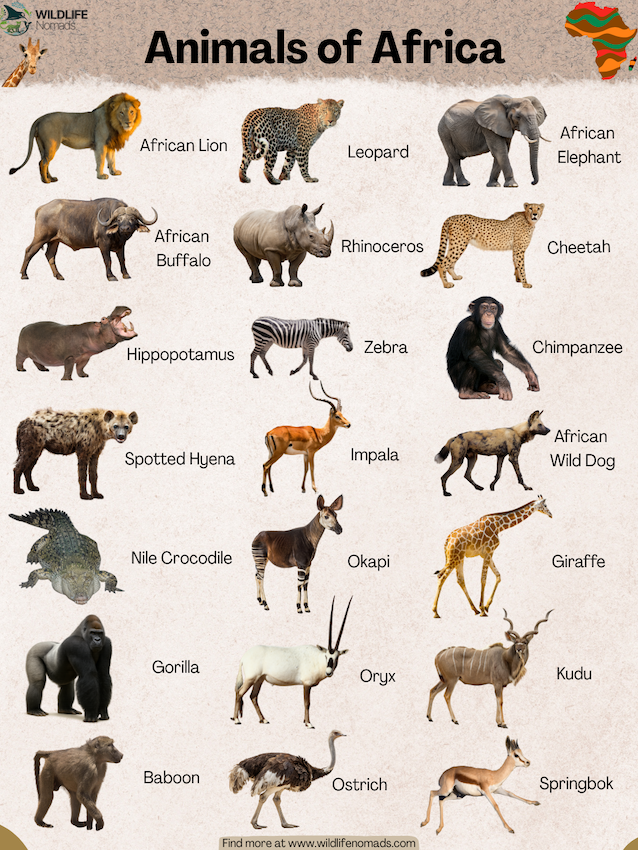
Africa isn’t just a destination; it’s a feeling. Africa is one of the world’s most sought-after holiday destinations, offering a variety of experiences from safaris to coastal relaxation. Home to over 54 countries and ecosystems ranging from deserts to rainforests, it’s the ultimate playground for wildlife lovers. A safari in Africa means witnessing the Great Migration, spotting elusive leopards, or hearing a hyena’s eerie laugh under a starlit sky. Africa hosts over 1,100 mammal species and 2,600 bird species—nowhere else in the world comes close.
But it’s not all about the animals. It’s the raw, unfiltered connection to nature, the stories from expert guides, and the thrill of the unknown. So, where’s the best place in Africa for a safari? Let’s break it down by country and experience.
Best Time to Go on Safari in Africa
The best time to go on safari in Africa depends on the specific region and the type of experience you’re looking for. Generally, the dry season (May to October) is considered the best time for game viewing, as the dry conditions make it easier to spot wildlife congregating around waterholes. However, the green season (November to April) can be a great time for birdwatching and seeing newborn animals frolic in the lush landscapes. In Southern Africa, the winter months (June to August) are ideal for spotting wildlife, while in East Africa, the great migration takes place between July and August, offering a spectacular sight. It’s essential to research the best time for your specific destination and plan accordingly to maximize your game viewing opportunities.
Top Countries for the Best Safari in Africa
When people ask, “What are the best safari destinations in Africa?” the answer depends on what you’re after—big game, dramatic landscapes, or cultural vibes. Here’s my roundup of the top contenders:
1. Kenya: The Classic Safari Dream
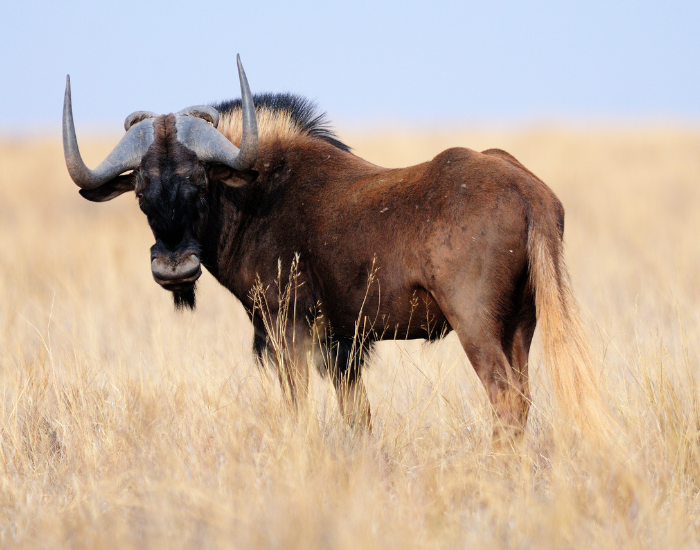
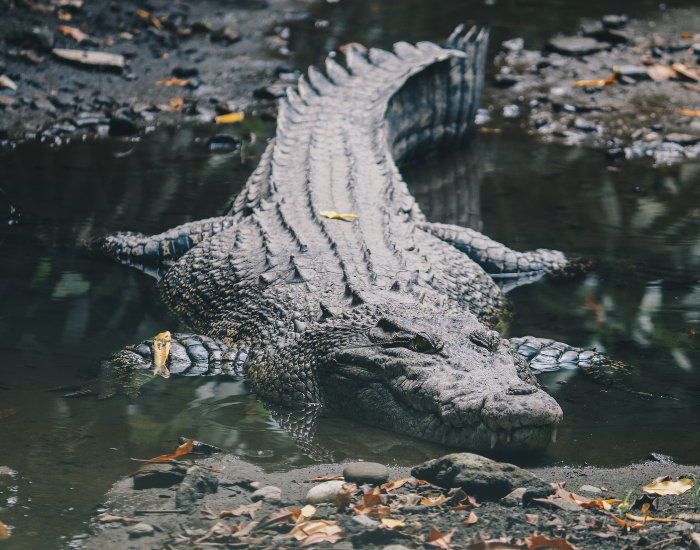
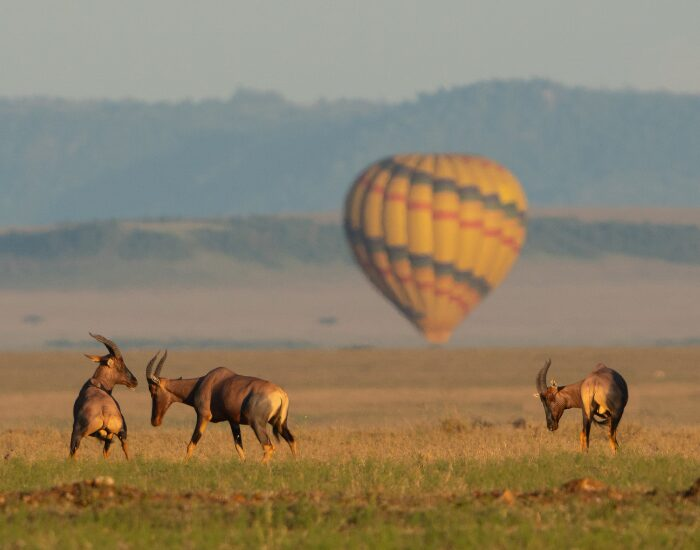
If you’ve ever Googled “best country for a safari,” a Kenya safari in Kenya’s Masai Mara probably popped up, and for good reason. This is Great Migration central, where over 1.5 million wildebeest thunder across the plains between July and October in Kenya’s Masai Mara. Is one of the best due to its endless beautiful savanna, the classic Big Five – which include lion, leopard, elephant, buffalo, rhino– and many more like crocodiles and the ostrich, and of course the unique Maasai culture. One of the top spots is definitely the Masai Mara National Reserve. One of the best experiences is booking a hot air balloon ride at dawn, the aerial view of migrating herds is unreal.
Recommended tours in Kenya:
2.Tanzania: Serengeti National Park and Beyond
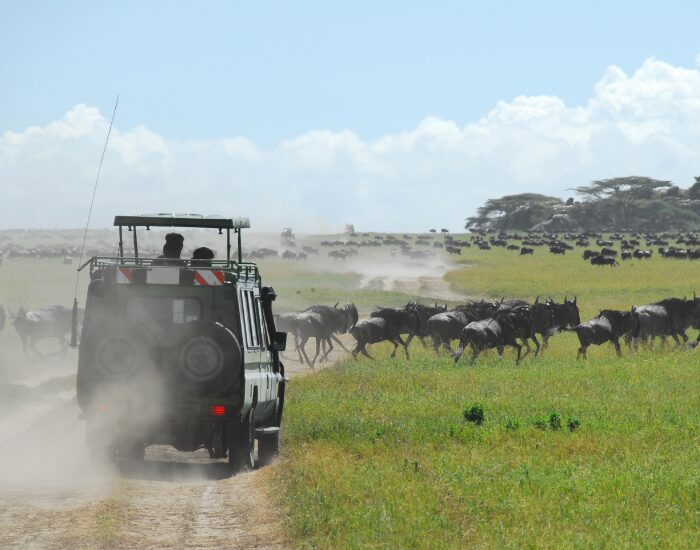
Tanzania’s Serengeti National Park is Kenya’s Migration twin, but it’s got its own unique characteristic as a top safari destination. Pair it with the Ngorongoro Crater, a volcanic caldera teeming with wildlife, and you’ve got a safari jackpot. Here you will find another article about the best places to see wildlife in Tanzania. But, the Serengeti is one of the top, a 2020 study in Conservation Biology dubbed the Serengeti one of the planet’s most biodiverse hotspots. It is one of the best in Africa cause there is year-round game viewing, plus the crater’s “natural zoo” vibe is amazing. Not the only ones but two of the top spots are the Serengeti National Park and Ngorongoro Crater.
Best time to visit: Visit in February for the wildebeest calving season, baby animals galore!
Recommended Tours in the Serengueti
3. South Africa: Kruger’s Big Five Glory
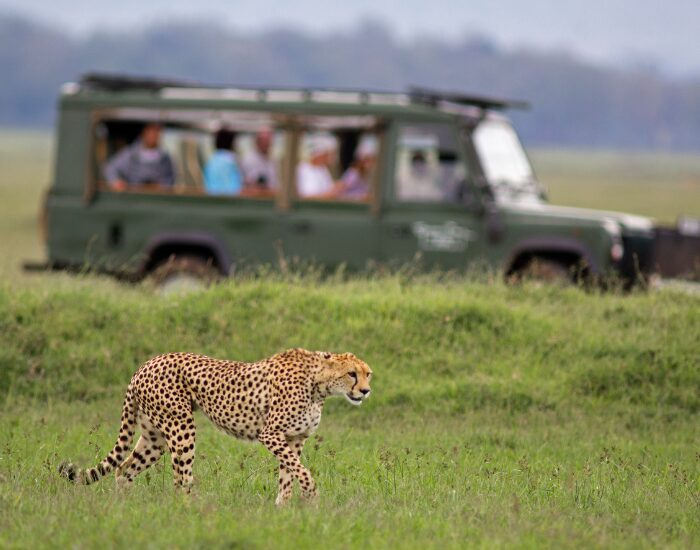
South Africa’s Kruger National Park is a heavy hitter for the best South Africa safari experiences. Spanning nearly 2 million hectares, it’s bigger than some countries and crawling with the Big Five. Kruger is very famous also because its accessibility from Johannesburg, plenty of luxury lodges, and self-drive options. It is better to go with a small-group tour like Wildlife Safaris for personalized game drives.
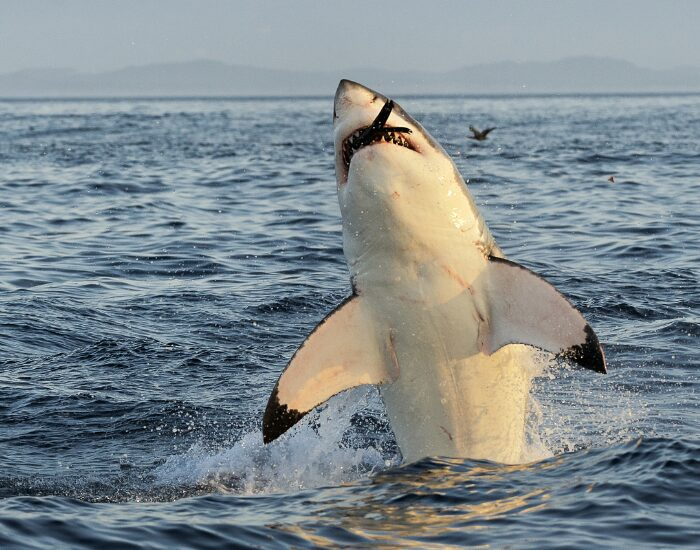
Remember to look for option where conservation and sustainability is important. If you are not convinced about Kruger National Park, South Africa is way more than that, you can even scuba dive with great White Sharks if you are more into water Adventures. In this blog you will find the other locations beyond South Africa that you can visit, and a day in South Africa’s wildlife never disappoints.
Recommended Tours in South Africa
4. Okavango Delta’s Watery Wild – Botswana
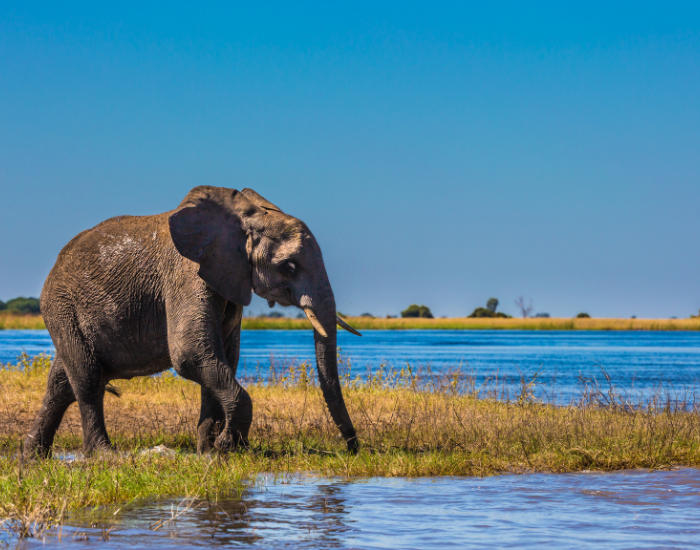
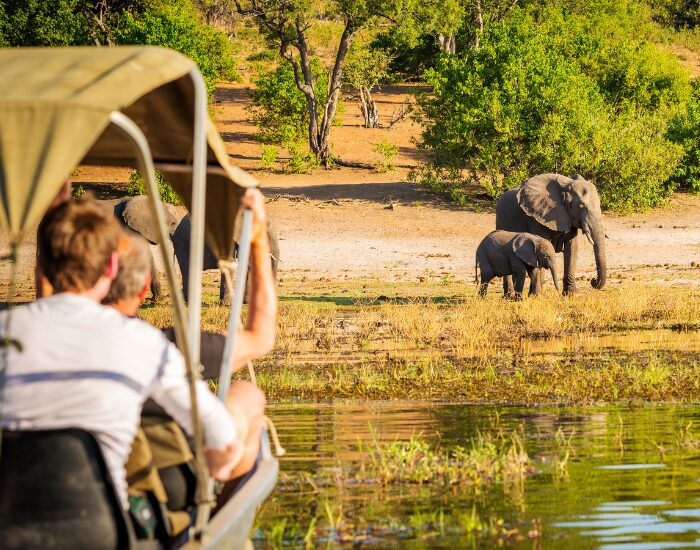
Botswana flips the script with water-based safaris in the Okavango Delta, a UNESCO World Heritage Site. Botswana offers some of the most unique African safaris, with water-based adventures in the Okavango Delta. Think mokoro (dugout canoe) rides past hippos and elephants wading through floodplains.
Some of the main reason why is one of the best countries is its remoteness, exclusivity, and way less crowded than other countries in East Africa. Two of the best spots: Okavango Delta and Chobe National Park definitely worth going. And if you are willing to spend, a private camp is always a good option, with fewer tourists and better wildlife shots. Botswana is also where many of Africa’s finest luxury safari camps sit, deep in the bush and reachable only by light aircraft.
Recommended Tours in the Okavango Delta’s
5. Uganda: Gorilla Trekking and Savanna Combo
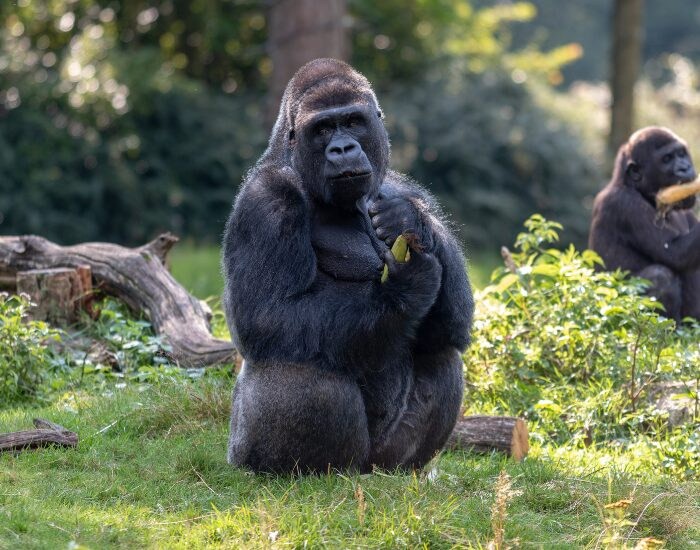
Uganda’s a sleeper hit among safari destinations for the best safari in Africa. Track mountain gorillas in Bwindi Impenetrable Forest, then hit Queen Elizabeth National Park for tree-climbing lions. It is one of the best places in Africa where you have rare mountain gorillas trekking plus classic savanna safaris! It is highly recommended to book gorilla permits months ahead, as they generally sell out very fast! Neighboring Rwanda offers the same primates with shorter hikes and more polished lodges, so many guests combine both.
Recommended Tours in Uganda
Luxury Safaris in Africa: World-Class Lodges and Camps
If you want the wild without giving up comfort, a luxury safari delivers both. The best luxury African safaris pair front-row wildlife with private suites, a personal guide, and service that anticipates your every need. East Africa currently dominates the luxury safari market, but Southern Africa’s private properties are closing the gap fast.
These camps are some of the most coveted properties in the world of luxury travel. Singita Sweni, deep in the Serengeti ecosystem, is famous for its gastronomic meals and exceptional service. Royal Malewane near Kruger features a striking Moroccan-style lap pool. In Botswana, the Sky Beds put guests in a three-story tree house under open stars—a romantic, unique experience you won’t forget. San Camp in Botswana takes a different angle, focusing on the smaller desert creatures most visitors overlook, from meerkats to brown hyena.
For travelers chasing primates, Singita Kataza sits near the famous mountain gorillas of Rwanda, blending modern design with gorilla trekking. Many of these lodges fly clients in by light aircraft or private jet, landing on remote bush airstrips far from any road. A quick note from experience: luxury safari lodges often require a reservation a year in advance, so book early. A reputable safari company will lock your dates and tailor the itinerary to your interests—whether that’s photography, honeymoon privacy, or a multi-country trip.
Recommended Luxury Safari Lodges & Camps
Beyond the Plains: Beaches, Islands and Victoria Falls
Africa’s best safaris don’t have to end at the savanna. Many travelers pair a game-viewing leg with time by the ocean. After the dust of the bush, the white sand beaches of Zanzibar or the Seychelles are the perfect reset, where the sea is warm and the reefs are alive.
In Zimbabwe, Victoria Falls thunders where the Zambezi River plunges into a gorge—one of the great natural wonders of the world. A sunset cruise on the Zambezi River, with hippos surfacing beside the boat, is a highlight in its own right. From there, many itineraries continue south to Cape Town, where Table Mountain meets two oceans. In and around Cape Town the sea teems with seals, penguins and the occasional great white, and the beach scene rivals any in the world.
For pure seclusion, book a private island in the Seychelles or off the Mozambique coast. You trade big game for coral reefs, but the contrast—dawn with elephants, dusk with your toes in the sand—is hard to beat. It’s the kind of split itinerary I recommend to friends who want both wildlife and a proper beach holiday.
What a Day on Safari Looks Like
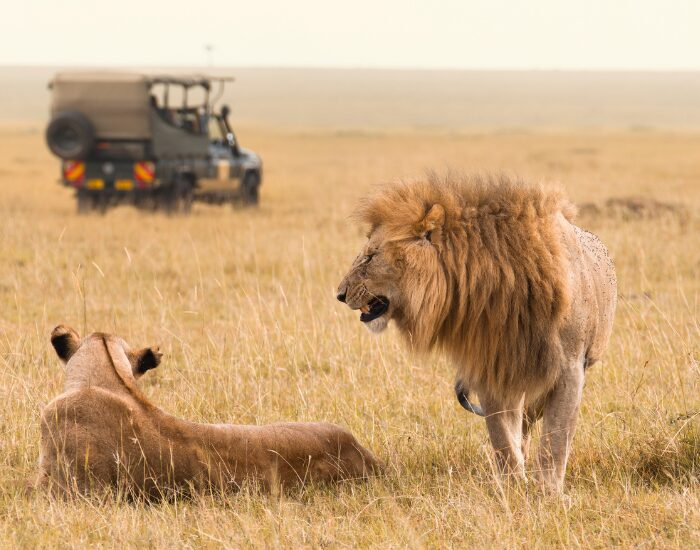
Days on safari start at sunrise, when predators are still active and the light is gold. Most camps run a morning game drive, break for a mid-day rest during the heat, then head out again in the late afternoon. Game drives are the classic way to explore the Masai Mara and the Serengeti, though a mokoro safari in Botswana lets you glide silently past water birds at eye level.
Evenings are often spent around a campfire or under the stars, swapping sightings with other guests. Many lodges add cultural visits, where you learn about local community life firsthand. Walking safaris—more common in private reserves—bring you close to the tracks, dung and birdsong you’d miss from a vehicle. Public reserves often mean more competition for sightings, while private reserves trade higher prices for space and exclusivity. It’s a rhythm that suits families and solo travelers alike.
Best Place in Africa for Safari: How to Choose
Still wondering, “What’s the best country for a safari?” It’s like picking a favorite kid, it depends on you. African safaris offer a range of experiences, from the Big Five in South Africa to the Great Migration in Kenya. Here’s a quick cheat sheet:
- You are Obsessed with the Big Five? South Africa or Kenya.
- You are interested in the Great Migration Madness? Tanzania or Kenya.
- Off-the-Grid Vibes and less touristy? Botswana or Namibia.
- Your Goal is to see Gorillas? Uganda or Rwanda!
- Safari plus a beach finish? Tanzania with Zanzibar, or Zimbabwe with Cape Town.
You can also mix and match. Fly into Nairobi for the Masai Mara, then hop to the Serengeti. Africa’s safari scene rewards the adventurous!
Safari Lodges and Camps
Lodges and camps offer a range of accommodation options, from luxury suites to rustic tented camps, ensuring there’s something for every budget and preference. Many lodges and camps are strategically located within national parks or game reserves, providing easy access to prime game viewing areas. Some popular safari lodges and camps include:
- Serengeti Serena Safari Lodge in Tanzania: Nestled in the heart of the Serengeti National Park, offering stunning views and excellent game viewing.
- Chobe Game Lodge in Botswana: Located on the banks of the Chobe River, perfect for spotting elephants and enjoying river safaris.
- Kruger National Park’s Sabi Sands in South Africa: Known for its luxury lodges and incredible Big Five sightings.
- Maasai Mara’s Cottar’s 1920s Camp in Kenya: A charming, vintage-style camp offering an authentic safari experience.
When choosing a safari lodge or camp, consider factors such as location, amenities, and the quality of guiding. Many lodges and camps also offer additional activities, such as walking safaris, birdwatching, and cultural tours, enhancing your overall safari experience.
Here are a few of our recommendation:
Safety and Precautions
Staying Safe on Safari
While an African safari can be a thrilling adventure, it’s essential to take necessary safety precautions to ensure a safe and enjoyable experience. Here are some tips for staying safe on safari:
- Always follow the instructions of your guide or tour leader: They are experienced and knowledgeable about the wildlife and terrain.
- Keep a safe distance from wildlife: At least 10-15 meters (30-45 feet) to avoid startling the animals or putting yourself in danger.
- Avoid wearing bright colors or perfume: These can attract wildlife or insects.
- Stay in your vehicle during game drives: Unless instructed to exit by your guide, as it’s safer and less intrusive to the animals.
- Be aware of your surroundings: Keep an eye out for potential hazards, such as steep slopes or wildlife habitats.
Additionally, consider the following safety tips when planning your safari:
- Research your tour operator and guide: Ensure they have a good safety record and are reputable.
- Check the safety features of your vehicle: Such as seatbelts and first aid kits.
- Stay informed about local conditions: Such as weather and wildlife movements.
- Follow local guidelines and regulations: Such as park rules and curfews to ensure a safe and respectful safari experience.
By taking these precautions, you can enjoy the thrill of an African safari while staying safe and respecting the incredible wildlife and landscapes you’re there to see.
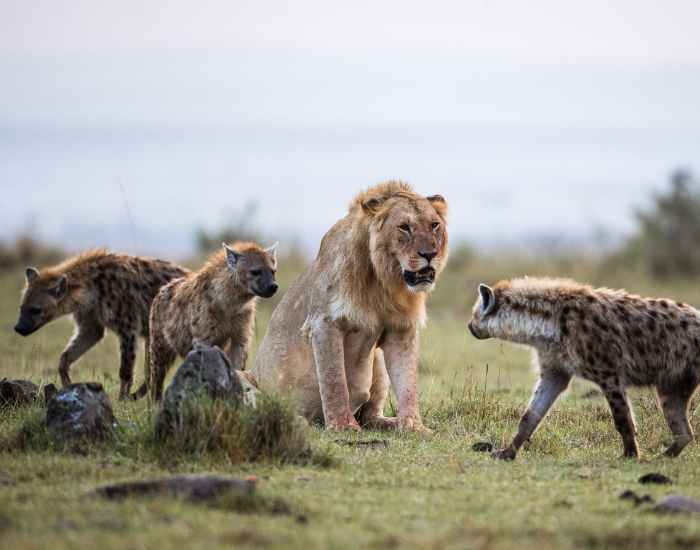
What to Expect on the Best Safaris in Africa
A safari in Africa isn’t a zoo trip, it’s raw, unpredictable, and awe-inspiring. Here’s the rundown:
- Game Drives: Dawn and dusk are prime time for spotting predators. Bring binoculars and a good camera.
- Guides: Local experts turn a drive into a masterclass, ask questions!
- Accommodation: From tented camps to luxe lodges, there’s something for every budget.
- Wildlife Highlights: Beyond the Big Five, expect giraffes, zebras, cheetahs, and 400+ bird species.
- Witness the perilous crossing of the crocodile-infested Mara River during the Great Migration.
A 2019 study from PLOS ONE found that safaris boost conservation awareness, too, your trip could help protect these ecosystems (PLOS ONE).
Planning Your Safari in Africa: Actionable Tips
Ready to book the best safari in Africa? Here’s how to nail it:
1. Time It Right
Seasons matter. Dry season (June-October) means better game viewing—animals flock to waterholes. Wet season (November-April) brings lush scenery and fewer crowds.
2. Pick a Reputable Operator
Look for outfits like Wilderness Safaris or &Beyond, sustainable, expert-led, and community-focused. Check reviews on TripAdvisor for real traveler scoop.
3. Pack Smart
- Lightweight, neutral clothes (no bright colors, scares the animals).
- A decent zoom lens (200mm+) for photos.
- Sunscreen, hat, and bug spray, Africa’s sun and bugs don’t mess around.4. Budget Wisely
Safaris range from $200/day (budget) to $1,000+/day (luxury). Kruger’s self-drive options are wallet-friendly; Botswana’s exclusivity costs more.
Consider adding a visit to Victoria Falls to your itinerary for a spectacular natural wonder and additional adventure activities.
5. Support Conservation
Choose operators that fund anti-poaching or habitat restoration. The African Wildlife Foundation lists vetted partners.
Your Safari in Africa Awaits
The best safari in Africa isn’t one-size-fits-all, it’s the one that lights you up. Whether it’s Kenya’s wildebeest stampede, Botswana’s watery wild, or South Africa’s Big Five bonanza, Africa’s got a safari with your name on it. Start planning, pick a destination, book a guide, and pack your sense of wonder.
Got a favorite safari spot or tip? Drop it below, I’d love to hear! For more inspo, check BBC Earth’s safari guides or start browsing tours. Let’s make your African adventure legendary
Frequently Asked Questions About the Best Safari in Africa
What is the best country for an African safari?
Kenya is the best bet for first-timers, thanks to the Masai Mara and the Great Migration. Tanzania, Botswana and South Africa are equally strong, depending on your goals. If you want exclusivity, choose Botswana; for the Big Five on one stretch of land, choose South Africa’s Kruger. There’s no single winner—only the best fit for your trip.
When is the best time to go on safari in Africa?
The dry season, roughly May to October, is best for game viewing because animals gather at waterholes. The Great Migration river crossings peak between July and October in the Masai Mara. The green season (November–April) brings newborns, fewer crowds and excellent birding across the bush.
How much does a luxury safari cost?
A luxury safari typically runs $800–$1,500+ per person, per night. That covers high-end properties, expert guides, gourmet food and personal service for guests. Mid-range lodges start around $350 per night, while budget self-drive trips can dip below $200 a day. Booking early secures the best camps and rates.
Which country is best for seeing mountain gorillas?
Rwanda and Uganda are the only easy places to track mountain gorillas. Rwanda’s Volcanoes National Park offers shorter hikes and premium lodges; Uganda’s Bwindi is cheaper and wilder. Permits sell out months ahead, so reserve early. Both countries pour permit revenue straight into gorilla conservation.
What are the Big Five animals?
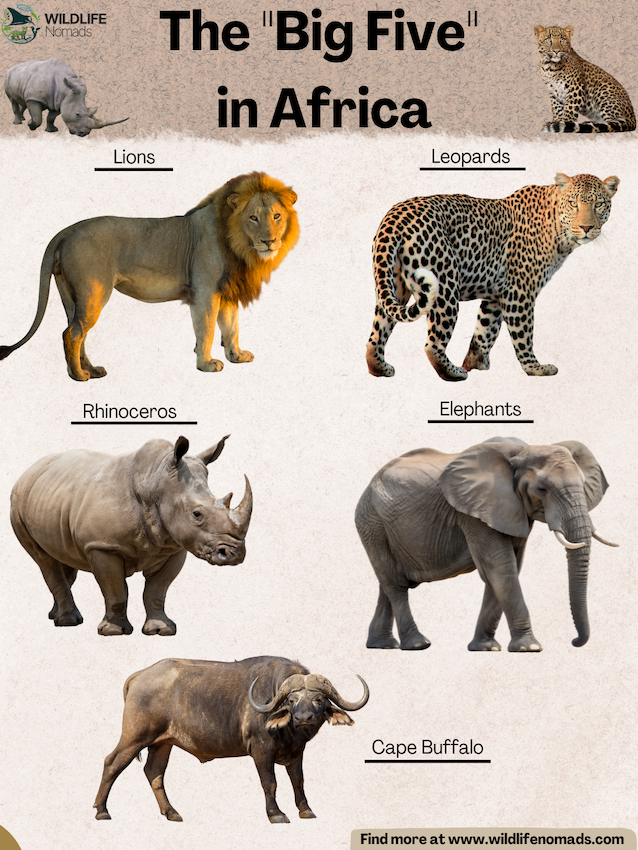
The Big Five are the lion, leopard, elephant, African buffalo, and rhino. The term comes from hunting days, describing the five most dangerous animals to track on foot. Today it’s the classic safari checklist. The leopard is usually the hardest of the five to spot.
Is East Africa or Southern Africa better for a luxury safari?
East Africa currently dominates the luxury safari market, with iconic camps across Kenya and Tanzania built around the Great Migration. Southern Africa—Botswana, South Africa, Namibia—offers more exclusive, low-density properties. For exploring with friends or family, East Africa is easier logistically; for privacy, head south.
References:
Robbins, M. M., Gray, M., Fawcett, K. A., Nutter, F. B., Uwingeli, P., Mburanumwe, I., Kagoda, E., Basabose, A., Stoinski, T. S., Cranfield, M. R., Byamukama, J., Spelman, L. H., & Robbins, A. M. (2011). Extreme conservation leads to recovery of the Virunga mountain gorillas. PLoS ONE, 6(6), e19788. https://doi.org/10.1371/journal.pone.0019788
Buckley, R. C., & Mossaz, A. (2018). Private conservation funding from wildlife tourism enterprises in sub-Saharan Africa: Conservation marketing beliefs and practices. Biological Conservation, 218, 57–63. https://doi.org/10.1016/j.biocon.2017.12.001
Torney, C. J., Hopcraft, J. G. C., Morrison, T. A., Couzin, I. D., & Levin, S. A. (2018). From single steps to mass migration: the problem of scale in the movement ecology of the Serengeti wildebeest. Philosophical Transactions of the Royal Society B, 373(1746), 20170012. https://doi.org/10.1098/rstb.2017.0012
Arbieu, U., Grünewald, C., Schleuning, M., & Böhning-Gaese, K. (2017). The importance of vegetation density for tourists’ wildlife viewing experience and satisfaction in African savannah ecosystems. PLOS ONE, 12(9), e0185793. https://doi.org/10.1371/journal.pone.0185793
Mosepele, K., Kolding, J., Bokhutlo, T., Mosepele, B. Q., & Molefe, M. (2022). The Okavango Delta: Fisheries in a fluctuating floodplain system. Frontiers in Environmental Science, 10, 854835. https://doi.org/10.3389/fenvs.2022.854835
Holdo, R. M., Fryxell, J. M., Sinclair, A. R. E., Dobson, A., & Holt, R. D. (2011). Predicted impact of barriers to migration on the Serengeti wildebeest population. PLoS ONE, 6(1), e16370. https://doi.org/10.1371/journal.pone.0016370