The Seychelles islands might look like a luxury postcard destination, but beneath their turquoise waters and palm-fringed beaches lies one of the world’s most fragile and beautiful marine ecosystems. Home to rich coral reefs, nesting sea turtles, and rare birds, the Seychelles islands are a biodiversity hotspot that requires careful stewardship. The cultural diversity of the Seychellois people, influenced by various nationalities including those from the African continent, adds to the unique heritage that eco-lodges help preserve. And surprisingly, it’s the islands’ eco-lodges and sustainable tourism model that are leading the way in protecting this marine paradise.
Let’s dive into how eco-lodges in the Seychelles are redefining conservation-driven hospitality, and why this model could be the blueprint for island nations around the world.
Meet The The Seychelles Archipelago
Seychelles is an archipelago of 115 islands located in the western Indian Ocean, is a tropical island nation that offers a unique blend of stunning natural beauty, rich cultural heritage, and exciting outdoor activities. The Seychelles islands are situated off the east coast of Africa, approximately 1,600 km from the mainland, and are a popular destination for tourists and travelers from around the world. With its beautiful beaches, secluded coves, and coral reefs, Seychelles is a paradise for beach lovers, snorkelers, and scuba divers. The country’s strategic location in the Indian Ocean makes it an ideal spot for exploring the surrounding islands and experiencing the vibrant culture of the Seychellois people.
Geography and Climate
The geography of Seychelles is characterized by two main island groups: the granitic Inner Islands and the coral Outer Islands. The Inner Islands, which include Mahé, Praslin, and La Digue, are mountainous and covered in lush tropical forests, while the Outer Islands are flat and coral-based. The climate in Seychelles is tropical, with a dry season from May to September and a rainy season from November to March.
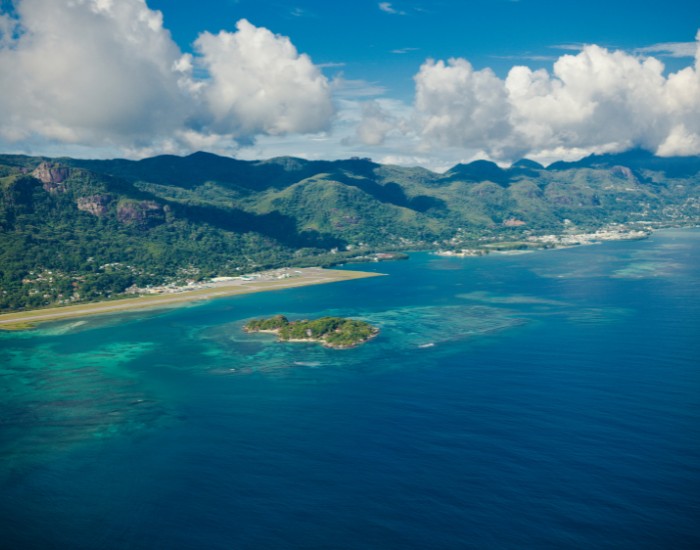
The country is located outside the cyclone belt, making it a safe destination for visitors year-round. The Seychelles map shows the location of the different islands, including the main island of Mahé, which is home to the capital city of Victoria and the international airport.
The Seychelles: A Biodiversity Gem Under Pressure
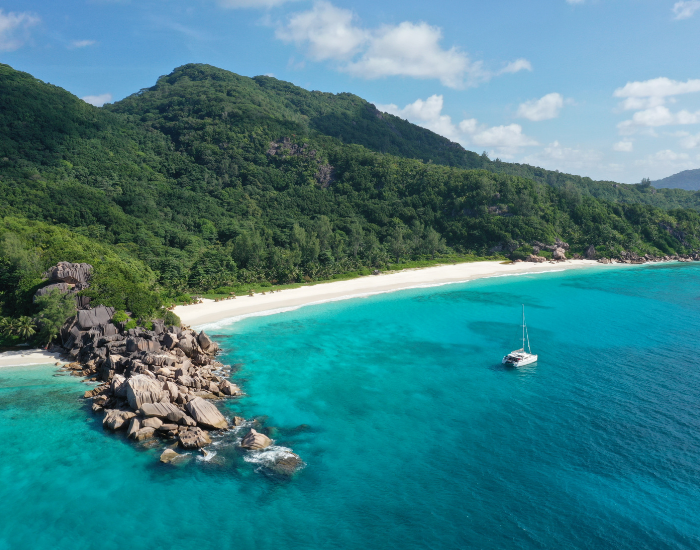
Situated in the western Indian Ocean, the Seychelles is an archipelago of 115 islands. These islands are known for their granitic rock formations, lush forests, and stunning coral reefs. However, like many small island nations, they face mounting threats from climate change, coral bleaching, rising sea levels, and overfishing. The initial French settlers brought their black slaves, shaping the demographic and cultural landscape of the islands, which continued to evolve with subsequent migrations, including Indian and Chinese workers after the abolition of slavery.
Enter ecotourism. Rather than relying on extractive industries, the Seychelles has made a conscious shift toward sustainability, particularly in how it manages its tourism sector. Seychellois Creole, the main language, is a vital aspect of the island’s unique cultural identity, enriched by various influences and celebrated through events like the Festival Creole.
Land-Based Treasures: Endemic & Iconic Animals
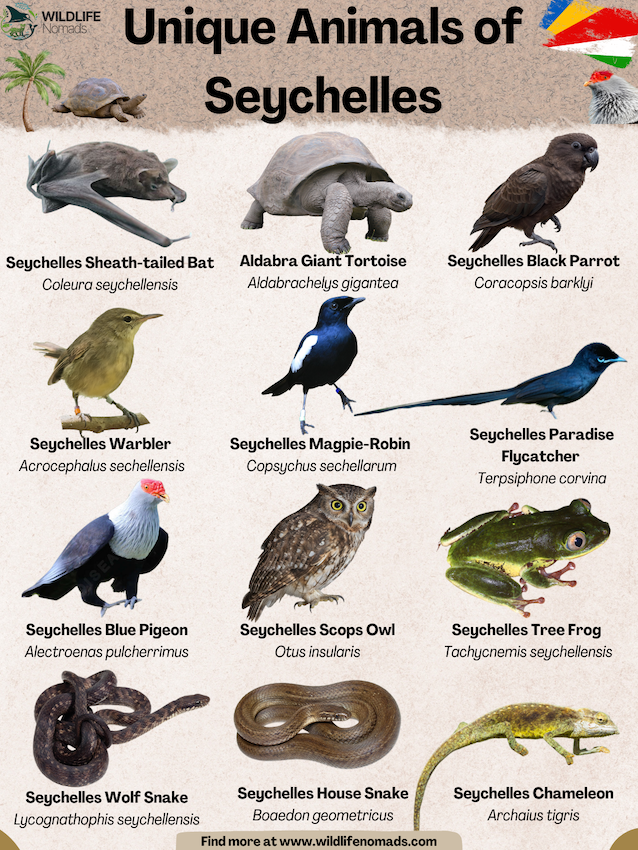
Being an oceanic island nation, is not a destination for traditional African savannah wildlife; you won’t find large mammals or any of Africa’s wildcats such as Servals or Black-footed Cats here. Instead, the islands offer a unique opportunity to witness species found nowhere else on Earth.
While the allure of the Seychelles is often the ocean, the granitic Inner Islands are home to some of the planet’s rarest and most ancient terrestrial animals, protected in places like the Vallée de Mai Nature Reserve.
The most famous resident is the majestic Aldabra Giant Tortoise, a slow-moving, prehistoric-looking reptile that can live for well over 100 years. On islands like Mahé and Praslin, birdwatchers seek out the unique endemic birds that have been brought back from the brink of extinction, such as the critically endangered Seychelles Black Parrot (the national bird), the Seychelles Magpie Robin, and the diminutive Seychelles Fody. Keep an eye out for the vibrant, endemic Bronze Geckos and the playful Seychelles Flying Foxes (fruit bats).
Islands to Visit
Seychelles has a wide range of islands to visit, each with its own unique character and attractions.
- Mahé Island, the largest island, is home to the capital city of Victoria and offers a range of activities, including hiking, snorkeling, and visiting the famous Sir Selwyn Clarke Market.
- Praslin Island, the second-largest island, is known for its stunning beaches, including Anse Lazio and Anse Georgette, and its picturesque villages. La Digue Island, a small and charming island, is a popular destination for cyclists and nature lovers, with its beautiful beaches, forests, and wildlife.
- The Outer Islands, including North Island and Silhouette Island, offer a range of exciting activities, including diving, fishing, and exploring the coral reefs. Visitors can use the ferry service to travel between the islands and experience the unique culture and beauty of each one.
Tourism Sector and Economy
Tourism is a major driver of the Seychelles economy. Thousands of visitors travel to the islands each year to enjoy the country’s beaches, coral reefs, and unique Creole culture. In recent years, the government has launched several initiatives to strengthen the tourism sector. These include building new hotels and resorts, improving transport and public infrastructure, and promoting sustainable tourism practices.
Seychelles’ top attractions, such as the Vallée de Mai nature reserve, the Seychelles National Museum of History, and the beaches of Mahé and Praslin, draw visitors from around the world. Air Seychelles also supports the industry by offering international and domestic flights.
Beyond tourism, the national economy benefits from several other key sectors. Fishing, agriculture, and manufacturing each provide additional income and employment opportunities for local communities.
Eco-Lodges: The Heart of Sustainable Tourism in Seychelles
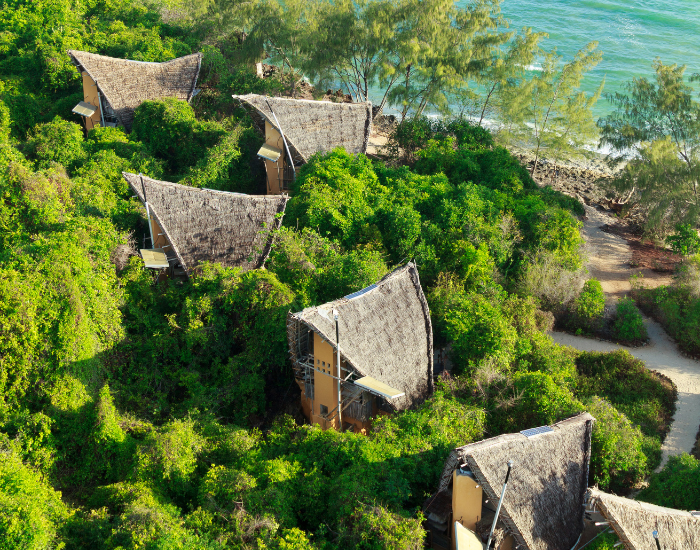
Tourism in the Seychelles contributes significantly to the country’s GDP. But it’s not mass-market tourism. Instead, the Seychelles has prioritized low-impact, high-value visitors by fostering a culture of eco-lodges and sustainable resorts. Many of these properties are actively involved in marine conservation, community development, and ecological restoration.
Additionally, Creole culture serves as a major attraction for international visitors seeking a unique cultural experience.
– North Island Lodge: Luxury Meets Conservation
Perhaps the most famous example, North Island Lodge is more than just a luxury resort, it’s a conservation success story. This exclusive eco-resort funds sea turtle monitoring programs, coral reef restoration, and native plant reforestation. Every guest contributes to the island’s long-term sustainability goals.
North Island also employs Seychellois staff and partners with local suppliers to keep its economic impact within the community. This form of regenerative tourism ensures that visitors not only experience the island’s natural beauty but also directly support its preservation.
– Cousin Island: A Model for Marine Protection
Cousin Island is a protected nature reserve that only allows eco-certified visits. The income from ecotourism funds scientific research, turtle nesting surveys, and coral reef monitoring. This island is also a sanctuary for seabirds and giant tortoises, and it plays a crucial role in regional biodiversity.
Tourism here is strictly managed. All guides are trained in conservation, and the number of visitors per day is limited. This keeps human impact low while maximizing conservation benefits.
How Tourism Taxes Support Marine Protected Areas
A percentage of tourism revenue in the Seychelles is directed to the Seychelles Conservation and Climate Adaptation Trust (SeyCCAT), which funds initiatives to protect marine life, promote sustainable fisheries, and expand marine protected areas (MPAs).
Assumption Island, strategically located near Madagascar, is significant for geopolitical dynamics and military developments, making it a valuable asset for nations like India.
This unique tax model ensures that every tourist contributes to ocean conservation, whether they’re snorkeling in Sainte Anne Marine Park or enjoying a sunset sail in La Digue.
Empowering Local Communities Through Eco-Tourism
Eco-lodges in the Seychelles don’t just protect coral reefs—they create livelihoods. By hiring locally, offering training programs, and promoting cultural heritage, these resorts empower Seychellois communities. After the abolition of slavery in 1865, Indian and Chinese workers filled the workforce vacuum and established themselves as the merchant class, significantly contributing to the socioeconomic evolution of Seychelles.
- Local guides share traditional fishing and medicinal plant knowledge.
- Women-run cooperatives supply resorts with handmade crafts and organic produce.
- Marine conservation internships train the next generation of environmental stewards.
Coral Reef Protection and Restoration
Coral reefs in the Seychelles have suffered from warming seas and bleaching events. But eco-lodges are stepping up:
- Coral gardening projects use reef nurseries to regrow damaged corals.
- Some resorts sponsor reef monitoring dives with marine biologists.
- Guests can join citizen science programs to collect data on reef health.
Wright’s gardenia, a unique plant species native to Seychelles, is specifically found on Aride Island’s Special Reserve, highlighting the region’s rich biodiversity.
These efforts not only restore marine ecosystems but educate travelers about the delicate balance beneath the waves.
Diving into the Blue: The Abundant Marine Life
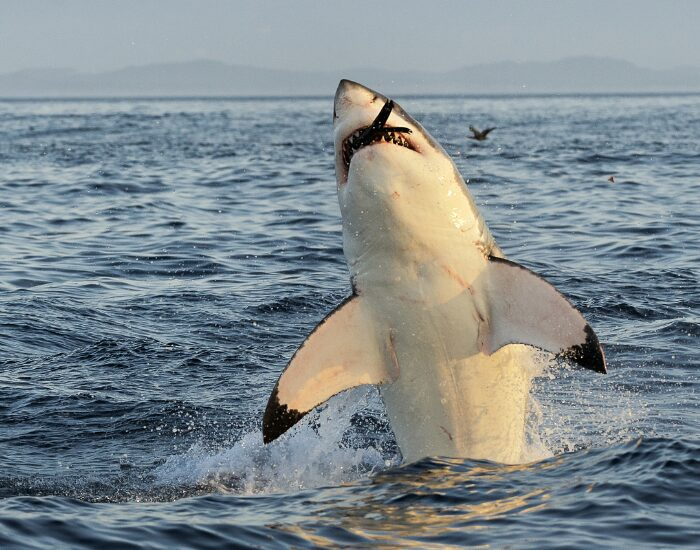
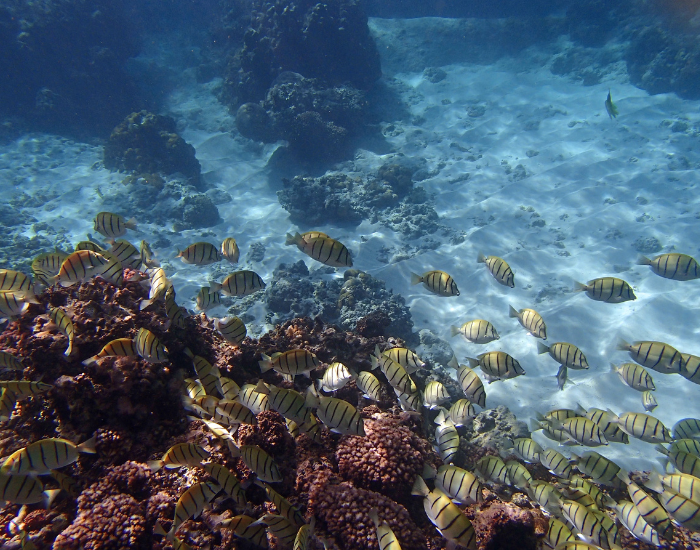
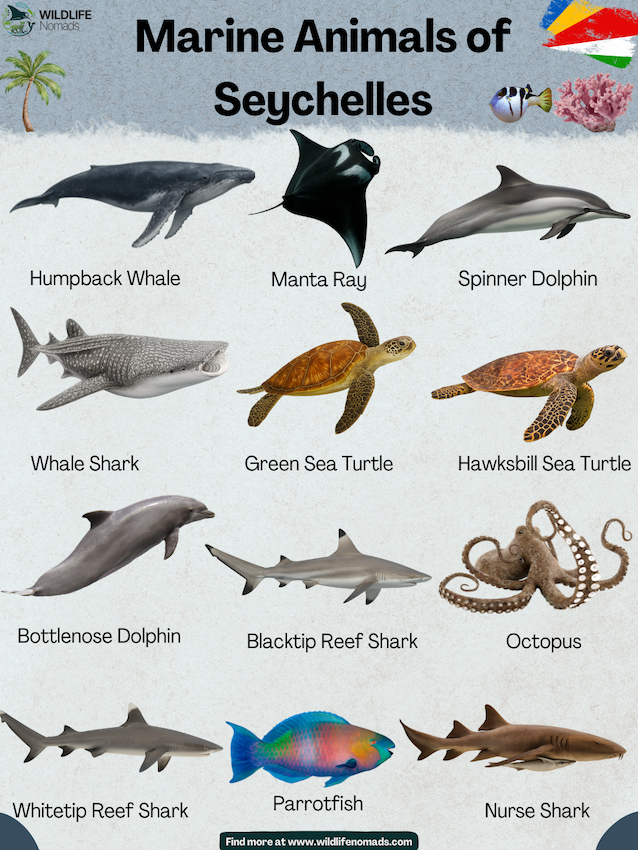
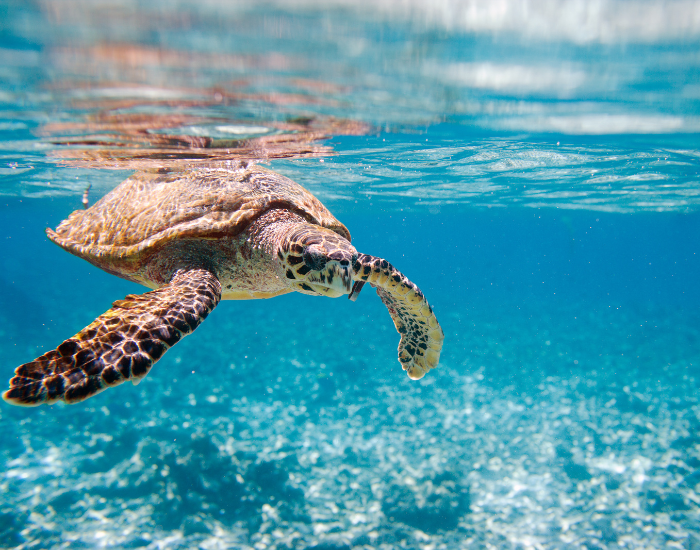
The waters teem with life, including iconic and often-photographed marine creatures. Visitors snorkeling the protected areas frequently spot different types of Sea Turtles, notably the endangered Hawksbill and Green Turtles, which nest on the island’s shores. The vibrant reefs host various Angelfish and Parrotfish, Pufferfish, and unique residents like the endemic Seychelles Anemonefish (Clownfish). The healthy coral gardens attract several types of sharks, like small Blacktip Reef Sharks (which are harmless to humans) and numerous Dolphins that frequent the surrounding channels. The dense coral gardens are also home to the Giant Clam and a variety of Moray Eels, providing an unparalleled diving and snorkeling experience.
Sea Turtle Conservation: A Flagship Species
Several islands, including Cerf and Bird Island, are nesting grounds for endangered green and hawksbill turtles. Eco-lodges run:
- Beach patrols during nesting season
- Hatchling release programs
- Turtle tagging and monitoring with conservationists
Most Seychellois are Christians, emphasizing the dominant religious affiliations within the community.
Guests are invited to witness these moments, deepening their connection to the marine world and building support for species protection.
Terrestrial Conservation and Restoration
Seychelles is committed to terrestrial conservation and restoration, with a range of initiatives aimed at protecting the country’s unique and fragile ecosystem. The Seychelles government has established a number of national parks and nature reserves, including the Morne Seychellois National Park and the Vallée de Mai Nature Reserve, which provide a safe habitat for the country’s diverse wildlife, including the famous coco de mer palm and the Seychelles warbler.
The country is also home to a number of botanical gardens, including the Seychelles National Botanical Gardens, which showcase the unique flora of the islands. Conservation efforts are also focused on restoring damaged habitats, including coral reefs and forests, and promoting sustainable land-use practices. The Seychelles National Assembly has passed a number of laws and regulations to support conservation efforts, including the Seychelles National Environment Policy, which aims to protect the country’s environment and promote sustainable development.
Waste Reduction and Water Management
On small islands, resources are limited. Many eco-lodges in the Seychelles operate with:
- Solar power and rainwater harvesting
- Greywater recycling systems
- Plastic-free guest policies
Some, like the eco-camps on Silhouette Island, even compost all organic waste and grow their own herbs and vegetables.
Why This Model Works?
The Seychelles have managed to strike a rare balance: economic development through tourism without sacrificing natural capital. Key ingredients to this success include:
- Strong government policy
- Community involvement
- A focus on quality over quantity
- Strategic conservation partnerships
The president of Seychelles is elected by popular vote for a five-year term, ensuring that the leadership reflects the will of the people.
Tourism in the Seychelles isn’t just sustainable, it’s regenerative.
A Blueprint for Sustainable Island Tourism
The Seychelles have shown that luxury and conservation aren’t mutually exclusive. Through eco-lodges, sustainable tourism taxes, and a deep respect for biodiversity, they’ve created a model the world should watch.
For those looking for quieter experiences, Seychelles offers secluded beaches, with Police Bay and Anse Intendance being standout options.
As climate change and overdevelopment continue to threaten island ecosystems, the Seychelles stand out as a beacon of what’s possible when tourism becomes a force for good. By supporting eco-lodges and traveling mindfully, we too become stewards of the planet’s most extraordinary marine places.
If the Seychelles can protect a paradise and build an economy around it—what’s stopping us elsewhere?
Get to Know the Island
Here are our recommended tours from our trusted partners:
This blog is reader-supported. When you buy experiences through links listed on this site, we may earn an affiliate commission.