
Have you ever played that game where someone shouts a letter and everyone scrambles to name an animal? I do this with my niece on long drives, and the letter X stops the whole car cold every time.
Below are 12 fascinating animals beginning with the letter X, grouped by class: mammals, birds, reptiles and amphibians, and aquatic species. Some animal names will be familiar. Others might surprise you. Each animal earned its place because it teaches us something specific about how the animal kingdom actually works, from living fossils that predate the dinosaurs to small freshwater fish you can practically see right through.

Mammals
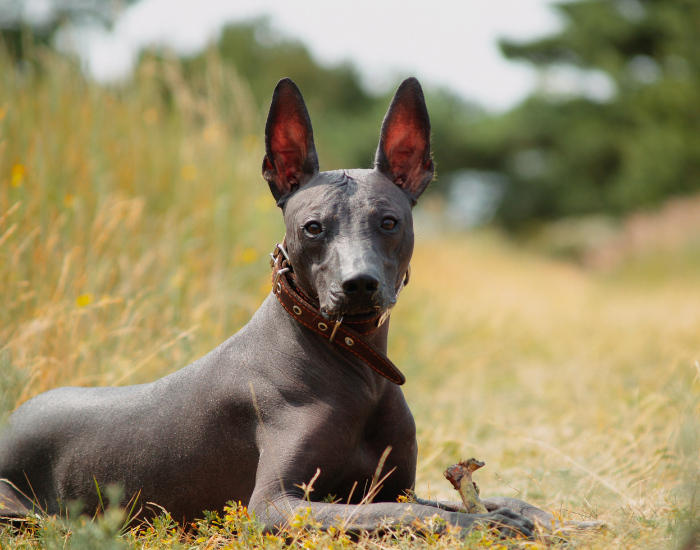
1. Xoloitzcuintli: The Mexican Hairless Dog
Long before retrievers and poodles dominated dog shows, the Xoloitzcuintli… pronounced “show-low-eats-queen-tlee” — padded through the temples of ancient Mesoamerica. This Mexican hairless dog may be over 3,000 years old as a breed, making it one of the oldest dogs on Earth. I first met one in Oaxaca outside a craft market, and the warm, almost feverish heat of its bare skin caught me off guard.
The Xolo’s ancient lineage shows up in archaeology. Sculptures resembling these dogs sit in several ancient burial sites across central Mexico, indicating their spiritual role as guides for the dead. The American Kennel Club first documented the breed in 1887, then dropped it in 1959 when many people assumed the breed had gone extinct. It hadn’t. Today the Xoloitzcuintli is back on the registry and quietly beloved by anyone who has shared a couch with one of these placental mammals.
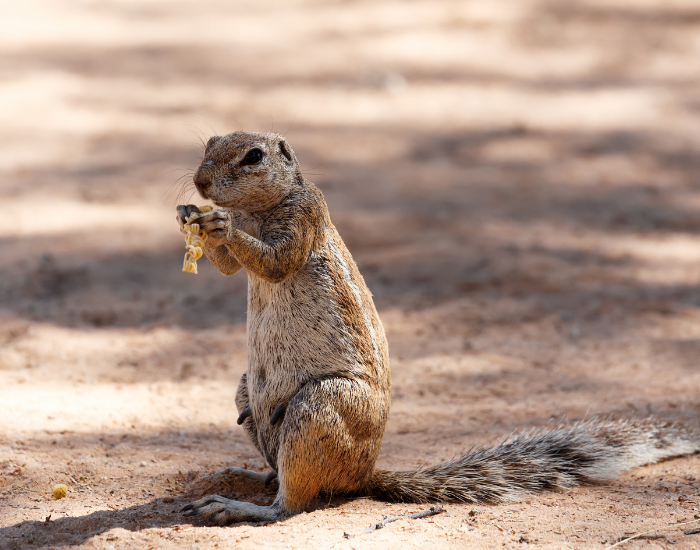
2. Xerus: The African Ground Squirrel
Xerus is a genus of African ground squirrels, with only four species (Xerus erythropus (striped), Xerus inauris (Cape), Xerus princeps (mountain), and Xerus rutilus (unstriped)) widely recognized across Sub-Saharan Africa. They build extensive colonies underground and groom each other in tight social bonds, behavior more common in primates than in rodents.
What makes the African ground squirrel a brilliant example of desert adaptation? That bushy tail doubles as portable shade, flipped over the head when the midday sun gets brutal. The trick can drop body temperature by several degrees. Few small species manage heat with such elegance, and few animals make me smile as quickly when I spot them in the field.
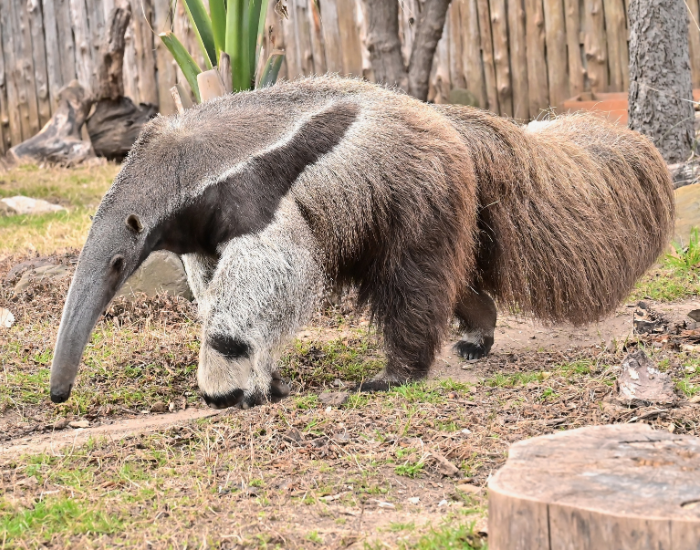
3. Xenarthra: The “Strange Joints” of the Americas
Xenarthra is not a single animal but a superorder of placental mammals that includes anteaters, sloths, and armadillos, all native to Central and South America. The name means “strange joints” in Greek, a nod to the unusual extra vertebrae in their lower spines.
These animals have some of the slowest metabolisms in the animal kingdom. That sluggishness is not a flaw, it is an adaptation that lets them survive on low-calorie diets of ants, leaves, and small insects. A sloth can take a month to digest a single meal. By contrast, your average rabbit burns through food in hours. Xenarthrans show that surviving slowly is its own kind of evolutionary success.
Birds
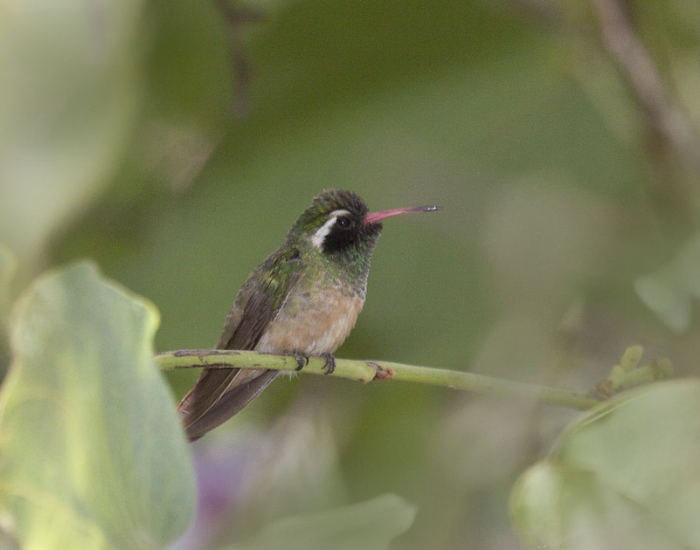
4. Xantus’s Hummingbird
Of all the birds, Xantus’s Hummingbird may be the most photogenic in my opnion. This small bird is found almost exclusively in Baja California, Mexico, with an olive green back and a cinnamon-colored belly. The species was named for John Xantus, the Hungarian zoologist who collected specimens along the Baja coast in the 1850s.
I watched a male hover over a cardón cactus near La Paz one spring, his throat catching the light like a tiny spark. Xantus’s Hummingbird tolerates dry desert scrub better than most hummers, which is why it thrives in a region that scorches other nectar feeders out of business. Among animals beginning with X, this type of hummingbird is one of the easiest to actually see in the wild.
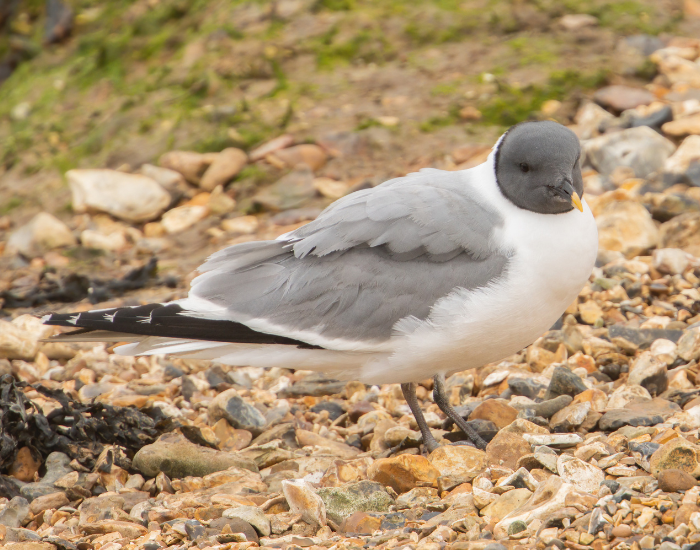
5. Xeme: Sabine’s Gull of the Northern Wilderness
Xeme is the older name for Sabine’s Gull, a small Arctic gull that breeds across the northern wilderness and migrates incredible distances south each year. When I joined a seabird tour off Baja we logged Xeme moving through in the fall, a striking bird with a forked tail and a sharp black, gray, and white wing pattern. They breed in Arctic Canada, Greenland, Alaska, and Siberia, then winter off the coasts of South America and southern Africa.
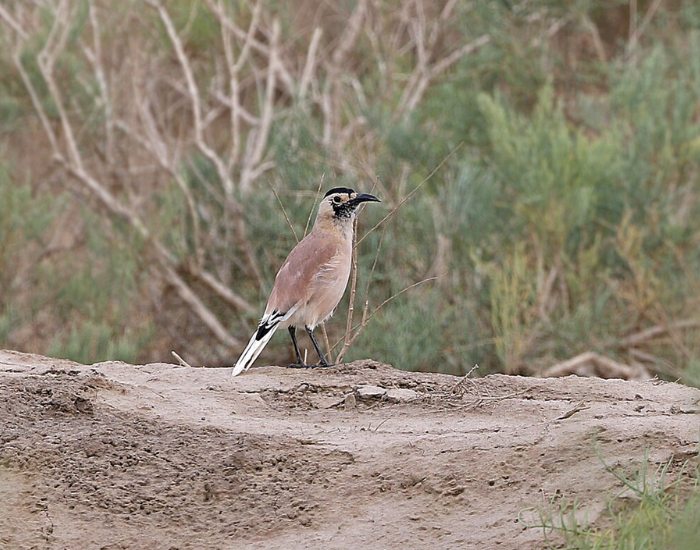
6. Xinjiang Ground Jay: Also Known as Biddulph’s Ground Jay
The Xinjiang ground jay, also known as Biddulph’s ground jay, is a long-legged bird found in the high-altitude deserts of northwestern China. Unlike most corvids (for example crows and ravens) that perch and call from trees, this bird found in the open desert runs across the ground like a roadrunner. It earned its other name from Colonel John Biddulph, a 19th-century British officer who first described it.
Reptiles and Amphibians With X in Their Name
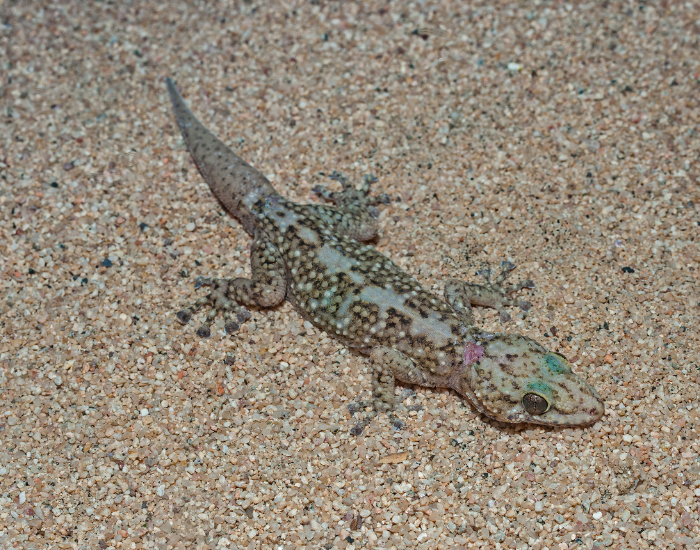
7. Xantus’s Leaf-toed Gecko
The Xantus leaf-toed gecko is a small reptile found in the Baja California region of Mexico, another species named for John Xantus. This leaf-toed gecko clings to walls, tree bark, and tree trunks using sticky toe pads, the same lamellae system that makes geckos famous worldwide. Its mottled brown coloration helps it disappear against bark and stone.
8. Xantusia: The Night Lizards
Xantusia is the genus of night lizards, small lizards found mainly in southern California, Baja California, and northern Mexico. Despite the name, several species are actually active during the day. They tuck themselves under tree bark, fallen logs, and rocky crevices, which is where I have flipped most of mine.
What makes night lizards special among other species of small reptile is reproduction. Unlike most reptiles that scatter clutches of eggs in the soil, Xantusia gives live birth instead of laying eggs. They are also long-lived, with some individuals reaching 25 years in the wild, extraordinary for an animal that fits in your palm.

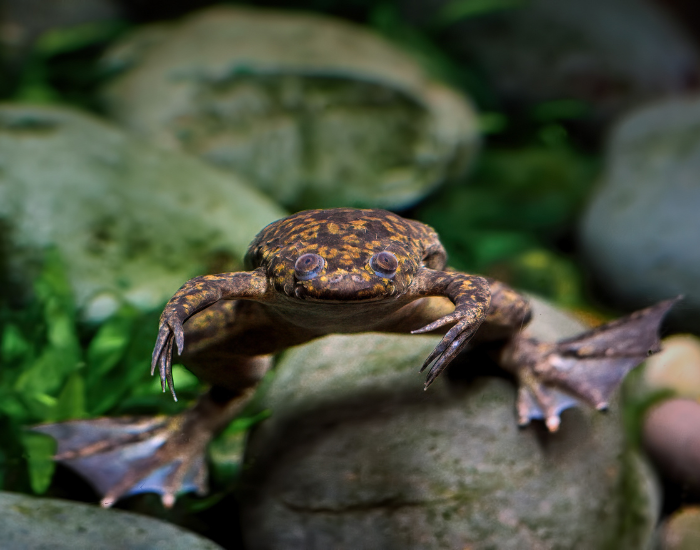
9. African Clawed Frog: Xenopus laevis
The African Clawed Frog, scientifically Xenopus laevis, is native to ponds and shallow waterways in Sub-Saharan Africa, especially Central Africa. Unlike most frogs, this Xenopus species lacks a tongue. This amphibian uses its forelimbs to push prey into its mouth, which makes it a surprisingly efficient underwater hunter.
This species is also known to be cannibalistic. African clawed frogs will eat their own tadpoles and eggs without hesitation when food is scarce. Their resilience is one reason Xenopus species became the most common laboratory frog in developmental biology. The lesser-known Xucaneb robber frog, native to the tropical forests of Guatemala, is another X-named amphibian worth noting, a tiny species clinging on in a single isolated cloud forest.
Aquatic Animals
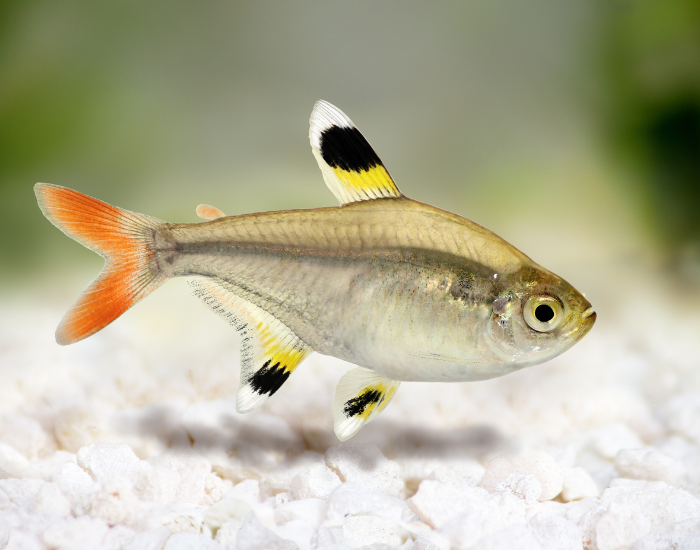
10. X-ray Tetra: The Translucent X-ray Fish
The X-ray tetra, often called the X-ray fish, is the small freshwater fish that made me fall in love with aquatic biology as a kid. This small freshwater fish found near the Amazon Basin in South America has a translucent body that reveals its internal organs and skeleton through skin like wet rice paper. The maximum length of the X-ray tetra is roughly 4.5 centimeters, or 1.8 inches.
X-ray fish thrive in both acidic and alkaline waters, a flexibility that makes them remarkably hardy. X-ray tetras are highly social schooling fish that prefer living in large groups, sometimes hundreds strong. That schooling instinct, combined with the see-through camouflage of the translucent body, helps the X-ray fish avoid predators in murky Amazonian floodwaters.
11. Xingu River Ray: The White-blotched River Stingray
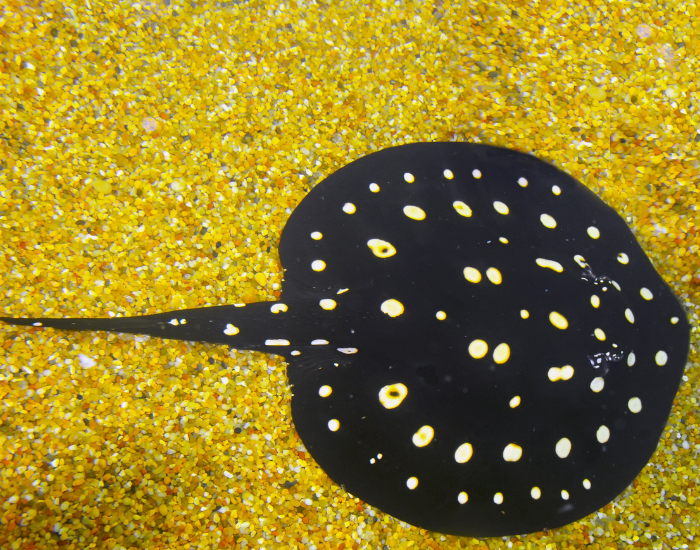
The Xingu river ray, also known as the white-blotched river stingray, is a freshwater stingray found in Brazil’s Xingu River basin in South America. Its dark body is dotted with cream-colored spots that look like leopard rosettes, which is why locals sometimes nickname it Arraia de Fogo (Fire Ray) or Pinto de Ouro (Gold Spot) and sometimes the leopard spotted bony fish.”. But they are cartilaginous, not bony. Common names can be wonderfully misleading.
Like all freshwater stingray species, the Xingu river ray carries a venomous stinger and uses it defensively when stepped on. The white-blotched river stingray is also threatened by dam construction in the Xingu basin, and conservation programs led by the IUCN have flagged it as Vulnerable.
12. Xiphosura: The Horseshoe Crabs
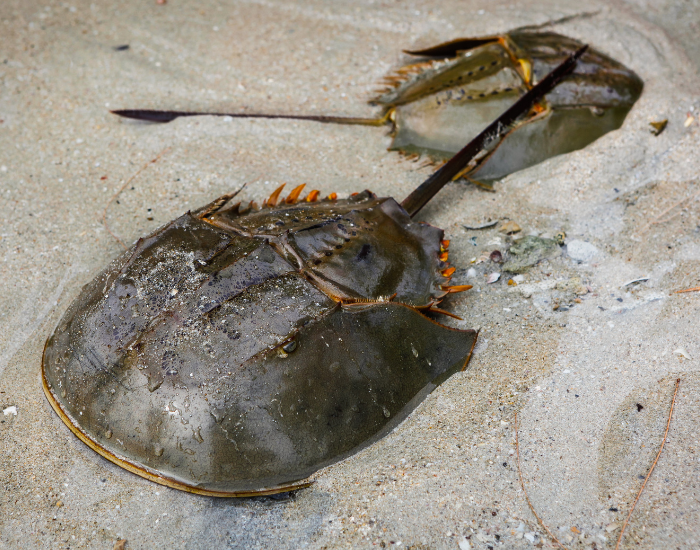
Horseshoe crabs belong to the class Xiphosura, and despite the name, they are not crabs at all. Horseshoe crabs are more closely related to arachnids — spiders and scorpions — than to true crabs. These ancient creatures have existed for over 450 million years, which earns them the title of living fossils. You can walk in Delaware beaches during the spring spawn and you could watch thousands of horseshoe crabs heave themselves ashore under a full moon, a piece of natural history you can witness with your own eyes.
Horseshoe crabs can tolerate brackish water and are often found hunting on ocean floors and estuaries, showcasing their adaptability across coral reefs, mangroves, and muddy bays. Their shield-like skull and ten walking legs feel almost alien. Their blue, copper-based blood is also harvested for medical testing, which has put real pressure on populations. The Xantus swimming crab, a true crab found off the Pacific coast of Mexico, is another sea animal worth mentioning, but in the long natural history of arthropods, nothing rivals the longevity of horseshoe crabs.
The Letter X Holds More Species than Most People Guess
Each one teaches you something useful about how the animal kingdom actually works. Whether it is a translucent X-ray fish in a Brazilian river, a hairless dog in an Oaxacan courtyard, or a horseshoe crab dragging itself ashore under a moonlit sky, the animals that start with X reward anyone who pays attention.
References:
Furman, B. L. S., Bewick, A. J., Harrison, T. L., Greenbaum, E., Gvoždík, V., Kusamba, C., & Evans, B. J. (2015). Pan-African phylogeography of a model organism, the African clawed frog Xenopus laevis. Molecular Ecology, 24(4), 909–925. https://doi.org/10.1111/mec.13076
Superina, M., Pagnutti, N., & Abba, A. M. (2014). What do we know about armadillos? An analysis of four centuries of knowledge about a group of South American mammals. Mammal Review, 44(1), 69–80. https://doi.org/10.1111/mam.12010
Charvet, P., Torres, Y.T.P., Santana, F.M. & Sayer, C. (2022). Potamotrygon leopoldi. The IUCN Red List of Threatened Species 2022: e.T39403A2923696. https://dx.doi.org/10.2305/IUCN.UK.2022-2.RLTS.T39403A2923696.en. Accessed on 01 June 2026.