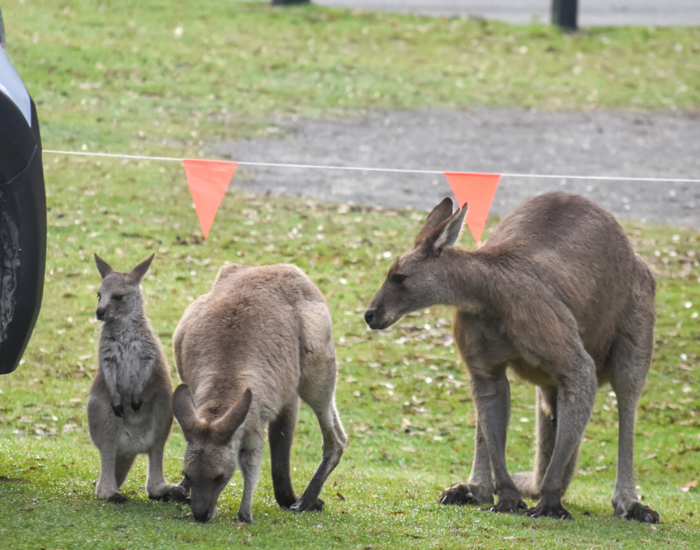
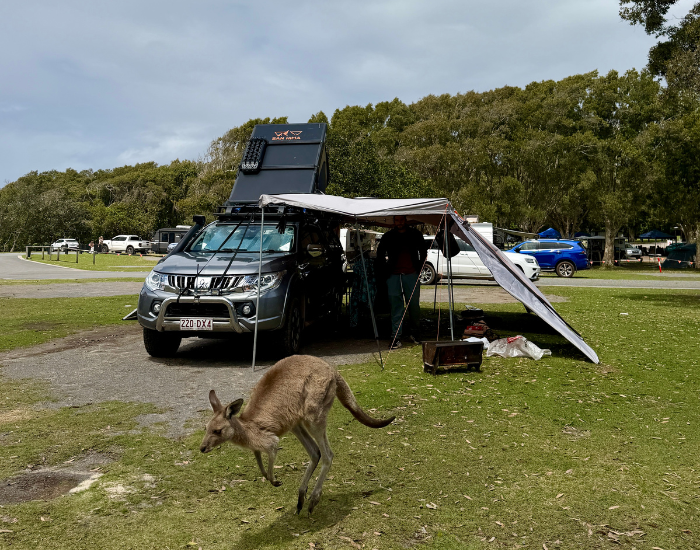
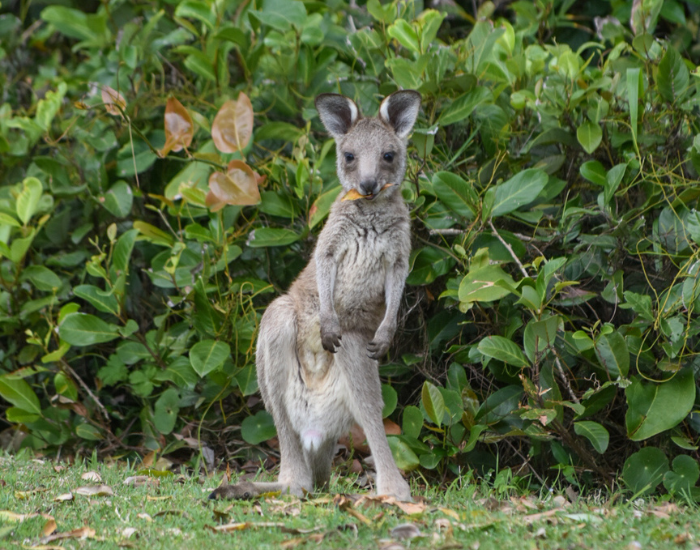
I was sitting outside our tent on site 22 when I noticed a kangaroo with its head in our boot. Cute. Then a joey hopped out right beside my chair. I stood up for a better look, and that’s when I saw him. A massive, muscled male stood just behind them, watching me. We backed away slowly, hearts racing and grinning like kids.
That moment sums up Diamond Head camping on the NSW mid-north coast: wildlife at arm’s length, plenty of rain and not much personal space. This was stop 12 on our lap around Australia, straight after Point Plomer. Grey skies kept us in camp for most of our stay. Still, one sunny afternoon on the trails delivered a critically endangered shorebird and a tiny bird I have never met. Below are the 19 species we logged in Crowdy Bay National Park, plus everything you need to know about water, showers, booking and walks.
What to Know Before Camping at Diamond Head NSW
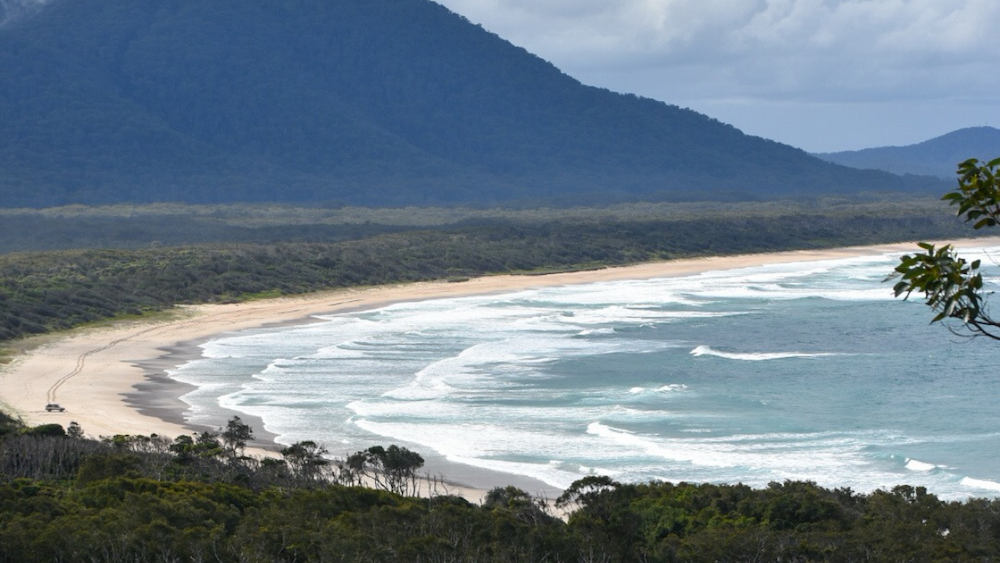
Diamond Head campground sits in the northern section of Crowdy Bay National Park, at 763 Diamond Head Road. With excellent camping and picnic facilities, the beach side campground at Diamond Head is one of the most popular places. It’s the busiest place to stay in Crowdy Bay National Park, and within minutes we understood why. Camp opens straight onto Dunbogan Beach, with white sand and ocean curving north towards North Brother mountain.Getting there from Port Macquarie
Drive south from Port Macquarie to Laurieton, then follow Diamond Head Road about 10 km into the park. The whole trip takes roughly 40 minutes. From the south, leave the Pacific Motorway north of Coopernook and follow Jericho, Coralville and Diamond Head roads. Laurieton is your last stop for groceries, so stock up there.
Diamond Head campground at a glance
- Location: 763 Diamond Head Road, Crowdy Bay National Park, about 40 minutes south of Port Macquarie
- Sites: 75 unpowered sites for tents, camper trailers, caravans and motorhomes, plus walk-in sites
- Booking: pre-book through NSW National Parks; $8 per vehicle per day park entry
- Facilities: flushing toilets, cold showers, gas barbecues, picnic shelters, outdoor showers
- Water: none drinkable, so bring your own
- Fires: off-ground braziers only; firewood and braziers available from the onsite office
- Mobile reception: available in the campground
- Supplies: Laurieton, about 10 km away
Booking, park entry fees and the onsite office
You must pre-book your site through NPWS. Park entry fees of $8 per vehicle per day are paid when you book. Diamond Head campground prices vary by season and site type, so check the NPWS booking page for current rates. For anything else, contact the operator, NPWS, on 1300 072 757.
On arrival, check in at the onsite office. It sells cheap firewood, hires braziers and hands out wildflower, bird and fauna lists. Grab those lists, because they turned our rainy afternoons into ID homework. The same office also services the nearby Indian Head and Kylies Beach campgrounds.
Facilities: flushing toilets, cold showers and no drinking water
The amenities block had some of the best toilets we’ve found on this lap. Clean flushing toilets in a national park feel like pure luxury. The showers, however, run cold only. With a chilly wind and constant drizzle, those cold showers tested us every single morning.
Drinking water isn’t available anywhere in the park. Tanks around the grounds hold rainwater, but it’s not for drinking, so bring all you need. Near the sand, you’ll find gas barbecues, picnic shelters and outdoor showers right next to the beach. Picnic tables are spread around camp too.
Choosing your campsite
The campground includes campsites for motorhomes, caravans, campervans, camper trailers and tents across 75 grassy sites. Walk-in campsites sit a short walk from the carpark for tent campers. Don’t expect a Diamond Head caravan park, though. Every site is unpowered and there’s no shop.
Site 22 sat a short walk from the toilets, which we loved in the rain. My honest criticism is the crowding. Caravans packed the main loop, and it felt far busier than the wilder stops we prefer. Fires go in off-ground braziers only, and collecting firewood inside the park isn’t allowed.
Want a preview before you book? NPWS hosts a virtual tour of Diamond Head campground captured with Google Street View Trekker.
Diamond Head loop walk, Mermaid Lookout and Split Rock
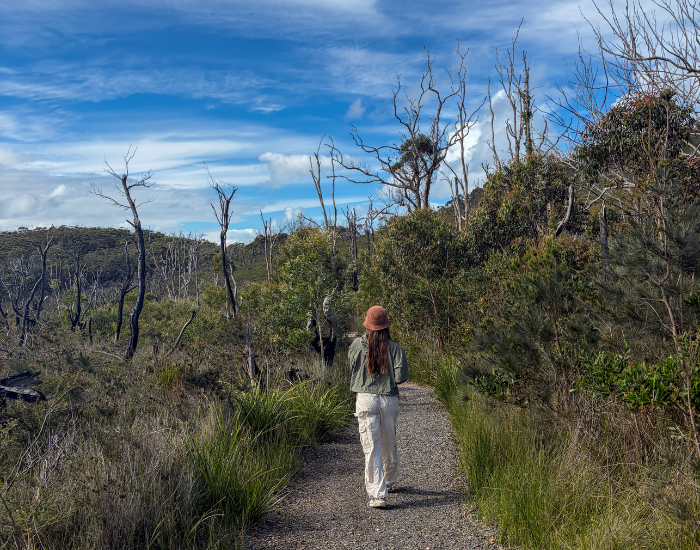
Several hiking tracks leave from camp. NPWS lists the Diamond Head loop walk at 4.3 km, or 4.8 km if you go via Indian Head. It winds through heath, paperbark and swamp mahogany, with panoramic views of coast, mountains and forest from Kylie’s lookout. The shorter Mermaid Lookout track is 1.4 km return and starts at the footbridge on the campground’s eastern side. Both lookouts double as whale watching vantage points during migration, so pack binoculars.
On our only sunny afternoon, we walked both. The forest track shifted from shady, almost rainforest-like gullies to open eucalypts within minutes. From the top, North Brother rose behind the coast. It isn’t a big mountain, yet from there it looked enormous, like Mount Agung looming over Amed in Bali. Back on Diamond Head Beach, look for the blackened pillars of Split Rock. NPWS thinks quartz crystals sparkling in the cliffs may have given the headland its name.
19 Animals We Saw While Diamond Head Camping
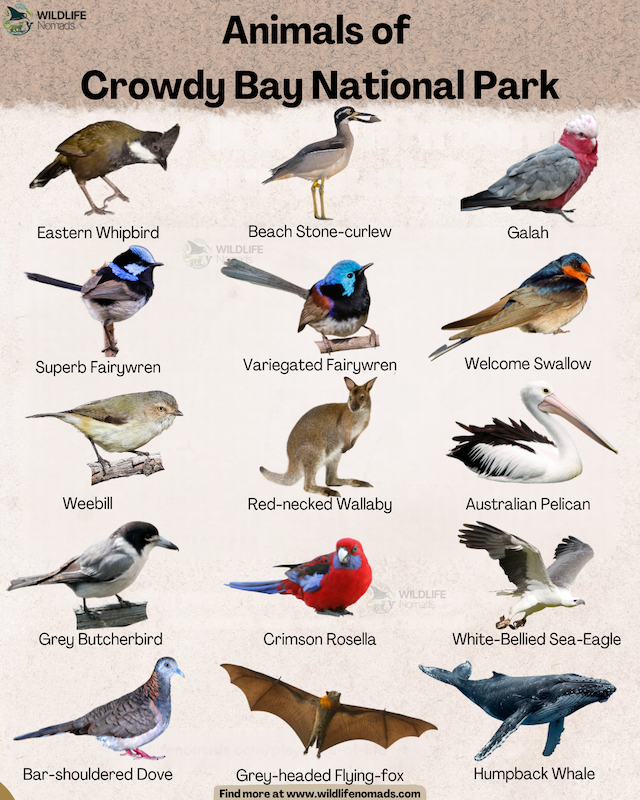
Rain shaped this list. Most sightings came from camp itself or that single golden afternoon on the trails. Three species were brand new for me.
1. Eastern Grey Kangaroo (Macropus giganteus)
Kangaroos owned this campground. Joeys peeked from pouches everywhere, and young-at-foot ones bounced between caravans. Eastern grey females can breed year-round, but most births fall in spring and summer. Joeys leave the pouch for good at around 11 months, so we likely caught last year’s cohort graduating.
Give big males plenty of room, like the one behind our tent. They can top 60 kg and box hard when stressed.
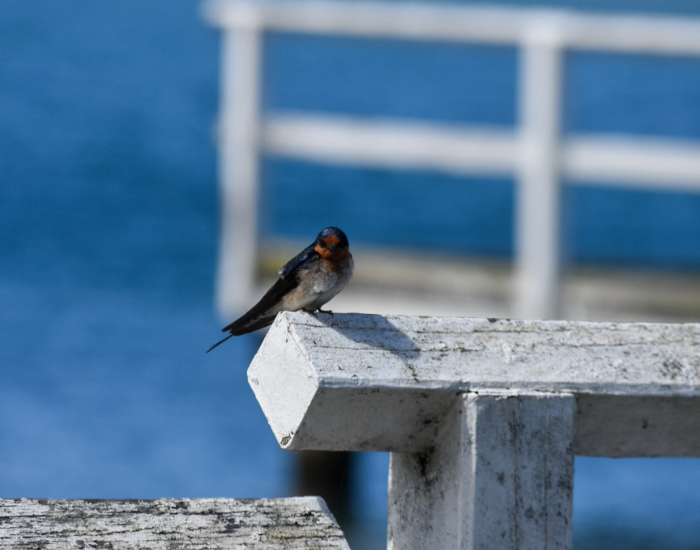
2. Welcome Swallow (Hirundo neoxena)
Every swallow I’ve tried to photograph was already gone. Here, for the first time, one finally sat still long enough for a picture. Look for the rusty throat and deeply forked tail. They build cup nests from hundreds of mud pellets, often under eaves and bridges.
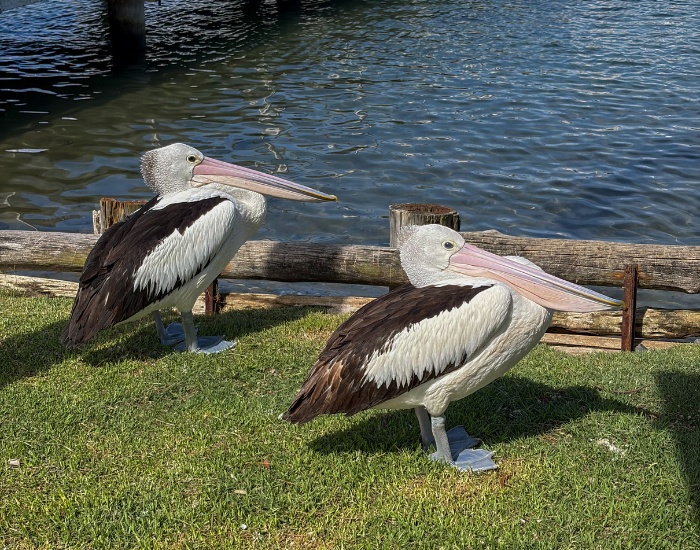
3. Australian Pelican (Pelecanus conspicillatus)
Pelicans turned up here too, as they have at nearly every coastal stop. They often hunt in teams, herding fish into shallow water before scooping them up. That giant bill pouch works as a net, not a storage bag.
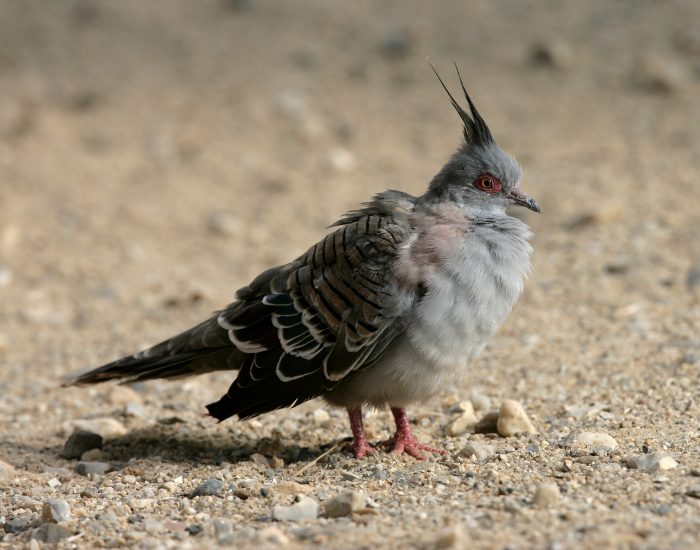
4. Crested Pigeon (Ocyphaps lophotes)
Crested pigeons whistle when they take off, and that sound carries a message. Researchers at ANU found an unusually narrow eighth wing feather produces the high note. When a pigeon flees, it flaps faster, so the whistle speeds up. Other pigeons hear that tempo and bolt.
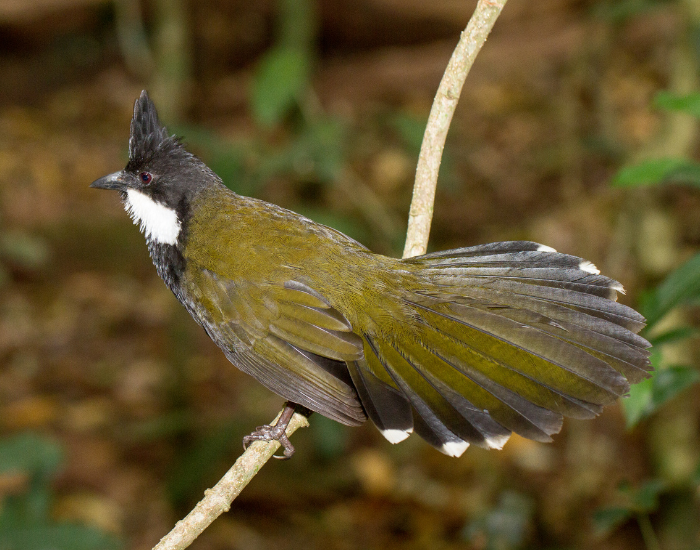
5. Eastern Whipbird (Psophodes olivaceus)
Once again, the whipbird called constantly and stayed invisible. The famous whip-crack comes from the male. The female answers so fast that it sounds like one bird. One study found male songs stay consistent across sites, while female replies vary much more.
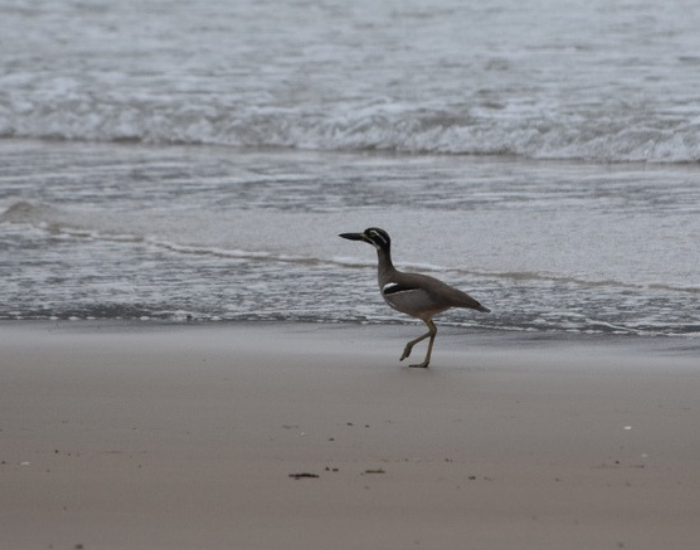
6. Beach Stone-curlew (Esacus magnirostris)
This was the highlight of the stop. One bird walked alone along the beach, slow and deliberate, looking wonderfully odd. Back home on the Gold Coast I see bush stone-curlews all the time. This one looked different, mainly because of that massive, yellow-based bill.
Beach stone-curlews forage in the intertidal zone, mostly for crabs. NSW lists them as critically endangered, and a 2000 survey counted as few as 13 adults statewide. Seeing one alone on a busy beach showed me how much depends on keeping dogs and vehicles off these shores.
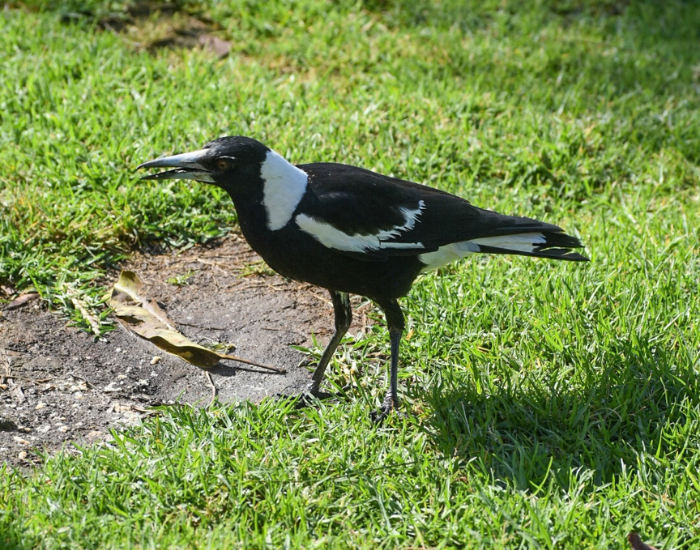
7. Australian Magpie (Gymnorhina tibicen)
Magpies patrolled the grass between sites. Spring is swooping season, and I’ve been swooped by more birds in Australia than by any other animal. Interestingly, only a minority of magpies swoop, and most are males defending nests. The rest happily ignore you.
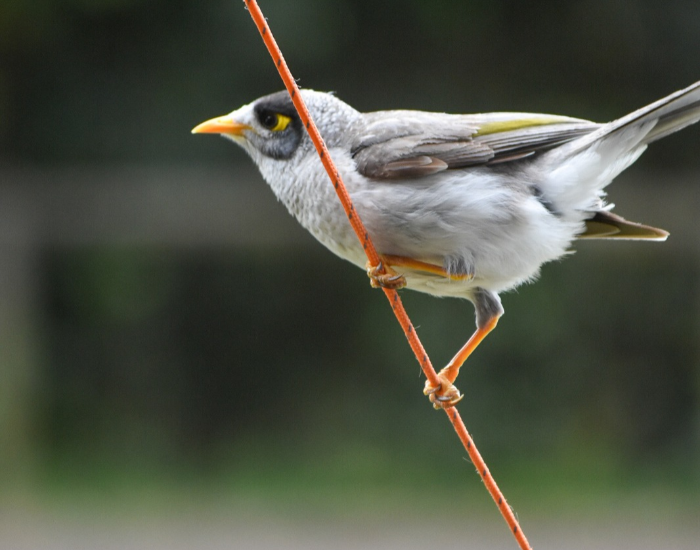
8. Noisy Miner (Manorina melanocephala)
Noisy miners are honeyeaters, but they behave like a gang. Colonies mob and chase out smaller birds from their territory. A large study across eastern Australia found their presence strongly reshapes woodland bird communities.
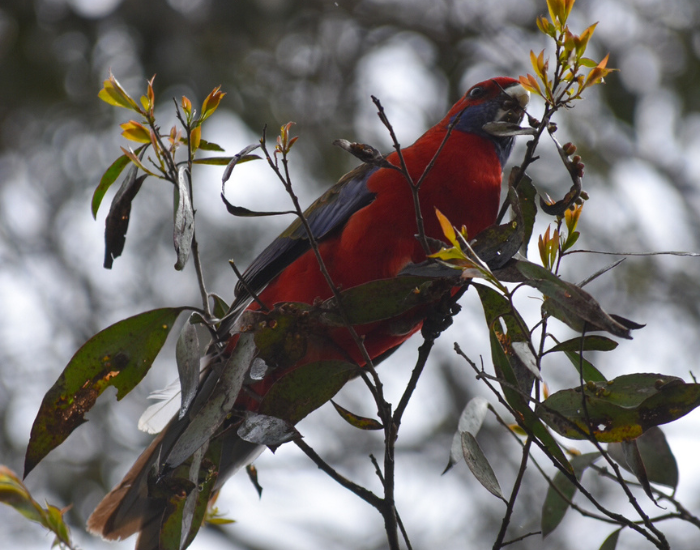
9. Crimson Rosella (Platycercus elegans)
This was our first crimson rosella of the lap. I suspect they’ll become more common as we head south. Interestingly, this species varies hugely in colour, with yellow and orange forms inland. It’s one of my favourite Australian parrots.
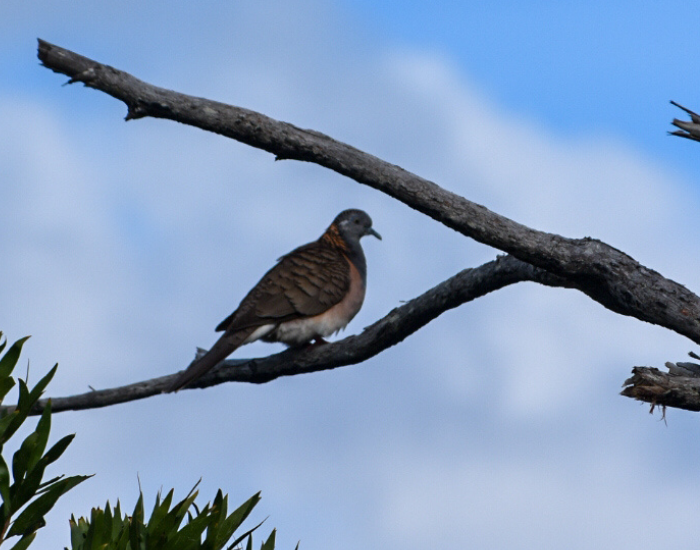
10. Bar-shouldered Dove (Geopelia humeralis)
We found just one on the forest walking track, while other sites had many more. Look for the coppery nape and listen for its rolling three-note call. They prefer dense vegetation near water, so a wet forest track suits them perfectly.
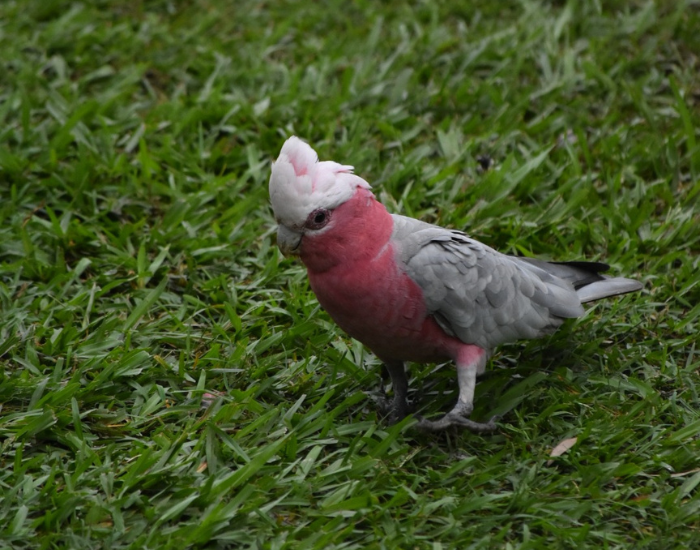
11. Galah (Eolophus roseicapilla)
A pair of galahs flew into a tree near the beach, screeching as always. These pink-and-grey cockatoos often bond for life. Read my galah facts for more.
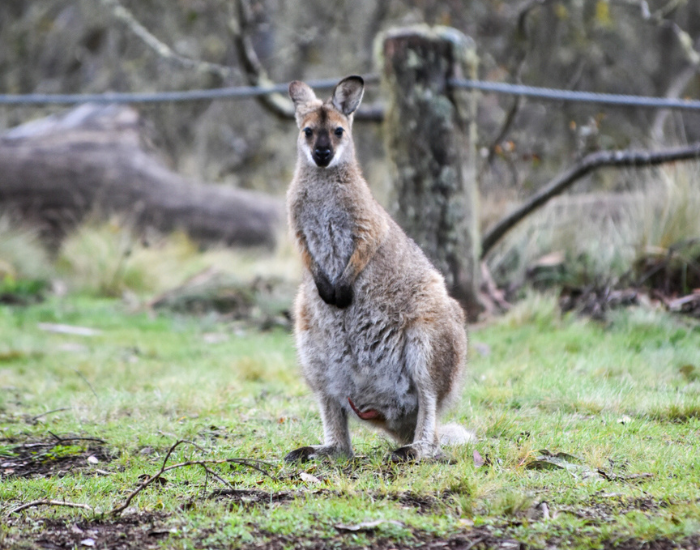
12. Red-necked Wallaby (Notamacropus rufogriseus)
As we drove out, one jumped right in front of our car. If I’d been going faster, I might have hit it. Please drive slowly in national parks, especially at dawn and dusk.
Red-necked wallabies wear a reddish nape and a pale cheek stripe. In Tasmania, the same species goes by Bennett’s wallaby. Not sure how they differ from roos? See my guide to wallaby vs kangaroo differences.
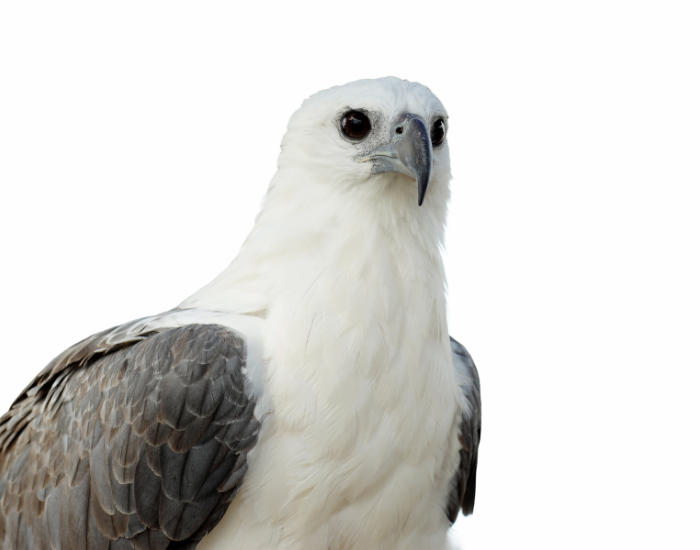
14. White-bellied Sea Eagle (Icthyophaga leucogaster)
On the headland lookout track, a sea eagle glided above the hill. Pairs often reuse the same huge stick nest for years, adding material each season. Discover more facts about Australian eagles.
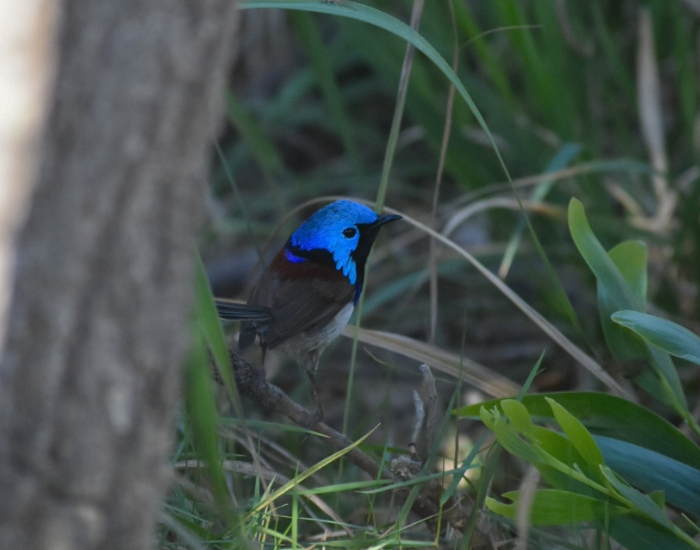
15. Variegated Fairywren (Malurus lamberti)
We spotted these on the forest walk track, darting through low shrubs. Since a recent taxonomic split, Malurus lamberti refers to the eastern birds. Their inland relatives now carry a separate name, the purple-backed fairywren.
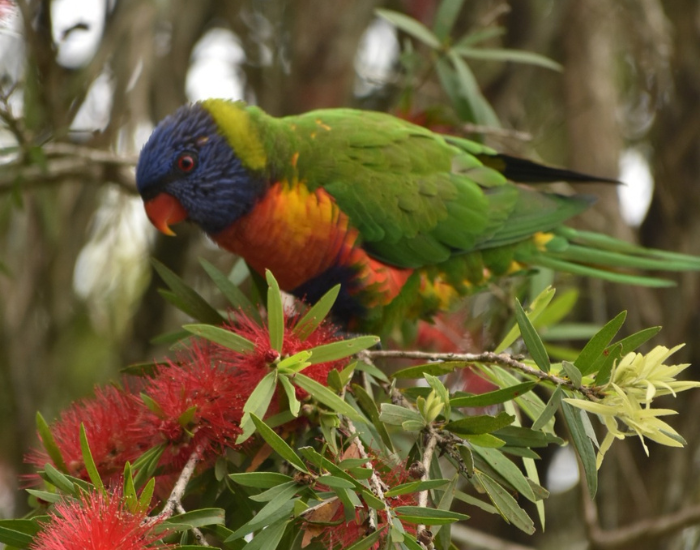
16. Rainbow Lorikeet (Trichoglossus moluccanus)
On the trail, lorikeets fed in banksia trees, as always. They nest in tree hollows, competing with other parrots for scarce nesting spots. Read my rainbow lorikeet facts.
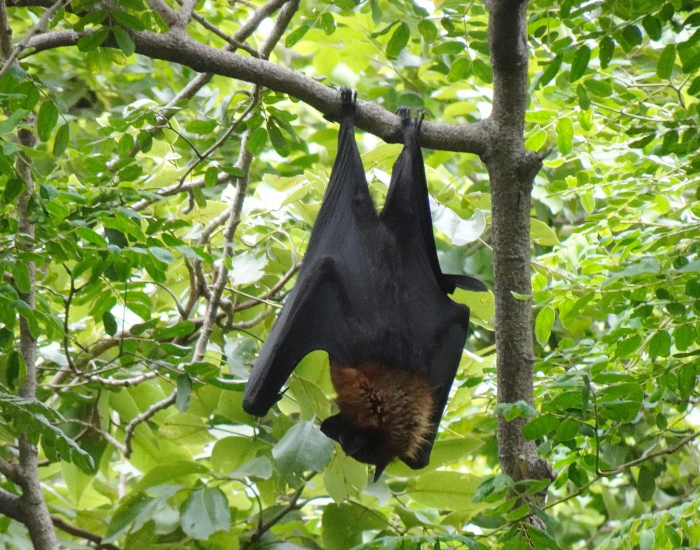
17. Grey-Headed Flying Fox (Pteropus poliocephalus)
A few flying foxes hung in a tree beside camp. At first they looked like little red flying foxes bats. However, they were clearly larger, with distinctive grey heads and pale-mantled necks instead of brown-red. They were grey-headed flying foxes, the same we saw at Nambucca.
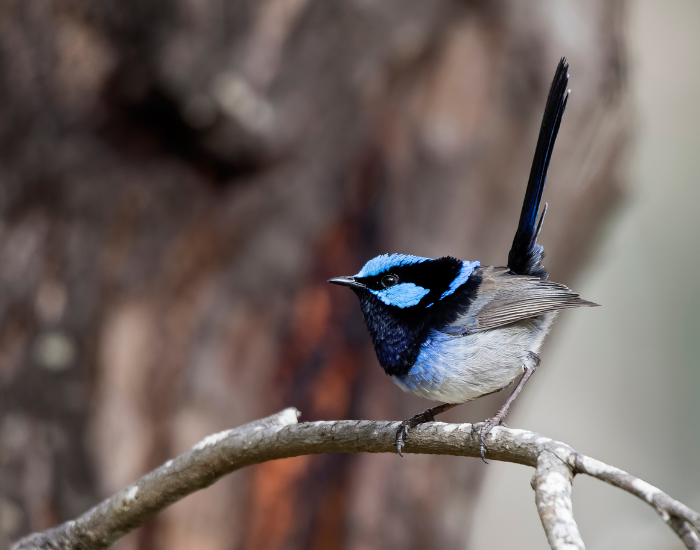
18. Superb Fairywren (Malurus cyaneus)
At the end of the headland lookout trail, I heard the call before seeing them. These tiny birds teach their chicks a password while still inside the egg. Chicks then use it in their begging calls, helping parents spot cuckoo impostors. More in my wren facts.
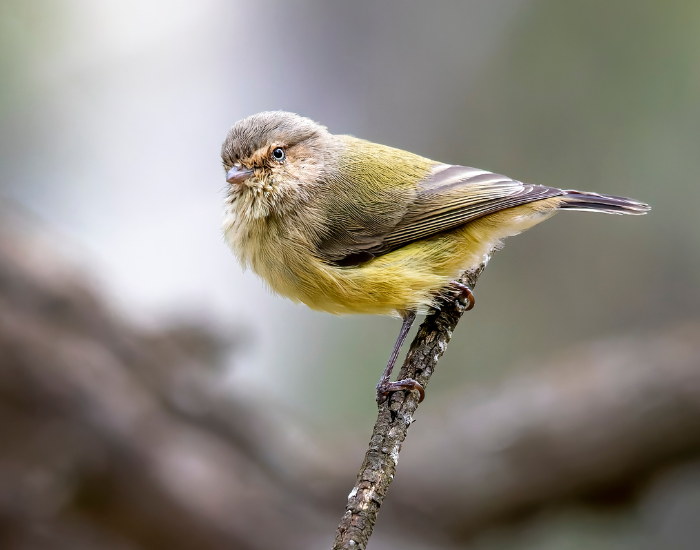
19. Weebill (Smicrornis brevirostris)
On the forest track, I finally identified a weebill. I’m sure I’d seen them at Red Cliff, but never got a proper look. Weebills are often called Australia’s smallest bird, at about 8 to 9 cm. They glean tiny insects from eucalypt leaves, moving too fast for most cameras.
Diamond Head Campground FAQ
No. NPWS confirms no drinking water is available anywhere in Crowdy Bay National Park. Rainwater tanks sit around the campground, but they’re not for drinking. Bring all your drinking and cooking water.
No. The amenities block has flushing toilets and cold showers only. Outdoor showers also sit next to the beach. In cold, wet weather, a solar shower bag helps.
No. Camping is only allowed in the marked campground. You can drive onto the beach with a 4WD, but you need a permit from Port Macquarie-Hastings Council.
You pay a nightly camping fee plus park entry of $8 per vehicle per day. Camping prices change by season and site type, so check the NPWS booking page before you go. Both fees are paid when you book online.
Yes. NPWS says mobile phone service works in the campground, although there’s no public phone. We always carry starlink to work or any other emergency.
Rain, Roos and a Rare Shorebird
Diamond Head camping proved that a wet trip can still be a rich one. Crowded sites and cold showers aside, a single sunny afternoon gave us three new species, including a critically endangered beach stone-curlew. If you’re planning a route through the best NSW national parks, stay in Crowdy Bay for at least a few nights. Pack water, binoculars and patience for the weather. Spotted something we missed at Diamond Head? Tell me in the comments, and follow our next stop on the Australia lap.
References
Colombelli-Négrel, D., Hauber, M. E., Robertson, J., Sulloway, F. J., Hoi, H., Griggio, M., & Kleindorfer, S. (2012). Embryonic learning of vocal passwords in superb fairy-wrens reveals intruder cuckoo nestlings. Current Biology, 22(22), 2155–2160. https://doi.org/10.1016/j.cub.2012.09.025
Maron, M., Grey, M. J., Catterall, C. P., Major, R. E., Oliver, D. L., Clarke, M. F., Loyn, R. H., Mac Nally, R., Davidson, I., & Thomson, J. R. (2013). Avifaunal disarray due to a single despotic species. Diversity and Distributions, 19(12), 1468–1479. https://doi.org/10.1111/ddi.12128
Mennill, D. J., & Rogers, A. C. (2006). Whip it good! Geographic consistency in male songs and variability in female songs of the duetting eastern whipbird Psophodes olivaceus. Journal of Avian Biology, 37(1), 93–100. https://doi.org/10.1111/j.0908-8857.2006.03548.x
Mo, M. (2016). The beach stone-curlew (Esacus magnirostris) in the Sydney Basin and South East Corner bioregions of New South Wales. Proceedings of the Linnean Society of New South Wales, 138, 69–82. https://openjournals.library.sydney.edu.au/LIN/article/view/11414
Murray, T. G., Zeil, J., & Magrath, R. D. (2017). Sounds of modified flight feathers reliably signal danger in a pigeon. Current Biology, 27(22), 3520–3525. https://doi.org/10.1016/j.cub.2017.09.068
Welbergen, J. A., Meade, J., Field, H. E., Edson, D., McMichael, L., Shoo, L. P., Praszczalek, J., Smith, C., & Martin, J. M. (2020). Extreme mobility of the world’s largest flying mammals creates key challenges for management and conservation. BMC Biology, 18, 101. https://doi.org/10.1186/s12915-020-00829-w