There’s a unique kind of peace you only find when you’re eye-to-eye with a creature that might outlive your great-grandchildren. During my years working in the reptile and amphibian wing of a major zoo (with crocodiles and tarantulas), my mornings didn’t start with coffee, they started with buckets of leafy greens and some very hungry Galapagos giant tortoises.
Cleaning a giant tortoise enclosure feels less like zookeeping and more like navigating a slow-motion construction site. These animals are massive, deliberate, and surprisingly personable. I quickly learned that understanding tortoises means abandoning human time and thinking in tortoise decades.
In this guide, I’m sharing field notes and biological insights to give you tortoise information from what I have learnt! From diverse habitats to the evolutionary characteristics that have kept these reptiles thriving for over 230 million years.
1. Are Tortoises Real? Tortoise Taxonomy
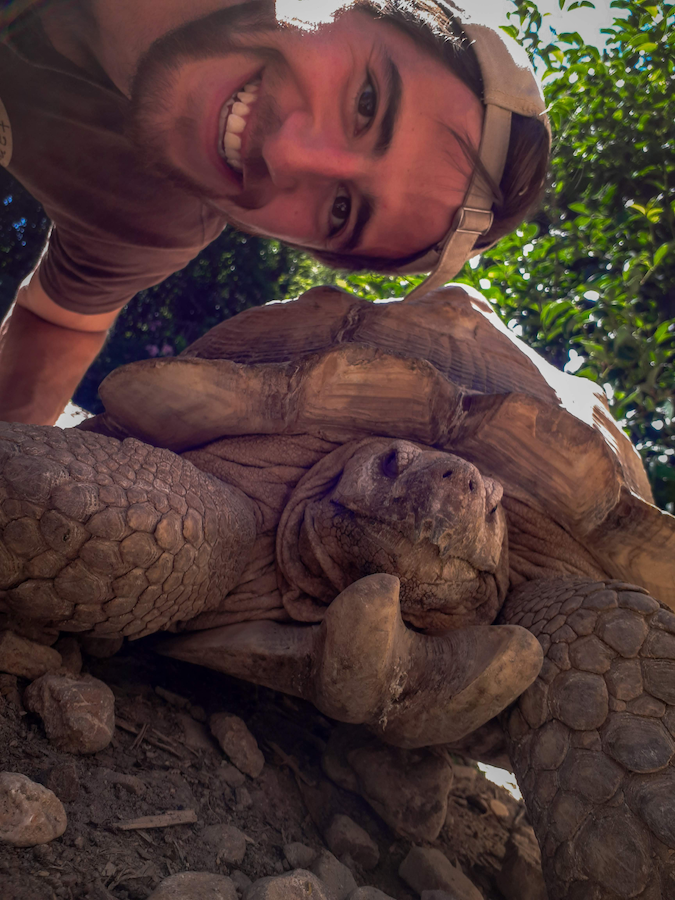
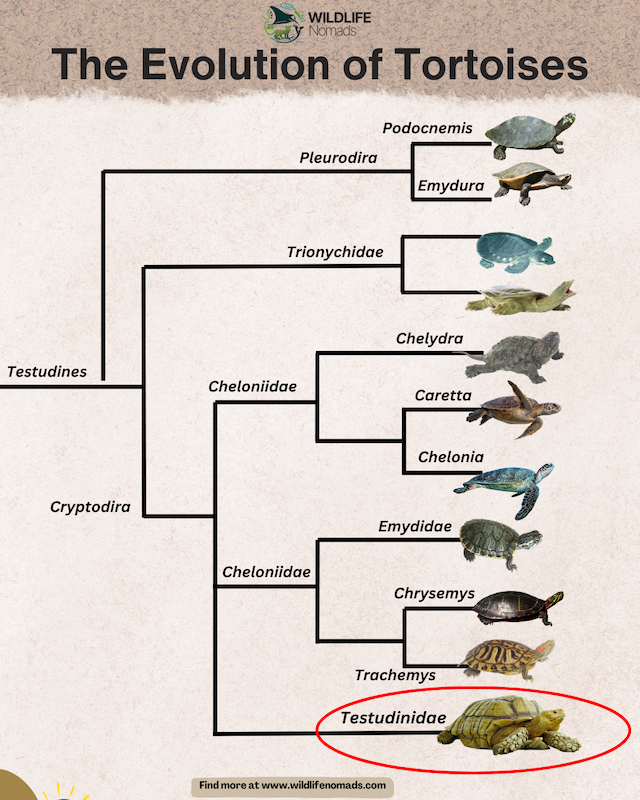
This was one of the biggest confusions as a bilingual. In spanish, I was used to call every turtle, a “tortuga” but in english, there was a distinction between tortoises and turtles, so I kept asking myself, “What’s the difference between turtles and tortoises?” Biologically, the term tortoise refers specifically to land-dwelling reptiles in the turtle family Testudinidae. While not every turtle is a tortoise, all tortoises are technically turtles. However, their terrestrial lifestyle has driven remarkable evolutionary adaptations.
2. They Have Strong Shells: Key Tortoise Characteristics
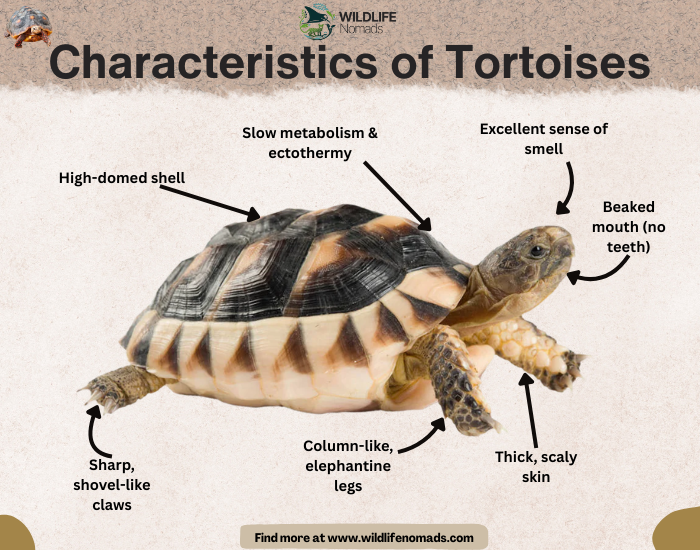
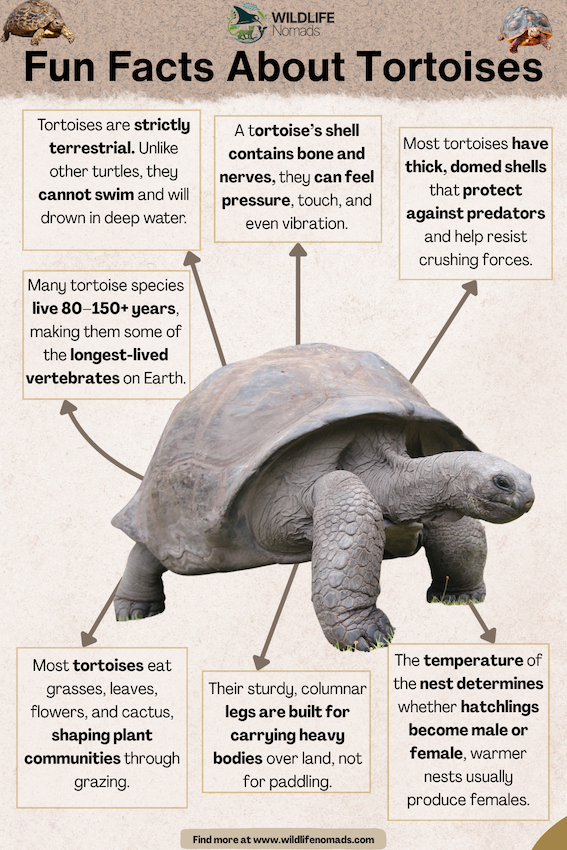
Unlike the streamlined shells of sea turtles like the leatherback turtle, tortoises typically sport high domed shells. This domed shell consists of bone and cartilage, creating a mobile fortress against predators. Instead of webbed feet, they have elephantine stumpy legs and sharp claws designed for trekking across land and digging burrows. While sea turtles and freshwater turtle species need water, land tortoises remain strictly terrestrial.
3. Where Do Tortoises Live? A Global Distribution
If you’re wondering where tortoises are found, the answer spans nearly every continent. Their habitat range is staggering, covering everywhere except Australia and Antarctica.
Desert Habitats
The Western deserts are home to the desert tortoise (Gopherus agassizii). These masters of water conservation spend up to 95% of their lives in underground burrows escaping extreme heat. The term “tortoise” itself brings to mind these hardy desert animals and dwellers.
Tropical and Subtropical Regions
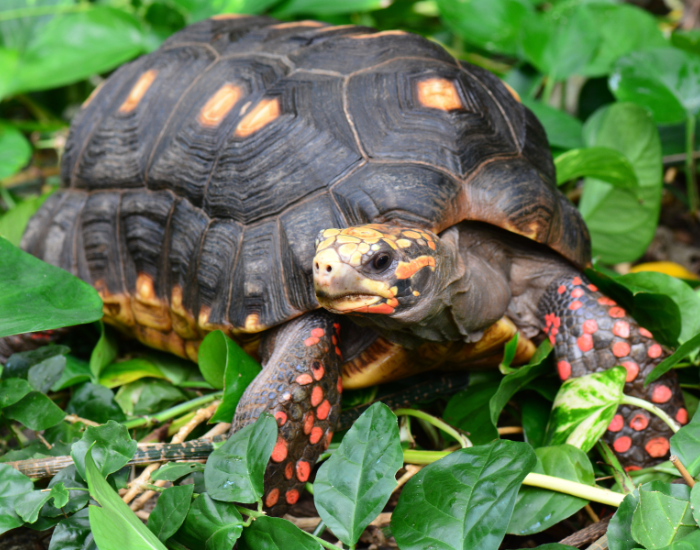
Central and South America host the red footed tortoise. Unlike their desert cousins, these tortoise species prefer rainforest humidity and display striking red scales. Southern Africa represents a biodiversity hotspot, housing the tiny pancake tortoise (which has a flat, flexible shell for hiding in rock crevices) and the leopard tortoise.
Southeast Asia
This region is home to the stunning Burmese star tortoise, a species facing intense pressure from the illegal pet trade. Many tortoises live across Southeast Asia’s varied terrain.
Field Note: The Ecosystem Engineers
When tracking wild tortoises in the southeastern coastal plain, I was struck by the gopher tortoise (Gopherus polyphemus). These remarkable animals are ecosystem engineers whose burrows provide refuge for approximately 350 to 400 species, including species such as the Eastern indigo Snake, armadillos and the Northern bobwhite quail. Without them, pine flatwoods would experience massive biodiversity collapse.

4. What Do Tortoises Eat? Diet and Feeding Habits
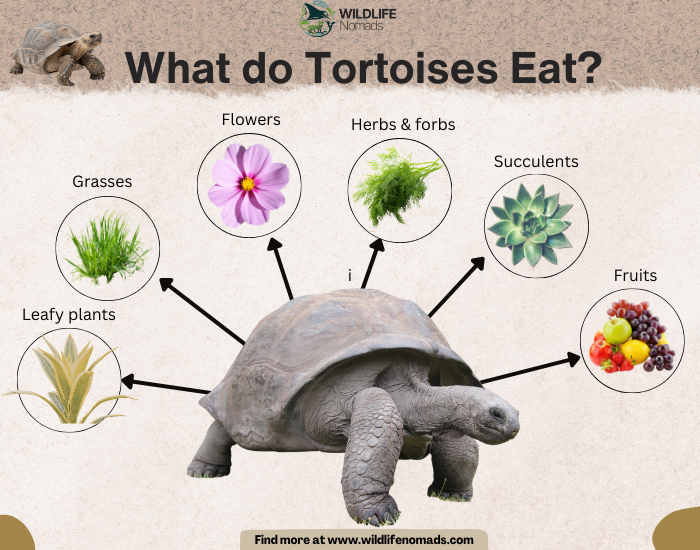
Most tortoises are mostly vegetarian, grazing on leafy greens, grasses, and even cactus pads. However, some South American species act as scavengers, occasionally consume carrion or insects for extra protein. Understanding what tortoises eat helps us appreciate their role in ecosystems.
Tortoises typically find food within 160 feet of their burrows. They’re opportunistic grazers, so dominant plants in their environment make up the bulk of their diet. They may alter their dietary preferences seasonally depending on forage availability.
5. Tortoise Behavior: More Than Just Slow Movement
What is the normal behavior of a tortoise? After spending enough time in the field, you realize they aren’t merely rocks that move, they display complex tortoise habits.
Thermoregulation and Daily Patterns
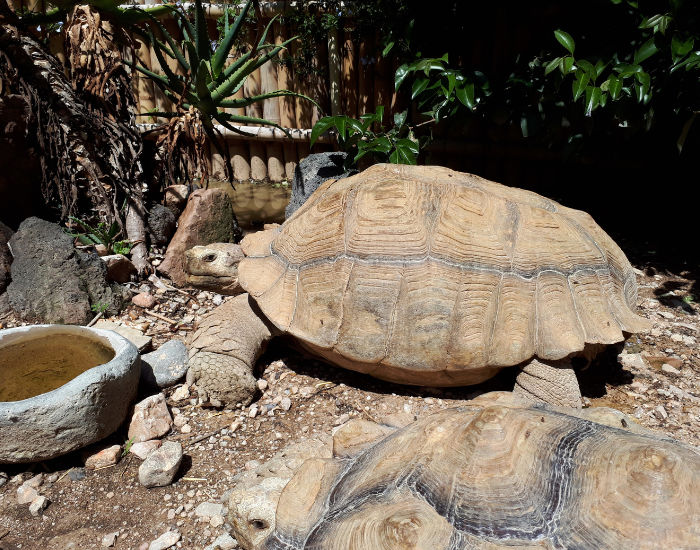
Because tortoises are reptiles and therefore cold blooded animals, it mean they can’t regulate body temperature internally. They spend mornings basking in the sun to “charge their batteries” before foraging. This behavioral pattern is crucial for their survival across diverse habitats.
Social Interactions
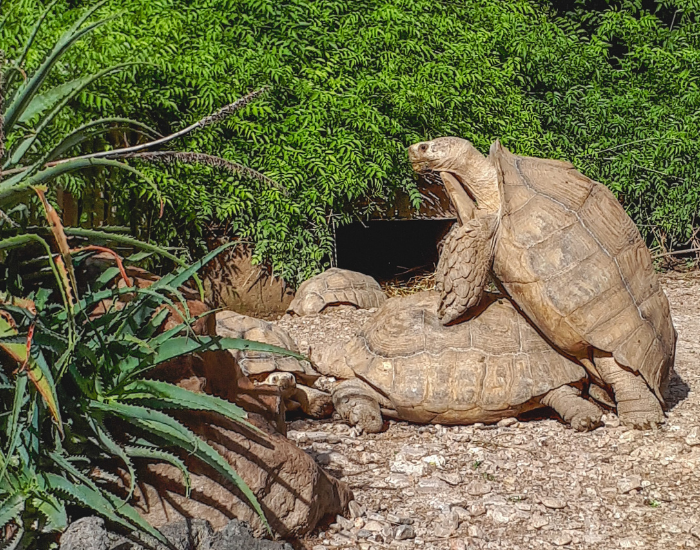
While often solitary, male tortoises engage in shell butting during breeding season to establish dominance. How do you know if a tortoise is happy? In clinical terms, we assess biological fitness, but as a keeper, I looked for engagement. A healthy tortoise is alert, has clear eyes, and shows keen interest in its environment and food.
6. They Come in all Sizes – The Giants: Galapagos and Aldabra Tortoises
No tortoise guide would be complete without discussing the titans. Charles Darwin famously noted differences in Galapagos tortoise shells between many islands, observations that helped solidify his thoughts on natural selection.
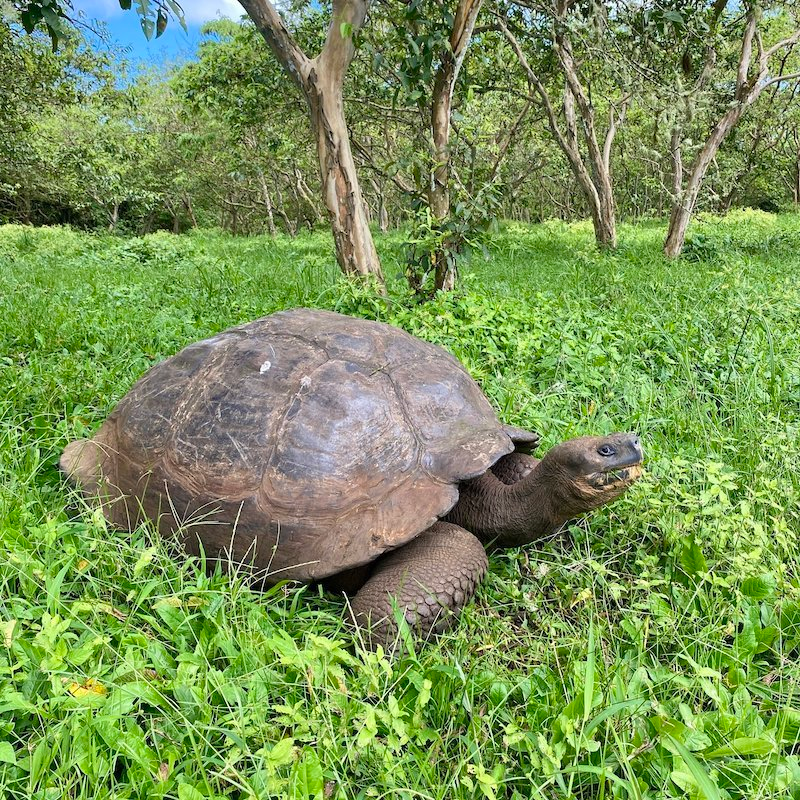
Galapagos Giant Tortoise
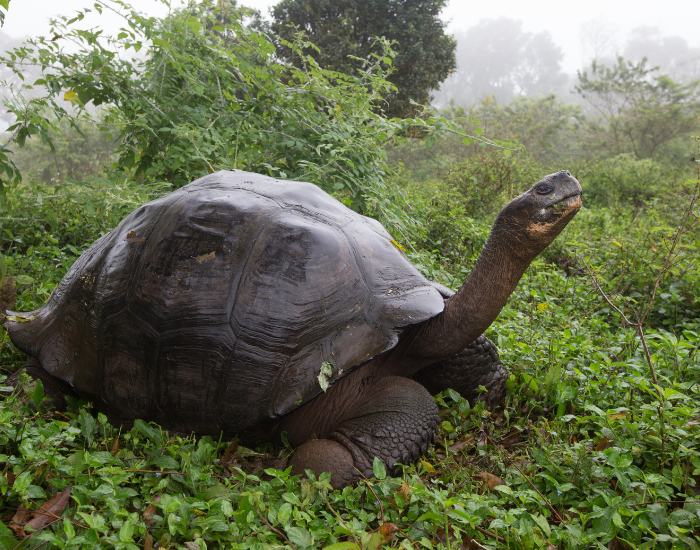
These giants can weigh over 900 pounds. Some have saddleback shells allowing them to reach high-growing vegetation, while others sport the classic domed shell. The Galapagos Islands remain critical habitat for these incredible animals.
Aldabra Giant Tortoise
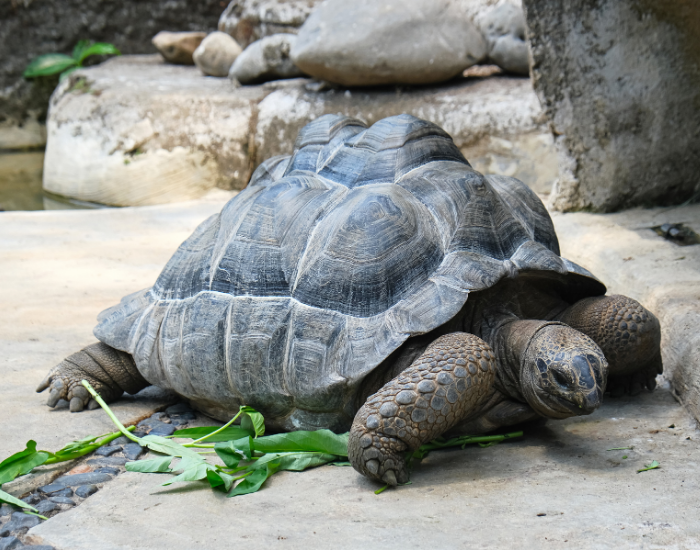
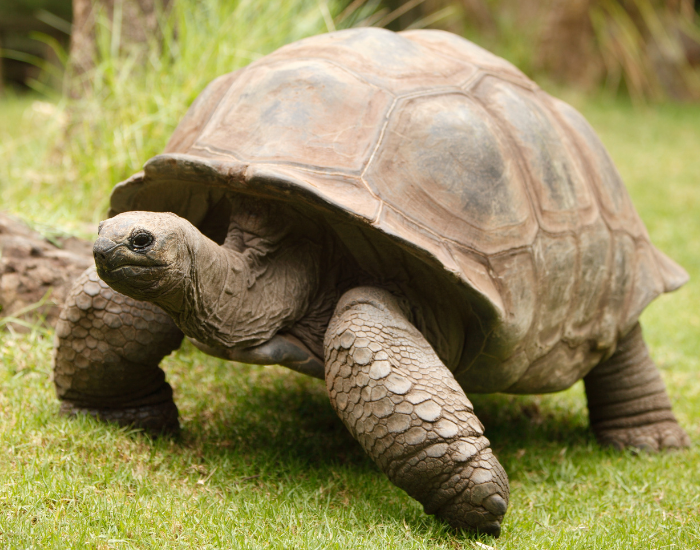
Living in the Seychelles, these rank among Earth’s longest-lived animals. Can tortoises live up to 500 years? Not quite, though it might feel like it! While 500 stretches credibility, many comfortably pass the 100-year mark. Adwaita, an Aldabra giant tortoise, was estimated to be 255 years old at the time of his death in 2006, though this claim remains unsubstantiated. This incredible life span means a juvenile tortoise today might see the year 2150.
7. Incredible Tortoise Species Diversity
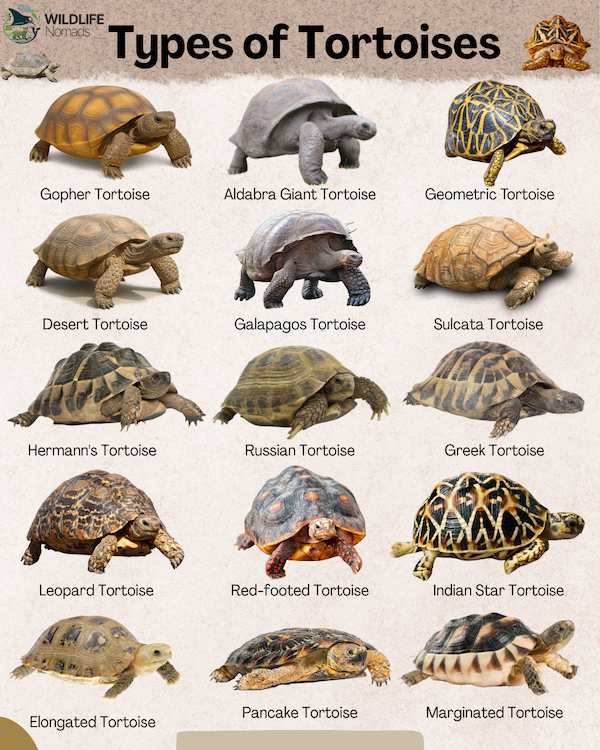
There are somewehre in between 50 to 60 species within the turtle family Testudinidae. Each species has adapted to its specific environment, from the Hermann’s tortoise in European gardens to giant tortoises on remote islands.
Notable Species Include:
The Indian star tortoise faces significant threats from the pet trade. The African spurred tortoise (Sulcata) can grow to 200 pounds, requiring substantial space. The brown tortoise adapts to various environments across its range.
8. Tortoise Shells: Nature’s Armor
The tortoise shell is sensitive to touch, they can feel you petting them! This high domed shell provides protection while remaining lightweight enough for the tortoise to carry throughout its long life. Different species display shell variations adapted to their specific habitats.
9. Threats to Wild Tortoises: Conservation Challenges
Despite their hardy nature, tortoise populations face serious trouble. As a biologist, it’s devastating to see how quickly habitat destruction can eliminate a colony that took centuries to establish.
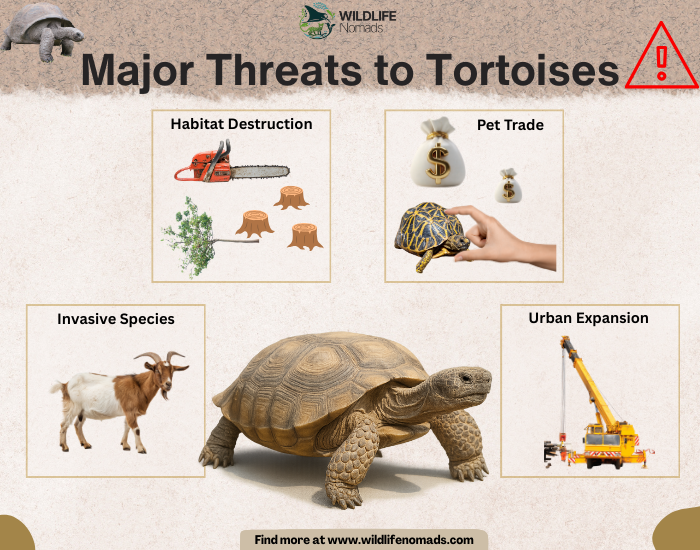
Major Threats Include:
Invasive Species: In places like the Galapagos Islands, invasive goats once stripped vegetation bare, leaving tortoises to starve.
Habitat Loss: In the USA, the desert tortoise faces pressure from urban expansion and habitat destruction in coastal dunes and other critical areas.
Pet Trade: Beautiful species like the Indian star tortoise are frequently poached, leading to endangered species status.
Habitat Destruction: Development continues fragmenting critical tortoise habitats across their range.
Current conservation efforts involve the Wildlife Service and various NGOs working to protect national park lands and restore the southeastern coastal plain. Many male tortoises and female tortoises now benefit from these protection programs.
10. They Will Outlive you!
How long do tortoises live? Tortoises exhibit remarkable longevity. Most tortoise species can live 80-150 years, with some documented cases exceeding 200 years. Galapagos tortoises typically exceed 150 years in the wild.
Female tortoises lay eggs in carefully excavated nests, often in the burrow apron. They exhibit no parental care beyond nest preparation. The incubation period varies by species, with hatchlings emerging months later to begin their potentially century-long lives.
11. Tortoises are Climate Adaptation Masters
Body temperature regulation challenges tortoises daily. As ectotherms, they depend entirely on environmental conditions. This explains why you’ll find tortoises basking in the sun during cooler periods and retreating to burrows during temperature extremes.
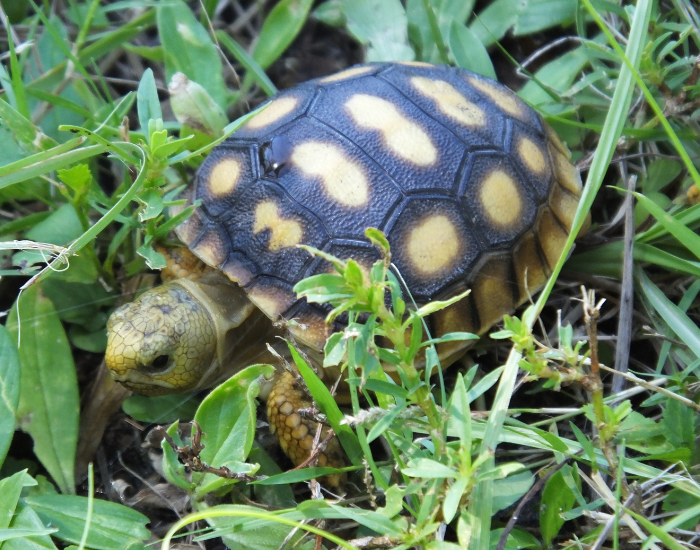
12. Tortoises are Keystone Species in Ecosystems
Land tortoises serve as keystone species in many ecosystems. Beyond the gopher tortoise’s burrow-sharing habits, other reptiles and animals depend on tortoises for various ecological services. They disperse seeds, maintain vegetation patterns, and create habitat structures that benefit countless species.

Frequently Asked Questions
No. While they can hold their breath and occasionally soak in shallow puddles, tortoises are not swimmers and will drown in deep water. This distinguishes them fundamentally from sea turtles and freshwater turtle species.
The Galapagos giant tortoise and Aldabra giant tortoise compete for this title, with individuals exceeding 900 pounds.
Young tortoises show growth rings on their shells, but these become less distinct with age. Most age estimates rely on historical records.
Pet tortoises require decades-long commitment, substantial space, and specialized care. Consider carefully before acquiring one.
Many tortoise keepers report their animals recognizing them, though scientific evidence remains limited.
The Future of Tortoises
Whether it’s the Hermann’s tortoise in a European garden or a giant tortoise on a remote island, these animals represent a link to our planet’s deep past. Their survival depends on our ability to curb habitat loss and respect their place in the wild.
Next time you see a brown tortoise or a desert tortoise in its diverse habitats, remember: you’re looking at a master of survival. These ancient reptiles have witnessed the rise and fall of countless species. Let’s ensure they remain for another 230 million years.
Tortoises remind us that slow and steady truly wins the race, especially when that race spans geological time scales. Their presence enriches ecosystems, supports biodiversity, and connects us to evolutionary history spanning back when other reptiles ruled Earth.