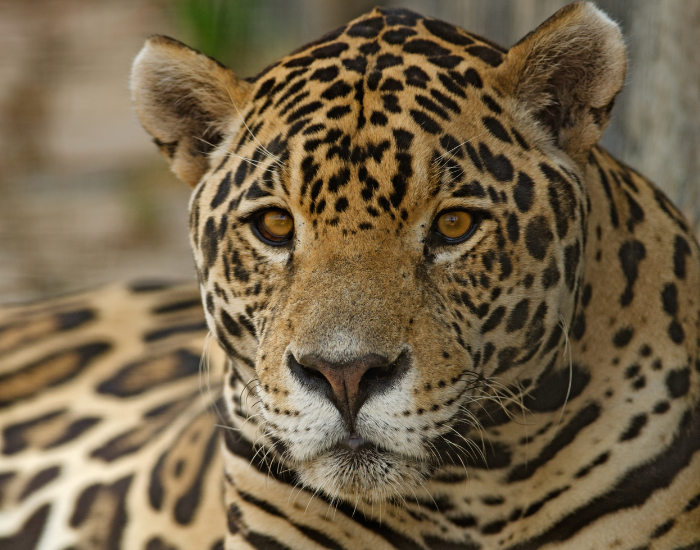
Wildlife photography changed my life. There’s something magical about capturing a jaguar’s intense gaze or watching sea lions play in crystal-clear waters. After years of wildlife adventures across six continents, I’ve learned that the best wildlife destinations share something special: they offer intimate encounters with amazing animals in their natural habitat.
Whether you’re planning your first wildlife safari or seeking your next big adventure, these wildlife photography locations deliver unforgettable experiences. From protected national parks teeming with diverse wildlife to remote islands where endangered animals thrive, each destination tells its own story.
Why Wildlife Photography Matters
Every wildlife trip teaches us something profound about our planet. These protected national parks and wildlife reserves aren’t just beautiful backdrops—they’re critical sanctuaries where endangered animals find refuge. When we photograph wildlife responsibly, we become ambassadors for conservation.
A wildlife safari in Africa, such as in the Okavango Delta or Kruger National Park, offers a unique travel experience with diverse ecosystems and abundant wildlife. Whether you’re chasing the perfect shot of a majestic big cat or looking for the intricate behaviors of rare birds, these destinations offer experiences unlike any other.
The destinations below represent the pinnacle of wildlife viewing opportunities worldwide. I’ve personally visited most of these locations, and each one left me in awe.
Ready to explore the best wildlife photography destinations? Let’s dive in!
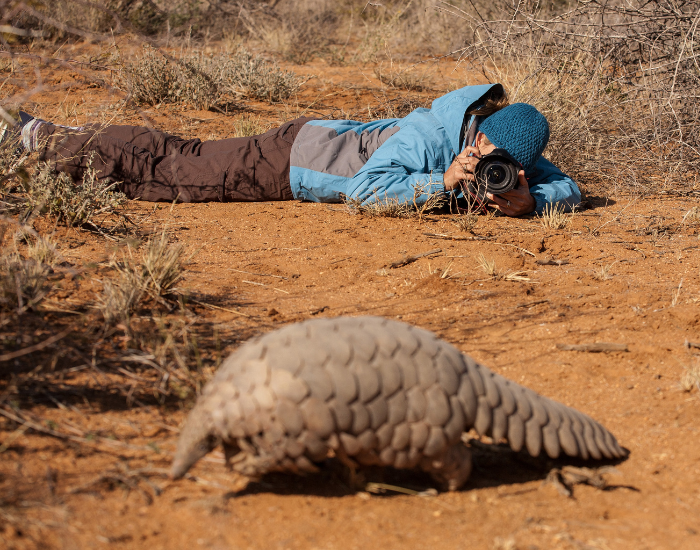
1. Serengeti National Park, Tanzania
The Serengeti is famous for its annual Great Migration, where millions of wildebeest, zebras, and antelopes journey across the plains in search of fresh grazing grounds. This natural spectacle is often accompanied by dramatic predator-prey interactions, with lions and cheetahs hunting along the migration route.
The park’s ecosystem has remained largely unchanged for thousands of years. This stability creates incredible biodiversity. You’ll find everything from massive elephant herds to rare birds hiding in riverine forests.
Best Time for Wildlife Viewing: June through September offers peak action. The dry season concentrates animals around water sources. During July and August, dramatic river crossings occur when herds face crocodile-infested waters. These crossings provide heart-stopping photography opportunities.
Photography Tips: Bring telephoto lenses between 200-400mm for wildlife shots. However, don’t forget your wide-angle lens. Sunrise over the Serengeti creates breathtaking landscape opportunities you won’t want to miss.
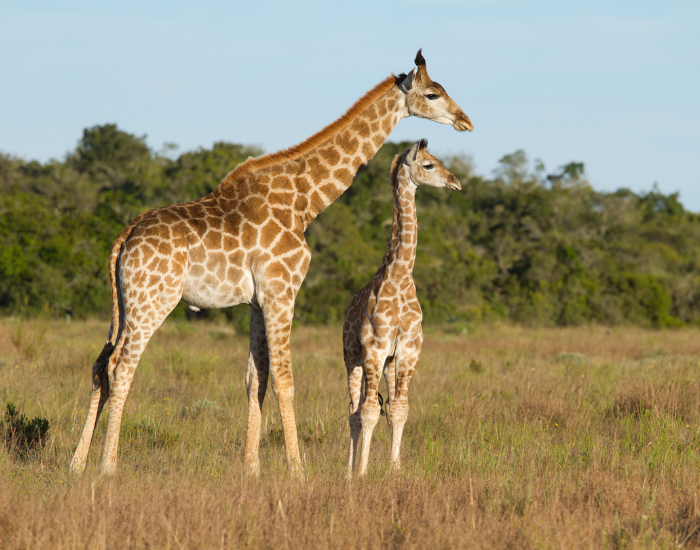
Safari Recommendations in Serengeti:
2. Borneo
Borneo ranks among the best wildlife destinations to meet many types of primates. This Southeast Asian island protects some of our planet’s most endangered animals, including orangutans, proboscis monkeys, and pygmy elephants.
I spent two unforgettable days trekking through Sumatra’s dense jungle with a local guide. We hiked through thick vegetation, crossing streams and climbing steep terrain. On the the firs afternoon, we finally spotted them: a mother orangutan cradling her baby high in the canopy. Nearby, Thomas leaf monkeys leaped between branches while gibbons sang their haunting morning calls.
The Danum Valley Conservation Area exemplifies Borneo’s commitment to protecting wildlife. These protected national parks ensure future generations can experience these amazing animals in their natural habitat.
Best Season for Wildlife Trips: March through October brings drier weather. Reduced rainfall makes jungle paths more accessible. Wildlife congregates near water sources during these months, improving your chances of spectacular encounters.
What Makes Borneo Special: Unlike Africa’s open savannas, Borneo’s dense rainforests challenge photographers. However, this creates unique opportunities. The filtered green light and layered vegetation produce atmospheric shots you can’t replicate elsewhere.
You may be interested in: Best Wildlife Destinations in Indonesia
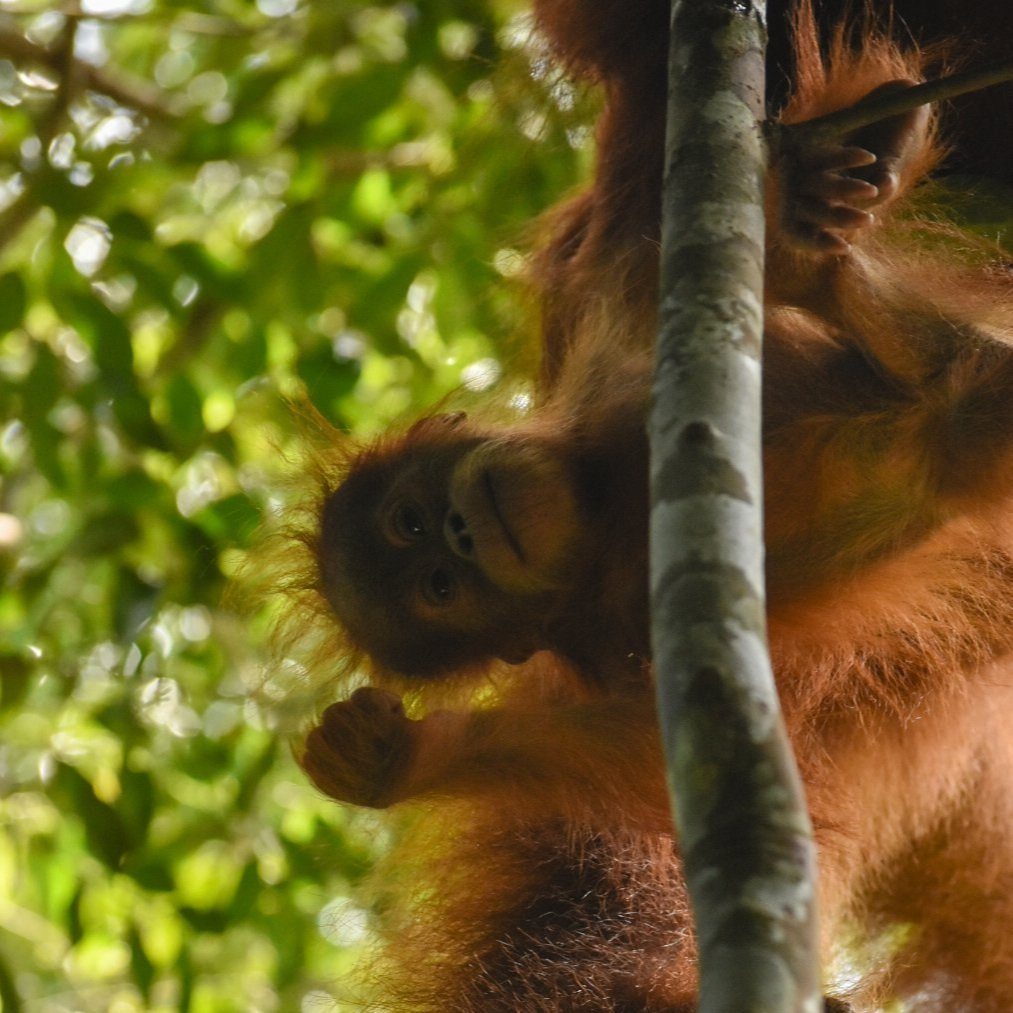
Experience Wildlife in Borneo
3. Galápagos Islands, Ecuador
The Galápagos Islands are, without a doubt, a living laboratory of evolution. This place offers unique opportunities to photograph wildlife up close. Animals such as giant tortoises, blue-footed boobies, marine iguanas, Galápagos penguins, and sea lions are remarkably unafraid of humans, allowing for more intimate shots.
Each island harbors its own biodiversity and volcanic landscapes, creating striking backdrops for both terrestrial and underwater shots. Whale sharks are also a significant draw for marine wildlife enthusiasts visiting the Galápagos Islands. While many visitors flock here for the wildlife, don’t overlook mainland Ecuador’s rainforest and Andean regions, which boast spectacled bears and myriad bird species.
Conservation oversight by the Charles Darwin Foundation and local communities ensures that tourism remains aligned with preserving fragile habitats, making the Galápagos a shining example of how careful management keeps ecological wonders intact.
Timing Your Wildlife Safari: December through May brings warmer weather and lush landscapes. Calm waters make snorkeling with sea turtles and tropical fish easier. Meanwhile, June through December offers cooler temperatures and more active marine life. Dolphins and whales appear more frequently during these months.
Photography Considerations: Bring waterproof gear for underwater shots. The Galápagos offers dual opportunities, terrestrial wildlife during the day and incredible marine life below the surface.
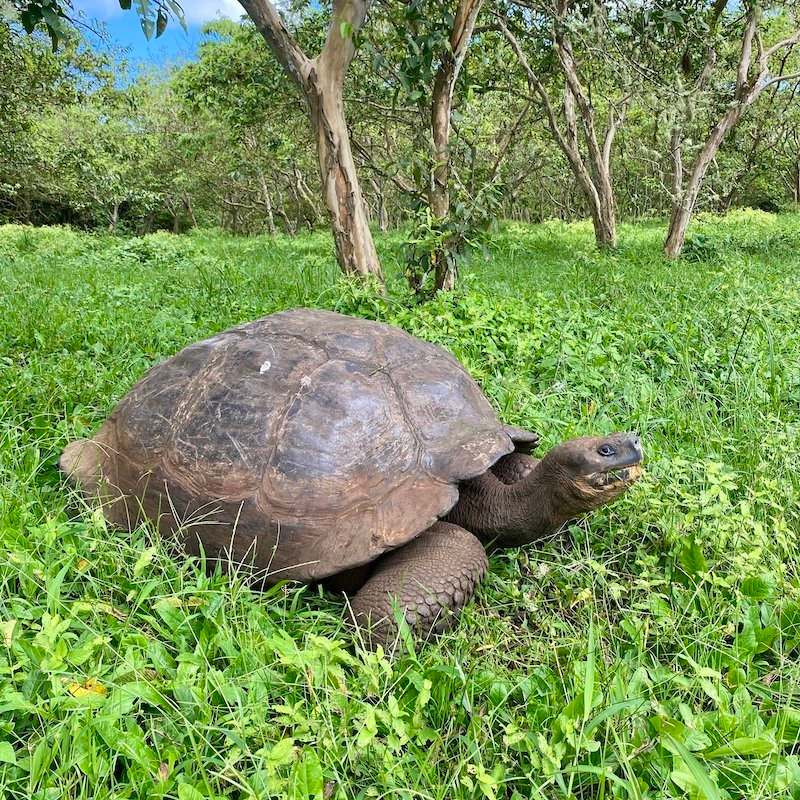
Experience Wildlife in Galapagos!
4. Pantanal, Brazil
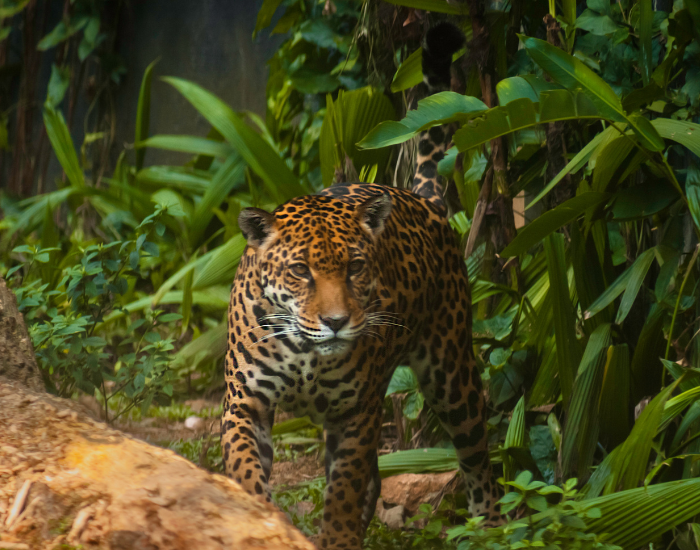
At roughly 180,000 square kilometers, the Pantanal stands as the world’s largest tropical wetland, a realm of winding rivers, open savannas, and countless lagoons. Jaguars, parrots, capybaras, and caimans thrive here alongside over 650 bird species (including the hyacinth macaw), creating a biodiversity treasure trove that draws wildlife enthusiasts from around the globe. Endangered animals like jaguars and hyacinth macaws are significant within the ecosystem, highlighting the importance of conservation efforts.
Unlike dense rainforests, its broad floodplains offer unobstructed views, making it easier to capture dramatic photos of animals congregating around water sources. Excursions often combine jeep safaris with boat trips, granting immersive, up-close encounters with local fauna. Conservation-minded lodges, such as the Caiman Ecological Refuge, collaborate with NGOs like Panthera to protect jaguar habitats and promote community-based tourism.
Optimal Wildlife Watching Season: July through October transforms the Pantanal. Receding waters force wildlife into smaller areas. Photographers consistently report multiple jaguar sightings during single trips. Bird watchers also thrive here, spotting dozens of species daily.
Safari Options: Combine jeep safaris with boat trips. River expeditions offer different perspectives and access to remote areas where wildlife congregates.
Where to Experience Wildlife in Pantanal?
Find some of the best experiences in Pantanal
5. Atsinanana Rainforests, Madagascar
Designated a UNESCO World Heritage site, Madagascar’s Atsinanana Rainforests guard some of our planet’s most fascinating, and often endangered, endemic animals. Visitors can also experience the unique marine wildlife, including humpback whales, off the coast of Madagascar. Some of the most iconic residents are bright-eyed lemurs leaping across misty canopies, color-shifting chameleons perched on vines, or intense and bright tomato frogs. Nearly every animal in Madagascar here exists nowhere else on Earth.
The Atsinanana Rainforests create an ethereal atmosphere. Ancient trees draped in mist shelter bright-eyed lemurs leaping through the canopy. Color-shifting chameleons perch motionless on vines. These protected national parks showcase evolution in action.
Local communities collaborate with conservation organizations to protect lemur habitats. This partnership preserves both wildlife and cultural traditions. Guided treks introduce visitors to Madagascar’s fascinating blend of ecology and heritage.
Best Wildlife Viewing Period: April through November provides clearer skies and better trail conditions. The dry season makes trekking more comfortable. You’ll spot more wildlife when paths aren’t muddy and visibility improves.
Unique Photography Opportunities: Madagascar excels at macro photography. Tiny frogs, rare orchids, and bizarre insects offer endless subjects. However, wide-angle landscape shots also shine here, capturing the mystical rainforest atmosphere.

Safari Recommendatins in Madagascar
6. Yellowstone National Park, USA
Yellowstone is one of those places everyone heard in their childhood. A geological wonder, featuring geysers, hot springs, and canyons alongside its abundant wildlife, Yellowstone is full of wildlife roaming landscapes that range from flower-filled meadows to dense forests and winding rivers.
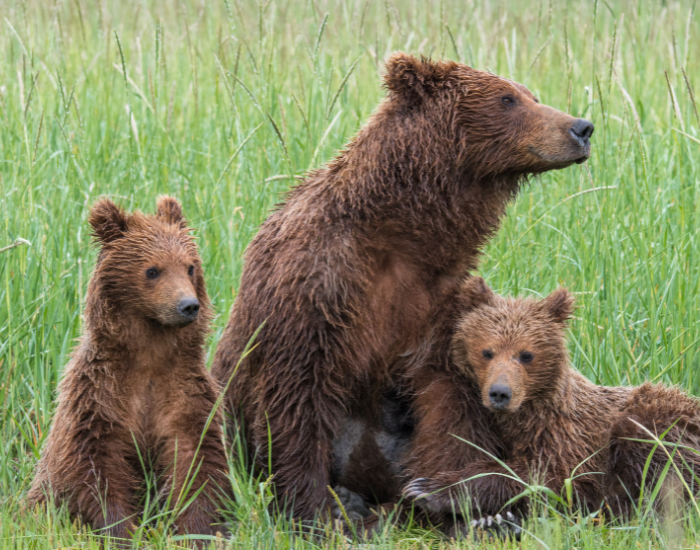
Grizzly bears and other types of bear like north american black bears forage through berry patches. Massive bison herds graze in open valleys. Wolf packs, reintroduced during the 1990s, have reshaped the entire ecosystem. Their return demonstrates how apex predators maintain ecological balance.
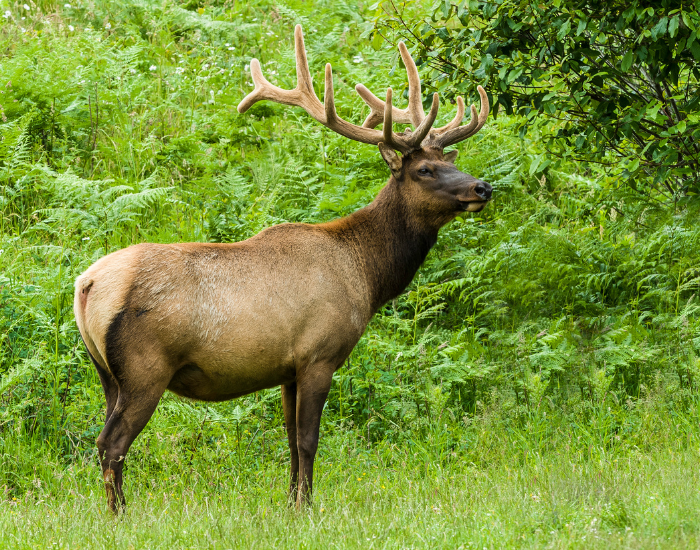
Photographers can capture bald eagles soaring over colorful hot springs. Watch elk crossing glassy rivers at dawn. During autumn, bull elk bugle across meadows during the dramatic rut season.
Yellowstone’s seasonal transformations create diverse backdrops. Spring brings lush greenery and newborn wildlife. Summer offers long daylight hours. Autumn paints the landscape in golds and reds. Winter transforms everything into a snowy wonderland.
Peak Wildlife Photography Seasons:
September through October brings the elk rut. Males clash antlers while colorful autumn foliage creates stunning backdrops.
April through May sees animals emerging from winter dens. Bear cubs make their first appearances. Fewer tourists mean more space for photography.
Conservation Success: Yellowstone Forever and park management balance tourism with wildlife protection. Their efforts ensure future generations can experience these amazing animals thriving in their natural habitat.
Where to Experience Wildlife in Yellowstone National Park?
7. Masai Mara, Kenya
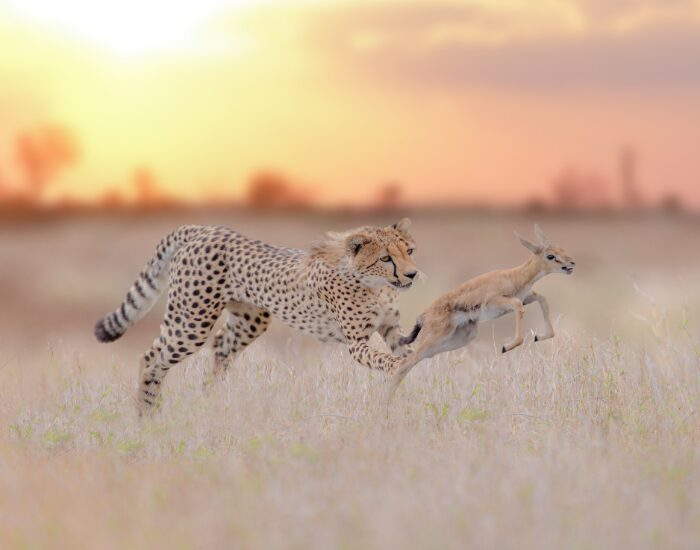
Renowned for its dense wildlife populations and sweeping savannas, the Masai Mara offers photographers unparalleled chances to capture big cats like lions, leopards, caracals, and cheetahs against classic African backdrops.
During migration season, millions of wildebeest and zebras flood the plains. They eventually face the Mara River’s terrifying crossing. Crocodiles wait below while lions watch from the banks. These dramatic moments create powerful wildlife photography opportunities.
Beyond wildlife safaris, the Masai Mara offers cultural richness. Local Maasai communities share age-old traditions, intricate beadwork, and conservation knowledge. Many lodges partner with Maasai herders, ensuring tourism supports both wildlife protection and community wellbeing.
Each game drive potentially yields magazine-worthy images. Silhouetted animals against fiery sunsets. Cheetahs perched on termite mounds surveying the plains. Lion prides resting under acacia trees during midday heat.
Optimal Wildlife Safari Timing: July through October delivers peak migration action. River crossings occur regularly, creating thrilling photography moments. However, prepare for crowds during these popular months.
Photography Strategy: Morning and evening game drives offer the best light. Animals become more active during cooler hours. The golden hour light transforms ordinary scenes into extraordinary images.
Safari Recommendations in Masai Mara:
8. Ranthambore National Park, India
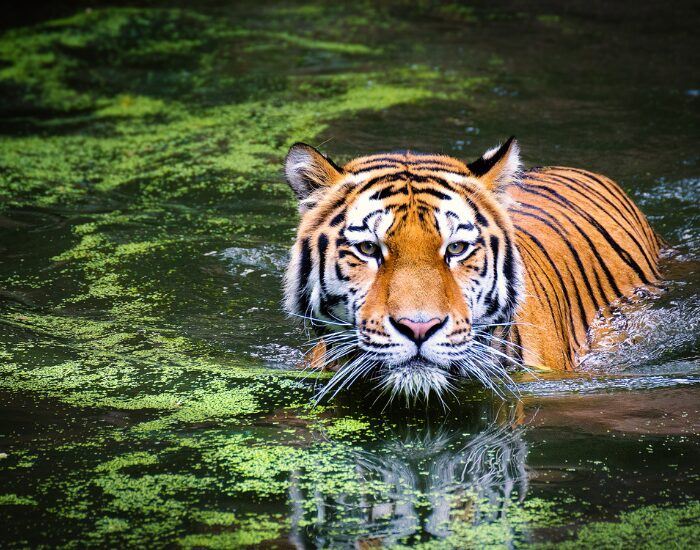
Ranthambore blends wildlife photography with historical intrigue. Ancient ruins scattered throughout this Indian wilderness create unique backdrops. However, visitors come primarily for one reason: National parks, strange reptiles like the gharial and endangered birds, and of course, Bengal tigers.
This protected national parks offers some of India’s best Bengal tiger sightings. Unlike many tiger reserves, Ranthambore’s relatively open terrain improves visibility. Patient photographers often capture these magnificent cats emerging from forests or drinking at waterholes.
Beyond tigers, watch for leopards, sloth bears, and diverse bird species. The combination of wildlife and landmarks like Ranthambore Fort creates distinctive photography opportunities unavailable elsewhere. You won’t regret getting to know the animals of India!
Best Wildlife Viewing Season: October through June provides optimal conditions. The dry season draws Bengal tigers to reliable water sources. Your chances of encountering these endangered animals increase significantly during these months.
Cultural Experience: India’s wildlife destinations offer more than animals. Experience local villages, traditional cuisine, and warm hospitality between safari drives.
Where to Experience Wildlife in India?
9. Svalbard, Norway
With sweeping glaciers, huge fjords, and snow-capped peaks defining its Arctic landscapes, Svalbard feels like another world entirely. Polar bears prowl the pack ice, Arctic foxes blend seamlessly with the tundra, and walruses huddle on remote shores, tangible reminders of how wildlife adapts to extreme conditions. Photographers venturing here capture not just the stark beauty of icy wilderness, but also the visible impacts of climate change on melting sea ice and shifting animal migration patterns.
Thanks to the region’s prolonged daylight from May to September, highlighted by the midnight sun, the low, golden light lingers for hours, enhancing your chances of securing evocative, ethereal shots of polar bears against sparkling glaciers or seabirds in endless twilight. While exploring, many travelers connect with local guides supporting Arctic conservation initiatives, ensuring that this fragile environment remains a realm where nature’s majesty prevails.
Optimal Photography Season: May through September offers extended daylight. The midnight sun eliminates timing constraints. You can photograph wildlife at midnight with beautiful natural lighting.
Special Considerations: Arctic conditions demand specialized gear. Cold-weather camera protection becomes essential. However, these challenges pale compared to witnessing polar bears in their natural habitat.

10. Kruger National Park, South Africa
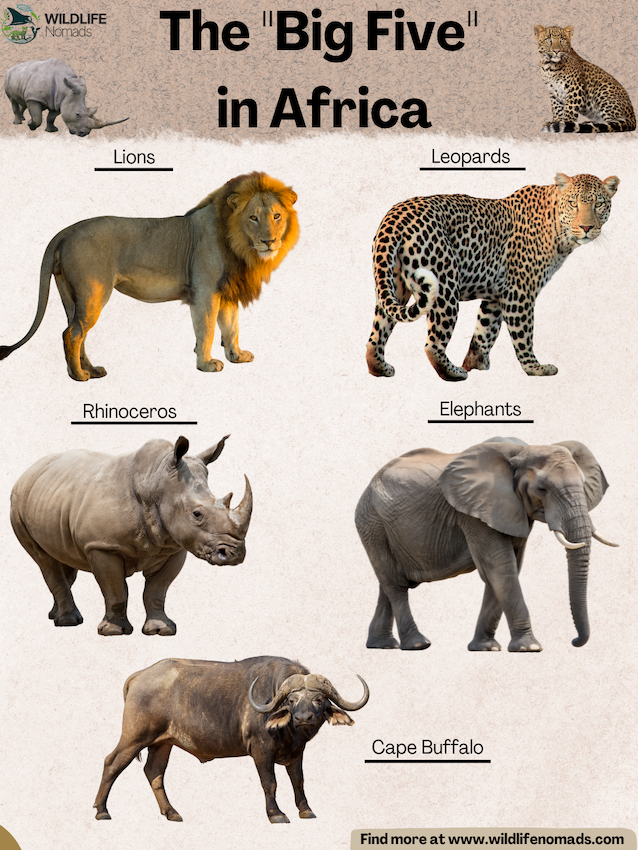
Kruger National Park delivers Africa’s “Big Five”, lions, leopards, rhinoceros, elephants, hippopotamuses, and Cape buffalos, within one accessible destination. This South African wildlife destination spans diverse ecosystems from open savannas to dense woodlands and winding river systems.
What makes Kruger special? Options. Guided wildlife safaris provide expert knowledge and prime positioning. Alternatively, self-drive routes let you explore at your own pace. The extensive road network makes wildlife viewing accessible for all experience levels.
Well-maintained rest camps and hides enable intimate observation. You can watch animals at waterholes from comfortable blinds. These setups allow photography without disturbing wildlife or compromising safety.
Best Wildlife Photography Season: May through September brings dry conditions. Animals congregate at shrinking water sources, improving sighting reliability. However, Kruger offers excellent wildlife viewing year-round.
Planning Your Safari: Mix guided drives with self-exploration. Guides spot wildlife you’d likely miss while sharing fascinating behavioral insights. Self-drive days let you linger at special sightings without time constraints.
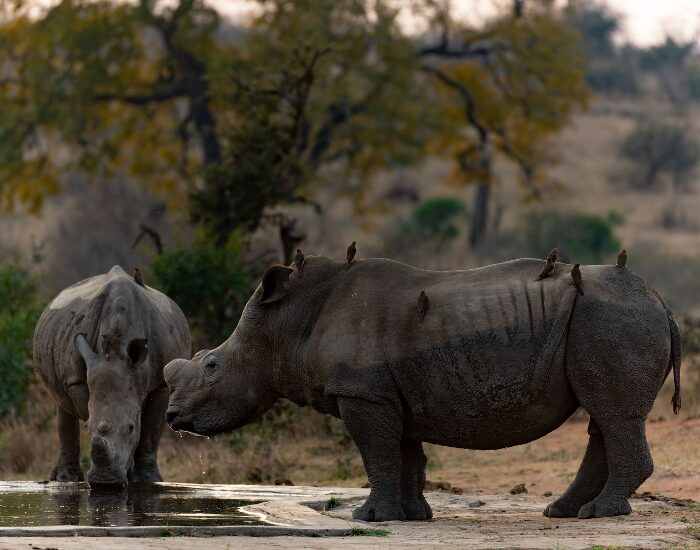
Safari Recommendations in Kruger National Park
11. Grand Teton National Park, Wyoming
Grand Teton National Park combines dramatic mountain scenery with abundant wildlife. The Teton Range creates spectacular backdrops for wildlife photography. Pristine lakes reflect snowy peaks while wildlife congregates along shorelines.
This American wilderness supports cougars, elk, moose, bison, and occasional grizzly bears. The park’s diverse habitats, from sagebrush flats to alpine meadow, —host different species at various elevations.
I’ve photographed bull moose wading through morning mist on Snake River. Watched massive bison herds grazing with the Tetons towering behind them. Spotted elk congregating in Antelope Flats during autumn rut. Grand Teton consistently delivers postcard-worthy wildlife moments.
Seasonal Wildlife Watching: Fall brings the elk rut and spectacular foliage. Spring offers newborn wildlife and fewer crowds. Summer provides long days for extended photography sessions. Each season creates distinct opportunities.
Accessibility Advantages: Well-maintained trails and roads make wildlife viewing accessible. You don’t need expensive guided safaris. However, local wildlife guides offer valuable insights into animal behavior and locations.
12. Costa Rica
Costa Rica packs incredible biodiversity into a small area. This Central American nation protects diverse ecosystems, cloud forests, rainforests, mangroves, and beaches, each supporting unique wildlife communities. You will find a wide range of amazing animals and incredible birds.
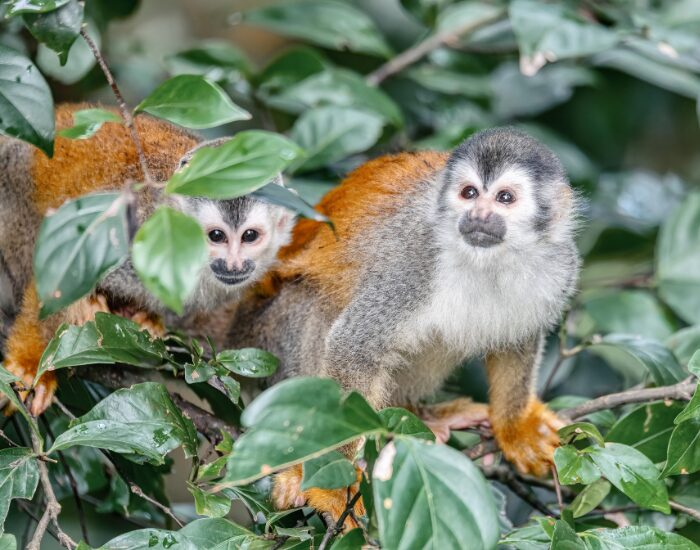
Colorful macaws and toucans brighten the canopy. Elusive jaguars prowl remote forests. Costa Rica is home to four species of monkeys, each one with distinictive characteristics. Three-toed sloths move slowly through trees while hummingbirds hover nearby.
Corcovado National Park, Tortuguero National Park, and Monteverde Cloud Forest Reserve rank among the best wildlife destinations in Costa Rica. Each offers distinct experiences. Tortuguero’s waterways host sea turtles and caimans. Monteverde’s misty forests shelter resplendent quetzals. Corcovado combines coastal and jungle habitats. Here you will find a guide to best places to see wildlife in Costa Rica.
Costa Rica’s eco-tourism infrastructure makes wildlife trips accessible. Abundant eco-lodges employ knowledgeable local guides. These experts help spot camouflaged wildlife you’d otherwise miss.
Optimal Wildlife Safari Season: December through April provides the dry season. Clear skies and accessible trails create ideal photography conditions. However, green season (May-November) offers lush landscapes and fewer tourists.
Marine Wildlife Bonus: Costa Rica’s coasts attract sea turtles, dolphins, and whale sharks. Combine terrestrial wildlife photography with marine encounters for diverse portfolios.
Experience Wildlife in Costa Rica
Tips for Wildlife Photography
Wildlife photography requires patience, persistence, and a deep understanding of animal behavior. Here are some tips and techniques for capturing stunning images of wildlife:
Shoot during the golden hour: The early morning and late afternoon are the best times for capturing warm, golden light. This natural lighting enhances the beauty of your photographs and adds a magical quality to your images.
Know your subject: Research the behavior and habitat of the animals you want to photograph, and plan your shoot accordingly. Understanding their patterns will increase your chances of capturing unique moments.
Be patient: Wildlife photography often requires waiting for hours or even days for the perfect shot. Patience is key to capturing those fleeting moments that make for spectacular wildlife images.
Use the right equipment: A good camera and lens are essential for capturing high-quality images of wildlife. Telephoto lenses are particularly useful for getting close-up shots without disturbing the animals.
Respect your subject: Keep a safe distance from the animals, and never disturb or feed them. Ethical wildlife photography ensures that animals remain undisturbed in their natural habitat.
Here is a video explaining it in more detail:
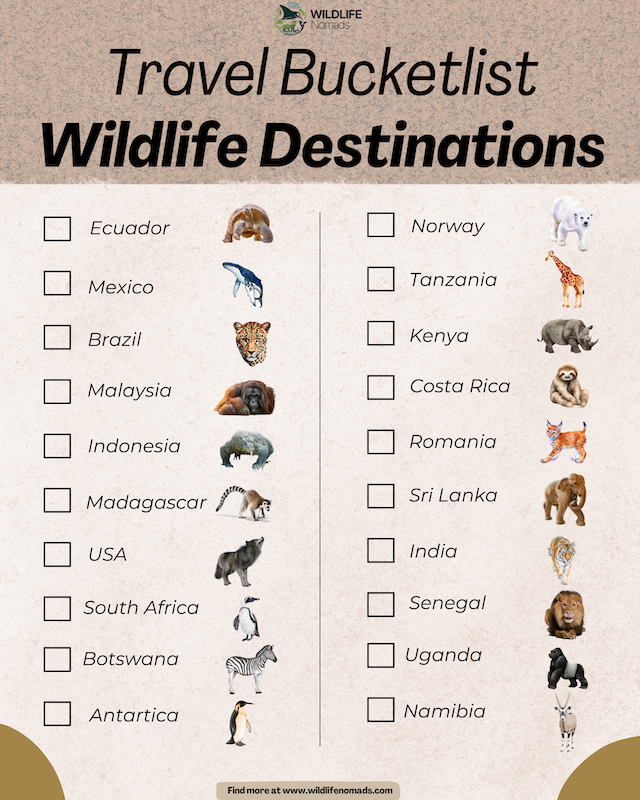
Travel Bucket list, Wildlife Photography Destinations
The dream of every wildlife lover is been able to visit some of the most unique places on earth to get to know these amazing aniamls. Here you can find a bucket list of some of the best countries and wishing you to visit them all.
Conservation and Responsible Wildlife Tourism
Every wildlife trip carries responsibility. These protected national parks and wildlife reserves need our support:
Choose Ethical Operators: Research lodges and tour companies carefully. Prioritize those supporting conservation and local communities. Avoid operations offering unnatural wildlife encounters or breaking ethical guidelines.
Follow Park Rules: Regulations exist to protect wildlife and visitors. Stay on designated trails. Maintain required distances. Never feed animals. Respect quiet hours and sensitive areas.
Support Conservation: Entry fees fund wildlife protection. Consider additional donations to conservation organizations. Purchase from local artisans rather than imported souvenirs. Your tourism dollars should benefit wildlife and communities.
Share Responsibly: Use your wildlife photography to inspire conservation. Educate others about threats facing endangered animals. However, avoid sharing specific locations of rare or vulnerable species. Protect rather than exploit.
Minimize Environmental Impact: Pack out all trash. Use established campsites and facilities. Choose eco-friendly lodges minimizing environmental footprints. Travel sustainably whenever possible.
Frequently Asked Questions
The best wildlife destinations combine abundant diverse wildlife with good visibility and accessibility. Protected national parks ensure animals feel safe, leading to natural behavior. Strong conservation efforts mean healthy populations of amazing animals. Finally, quality infrastructure and knowledgeable guides maximize success.
While professional equipment helps, great wildlife photographs come from skill more than gear. Start with what you have. Learn composition, lighting, and animal behavior. Upgrade gradually as skills improve. Many stunning wildlife images come from mid-range equipment paired with knowledge and patience.
Your Wildlife Photography Journey Awaits
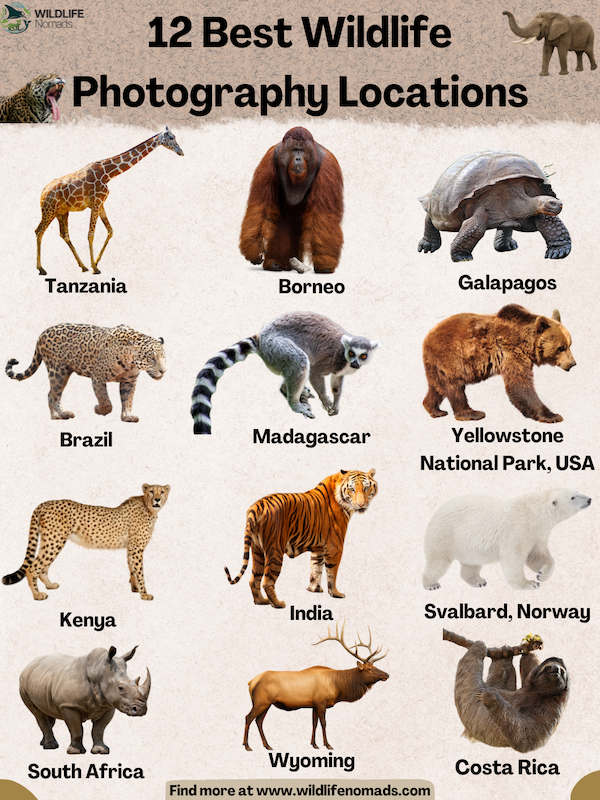
These twelve wildlife destinations represent our planet’s most spectacular wild places. Each protects incredible biodiversity while offering unique photography opportunities. Whether you dream of photographing Bengal tigers in India, watching sea turtles in the Galápagos, or tracking polar bears in Svalbard, these locations deliver unforgettable experiences.
Start planning your wildlife safari today. Research thoroughly. Invest in quality guides and ethical operators. Practice photography skills before departing. Most importantly, approach each wildlife trip with respect for the amazing animals and ecosystems you’ll encounter.