
Are Red Pandas Bears? 12 Things to Know Them
Red pandas, small as house cats yet striking in color, swing through Himalayan treetops on ringed tails. Learn how these bamboo-loving mammals balance life between ancient lineage and modern threats.
Meet China’s most iconic species — from the giant panda to the snow leopard. Explore the nation’s diverse ecosystems and discover the conservation work helping to protect endangered wildlife.
Red pandas, small as house cats yet striking in color, swing through Himalayan treetops on ringed tails. Learn how these bamboo-loving mammals balance life between ancient lineage and modern threats.

Meet the dugong, a slow-moving seagrass grazer and cousin of the manatee. From size to survival, uncover 12 surprising facts about this ocean dweller.

The wobbegong shark is one of the ocean’s most unusual predators, often mistaken for part of the reef until it suddenly moves. With their carpet-like patterns, beard-like frills, and remarkable hunting strategy, these bottom-dwelling sharks are full of surprises.

The "muddy dragon" of China weighs less than humans but survived since dinosaurs. Only 150 Chinese crocodiles remain - here's why that might change soon.

Ever wondered what’s the difference between an alligator and a crocodile—or how caimans and gharials fit into the picture? These ancient reptiles may look like prehistoric twins, but their snout shapes, jaw structures, and habitats tell four very different stories.

The Sichuan takin is one of the strangest-looking animals in the Himalayas—part goat, part cow, with a moose-like snout and golden coat that works like a natural raincoat. Living high in China’s dense bamboo forests, this rare takin animal shares its habitat with the giant panda yet remains a little-known mountain giant.

The rhesus macaque monkey is one of the world’s most adaptable primates—thriving in forests, mountains, and even city streets. From temple raids in India to groundbreaking roles in medical research, their story is as fascinating as it is controversial.

Deserts may look empty, but they’re full of life. From the speedy roadrunner to the hardy desert tortoise and camel, meet the animals that survive and thrive in extreme heat.

Gibbons are often called the “acrobats of the animal kingdom”. With 20 different species spread across Asia, from the rare Hainan gibbon to the loud-calling siamang, gibbons are full of surprises. Here are 14 fun and fascinating facts that reveal why they’re some of the most extraordinary primates on Earth.

Discover the hadal zone's incredible creatures, extreme depths, and recent scientific breakthroughs. From hadal snailfish to deep-sea worms—explore Earth's final frontier.

Macaques are one of the most adaptable primates on Earth, found from snowy Japan to tropical Southeast Asia. In this guide, we explore 12 fascinating types of macaques, their unique traits, diets, habitats, and conservation status—revealing what makes each species special.

Bears are among the most iconic mammals on Earth, ranging from the icy Arctic to tropical forests. This guide explores all eight bear species, including the Polar Bear, Grizzly Bear, Panda Bear, and Black Bear. Discover their habitats, diets, behaviors, and the conservation challenges they face today.
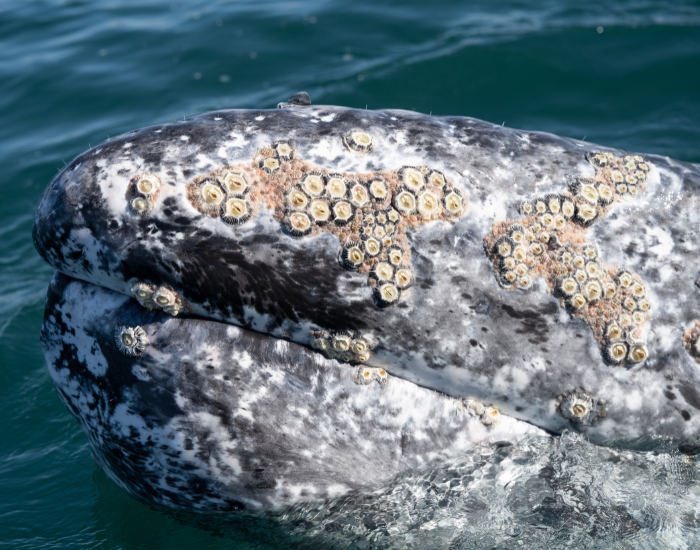
The Gulf of California, nicknamed “the Aquarium of the World” by Jacques Cousteau, is one of the most ecologically significant marine ecosystems on Earth. Home to an astounding range of biodiversity, including many endemic and endangered species, it is a…