
Meeting the “Muddy Dragon”
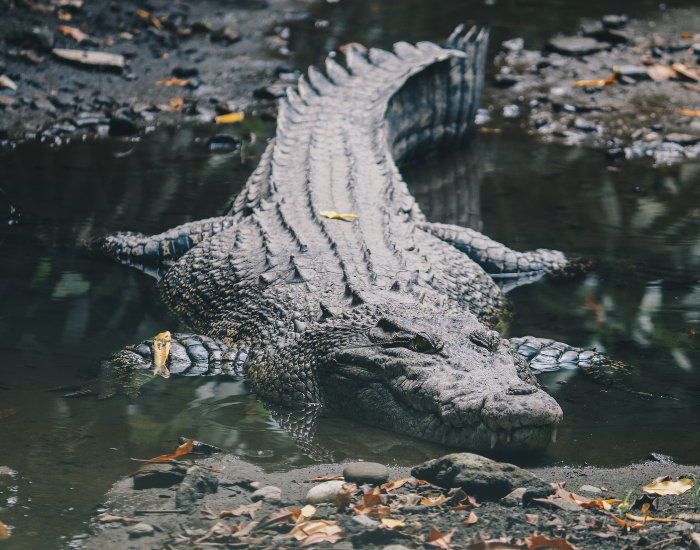
The Chinese crocodile, more accurately known as the Chinese alligator (Alligator sinensis), is one of the rarest reptiles on Earth. Sometimes called the muddy dragon, this species has long captured the imagination of local communities in China’s Yangtze River basin. Unlike its much larger American cousin, the Chinese alligator is a small, armored survivor whose story spans millions of years, yet today it teeters on the brink of extinction.
Despite its nickname, this creature isn’t a true crocodile (like Australian crocodiles) but one of only two living species of alligator on Earth. The Chinese alligator is the only member of the Alligatoridae family found outside the Americas, making its presence in eastern China unique among its relatives. It belongs to the genus Alligator, sharing an evolutionary lineage with the American alligator but remaining distinct from other crocodilian genera. Its American counterpart thrives in swamps and marshes across the southeastern United States, while the Chinese alligator survives in fragmented habitats of the lower Yangtze River basin, mostly in Anhui and Zhejiang provinces.
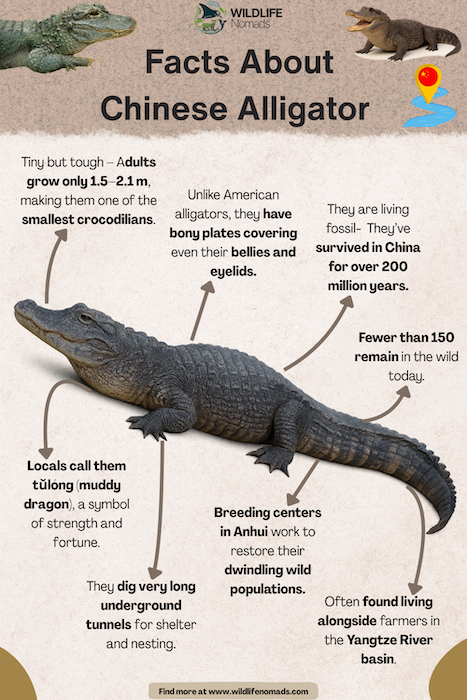
Today, fewer than 150 individuals remain in the wild population, making it one of the most endangered crocodilians on the planet. Conservation experts classify this species as critically endangered, and its story blends cultural symbolism, ecological importance, and urgent conservation challenges.
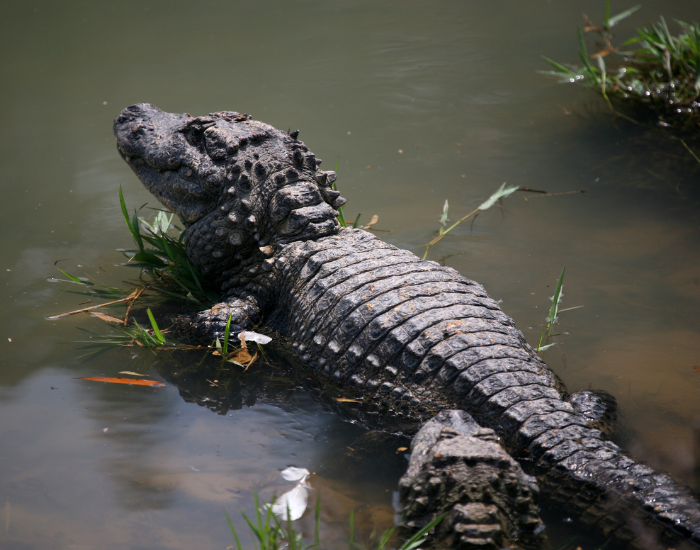
Understanding the Chinese Alligator
Scientific name: Alligator sinensis
Family: Alligatoridae
Also called: Chinese crocodile, Yangtze alligator, muddy dragon
Range: Eastern China, primarily Anhui Province
Conservation status: Critically endangered (IUCN Red List)
The Chinese alligator has inhabited the wetlands of China for millions of years. These alligators were once widely distributed across the country according to fossil records. The Chinese alligator’s native range historically included much of eastern China, with southern Anhui being a key region for remaining wild populations. Today, their natural range has shrunk dramatically due to agriculture, development, and human activity. The species population now exists primarily in protected areas within Anhui and Zhejiang provinces. Local farmers in these regions have become crucial partners in conservation efforts, with many rice paddies now serving as temporary alligator habitat during breeding season.
Physical Characteristics and Chinese Alligator Size
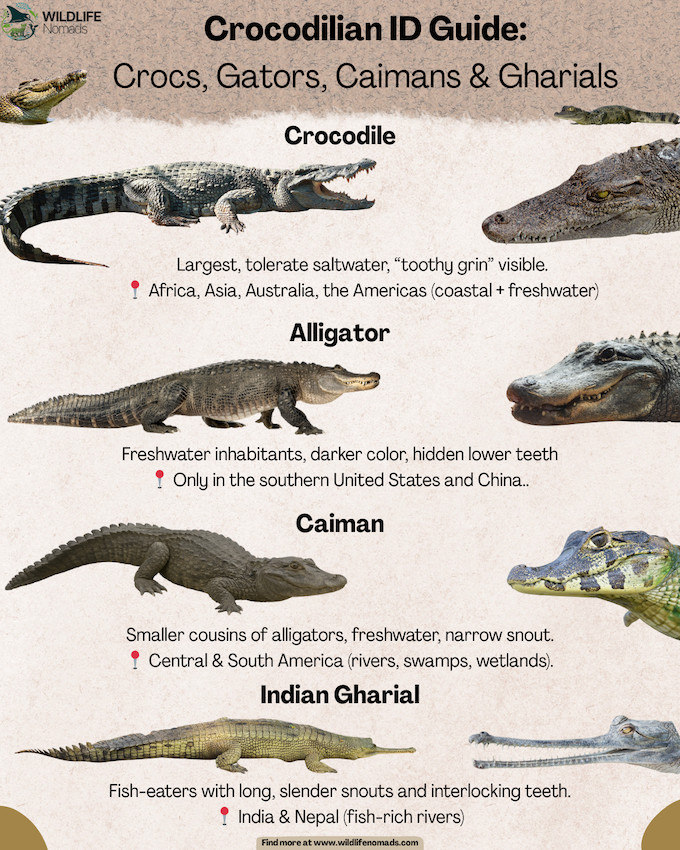
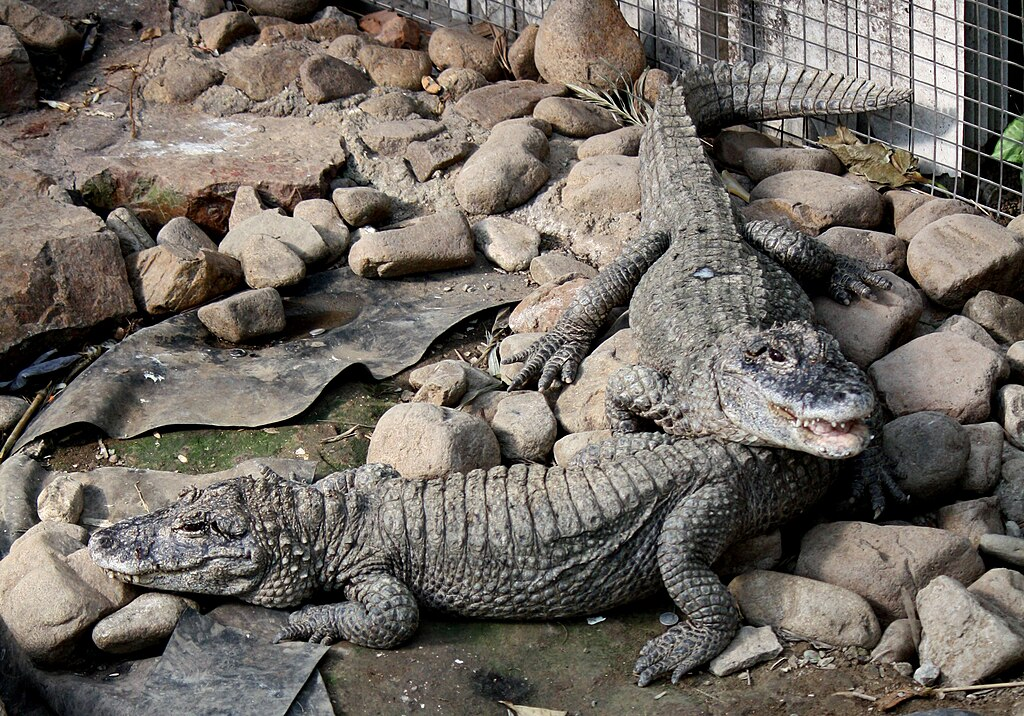
At first glance, the Chinese crocodile looks like a scaled-down version of the American alligator. And if you ever wonder how to tell them apart, have a look at our article “What’s the Difference Between an Alligator and a Crocodile“.
Even though they may look similar, several features set it apart from other alligators:
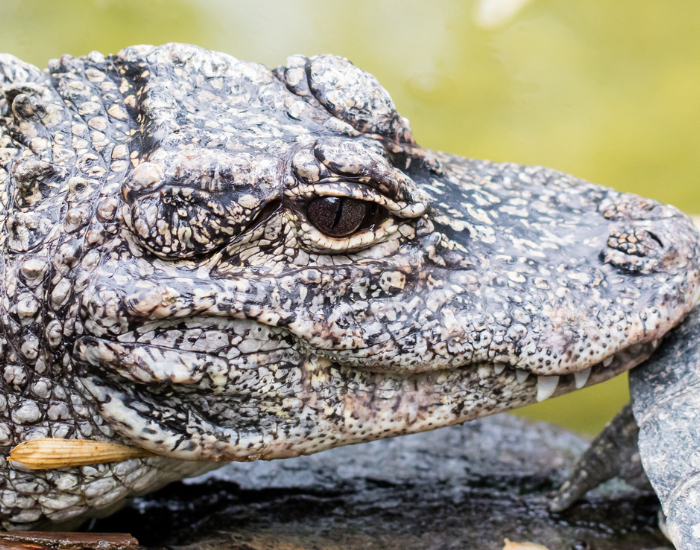
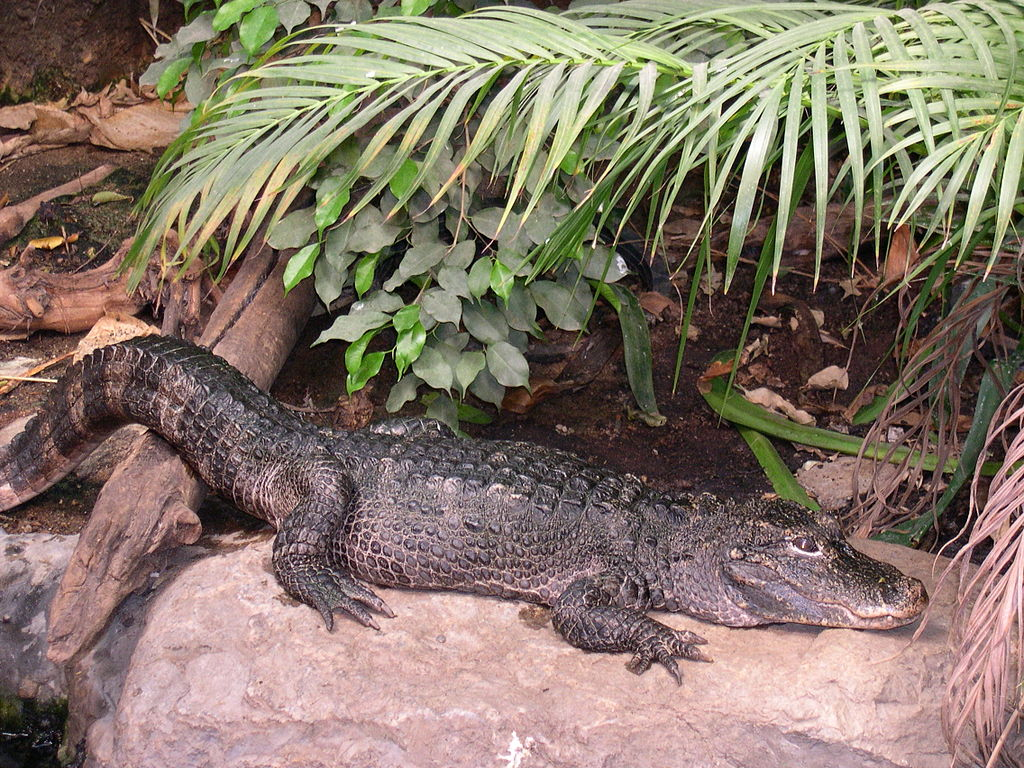
Size: Adults grow to just 1.5–2.1 meters (5–7 feet) long, with a weight of 40–45 kilograms. This makes them much smaller than American alligators, which can exceed 4 meters and 450 kilograms.
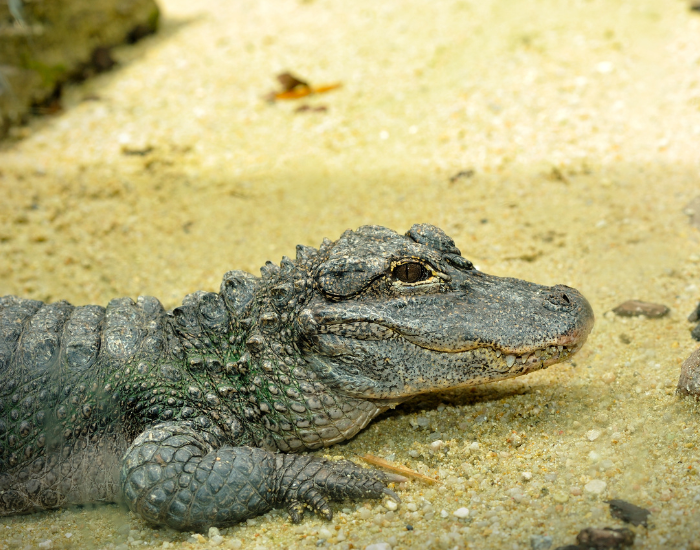
Armor: Unlike their American counterpart, Chinese alligators possess bony plates (osteoderms) covering not only their backs but also their bellies. Notably, they have a distinct bony plate on the upper eyelid, a feature that distinguishes them from the American alligator. These bony plates provide exceptional protection in their natural habitat.
Head shape: Their heads appear shorter and broader, perfectly adapted for crushing prey like snails and mollusks.
Coloration: They display typically dark gray to black coloring, helping them camouflage in muddy riverbanks and rice paddies.
Habitat: Where Does the Chinese Alligator Live?
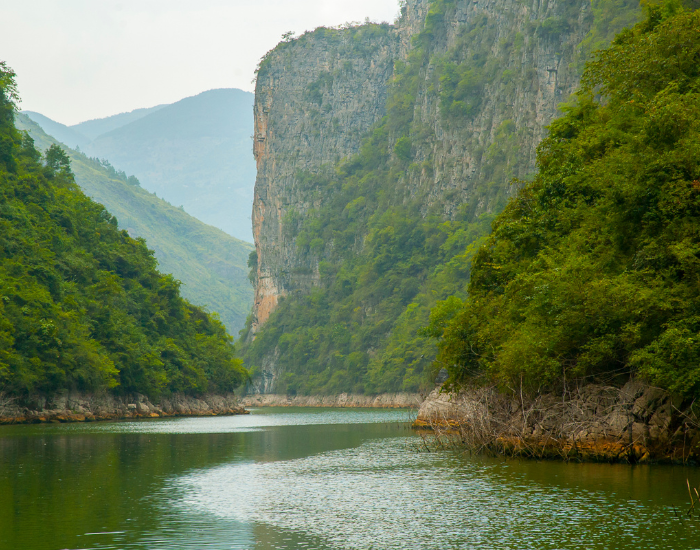
Chinese alligators maintain strong ties to the lower Yangtze River basin. Historically, they roamed across much of China, but today their range restricts to small protected zones, mainly in:
- Anhui Province
- Zhejiang provinces
- Pockets of wetlands near the Yangtze River
They prefer:
- Slow-moving rivers and lakes
- Seasonally flooded rice paddies
- Marshlands and swamps
A fascinating trait of this species involves its skill as a burrower. Chinese crocodiles dig extensive tunnels that may stretch for several meters underground. These underground burrows provide shelter from predators, regulate body temperature, and even serve as multiple chambers for nesting. During my visit to Anhui Province, local farmers showed me collapsed burrow entrances hidden between rice paddies — evidence of alligators coexisting quietly alongside human agriculture.
The alligator habitat requires specific conditions that support their survival. The lower Yangtze region provides suitable habitat with its network of waterways, but habitat loss continues to threaten these endangered species.
Diet and Foraging Habits
The Chinese crocodile functions as an opportunistic feeder, relying on what’s available in its environment. Small mammals form a significant portion of their diet, along with:
- Fish (a primary food source)
- Snails and mollusks (their strong jaws crush shells effectively)
- Small mammals and birds
- Invertebrates like insects and crustaceans
Young Chinese alligators focus more on insects and amphibians, while adults consume larger prey like fish and waterfowl. Young alligators require different nutritional needs compared to adult specimens in captivity.
They hunt primarily as nocturnal predators, using their powerful sense of smell and acute hearing to locate prey in murky waters. During breeding season, their diet includes additional nutrients needed for reproduction. In captivity, researchers feed them fish, small mammals, and sometimes poultry, replicating their natural diet patterns. At the Smithsonian’s National Zoo, Chinese alligators are fed a diet including small rats, mice, and fish. Fish comprise approximately 60% of their diet, with snails and other mollusks making up another significant portion.
This mix of hunting strategies, dietary flexibility, and adaptability has helped the Chinese crocodile survive for millions of years, even as its habitat shrank. But beyond the basics of what they eat and where they live, there are plenty of lesser-known details that make this species truly remarkable. To give you a deeper glimpse into their world, here are 12 fascinating facts about the Chinese alligator.
12 Fascinating Facts About the Chinese Alligator
1. Ancient Living Species
The Chinese crocodile represents one of the oldest alligator species on Earth, with fossil evidence showing their ancestors lived alongside dinosaurs. These alligators have remained virtually unchanged for millions of years, earning them the title of “living fossil.”
2. Master Tunnel Builders
Chinese alligators create extensive tunnels that can extend up to 20 meters underground. These underground burrows feature multiple chambers for different purposes – sleeping areas, nurseries, and emergency shelters during harsh weather.
3. Smallest Crocodilian in China
Despite being called the Chinese crocodile, these animals rank as China’s smallest crocodilian species. Adult males rarely exceed 2.1 meters in length, making them significantly smaller than true crocodiles found in other parts of Asia.
4. Rice Paddies Provide Crucial Habitat
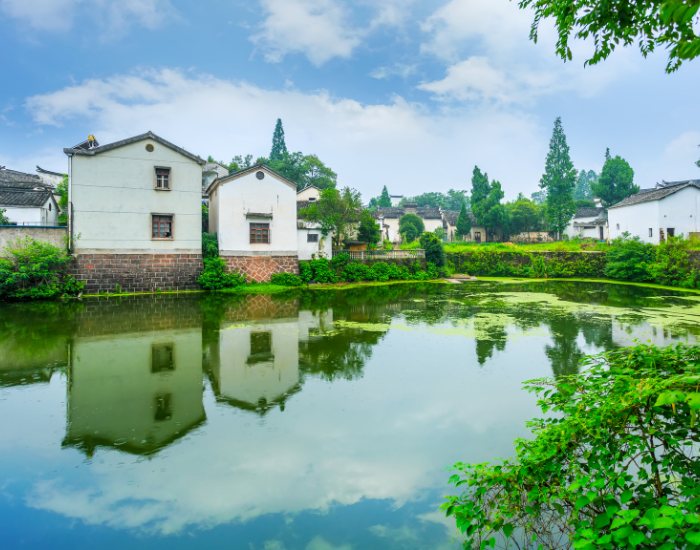
Local farmers have unknowingly created important alligator habitat through rice paddy cultivation. During rainy season flooding, these agricultural areas become temporary wetlands where young alligators hunt for fish and small mammals.
5. Cultural Symbol of Good Fortune
In Chinese folklore, the muddy dragon brings good fortune to local residents who encounter them. Traditional stories describe these alligators as water spirits that protect rice crops and ensure successful harvests.
6. Remarkable Parental Care
Female Chinese alligators demonstrate exceptional maternal instincts. Mothers guard their nests for nearly three months and carry young hatch to water in their mouths, providing protection during the most vulnerable early weeks of life.
7. Seasonal Hibernation Masters
Unlike their American counterpart, Chinese alligators enter true hibernation during winter months. They retreat deep into underground burrows where temperatures remain stable, surviving without food for up to six months.
8. Unique Armor Plating
Chinese alligators possess bony plates covering their entire body, including their belly and eyelids. This complete armor system provides protection that other alligators lack, helping them survive in their rocky, vegetation-dense habitat.

9. Conservation Success in Captivity
Breeding centers have achieved remarkable success with captive bred animals, increasing populations from fewer than 300 individuals in the 1980s to over 10,000 today. The Anhui Research Center leads these conservation efforts.
10. Ecosystem Engineers
These alligators function as ecosystem engineers, creating habitat for numerous other species. Their burrows provide shelter for fish during dry seasons, while their presence helps maintain healthy wetland ecosystems in the lower Yangtze River region.
11. Ancient Chinese Medicine Connections
Historically, Chinese alligators appeared in traditional medicine practices, though this contributed to their decline. Modern conservation education helps local communities understand their ecological value beyond traditional uses.
12. Hope for Species Recovery
Recent genetic studies show that wild populations maintain enough genetic diversity for potential recovery. Scientists believe that with continued habitat protection and careful reintroduction of captive bred animals, wild population numbers could increase significantly over the next decade.
Latest Scientific Research on Chinese Alligator Conservation
Recent Conservation Breakthroughs
Recent scientific studies reveal promising developments in Chinese alligator conservation efforts. Researchers at breeding centers have successfully increased captive populations to over 10,000 individuals. The Anhui Research Center leads these efforts, developing innovative breeding techniques that improve young hatch survival rates. Multiple females now participate in breeding programs annually, with each producing an average of 20-30 eggs per season.
Genetic Diversity Studies
Latest research indicates that wild populations maintain surprisingly high genetic diversity despite their small numbers. Scientists use DNA analysis to track individual alligators and plan strategic breeding programs. These genetic studies help conservation biologists understand population bottlenecks and develop long-term survival strategies.
Biology and Behavior
Beyond their diet, Chinese crocodiles display unique biological traits:
Breeding season: Spring to early summer marks their reproductive period; mating occurs during this time.
Mating system: Polygynous, with males mating with multiple females
Nesting: Females lay 10–40 eggs in mound nests near water, often in burrows Parental care: Mothers guard nests and assist hatchlings to reach water
Lifespan: In the wild, around 50 years; in captivity, some live longer
As summer begins, Chinese alligators become more active and shift to nocturnal feeding habits.
Their burrow-building behavior also shapes ecosystems significantly. These extensive tunnels create microhabitats for other animals like frogs, fish, and insects. The species plays a crucial role as an ecosystem engineer in the lower Yangtze River basin.
Common FAQs about the China Alligator Tou May Have
Not true crocodiles, but China is home to the Chinese alligator (Alligator sinensis), often called the Chinese crocodile. True crocodiles don’t naturally occur in China.
Adult Chinese alligators are relatively small, reaching about 1.5–2.1 meters (5–7 feet) in length and weighing up to 45 kilograms (100 pounds).
No. The Chinese crocodile lizard (Shinisaurus crocodilurus) is endangered and protected under international law. It cannot be kept legally as a pet.
The species is critically endangered due to habitat loss, farming expansion, and human disturbance. Today, fewer than 150 individuals remain in the wild.
Yes. The Chinese alligator is the only alligator species native to Asia, found in small parts of Anhui and Zhejiang provinces.
Chinese alligators are smaller, fully armored with bony plates, and restricted to eastern China. American alligators are larger, lack belly armor, and inhabit wetlands in the southeastern U.S.
Conservation Status and Protection Efforts
The critically endangered status of Chinese alligators demands immediate attention. Conservation programs focus on several key areas. In addition to habitat loss and hunting, other factors such as natural disasters, geographic separation, and environmental poisoning also contribute to the species’ decline.
Captive Breeding Programs
Multiple breeding centers across China house captive-bred animals that serve as insurance populations. The largest group of captive Chinese alligators lives at facilities in Anhui Province. These breeding centers maintain genetic diversity while preparing animals for potential reintroduction.
Institutions like the Santa Barbara Zoo in North America also participate in Chinese alligator conservation and captive breeding programs.
Habitat Protection
Legal protection extends to remaining wild habitats, though enforcement remains challenging. Local residents often support conservation efforts when they understand the species’ cultural importance. The “muddy dragon” holds significance in Chinese folklore and represents good fortune in traditional beliefs.
Challenges Facing Wild Populations
Human Encroachment
Agricultural expansion continues to reduce available habitat. The lower Yangtze River region supports dense human populations that compete with alligators for space and resources. Rice paddies sometimes provide temporary habitat, but they cannot replace natural wetlands entirely.
Climate Change Impacts
Changing climate and rainfall patterns affect water levels in critical habitats. The breeding season timing may shift as temperatures change, potentially disrupting reproductive cycles. Climate adaptation strategies must account for these environmental changes.
Limited Genetic Exchange
Small, isolated populations face risks of inbreeding and genetic bottlenecks. Wild population sizes remain too small to maintain healthy genetic diversity without intervention. Conservationists must carefully manage genetic exchange between different population groups.
Saving the Muddy Dragon
The Chinese alligator represents both conservation challenges and success stories. While wild populations remain critically endangered, captive breeding programs demonstrate that species recovery is possible with dedicated effort. The eight species of crocodilians worldwide face varying degrees of threat, making the Chinese alligator’s story relevant to global reptile conservation.
These living species connect us to ancient ecosystems and remind us of our responsibility to protect biodiversity. The muddy dragon deserves a future in China’s wetlands, where it has lived for millions of years. Through continued research, habitat protection, and community engagement, we can ensure that future generations will encounter these remarkable alligators in their native rice paddies and waterways.
The Chinese crocodile’s survival depends on sustained conservation efforts, scientific research, and public support. By protecting this critically endangered species, we preserve not only a unique evolutionary lineage but also the ecological integrity of eastern China’s wetland ecosystems. The story of the Chinese alligator continues to unfold, and with proper conservation, it can be a story of recovery rather than extinction.
further reading recommendations that you will like: