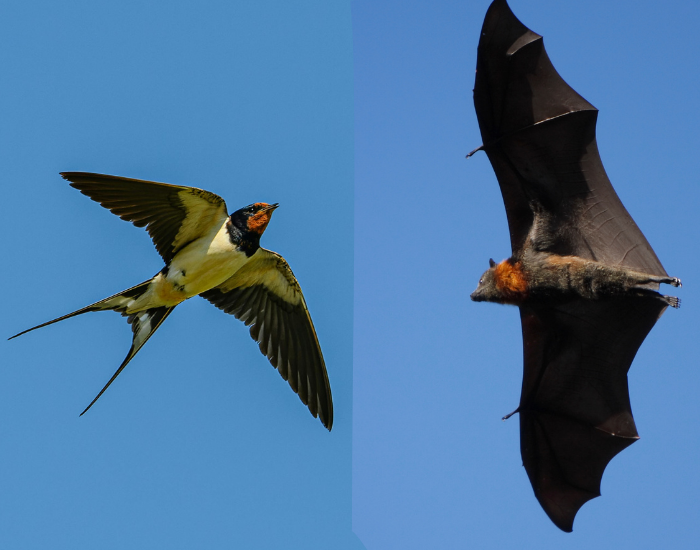
Convergent Species: 15 Beautiful Examples of Evolution
An egg-laying echidna in Sydney looks like a porcupine, but they share almost no recent DNA. Here is how nature solves the same problems twice. Meet...
Browse our archive of blogs about science and conservation. Learn how technology, AI, and research are revolutionizing efforts to protect wildlife and ecosystems.
An egg-laying echidna in Sydney looks like a porcupine, but they share almost no recent DNA. Here is how nature solves the same problems twice. Meet...
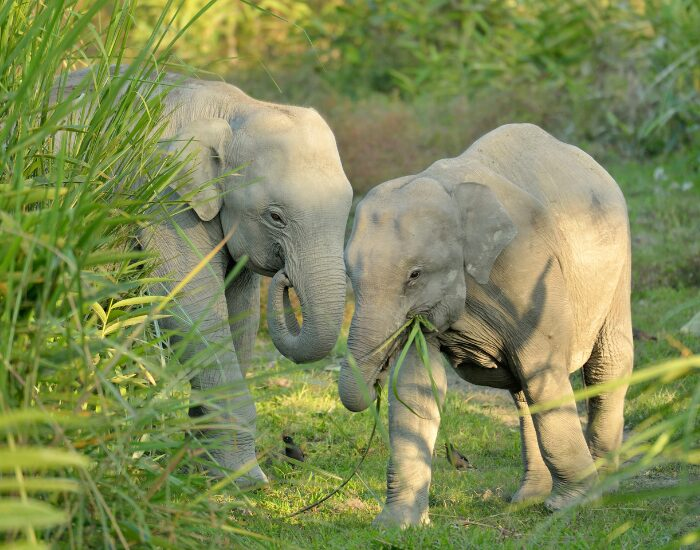
Keystone animals are nature’s quiet engineers, species whose presence keeps entire ecosystems in balance. From sea otters guarding kelp forests to wolves reshaping rivers, these animals play a critical role in maintaining biodiversity and resilience across the planet.

Remembering Jane Goodall, the world-renowned ethologist who redefined our understanding of chimpanzees, founded the Jane Goodall Institute, and inspired generations to protect the planet.
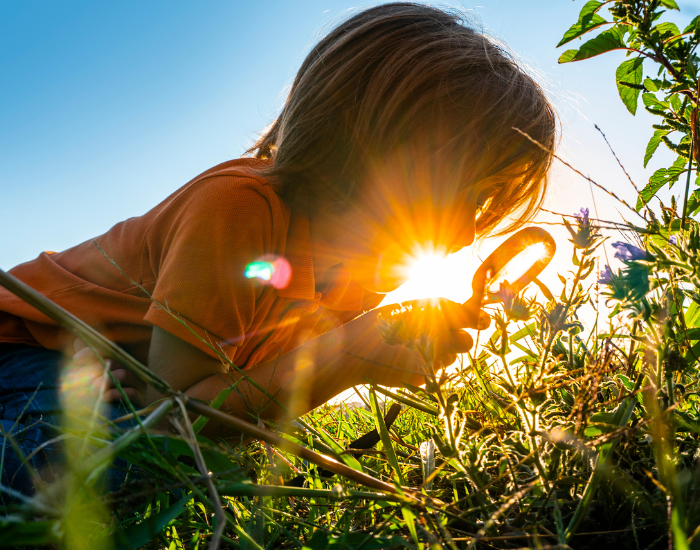
Citizen science turns curiosity into conservation. From bird counts to climate change tracking, everyday people, citizen scientists, are helping expand real science and protect wildlife worldwide. Find Projects here!

Discover the hadal zone's incredible creatures, extreme depths, and recent scientific breakthroughs. From hadal snailfish to deep-sea worms—explore Earth's final frontier.
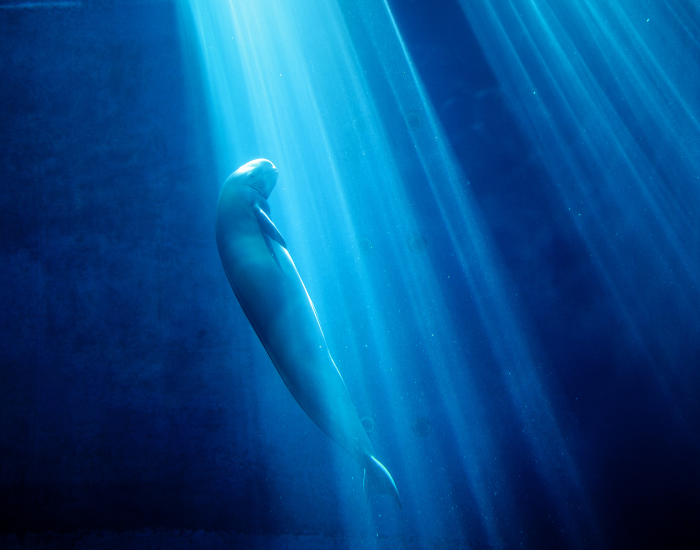
Explore how many porpoises there are! Find main characteristics and classification of the porpoise family, and gain insights into their unique traits and behaviors.

Explore the behavior and habitat of Blacktip Reef Sharks, gaining insights into their role in marine ecosystems. Dive into the details in our article!

iscover how black-footed ferrets went from near extinction to conservation success. Learn about cloning breakthroughs, breeding programs, and how you can help save this endangered species.

Discover how the reintroduction of species restores ecosystems, saves endangered wildlife, and promotes biodiversity worldwide.
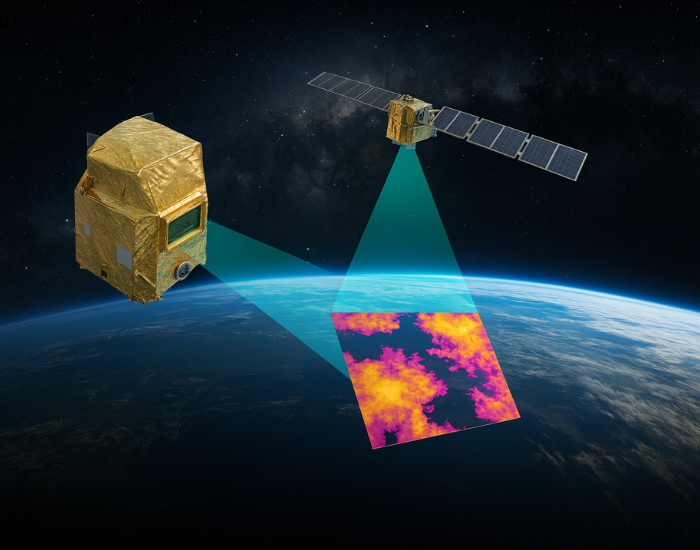
Field biologists will always matter, but the view from orbit is changing how we find and protect life on Earth. High-resolution satellites now let researchers spot habitat change, map species ranges, and even discover hidden colonies in places too remote or fragile to visit. Paired with AI, radar, and hyperspectral sensors, these images reveal migration corridors, nesting beaches, and early signs of stress—turning pixels into timely action on the ground.

Learn about animal phyla and biological classification systems. Discover how scientists organize life's incredible diversity from simple to complex organisms.

Explore how AI is changing wildlife conservation. Learn how smart tech helps track animals, detect threats, and protect species from extinction.
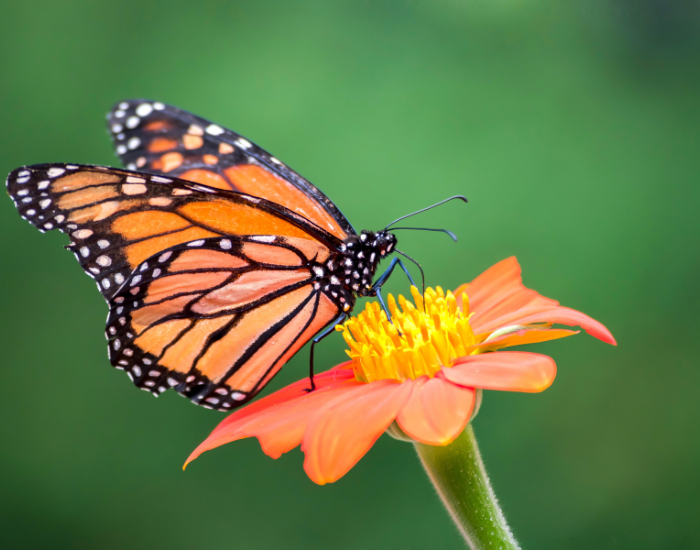
In the 1980s California counted millions of monarchs. The 2024 count found 9,119. They still aren't legally endangered. Here's where they actually stand.

Learn about ornithology, the scientific study of birds. Discover career paths, research methods, and contributions to avian conservation and knowledge.
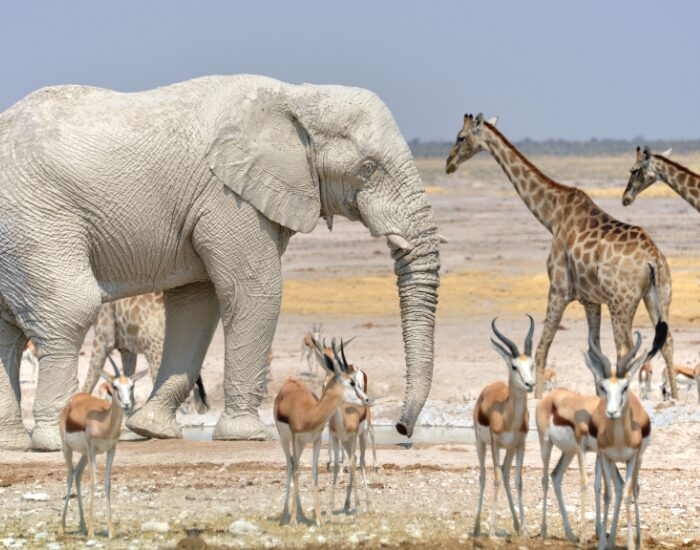
Explore the kingdoms of life and biological classification systems. Learn how scientists organize Earth's incredible diversity of living organisms.