Wildlife Nomads

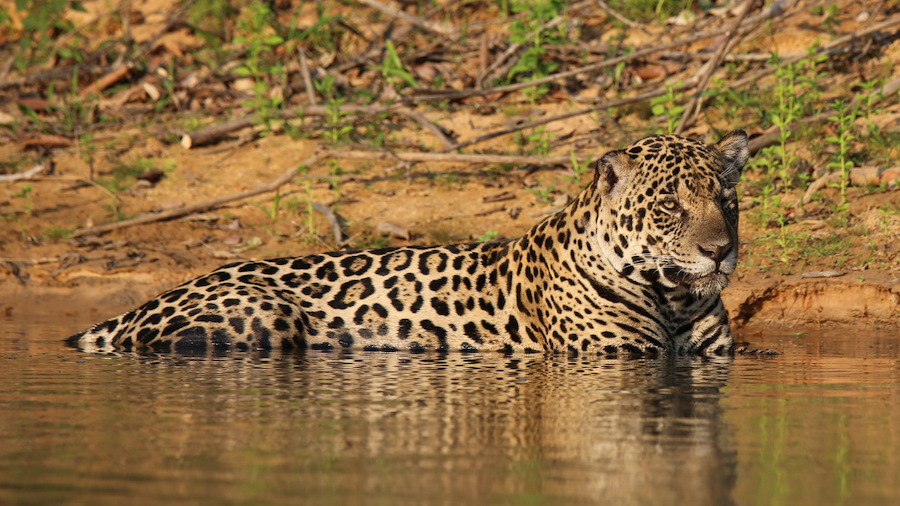
Jaguars are part of where I come from. I was born in Mexico, where the jaguar has prowled through Maya and Aztec art for centuries. In fact, wild jaguars still hunt there today. Still, in a photo, a jaguar and a leopard can look almost identical.
So what is the difference between a jaguar and a leopard? In short, the jaguar vs leopard clues are in the spots, the build, the tail and the map. Below, I also walk you through the black panther question, because it confuses almost everyone.
Quick answer: jaguar vs leopard
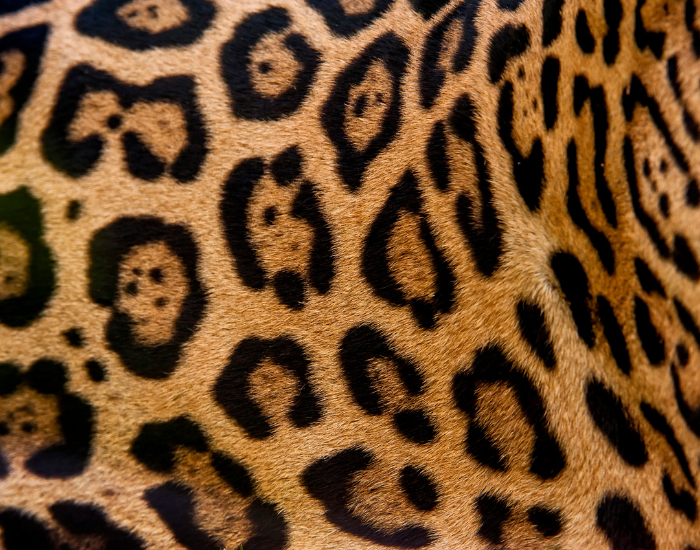
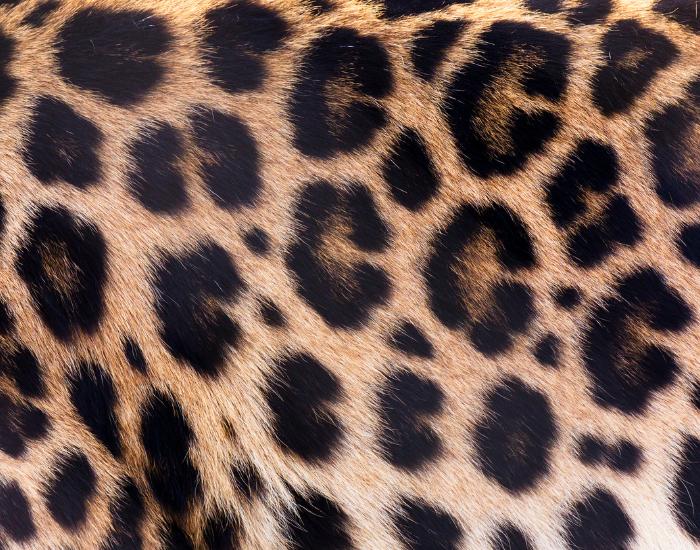
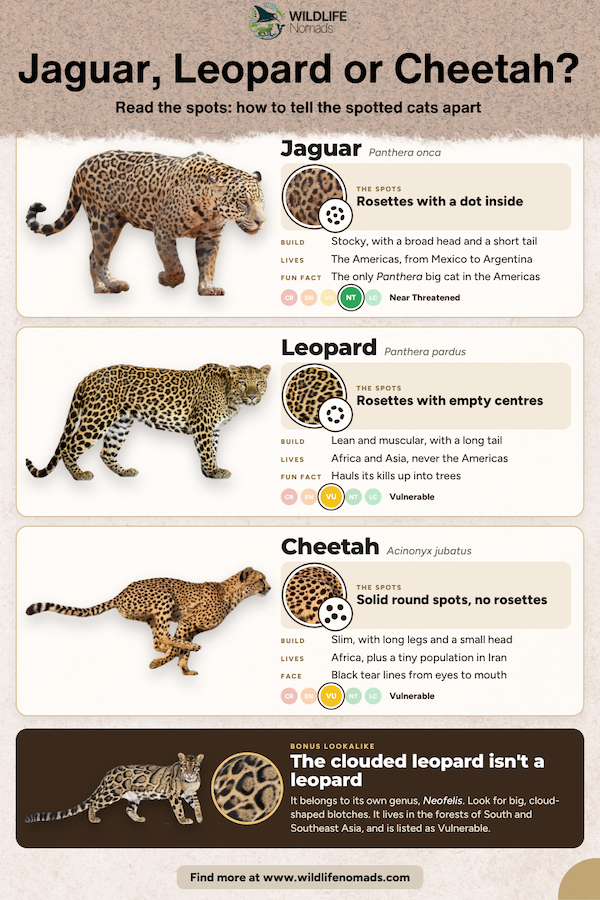
- Spots: jaguar rosettes are bigger and usually have dots inside, whereas leopard rosettes are smaller, packed tightly and empty.
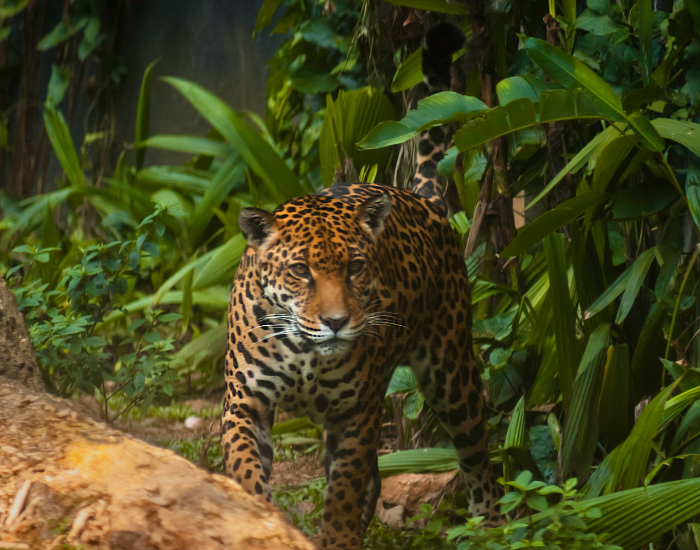
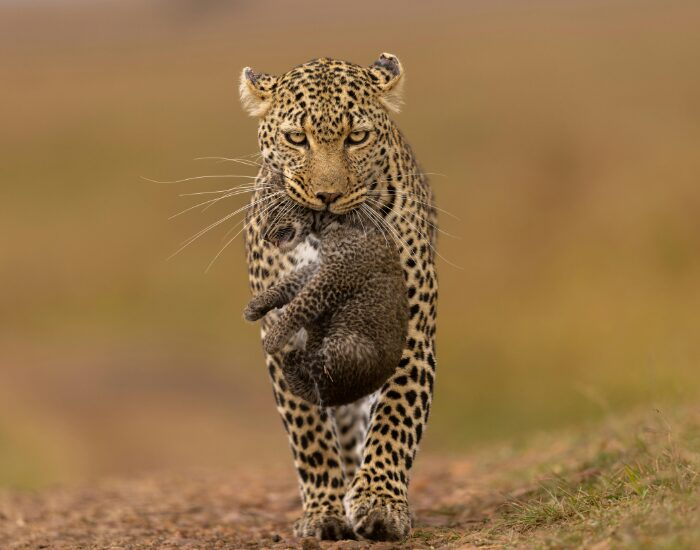
- Build: jaguars are stockier, with a broad head and powerful jaws. Leopards, however, are slimmer, with a longer tail.
- Range: jaguars live in Central and South America, while leopards live in Africa and Asia. So they never meet in the wild.
- Status: jaguars are Near Threatened, whereas leopards are Vulnerable.
Before you read on, try it yourself. In the tool below, you can put a jaguar and a leopard side by side, true to scale. Then zoom into their coats.
Want to compare other cats too? Then try my Wild Cat Explorer, which has 32 of them, from the rusty-spotted cat to the tiger.
Are leopards and jaguars the same?
No. In fact, jaguars and leopards are two separate species. Both belong to the genus Panthera, alongside lions, tigers and snow leopards. However, the jaguar is Panthera onca, while the leopard is Panthera pardus.
The confusion makes sense, though. For example, both are spotted big cats with rosette patterns, and both are powerful ambush hunters. Both also come in a black form. Yet an ocean separates them. Jaguars are the only Panthera big cats in the Americas, whereas leopards live across Africa and Asia.
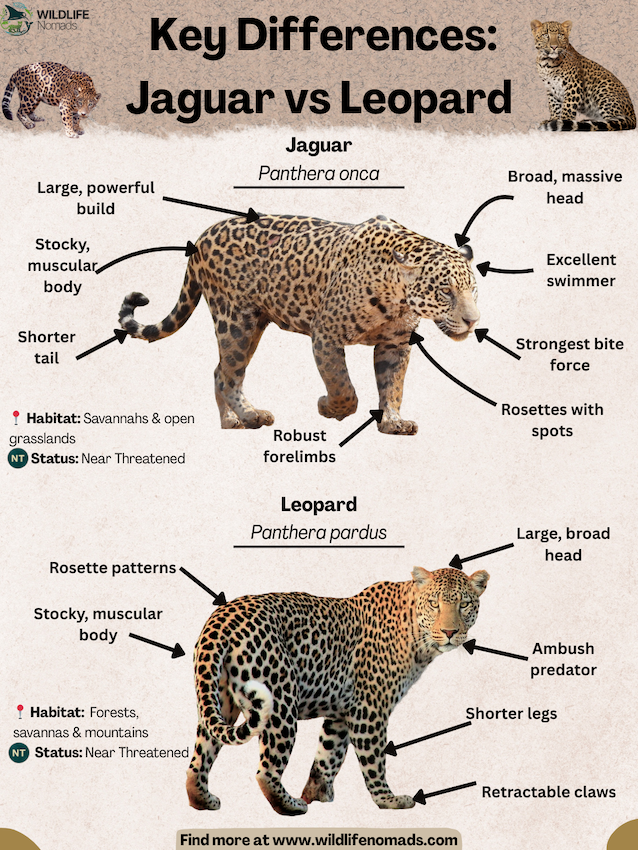
Jaguar vs Leopard | Wildlife Nomads
Jaguar vs leopard: 7 key differences
1. The rosettes: look for spots inside
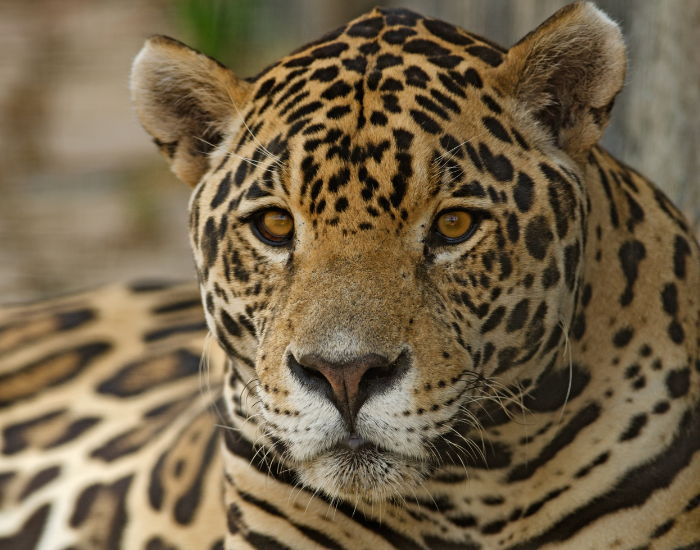
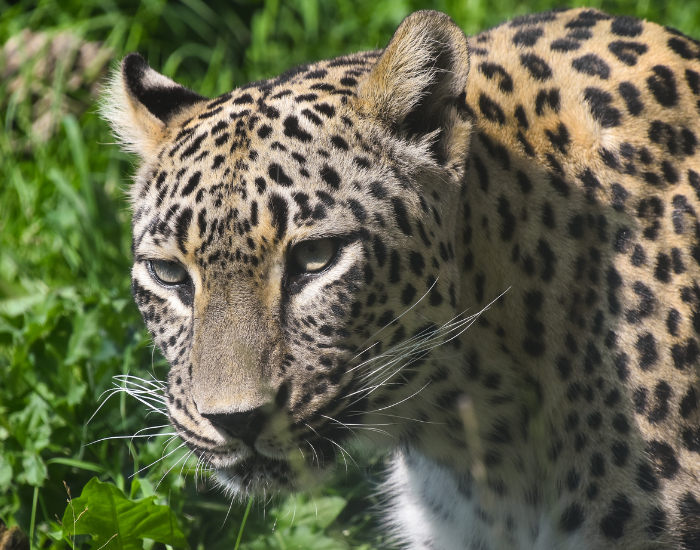
This is the quickest jaguar vs leopard test. First of all, jaguar rosettes are large, blocky and broken at the edges. In addition, most of them have one or more black dots inside. Leopard rosettes, in contrast, are small, packed closely together and empty in the middle.
So if you’re comparing a spotted jaguar vs leopard photo, zoom in on the flank. If the rosettes have dots inside, it’s a jaguar. If they’re small and empty, then it’s a leopard. Not every jaguar rosette has a dot, though, so check a few of them.
2. Body size and build
In general, jaguars are the heavier, stockier cat. They weigh about 36 to 148 kg, depending on where they live. For example, males in the Venezuelan Llanos average about 105 kg. Leopards, on the other hand, weigh about 17 to 90 kg, and the females are much smaller than the males.
Likewise, the body shape tells the same story. A jaguar looks like a bodybuilder, with a deep chest, thick legs and a broad, blocky head. A leopard, meanwhile, is slimmer and more graceful, so it’s built for climbing.
3. Head and jaws
The jaguar’s big head also holds some of the most powerful jaws of any cat. In a 2005 study in Proceedings of the Royal Society B, scientists estimated bite forces from skulls. For its size, the jaguar had the strongest bite of the big cats they measured.
As a result, that bite shapes how it hunts. The jaguar is the only big cat that regularly kills by biting through the skull. It can even crack turtle shells. Leopards, meanwhile, usually kill with a bite to the throat or the neck.
4. The tail
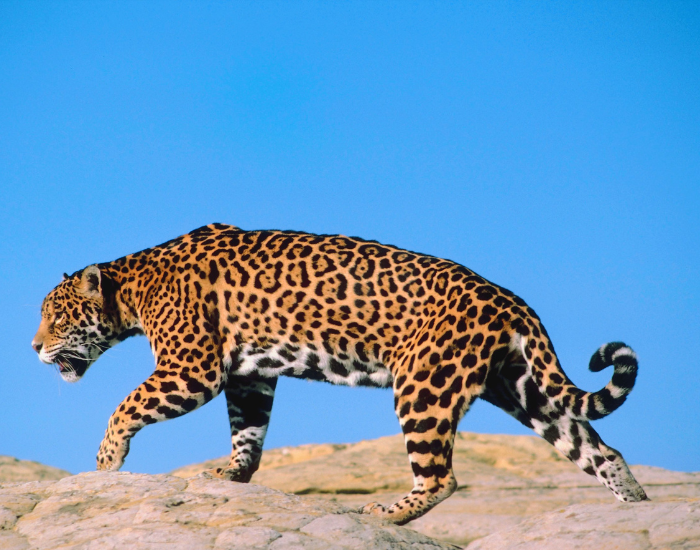
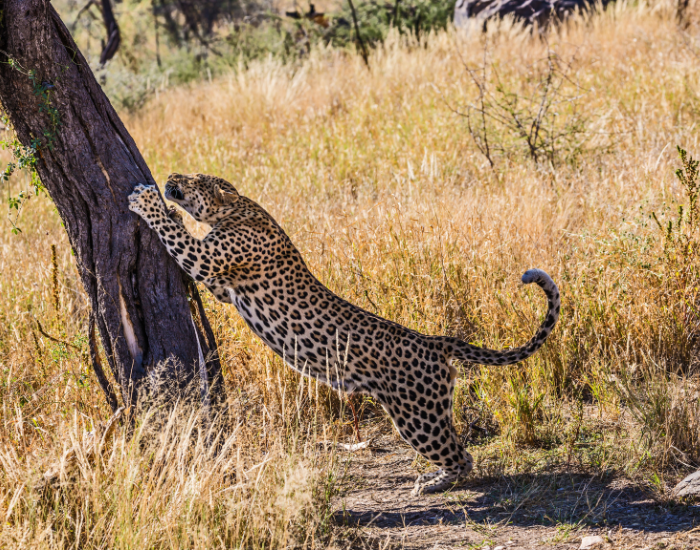
Next, look at the tail. Leopards have longer tails for their size. For instance, a leopard’s tail is about 51 to 101 cm long, on a body of 91 to 191 cm. In contrast, a jaguar’s tail is about 44 to 80 cm, on a body of 110 to 170 cm.
Why does that matter? Leopards spend a lot of time in trees, so a long tail helps them balance on branches.
5. Where they live
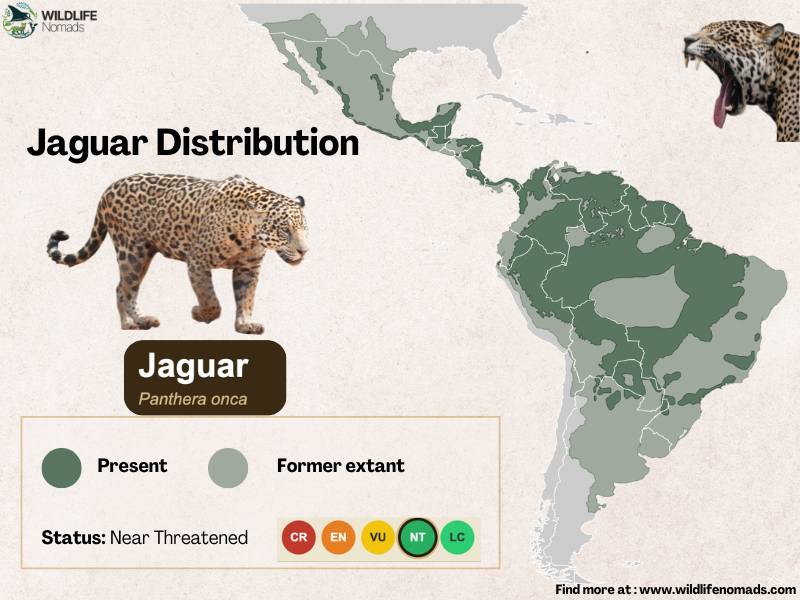
This is the easiest difference of all, because jaguars and leopards never meet in the wild. Jaguars live in Central and South America, from Mexico and southern Arizona down to northern Argentina. Sadly, they’ve already disappeared from El Salvador and Uruguay.
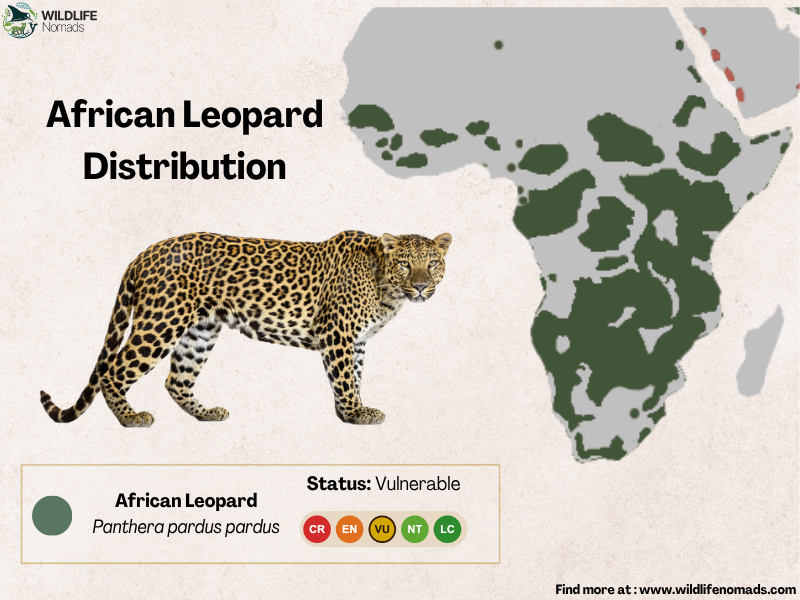
Leopards, in contrast, have the largest range of any big cat. They live in about 62 countries across sub-Saharan Africa and Asia. Their range stretches from Arabia and Iran to India, Java and the Russian Far East. So if you see a spotted big cat in Africa, it’s a leopard (or a cheetah). In the Amazon, however, it’s a jaguar.
6. Habitat and hunting
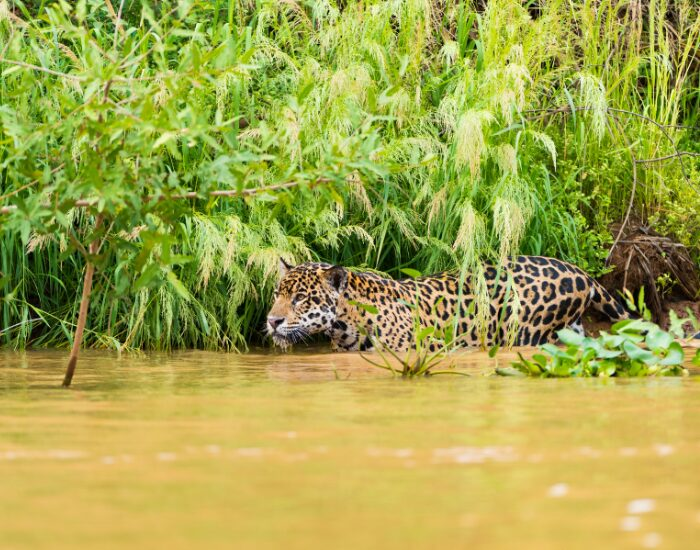
Jaguars love water. They live in rainforests, wetlands and along rivers, and they’re excellent swimmers. As a result, their menu includes caiman, turtles, anacondas, capybaras and fish. In the Pantanal of Brazil, for example, jaguars hunt caiman along the riverbanks. I wrote about it in my guide to jaguars and conservation tourism in the Pantanal.
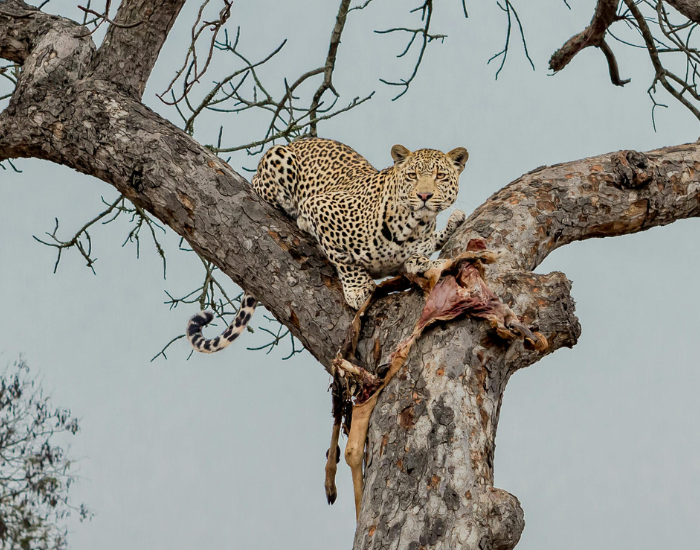
Leopards, however, are more adaptable. They live almost anywhere, from rainforest and savanna to desert and mountains up to 5,200 m. They’re also famous for hauling their kills up into trees, out of reach of lions and hyenas. One leopard even hauled a young giraffe of about 125 kg some 5.7 m up a tree.
7. Conservation status
Finally, both cats are threatened species on the IUCN Red List. The jaguar is listed as Near Threatened. About 64,000 remain, most of them in the Amazon. Even so, the IUCN suspects a decline of 20 to 25% over the 21 years up to 2017.
The leopard is in a worse position. It has been listed as Vulnerable since 2016, and still no one has a reliable global count. Moreover, some leopard subspecies are now Critically Endangered.
In the jaguar vs leopard story, the threats are much the same. Both cats lose out to habitat loss, poaching and fewer prey animals. They also clash with farmers and ranchers. Yet as apex predators, both hold their ecosystems together, due to their important role on the food web.
Jaguar vs leopard: side-by-side comparison table
| Jaguar | Leopard | |
|---|---|---|
| Scientific name | Panthera onca | Panthera pardus |
| Rosettes | Large, usually with dots inside | Small, tightly packed, empty |
| Weight | About 36 to 148 kg | About 17 to 90 kg |
| Head and body | 110 to 170 cm | 91 to 191 cm |
| Tail | 44 to 80 cm (shorter) | 51 to 101 cm (longer) |
| Build | Stocky, broad head | Slimmer, more graceful |
| Range | Central and South America | Africa and Asia |
| Habitat | Rainforest, wetlands, riverbanks | Almost anywhere |
| Hunting | Skull bite; caiman, turtles, fish | Throat bite; stores kills in trees |
| Black form | Yes (dominant gene) | Yes (recessive gene) |
| IUCN status | Near Threatened | Vulnerable |
Jaguar vs panther vs leopard: what is a black panther?
This is the part that confuses almost everyone, so let’s clear it up. A black panther is not a separate species. Instead, it’s a jaguar or a leopard with melanism, a genetic change that makes the fur black.
The rosettes are still there, too. When you look at a black panther in the right light, you’ll see the pattern under the dark fur. So the difference between a jaguar, a leopard and a panther is simple. A black jaguar is still a jaguar, and a black leopard is still a leopard.
Interestingly, the genetics work differently in the two cats. In jaguars, the black form comes from a dominant gene. In leopards, however, it comes from a recessive one. Black leopards are especially common in dense, dark forests. For example, camera traps on the Malay Peninsula took 445 photos of black leopards but only 29 of spotted ones.
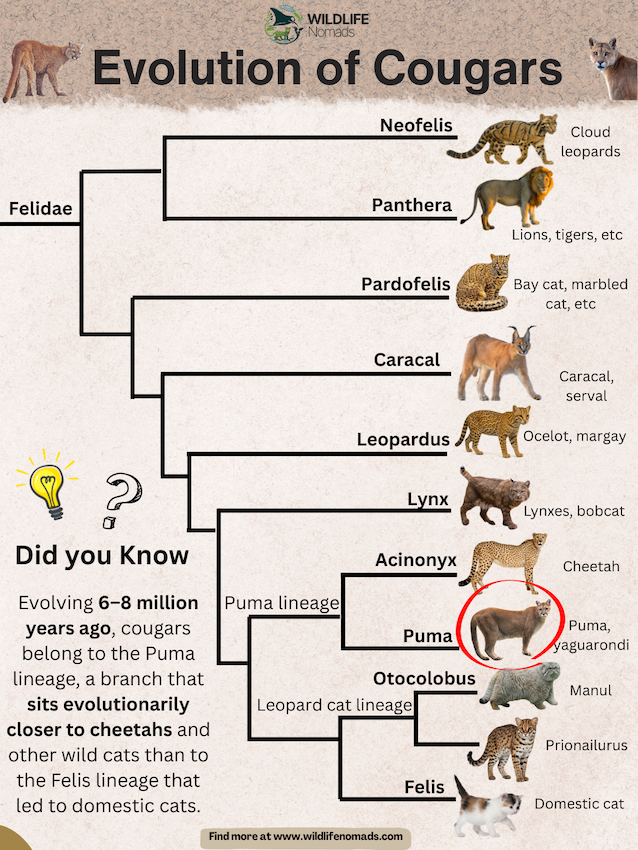
To add to the confusion, “panther” also means something else in North America. There, it often refers to the cougar, as in the Florida panther, which has no spots at all.
Leopard subspecies around the world
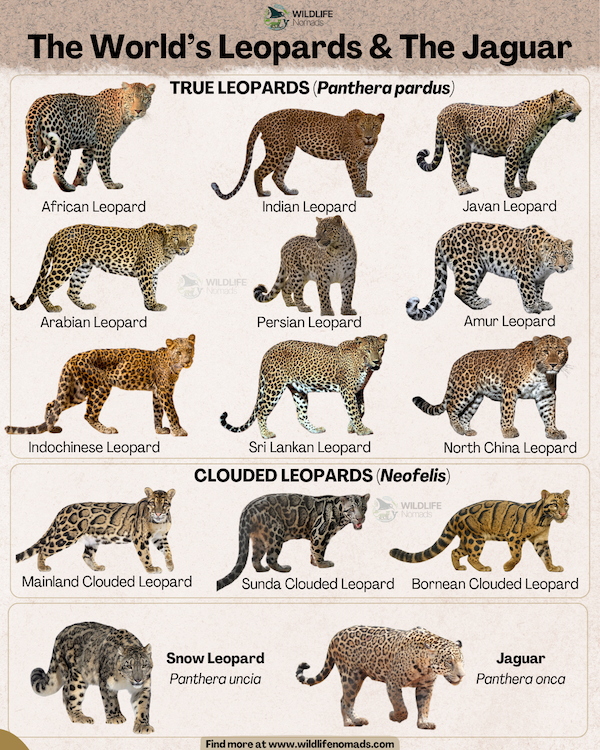
Unlike the jaguar, the leopard is split into several subspecies. In fact, the IUCN Cat Specialist Group recognises eight of them, and some are in serious trouble.
| Subspecies | Where it lives | IUCN status |
|---|---|---|
| African leopard | Sub-Saharan Africa | Vulnerable |
| Arabian leopard | Oman and Yemen | Critically Endangered (about 100 to 120 left) |
| Persian leopard | Caucasus, Iran and Central Asia | Endangered |
| Indian leopard | Indian subcontinent | Near Threatened |
| Sri Lankan leopard | Sri Lanka | Vulnerable |
| Indochinese leopard | South-East Asia and southern China | Critically Endangered |
| Amur leopard | Russian Far East and north-east China | Critically Endangered |
| Javan leopard | Java, an Indonesian island | Endangered |
Still, the Amur leopard shows that recovery is possible. Once down to a few dozen cats, it now numbers at least 223 in Russia and China (2026 count).
What about snow leopards, clouded leopards and cheetahs?
Despite their names, neither the snow leopard nor the clouded leopard is a leopard. For one thing, the snow leopard (Panthera uncia) is a smoky-grey mountain cat whose closest relative is actually the tiger. Similarly, the clouded leopard belongs to its own genus, Neofelis, and has big cloud-shaped blotches instead of rosettes.
The cheetah is the third spotted cat people mix up with the jaguar and the leopard. Unlike both, it has solid round spots and black tear lines on its face. I cover that in detail in my guide to cheetah and leopard differences, so check it out next.
Is a jaguar stronger than a leopard?
Pound for pound, the jaguar is the more powerful cat. It’s heavier and stockier, and it has a stronger bite for its size. That’s why it can take on caiman and crack turtle shells.
However, the two never meet in the wild, so there’s no real answer to “who would win”. Instead, a better question in the jaguar vs leopard debate is which cat is better at its own job. A leopard’s strength is its climbing and stealth, which let it survive next to lions and hyenas. A jaguar’s strength, meanwhile, is raw power in rivers and swamps.
Quick quiz: jaguar or leopard?
Six questions. Tap your answer.
Frequently asked questions
Jaguars are stockier, with bigger rosettes that usually have dots inside and a shorter tail. Leopards, however, are slimmer, with small, empty rosettes and a longer tail. Also, jaguars live in the Americas, while leopards live in Africa and Asia.
No. They are two separate species in the same genus, Panthera. The jaguar is Panthera onca, whereas the leopard is Panthera pardus.
It can be either. A black panther is a jaguar or a leopard with melanism, which makes the fur black. So it isn't a separate species, and the rosettes still show in the right light.
No. Wild jaguars live only in the Americas, from Mexico and southern Arizona to northern Argentina. Instead, Africa's spotted big cats are the leopard and the cheetah.
The jaguar. It weighs about 36 to 148 kg, while leopards weigh about 17 to 90 kg. Jaguars are also stockier, with a broader head.
Leopards. They are listed as Vulnerable, while jaguars are Near Threatened. In addition, several leopard subspecies, such as the Amur and Arabian leopards, are Critically Endangered.
References:
Eizirik, E., Yuhki, N., Johnson, W. E., Menotti-Raymond, M., Hannah, S. S., & O'Brien, S. J. (2003). Molecular genetics and evolution of melanism in the cat family. Current Biology, 13(5), 448–453. https://doi.org/10.1016/S0960-9822(03)00128-3
Kawanishi, K., Sunquist, M. E., Eizirik, E., Lynam, A. J., Ngoprasert, D., Wan Shahruddin, W. N., Rayan, D. M., Sharma, D. S. K., & Steinmetz, R. (2010). Near fixation of melanism in leopards of the Malay Peninsula. Journal of Zoology, 282(3), 201–206. https://doi.org/10.1111/j.1469-7998.2010.00731.x
Wroe, S., McHenry, C., & Thomason, J. (2005). Bite club: Comparative bite force in big biting mammals and the prediction of predatory behaviour in fossil taxa. Proceedings of the Royal Society B: Biological Sciences, 272(1563), 619–625. https://doi.org/10.1098/rspb.2004.2986