
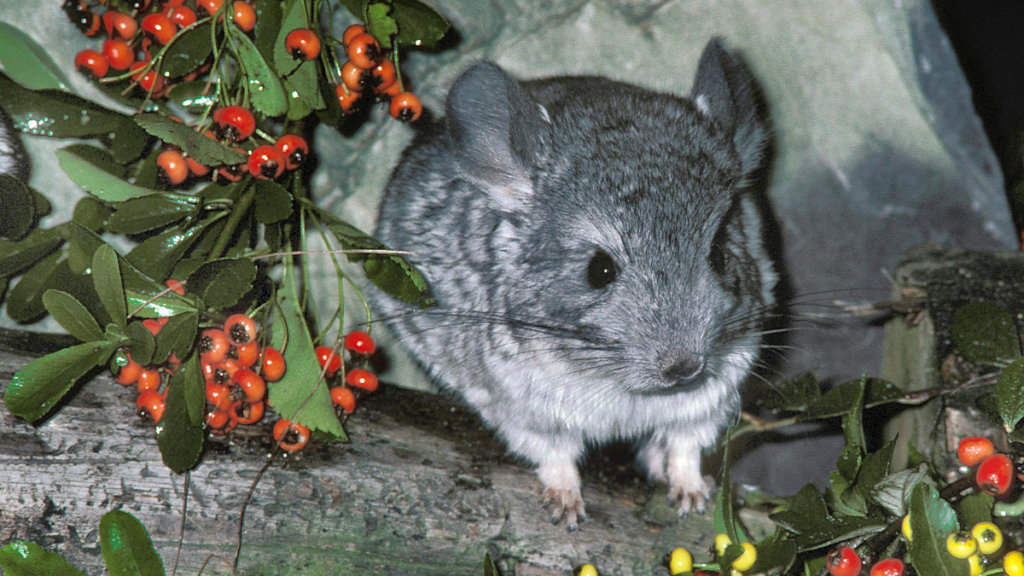
Until my early twenties, rodents meant mice and rats to me, and maybe the ocassional cute squirrel. Then I spent three weeks on a conservation field trip down Mexico’s Baja peninsula. I had come for the California condor program and the grey whales. What actually rewired my thinking was a small, sand-colored animal in a live trap: the endangered San Quintín kangaroo rat.
Local biologists were baiting humane traps at dusk, weighing each animal, then releasing it into the desert scrub. This species vanished for 31 years and was written off as extinct, until researchers rediscovered it in 2017. Holding one, I realized how narrow my picture had been. Rodents are far stranger and more varied than the ones in our kitchens.
That matters, because rodents make up roughly 40% of all mammal species. Order Rodentia holds more than 2,000 species on every continent except Antarctica. So in this guide I’ll walk you through 15 types of rodents, their real biology, and their genuinely odd diets. I’ll also clear up the misconception I get asked about most. No, rabbits are not on this list, and I’ll explain exactly why.
What Are Rodents, Really?
Rodents are placental mammals defined by one brilliant piece of hardware: a single pair of upper and lower incisor teeth that never stop growing. Those incisors self-sharpen as the animal gnaws. Stop the gnawing, and the teeth can curve into the skull.
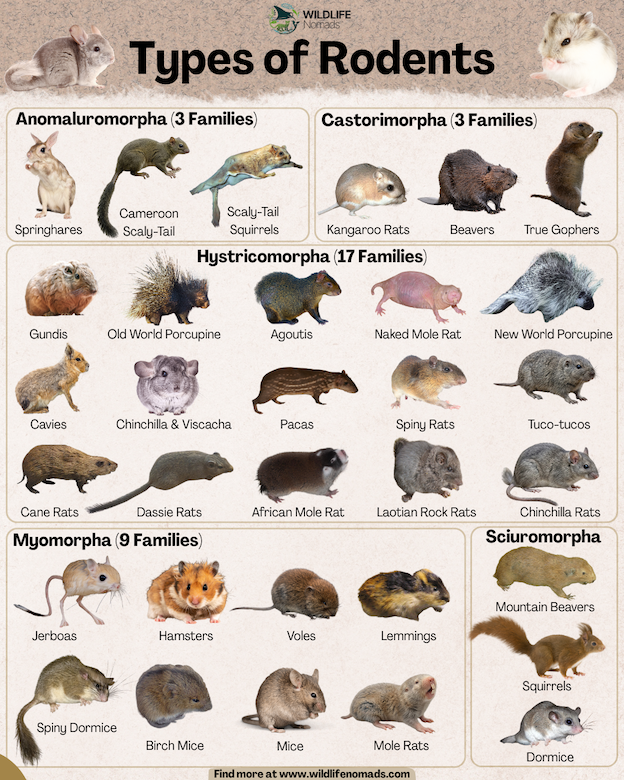
The group is ancient. Their evolutionary history stretches back around 66 million years, when the first fossil rodents appeared right as the dinosaurs bowed out. From those primitive rodents, the order exploded. Today Rodentia includes over 2,000 species across 34 families, and modern cladistics splits the order into five main suborders (Sciuromorpha, Castorimorpha, Myomorpha, Anomaluromorpha, and Hystricomorpha), though scientists historically grouped them by jaw muscle architecture into sciurognath and hystricognath types. According to Animal Diversity Web, family Muridae, the mice and rats, holds the bulk of that diversity.
Their real genius is range. Rodents include arboreal, fossorial, and semiaquatic species, so many rodents live in trees, others tunnel underground, and a few take to the water. Most rodents are herbivorous and eat plant material, though the group’s feeding habits are far from consistent. Some rodents hunt. That surprises people. Keep it in mind as we meet the species, because a varied diet is one of the traits that made this order conquer the planet.
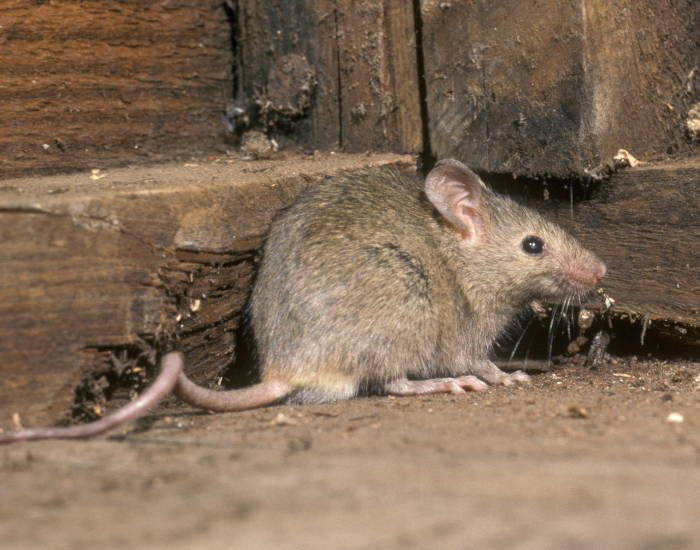
1. House Mouse (Mus musculus)
The house mouse is the rodent you’re most likely to have heard scratching behind a wall at 2 a.m. Small, gray, and endlessly adaptable, this member of genus Mus has followed humans across the globe. It thrives in temperate regions, deserts, and cities alike.
I keep a soft spot for this species despite its pest reputation. The house mouse became the workhorse of biomedical research (we used to have them in every lab at my university), and laboratory mice have driven more medical breakthroughs than almost any other animal. When you read about a cancer study or a vaccine trial, a mouse likely got there first.
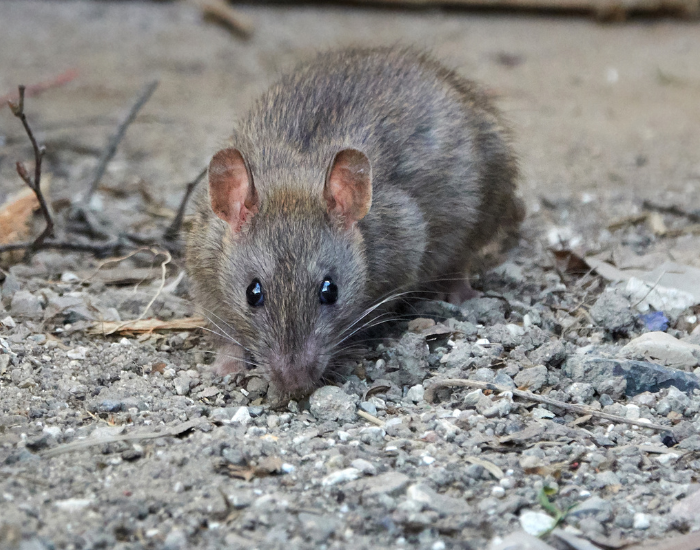
2. Brown Rat (Rattus norvegicus)
Also called the Norway rat, this is the big, bold rodent of sewers and docks worldwide. Of genus Rattus, it is smart, social, and shockingly good at problem-solving. I’ve watched brown rats in a Jakarta market coordinate raids that would embarrass some primates.
Here’s the twist on diet. While most rodents lean vegetarian, the brown rat prefers a more carnivorous, opportunistic diet. It will take insects, eggs, fish scraps, and carrion alongside grain. That flexibility, more than anything, explains its global success.
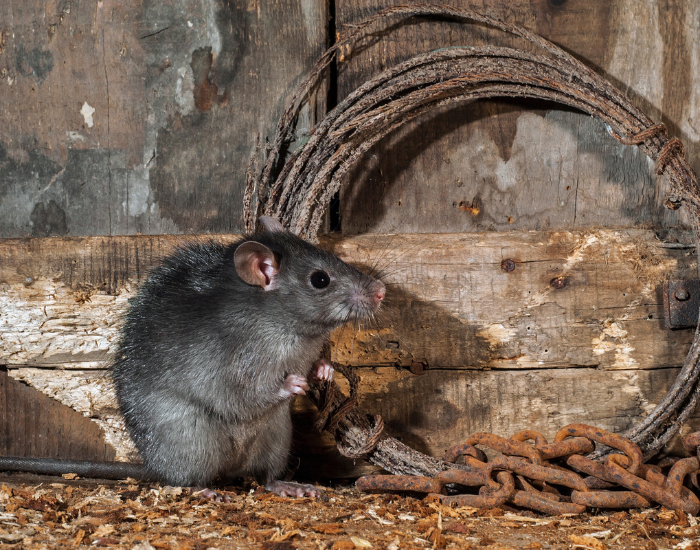
3. Black Rat (Rattus rattus)
The black rat, or roof rat, is the brown rat’s slimmer, more agile cousin and a superb climber. It historically shaped human history in a way few animals can claim. The black rat spreads Yersinia pestis, the bacterium behind bubonic plague, through its fleas.
I’ve read about this species on remote islands acting as invasive species, where it does its worst damage. Introduced black rats have devastated seabird colonies on oceanic islands, eating eggs and chicks that evolved without any ground predators. As a result, it ranks among the most destructive invasive rodents on Earth.
4. Capybara
If any rodent shatters the “small and scurrying” stereotype, it’s this one. The capybara is the largest rodent alive, weighing up to around 50 kg, and it calls the wetlands of South America home. Its extinct cousin dwarfed it: the largest known rodent, Josephoartigasia monesi, weighed over 1,000 kg by some estimates, roughly bison-sized. Picture a guinea pig scaled up to the size of a Labrador, perfectly at ease in the water.
Capybaras are semiaquatic and intensely social, grazing on fresh grass and aquatic plants in herds. They are gentle, which is why they’ve become internet darlings. If you want the deep dive, I wrote a full breakdown of whether capybaras are truly rodents and yes, they absolutely are.

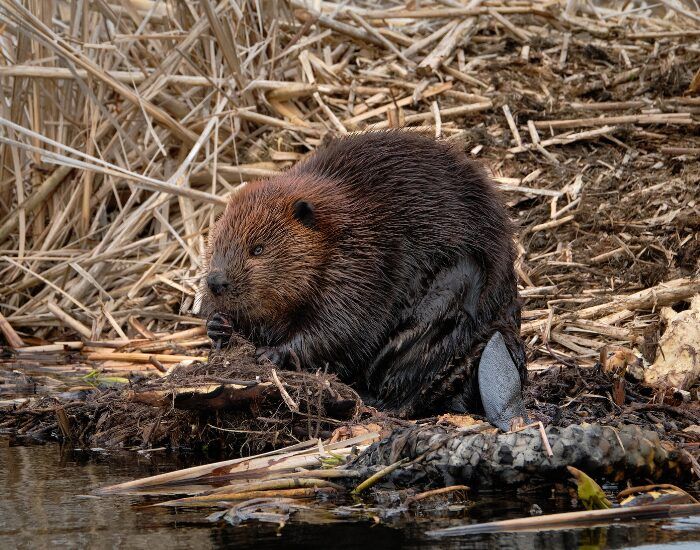
5. North American Beaver
If any rodent deserves the title of ecosystem engineer, it’s the beaver. These semiaquatic giants fell trees, dam streams, and create entire wetlands by altering the paths of rivers. That single behavior reshapes habitats for fish, amphibians, birds, and insects.
Beavers also cache food for winter, storing bark and branches underwater near their lodges. I once spent a freezing Montana week watching a colony rebuild a dam I’d accidentally breached. They fixed my mistake overnight. Few animals are such obvious keystone species.
6. Naked Mole Rat
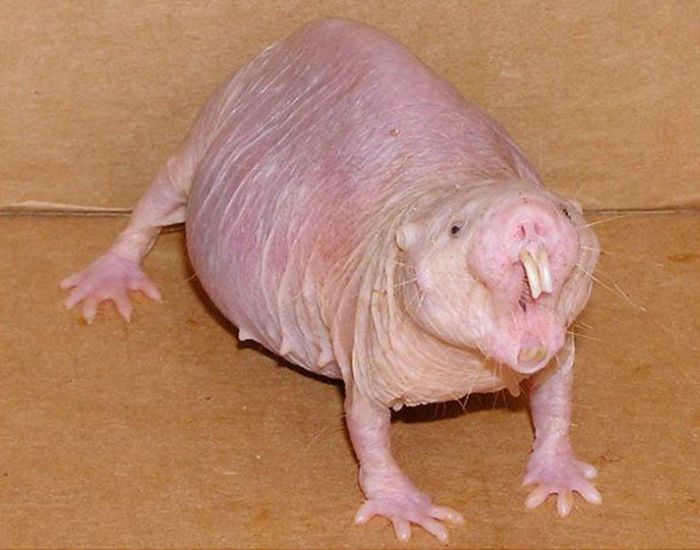
The naked mole rat looks like a wrinkled sausage with buck teeth, and it may be the strangest mammal I’ve ever handled. This East African rodent lives underground in eusocial colonies ruled by a single breeding queen, much like a bee hive. Only she reproduces.
The reproductive numbers are staggering. Naked mole rats can have litters of up to 28 young, the largest litters of any mammal. They also barely age, resist cancer, and feel little pain from acid. For biologists studying longevity, this odd little rodent is pure gold.
7. Prairie Dog
Prairie dogs are not dogs at all but stout, burrowing ground squirrels of the North American plains. They live in sprawling “towns” and communicate with one of the most sophisticated vocal systems known in any rodent, with distinct calls for different predators.
Their real value is ecological. Prairie dogs aerate soil as they dig, and their burrows enhance grassland habitats for burrowing owls, snakes, and endangered black-footed ferrets. Research confirms they function as keystone species, so losing them collapses whole prairie food webs.

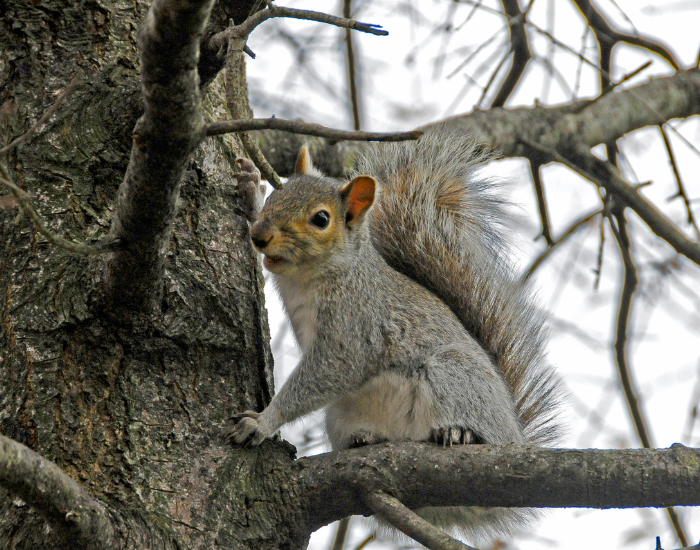
8. Eastern Gray Squirrel
Nearly everyone has watched a gray squirrel bury a nut, and that habit matters more than it looks. When a squirrel caches acorns and forgets some, it plants forests. This makes tree squirrels quiet champions of seed dispersal across temperate regions.
I find the public’s split loyalty fascinating. We coo at squirrels but recoil at rats, though both are rodents doing similar work. If you want to meet the wider clan, my guide to the many types of squirrels covers ground squirrels, tree squirrels, and the fiery little red squirrel I love watching in northern pine forests.
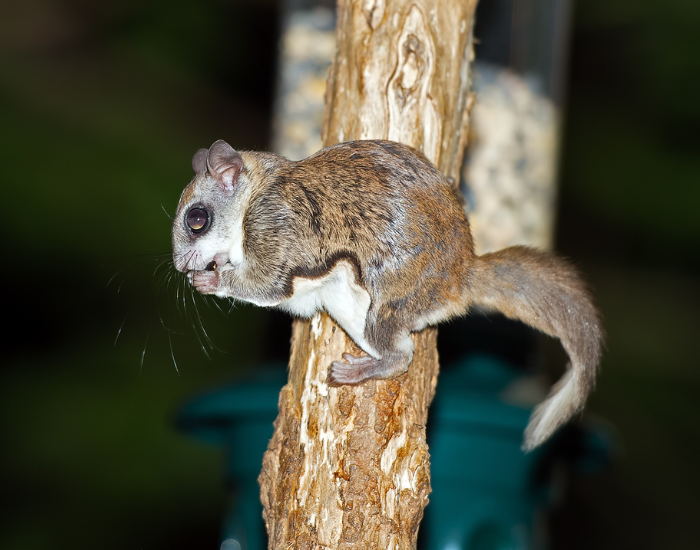
9. Southern Flying Squirrel
Flying squirrels don’t truly fly. They glide, using a furred membrane stretched between wrist and ankle to sail between trees. I’ve spotlighted them on humid Appalachian nights, and the sight of one launching into a glide never gets old.
These are strictly nocturnal rodents, far more active at night than their daytime cousins, which is why most people never see them. They nest in tree cavities and eat a varied diet of nuts, fungi, insects, and even bird eggs. Their big dark eyes are pure low-light adaptation.
10. Guinea Pig
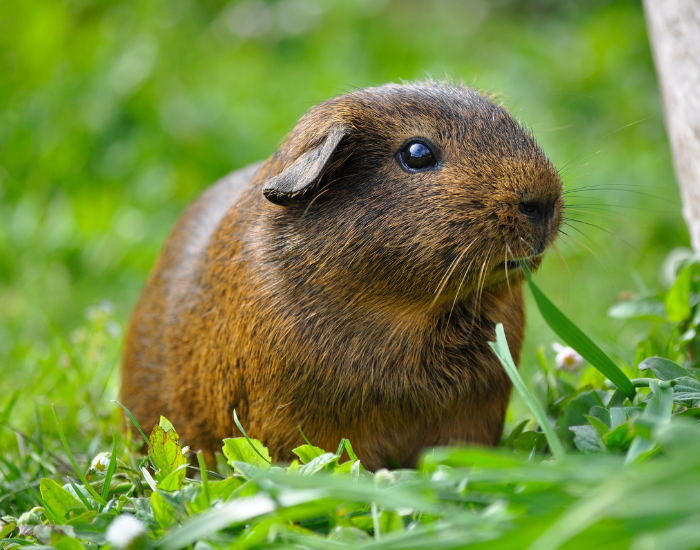
The domestic guinea pig, or cavy, comes from the Andes of South America, where wild relatives still graze mountain slopes. Unlike altricial house mice born blind and helpless, guinea pig pups are precocial. They arrive furred, eyes open, and ready to run within hours.
Guinea pigs are among the most popular exotic pets, but they demand real care. They cannot make their own vitamin C and need it in their diet, or they risk a serious nutritional imbalance. They’re also prone to urinary stones, so thorough routine physical examinations from a vet matter for keeping one healthy.
11. Kangaroo Rat
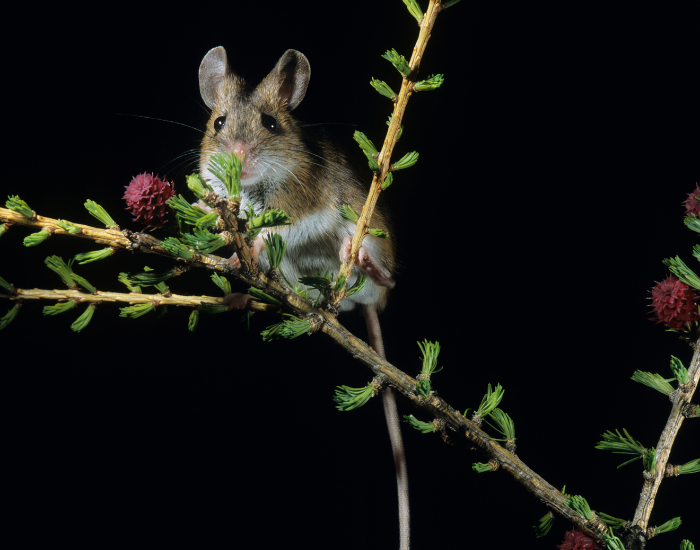
Kangaroo rats are desert specialists of the American Southwest, and they’ve solved a problem that would kill most mammals. They rarely drink. Instead, they extract nearly all the water they need from dry seeds, with kidneys so efficient their urine is almost paste.
Built for the open desert, they bound on powerful hind feet like tiny marsupials, hence the name. I’ve tracked their delicate footprints across dunes at dawn. Related jumping mice and kangaroo mice share that spring-loaded escape style, a neat case of similar problems producing similar rodents.
12. Grasshopper Mouse
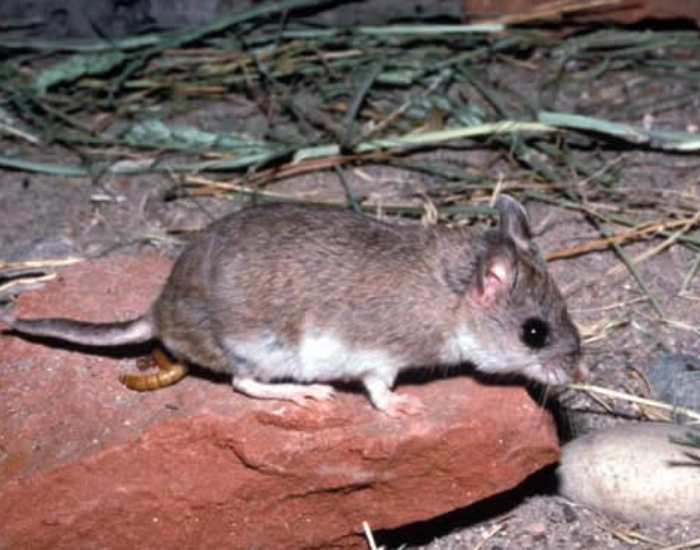
Here’s the rodent that breaks every cute stereotype. The grasshopper mouse of North American deserts is a predator. It hunts insects, scorpions, and even other mice, and it shrugs off scorpion venom that would drop a person.
Then it howls. Standing on its hind legs, this small carnivorous rodent lets out a high, wolf-like call to defend its territory. I played a recording for a skeptical group of students once, and none of them believed a “mouse” had made it. Nature keeps its best surprises small.
13. Hamster
The hamster is a beloved first pet, but its wild ancestors are tough desert and steppe survivors from Syria and Central Asia. Their signature feature is a pair of enormous cheek pouches, which they stuff with seeds to carry back and cache in their burrows.
That hoarding instinct never switched off in captivity, which is why a pet hamster will empty a food bowl in seconds. I’ve laid out the full care and biology story in my guide to hamster facts, because these small rodents are far more complex than their pet-store image suggests.

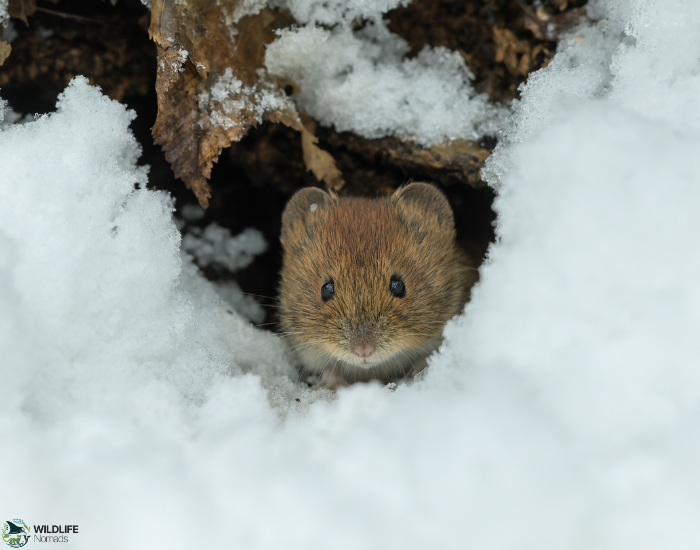
14. Vole
Voles are the stocky, short-tailed rodents you rarely see but almost certainly live near, tunneling through meadows and gardens. They eat mostly plant material, roots, grasses, and bark, and they run vast networks of surface runways through the grass.
What defines voles is sheer reproductive output. A single female can produce up to 12 litters per year, fueled by postpartum estrus that lets her conceive again within hours of giving birth. Other rodents push nutrition just as hard from the other end: the Texas pocket gopher practices coprophagy, re-eating its own droppings to maximize nutrient intake. That boom-and-bust breeding drives the population cycles I discuss in my guide to types of voles, cycles that feed every hawk and fox around.
15. Mountain Beaver
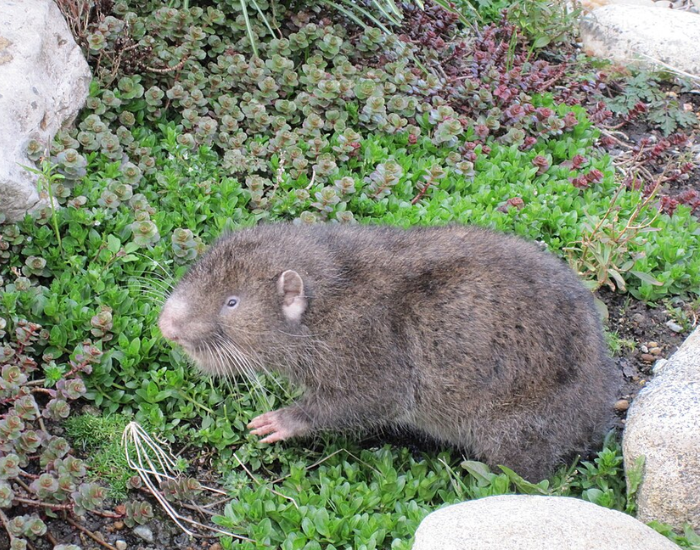
I saved the oddest for last. The mountain beaver of the Pacific Northwest isn’t a beaver and doesn’t live on mountains. It’s a solitary, burrowing rodent often called the most primitive living rodent, a survivor whose lineage traces back among the earliest fossil rodents.
I spent a soggy Oregon season trying to photograph one and mostly found their tunnels. They’re fossorial, secretive, and eat ferns and shrubs, including toxic plants most animals avoid. Meeting this living relic taught me that “primitive” rarely means simple. It usually means it works.
Wait, Aren’t Rabbits Rodents? The Big Misconception
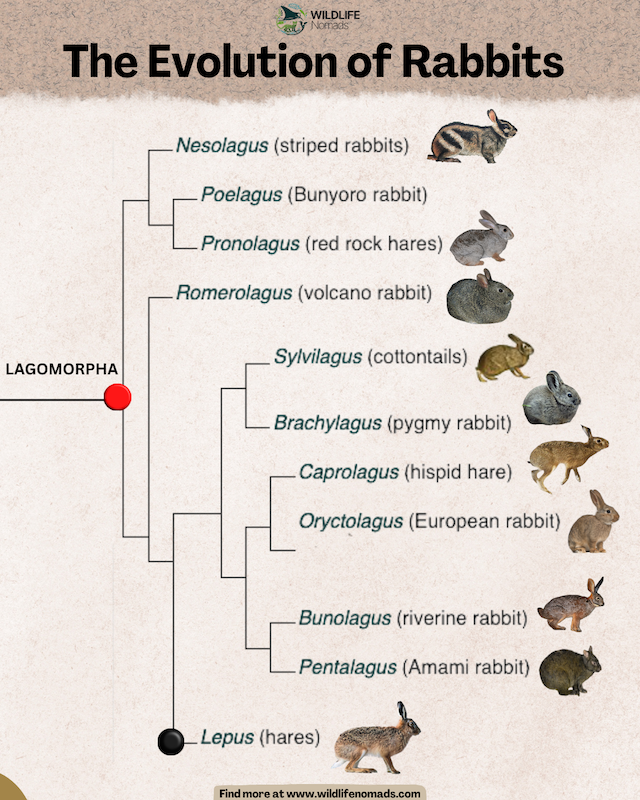
Now the correction I promised. Rabbits are not rodents. Despite the buck teeth and twitchy nose, a pet rabbit belongs to the family Leporidae in the order Lagomorpha, a separate animal family of placental mammals entirely.
The giveaway is in the mouth. Rodents have a single pair of upper incisors. Look closely at a rabbit’s teeth and you’ll spot a second, small pair of peg-like teeth tucked right behind the upper pair, giving rabbits four incisor teeth up top where rodents have two. Those peg teeth are the anatomical line in the sand.
Their guts differ too. A rabbit’s digestive system runs a strict, high-fiber operation. Rabbits are obligate herbivores that essentially eat grass and leaves, while rodents run a more varied diet across the whole order. Both practice coprophagy, re-eating a soft black pellet to squeeze out nutrients. The rabbit’s diet depends on a gut that houses beneficial bacteria to ferment all that fiber, but that shared trick is convergence, not kinship. Pikas fall into the same lagomorph camp, and I cover them in my pika facts guide. Weasels and skunks get lumped in by mistake too, though those are carnivores, covered in my types of weasels and skunk facts posts.
Why Rodents Matter More Than We Admit
We treat rodents as pests, and some earn it. Pest rodents pose real risks, carrying rodent-borne diseases like hantavirus, spreading pathogens tied to Lyme disease, and causing rat bite fever through their bites. They contaminate food with urine and feces, and they cause billions in agricultural damage every year. In one striking estimate, rodents destroyed enough grain in a single year to have fed some 200 million people.
Yet only a few species cause real trouble. Most species are harmless, and many are native species doing essential work. Across the dozens of rodent families in the order, the many species that disperse fungal spores, the prairie dogs that rebuild grasslands, and the beavers that manufacture wetlands keep whole ecosystems running. Their complex rodent societies, mapped through decades of scientific research, reveal cooperation we once thought belonged only to primates. Some, as I show in my roundup of the cutest animals in the world, simply make us smile. The rodent story is not a pest story. It’s the mammal story.
Frequently Asked Questions
Rodents are placental mammals in the order Rodentia, defined by a single pair of continuously growing upper and lower incisor teeth. The order includes over 2,000 species, from mice and rats to squirrels, beavers, and capybaras. They make up roughly 40% of all mammal species and live on every continent except Antarctica.
No, bunnies are not rodents. Rabbits belong to the family Leporidae in the order Lagomorpha, a completely separate group. The clearest difference is dental: rabbits have a second small pair of peg-like teeth behind their upper incisors, while rodents have just one pair. So a rabbit is a lagomorph, not a rodent.
A bunny is classified as a lagomorph, in the family Leporidae alongside hares and other rabbits. Lagomorphs are obligate herbivores with four upper incisor teeth and a specialized digestive system. They are more closely related to pikas than to any mouse or rat.
Rabbits are frequently cited among the most abandoned and surrendered pets, especially after holidays like Easter when they’re bought on impulse. People underestimate their lifespan, space needs, and specialized care, then give them up. Domestic rodents like hamsters and guinea pigs face similar impulse-buy abandonment, which is why routine physical examinations and real research before adopting matter.
The Takeaway
Strip away the pest posters and the cartoon mice, and you’re left with the most successful group of mammals on the planet, one that plants forests, engineers wetlands, and quietly runs the base of countless food webs. The next time a squirrel raids your feeder or a mouse skitters across the floor, look a little closer. You’re watching 66 million years of evolutionary success in miniature.
I’d love to hear your own wild rodent encounters—drop them in the comments below. Next time you’re outside at dusk, pause and watch what the small mammals around you are up to. That’s usually where the best stories start.
Can You Name That Rodent? 🐭
A 15-photo identification challenge — the wrong answers are deliberately tricky look-alikes from a similar group. Go back and change any answer before you score.
Which rodent is this?
References:
Davidson, A. D., Detling, J. K., & Brown, J. H. (2012). Ecological roles and conservation challenges of social, burrowing, herbivorous mammals in the world’s grasslands. Frontiers in Ecology and the Environment, 10(9), 477–486. https://doi.org/10.1890/110054
Fabre, P.-H., Hautier, L., Dimitrov, D., & Douzery, E. J. P. (2012). A glimpse on the pattern of rodent diversification: A phylogenetic approach. BMC Evolutionary Biology, 12, 88. https://doi.org/10.1186/1471-2148-12-88
Meerburg, B. G., Singleton, G. R., & Kijlstra, A. (2009). Rodent-borne diseases and their risks for public health. Critical Reviews in Microbiology, 35(3), 221–270. https://doi.org/10.1080/10408410902989837
Rinderknecht, A., & Blanco, R. E. (2008). The largest fossil rodent. Proceedings of the Royal Society B: Biological Sciences, 275(1637), 923–928. https://doi.org/10.1098/rspb.2007.1645
Rosell, F., Bozsér, O., Collen, P., & Parker, H. (2005). Ecological impact of beavers Castor fiber and Castor canadensis and their ability to modify ecosystems. Mammal Review, 35(3–4), 248–276. https://doi.org/10.1111/j.1365-2907.2005.00067.x
Vander Wall, S. B. (2010). How plants manipulate the scatter-hoarding behaviour of seed-dispersing animals. Philosophical Transactions of the Royal Society B, 365(1542), 989–997. https://doi.org/10.1098/rstb.2009.0205
Buffenstein, R. (2008). Negligible senescence in the longest living rodent, the naked mole-rat: Insights from a successfully aging species. Journal of Comparative Physiology B, 178(4), 439–445. https://doi.org/10.1007/s00360-007-0237-5
Andrade-Sánchez, J., Mellink, E., Riojas-López, M. E., Tremor, S., & Vanderplank, S. E. (2023). Site occupation and range expansion by the endangered, Mexican microendemic San Quintín Kangaroo Rat (Dipodomys gravipes). Journal of mammalogy, 105(1), 168–174. https://doi.org/10.1093/jmammal/gyad113