
Have you ever been playing that game where someone shouts a letter and you have to come up with an animal that starts with the letter? Well, that happened to me recently around a campfire in Queensland. WE had to come with Animals Starting with Q. The table went quiet. Even the field biologist at the table – me – stalled out after “quokka.”
So I went home and dug in. Below are 13 iconic animals starting with q, grouped by class: mammals, birds, reptiles, fish, and a couple of invertebrates that earn their place. Some animal names will be familiar from your last trip to the zoo. Others might surprise you. Each one earned its spot because it teaches us something specific about how the animal kingdom actually works.
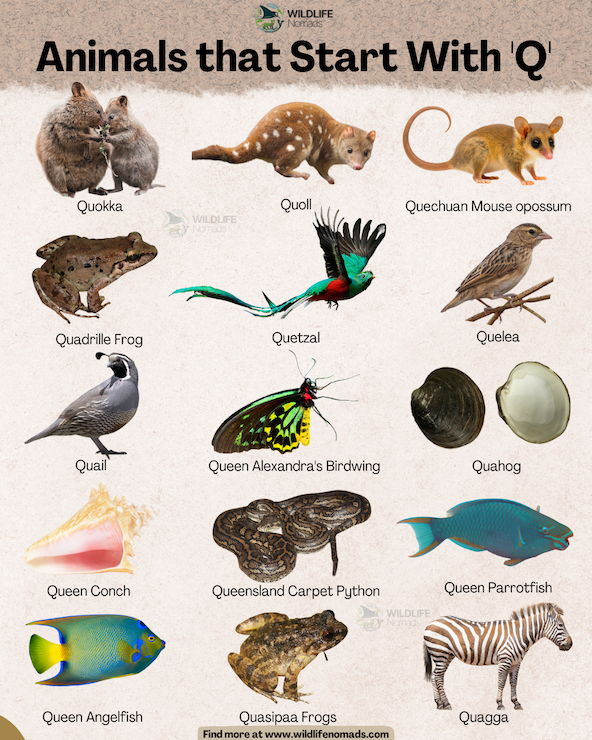
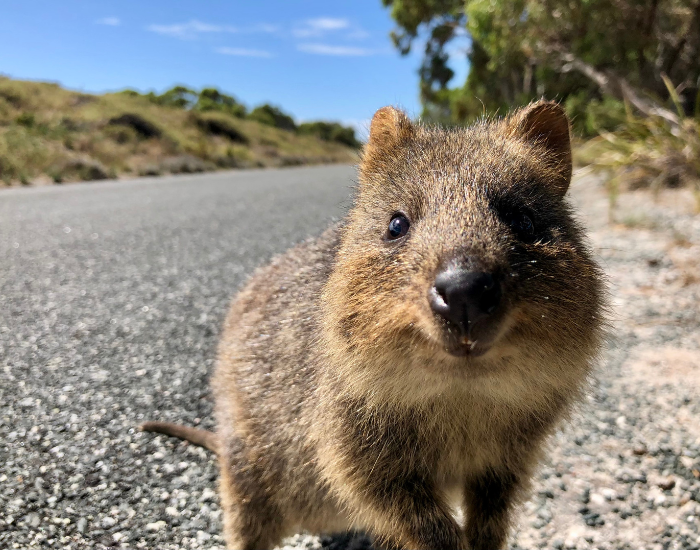
1. Quokka: The Smiling Australian Marsupial
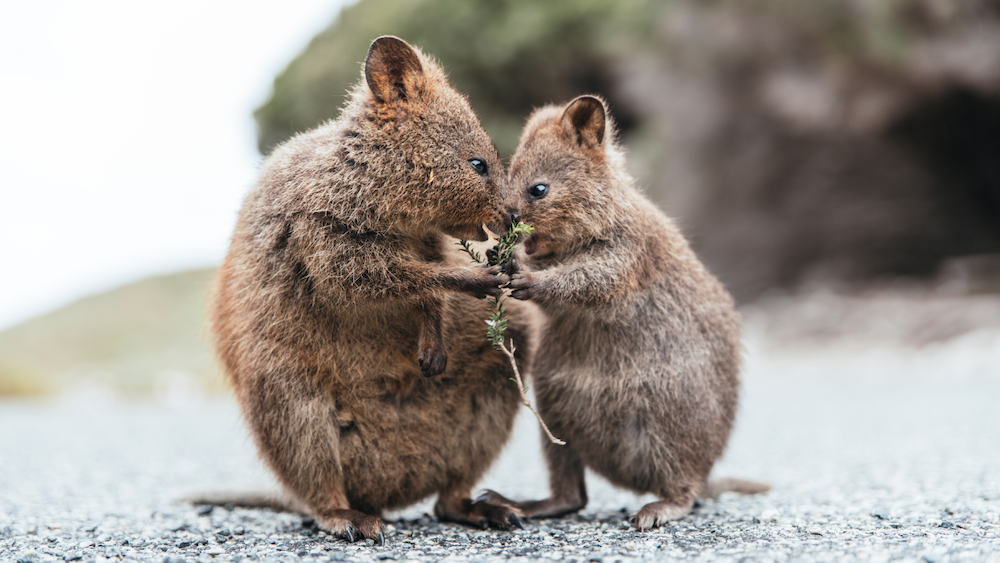
The quokka is a small Australian marsupial best known for its friendly appearance and the viral “quokka selfie.” I spent a day on Rottnest Island looking at their feeding behavior, and I can confirm the smile is just facial structure. They aren’t actually happy to see you. They’re indifferent. Which is, somehow, even more endearing.
A quokka weighs about three kilograms and primarily feeds on grasses, leaves, and bark. They are listed as Vulnerable by the IUCN, with habitat destruction on the Australian mainland being the main threat from humans (althoug recent rewilding projects and predator-free enclosures in places like the northern jarrah forest). The Western Australian island remains their stronghold. If you visit, keep your distance, touching them is illegal and stresses the animals.
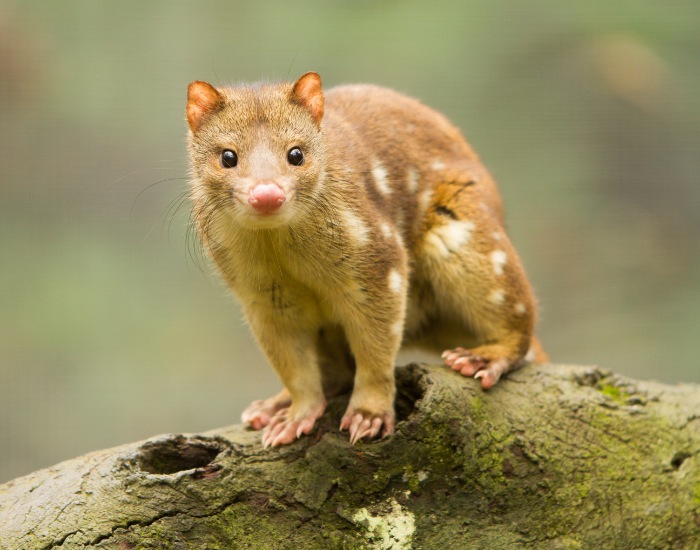
2. Quoll: Australia’s Carnivorous Marsupial
Often paired with the quokka in word association (quokka quoll, anyone?), the quoll is a completely different animal: a carnivorous marsupial with a spotted coat and powerful jaws for its size. Six species exist across Australia and New Guinea, four of them in Australia alone. These are small mammals, but pound for pound they’re some of the most ferocious predators on the continent.
These are nocturnal animals, so the work happens between dusk and dawn. Quolls have declined sharply due to habitat loss and the cane toad invasion, eating a toad once will kill them. Conservation efforts now include training wild quolls to associate toads with nausea using bait sausages. It’s working, slowly.
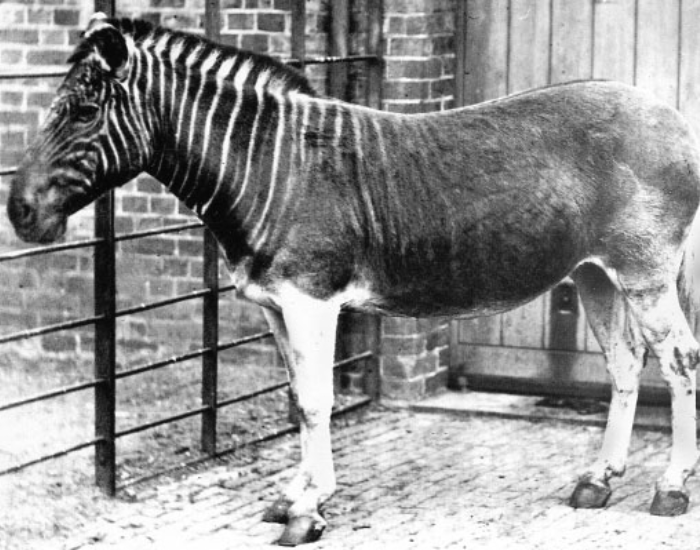
3. Quagga: The Extinct Zebra of South Africa
The quagga is an extinct species of plains zebra that lived on the South African veld until the last one died in an Amsterdam zoo in 1883. It looked like a zebra at the front and a horse at the back, stripes fading into a solid brown rump. Of all the extinct species on this list, it’s the only one humans drove to oblivion within living memory.
The Quagga Project, started in 1987, has been selectively breeding plains zebras to recreate the original appearance. Genetically the offspring remain plains zebras, not true quaggas. But the resemblance is uncanny.
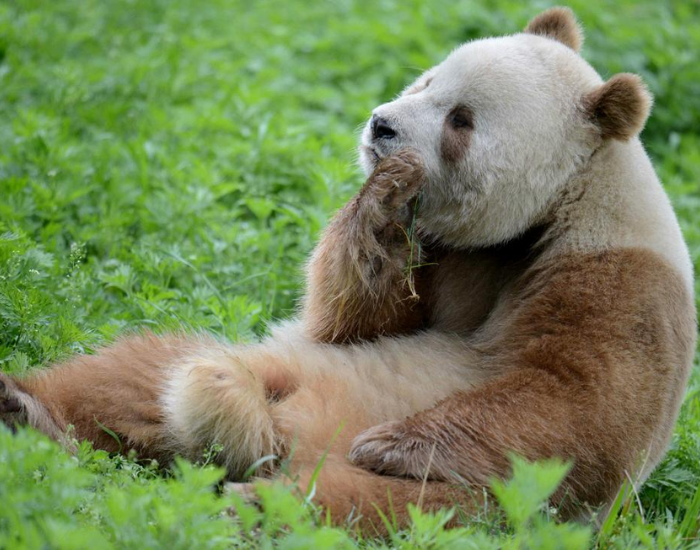
4. Qinling Panda: The Brown-and-White Giant Panda
Most people don’t realize there are two subspecies of giant panda. The Qinling panda lives only in the Qinling Mountains of central China and has a distinctive brown-and-white coat instead of the black-and-white we’re used to. Scientists confirmed it as a separate species — well, separate subspecies — in 2005.
Only about 200 to 300 individuals remain. They primarily feed on bamboo and play a crucial role in the dispersal of bamboo seeds across their range. I haven’t seen one in the wild, almost no one has. But Chinese researchers have placed camera traps throughout the range, and the footage of this rare giant panda variant is genuinely moving.
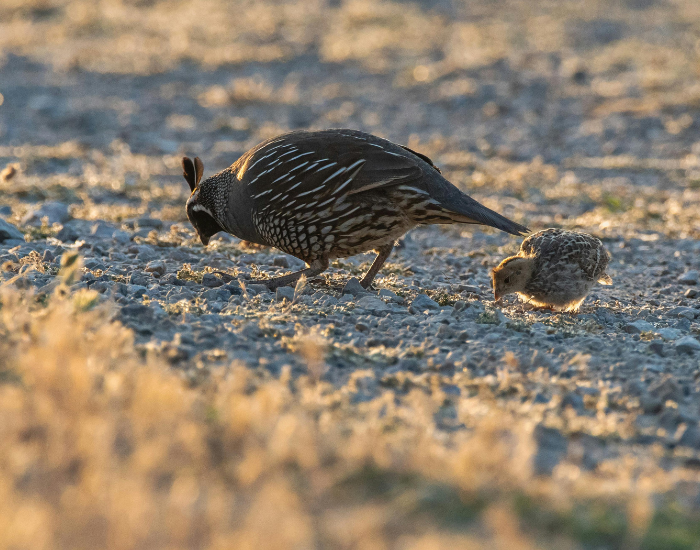
5. Quail: The Small Bird That Powers Backyards and Cuisines
Quail are small ground-dwelling birds found across six continents. The California quail, with its distinctive head plume, serves as became the state official bird. The common quail of Europe and Africa is one of the few migratory species in its family.
That’s quail for you: heard, not seen. Globally they remain stable, though pesticide use has shrunk numbers in industrial farmland. More animals could learn from their habit of staying invisible.
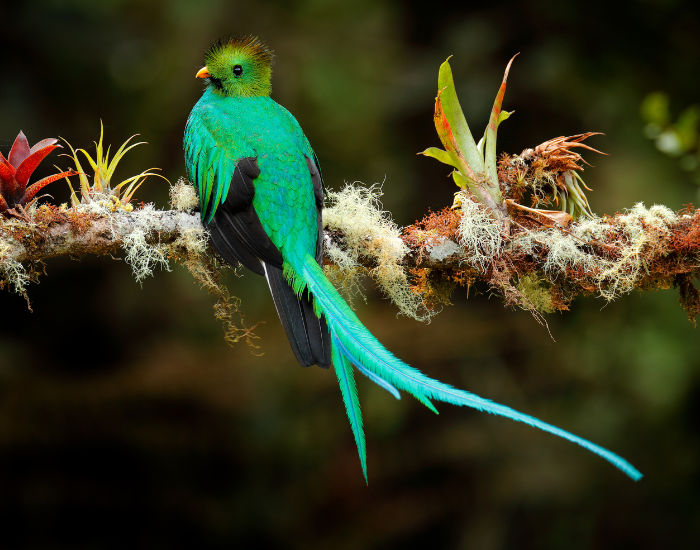
6. Quetzal: The Resplendent Bird of Central America
The resplendent quetzal of Central America is, in my opinion, the most beautiful bird on Earth. Iridescent green back, scarlet chest, and tail feathers up to a meter long on breeding males. It’s the national bird of Guatemala and features on the country’s currency. The quetzal is listed as Near Threatened, and habitat destruction across the tropical rainforests of Central America is the primary driver.
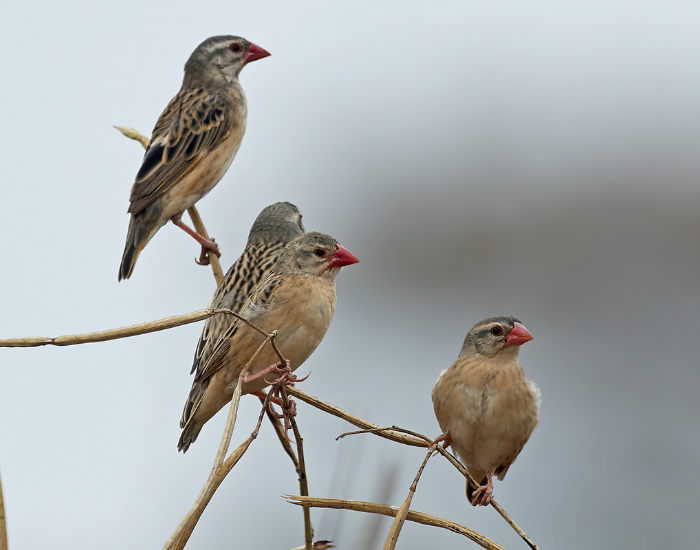
7. Quelea: The Red-Billed Bird of Sub-Saharan Africa
The red-billed quelea is the most abundant wild bird on Earth, with an estimated population of 1.5 billion. This small weaver bird forms flocks so dense they look like smoke moving across the savanna. Farmers across Sub-Saharan Africa lose millions to red-billed quelea each year, and control programs remain controversial. The bird is doing fine. The farmers are not.
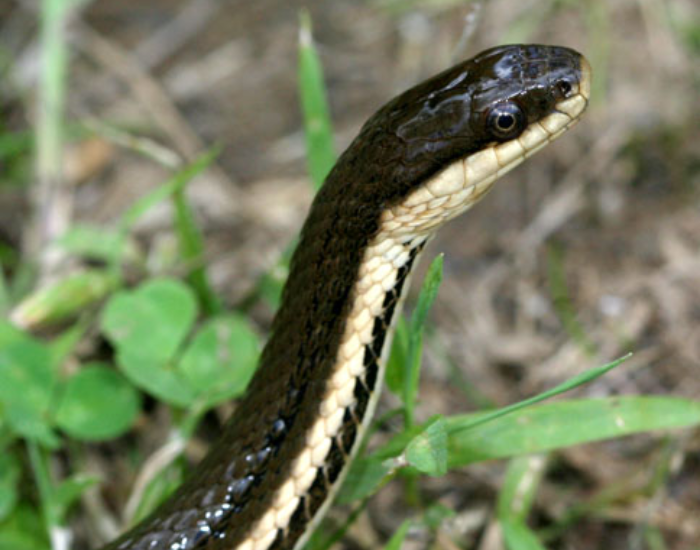
8. Queen Snake: The Crayfish Specialist
The queen snake is a non-venomous water snake native to the eastern coast of North America. Among reptiles, it’s a feeding specialist of the highest order: it eats almost exclusively freshly molted crayfish in fast-moving streams. Block its access to crayfish and the species vanishes, which is exactly what’s happening in polluted watersheds. Their decline is a quiet one, but it’s one of the clearest indicators of stream health in the eastern US.
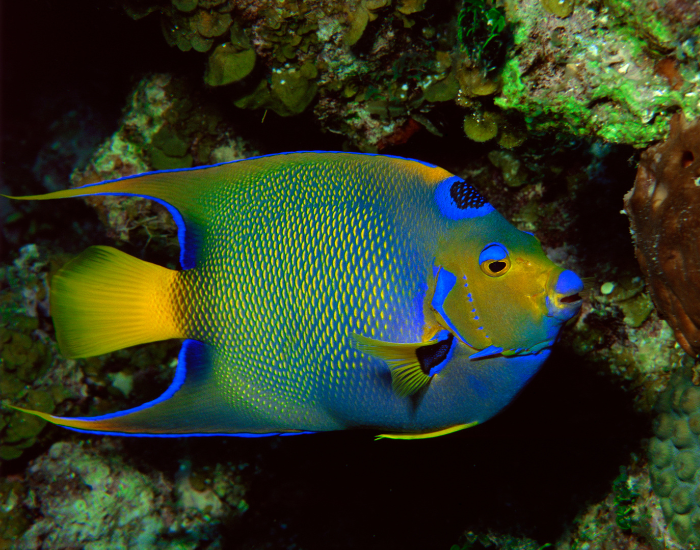
9. Queen Angelfish: The Jewel of Caribbean Coral Reefs
The queen angelfish is one of the most striking fish on Caribbean coral reefs. Adults flash electric blue and yellow with a distinctive “crown” marking on the forehead, hence the name. They live in pairs and defend small territories on the reef. You’ll also find related species across the Indian Ocean, though the true queen angelfish is Atlantic.
This fish is approachable in a way most reef fish aren’t, swimming straight up to your face to inspect you. Climate change and coral bleaching threaten their habitat, but the species itself is currently listed as Least Concern.
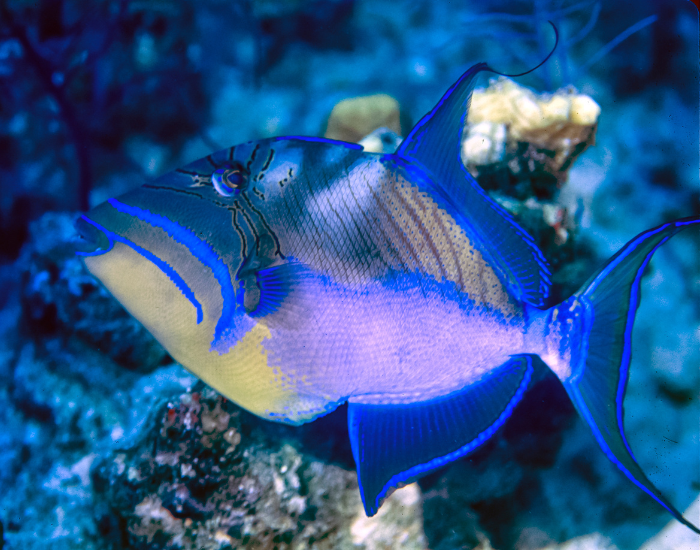
10. Queen Triggerfish: The Pugnacious Reef Bulldog
Where the queen angelfish is elegant, the queen triggerfish is pure attitude. Found across the tropical waters of the Atlantic and Caribbean, it has powerful jaws built for cracking sea urchins and an aggressive streak that has earned it a reputation among divers.
I got close to one in the Caribbean while snorkelling to see sea turtles, and urchins. It drew blood through a 3mm wetsuit. Beautiful fish, terrible neighbors. Their hunting plays a crucial role in controlling urchin numbers, which in turn helps protect coral reefs from being overgrazed.
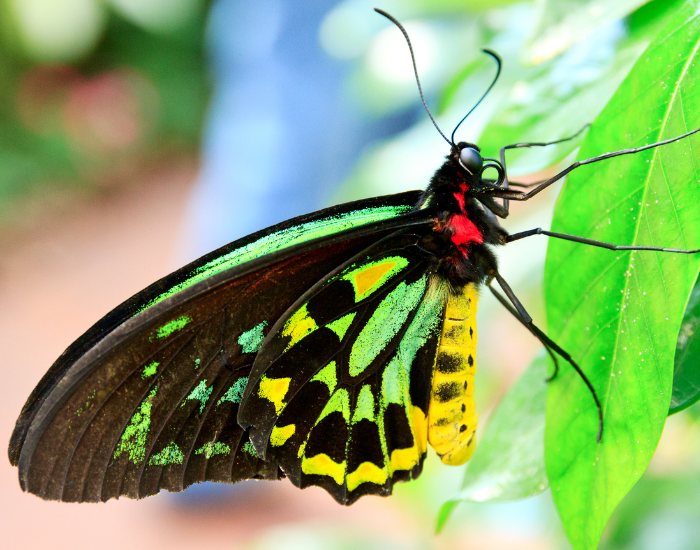
11. Queen Alexandra’s Birdwing: The World’s Largest Butterfly
Queen Alexandra’s birdwing butterfly lives only in a small patch of lowland rainforest in northern Papua New Guinea. Females can have wingspans of 25 centimeters, the largest of any butterfly on Eartht there. Of all the insects you’ll meet on this list, this one is most likely to be mistaken for a bird in flight.
Habitat loss from palm oil expansion has pushed the species to Endangered. There’s a captive breeding program in New Guinea, but the butterfly’s range is shrinking fast.
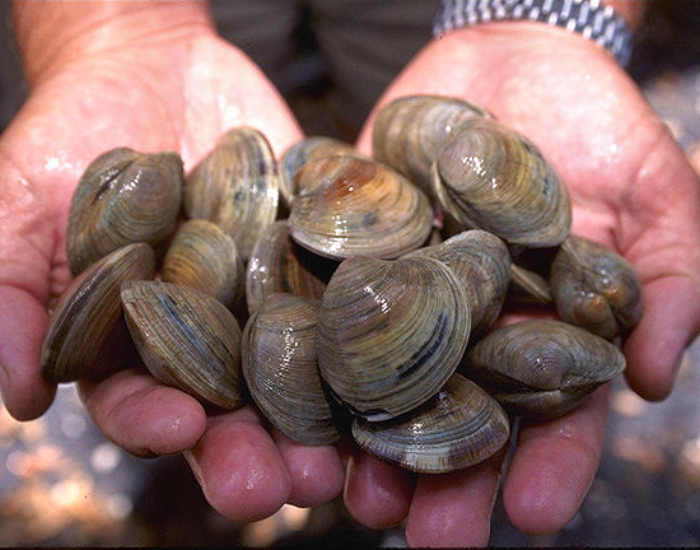
12. Quahog Clam: The Long-Lived Mollusk of the Atlantic
The quahog clam is a hard-shelled mollusk found along the eastern coast of North America. It’s the same animal that ends up in your chowder. What most people don’t know: these clams can live for over 500 years. One specimen, nicknamed Ming, was 507 years old when scientists accidentally killed it while studying its age.
Mollusks of this longevity are living archives, their shells record ocean temperature year by year, the way tree rings do. The quahog isn’t endangered, but ocean acidification threatens long-lived clams across the Atlantic and beyond.
13. Queen Parrotfish: The Gender-Flipping Sand Maker
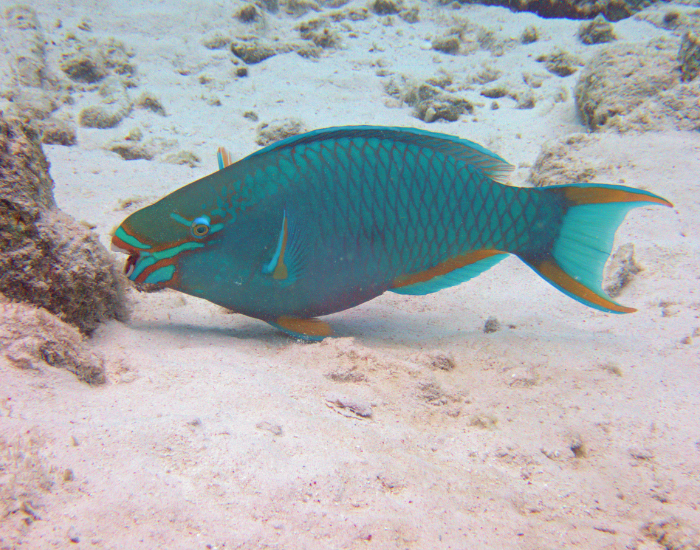
If you’ve ever relaxed on a white-sand beach in the Caribbean, you can likely thank a parrotfish for the view. The queen parrotfish (Scarus vetula) spends up to 90% of its day using its fused, beak-like teeth to scrape algae off coral reefs. In the process, they ingest chunks of dead coral, digest the organic matter, and exude the mineral fragments as fine white sand. A single adult can poop out hundreds of pounds of sand every year.
They are also protogynous hermaphrodites, meaning every single one is born female. They live in small harems governed by one large, brightly colored “supermale.” If that dominant male dies, the largest female in the group will fundamentally alter her biology, change color from a drab reddish-brown to a vibrant blue-green, and become the new male leader within weeks. At night, they protect themselves from predators by secreting a thick, transparent mucus cocoon that completely seals in their scent
The Rarest First Letter
The letter q is the rarest first letter in English animal names, which is exactly what makes this list interesting, every species here is either geographically isolated, evolutionarily unusual, or scientifically important. Conservation efforts matter more for these animals than for almost any other group, simply because there are so few of them to lose.
Go observe one if you can. Visit Western Australia for the quokka, Belize for the angelfish, or your local Atlantic shoreline for a quahog clam. To find links to related stories, leave a comment with the most surprising animal on this list , or keep reading about marsupials, the animals of Australia, or the quaker parrot.
References:
Hayward, M. W., de Tores, P. J., Augee, M. L., & Banks, P. B. (2005). Mortality and survivorship of the quokka (Setonix brachyurus) in the northern jarrah forest of Western Australia. Wildlife Research, 32(8), 715–722. https://doi.org/10.1071/WR04111
Hohnen, R., Tuft, K., McGregor, H. W., Legge, S., Radford, I. J., & Johnson, C. N. (2016). Occupancy of the invasive feral cat varies with habitat complexity in the Kimberley, Western Australia. PLoS ONE, 11(3), e0152520. https://doi.org/10.1371/journal.pone.0152520
Wan, Q. H., Wu, H., & Fang, S. G. (2005). A new subspecies of giant panda (Ailuropoda melanoleuca) from Shaanxi, China. Journal of Mammalogy, 86(2), 397–402. https://doi.org/10.1644/BRB-226.1