
This guide collects sixteen Animals Starting With W: creatures I’ve personally studied or watched in the wild. You’ll meet apex predators, gentle giants, and a few wonderfully strange surprises. Every animal that starts with W in this list earned its place by being scientifically interesting and personally memorable.
Animals beginning with W span every habitat on the planet. They range from Arctic ice to sub saharan africa, from coral reefs to ancient old-growth trees.
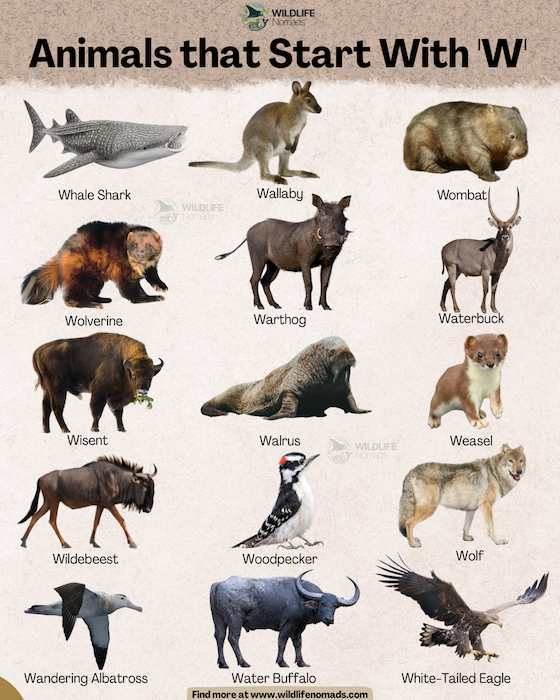
1. Wallaby
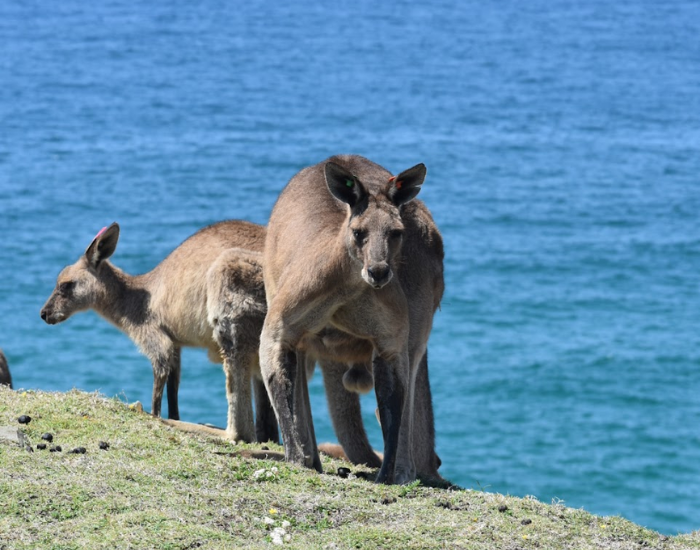
Wallabies are the smaller cousins of kangaroos, and Australia hosts nearly thirty species across stunningly varied habitats. What surprises most visitors is how varied this family of marsupials is. Rock wallabies cling to cliff faces with specialized pads. Pademelons hide in dense rainforest. Some species weigh only a few pounds; others approach 50.
In addition to grazing on grasses, wallabies feed on bark, roots, fallen fruit, and other native plants. I once watched a brown swamp wallaby methodically strip leaves from a single shrub for twenty minutes. They’re alert, fast, and far more curious than people expect.

2. Walrus
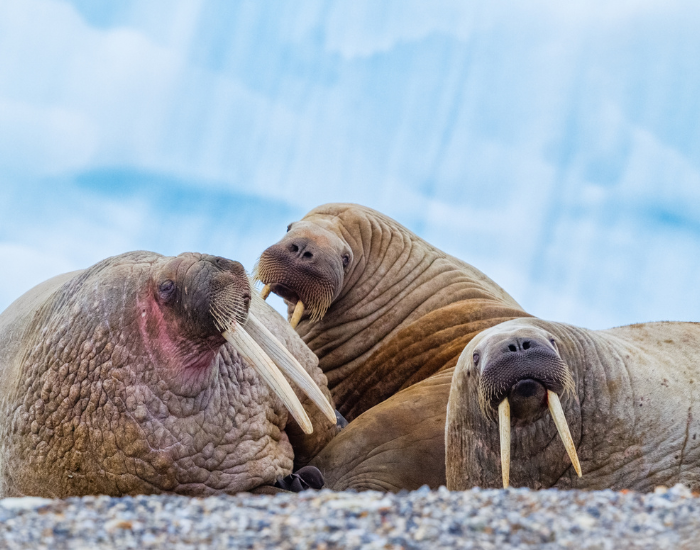
The walrus is one of the most charismatic creatures of the Arctic, and seeing one up close is unforgettable. The sheer size — males can top 3,000 pounds — never stops surprising me.
Those iconic tusks are elongated canine teeth. Both sexes grow them. A walrus uses its tusks to haul its bulk onto sea ice and to dig for clams across the seafloor. They feed almost exclusively on benthic invertebrates: clams, snails, marine worm species, and the occasional fish. Walruses can swim continuously for days when ice is scarce.
3. Wildebeest
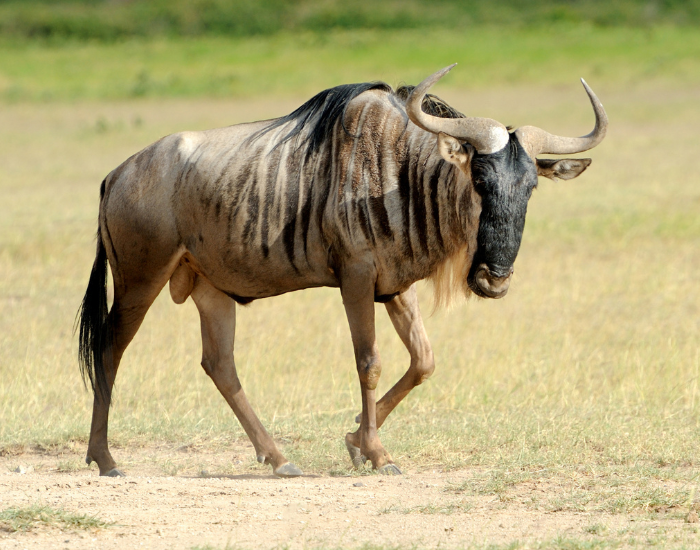
The wildebeest is the engine of Africa’s most dramatic migration. Roughly 1.5 million blue wildebeest cross the Serengeti-Mara ecosystem each year. It is a large antelope — bulky, oddly proportioned, with a mournful face. Wildebeest evolved to outrun lions, hyenas, and crocodiles, and their newborn calves can stand within minutes of birth. It’s an evolutionary masterpiece.
The wildebeest genus contains two species, the blue and the black wildebeest. The black wildebeest lives only in southern Africa and went functionally extinct in the wild before being reintroduced from captive herds. Today both species rely on protected reserves for long-term survival.
4. Wombat
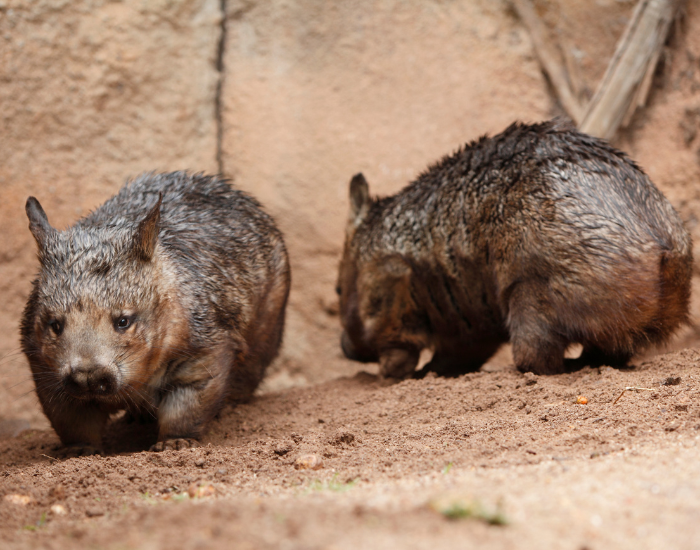
The wombat looks like a barrel on short legs, and that comparison is more accurate than flattering. I spent three nights in a Tasmanian forest tracking common wombats with thermal scopes, and I came away convinced wombats are the strangest mammals in Australia.
Wombats dig elaborate burrow systems, some stretching over 60 feet. The wombat’s famously cube-shaped scat helps mark territory on logs and rocks. Despite the wombat’s slow appearance, a startled wombat can sprint at 25 mph on those stubby legs.
5. Woodpecker
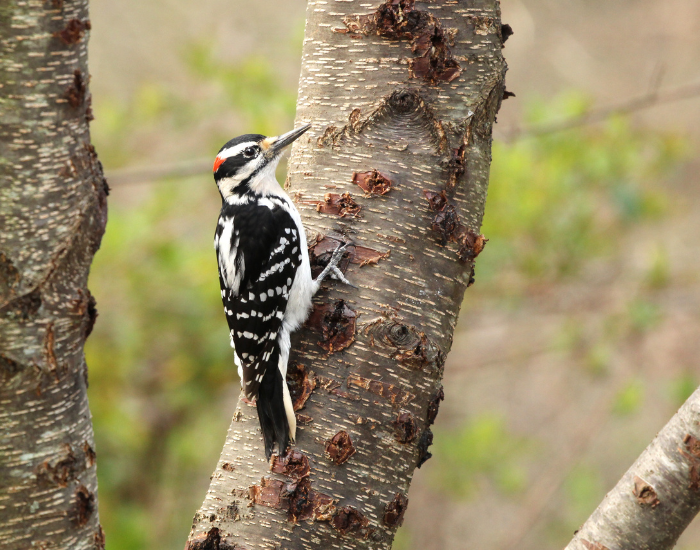
Woodpeckers fascinate me precisely because they shouldn’t work. The act of slamming a beak into hardwood at 20 strikes per second would scramble most brains. Specialized skull structures, a wraparound tongue, and a hyoid bone shock-absorber keep the woodpecker concussion-free.
The pileated woodpecker is North America’s largest surviving species, the ivory-billed woodpecker is now likely extinct but unconrfimed, though hope flickers with each unverified sighting. Woodpeckers feed primarily on insects pulled from bark and rotted wood.
6. Wolf
The gray wolf is my favorite predator on earth, and I’ve followed wolf packs in Yellowstone, the Italian Apennines, and the Carpathian Mountains. Each wolf pack feels like its own personality.
The wolf is the largest wild member of the dog family, with subspecies ranging from the small Arabian wolf to the massive Mackenzie Valley wolf of Canada. Wolves hunt in cooperative groups, communicate through complex vocalizations, and form lifelong pair bonds.
The reintroduction of the wolf to Yellowstone in 1995 reshaped the entire ecosystem. Elk behavior shifted, willow groves recovered, beaver populations rebounded. It’s the textbook example of a trophic cascade, and I’ve stood in the very meadows where it unfolded.

7. Whale Shark
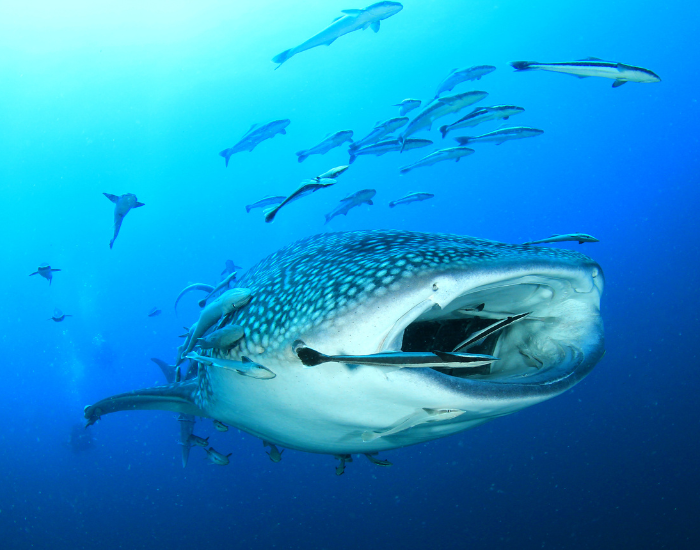
The whale shark is the world’s largest fish, and meeting one in person is humbling. My first whale shark encounter was off Donsol in the Philippines, a 30-foot female, slow and patient, mouth gaping open as she fed on plankton blooms in the tropical waters.
Despite the name, the whale shark is not a whale. The whale shark is a filter feeder, straining krill, fish eggs, and small squid from enormous volumes of water. Each individual’s spot pattern is unique — like a fingerprint — which lets researchers track whale sharks across oceans. First described scientifically in 1828, the whale shark was discovered to be far more migratory than anyone suspected.
8. Western Lowland Gorilla
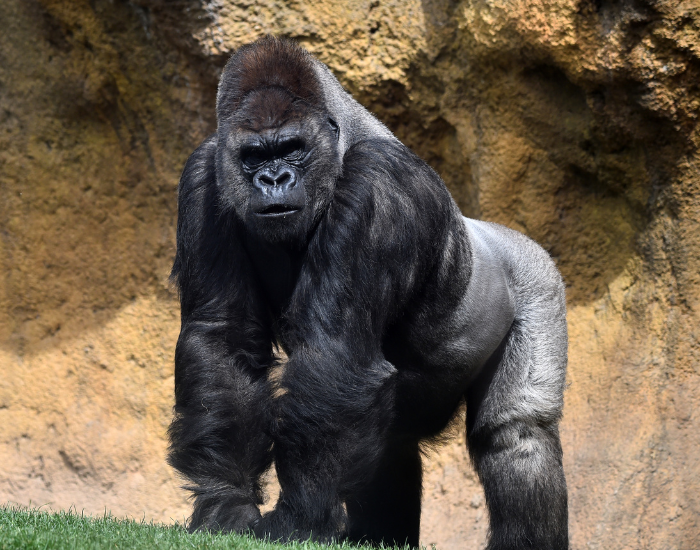
The western lowland gorilla is the most numerous of all gorilla subspecies, yet still critically endangered. Western gorilla data is harder won than it sounds.
A western lowland gorilla family is led by a silverback male, with multiple females and their offspring. They forage across vast home ranges, feeding on fruit, leaves, insects, and the occasional termite. Unlike their mountain cousins, the western gorilla spends more time in lowland trees and tropical forest edges.
9. Wandering Albatross
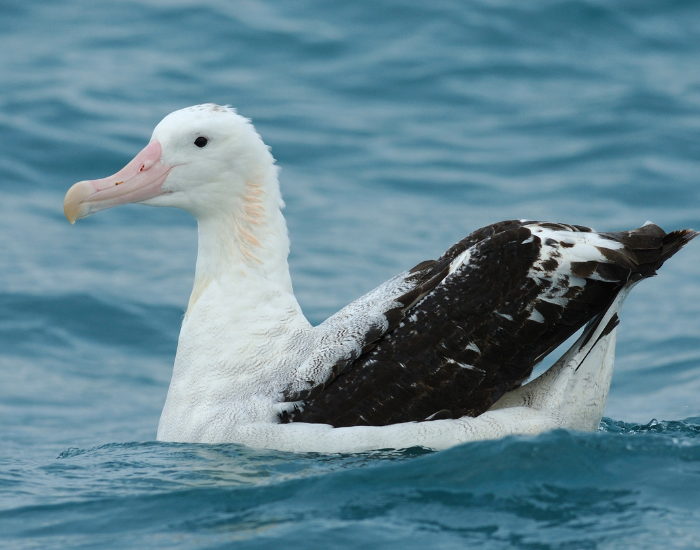
The wandering albatross has the largest wingspan of any living bird, up to 11 feet. I once watched a wandering albatross trail our research vessel for six straight hours in the Southern Ocean without flapping its wings once. The efficiency is astonishing.
These seabirds spend most of their lives at sea, returning to remote sub-Antarctic islands only to breed. They mate for life, raise a single chick every two years, and can live past 60. A pair I observed on South Georgia Island had been together for over two decades.
10. White-Tailed Eagle
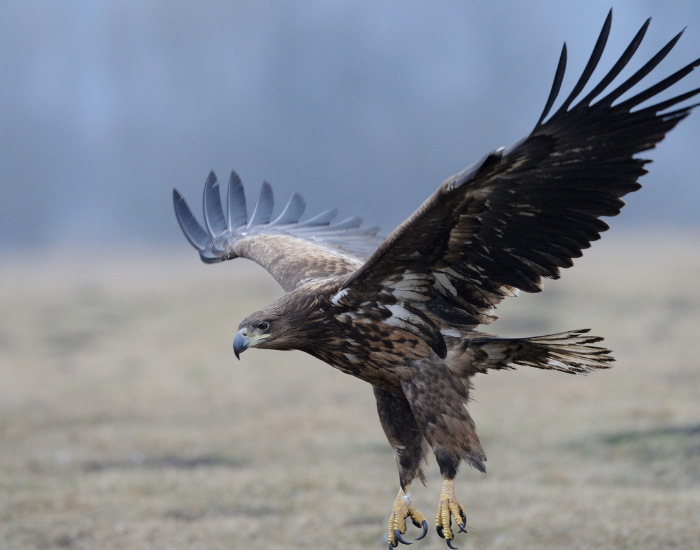
The white tailed eagle is Europe’s largest bird of prey, and the closest relative of North America’s bald eagle. These eagles prefer coastlines, lakes, and large rivers where they hunt fish, waterbirds, and carrion. Their wingspan can exceed 8 feet, and their hunting dives reach speeds over 100 mph.
11. Wyoming Toad
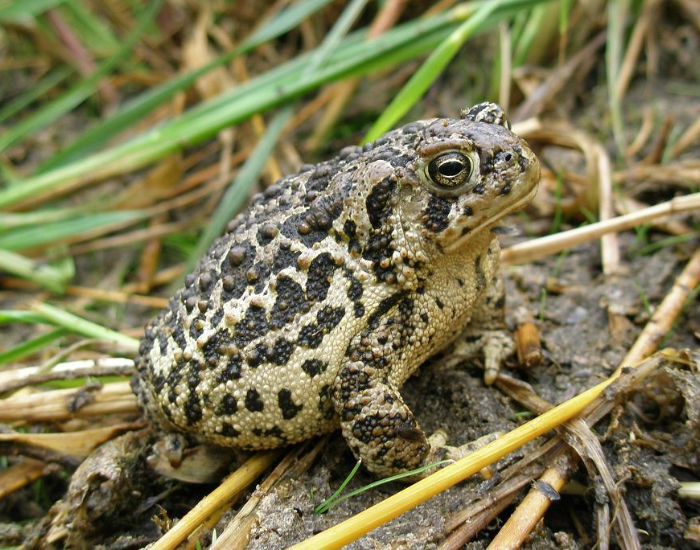
The Wyoming toad is endemic to a small wetland complex in southeastern Wyoming, and it’s one of North America’s rarest amphibians. By the late 1980s, the Wyoming toad was functionally extinct in the wild. A captive-breeding population at Mortenson Lake National Wildlife Refuge is now this species’ lifeline.
The reintroduction depends on tightly controlled habitats, predator management, and constant disease surveillance, particularly for chytrid fungus. Toads also help control mosquito populations and other insects in their wetland habitats.
12. Water Buffalo
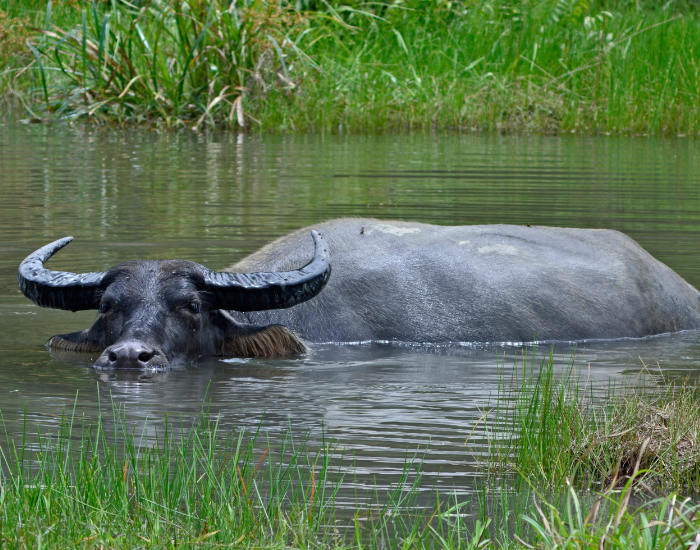
The water buffalo is one of the most economically important and culturally significant animals in Asia. Wild water buffalo are larger and more aggressive than their domesticated cousins. Their massive horns — the largest of any living bovid — can span over six feet tip to tip. They wallow daily, both to cool down and to coat themselves in protective mud.
The wild species is endangered, threatened by hybridization with domestic buffalo, habitat loss, and disease. Yet domestic water buffalo number around 200 million worldwide and remain central to rice agriculture across South and Southeast Asia.
13. Wolverine
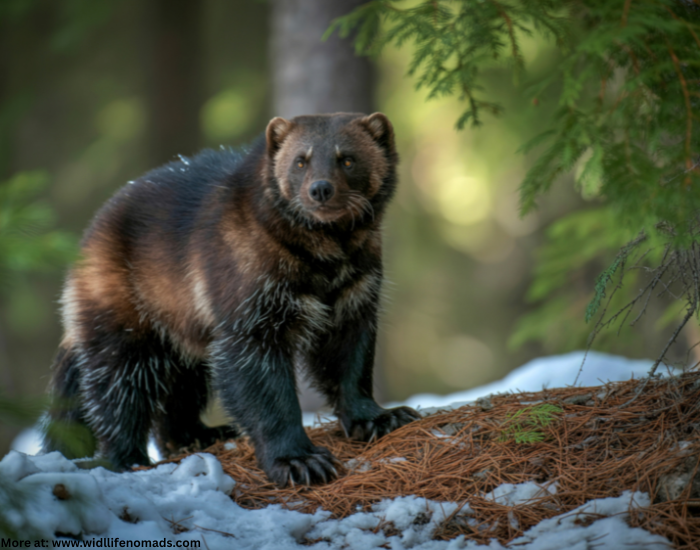
The wolverine is the largest land-dwelling member of the weasel family, despite looking more like a small bear. Found across the northern reaches of North America, Europe, and Asia, the wolverine thrives in deep snow and remote wilderness where few other predators bother to compete.
Wolverines are famously tough. A single wolverine will scavenge wolf-killed elk, take down prey larger than itself, and travel dozens of miles in a day. Their thick, frost-resistant fur once made them prized by trappers, and climate change now threatens the deep-snow habitats they need to den.
14. Whales
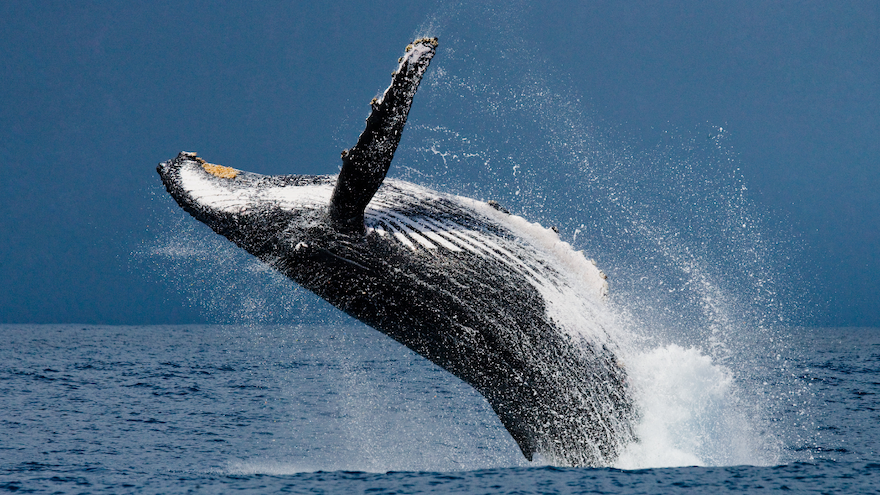
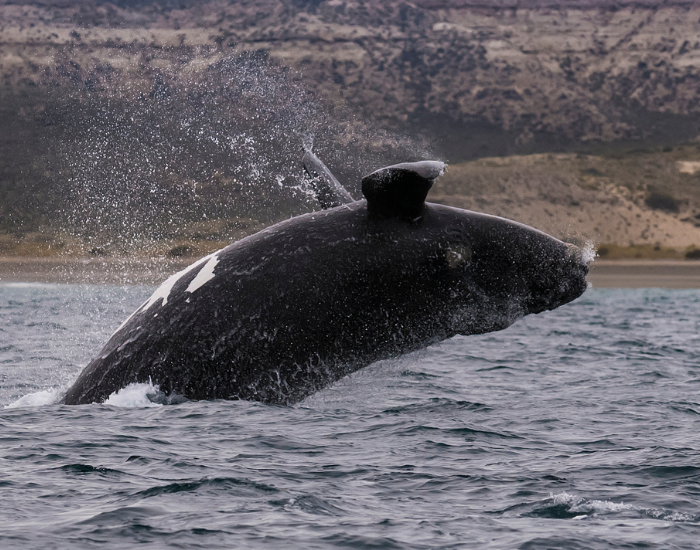
Whales are some of the most extraordinary mammals on the planet, and the group includes over 90 species split between baleen and toothed whales. Blue whales are the largest animals to ever exist, while orcas, sperm whales, and humpback whales each carry their own legendary status in marine science.
Despite international protections, many whale populations are still recovering from centuries of commercial whaling. Ship strikes, entanglement in fishing gear, and ocean noise pollution remain ongoing threats across nearly every species.
15. Wobbegong Shark
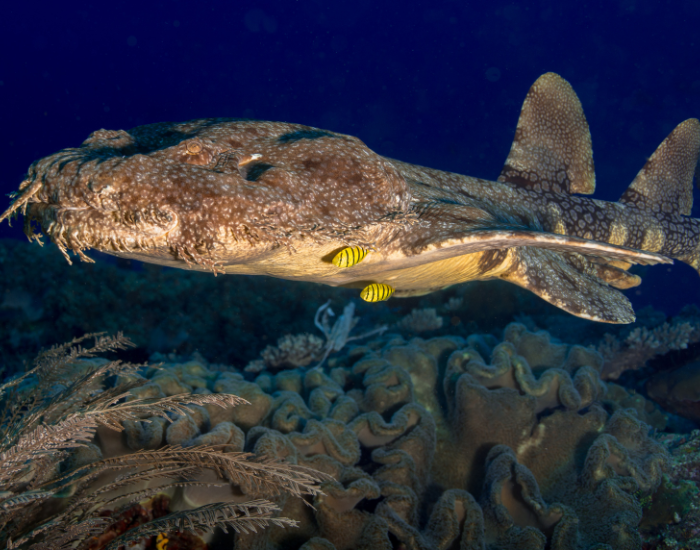
The wobbegong shark is a flattened, bottom-dwelling shark found mostly in the shallow reefs of Australia and the western Pacific. Their mottled coloring and frilly skin tassels make them nearly invisible against coral and rock, one of the best ambush predators in the ocean.
There are roughly twelve species of wobbegong, and most live a slow, lazy lifestyle, lying motionless until a fish swims close enough to strike. Despite their relaxed appearance, wobbegongs are responsible for a fair share of shark bites in Australia, usually because someone stepped on one.
16. Whooping Crane
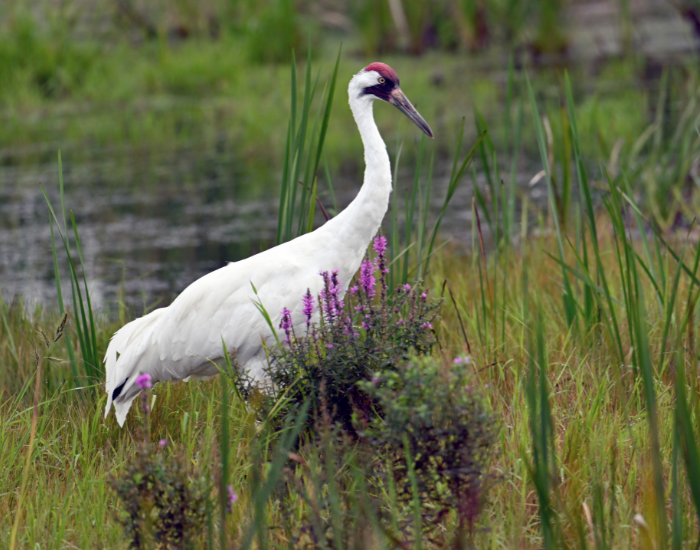
The whooping crane is North America’s tallest bird and one of its most celebrated conservation success stories. By 1941, only about 20 birds remained. Today in 2026, thanks to captive breeding and habitat protection, the wild population has climbed back over 600.
These elegant white birds migrate thousands of miles each year between Canada and the Texas Gulf Coast. The whooping crane remains endangered, but every successful breeding season represents real progress for a species that came perilously close to extinction.
More than You Think
This list barely scratches the surface of what’s out there. From the wallaby bounding through Australian bush to the whale shark drifting through tropical waters, animals starting with W reveal an extraordinary slice of biodiversity on this planet. These twelve w animals are just a starting point — there are dozens more worth chasing.
For deeper dives, my detailed posts on wallaby behavior, the major types of whale, the most fascinating whale shark facts, and waterfowl identification unpack many of these species further. Drop a comment if there’s another animal that starts with W you’d like me to cover next — I’m always plotting the next expedition
References:
Kovacs, K. M., Lydersen, C., Overland, J. E., & Moore, S. E. (2011). Impacts of changing sea-ice conditions on Arctic marine mammals. Marine Biodiversity, 41(1), 181–194. https://doi.org/10.1007/s12526-010-0061-0
Ripple, W. J., & Beschta, R. L. (2012). Trophic cascades in Yellowstone: The first 15 years after wolf reintroduction. Biological Conservation, 145(1), 205–213. https://doi.org/10.1016/j.biocon.2011.11.005
Rohner, C. A., Pierce, S. J., Marshall, A. D., Weeks, S. J., Bennett, M. B., & Richardson, A. J. (2013). Trends in sightings and environmental influences on a coastal aggregation of manta rays and whale sharks. Marine Ecology Progress Series, 482, 153–168. https://doi.org/10.3354/meps10290
Walls, S. C., Barichivich, W. J., & Brown, M. E. (2013). Drought, deluge and declines: The impact of precipitation extremes on amphibians in a changing climate. Biology, 2(1), 399–418. https://doi.org/10.3390/biology2010399