When we think about speed in the animal kingdom, our minds often jump to cheetahs or a marlin. Don’t get me wrong, Cheetahs are indeed among the fastest land animals in the world, but up in the skies, a completely different league of speedsters reign supreme. Birds, particularly those designed for the chase or long-distance migration, have evolved into some of the fastest creatures on Earth.
Expectedly, the world’s fastest creatures in the air are birds, showcasing incredible capabilities. But what is the fastest bird in the world? Can any bird outrun a cheetah or even a sports car? To put it in perspective, let’s compare these speeds to the 100-meter dash record set by Usain Bolt. Let’s find out.
This guide dives into the 12 fastest birds on the planet, exploring their recorded speeds, flight styles, and adaptations that make them the elite aviators of our skies.

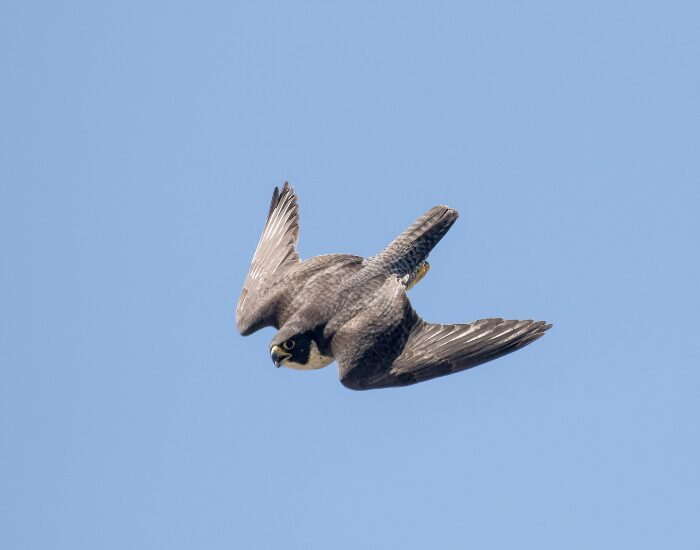
1. Peregrine Falcon – 240 mph (386 km/h)
The undisputed champion of speed in the animal kingdom, the Peregrine Falcon holds entries for world’s fastest bird in the Guinness Book of World Records. The Peregrine Falcon’s hunting technique involves a high-speed dive, known as a stoop, to capture prey. The fastest speed achieved by this bird of prey during a dive is over 240 mph. Peregrine Falcon researchers went to great lengths, including using air balloons, to measure the falcon’s speed during these dives. When diving (called a stoop) to capture prey mid-air, it can reach these incredible speeds.
These birds have streamlined bodies, stiff feathers, and special nostrils that allow them to breathe while diving at such high velocities. Peregrine Falcons use their remarkable speed to chase prey and are found on every continent except Antarctica, making them a true symbol of aerial mastery.
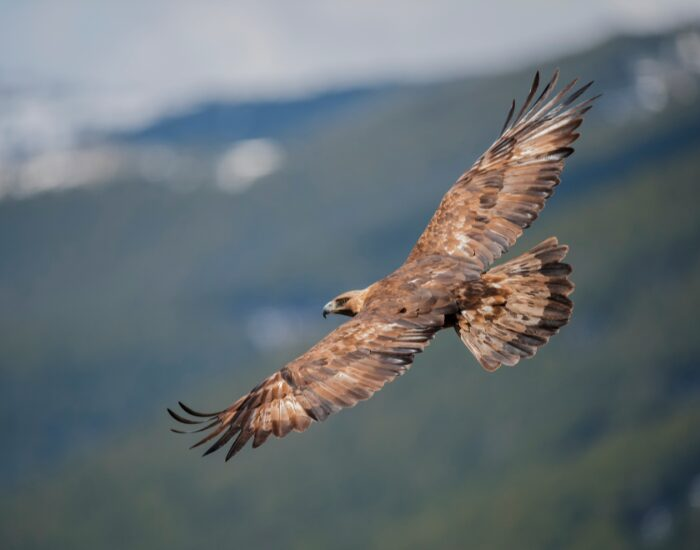
2. Golden Eagle – 200 mph (322 km/h)
Golden eagles are powerful raptors known for their strength and sharp vision. And for some others for been in the national animal of Mexico (featured in its flag). While not quite as fast as the peregrine, they have been clocked diving at speeds up to 200 mph, slightly faster than cars, which is still impressive compared to other birds.
Some birds can reach speeds of 70 km/h, showcasing the diverse range of velocities in the avian world. Unlike the peregrine’s stoop, golden eagles use their speed in both soaring and ambush attacks, often hunting hares and foxes on rugged terrains. Their long wings and massive size make them formidable predators.
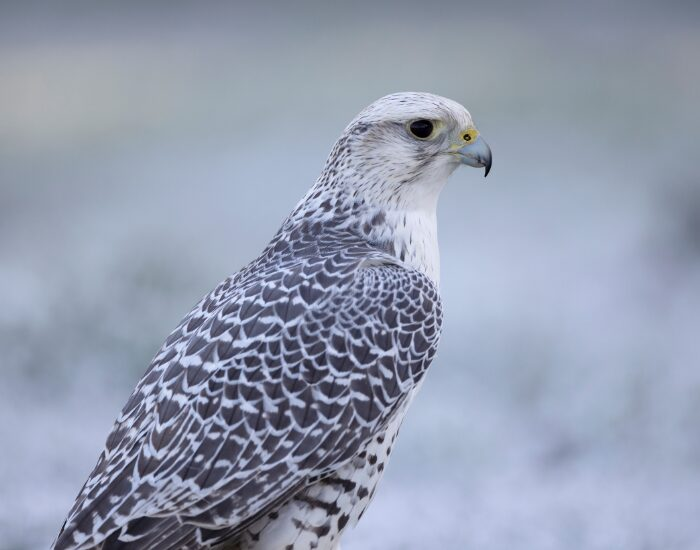
3. Gyrfalcon – 116–130 mph (209 km/h)
The gyrfalcon is the largest falcon in the world and a powerful predator of the Arctic. The Gyrfalcon, is a member of the falcon family and shares many of its remarkable hunting adaptations.
While not the fastest diver, it can reach a top speed of up to116–130 mph during its high-speed chases. Their size and strength give them an advantage in open tundra landscapes when hunting in the arctic, like arctic hares and other prey, where agility is less important than sheer force.
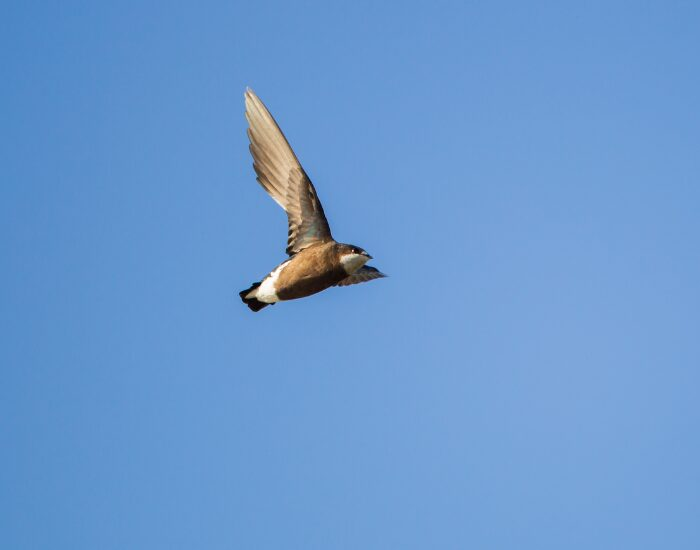
4. White-throated Needletail – 105 mph (169 km/h) – ~69 mph (111.6 km/h)
The White-throated Needletail holds the record for the fastest in horizontal flight. Another fast bird in horizontal flight is the Pacific Swift, which it is supposed to reach speeds of 166 km/h. However, this figure has never been confirmed in a peer-reviewed study, it originates from informal field observations rather than controlled scientific measurement.
These birds migrate long distances across Asia and Australia and are perfectly adapted for continuous, high-speed travel.
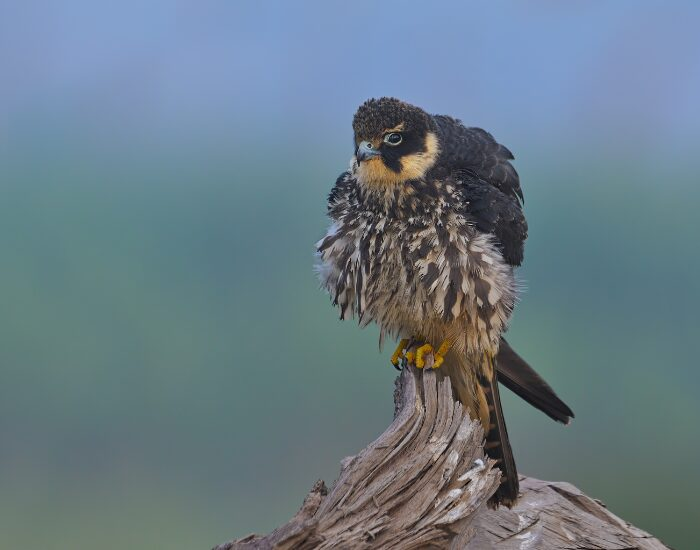
5. Eurasian Hobby – 100 mph (160 km/h)
The Eurasian hobby is a small falcon known for its speed and agility. To put its speed in perspective, a cheetah can complete a 100-meter dash in 5.95 seconds, way faster than the fastest human sprinter. It preys on insects and small birds in flight, often at speeds of around 100 mph. Its sleek, streamlined body and pointed wings allow for sharp turns and quick pursuits, making it one of the most agile birds in the air.
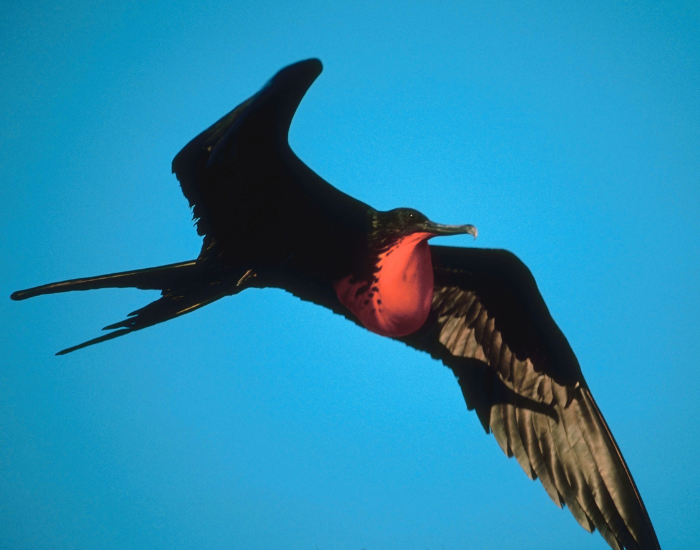
6. Frigatebird – 95 mph (153 km/h)
Frigatebirds are seabirds famous for their effortless gliding and thieving tactics. Frigatebirds are among the birds migrating long distances, often covering thousands of miles over the ocean. Clocked at 95 mph during flight, they use thermals to soar for days over the ocean without flapping their wings. Their forked tails and long wings reduce drag, making them incredibly energy efficient during long migrations.
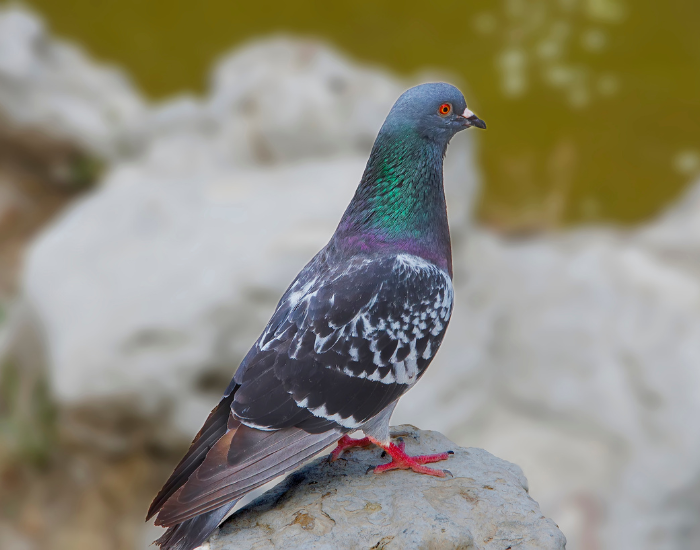
7. Rock Dove (Pigeon) – 92 mph (148 km/h)
Surprised? Domestic pigeons, or rock doves, are capable of speeds up to 92 mph when trained for racing. For comparison, a cheetah can reach speeds of 58–64 mph (93–102 km/h), highlighting the impressive speed of these birds. Their aerodynamic body shape and strong wings have made them one of the most successful urban birds in the world. They’ve even been used in wartime communications due to their remarkable navigation skills.
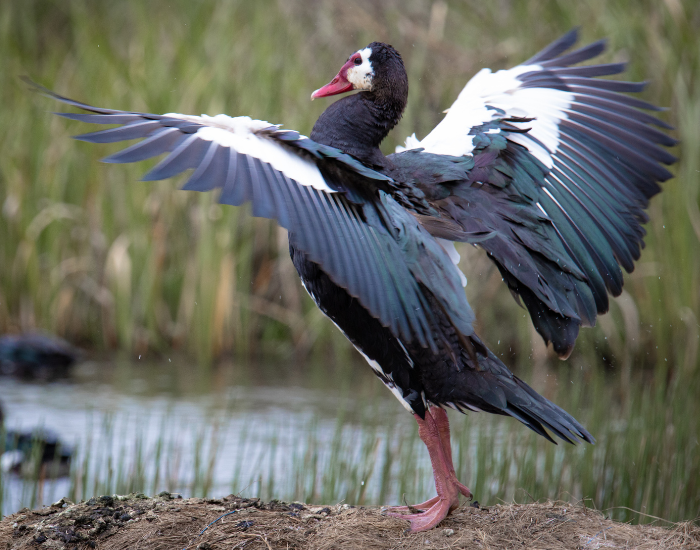
8. Spur-winged Goose – 88 mph (142 km/h)
Native to sub-Saharan Africa, this is the fastest flying goose and one of the heaviest flying birds on Earth. The Spur-winged Goose’s breeding grounds are typically found in wetlands and marshes across the region. Despite its size, it can reach speeds up to 88 mph. It combines strong muscles with long wings and a lightweight skeletal structure.
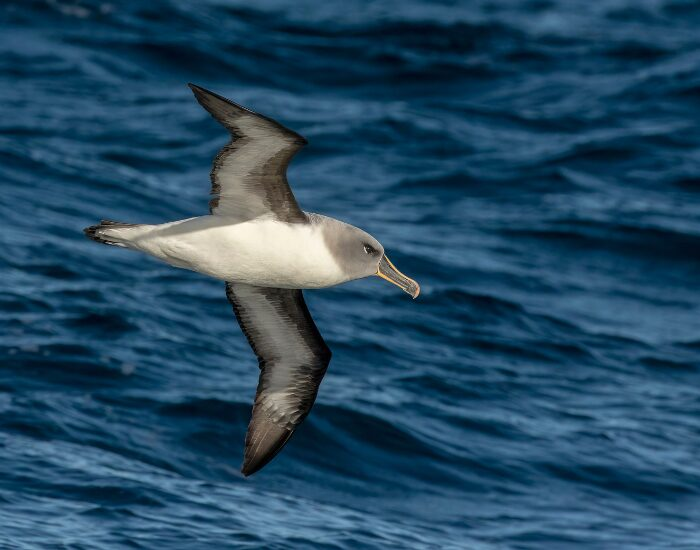
9. Grey-headed Albatross – 79 mph (127 km/h)
The grey-headed albatross may not seem built for speed, but it has one major trick up its wing: dynamic soaring. To learn about the speed of albatrosses, researchers have studied their dynamic soaring techniques over the open ocean.
The speed of birds migrating can be quite impressive. Using the power of wind currents over the open ocean, this species can hit speeds of up to 79 mph (although typical airspeeds of around 45 mph, with theoretical modeling suggesting peaks of up to 112 mph in extreme wind conditions). These birds can travel thousands of miles at sea with barely a flap, relying on wind energy for most of their flight.
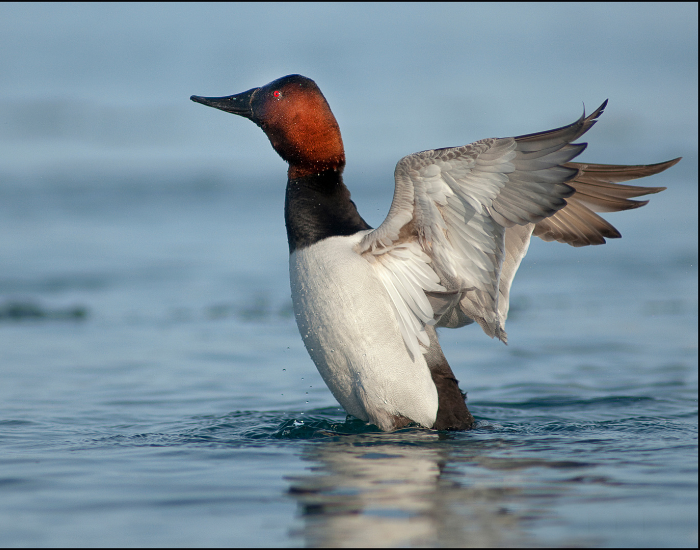
10. Canvasback Duck – 72 mph (116 km/h)
Canvasbacks are among the fastest waterfowl, often flying at 72 mph during migration. The speed of birds migrating is impressive, with the Canvasback Duck achieving remarkable speeds during its journeys. These diving ducks have a streamlined build perfect for high-speed travel between nesting and feeding grounds.
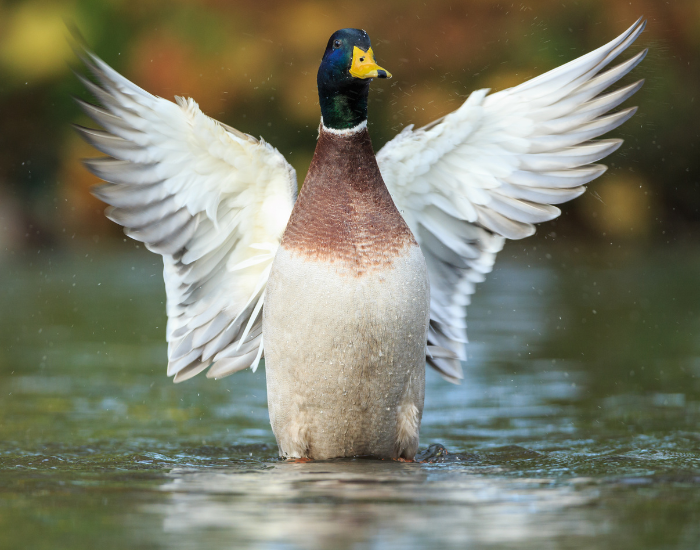
11. Mallard – 70 mph (113 km/h)
Common but no slouch, the mallard can reach speeds up to 70 miles per hour (mph) or approximately 113 kilometers per hour (km/h) during migration. The adaptability and speed of these waterfowls have helped make them one of the most widespread duck species in the world.
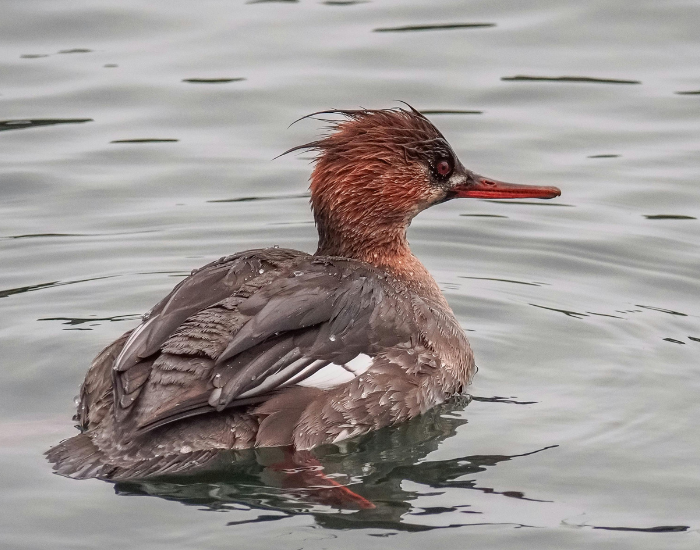
12. Red-breasted Merganser – 81 mph (130 km/h)
This diving duck isn’t your typical speedster, but it can hit speeds of 81 mph during migration. The Red-breasted Merganser is one of the unexpectedly fast ducks, capable of reaching speeds of 81 mph during migration. In contrast, non-diving ducks, which feed while floating, have significantly lower recorded flying speeds. With narrow, serrated bills designed for catching fish, and fast wingbeats, this species has adapted to fast, low-altitude flying over water.
Characteristics of Fast Birds
Fast flying birds like the peregrine falcon possess unique physical characteristics that enable them to achieve such high speeds. One of the key factors is their streamlined body, which reduces air resistance and allows for more efficient flight. Powerful wings, equipped with strong pectoral muscles, provide the necessary thrust for rapid flapping and sustained high-speed travel.
The speed of flying birds is also influenced by their wing shape and feather structure. Pointed wings, for example, reduce drag and increase speed, while stiff, narrow feathers help maintain shape under high-speed pressure. The peregrine falcon’s technique of diving, known as a stoop, is a prime example of how these physical traits come together. During a stoop, the falcon tucks in its wings and dives at incredible speeds, making it a highly efficient hunter.
Other bird species, such as the spur-winged goose and the diving duck, also exhibit fast flight speeds, although they don’t quite match the peregrine falcon’s record. The spur-winged goose, native to sub-Saharan Africa, combines strong muscles with long wings to reach impressive speeds. Similarly, diving ducks like the red-breasted merganser are adapted for fast, low-altitude flying over water.
What Makes a Bird Fast?
Several physical traits contribute to a bird’s ability to fly at high speeds:
- Wing shape: Pointed wings reduce drag and increase speed.
- Muscle mass: Strong pectoral muscles power rapid flapping.
- Body size: Streamlined bodies cut through the air more efficiently.
- Feather design: Stiff, narrow feathers hold shape under high-speed pressure.
Birds like falcons have evolved all of these traits in combination, making them ultimate speed machines. The technique of the peregrine, particularly its high-speed diving (stoop), allows the Peregrine Falcon to utilize its weight and achieve unparalleled speed records compared to other raptors. The best an ostrich could achieve in terms of speed is 70 km/h, making it the fastest running bird.
FAQs about Fast Birds You May Have!
Yes—if we’re talking about speed during a dive. The falcon involves diving striking its prey with incredible force, utilizing its body weight and speed. The speed of the peregrine falcon is remarkable, achieving a record 389 km/h (240 mph) during its stoop, unmatched by any other species, air or land. Even the cheetah, which tops out around 58–64 mph (93–110 km/h), doesn’t come close. However, in level flight, species like the white-throated needletail take the crown.
Falcons are among the world’s fastest birds. In the water, the Indo-Pacific blue marlin is one of the fastest fish, potentially reaching speeds of 129 km/h (although it has not been verified). Peregrines and hobbies are built for speed with slender wings and minimal drag. Eagles, while strong and fast, are heavier and rely more on power than agility.
None so far. The Guinness Book of World Records recognizes two entries for world’s fastest birds: the White-throated Needle tail for horizontal flight and the Peregrine Falcon for diving speed. While peregrine falcons get close to 240 mph, no bird has been reliably recorded at 300 mph.
Why Speed Matters in the Sky
Speed isn’t just about setting records, it’s about survival. The world’s fastest are birds, holding the records for the fastest speeds in the animal kingdom. Fast birds can outfly predators, catch prey mid-air, and migrate thousands of miles. In an age where climate change and habitat loss are altering ecosystems, speed can mean the difference between thriving and declining.
Understanding these avian athletes helps us appreciate not just their beauty, but the extraordinary physics and evolution behind every wingbeat. From falcons in freefall to ducks on migration, birds have mastered the art of flight in ways that continue to inspire scientists, conservationists, and birdwatchers alike.
Curious about the fastest creatures on land or the loudest animals in the wild? Check out our other blog posts like “The Fastest Land Animals,” “The Loudest Animal on Earth,” and “The Biggest Animals in the World” to explore more mind-blowing animal superlatives. There’s a whole world of wildlife wonders waiting!
References:
Alerstam, T., Rosén, M., Bäckman, J., Ericson, P. G., & Hellgren, O. (2007). Flight speeds among bird species: allometric and phylogenetic effects. PLoS biology, 5(8), e197. https://doi.org/10.1371/journal.pbio.0050197
Guinness World Records. (n.d.). Fastest bird (diving). https://www.guinnessworldrecords.com/world-records/70929-fastest-bird-diving
Pennycuick, C. J. (1997). Actual and ‘optimum’ flight speeds: Field data reassessed. Journal of Experimental Biology, 200(17), 2355–2361. https://doi.org/10.1242/jeb.200.17.2355
Sachs, G., Traugott, J., Nesterova, A. P., & Bonadonna, F. (2013). Experimental verification of dynamic soaring in albatrosses. Journal of Experimental Biology, 216(22), 4222–4232. https://doi.org/10.1242/jeb.085209
Tucker, V. A., Cade, T. J., & Tucker, A. E. (1998). Diving speeds and angles of a gyrfalcon (Falco rusticolus). The Journal of experimental biology, 201 (Pt 13), 2061–2070. https://doi.org/10.1242/jeb.201.13.2061
Wilson, A. M., Lowe, J. C., Roskilly, K., Hudson, P. E., Golabek, K. A., & McNutt, J. W. (2013). Locomotion dynamics of hunting in wild cheetahs. Nature, 498, 185–189. https://doi.org/10.1038/nature12295