

Inside Coral Islands: The Hidden World of Living Reefs
Coral islands are living wonders built by reefs. Learn how they form, what makes them vital to marine life, and why protecting them matters now.
Explore global efforts to protect wildlife and restore ecosystems. From endangered species recovery to habitat conservation and scientific innovation, this archive dives into the people and projects shaping the future of our planet.
Coral islands are living wonders built by reefs. Learn how they form, what makes them vital to marine life, and why protecting them matters now.

They change color, move their eyes independently, and capture prey in a flash — chameleons are nature’s shape-shifting marvels. Explore 12 spectacular species that prove reality is stranger than fiction.
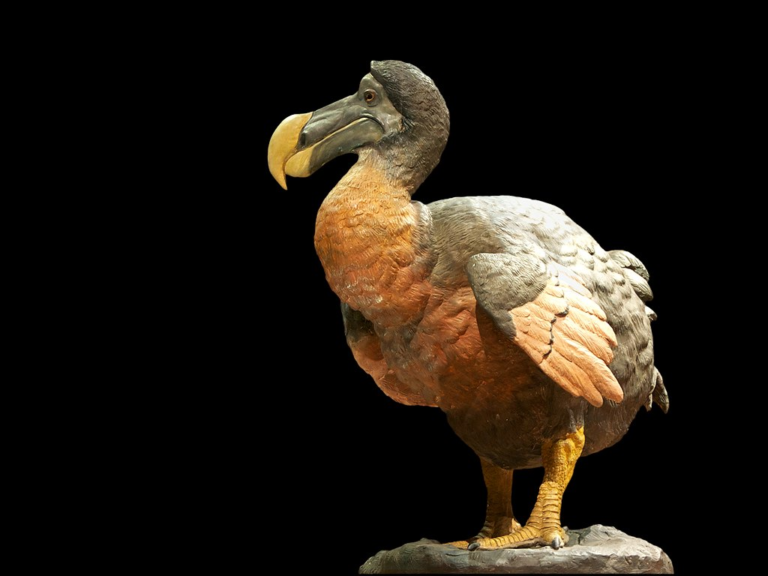
What makes some birds more vulnerable to extinction than others? Meet 10 extraordinary species, from the Dodo to the Elephant Bird, that vanished forever, and uncover the traits that sealed their fate.

Living 4,000 meters deep, angler fish attract prey with bioluminescent lures. Explore their shocking mating habits and unique adaptations for survival.

The Javan rhino is the world’s rarest large mammal, with fewer than 80 left in Indonesia’s Ujung Kulon National Park. Learn 12 fascinating facts about this critically endangered species, its habitat, behavior, and ongoing conservation efforts.

Macaws are large, colorful parrots native to Central and South America. Species include the scarlet, blue-and-yellow, green-winged, and hyacinth macaws. Known for strong beaks, intelligence, and lifelong pair bonds, they inhabit tropical rainforests and play vital ecological roles.

Lampreys are ancient, alien-looking fish with circular mouths lined in teeth — real-life inspirations behind Hollywood monsters. But behind the horror lies a story of evolution, invasion, and overlooked conservation, reminding us that beauty often decides which species we choose to protect.

If you grew up watching Phineas and Ferb, you’ll remember Perry the Platypus — but this creature isn’t just a cartoon. The real platypus is even stranger: a venomous, egg-laying mammal with a duck-like bill, webbed feet, and electric senses that help it hunt underwater.

The wobbegong shark is one of the ocean’s most unusual predators, often mistaken for part of the reef until it suddenly moves. With their carpet-like patterns, beard-like frills, and remarkable hunting strategy, these bottom-dwelling sharks are full of surprises.

From family bonds to tool use and unique faces, chimpanzees reveal just how close they are to us. Discover 14 fascinating facts about wild and zoo chimpanzees, plus the threats they face today.

Remembering Jane Goodall, the world-renowned ethologist who redefined our understanding of chimpanzees, founded the Jane Goodall Institute, and inspired generations to protect the planet.

Meet the pinnipeds! From the playful sea lions of the Galápagos to the mighty Stellers of Alaska, these charismatic marine mammals are both captivating and crucial to ocean health. Discover the seven sea lion species.

After nearly a century without wolves, gray wolves have returned to California. From the famous journey of OR-7 to today’s thriving packs, their comeback is reshaping ecosystems and sparking debates about coexistence.

The kiwi bird is one of nature’s strangest creations—a flightless, nocturnal bird with hair-like feathers, nostrils on the tip of its beak, and eggs so massive they defy belief. Native to New Zealand, kiwis shuffle through the forest floor at night, guided not by sharp eyesight but by an extraordinary sense of smell. Yet despite their cultural status, kiwi birds remain endangered,

Gray wolves are making a comeback in Colorado after decades of absence. Through careful reintroduction, GPS tracking, and public engagement, Colorado Parks and Wildlife is working to build a self-sustaining wolf population.



