
The World’s Rarest Rhinoceros Species
The Javan rhinoceros (Rhinoceros sondaicus) stands as one of nature’s most endangered success stories. With fewer than 80 individuals remaining in the wild, this critically endangered species represents both the fragility of wildlife and the power of dedicated conservation efforts.
Also known as the lesser one-horned rhinoceros or Javanese rhino, this remarkable animal once roamed across Southeast Asia from northeast India to the Malay Peninsula. Today, their entire wild population exists within a single sanctuary in Indonesia.
Let’s explore 12 essential facts that reveal why the Javan rhino population matters to global biodiversity and what we can do to ensure their survival.

1. The Javan Rhinoceros: World’s Rarest Rhino Species
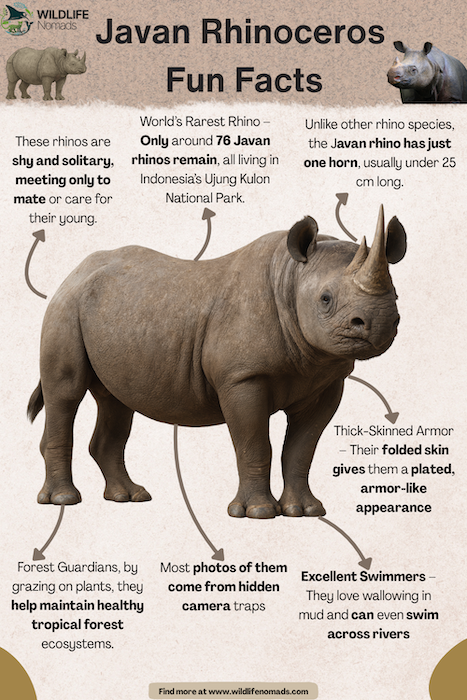
The Javan rhinoceros holds the unfortunate distinction of being the world’s rarest rhino species. Current javan rhino numbers hover around 76 individuals as of 2025, making them more endangered than the famous northern white rhino. This critically endangered status places them among Earth’s most vulnerable large mammals.
Unlike other rhino species, the Javan rhino population has shown remarkable resilience, slowly increasing from just 50 individuals a decade ago.
2. Ujung Kulon National Park: Last Sanctuary for Javan Rhinos
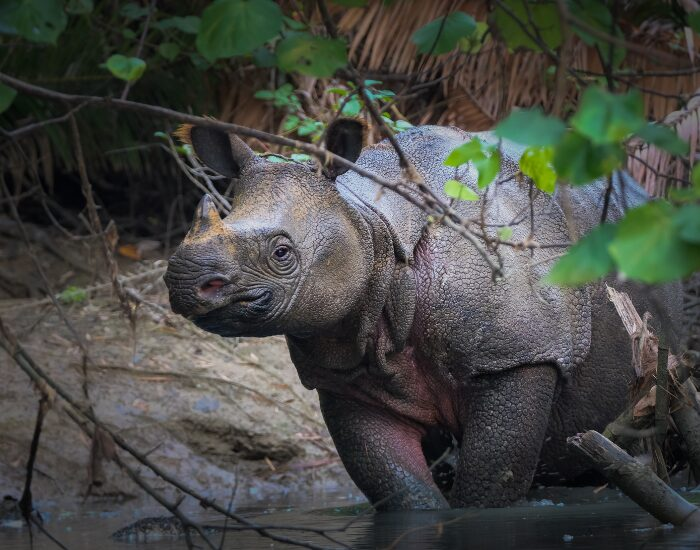
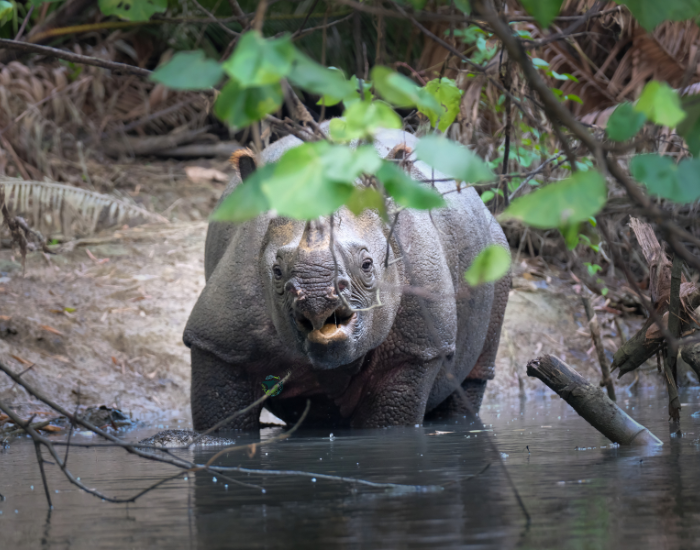
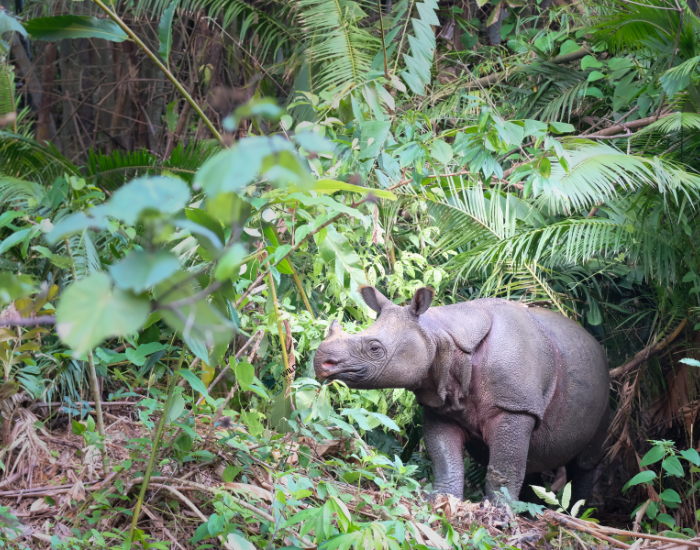
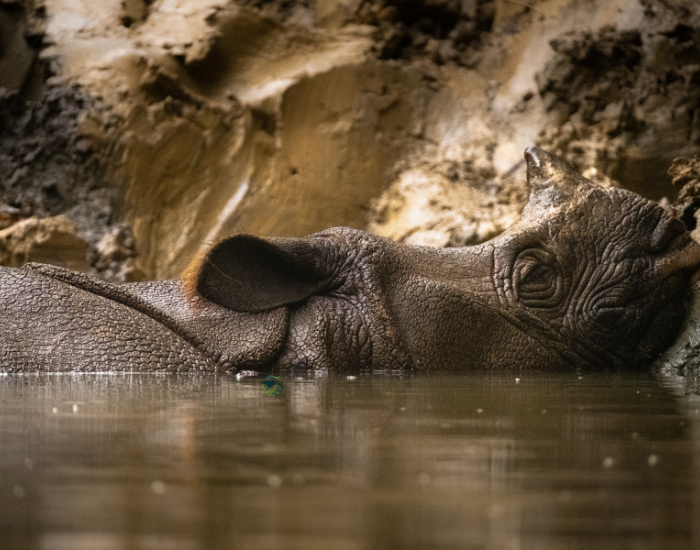
Ujung Kulon National Park in West Java, Indonesia, represents the final stronghold for remaining Javan rhinos. This tropical forest ecosystem spans 1,206 square kilometers and provides the perfect habitat with dense vegetation, mud wallows, and freshwater sources.
The park’s isolation on Java’s western tip offers natural protection, but also creates vulnerability – the entire species depends on this single location. Conservation groups continue monitoring this critical habitat to ensure javan rhinos have adequate space and resources.

3. Physical Characteristics: The Armored Giant
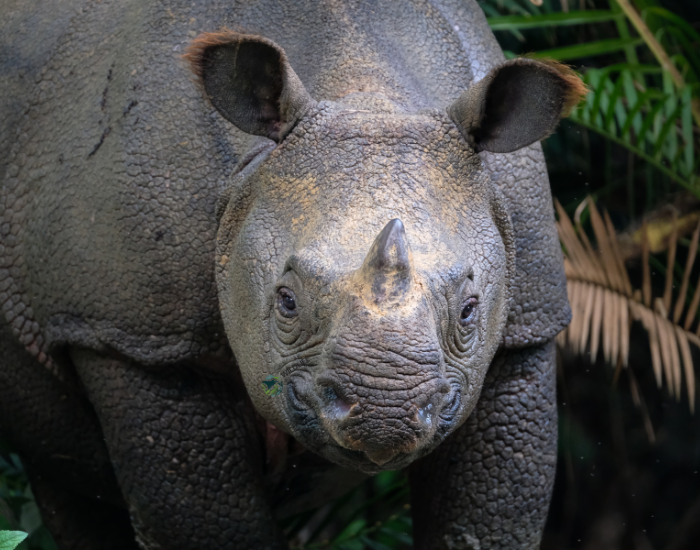
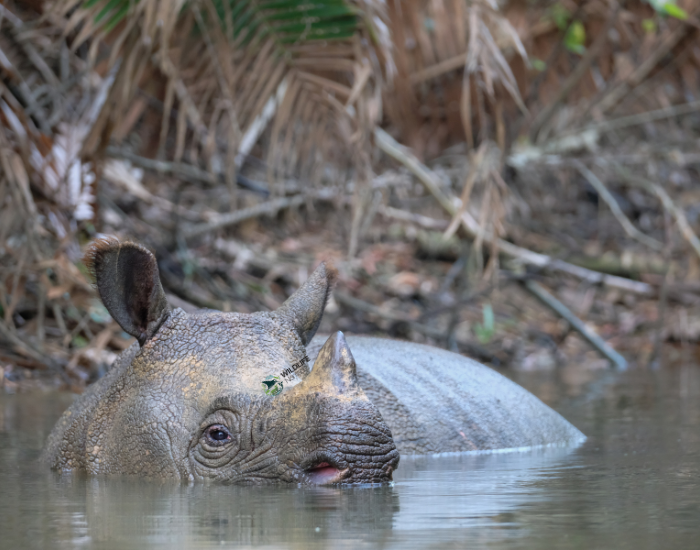
Javan rhinoceros adults display distinctive armored appearance thanks to their thick, folded skin plates. These impressive animals weigh between 900–2,300 kg (2,000–5,000 lbs) and stand up to 1.7 meters tall at the shoulder.
A key difference from other rhino species: female rhinoceros remain hornless, while males develop a single horn typically measuring less than 25 cm. This rhino horn characteristic distinguishes them from their Indian rhinoceros cousins.
4. Lesser One-Horned Rhinoceros: Understanding the Classification
The Javan rhinoceros belongs to the genus Rhinoceros alongside the Indian rhinoceros, earning the nickname “lesser one-horned rhinoceros.” While both are Asian rhino species, the Javan rhinoceros is smaller, more elusive, and has subtler skin folds compared to the greater one-horned rhinoceros of India and Nepal.
This classification helps scientists understand evolutionary relationships among Asian rhino species and develop targeted conservation strategies.

5. Javan Rhino Diet: Adaptable Forest Browsers
Javan rhinoceros demonstrate remarkable dietary flexibility as adaptable feeders. Their feeding ecology includes over 50 plant species, from fig trees to twisted saplings. Using their prehensile lips, they carefully select shoots, fruits, and leaves.
This diverse diet makes javan rhinos vital seed dispersers, helping maintain tropical forest biodiversity. Their browsing behavior creates natural pathways and shapes forest structure throughout Ujung Kulon National Park.
6. Major Threats to Javan Rhino Population
The Javan rhino population faces three critical threats that could trigger javan rhino extinction:
Poaching Pressure
Despite strict protection, poaching remains a constant threat. The illegal rhino horn trade continues targeting Asian rhino species for traditional medicine markets.
Habitat Loss and Invasive Species
Habitat loss from invasive Arenga palm threatens javan rhino food sources. These palms outcompete native plants that javan rhinos depend on for survival.
Natural Disasters
Natural disasters pose existential risks to the existing population. A single tsunami, volcanic eruption, or major storm could potentially eliminate the entire species from Ujung Kulon National Park.
7. Genetic Diversity Crisis in Javan Rhinos
Centuries of population decline have created reduced genetic diversity among remaining javan rhinos. This genetic bottleneck raises serious concerns about disease transmission resistance and long-term adaptability.
Genetic diversity loss makes javan rhinos more vulnerable than other rhino species to diseases and environmental changes. Conservation scientists monitor this critical issue while developing breeding strategies to maximize genetic health.
8. Conservation Efforts: Global Collaboration for Javan Rhinos
Conservation efforts for javan rhinoceros involve multiple organizations including the International Rhino Foundation and Asian Rhino Specialist Group. Current initiatives include:
- Intensive camera-trap monitoring of wild population
- Habitat loss prevention through invasive species removal
- Anti-poaching patrols protecting critically endangered species
- Disease transmission monitoring from wild cattle
Past attempts to establish populations at Cat Tien National Park in Vietnam failed, emphasizing the challenges of captive management for this species.
9. Disease and Natural Disaster Risks
Javan rhino survival faces multiple environmental threats. Disease transmission from wild cattle in Ujung Kulon National Park includes risks like hemorrhagic septicemia.
Natural disasters remain unpredictable threats for this critically endangered population. Territorial fights between males, while natural, can impact small populations significantly.
10. Ecological Role: Keystone Species in Tropical Forests
Despite their small numbers, javan rhinoceros function as ecological engineers in tropical forests. Their activities include:
- Creating forest pathways through browsing
- Seed dispersal maintaining plant diversity
- Mud wallows creation benefiting other wildlife
- Indicating healthy tropical forest ecosystems
Without javan rhinos, Ujung Kulon National Park’s biodiversity would lose a crucial keystone species.
11. Comparing All Five Extant Rhino Species
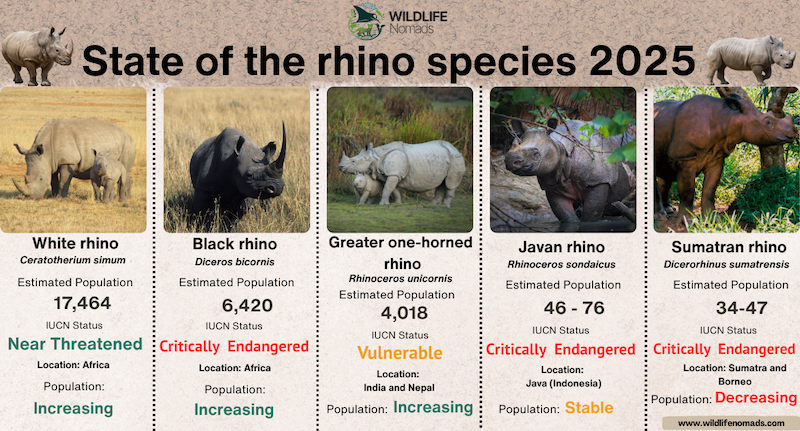
Among five rhino species – white, black, Indian rhinoceros, Sumatran rhinoceros, and Javan rhinoceros – the Javan ranks as rarest. The Sumatran rhinoceros, also critically endangered, shares Southeast Asia but differs with smaller size, reddish hair, and broader range.
Indian rhinos have successfully recovered to over 3,500 individuals, showing what’s possible with dedicated conservation. African rhino species (white and black) face different but equally serious challenges.
12. Future Outlook for Javan Rhinoceros
Will the Javan rhinoceros survive? Conservationists express cautious optimism. The javan rhino population has stabilized and slowly grown from 50 individuals to nearly 80 today through:
- Strict protection in Ujung Kulon National Park
- Active habitat management removing invasive species
- International collaboration supporting conservation efforts
- Local community involvement in protection programs
However, javan rhino extinction remains possible without continued intensive management and global support.
Latest Research: Discovery of the Indian Javan Rhino in Thailand
In a groundbreaking 2025 study, researchers successfully identified Javan rhinoceros DNA from two specimens found in Prachuap Kirikhan, western Thailand, dated to approximately 100 years ago. The genetic analysis revealed something extraordinary: these rhino remains showed dramatic genetic distinctions from both the Indonesian and Vietnamese Javan rhinoceros subspecies that were previously documented in Thailand.
Instead, the DNA evidence suggests these specimens likely belonged to the Indian Javan rhinoceros (Rhinoceros sondaicus inermis),a subspecies believed to have gone extinct in the early nineteenth century. This discovery indicates that the Indian Javan rhino not only survived until at least the early 1900s but also had a much broader geographic range than previously understood, extending into Thailand. The newly sequenced DNA provides valuable genetic baseline data that can inform conservation efforts and evolutionary studies for the critically endangered Javan rhinoceros, of which only approximately 50 individuals remain in the wild today.
FAQs About Javan Rhinos
Approximately 50 individuals survive in the wild, all within Ujung Kulon National Park in West Java, Indonesia.
Poaching for rhino horn, habitat loss, disease transmission, and potential natural disasters pose the greatest risks to remaining javan rhinos.
Javan rhinoceros are the smallest Asian rhino species, with female rhinoceros lacking horns and males having single horn under 25 cm long.
All wild population lives exclusively in Ujung Kulon National Park on Java’s western tip. They once ranged across Southeast Asia and mainland Southeast Asia.
No javan rhinoceros exist in captive management programs. The last captive javan rhino died decades ago, making Ujung Kulon their only refuge.
These adaptable feeders consume over 50 plant species including fruits, leaves, and twisted saplings, making them crucial seed dispersers in tropical forests.
Protecting the World’s Rarest Rhino
The Javan rhinoceros story embodies both conservation challenges and possibilities. This critically endangered species has survived poaching, wars, and habitat loss to maintain a small but stable wild population in Ujung Kulon National Park.
Conservation efforts require continued international collaboration, local community support, and adequate funding. The fate of remaining javan rhinos depends on sustained protection, habitat management, and addressing threats like disease transmission and natural disasters.
If we succeed in protecting these remarkable animals, the Javan rhino population could slowly recover – proving that even the world’s rarest rhino species can be saved through dedicated conservation action. The alternative – javan rhino extinction – would represent an irreplaceable loss to global biodiversity.
Every javan rhinoceros matters. Their survival story continues to unfold in the forests of West Java, where science, policy, and passion unite to prevent another species from disappearing forever.