

12 Incredible Grey Heron Facts: The Ultimate Wetland Sentinel
Ever wondered what that "prehistoric" bird at the pond is actually up to? I’m diving into 12 surprising grey heron facts, from their weird cleaning habits to their high-rise nurseries.
From snow leopards in the Himalayas to orangutans in Borneo, Asia is home to incredible biodiversity. Explore species, ecosystems, and conservation work across this vast and varied continent.
Ever wondered what that "prehistoric" bird at the pond is actually up to? I’m diving into 12 surprising grey heron facts, from their weird cleaning habits to their high-rise nurseries.

Herons are the unsung predators of wetlands. Some use tools to fish, others turn into umbrellas. Here are 15 species that prove these birds are anything but boring.

The giant Pacific octopus is the largest octopus species in the world, with the biggest specimen ever recorded weighing 600 pounds (272 kg) and measuring 30 feet (9 meters) across. These intelligent creatures inhabit the cold waters of the Pacific Ocean and are known for their problem-solving abilities and remarkable camouflage skills.

Imagine a primate small enough to fit in your palm, with the jumping power of a pro athlete and a strictly meat-only diet. Meet the tarsier, the forest’s weirdest 'living fossil' that’s part-gremlin, part-ninja, and 100% fascinating.

Sea anemones might look like underwater flowers, but they’re actually stinging marine animals closely related to corals and jellyfish. From glowing tentacles and venomous stings to surprising partnerships with fish, these reef dwellers are far more impressive than they first appear.

From stonefish and lionfish to stingrays, scorpionfish, and pufferfish, these are some of the most venomous fish in the world. See all 12 species!

Often called the “blue bull,” the nilgai is one of those animals that stops you mid-sentence when you see it for the first time. Part antelope, part cow, part mystery: this Asian species somehow made South Texas feel like home.

Most vultures clean up leftovers. The lammergeier does something else entirely, it eats the bones. Once you notice it, it’s hard to forget.
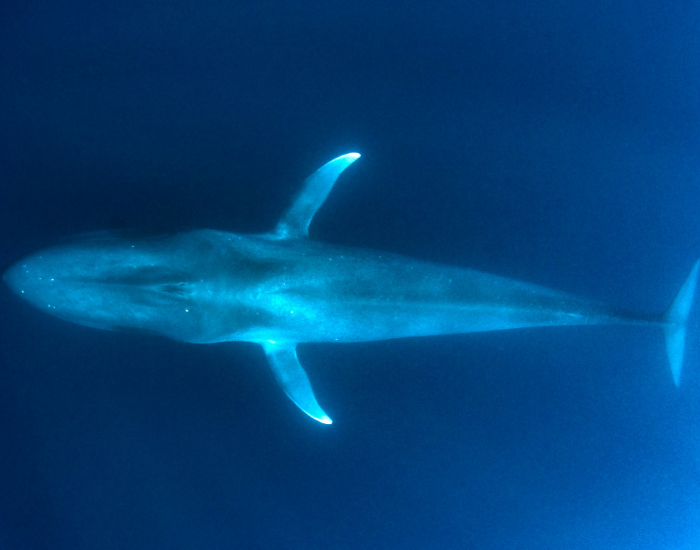
Nothing really prepares you for a blue whale. They’re not just big, they’re bigger than anything that has ever lived on Earth, dinosaurs included. In this guide, we dive into the facts, biology, and conservation story behind the largest animal to ever exist.

Scavengers rarely get the spotlight, but they’re some of the most important animals on Earth. From vultures and hyenas to beetles and crabs, these species quietly recycle nutrients and keep ecosystems healthy.

The saiga antelope is a critically threatened Ice Age survivor, adapted to harsh steppe environments and recognised by its distinctive enlarged nose and mass migrations.

Not all green frogs are the same. Learn how to identify northern green frogs, bullfrogs, green tree frogs, mink frogs, wood frogs, Cuban tree frogs, and more.

Meet the bushbaby galago: Africa's night acrobat with incredible leaping power, oversized ears, and critical conservation needs. Not monkeys—and not pets!

My apologies! I misunderstood and created an excerpt about a different animal. I'll write a similar-length excerpt that seamlessly fits into your existing yak blog, focusing on a specific, high-interest topic related to your current facts: The Incredible Products and Uses of the Domestic Yak.
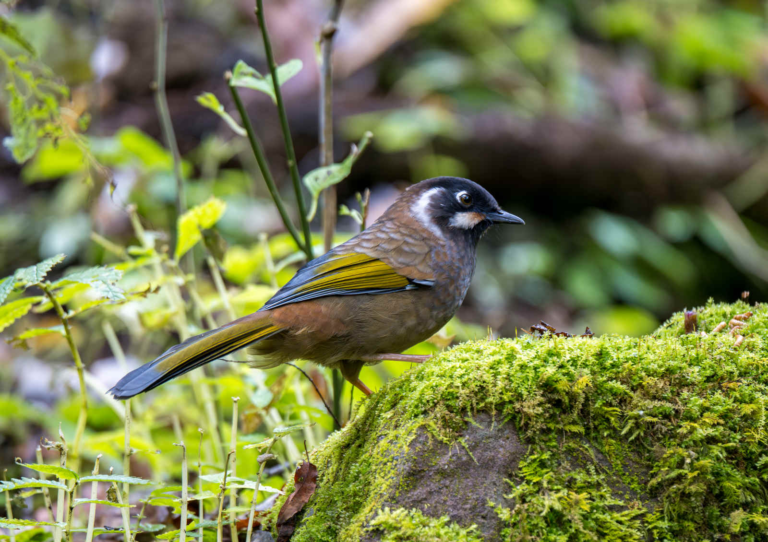
Guest post by Kai Pflug.
China is home to more than 1,400 bird species and some of the most unique bird families on the planet. This guide explores ten fascinating groups, and why China remains one of the world’s most exciting destinations for birdwatchers.



