
I’ve spent more time around reptiles than most biologists ever get to. At a zoo in Mexico, I helped care for crocodiles, vipers, boas, and snakes I had only ever read about in textbooks. Cleaning enclosures, monitoring feeding behavior, watching their slow and deliberate movements up close, that work shaped how I think about reptiles to this day. But I have never met a black mamba.
That gap has nagged at me for years. The black mamba animal sits at the top of nearly every reptile lover’s bucket list, and at the top of nearly every “world’s deadliest” list ever published. So I went deep into the literature, the field reports, and the antivenin data to understand what makes this snake so feared. What I found surprised me. The mamba is more nuanced, more shy, and more biologically remarkable than its reputation suggests.
Here are 12 facts about the black mamba that every wildlife enthusiast should know.
1. The “Black” in Black Mamba Has Nothing to Do With Its Skin
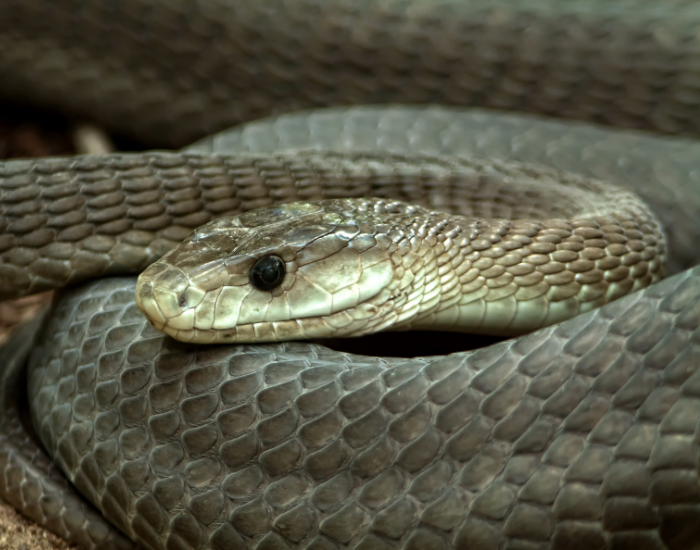
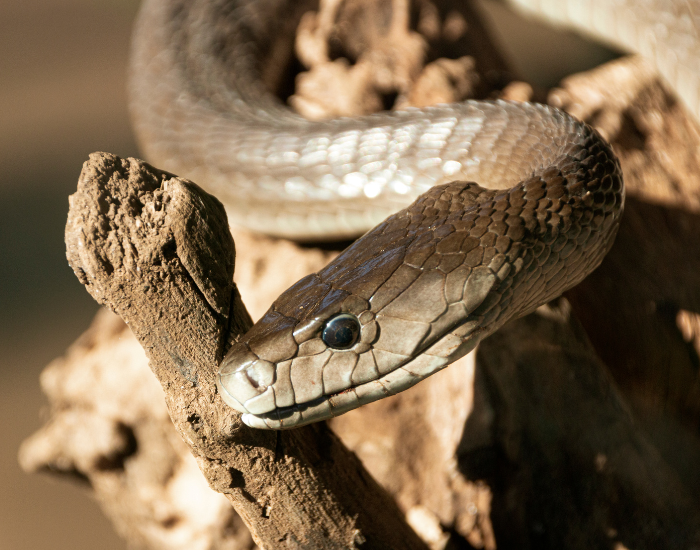
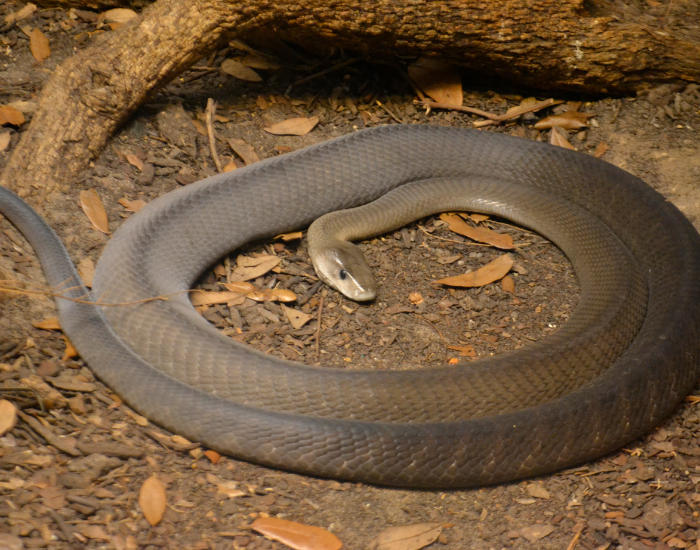
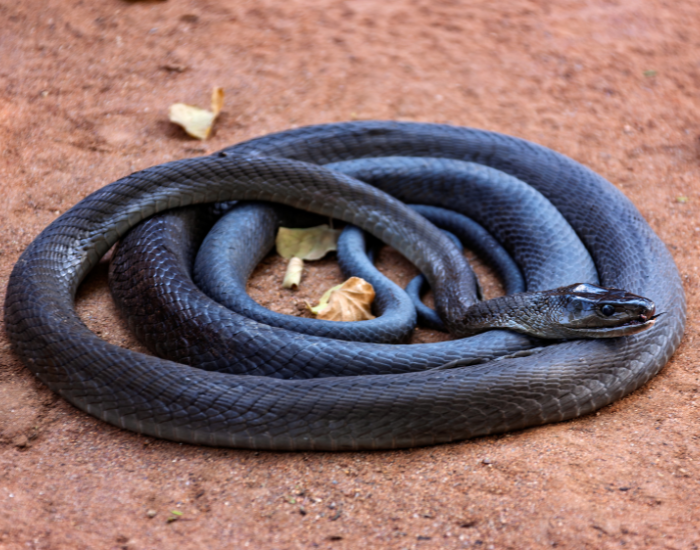
The first myth to kill: the black mamba is not actually black. The body of this snake ranges from olive green to gray to dark brown, often with a silvery white sheen along the belly. Some individuals look almost olive-tan in good light, which makes them blend into dry grass beautifully.
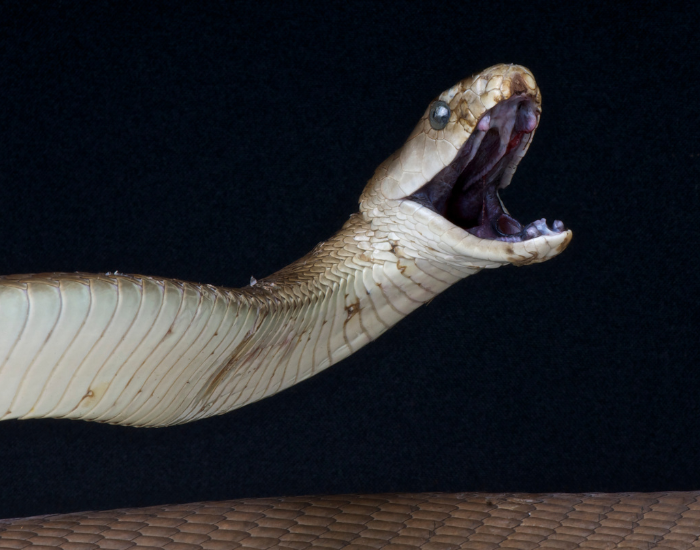
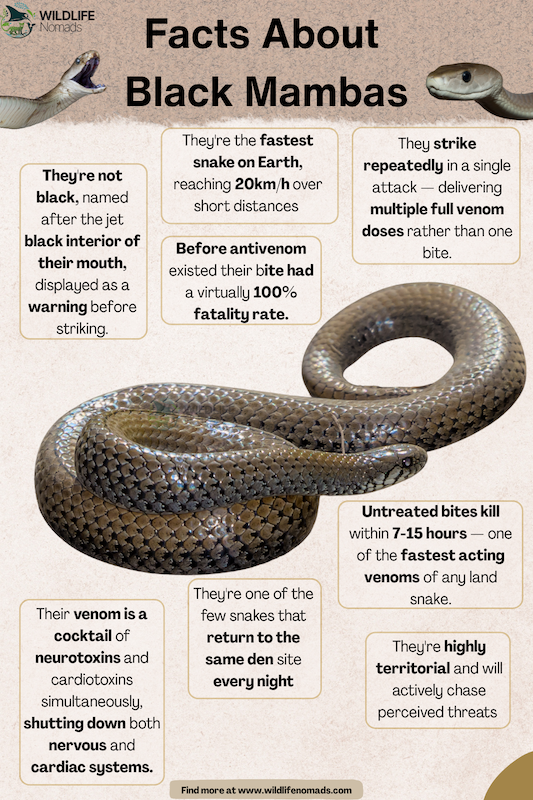
So where does the name come from? Open the snake’s mouth. The lining is jet black. It is an inky, ink-well black that the mamba flashes as a threat display. When this snake gapes at you, you stare into what looks like a tiny black abyss. That is the warning. That is the name.
2. Its Scientific Name Tells the Whole Story
The black mamba scientific name is Dendroaspis polylepis. Translated loosely, Dendroaspis means “tree asp,” and polylepis means “many scaled.” So the formal name of the black mamba dendroaspis polylepis essentially reads “many-scaled tree snake.” Every herpetologist I know smiles at that, because while green mambas truly live in trees, the black mamba dendroaspis polylepis spends most of its life on the ground.
I love it when scientific names accidentally tell half-truths. The taxonomy hints at evolutionary history rather than current behavior.
3. It’s One of the Fastest Snakes on Earth
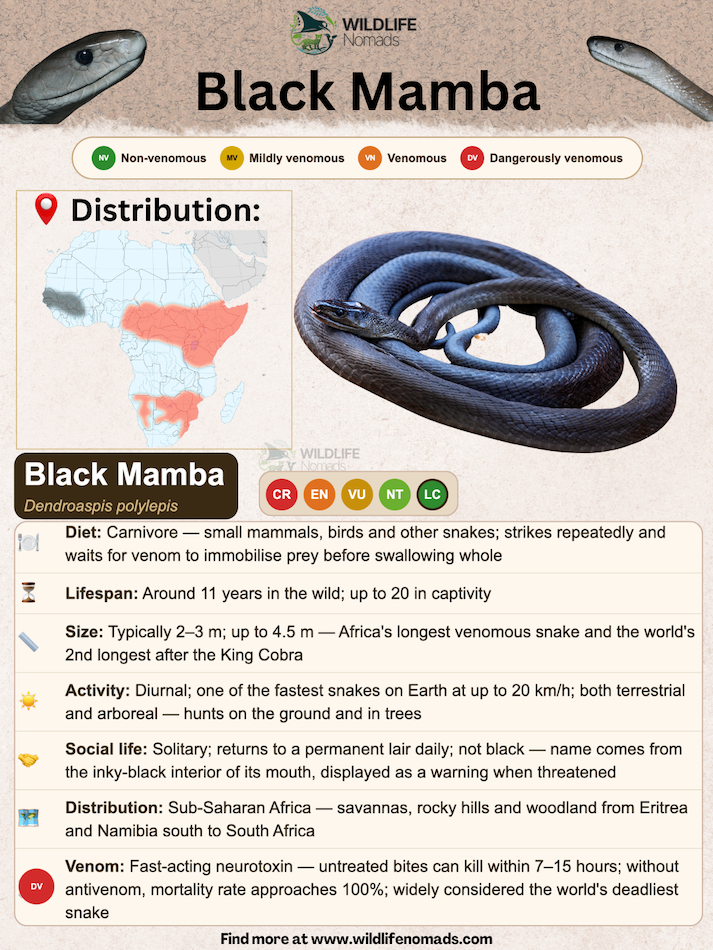
The black mamba is among the fastest snakes ever measured. Reliable estimates put it at 12–14 km/h (about 7–9 mph) over short distances on flat ground. That is not “snake gliding through grass” speed. That is “you cannot easily outrun this animal in its own habitat if it commits” speed.
Importantly, the snake uses its incredible speed to escape threats, not to chase humans. Mambas almost always flee first. The myth of the chasing mamba comes from a real but misunderstood scenario: if you stand between a mamba and its permanent lair, the snake may bolt toward you because its escape route runs through your feet.
4. The Venom Attacks the Nervous System Within Minutes
Black mamba venom is a fast-acting neurotoxic cocktail. Two specialized venom glands in the head deliver dendrotoxins and cardiotoxins through hollow front fangs. The snake venom targets the nervous system, shutting down nerve transmission to the muscles. A black mamba bite can produce symptoms in as little as ten minutes.
Untreated, a serious bite is almost always fatal. With prompt antivenin and medical help, survival rates climb dramatically. The bite of this snake remains one of the most medically urgent emergencies in herpetology, but it is not a death sentence — it is a race to medical attention.
5. The Bite Symptoms Are Brutally Specific
Black mamba bite symptoms typically begin with a metallic taste in the mouth, followed by tingling around the bite site. Blurred vision and slurred speech often follow within the first half hour. Drooling, sweating, abdominal pain, and progressive paralysis arrive next, often in rapid succession.
Without antivenin, respiratory failure follows. This is why the snake earned its grim slang nicknames among rangers across southern Africa. Modern hospitals stock the antivenin, and outcomes have improved dramatically since the 1990s thanks to better cold-chain logistics and faster triage.
6. It’s Africa’s Longest Venomous Snake
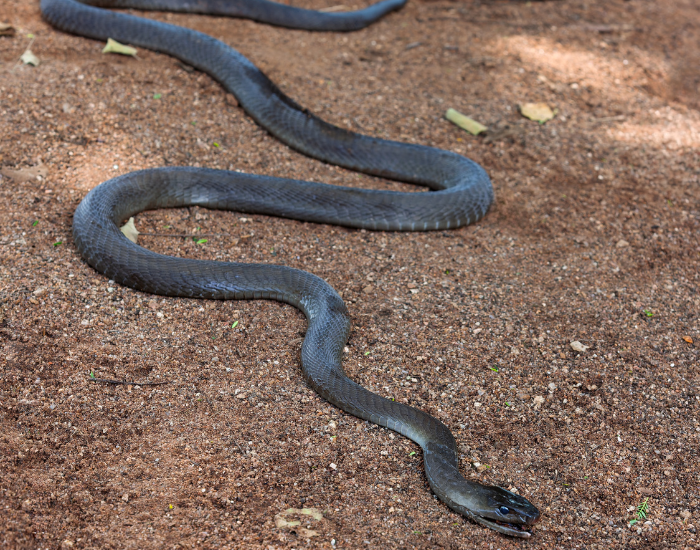
The black mamba is the longest venomous snake on the African continent and the second-longest in the world after the king cobra. The average length of an adult is 2.5 meters (about 8 feet), but a big black mamba snake can reach 4.3 meters (14 feet). Male and female adults look similar in size, though the male may be slightly leaner with a longer tail.
For context, that is roughly the size of a large adult python wrapped around the neurotoxic venom of a medical emergency. It is a sobering combination of body and biochemistry.
7. Habitat Stretches Across Sub-Saharan Africa
The black mamba african snake is endemic to sub-Saharan Africa, with populations spanning from east Africa down through southern Africa and into parts of South Africa. The species thrives in savanna, rocky hills, lowland forests, and open woodlands dotted with trees. Mambas avoid dense rainforest and true desert.
This is a snake of the African mosaic — the patchwork of grass, scrub, and broken stone that defines so much of the continent’s wildlife. If you are exploring the animals of South Africa or the animals of Kenya, this snake is part of the landscape, even if you never spot one.

8. Termite Mounds Make Perfect Mamba Real Estate
Black mambas are creatures of habit. Each individual maintains a permanent lair, usually an abandoned termite mound, a hollow log, or a rock crevice surrounded by trees. The home range covers a few hectares, which is small for a snake of this size and speed.
This homebody behavior is useful for researchers. Field biologists radio-tracking mambas have found that the same snakes return to the same termite mounds year after year. That fidelity makes them slightly easier to study than wide-ranging species, but it also makes them locally vulnerable when habitat is disturbed.
9. Diet Reveals an Opportunistic Hunter
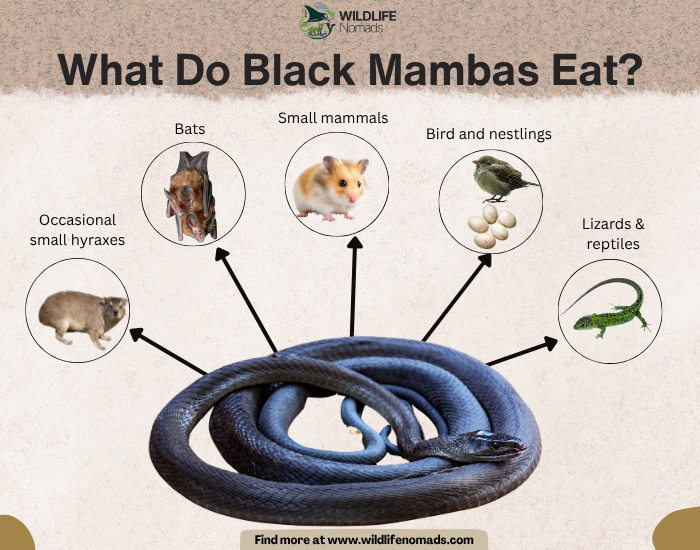
What does the black mamba eat? Primarily small mammals: rodents, hyraxes, bushbabies, and bats. They will also take birds and other reptiles when the opportunity arises. The mamba’s tongue flicks constantly, sampling air molecules to track warm-blooded prey through the leaf litter.
Once prey is bitten, the venom does its work in seconds. The snake then swallows the meal whole, head first. Mambas hunt during daylight, especially in the morning, which makes them one of the more diurnally active venomous snakes in the world. They will not hesitate to climb trees in pursuit of nesting birds.
10. Mating Season Brings Out the Drama
The mating season for black mambas runs from spring into early summer in southern Africa. Males engage in a behavior called “plaiting,” where two males twist their bodies together and try to push each other to the ground. It looks like a fight, but no biting occurs, it is a wrestling match, not a venom duel.
The female lays 6–17 eggs in a humid burrow, often inside a termite mound. The young snakes hatch about 80 days later, already fully venomous and around 50 cm long. Hatchlings receive no parental care. They are on their own from the moment they break shell.
11. Even Mambas Have Predators
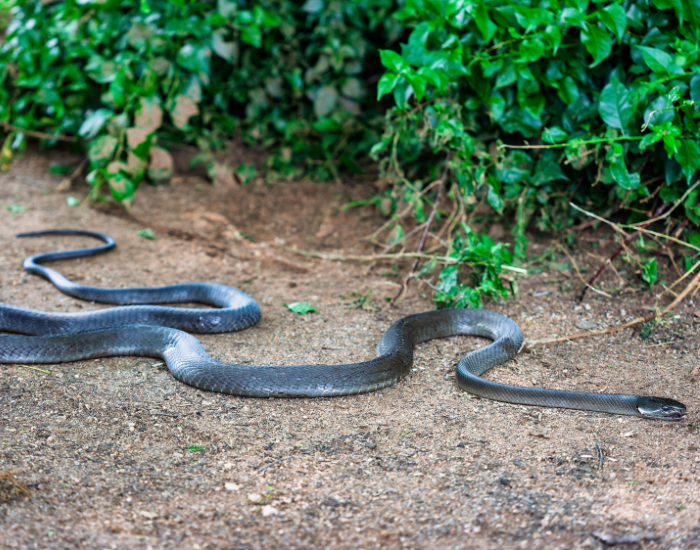
Despite the venom and the speed, black mambas are not apex animals. Several species hunt them successfully. Honey badgers appear partially resistant to mamba venom and will kill and eat mambas without hesitation, a fact also noted in this piece on badger facts. Secretary birds stomp snakes to death with their long legs. Various birds of prey, including eagles, pluck mambas off the ground without warning.
I find this beautifully humbling. The most feared snake in Africa still ends up as someone else’s lunch.
12. Conservation Status: Least Concern, but Locally Threatened
The IUCN currently lists the black mamba as a species of Least Concern. Populations remain stable across most of sub-Saharan Africa. That said, the snake faces real local threats: habitat loss, road mortality, and persecution by humans who fear the bite.
Some communities still use mamba parts in traditional medicine, though this represents a small fraction of overall mortality. The species is genuinely threatened in pockets of South Africa where development has fragmented home ranges. Any complete guide to African herpetofauna should treat the mamba as locally threatened, even if globally secure.
How the Black Mamba Compares to Other Dangerous Snakes
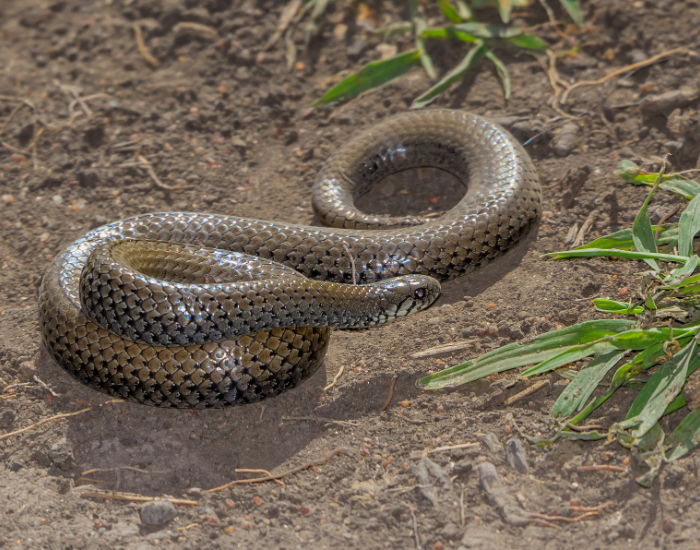
When I rank the world’s most dangerous snakes, I weigh venom toxicity, willingness to bite, and proximity to human beings. The mamba scores high on all three. By contrast, the boomslang has potent venom but rarely bites humans. The eastern brown snake of Australia rivals the mamba for medical danger, but it is smaller and harder to spot among other snakes in its habitat.
The black mamba combines length, speed, and lethal venom in a way that few other snakes manage. That is why it haunts the imagination.
FAQs About the Black Mamba
No. Despite occasional confusion, there is no black mamba australia population. The black mamba black snake reputation belongs entirely to sub-Saharan Africa. Australia has its own suite of deadly elapids, including taipans and brown snakes that fill a similar ecological niche.
The deadly black mamba ranks among the world’s most dangerous snakes by combined toxicity, speed, and length. However, more humans die annually from saw-scaled vipers and Indian cobras due to overlap with dense human populations. Snake season in rural Africa drives mamba bite rates upward each year, but per-capita medical resources have improved.
My Takeaway as a Biologist
After all this research, my respect for the black mamba has only grown. This is not a monster. It is a precisely tuned predator that wants to be left alone. The fear is justified — the venom is real, but the snake itself acts more like a nervous diplomat than a war criminal.
If you travel through southern Africa, you will likely walk past dozens of mambas without ever seeing one. That is not luck. That is the snake doing its job perfectly. One day I will see one in the wild, hopefully through binoculars from a safe distance.
If this piece sparked your curiosity, drop a comment with the snake species you most want me to cover next. Want to keep exploring? My deep dives on the animals of South Africa and Kenyan wildlife are good places to wander next.
References:
Laustsen, A. H., Lomonte, B., Lohse, B., Fernández, J., & Gutiérrez, J. M. (2015). Unveiling the nature of black mamba (Dendroaspis polylepis) venom through venomics and antivenom immunoprofiling. Journal of Proteomics, 119, 126–142. https://doi.org/10.1016/j.jprot.2015.02.002
Ainsworth, S., Petras, D., Engmark, M., Süssmuth, R. D., Whiteley, G., Albulescu, L. O., et al. (2018). The medical threat of mamba envenoming in sub-Saharan Africa revealed by genus-wide analysis of venom composition, toxicity and antivenomics profiling of available antivenoms. Journal of Proteomics, 172, 173–189. https://doi.org/10.1016/j.jprot.2017.08.016
Laustsen, A. H., Lomonte, B., Lohse, B., Fernández, J., & Gutiérrez, J. M. (2015). Unveiling the nature of black mamba (Dendroaspis polylepis) venom through venomics and antivenom immunoprofiling: Identification of key toxin targets for antivenom development. Journal of proteomics, 119, 126–142. https://doi.org/10.1016/j.jprot.2015.02.002
Osipov, A. V., & Utkin, Y. N. (2025). Snake Toxins Affecting Blood Vessel Walls: Mode of Action and Biological Significance. International journal of molecular sciences, 26(19), 9439. https://doi.org/10.3390/ijms26199439
Quarch, V., Brander, L., & Cioccari, L. (2017). An Unexpected Case of Black Mamba (Dendroaspis polylepis) Bite in Switzerland. Case reports in critical care, 2017, 5021924. https://doi.org/10.1155/2017/5021924