During my last semester of an undergrad biology degree in Mexico, my team and I packed into a battered field truck and drove to Tlaxcala for a small mammal survey. Our target: voles. We spent a whole day setting 26 Sherman traps across rocky meadows and tall grasses, baited with peanut butter and rolled oats. For the record, I lost one trap and had to pay for it… a field biologist’s tax I guess.
For the next 4 days, we hiked out at dawn to check every single one. Identifying our captures was a nightmare. Voles look almost identical to field mice and other rodents, and there are so many vole species that even experienced biologists get confused. That trip is exactly why I’m writing this guide; 15 types of voles you’re likely to encounter, mostly in North America with a few European standouts.
What Exactly Is a Vole?
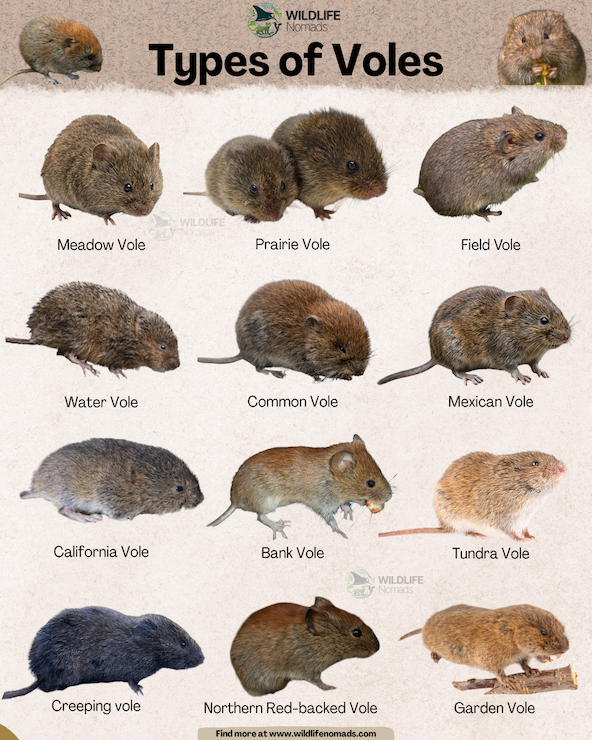
Voles are small, burrowing rodents in the family Cricetidae, closely related to mice and lemmings. They have compact heavy bodies, stocky bodies built low to the ground, short tails, smaller ears partially hidden in their fur, and prominent orange teeth for gnawing plant roots, tree bark, and seeds. An adult vole typically measures three to seven inches in body length. Their diet consists mostly of plants, with occasional insects when soft-bodied larvae are abundant. Their eyes and ears almost vanish into their fur; an unmistakable “rolling potato” silhouette.
People constantly confuse voles with two other animals: moles and mice. Let’s clear that up.

Voles vs. Moles
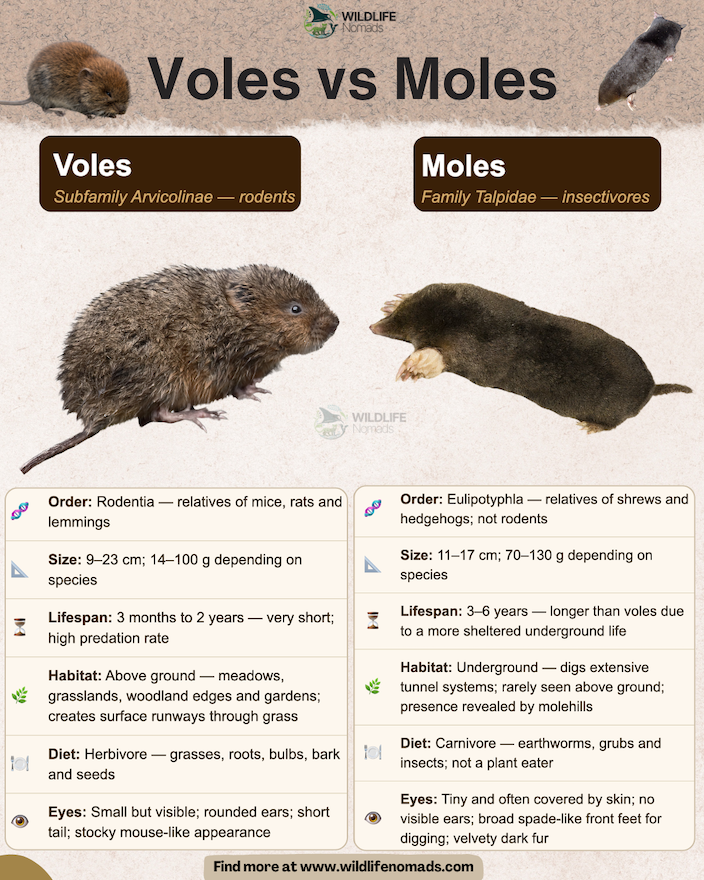
This is the biggest source of confusion, so let’s tackle it head-on. Voles and moles look superficially similar but aren’t close relatives. Moles are insectivores; voles are rodents. Moles eat earthworms; voles eat plants.
Unlike moles, voles do not live underground full-time. Moles live underground almost their whole lives. They have paddle shaped feet built for swimming through soil, prominent digging claws, an elongated head, and a naked tail. And moles also have tiny eyes and partially hidden ears buried in their velvety fur.
Moles are constantly digging extensive underground burrows. Their tunneling produces the characteristic volcano shaped hills of loose dirt that gardeners hate. Those mole hills are pure mole signatures — voles never make them.
Voles, by contrast, dig shallow burrows just below the soil surface and travel along surface runways through dense vegetation. They don’t dig tunnels at the scale moles do. If you see volcano shaped hills, you have moles. If you see quarter-sized exit holes and trampled paths through grass, you have voles. Often you’ll have both, because moles dig tunnels that voles then use as ready-made highways. Moles are almost never seen above ground in daylight; voles are often spotted darting through grass in the early morning.
Voles vs. Mice
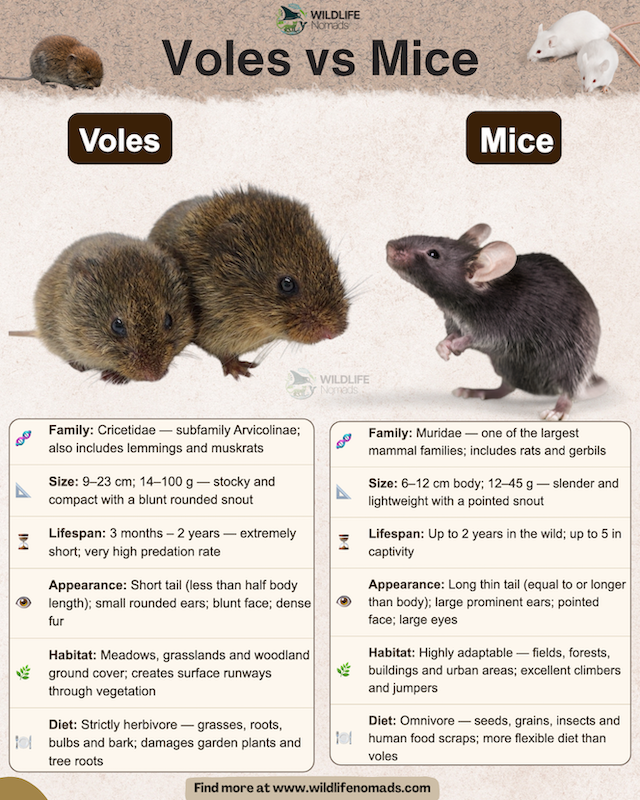
Field mice such as white-footed and deer mice have larger external ears, longer tails, and pointed snouts. Those pointed snouts and big external ears are dead giveaways. Voles have stocky bodies, blunt faces, short tails, and smaller ears. The appearance voles share with mice fools casual observers, but the appearance of voles is chunky compared to slim, agile mice and other rodents. The appearance voles take on as adults — rounder and heavier — makes them less athletic and easier prey.
Now, the species.
1. Meadow Vole (Microtus pennsylvanicus)
If you’ve ever seen a small brown rodent dart through your North American lawn, there’s a good chance it was a meadow vole. Sometimes called “meadow mice,” meadow voles are the most widespread vole species on the continent, ranging from Alaska to Georgia.
They prefer grassy fields, marshes, and wet meadows with plenty of ground cover. Female voles can start breeding at just 25 days old, and a single female can produce up to ten litters per year, with a gestation period of just 21 days. That math is why vole populations explode and crash in three- to five-year cycles, dragging their predators along for the ride. Voles live almost everywhere here; if there’s grass and damp soil, there’s probably one nearby.

2. Prairie Vole (Microtus ochrogaster)
The prairie vole is the rockstar of behavioral neuroscience. If you’ve ever read a pop-science article about the neurobiology of love, monogamy, or pair bonding, you were almost certainly reading about this little rodent. Unlike most mammals, prairie voles form lifelong monogamous pair bonds, and researchers have used them to map the oxytocin and vasopressin receptors that drive attachment in us.
Prairie voles inhabit the central grasslands of North America, from the Great Plains down through Oklahoma. Their diet consists almost entirely of green vegetation in spring and shifts toward seeds and cached plant material as winter approaches.
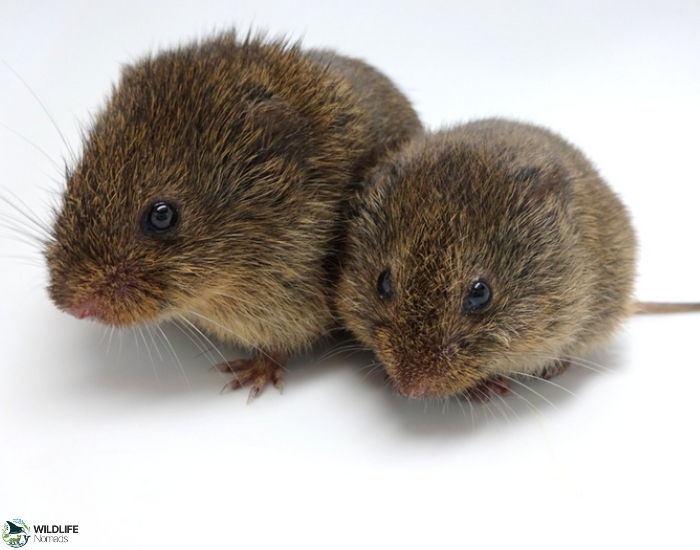
3. Woodland Vole (Microtus pinetorum)
Also called the pine vole, this is one of the few vole species that genuinely lives underground much of the time. Woodland voles dig extensive tunnels through forest leaf litter, where they feed on plant roots, bulbs, and tubers.
They’re small, with reddish-brown fur, very short tails, and tiny eyes. If you have an orchard in the eastern United States, this is the vole that’s probably girdling your young apple trees by stripping bark just below the soil line. Pine vole damage to commercial orchards costs U.S. growers millions every year.
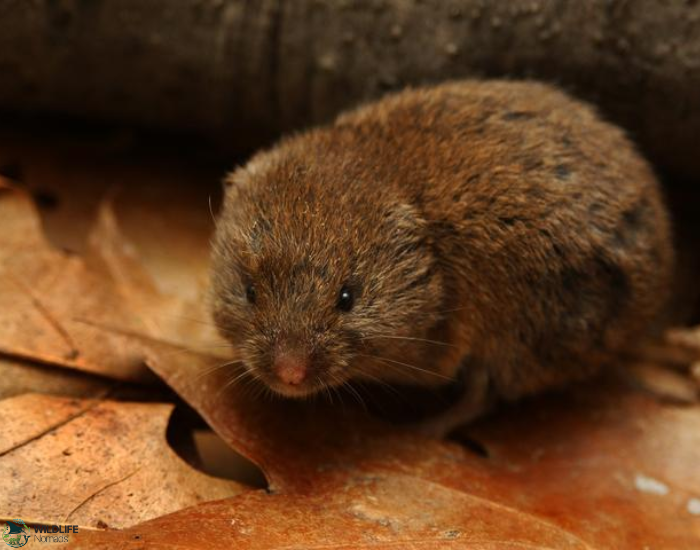
4. Long-tailed Vole (Microtus longicaudus)
True to the name, this western North American vole has a tail nearly half its body length — long for a vole. I’ve seen them scampering through wet meadows in the Rocky Mountains, often near streams or in talus slopes.
They’re more solitary than meadow voles and tend not to form the obvious surface runways their cousins do, which makes them harder to survey. Their diet consists of green vegetation, fungi, seeds, and occasional insects when other food sources are scarce.
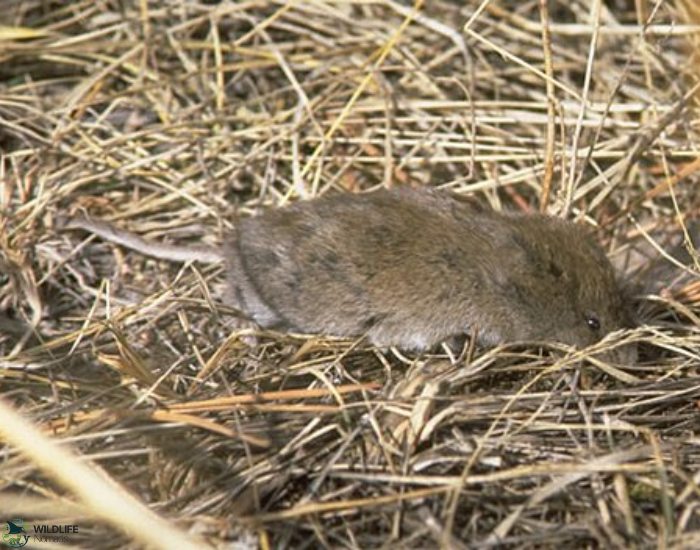
5. Montane Vole (Microtus montanus)
The montane vole is a high-country specialist, living in mountain meadows from California up into British Columbia. If you spend some time in Yellowstone, you will find that montane voles are everywhere; surface runways crisscrossed sagebrush flats like little highway systems.
They’re an important prey base for everything from coyotes to great gray owls. The broader Yellowstone fauna is a masterclass in how small mammals fuel an entire food web.
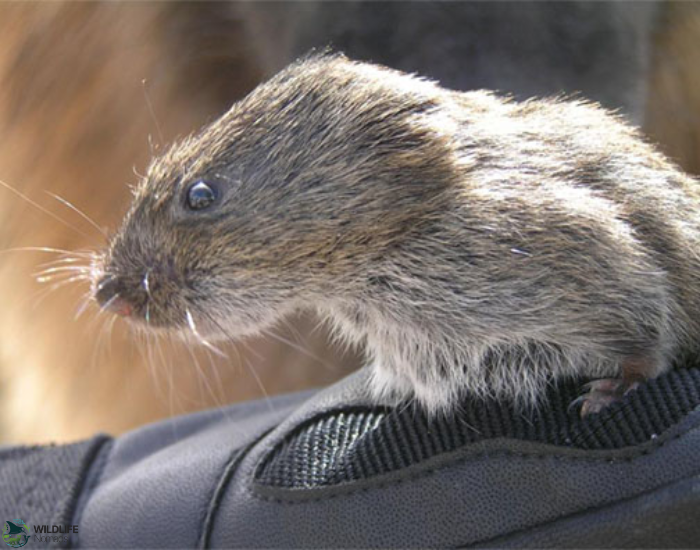
6. Mexican Vole (Microtus mexicanus)
One of my personal favorites. The Mexican vole ranges through the highlands of central Mexico down to Oaxaca and northward into Arizona and New Mexico. This was one of the species we were hoping to catch in Tlaxcala; my field notebook says we only confirmed two individuals out of dozens of captures.
Mexican voles inhabit grasslands and pine-oak forests at high elevations, with grayish-brown fur and stocky bodies suited to cool mountain meadows. For the broader regional context, see my guide to the animals of Mexico.
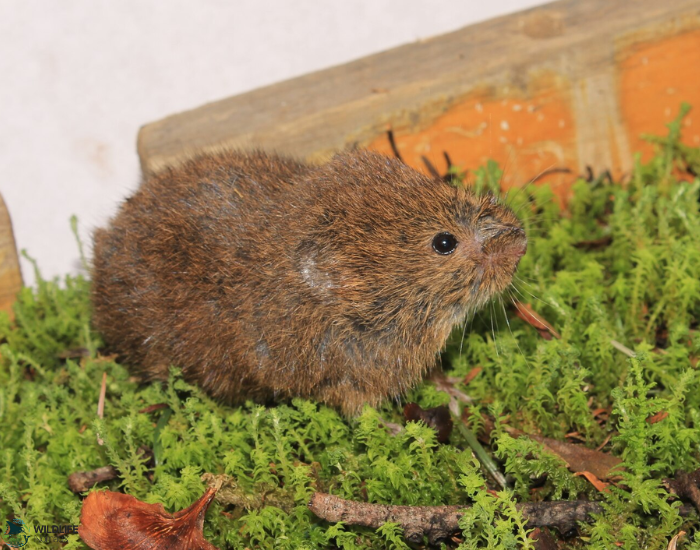
7. California Vole (Microtus californicus)
The California vole is endemic to the West Coast, ranging from southern Oregon to Baja California. They’re found from coastal salt marshes to Central Valley farmland, and can do serious damage to alfalfa and orchard crops when populations boom.
In peak years of their dramatic four-year cycles, you can find up to 800 voles per acre in California grasslands — a feast that supports white-tailed kites, barn owls, and bobcats.
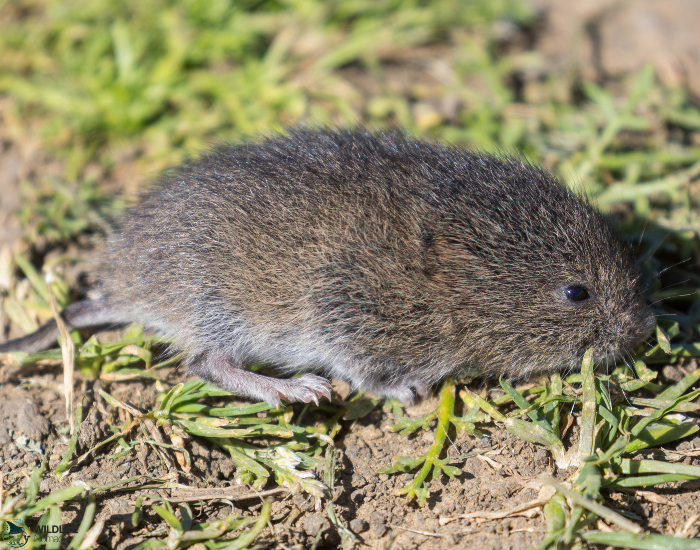
8. Townsend’s Vole (Microtus townsendii)
Found in the Pacific Northwest from British Columbia to northern California, Townsend’s vole is one of the larger Microtus species. Some adult voles reach nearly nine inches including the tail. They favor wet meadows, marshes, and floodplains with tall grasses.
I’ve come across their surface runways in coastal grasslands of Washington; clear trampled paths through reeds with burrow entrances every few meters. They’re a critical food source for short-eared owls and northern harriers.
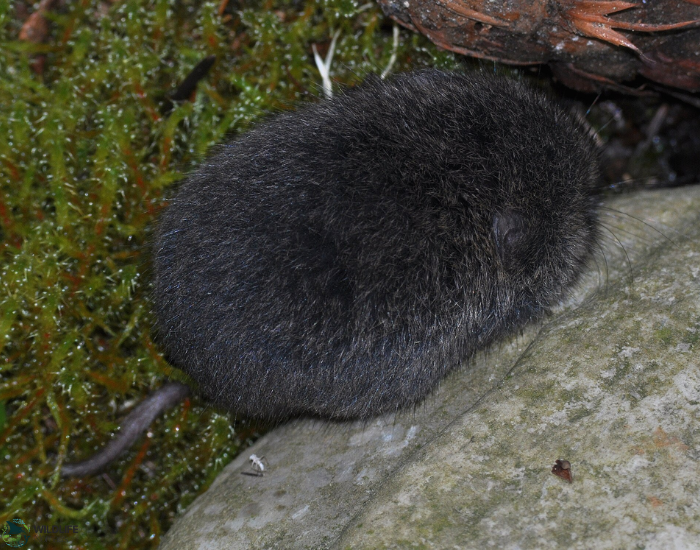
9. Water Vole (Arvicola amphibius)
Time to cross the Atlantic. The European water vole is the largest vole in Europe — Kenneth Grahame’s “Ratty” in The Wind in the Willows was actually a water vole. They live along slow-moving rivers, canals, and wetlands across Europe and into Russia.
Water voles have suffered catastrophic declines in Britain due to predation by the invasive American mink. They’re now one of Britain’s most threatened mammals, and habitat modification along riverbanks — especially reedbed restoration — has become a key recovery tool.
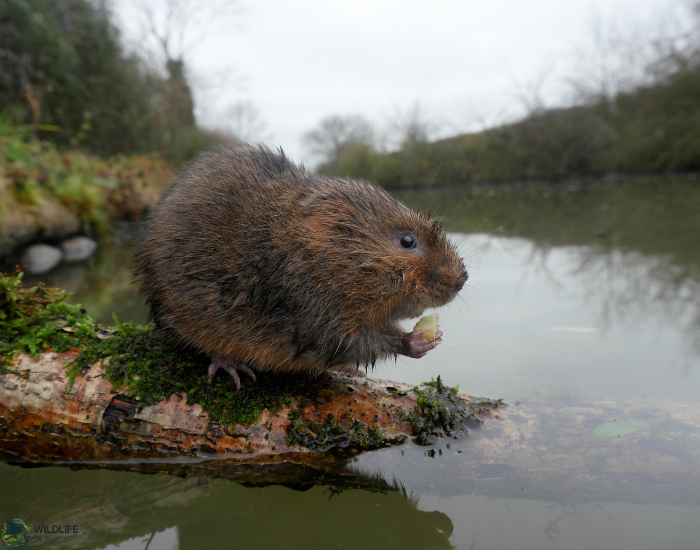
10. Bank Vole (Myodes glareolus)
The bank vole is one of the most common European rodents, found in woodlands and hedgerows from the British Isles to Lake Baikal. They have a distinctly reddish-brown back contrasting with grayer flanks, and they’re more agile climbers than most voles; you’ll sometimes find them in low shrubs picking berries.
Bank voles are the primary European reservoir for hantavirus and tick-borne encephalitis, an outsized public-health footprint for such a small animal.
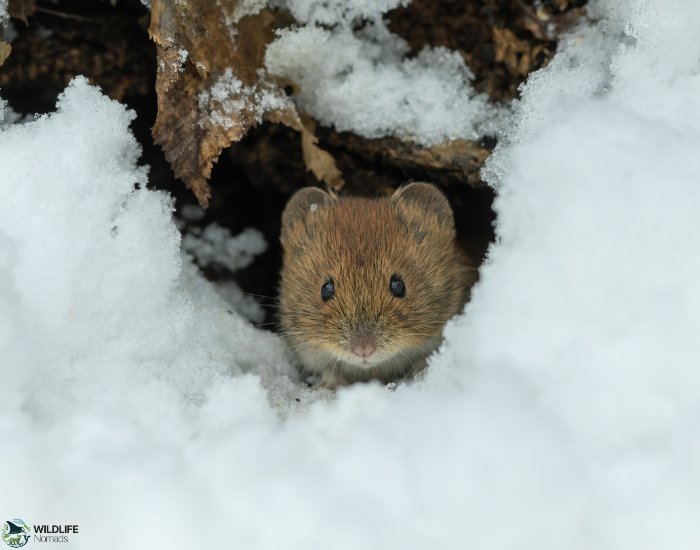
11. Field Vole (Microtus agrestis)
Also called the short-tailed vole, the field vole is the most numerous mammal in the United Kingdom — around 75 million individuals. They live in rough grasslands, young plantations, and any field with ungrazed tall grasses.
Field voles are the staple prey of barn owls, kestrels, and weasels across Europe. The breeding success of birds of prey often tracks vole abundance year by year. One of the cleanest examples of predator-prey coupling in temperate ecosystems.
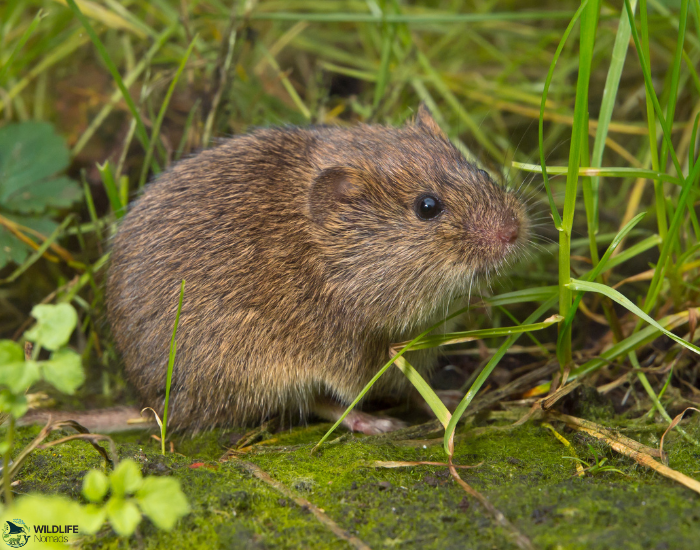
12. Tundra Vole (Microtus oeconomus)
The tundra vole has the broadest range of any vole; across Arctic North America, Scandinavia, and all the way to eastern Siberia. They share habitat with pikas in some alpine regions and form the energy base for arctic foxes and snowy owls.
Tundra voles cache plant material in their burrow systems before winter, sometimes storing kilograms of roots per individual. Indigenous Yup’ik communities in Alaska have traditionally raided these caches for “mouse food” — a sustainable harvest of natural resources passed down for generations.
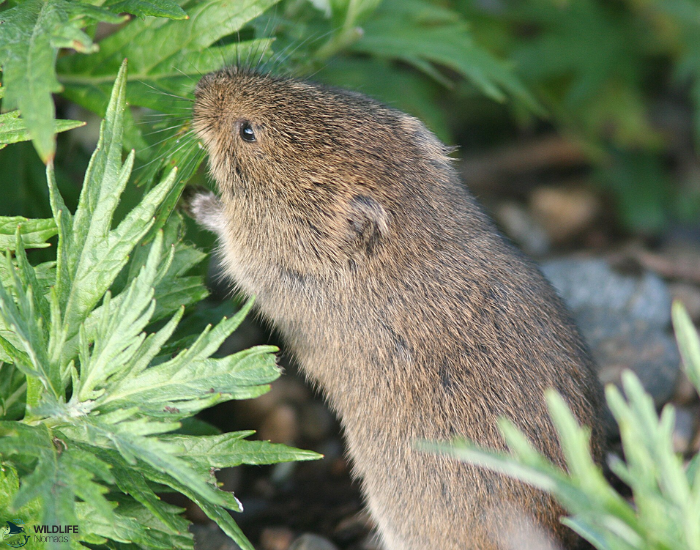
13. Northern Red-backed Vole (Myodes rutilus)
The Northern red-backed vole is a hardy survivor found across the subarctic regions of Alaska, Canada, and Northern Eurasia. Distinguishable by its bright, rusty-red back and a shorter, thicker tail compared to its southern cousins, this vole is a master of the boreal forest.
Unlike many other species that rely heavily on grass, the Northern red-backed vole is a generalist; it thrives on a diet of berries, fungi, and seeds. In the autumn, they are known to store large quantities of dried berries and seeds in rock crevices or under moss to survive the brutal northern winters. Because they spend so much time in the “subnivean zone” (the space between the snow and the ground), they are a primary winter food source for predators like the Great Grey Owl and the Ermine.
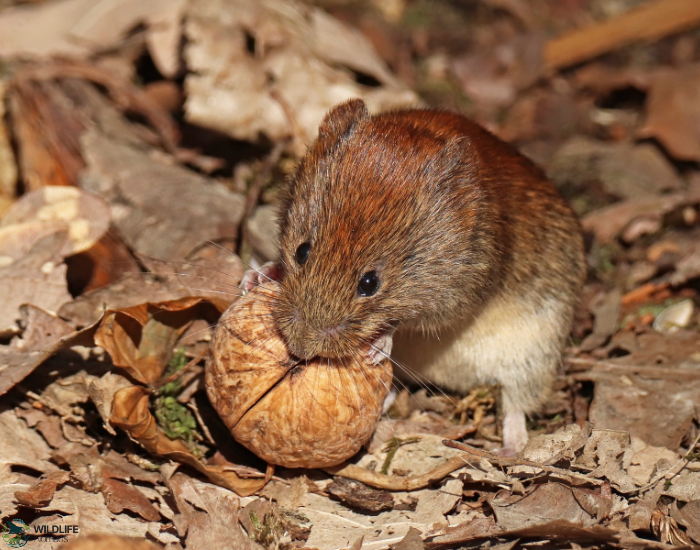
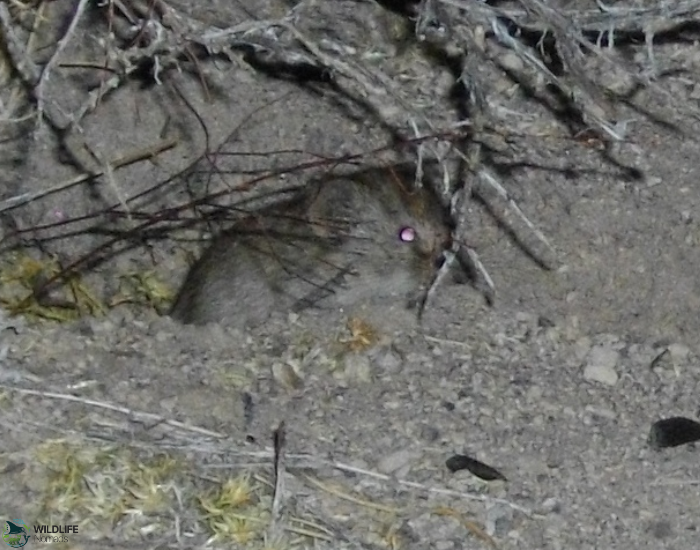
14. Sagebrush Vole (Lemmiscus curtatus)
The sagebrush vole is the lone member of its genus, found in the arid sagebrush steppes of the western U.S. and southern Canada. Small, pale, and beautifully adapted to dry country, their burrow systems run beneath sagebrush canopies where humidity stays higher than in the open desert above.
They sustain ferruginous hawks, prairie falcons, and even the endangered black-footed ferret where ranges overlap with prairie dog towns.
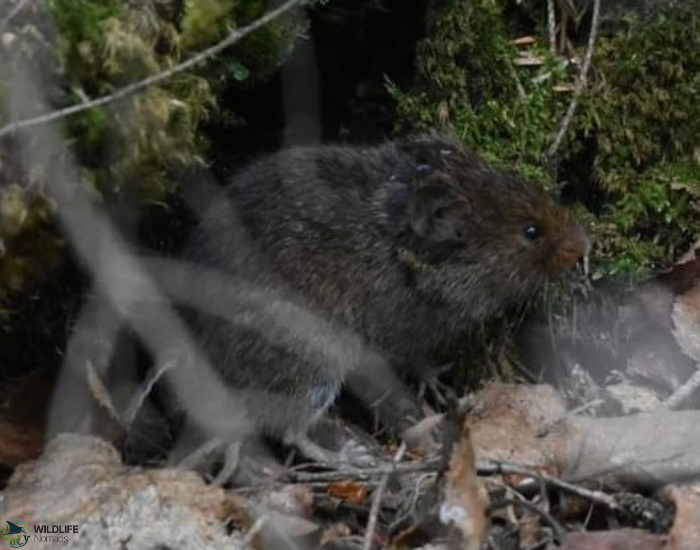
15. Rock Vole (Microtus chrotorrhinus)
We end with one of the most charming and least-seen North American voles. The rock vole has bright yellowish-orange fur on its nose — a slightly cartoonish look — and lives on cool, mossy talus slopes from Labrador down through the Appalachians.
Rock voles are habitat specialists restricted to wet forests with abundant moss. They’re rarely caught in standard surveys and listed as a species of concern in several states. Spotting one in the wild is a real prize.
How to Spot a Vole Problem in Your Yard
You probably came here because something is eating your garden. Common signs of a vole infestation include surface runways through grass, gnawed bark at tree bases, exit holes the diameter of a quarter, and missing roots from ornamental plants and other plants in your beds. Voles eat roots and crowns of perennials from below — vole damage to a single fruit tree can kill it overnight if a vole girdles the trunk through the winter. (Moles, by contrast, leave plants alone and only damage lawns by tunneling.)
To control voles, lean on habitat modification first: cut back tall grasses, remove heavy mulch around trees, and avoid dense ground cover near vulnerable plants. A wire fence buried six inches deep protects young trees. To catch voles, set snap traps baited with peanut butter in surface runways and at burrow entrances. Castor oil-based repellents work modestly well and won’t harm garden plants — diluted castor oil mixed with dish soap is the classic homemade version. Avoid rodenticides; they kill the predators (hawks, owls, foxes) that would otherwise help with the vole problem for free, and they poison children, pets, and other animals that find dead animals in the yard.
FAQ
Voles aren’t dangerous to humans, but they can damage gardens and orchards by gnawing plant roots and girdling young trees. In natural ecosystems they’re vital prey for raptors like hawks, owls, and eagles — far from a “bad” species. The problem is local, not global.
A vole is neither, technically — but it’s closer to a mouse. Voles, mice, and rats are all rodents, but voles belong to a different subfamily (Arvicolinae) than house mice. The nicknames “meadow mice” and “field mice” reflect the confusion. Simplest field distinction: voles have shorter tails, smaller ears, and chunkier bodies — they look like furry potatoes with legs.
If a single vole is darting around in the early morning and not damaging anything, leave it alone — a hawk will probably handle it. If you have an active vole infestation, focus on habitat modification: remove dense vegetation, mow regularly, and protect tree trunks with wire mesh. Snap traps along surface runways work well for small populations.
Voles are attracted to dense vegetation, heavy mulch, tall grasses, and abundant food sources like garden plants, ornamental plants, and tree bark. Bird feeders that drop seed are another magnet. Voles remain active year-round, including under snow, so winter is often when the worst damage to woody plants occurs.
Living with Voles
Voles are everywhere; under suburban lawns, in alpine meadows, holding grassland food webs together. Most people never bother to learn there are dozens of vole species, each with its own quirks. But once you pay attention, the world of these small burrowing rodents opens up fast.
If you’ve got a vole story — a garden raid, a lucky sighting, a research project — drop it in the comments. And next time you spot a small brown blur dart along a surface runway, take a closer look. You might have just spotted your first vole.
References:
Getz, L. L., McGuire, B., Pizzuto, T., Hofmann, J. E., & Frase, B. (1993). Social organization of the prairie vole (Microtus ochrogaster). Journal of Mammalogy, 74(1), 44–58. https://doi.org/10.2307/1381904
Young, L. J., & Wang, Z. (2004). The neurobiology of pair bonding. Nature Neuroscience, 7(10), 1048–1054. https://doi.org/10.1038/nn1327
Krebs, C. J., & Myers, J. H. (1974). Population cycles in small mammals. Advances in Ecological Research, 8, 267–399. https://doi.org/10.1016/S0065-2504(08)60280-9
Hansson, L., & Henttonen, H. (1985). Gradients in density variations of small rodents: the importance of latitude and snow cover. Oecologia, 67(3), 394–402. https://doi.org/10.1007/BF00384946