
The World of Sunfish: Giants of the Ocean
The ocean sunfish (Mola mola) ranks among the most extraordinary creatures gliding through the world’s oceans. Known as the world’s heaviest bony fish, and of the largest fish in the ocean, these gentle giants drift through tropical and temperate seas, earning both awe and curiosity wherever they appear.
Despite their massive size and unusual rounded shape, a flattened body with towering dorsal and anal fins, they navigate the open ocean with surprising grace. Their unique anatomy makes them one of the most interesting fish species scientists continue to study.
Below are 12 fascinating facts about the giant ocean sunfish, revealing how truly unique this species is.

1. The Ocean Sunfish Is the Heaviest Bony Fish in the World
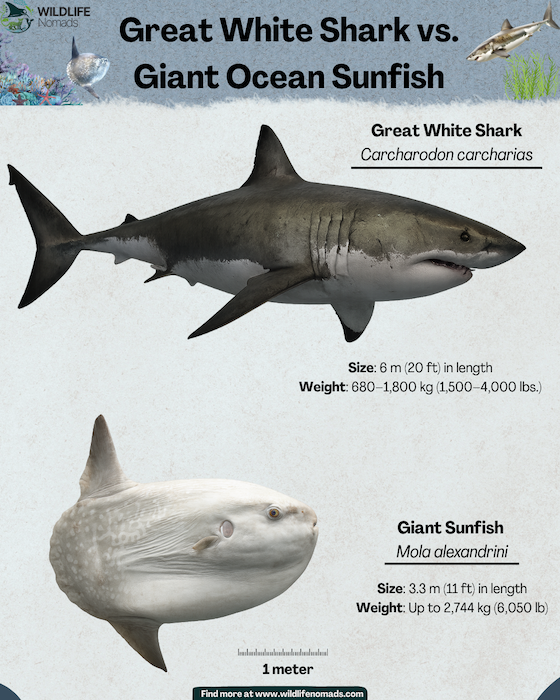
Among over 30,000 known species of bony fish, none surpass the sunfish mola in weight. The giant sunfish “Mola alexandrini” is recognized as the world’s heaviest bony fish, with a record weight of 2,744 kilograms (6,000 pounds). Adult sunfish can grow up to 3.3 meters (10.8 feet) long, measured from the snout to the anal fin tip.
Unlike cartilaginous fishes like sharks, the sunfish mola possesses a dense skeleton that adds considerable mass. This biological marvel helps them maintain stability in the open ocean. Therefore, their body structure represents a perfect adaptation for deep-sea life.
2. Their Shape Is Unlike Any Other Fish on Earth
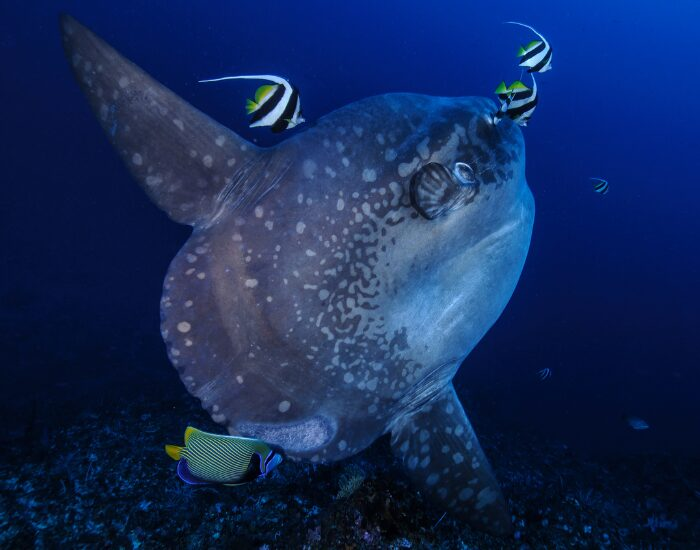
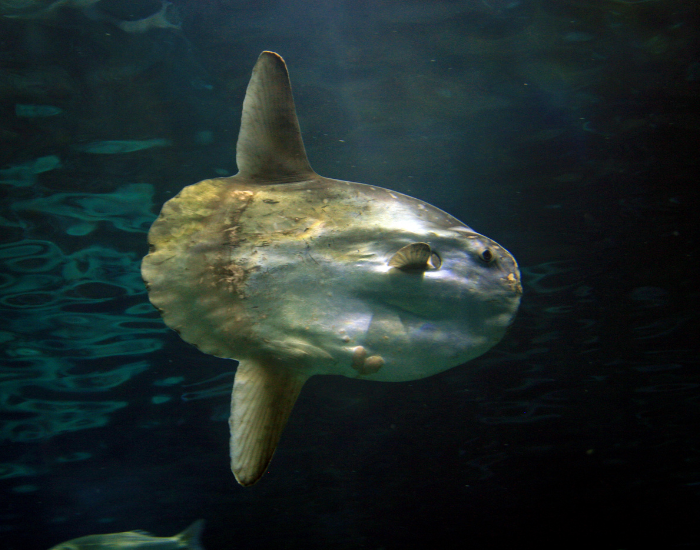
A sunfish’s body looks like a giant floating head. The ocean sunfish mola displays a laterally flattened, almost circular profile. In addition, its rounded shape features a distinctive beak like structure formed by fused teeth.
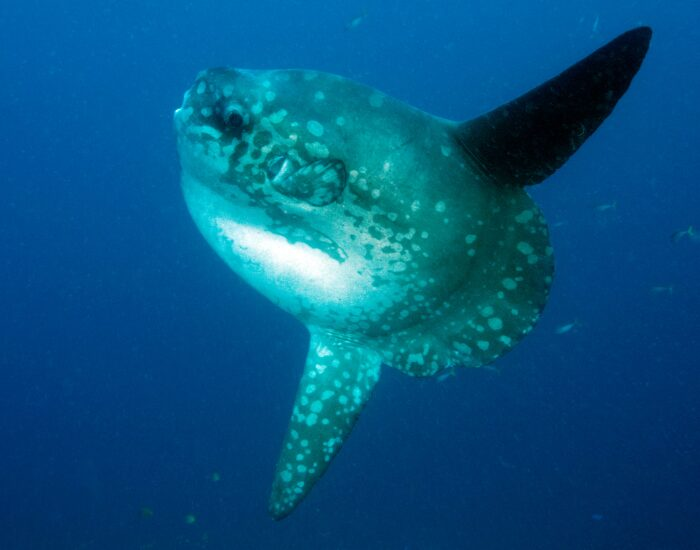
Unlike most fish, the sunfish lacks a traditional caudal fin (tail fin), which is replaced by a clavus. This stiff, rudder-like extension connects the dorsal and anal fins. The dorsal fin, along with the anal fin, is one of the two main fins used for propulsion, while the pectoral fins are relatively small and not used for primary movement. This unique arrangement allows them to navigate through the water, although it makes them appear clumsy at first glance.
Nevertheless, they prove surprisingly agile in the open sea. Their unique body shape helps them move efficiently through both tropical oceans and colder water environments.
3. Sunfish Swim Using Their Dorsal and Anal Fins
Instead of moving side to side like most fish, ocean sunfish swims by flapping their dorsal and anal fins in unison. This motion resembles a bird’s wings in flight. Consequently, they create an elegant undulating pattern that propels them efficiently.
In addition to this unique swimming style, sunfish also exhibit vertical movement in the water column, adjusting their depth in response to temperature changes and feeding needs.
Researchers at Monterey Bay Aquarium have recorded sunfish mola swimming at speeds up to 3.2 km/h. Moreover, they accomplish this using minimal energy. This represents evolutionary design perfectly suited for open-ocean cruising across the world’s oceans.
4. Ocean Sunfish Can Dive Over 700 Meters Deep
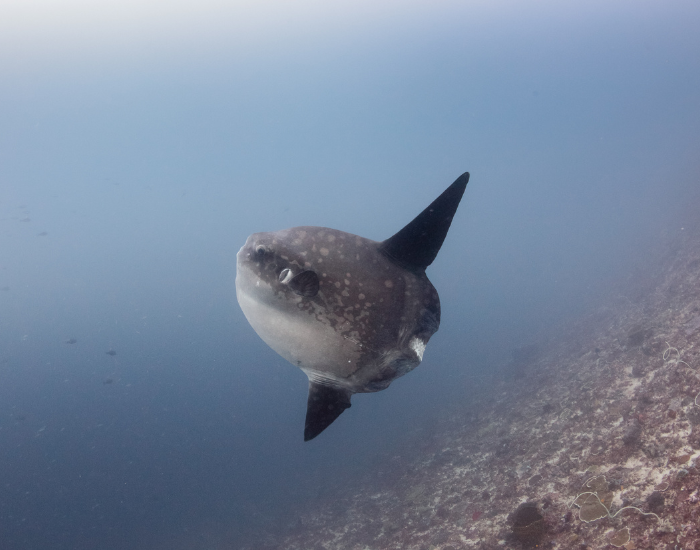
While often seen basking at the surface, giant ocean sunfish are accomplished deep-sea divers. Tagging studies show that sunfish mola routinely descend to depths between 200 and 700 meters, often diving into cold water before returning to the surface to rewarm. Occasionally, they venture beyond 1,000 meters.
These deep excursions help them feed on gelatinous prey. For example, they hunt jellyfish and salps drifting in the mesopelagic zone. After long dives in cold, dark water, the ocean sunfish mola often returns to the surface.
Ocean currents can influence the depth and distribution of sunfish during these deep excursions, affecting their movement patterns and where they are found in the ocean.
They engage in surface basking behavior to rewarm their bodies using sunlight. Therefore, this fascinating thermal regulation strategy helps them survive in both warm tropical oceans and colder water regions.
5. They Feed Primarily on Jellyfish
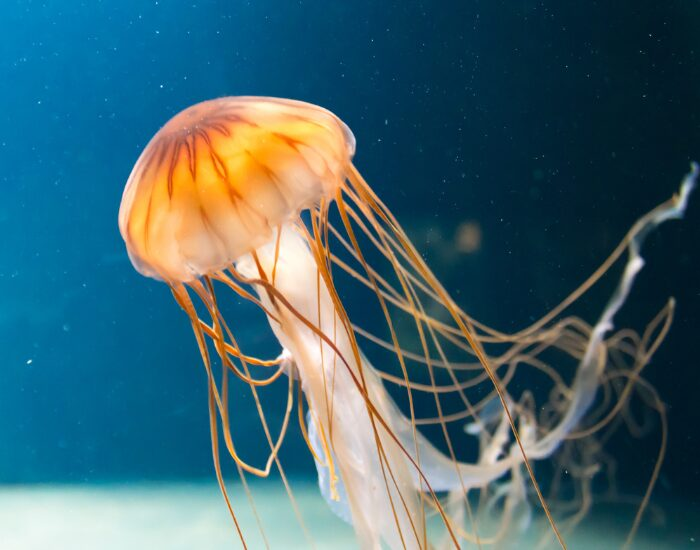
What do ocean sunfish eat? Their diet consists mostly of gelatinous prey. Specifically, they consume jellyfish, salps, and ctenophores in large quantities. While this diet seems low in calories, the sunfish mola compensates by eating continuously. Unfortunately, plastic bags and other sea trash resemble jellyfish, posing a significant threat to sunfish when ingested.
They also occasionally consume small fish, crustaceans, and planktonic larvae. This dietary flexibility helps them survive across different marine environments. In addition, their beak like structure allows them to tear apart slippery gelatinous prey that other predators avoid.
6. Giant Ocean Sunfish Grow Faster Than Almost Any Other Fish
Juvenile sunfish, or fry, start at just 2 millimeters long. However, they can grow to dinner-plate size within a single year. According to research published in the Journal of Experimental Marine Biology, captive young sunfish have gained up to 900 grams per day.
This represents one of the fastest growth rates among all fish species. Consequently, rapid growth helps them avoid predation in the open ocean. Survival depends on the ocean sunfish mola reaching massive size quickly, before predators can target them effectively.

7. Sunfish Reproduce with Astounding Fertility
Female sunfish mola rank among the most prolific breeders in the animal kingdom. A single adult female can produce up to 300 million eggs in one season. Fertilization occurs externally when males release sperm into the water column.
The sperm then meets the floating eggs in the open sea. Though only a small fraction survives to adulthood, this staggering reproductive capacity helps sustain populations. Therefore, high egg production compensates for natural threats and fishing bycatch across the world’s oceans.
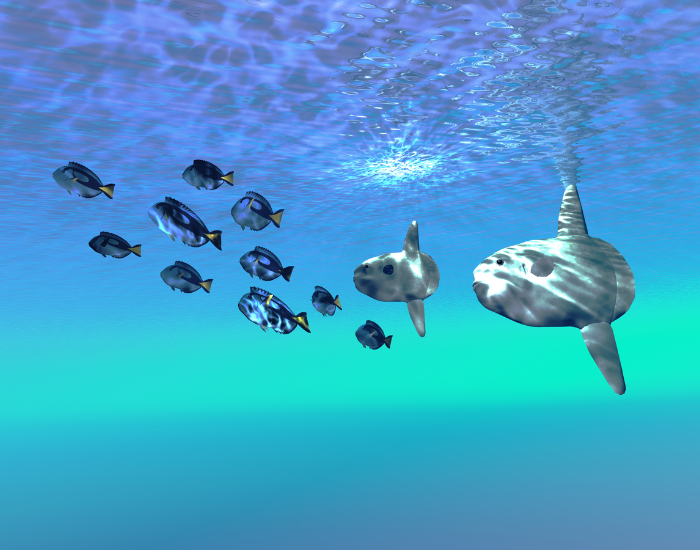
8. They Are Frequent Victims of Bycatch
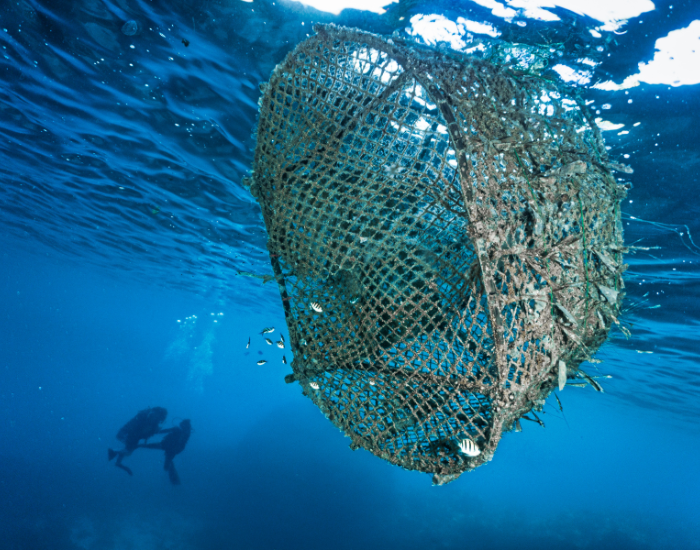
Despite their size, sunfish are harmless to humans. However, humans pose a major threat to them. These gentle giants often become entangled in drift gillnets or longlines. Fishing operations targeting other species such as tuna or swordfish accidentally catch ocean sunfish mola.
Bycatch represents one of the main reasons the IUCN Red List classifies Mola mola as Vulnerable. Conservation programs in the Pacific and Atlantic Oceans now focus on reducing incidental capture. For example, net modifications and fishing-free zones help protect these magnificent creatures. Ocean sunfishes as a group face similar threats from bycatch and require coordinated protection efforts to ensure their survival.
Marine conservation efforts in regions like New South Wales and South Wales have implemented sunfish-safe fishing practices. In addition, monitoring programs track bycatch rates to develop better protection strategies.
9. Ocean Sunfish Play an Important Role in Marine Ecosystems
The sunfish mola helps regulate jellyfish populations across the world’s oceans. By doing so, they prevent outbreaks that could unbalance marine ecosystems. These gentle giants consume vast amounts of gelatinous prey daily.
They act as natural population control for jellyfish blooms. These blooms often result from climate change and overfishing of predators. Therefore, the ocean sunfish mola indirectly supports the health of reef fishes and plankton communities.
Moreover, their presence benefits commercial fisheries by maintaining ecosystem balance. Without the sunfish mola, jellyfish populations could explode and compete with fish species for food resources.

10. They Are Found in All the World’s Oceans
From the North Atlantic to the South Pacific, ocean sunfish inhabit both tropical and temperate seas. In temperate regions, sunfish may interact with drifting kelp fields and other marine life for parasite removal. The sunfish mola thrives especially near upwelling zones where food remains abundant. They adapt to various water temperatures, from warm tropical oceans to colder water regions.
The name ‘ocean sunfish’ refers to their habit of ocean appearing at the surface, where they bask in the sun. In the Atlantic Ocean, sightings have been recorded off Portugal, California, and South Africa. Waters surrounding New South Wales and South Wales also report frequent encounters. The ocean sunfish mola migrates vertically and seasonally through the world’s oceans.
They move toward the poles during warmer months. Conversely, they head to equatorial regions when temperatures drop. This migration pattern allows the sunfish mola to follow food sources and maintain optimal body temperature year-round.
11. They Are Gentle Giants, Not Aggressive Fish
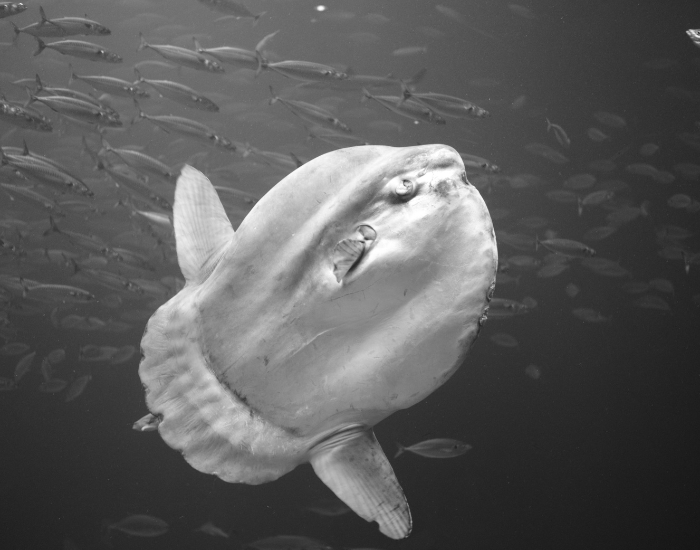
Despite their enormous size and intimidating rounded shape, sunfish are completely harmless to humans. The ocean sunfish mola lacks teeth suitable for biting. Instead, they prefer drifting peacefully in open water.
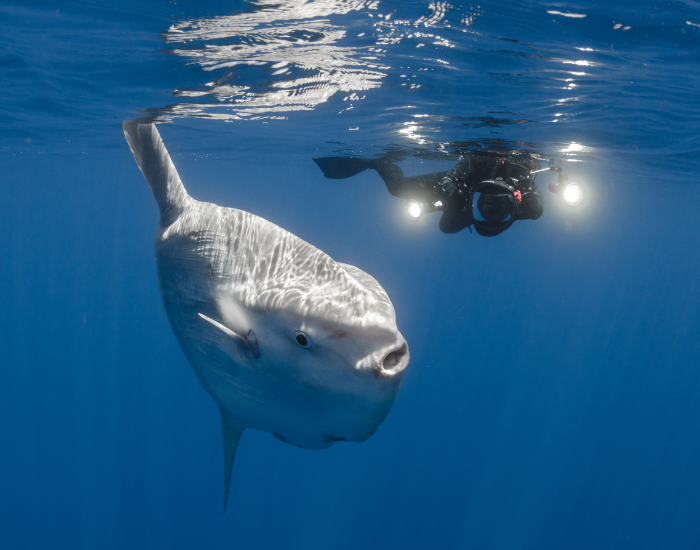
Divers often describe encounters with giant ocean sunfish as calm and curious experiences. The sunfish mola sometimes approaches boats or divers slowly, apparently investigating movement or reflections. Their docile nature has made them favorites among underwater photographers and wildlife enthusiasts.
However, their lack of body scales makes them vulnerable to injuries from boat strikes. Therefore, boaters should exercise caution in areas where the ocean sunfish mola is commonly sighted.
12. The Biggest Mola mola Ever Recorded Was Enormous
The largest recorded ocean sunfish was a female Mola alexandrini found off the Azores in 2021. It measured 3.59 meters (11.8 feet) long and weighed 2,744 kilograms (6,050 pounds). Researchers at the Atlantic Naturalist Association confirmed these measurements. Some scientific studies consider Mola ramsayi to be synonymous with Mola alexandrini, and both names are used in the literature when referring to these giant sunfish.
This colossal specimen highlights the extreme potential of ocean sunfish size. In fact, it rivaled small cars in mass. Such discoveries remind us that the open ocean still conceals some of nature’s most awe-inspiring giants among the five species of Molidae.
13. Ocean Sunfish Belong to a Family of Five Remarkable Species
The giant ocean sunfish belongs to the family Molidae, also known as the marine family Molidae, which includes five distinct species. The word ‘mola’ comes from Latin, meaning ‘millstone’, and is used to refer to several mola species worldwide.
The five species in this ancient family are:
- Mola mola (the common ocean sunfish) — the most widely recognized species
- Mola alexandrini (the giant sunfish, also called the bump-head sunfish) — distinguished by its distinctive head bump that sets it apart from other mola species
- Mola tecta (the hoodwinker sunfish) — a relatively recently discovered species identified in 2017
- Ranzania laevis (the slender sunfish) — notable for its more elongated, less rounded body shape compared to other family members
- Masturus lanceolatus (the sharptail sunfish) — characterized by its pointed tail structure
Together, these molidae species represent an ancient lineage that has adapted to life across the world’s oceans, from the Mediterranean Sea to waters off New South Wales and South Wales. Each species has evolved unique characteristics while maintaining the family’s signature traits of massive size and unusual body structure.

Conservation Status and Protection Efforts
The IUCN Red List currently lists Mola mola as Vulnerable. Meanwhile, Mola alexandrini is considered Near Threatened. These classifications reflect serious concerns about population decline across the world’s oceans.
Major Threats
The ocean sunfish mola faces multiple threats in modern times. Bycatch in drift gillnets and longline fisheries remains the primary danger. Marine pollution poses another significant risk, especially plastic bags mistaken for jellyfish.
Boat strikes occur frequently due to surface basking behavior. Climate change continues altering prey availability across tropical oceans and colder water habitats. In addition, some regions still practice targeted fishing despite the species’ vulnerable status.
Ongoing Conservation Efforts
The Monterey Bay Aquarium Research Institute (MBARI) conducts extensive tagging programs. These programs track migration routes of the sunfish mola across the world’s oceans. Marine Protected Areas (MPAs) help reduce human impacts in key habitats where the ocean sunfish mola breeds and feeds.
Public awareness campaigns in regions like New South Wales, South Wales, and the Mediterranean Sea promote sunfish-safe fishing practices. Education programs teach fishermen to identify and safely release the ocean sunfish mola when accidentally caught.
Conservation of the giant ocean sunfish proves vital for maintaining balance in the world’s oceans. Therefore, continued research and protection efforts remain essential for ensuring these gentle giants survive for future generations.
Quick FAQ: Your Questions About Ocean Sunfish Answered
In many regions, sunfish mola meat is considered unsafe or unpalatable due to potential toxins. They are also protected in several countries, including throughout the EU. Furthermore, most cultures do not have traditional recipes for preparing ocean sunfish mola.
No. Bluegill are freshwater sunfish belonging to the Centrarchidae family. In contrast, ocean sunfish belong to the Molidae family. These represent completely different groups with no close relationship despite sharing “sunfish” in their common names.
Yes. Despite their massive size and unusual rounded shape, the ocean sunfish mola is peaceful and poses no danger to humans. They lack aggressive behaviors and cannot bite effectively due to their beak like structure.
The sunfish mola feeds mostly on jellyfish, salps, and other planktonic organisms. They consume gelatinous prey in enormous quantities daily. Occasionally, they also eat small fish and crustaceans when available.
They inhabit all major oceans, especially tropical and temperate seas. The ocean sunfish mola thrives in regions ranging from the Mediterranean Sea to waters off New South Wales. They prefer areas with abundant gelatinous prey and suitable temperature ranges.
They’re not particularly rare overall. However, sightings remain unpredictable since the sunfish mola inhabits the open ocean. They also dive deeply, spending significant time below the surface. Therefore, encounters depend largely on location and timing.
The Ocean Sunfish Deserves Our Awe
The giant ocean sunfish stands as one of the ocean’s most fascinating enigmas. It represents part ancient survivor, part gentle wanderer gliding through the world’s oceans. The unique anatomy, immense size, and ecological importance of the sunfish mola make it a symbol of marine biodiversity.
Their rounded shape, beak like structure, and lack of body scales create a truly distinctive appearance. As one of five species in the Molidae family, the ocean sunfish mola demonstrates remarkable adaptations to life in both tropical oceans and colder water environments.
As scientists continue unraveling the mysteries of sunfish mola biology, one thing remains clear. Conserving these giants ensures a healthier, more balanced ocean for future generations. Therefore, supporting conservation efforts in regions like New South Wales, South Wales, and beyond proves essential.
Further Reading
- Stone Fish: 12 Shocking Facts
- 12 Fascinating Facts About Gulper Eels
- Puffer Fish: 12 Fascinating Facts
- 13 Fascinating Facts About the Angler Fish
- 12 Fascinating Facts About Lampreys