
Have you ever seen a stingray gliding through shallow coastal waters? Most people never forget their first encounter with these remarkable creatures. However, their shocking cousins, the electric rays, remain relatively unknown despite their extraordinary abilities.
Electric rays possess unique adaptations that set them apart from other cartilaginous fish. Their ability to produce electric shocks makes them fascinating subjects for marine biologists and ocean enthusiasts alike. Therefore, let’s explore ten captivating facts about these remarkable animals and understand why they deserve greater recognition.
1. Electric Rays Belong to Their Own Order
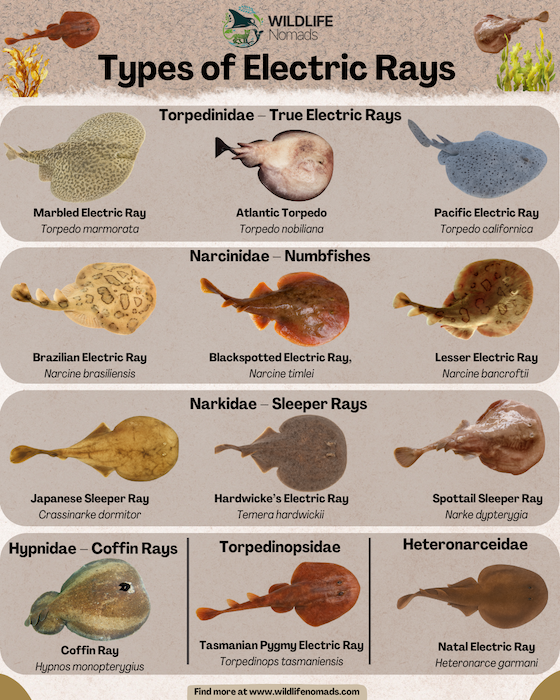
Electric rays belong to the order Torpediniformes, which distinguishes them from stingrays and manta rays. Scientists recognize approximately 69 species across four distinct families. These families include Torpedinidae (torpedo rays), Narkidae (sleeper rays), Narcinidae (numbfishes), and Hypnidae (coffin rays). Among these, the various species of electric rays display remarkable diversity in their physical characteristics and unique electrical abilities, with each species of electric ray possessing specialized electric organs used for defense and hunting. However, these are still poorly studied and there is ongoing research to properly categorise them.
The term “torpedo” originates from the Latin word for numbness. This name perfectly describes the shocking effect these fish produce. In addition, ancient Greeks called them “narke,” which later inspired the word “narcotic” due to their numbing electrical charges.
2. They Use Electricity for Hunting and Defense
Unlike stingrays that rely on barbed tail stings, electric rays generate electrical charges through specialized organs. These electric organs consist of modified muscle tissue located within their disc-shaped bodies. The Atlantic torpedo can produce shocks reaching 220 volts, making it one of nature’s most powerful bioelectric animals.
Smaller species like the Pacific electric ray generate approximately 50 volts. This electrical current proves strong enough that prey are left stunned, making capture effortless and deterring predators. However, the shock rarely poses serious danger to humans, though it can certainly startle unwary swimmers or fishers.
The electric organs contain thousands of specialized cells called electrocytes. These cells stack like batteries, amplifying the electrical charge. When the ray detects prey or senses danger, it can discharge this stored electricity in milliseconds.

3. Torpedo Rays Are Nocturnal Ambush Predators
Torpedo rays hunt primarily at night, employing stealth and patience. These nocturnal predators bury themselves in sandy bottoms or hover motionless in kelp beds. They wait for unsuspecting prey to swim within striking distance.
Their diet consists mainly of small fish, crustaceans, squid, and occasionally octopus. Once they detect prey through electroreception, they rapidly wrap their pectoral fins around the victim. This behavior, known as “ray wraps,” allows the electric ray to concentrate its electrical discharge and more effectively subdue its prey. The electrical shock immediately stuns the prey, making capture effortless. Torpedo rays typically swallow their catch head-first, ensuring smooth passage down their throat.
This hunting strategy conserves energy remarkably well. Rather than actively pursuing prey, these rays remain motionless for extended periods. Their dorsal surface often matches the sandy or muddy substrate, providing excellent camouflage against predators from above.
4. Coffin Rays Are Australian Specialists
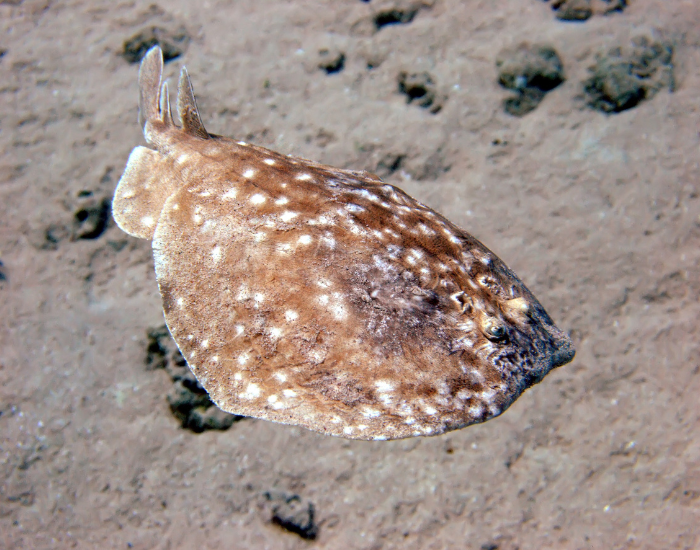
Living in Australia has given me numerous encounters with unique wildlife. The coffin ray (Hypnos monopterygius) ranks among the strangest marine animals I’ve studied. This species exists only in southern Australian waters, making it a true endemic specialist.
Coffin rays possess stocky, kidney-shaped bodies and can generate electrical charges up to 200 volts. They also have a stocky tail, which is a distinctive feature of their anatomy. They inhabit sandy and muddy depths, often concealing themselves beneath seagrass beds along the coast. Local fishers share countless stories of receiving unexpected shocks when accidentally catching these rays in gill nets.
The name “coffin ray” refers to its unusually thick, box-like body shape. Despite their powerful electrical capability, these rays move slowly and prefer to remain buried in soft sediment during daylight hours.
5. They Have Inspired Medicine and Technology
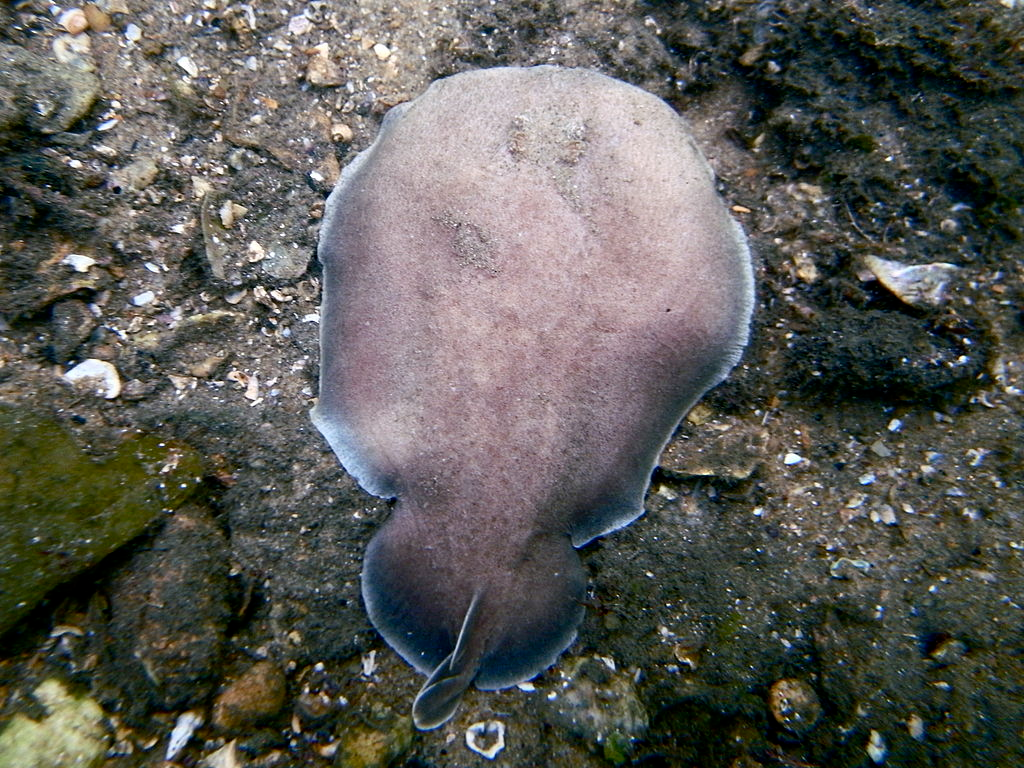
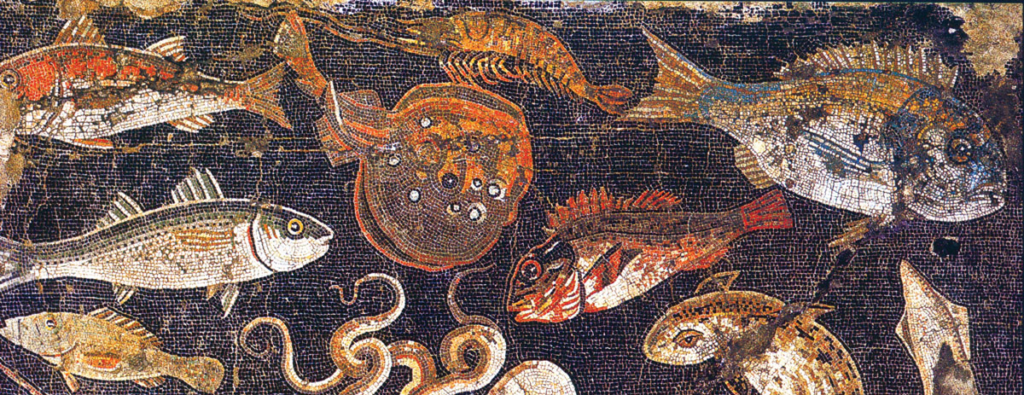
Ancient Greeks recognized the therapeutic potential of electric rays over two millennia ago. Physicians used live torpedo fish as a treatment for headaches, gout, and other maladies. This practice represented an early form of electrotherapy, predating modern electrical medicine by centuries.
Contemporary researchers continue studying electric organs for insights into bioelectricity and neural science. The ability of these organs to generate, store, and discharge electricity efficiently has inspired battery design innovations. In addition, understanding how electrocytes function helps scientists develop better treatments for neurological disorders.
The Roman naturalist Pliny the Elder documented electric ray treatments extensively. He noted that placing a live torpedo on the head could relieve chronic pain. While modern medicine has advanced significantly, the principle of electrical stimulation for pain relief remains valid today.

6. Torpedo Fish and “Electric Stingrays”
People often ask whether electric stingrays truly exist. Technically, the answer is no. What many call “electric stingrays” are actually electric rays or torpedo fish. Unlike stingrays, these animals don’t possess venomous barbed tails. Instead, they rely entirely on electrical shocks for defense and hunting, a unique trait not found in other rays.
Confusion persists because both groups share similar appearances, flat bodies, wide pectoral fins, and bottom-dwelling habits. However, their evolutionary paths diverged millions of years ago. Stingrays developed venomous tail spines, while electric rays evolved specialized electric organs. Understanding this distinction helps clarify the diversity within ray species.
The two families occupy different ecological niches despite their superficial similarities. Stingrays typically feed by crushing mollusks and crustaceans with their powerful jaws. Electric rays, however, prefer actively hunting small fish using their shocking ability.

7. Electric Rays Range from Shallow Seas to Deep Oceans
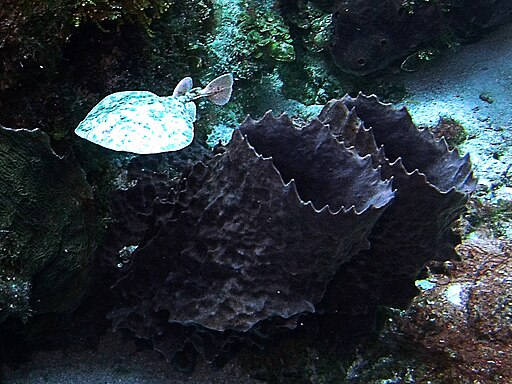
Electric ray species inhabit diverse marine environments worldwide. The Pacific electric ray occurs throughout the northeastern Pacific, from southern California to British Columbia. These rays prefer shallow coastal waters with sandy or rocky bottoms, often residing in kelp forests.
The coffin ray remains endemic to Australian waters, particularly along southern and eastern coastlines. Meanwhile, the marbled electric ray frequents the Mediterranean Sea and eastern Atlantic Ocean. The Atlantic torpedo ray demonstrates remarkable depth tolerance, inhabiting waters as deep as 1,000 meters. While many electric rays are commonly found on the seafloor, some species are also present within the water column at various depths, foraging for prey away from the bottom.
These adaptable animals colonize various habitats including sandy bays, coral reefs, rocky reefs, and kelp beds. Some species venture into estuaries where freshwater mixes with seawater. Their wide distribution reflects their evolutionary success across different marine environments.
Temperature and prey availability largely determine electric ray distribution. Warmer waters typically support higher species diversity, though some torpedo fish thrive in temperate regions. Conservation efforts must therefore consider the specific habitat requirements of each species.

8. They Play a Role in Marine Ecosystems
As predators, electric rays help regulate populations of small fish, various fishes, and invertebrates within benthic ecosystems. They consume substantial numbers of prey annually, including small prey that some species, such as narcinids, specifically target and stun or subdue using their electric organs. This feeding behavior influences the structure of seafloor communities and proves essential for maintaining ecological balance in coastal habitats.
Electric rays also serve as prey for larger predators. Sharks, particularly species that hunt along sandy bottoms, occasionally feed on them despite the risk of electric shock. Large bony fish also prey on smaller electric ray species. This position within the food web makes them important indicators of ecosystem health.
Their presence signals healthy benthic environments with adequate prey populations. Marine biologists studying biodiversity often use electric ray abundance as a metric for assessing coastal ecosystem quality. When electric ray populations decline, it frequently indicates broader environmental problems affecting multiple species.
9. Conservation Concerns Are Growing
While electric rays face fewer threats than manta rays, several species experience significant population pressure. Bycatch in commercial fishing operations represents the primary threat. Gill nets and bottom trawling frequently capture electric rays accidentally, often resulting in mortality.
Habitat degradation from coastal development also threatens electric ray populations. Sandy and muddy bottoms, essential for their survival, face destruction from dredging and construction projects. In addition, pollution from agricultural runoff degrades water quality in shallow coastal waters where many species breed.
Climate change shifts the distribution of prey species, forcing electric rays to adapt or relocate. Ocean warming affects their metabolism and reproductive cycles. The IUCN Red List classifies several species as Vulnerable, highlighting the urgent need for conservation action.
Protecting critical habitats requires establishing marine protected areas in regions with high electric ray abundance. Reducing bycatch through modified fishing gear and practices would significantly benefit these animals. Small commercial fisheries must adopt sustainable methods to prevent further population declines.
Jo.Caribu, via Wikimedia Commons
10. A Shocking Legacy in Culture
From ancient Roman naturalists to modern divers, electric rays have sparked both curiosity and fear throughout human history. Various cultures nicknamed them “shock rays,” “numbfish,” or “cramp fish” based on their stunning effect. These names reflect the powerful impression these animals made on people encountering them.
For me, electric rays exemplify evolution’s extraordinary creativity. Nature transformed a bottom-dwelling ray into a living electrical generator capable of delivering significant shocks. This adaptation solved both hunting and defense challenges simultaneously.
The legacy of electric rays extends beyond biology into physics and medicine. Scientists studying bioelectricity owe much to early observations of torpedo fish. Today, researchers continue drawing inspiration from these remarkable animals for innovations in biotechnology and energy storage.
FAQs About Electric Rays
No, electric rays don’t possess venomous stings. Instead, they deliver electrical shocks through specialized organs for defense and hunting.
Stingrays use barbed tail spines containing venom for defense. Electric rays lack tail stings but generate electrical charges through modified muscle organs. Unlike stingrays, electric rays have a large, well-developed caudal fin that is more rounded and prominent, contributing to their sluggish swimming style. They also hunt different prey and occupy distinct ecological niches.
Voltage varies significantly among species. Small sleeper rays generate approximately 8 volts, while the Atlantic torpedo ray produces up to 220 volts. Most species generate between 50 and 200 volts depending on body size and age. The Pacific electric ray is notable for its large caudal fin, which is a distinguishing anatomical feature.
Electric ray shocks can be painful and startling but rarely prove lethal to humans. However, individuals with heart conditions should exercise caution. The shock can cause muscle spasms and temporary numbness in the affected area.
Electric rays inhabit temperate and tropical waters worldwide. They prefer sandy or muddy bottoms near coral reefs, rocky reefs, and kelp beds. Some species live in shallow coastal waters, while others inhabit depths exceeding 1,000 meters. In kelp forest environments, electric rays may share their habitat with species like kelp bass.
The coffin ray is an Australian endemic species capable of producing powerful electric shocks up to 200 volts. It inhabits shallow coastal waters along southern and eastern Australia. The name refers to its distinctive thick, kidney-shaped body.
Electric rays primarily consume small fish, crustaceans, squid, and occasionally octopus. They stun prey with electrical charges before swallowing it head-first. Their mouth is wide and located underneath the disc, equipped with pointy teeth that help grasp and ingest prey efficiently. Their diet varies by species and habitat.
Electric organs contain thousands of specialized cells called electrocytes. These cells stack vertically and discharge simultaneously, creating a powerful electrical current. The organs develop from modified muscle tissue during embryonic development and are positioned on either side of the ray’s head, making them a distinctive anatomical feature.
An Evolutionary Spark in the Sea
The electric ray remains one of the ocean’s most surprising inhabitants. These quiet, slow-moving animals wield electricity like a biological superpower. From the powerful coffin ray in Australian waters to the deep-dwelling Atlantic torpedo, these creatures demonstrate evolution’s remarkable creativity.
Years ago, I swam near a Pacific electric ray resting peacefully in the sand. It wasn’t menacing or aggressive. Rather, it simply existed as a hidden marvel carrying the evolutionary legacy of millions of years. That moment reminded me why ocean conservation matters so deeply.
If you ever dive in coastal waters where electric rays live, remember to admire these shock rays from a respectful distance. Their electrical capability demands caution, but their ecological importance deserves our protection and fascination.
Further Reading
- 12 Unique Characteristics of the White Sturgeon
- The Strange Wobbegong Shark
- Echinoderms: The Spiny-Skinned Architects of the Ocean