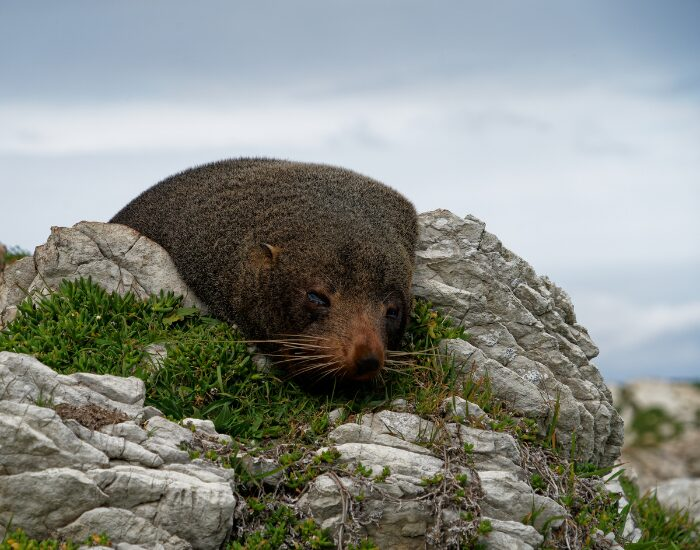
In 2024, the Wildlife Nomads team flew to New Zealand. We only had a week. I’ll be straight with you, we didn’t see half the animals on our list. The weather turned. The kiwi stayed hidden. We never expected to find a kākāpō. But on a rocky stretch of the South Island coast, we watched a New Zealand fur seal haul out and bask in the late sun. That one sighting made the whole trip. We’re already planning to go back, this time as a proper road trip from top to bottom. Until then, here’s everything I’ve learned about New Zealand’s wildlife in the field.
New Zealand is a place where evolution went off the rails in the best way possible. Cut off from the rest of the world for millions of years, the country developed unique wildlife found nowhere else. With no native land mammals aside from bats, birds took center stage, evolving into flightless, nocturnal, and even alpine forms. Reptiles here date back to the dinosaur era. Marine life thrives along untouched coastlines. Conservation now sits at the forefront of protecting this natural wonderland.

Why Is New Zealand’s Wildlife So Unique?
New Zealand’s biodiversity developed in isolation, free from large predators. This led to the rise of unusual species that filled ecological niches typically occupied by mammals elsewhere. Over 80% of native wildlife in New Zealand is found only in this part of the world. But with human arrival came introduced species like rats, stoats, and possums, creating a conservation crisis that continues today.
New Zealand’s isolation, located over 1,000 miles southeast of Australia, has allowed its wildlife to evolve in extraordinary ways. With no native land mammals (except for bats), birds, reptiles, and insects have taken center stage.
- Flightless Birds: Many of New Zealand’s birds, like the kiwi and kakapo, lost the ability to fly due to the lack of predators.
- Ancient Reptiles: The tuatara, a reptile that dates back to the time of the dinosaurs, is found only in New Zealand.
- Marine Life: New Zealand’s waters are home to dolphins, whales, and the rare Hector’s dolphin.
According to the Department of Conservation (DOC), New Zealand is home to over 80,000 native species, many of which are found nowhere else on Earth.
Let’s explore some of the most iconic animals native to New Zealand, from flightless birds to ancient reptiles, and where you can see them in the wild.

The Big 5 Animals of New Zealand
New Zealand may not have Africa’s lions and elephants, but it has its own Big Five: unique creatures that define the country’s biodiversity.
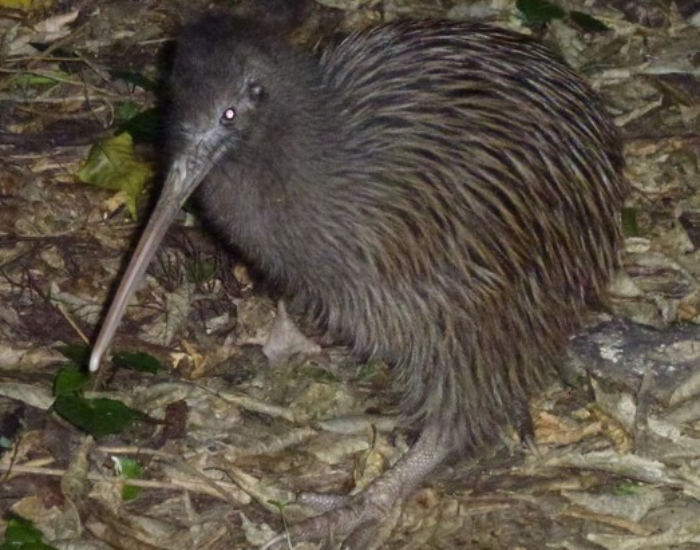
1. Kiwi: The National Treasure
A New Zealand animal like no other, the kiwi is a flightless, nocturnal bird with hair-like feathers and a long beak used for sniffing out insects and worms. There are five species, all under threat due to habitat destruction and predation by introduced species. Conservation projects like Zealandia and Sanctuary Mountain offer safe havens for these birds.
Kiwi conservation efforts have led to a significant increase in kiwi populations in regions like the Coromandel Coast, where numbers have doubled every decade due to these initiatives.
Where to See Kiwis: Stewart Island, Zealandia (Wellington), Orokonui Ecosanctuary (Dunedin)
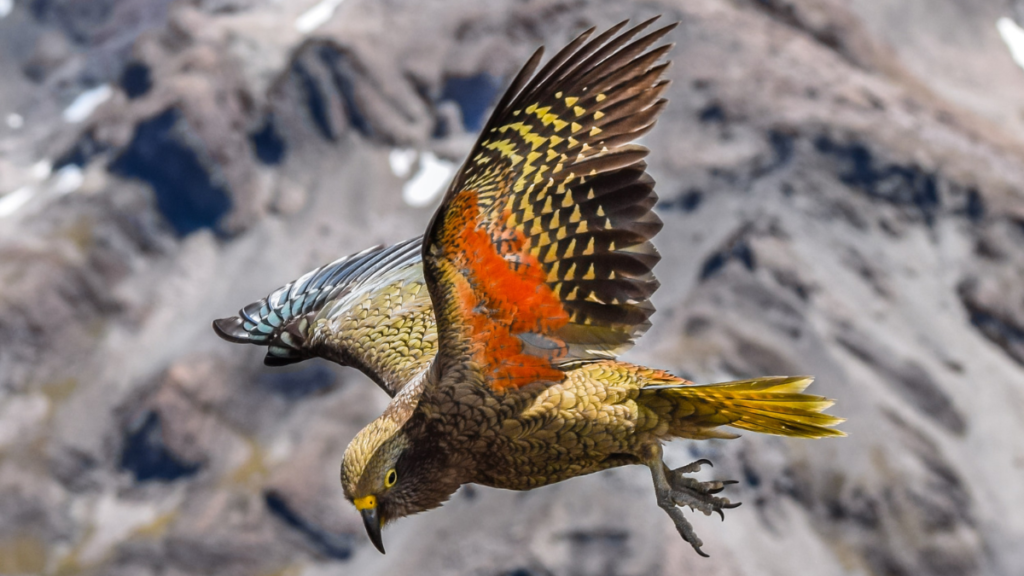
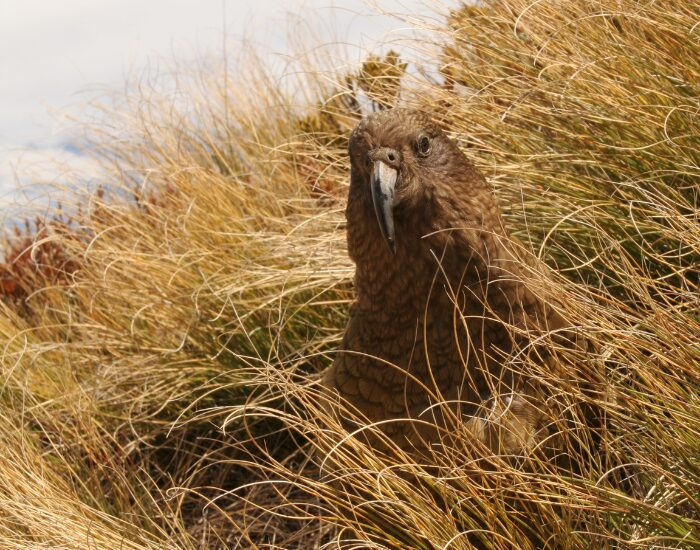
2. Kea: The World’s Smartest Parrot
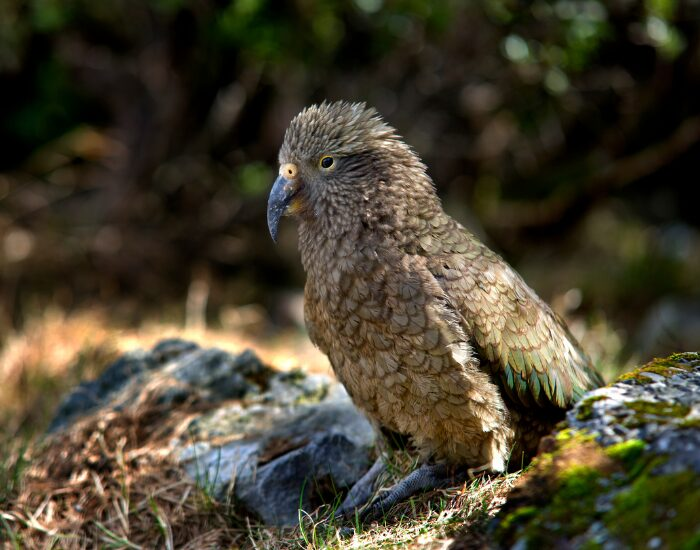
The only alpine parrot, the kea is highly intelligent, playful, and mischievous—known for stealing food, unzipping bags, and even dismantling car parts. It’s endangered, with fewer than 7,000 left in the wild.
Where to See Kea: Arthur’s Pass, Fiordland National Park, Aoraki/Mt. Cook National Park
3. Tuatara: A Living Fossil
Not a lizard, but a relic from the time of the dinosaurs, the tuatara is one of the world’s oldest reptiles. With a “third eye” on its head for detecting light, this species has remained largely unchanged for over 200 million years.
Where to See Tuatara: Zealandia, Invercargill’s Southland Museum, pest-free offshore islands

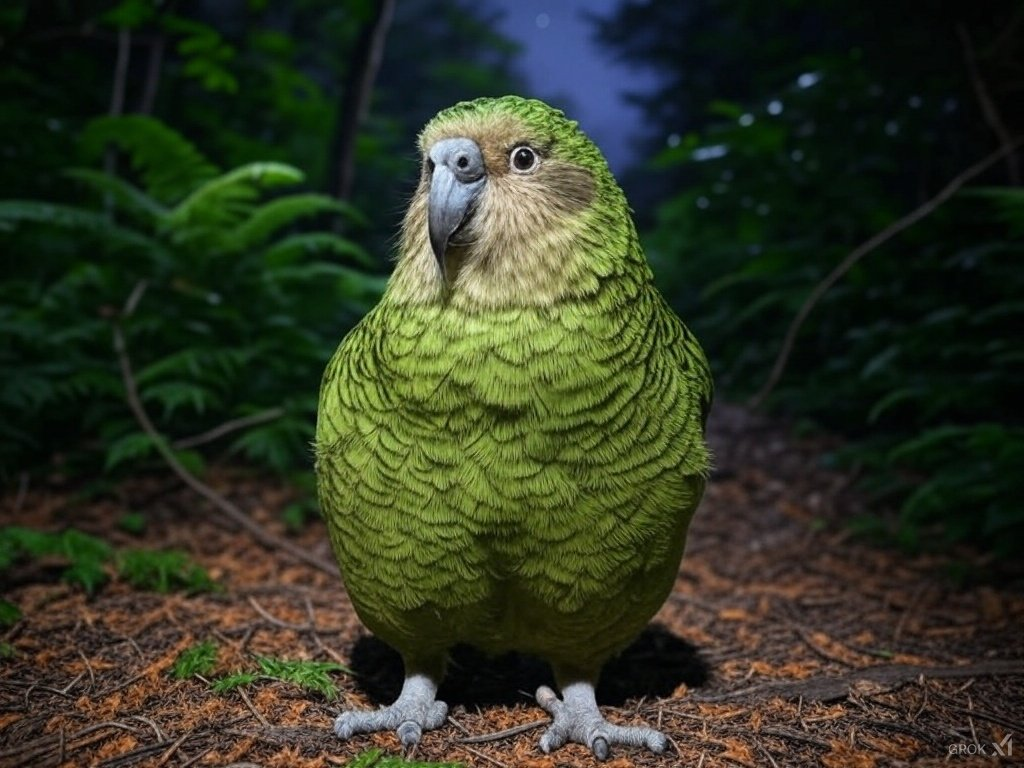
4. Kākāpō: The Flightless, Giant Parrot
This critically endangered, nocturnal parrot is the world’s heaviest and only flightless parrot. With fewer than 300 individuals left, they are carefully managed on predator-free islands.
Where to See Kākāpō: They are not easily seen in the wild, but conservation updates can be followed via the Kākāpō Recovery Program.
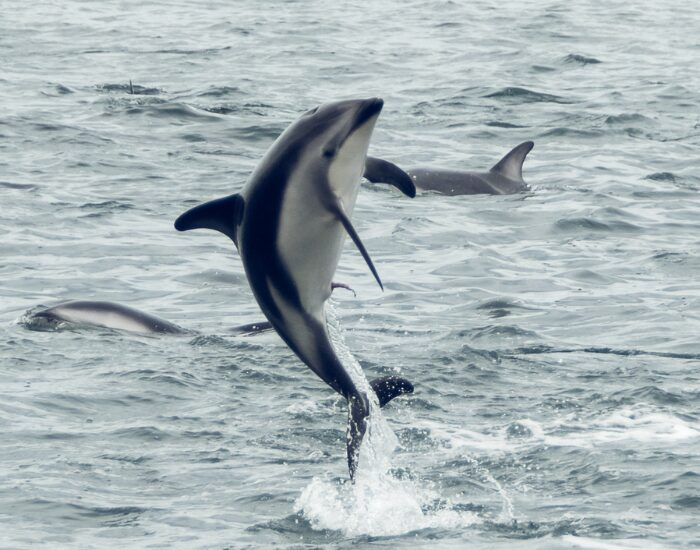
5. Hector’s Dolphin: The Smallest and Rarest Dolphin
One of the most endangered marine mammals, Hector’s dolphins are only found in New Zealand’s coastal waters. Their critically endangered cousin, the Māui dolphin, has fewer than 70 individuals remaining.
Where to See Hector’s Dolphins: Akaroa, Banks Peninsula, Kaikōura
Other Notable Animals of New Zealand
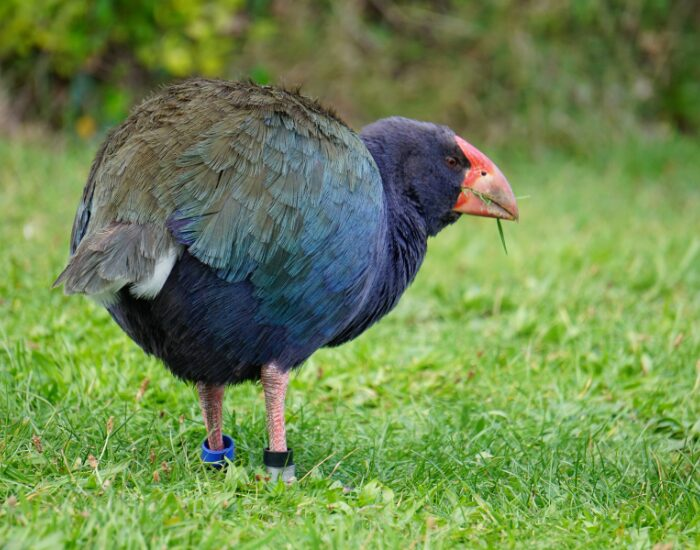
6. Takahē: The Bird That Came Back from Extinction
Once thought extinct, this large flightless bird was rediscovered in 1948 in Fiordland National Park. Conservation efforts have slowly brought its population back.
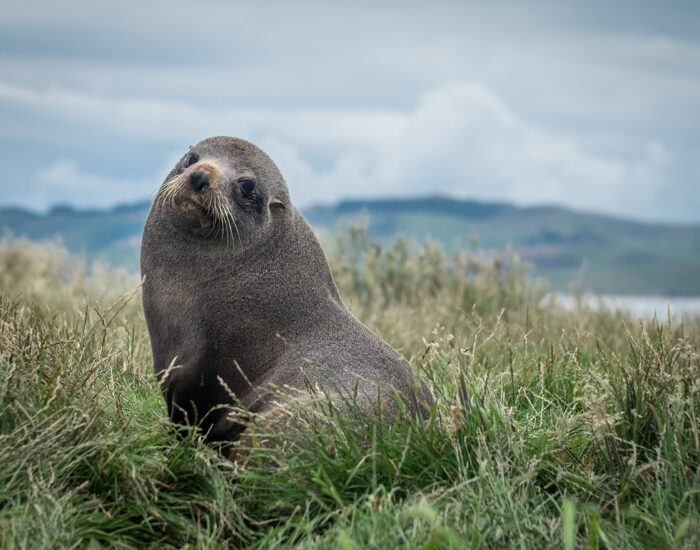
7. New Zealand Fur Seal: A Marine Mammals Success Story
Hunted to near-extinction in the 19th century, these playful seals are now thriving along rocky coastlines.
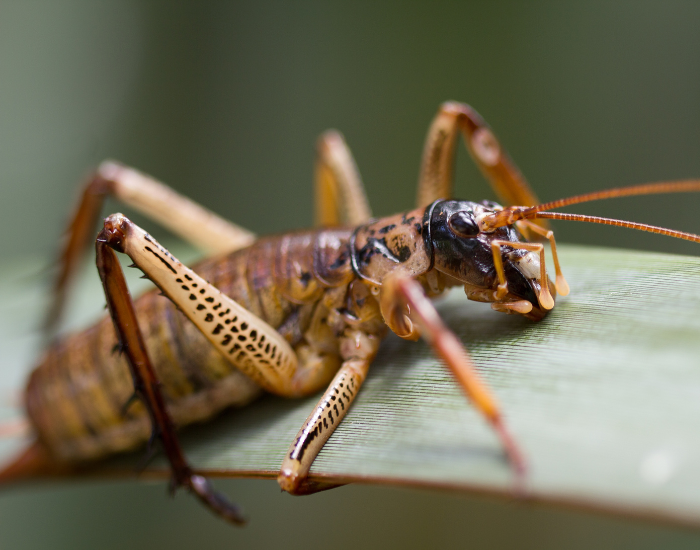
8. Wētā: The Giant Insect
These ancient insects are sometimes called “New Zealand’s mini-dinosaurs.” Some species can grow larger than mice! They are one of the largest insects in the world.
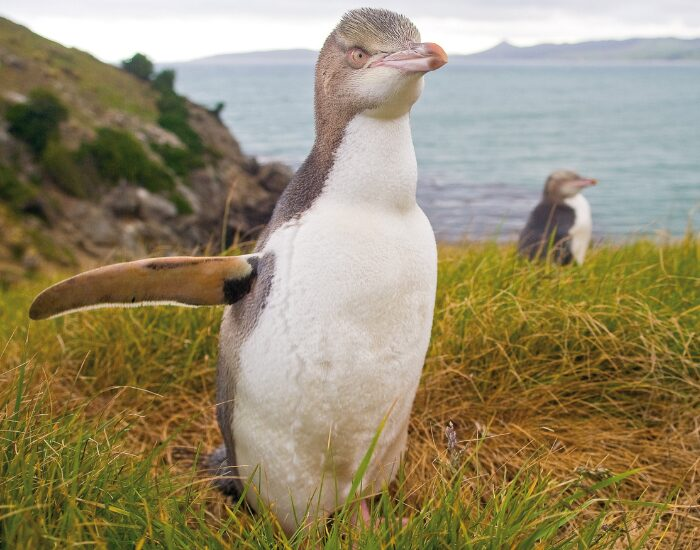
9. Yellow-Eyed Penguin: The World’s Rarest Penguin
Found along the southeastern coasts, yellow eyed penguins, also known as Hoiho, are endangered and recognized for their unique physical features, including striking yellow eyes and a pale yellow headband. They inhabit dense coastal forests and scrublands, reflecting their shy nature.
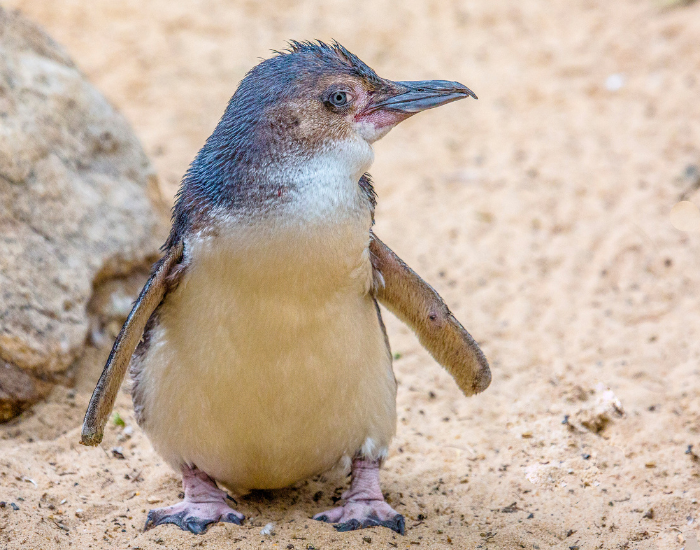
10. Little Blue Penguin:
The little blue penguin, also known as the fairy penguin, is the smallest penguin species in the world. Standing at just over a foot tall, these diminutive birds are a delight to watch as they waddle ashore in large colonies. Little blue penguins are found along the coastlines of both the North and South Islands, often nesting in burrows or under rocks.
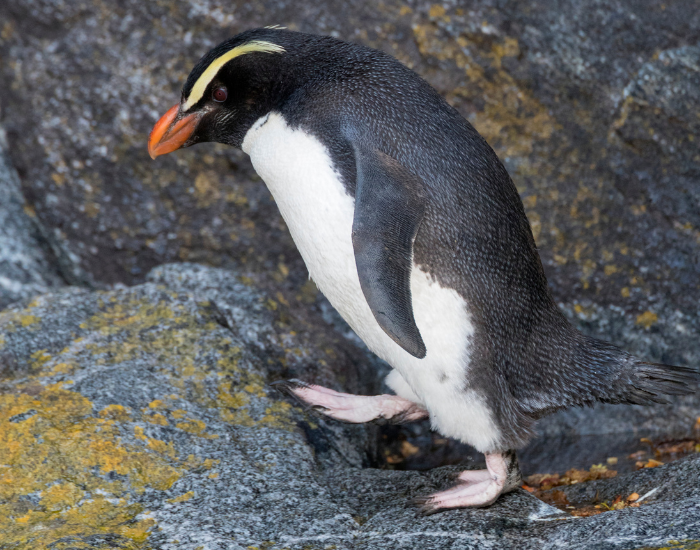
11. Fiordland Penguin:
Also known as the tawaki. Striking yellow crests distinguish these medium-sized penguins, which hail from the rugged fiords of New Zealand’s South Island. Known for their secretive nature, Fiordland penguins often nest in dense forests and caves near the coastline.
Their breeding season is a challenging time, as they navigate steep, rocky terrain to reach their nesting sites. Conservation efforts are crucial to protect these unique penguins and their habitats.
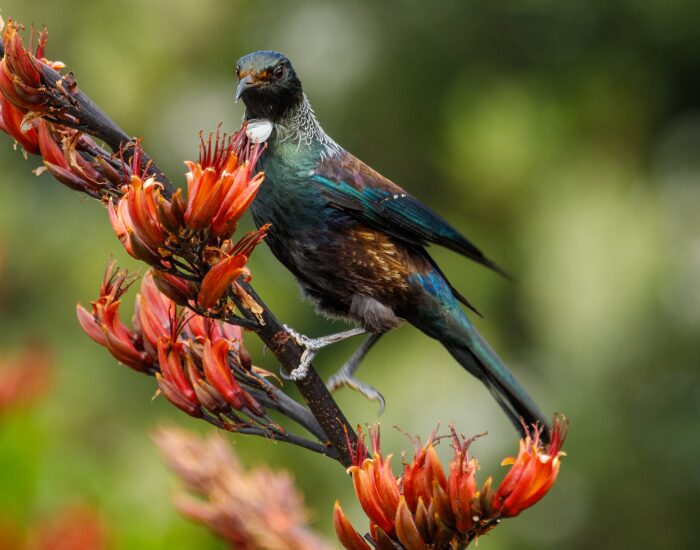
12. Tūī: The Native Forest Bird You Shouldn’t Miss
Not every iconic New Zealand bird is flightless. Some of the most charismatic unique birds live in the canopy of the country’s native forests. The tūī is a standout. Growing up to 30 cm long, this songbird instantly stands out by the two curls of white tufts at its throat, which bob as it sings its wild, clicking melodies.
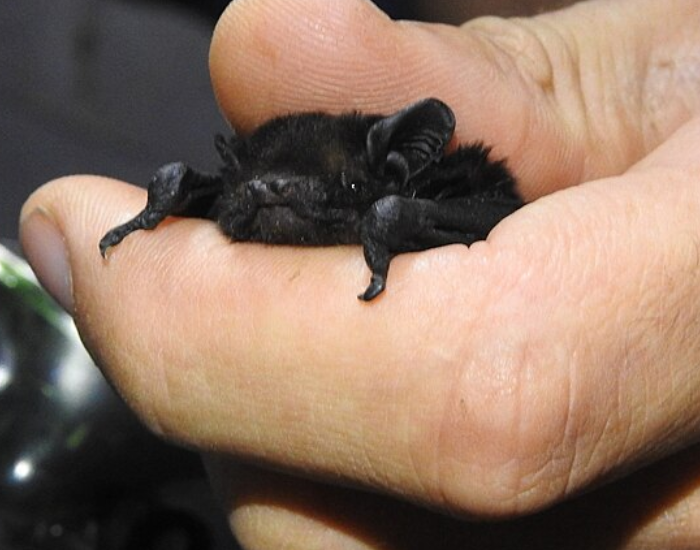
13. New Zealand’s Native Bats
People are always surprised to learn that New Zealand’s only native land mammals are bats. There are two native species: the long-tailed bat and the short-tailed bat. Both are tiny, both are threatened, and both are pure New Zealand.
These bats are extraordinary travellers. New Zealand bats can cover up to 50 kilometers in a single night and reach speeds of around 60 kilometers per hour in flight. The short-tailed bat is the odd one out. It often forages on the forest floor, folding its wings to crawl through leaf litter in search of insects, nectar, and fruit.
Extinct Species of New Zealand
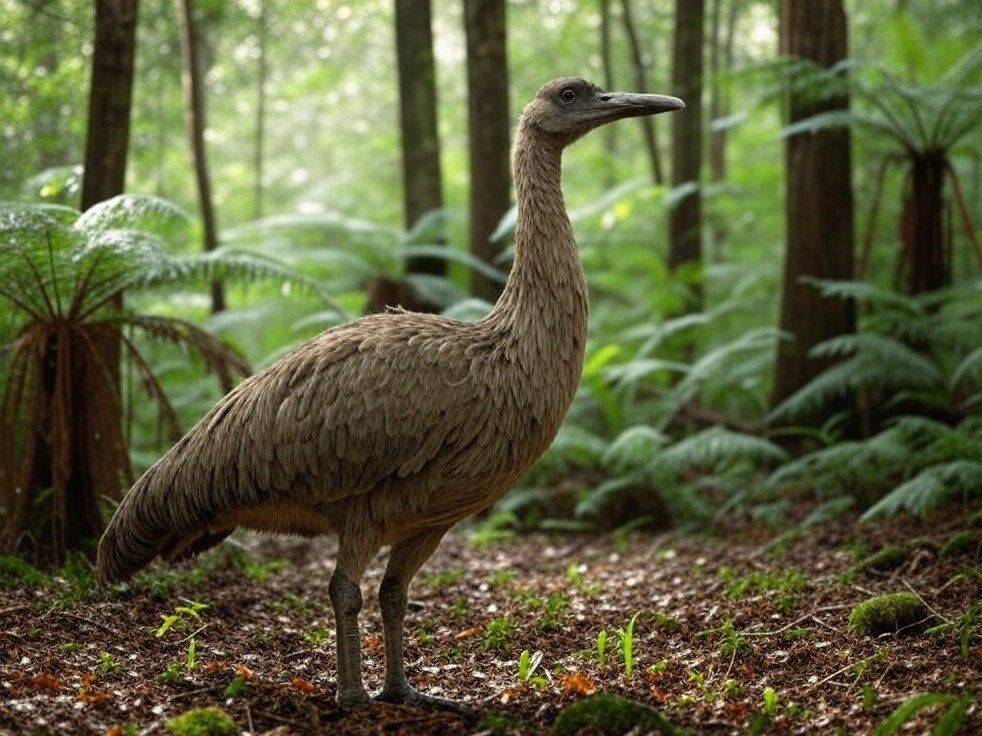
14. Moa: The Giant That Once Roamed
The moa was the tallest bird (bigger than the ostrich or the cassowaries) that ever lived, reaching up to four metres with its neck outstretched. Its extinction is a poignant chapter in New Zealand’s wildlife history. Early Polynesian settlers, who arrived around 1300 AD, hunted the moa for its meat and feathers. The moa’s large size and lack of natural predators made it an easy target, leading to a rapid decline. By the late 15th century, the moa was extinct, leaving behind only bones and legends. Today it’s remembered as a symbol of New Zealand’s unique wildlife heritage.
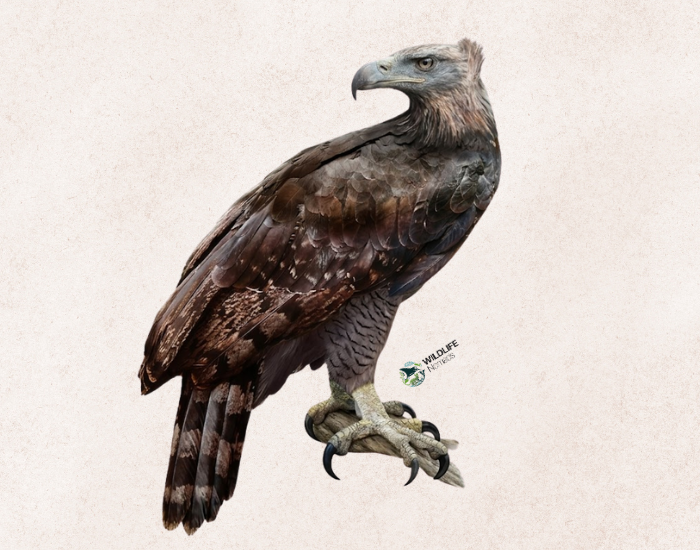
15. Haast’s Eagle: The Moa’s Greatest Predator
Where the moa went, its hunter followed. Haast’s eagle was the largest eagle ever to live, weighing up to 18 kilograms with talons the size of a tiger’s claws. It preyed almost exclusively on moa, striking from above at speed. When the moa disappeared, Haast’s eagle lost its only food source and vanished too. The story of these two animals is one of the clearest examples I know of how tightly New Zealand’s species were bound together.
Where to See Wild Animals in New Zealand
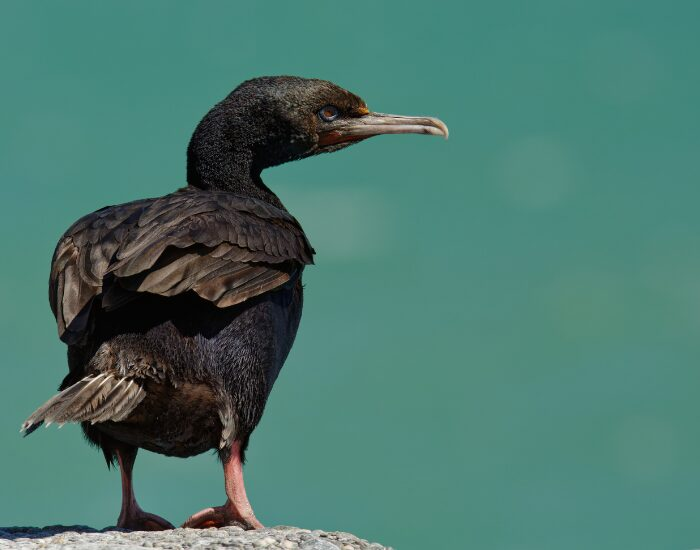
1. Stewart Island : Best for Spotting Wild Kiwi at Night
Stewart Island (Rakiura) is one of the best places to see New Zealand’s national animal, the kiwi, in the wild, including the Brown kiwi. With more than 20,000 southern brown kiwi, the island has one of the highest kiwi populations relative to humans anywhere. Unlike their mainland relatives, these kiwi are often seen during the day, making it one of the few places where visitors have a strong chance of spotting them in their natural environment.
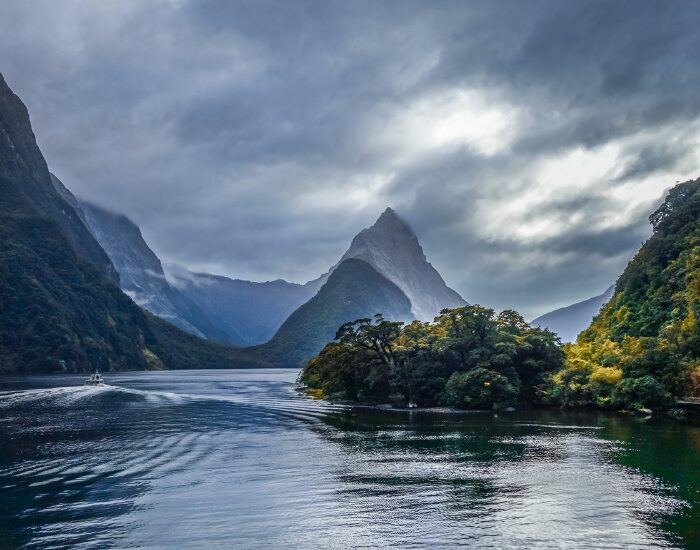
2. Fiordland National Park: A Haven for Kea, Takahē, and Bottlenose Dolphins
As one of the most breathtaking wildlife destinations in New Zealand, Fiordland National Park is a UNESCO World Heritage Site teeming with unique animals. The dramatic fjords, ancient forests, and glacier-carved landscapes are home to the rare and flightless takahē, a bird once thought extinct until its rediscovery in 1948. The kea, the world’s only alpine parrot, is another highlight, known for its intelligence and mischievous personality.
New Zealand’s South Island is renowned for its unique wildlife, such as the kea and the New Zealand sea lion, which can be found in locations like Mount Cook and the Otago Peninsula. The Otago Peninsula is also the place to add the royal albatross and yellow-eyed penguin to your list in a single afternoon.
3. Kaikōura: The Best Place for Whale Watching and Spotting Fur Seals
If marine wildlife is on your bucket list, Kaikōura is the place to be. A deep-sea trench close to shore drives an upwelling of nutrients that attracts an astonishing variety of New Zealand wild animals. This is one of the best places in the world to see sperm whales, which live here year-round and can grow up to 15 metres long.
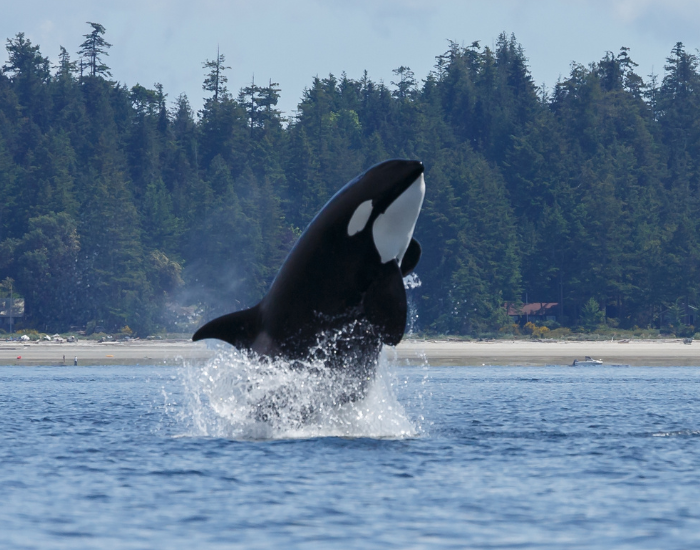
Seasonal visitors include humpback whales, blue whales, southern right whales, and orcas. In all, over 40 species of whale are commonly recorded in New Zealand waters across the year. Dolphin lovers will find dusky dolphins putting on acrobatic displays, while New Zealand fur seals bask on the rocky shoreline.
4. Arthur’s Pass : A Great Place to See Kea in Alpine Terrain
For those eager to see the cheeky kea in its element, Arthur’s Pass is the perfect spot. Set in the Southern Alps, this high-altitude national park is famous for rugged mountains, dramatic valleys, and native beech forests. The kea thrives in this harsh environment, and visitors frequently spot them around Arthur’s Pass Village, Bealey Valley, or the Otira Viaduct Lookout.
Known for their playful, intelligent nature, kea often test their problem-solving skills by trying to unzip backpacks or remove windshield wipers. Beyond kea, the park is home to New Zealand falcons (kārearea), great spotted kiwi, and long-tailed bats, making it a prime destination for birdwatching and wildlife photography.
5. Zealandia (Wellington) – A Predator-Free Sanctuary Featuring Kiwis, Tuataras, and Kākā Parrots
Located just minutes from Wellington’s city center, Zealandia is one of the most successful wildlife restoration projects in New Zealand. This 225-hectare, predator-free eco-sanctuary is dedicated to reintroducing animals native to New Zealand into a safe, protected habitat. It’s one of the best places to see North Island brown kiwi at night, along with the prehistoric tuatara, a reptile that has survived unchanged since the dinosaur era. The sanctuary also holds flocks of kākā parrots, tūī, saddlebacks, and hihi (stitchbirds).

Protecting New Zealand’s Marine Wildlife
Conservation isn’t only happening on land. New marine reserves will protect over 300 km² of marine habitat, safeguarding the coastal waters that Hector’s dolphins, fur seals, and yellow-eyed penguins depend on. These reserves matter because so much of New Zealand’s marine life lives close to shore, right where human activity is heaviest. Every new protected stretch of coast gives the country’s rarest species a little more room to recover.
Frequently Asked Questions
New Zealand’s national animal is the kiwi, a flightless, nocturnal bird found nowhere else on Earth. It’s so closely tied to national identity that New Zealanders are affectionately nicknamed “Kiwis” themselves. The bird’s image appears on coins, military insignia, and countless logos across the country.
Many animals are native to New Zealand, but the most famous are its birds and reptiles. Native species include the kiwi, kākāpō, kea, takahē, the ancient tuatara, and two species of native bat. New Zealand also has native marine life such as Hector’s dolphins, New Zealand fur seals, and the yellow-eyed penguin. Over 80% of these animals are endemic, meaning they live only here.
New Zealand’s “Big Five” are its answer to Africa’s famous safari animals: the kiwi, the kea, the tuatara, the kākāpō, and Hector’s dolphin. Each one is unique to the country and represents a different branch of its wildlife — flightless birds, alpine parrots, living-fossil reptiles, and the world’s smallest dolphin.
References:
Dussex, N., van der Valk, T., Morales, H. E., Wheat, C. W., Díez-del-Molino, D., von Seth, J., Dalén, L. (2021). Population genomics of the critically endangered kākāpō. Cell Genomics, 1(1), 100002. https://doi.org/10.1016/j.xgen.2021.100002
Mattern, T., Meyer, S., Ellenberg, U., Houston, D. M., Darby, J. T., Young, M., … Seddon, P. J. (2017). Quantifying climate change impacts emphasises the importance of managing regional threats in the endangered Yellow-eyed penguin. PeerJ, 5, e3272. https://doi.org/10.7717/peerj.3272
Forney, K. A., Rayment, W., Dawson, S., Brough, T., & Rowe, L. (2025). Subsurface behaviors of Hector’s dolphins could increase their risk of bycatch. Conservation Letters. https://doi.org/10.1111/conl.13144
Jarvie, S., Besson, A. A., Seddon, P. J., & Cree, A. (2020). Survival and growth of tuatara (Sphenodon punctatus) following translocation from the Cook Strait to warmer locations in their historic range. Oryx, 54(2), 222–233. https://doi.org/10.1017/S003060531800008X
Gemmell, N. J., Rutherford, K., Prost, S., Tollis, M., Winter, D., Macey, J. R., Stone, C. (2020). The tuatara genome reveals ancient features of amniote evolution. Nature, 584, 403–409. https://doi.org/10.1038/s41586-020-2561-9
Russell, J. C., & Broome, K. G. (2019). Scale and complexity implications of making New Zealand predator-free by 2050. Journal of the Royal Society of New Zealand, 49(sup1), 1–14. https://doi.org/10.1080/03036758.2019.1653940