
Little blue penguins, also known as fairy penguins and sometimes affectionately called ‘Little Blues’, really captivate hearts worldwide with their adorable waddle and funny appearance. They are the smallest species of penguins on Earth, thriving along the coastlines of New Zealand and southern Australia, creating unforgettable wildlife encounters.
My first encounter with these cute penguin was in 2019, I was exploring South East of Australia’s rugged coastlines, desperately hoping to spot the world’s smallest penguin. A friend in Melbourne told me about the St Kilda colony. We arrived at the pier at dusk, hearts racing with anticipation.
What happened next took my breath away. Little blue penguins simply appeared, waddling confidently toward us as sunset painted the sky orange and pink. Tourists and locals alike watched in respectful silence. It was a perfect moment of human-wildlife coexistence in the heart of a bustling city.
This magical experience launched my deep dive into understanding these fascinating creatures. The species carries the scientific name Eudyptula minor, meaning “good little diver.” The little penguin is the only species in its genus, making it unique among penguins. Despite being listed as least concern globally, many colonies face serious threats. Therefore, understanding these birds helps us protect them for future generations.
These flightless birds live in large colonies, making them ideal subjects for conservation study. Let’s explore 12 incredible facts about little blue penguins that will change how you see these coastal treasures.
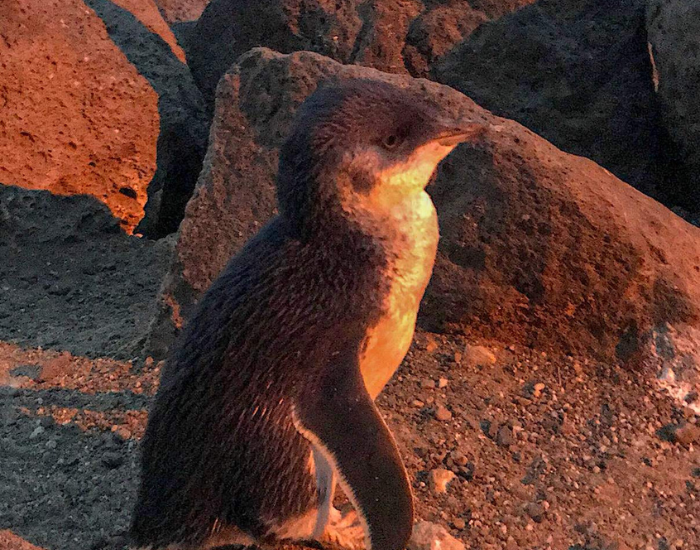
1. They Are the World’s Smallest Penguin Species
Little blue penguins hold an impressive title. They are the smallest species of penguins in the entire world. This distinction makes them instantly recognizable among penguin species.
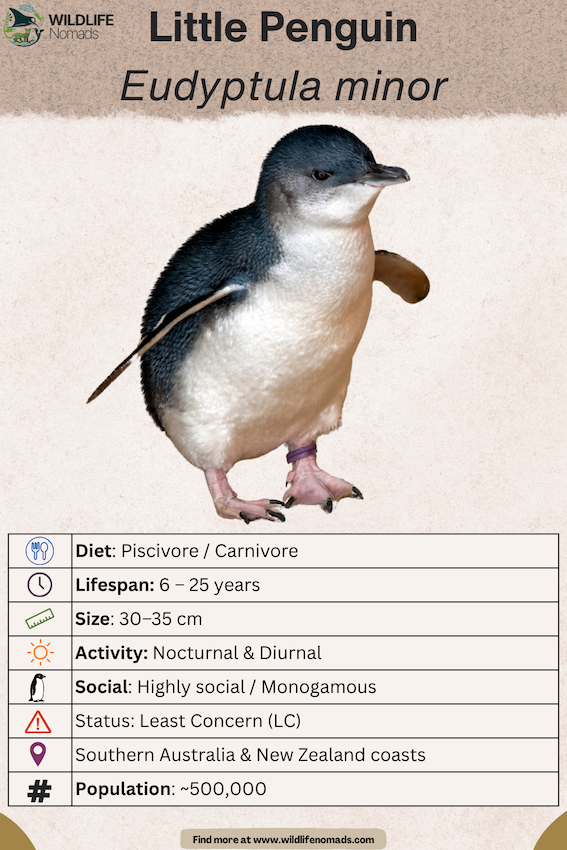
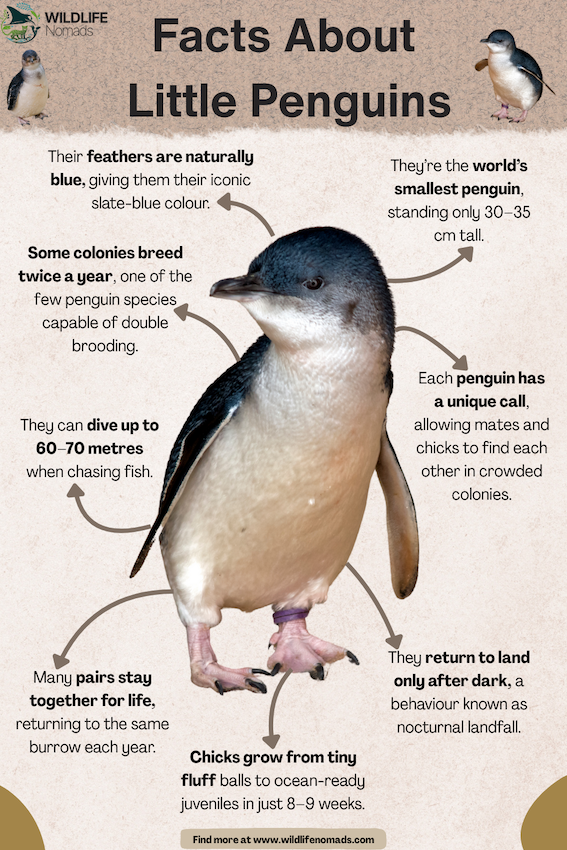
These tiny birds stand only 30 to 35 cm tall. That’s barely taller than a ruler! Additionally, they weigh between 1 to 1.5 kilograms. To put this in perspective, they weigh less than your average bag of flour. Their small body weight helps them remain agile in the water and also influences their energy needs, especially during molting when maintaining sufficient body weight is crucial for their survival.
Their small size gives them incredible agility in the water. Moreover, it makes them utterly charming when they waddle ashore each evening. Visitors often describe watching them as witnessing nature’s cutest parade.
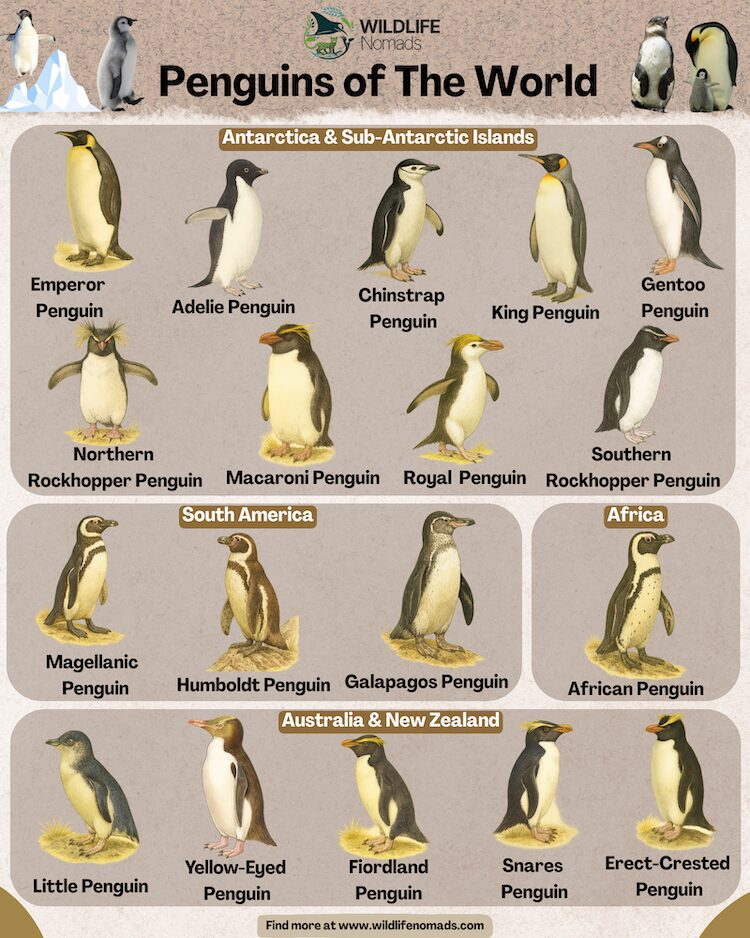
2. Their Blue Feathers Serve a Critical Purpose
Unlike other penguin species with stark black-and-white plumage, little blue penguins sport distinctive slate-blue feathers. Their backs shimmer with indigo and blue tones. Meanwhile, their bellies remain pure white. In addition to their blue coloring, little blue penguins also have black feathers on their heads and backs, which contribute to their distinctive appearance.
This coloration isn’t merely decorative. Instead, it provides essential camouflage through a process called countershading. The blue feathers help them blend with deep ocean waters when viewed from above. Conversely, their white bellies blend with the bright surface when predators look up from below.
Before molting season, their blue feathers may appear pale brown or bluish grey. However, after molting, they regain their vibrant blue coloring. These remarkable feathers also provide incredible density for temperature regulation in temperate coastal waters.
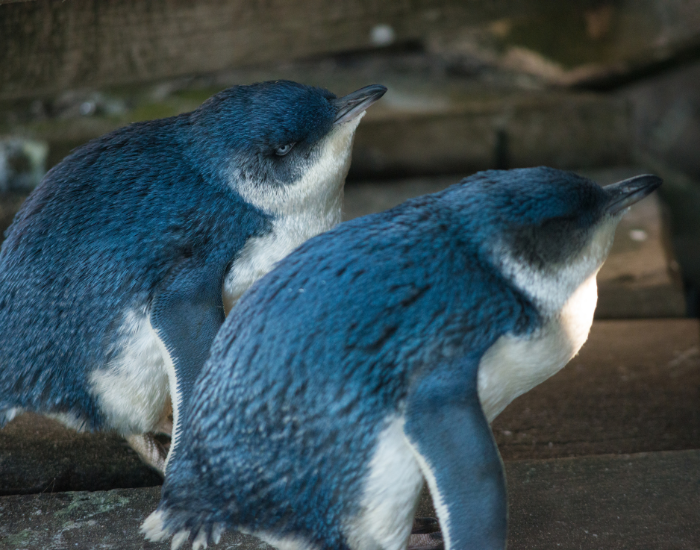
3. Little Blue Penguins Live Throughout Australia and New Zealand
Many people wonder: are little blue penguins only in Australia? The answer is no. These birds inhabit coastal regions across both Australia and New Zealand. Little blue penguins are native to the southern hemisphere, where their distribution is influenced by the unique environmental conditions of this region.
In Australia, colonies thrive along southern Australia’s coastline. You’ll find them in Tasmania, Victoria, South Australia, and Western Australia. Even Sydney Harbour hosts a small, endangered population near Manly. The breeding range extends from Fremantle all the way to Sydney.
Meanwhile, New Zealand hosts numerous colonies throughout both main islands. The Māori people call them kororā, reflecting their cultural significance. Substantial populations live in Otago, Banks Peninsula, and around the southern coast. Offshore islands also provide important breeding habitat. The white flippered penguin, a unique subspecies with distinctive pale flippers, is found around Canterbury, New Zealand, and is considered threatened due to its limited range and conservation challenges.
Phillip Island in Victoria boasts the largest colony worldwide. Approximately 32,000 breeding penguins nest on the Summerland Peninsula. Furthermore, Middle Island near Warrnambool hosts another significant population. Tasmania’s north coast and South Island regions contain many smaller colonies.
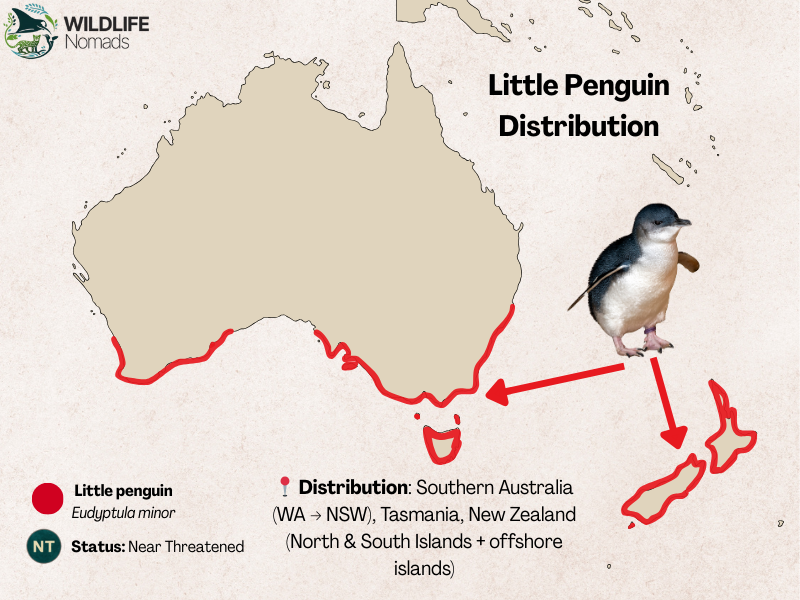
4. They Inhabit Underground Burrows and Rock Crevices
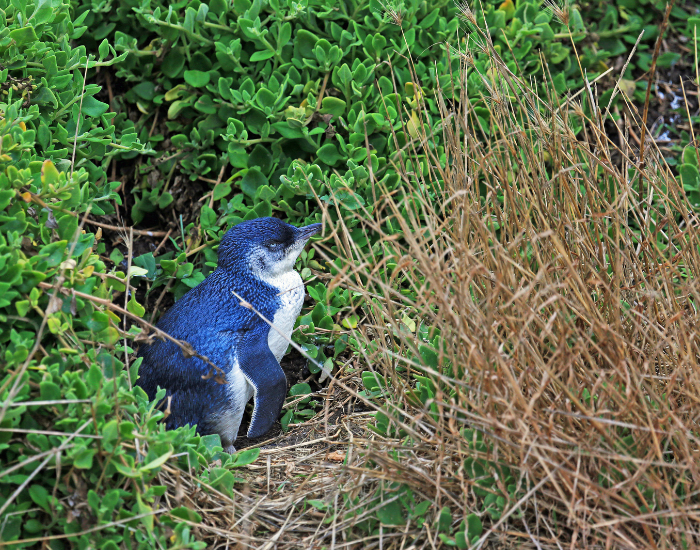
Little blue penguins live in temperate coastal regions with rocky shores and coastal dunes. They need specific habitat features for survival. Adult penguins search for the perfect nest site, which offers safety from predators and protection from the elements.
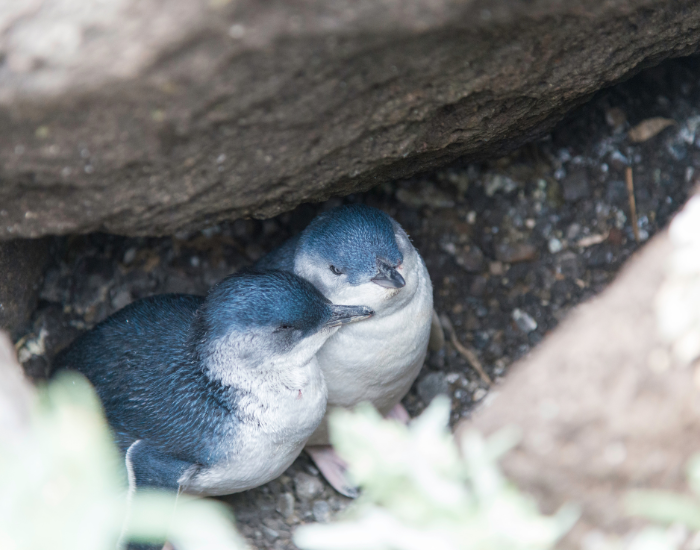
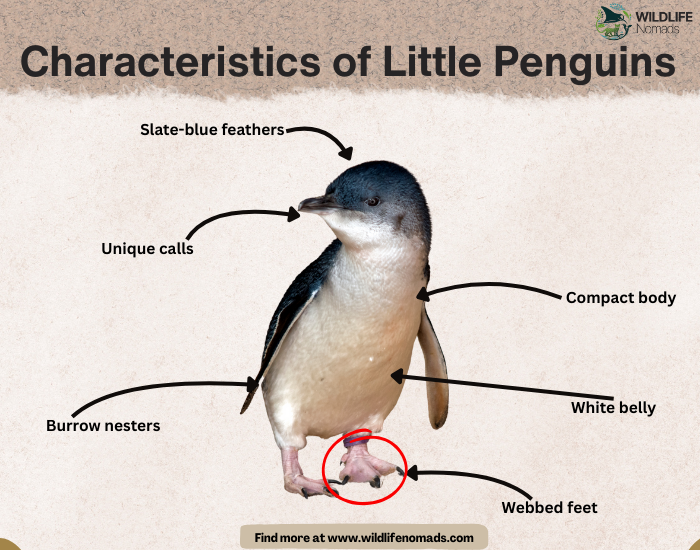
These birds primarily nest in underground burrows they dig themselves. However, they also use rock crevices, caves, and sea caves when soil conditions prevent burrowing. Some colonies nest under coastal vegetation or human structures like boardwalks.
Conservation programs have installed thousands of nest boxes across colonies. These artificial structures provide safe, weatherproof homes. Moreover, nest boxes protect eggs and penguin chicks from extreme temperatures and introduced predators. This simple intervention significantly increases breeding success.
The nest burrow serves multiple purposes beyond breeding. It offers protection from harsh weather and predators. Additionally, it provides a cool refuge during hot days.
5. These Flightless Birds Are Actually Incredible Swimmers
Like all penguin species, little blue penguins are flightless birds. Their wings evolved into powerful flippers instead. This adaptation makes them exceptional swimmers rather than flyers.
In the sea, they become underwater acrobats. Their flippers beat up to five times per second, propelling them through water with remarkable speed. Furthermore, their wing bones fused straight, creating rigid, powerful swimming appendages.
Little blue penguins can dive up to 1,500 times per day while hunting. They typically forage in shallow waters within 15 to 20 kilometers of shore. However, they can dive to depths of 60 to 70 meters when necessary.
These birds spend approximately 75-80% of their lives in the ocean. Little blue penguins engage in day swimming, spending daylight hours foraging and hunting at sea before returning to land at night. Nevertheless, they return to land to mate, lay eggs, and rest. Before coming ashore, they gather offshore in groups called rafts.
6. They Feast on Small Fish, Squid, and Krill
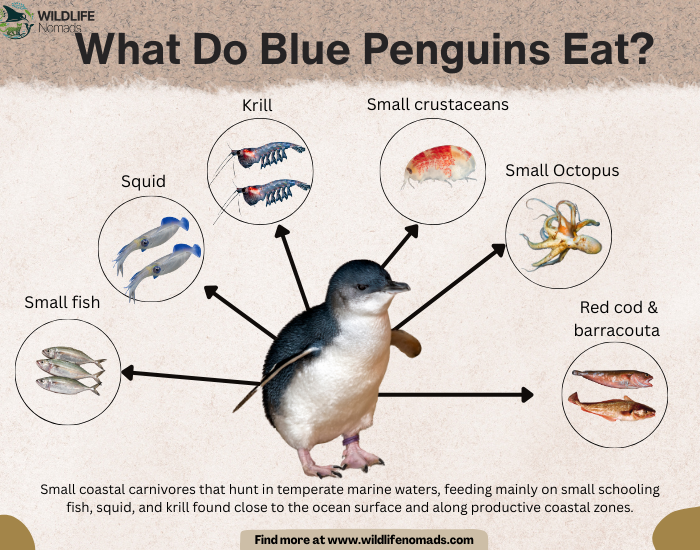
Little blue penguins are carnivores with hearty appetites. They feed on small fish such as anchovies and sardines throughout the day. Additionally, their diet includes squid, krill, and small octopus.
Important prey items include anchovies, pilchards, red cod, and barracouta. Since 2000, little blue penguins in Port Phillip Bay have fed mainly on Australian anchovies. Their ability to adapt their diet demonstrates impressive resilience.
These skilled hunters leave their burrows before dawn each day. They spend hours searching for food in the sea, often foraging in small groups, which helps them locate and catch prey more efficiently. Then, they return after dusk under cover of darkness. Changes in food availability significantly impact their reproductive success.
Commercial fishing can reduce prey availability for penguins. Therefore, sustainable fishing practices help protect these birds. Climate change also affects food distribution as warming waters push prey species to different areas.
7. They Return to Shore Only After Dark
Little blue penguins exhibit strictly nocturnal behavior on land. This unique trait sets them apart from other penguin species. They spend entire days hunting at sea.
As dusk approaches, they gather in rafts offshore. These groups usually comprise the same individuals each night. Then, they come ashore together once darkness provides cover.
This nocturnal behavior serves as crucial anti-predator strategy. Darkness helps them avoid birds of prey during their vulnerable time on land. However, it doesn’t protect them from nocturnal predators like foxes.
The famous penguin parade at Phillip Island showcases this behavior perfectly. Hundreds of thousands of visitors watch annually as penguins waddle ashore at sunset. This carefully managed tourism provides both education and conservation funding.
8. Their Breeding Season Features Monogamous Pairs
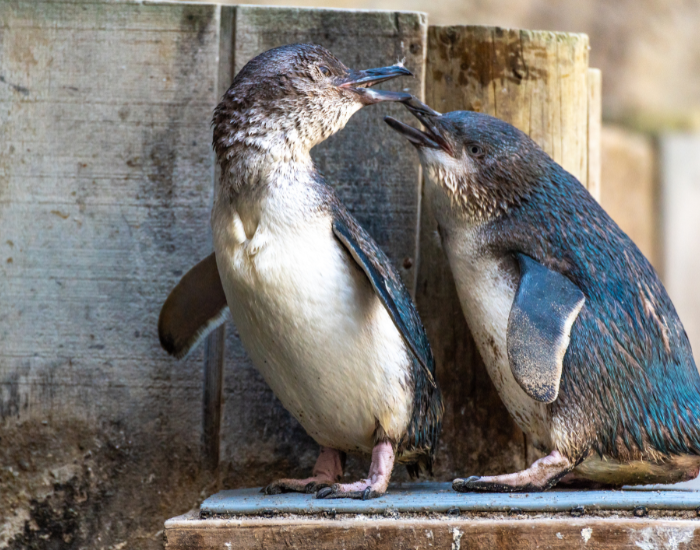
Little blue penguins breed in large colonies where many penguins nest close together. They form monogamous pairs during the breeding season. Most birds keep the same mate for life, though about 25% change partners yearly.
The breeding season typically runs from May to June through summer. However, timing varies by location and colony. Between June and August, male penguins return first to prepare burrows.
Female little blue penguins lay one or two eggs per clutch. The white eggs arrive two or three days apart. Both parents share incubating eggs for approximately 35 to 36 days. Their shifts can last up to ten days each.
Hatching success reaches approximately 60%. The process takes up to three days to complete. Penguin chicks weigh only 30 to 40 grams when they pip out of their shells.
9. They Can Produce More Than One Clutch Per Year
Little blue penguins possess a remarkable reproductive ability called double brooding. This means they may breed twice in one year. Few penguin species can accomplish this feat.
If conditions are favorable and food remains abundant, pairs may lay a second clutch. This happens after their first chicks successfully fledge. Double brooding can increase breeding success by up to 75% per season.
Early breeders who lay their first clutch before mid-September most often achieve double broods. Nevertheless, this strategy places enormous energy demands on parent birds. Some exceptional pairs have even achieved triple brooding.
Research shows that whether breeding once or twice, all penguins finish the entire breeding season around the same time. This synchronization helps protect vulnerable chicks through safety in numbers.
10. Chicks Fledge After Eight Weeks of Parental Care
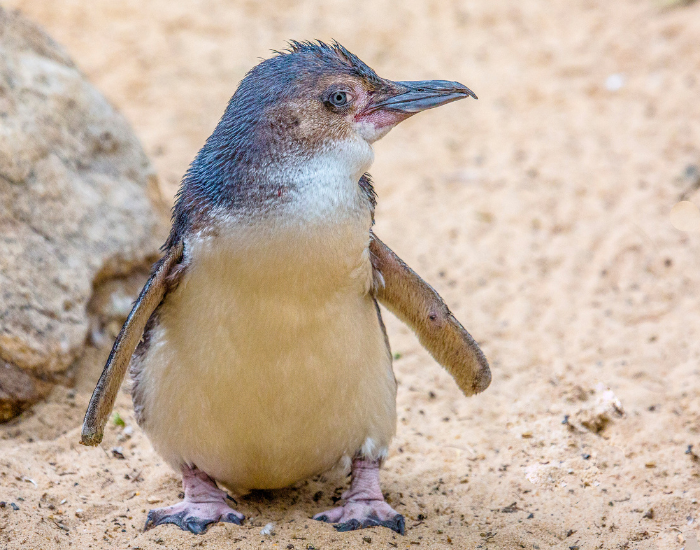
Penguin chicks are extremely vulnerable when first hatched. They cannot raise their heads initially. Their eyes open only after one week of age.
For the first two to three weeks, one parent stays with the young chick constantly. Meanwhile, the other parent hunts for food in the sea. After this period, both adults hunt together, leaving chicks alone in burrows.
Chicks fledged from the nest begin their independent lives around eight to nine weeks old. Before fledging, little penguin chicks appear brownish in color. Then, they shed their downy feathers for waterproof adult coats.
This fledging process represents a critical transition. Young birds must immediately learn to hunt and survive without parental help. Their success determines the colony’s long-term viability.
11. They Face Serious Threats Despite Global Conservation Status
Little blue penguins are considered Near Threatened globally by the IUCN. However, this classification can be misleading. Many individual colonies are experiencing serious population declines.
The Manly colony in New South Wales is listed as endangered. Other mainland populations face similar challenges. Therefore, local conservation status often differs dramatically from global assessments.
Major threats include introduced predators like feral cats, uncontrolled dogs, and foxes. Habitat destruction from coastal development eliminates traditional nesting areas. Human development along coastlines reduces available nesting sites and increases the risk of disturbance for penguin colonies. Additionally, a major oil spill can devastate entire colonies rapidly.
The 2001 Phillip Island oil spill affected 438 little penguins. Fortunately, a major rehabilitation effort saved 96% of them. Famous knitted penguin jumpers prevented birds from preening oiled feathers during recovery. Oil pollution from shipwrecks and shipping routes poses an ongoing threat to little blue penguins and other seabirds.
Plastic pollution poses another significant danger. Little blue penguins can ingest plastic debris, causing injury or death. Furthermore, climate change impacts food availability as warming waters alter prey distribution.
12. Conservation Efforts Are Making Real Differences
Conservation efforts across Australia and New Zealand show promising results. Many initiatives are actively protecting little blue penguin colonies. Community involvement plays a crucial role in these successes. Partnerships with companies like Air New Zealand help fund research, monitoring, and conservation projects for little penguins in New Zealand.
Predator control programs represent the most effective conservation strategy. Making areas predator-free through fencing and eradication dramatically improves survival. Phillip Island is now completely fox-free, providing safe habitat.
Middle Island demonstrates another conservation success story. Fox predation nearly eliminated the colony, reducing it from 800 birds to fewer than 10. However, an innovative program using Maremma guardian dogs reversed this decline. These dogs protect penguins from predators effectively.
Nest boxes provide additional protection across many colonies. Thousands have been installed in both countries. They offer safe, weatherproof homes that protect eggs and chicks.
The Penguin Foundation and other organizations coordinate volunteer efforts. Community members monitor populations, care for injured birds, and promote awareness. The Great Big Little Penguin Count in New South Wales relies entirely on volunteers.
The Surprising Social Lives of Little Blue Penguins
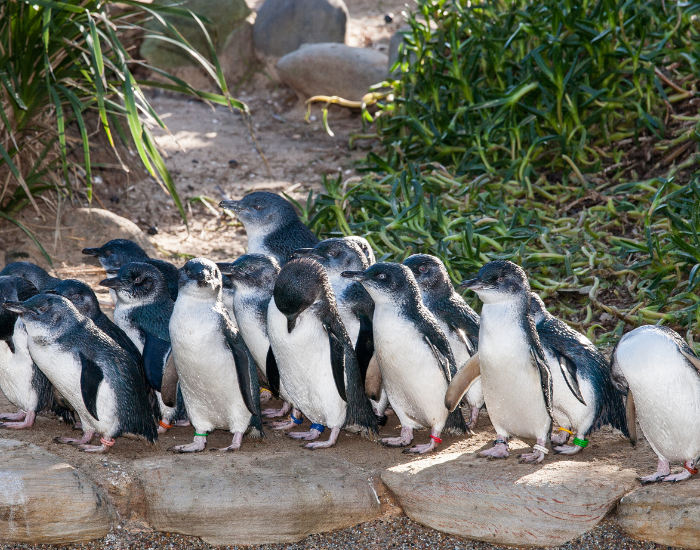
Little blue penguins, also known as fairy penguins or blue penguins, are much more than just adorable faces on the shoreline, they are highly social birds with surprisingly complex lives. These penguins thrive in larger colonies, where hundreds or even thousands of individuals gather to nest, forage, and raise their young. Within these bustling penguin communities, social bonds run deep. Many little blue penguins form long-term monogamous partnerships, with some pairs staying together for up to 20 years, a remarkable feat in the bird world.
Communication is at the heart of their social structure. Despite their small size, blue penguins are famously noisy, filling the air with a chorus of brays, growls, and trills. Each penguin has a unique call, allowing mates and chicks to recognize each other even in the chaos of a crowded colony. Visual displays, such as head bobbing and flipper waving, also play a key role in their daily interactions.
Cooperation is another hallmark of their social lives. In larger colonies, fairy penguins often coordinate their movements, with groups leaving their nesting sites in small waves over the course of an hour to head out to sea for foraging. This synchronized behavior not only strengthens social bonds but also helps protect individuals from predators. When it comes to raising chicks, neighbors may even help keep watch over each other’s burrows, demonstrating a remarkable level of community spirit among these charming penguins.
How Long Do Little Blue Penguins Live?
Little blue penguins are among the longer-lived penguin species, with an average lifespan of about 6.5 years in the wild. However, under the right conditions, these resilient birds can live much longer. In captivity, where threats from predators and food shortages are minimized, some blue penguins have reached ages of 20 to even 25 years.
Several factors influence how long little blue penguins live. Food availability is crucial—years with abundant small fish and other prey lead to healthier, longer-lived birds. On the other hand, predation by introduced species, disease, and environmental threats like oil spills or plastic pollution can dramatically shorten their lives.

Physical Characteristics and Habitat Details
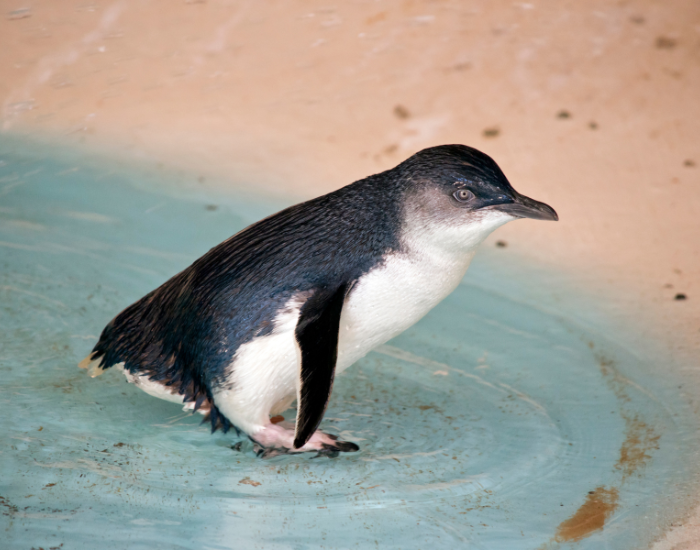
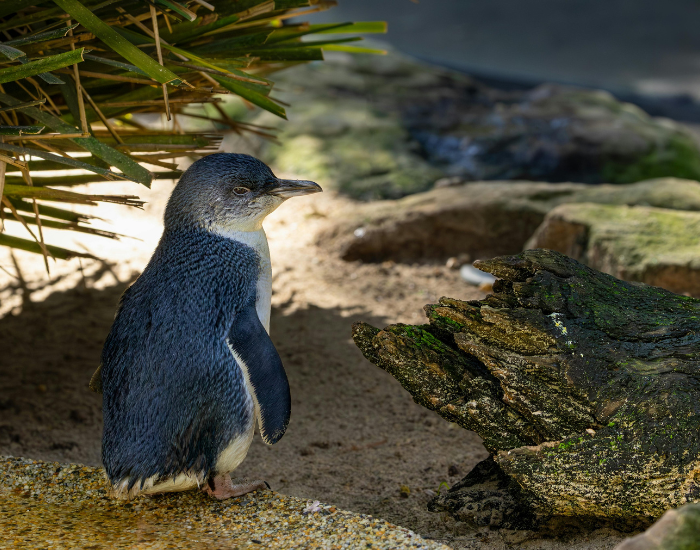
Little blue penguins have distinctive slate-blue color with white underneath. They also possess black soles on their feet. Their shorter bill and lighter upperparts distinguish them from other penguin species.
Males grow slightly larger than females. They have deeper bills and larger heads. However, both sexes share similar coloring and general appearance.
These birds inhabit temperate coastal regions throughout their range. Rocky shores, coastal dunes, and underground burrows provide ideal habitat. Some colonies nest in caves when soil conditions prevent burrowing.
Offshore islands offer particularly safe breeding habitat. They typically lack introduced predators found on mainland coasts. Consequently, island colonies often maintain healthier populations than mainland counterparts. Some scientists debate whether certain populations, such as the white flippered penguin, should be classified as a separate species due to genetic and morphological differences.
FAQs About Little Penguins
Little blue penguins are also known as fairy penguins, blue penguins, or kororā (Māori name). The scientific name is Eudyptula minor.
Yes, they are the same species complex. Little penguin is the preferred scientific term today.
The little blue penguin is the world’s smallest penguin species, standing only 30 to 35 cm tall.
They live along southern coastlines of Australia and throughout New Zealand, including many offshore islands.
Protecting These Remarkable Birds
Little blue penguins represent remarkable evolutionary success stories. They transformed their wings into powerful flippers for underwater hunting. They thrive in large colonies despite facing numerous modern challenges.
My first encounter with these birds at St Kilda remains unforgettable. Watching them emerge from the sea at sunset demonstrated the beautiful coexistence possible between humans and wildlife. Their confidence and resilience continue to inspire conservation efforts.
The fate of the world’s smallest penguin depends on our collective choices. From managing feral cats to reducing plastic pollution, every action counts. Supporting conservation efforts makes tangible differences for struggling colonies.
Organizations like the Penguin Foundation conduct vital research and ground-level conservation. Community volunteers monitor populations and care for injured birds. Together, these efforts protect critical habitat and increase breeding success.
Visit penguin colonies responsibly by following all guidelines and maintaining appropriate distances. Advocate for marine protected areas and sustainable coastal development. Keep dogs leashed near nesting areas to prevent tragic incidents.
See Little Penguins in the Wild!
This blog is reader-supported. When you buy experiences through links listed on this site, we may earn an affiliate commission.