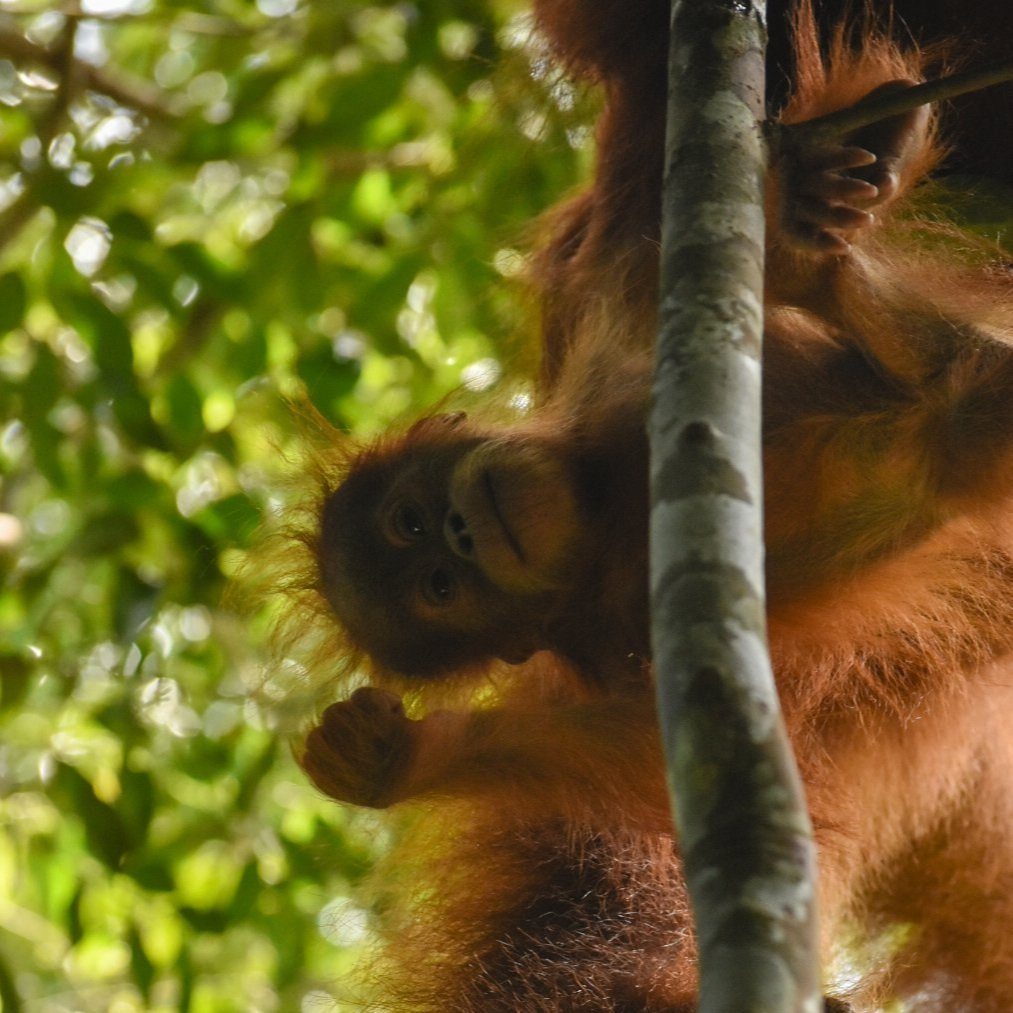
The moment I locked eyes with a wild orangutan in the dense jungles of North Sumatra, the data points in my head shifted. I had just finished a grueling trek through the rainforest, looking for animals like gibbons and other primates. When we finally found her, swinging gracefully through the canopy, the connection was instant. She wasn’t just an animal; she was a presence. She paused, looked directly at us, and gently revealed her baby clinging to her chest. In that moment, we were almost moved to tears. You don’t just see intelligence in an orangutan; you feel a shared lineage.
That encounter stayed with me. It made me wonder: what is happening inside a brain that can foster such deep social bonds and complex maternal care? Does a bigger brain always equal a smarter animal?
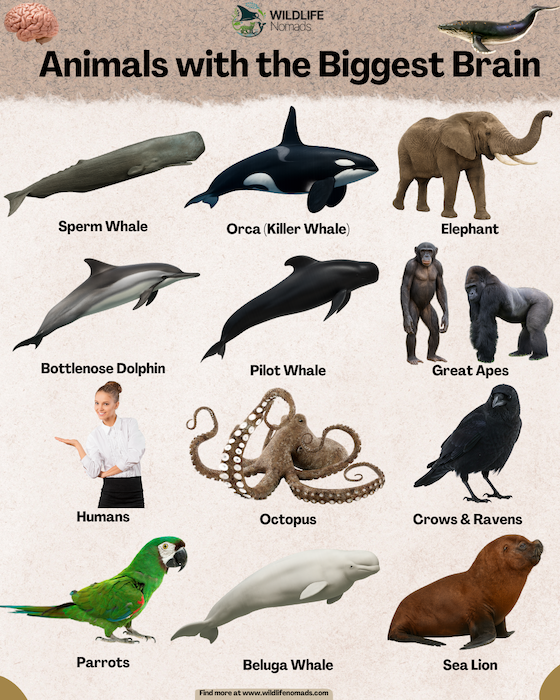
As a biologist, I know that while “bigger is better” holds true for some things, brain evolution is far more nuanced. While the largest animals often have the largest physical brains, current 2026 research shows that the relationship between brain and body mass isn’t a simple straight line; it’s a complex curve. In this guide, we’re diving into the heavy hitters of the animal kingdom, from the 17-pound brain of the sperm whale to the densely packed neurons of primates, to understand what “brain power” really means for survival in the wild.
1. Sperm Whale – The Mammal with the Largest Brain on Earth
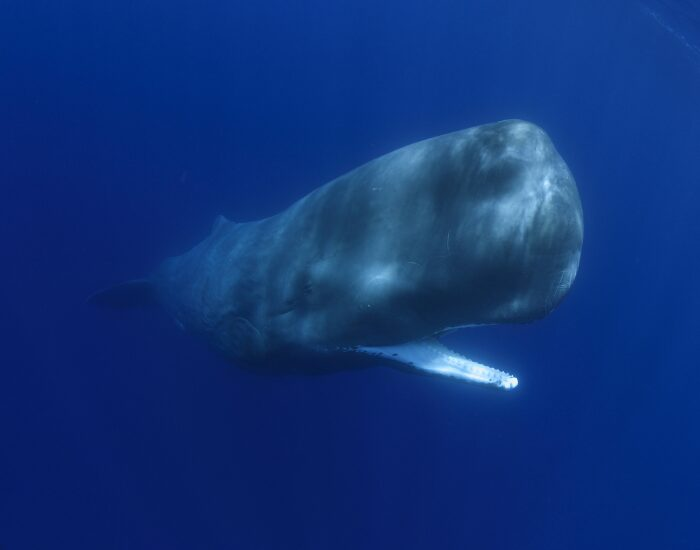
Let’s start at the top: the sperm whale holds the record for the biggest brain of any animal, with a total brain mass weighing up to 9 kilograms (20 pounds). That’s more than five times the weight of a human brain, and it is particularly notable when considering the animal’s body mass.
Sperm whales use echolocation to hunt squid in the deep ocean, and their brains help them navigate vast areas of dark sea. Their neocortex, the part of the brain associated with cognition and sensory perception, is highly developed, allowing for complex communication, possibly even cultural transmission within pods. Studies have also shown they may use unique vocal dialects. The sperm whale has the largest brain relative to its body size, which highlights the fascinating complexities of its intelligence and anatomy.
2. Elephant – Massive Brain, Massive Memory
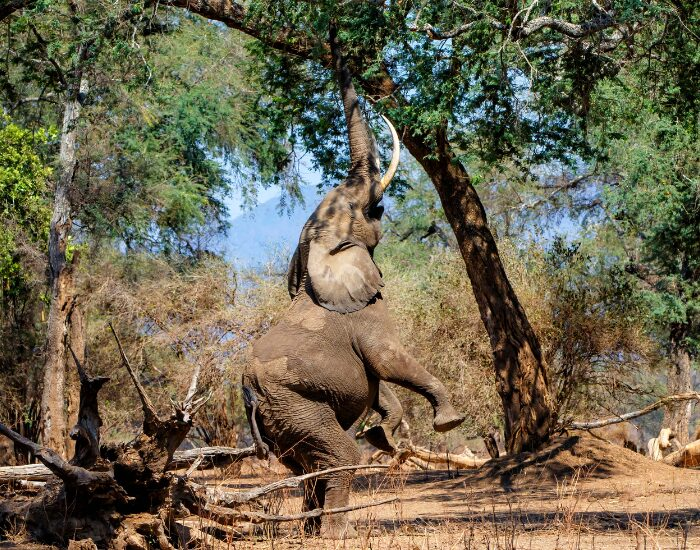
Elephants have the largest brains of any land animal, with the African elephant’s brain weighing around 5 kilograms (11 pounds), which is significantly higher than the average brain mass of many other species. In relation to their average body mass, elephants’ brains are exceptionally large, highlighting the importance of this ratio in understanding their cognitive abilities. Not only are their brains big, but they’re structured for long-term memory and emotional intelligence.
In relation to their body size, elephants have a high encephalization quotient (EQ), meaning their actual brain size is larger than the expected brain size for an animal of their size. This comparison provides a more accurate understanding of their cognitive abilities. The elephant brain is one of the most complex organs in the animal kingdom, showcasing advanced functions and capabilities.
Elephants can remember migration routes for decades and have shown behaviors that suggest empathy, mourning, and cooperation. Their large temporal lobes are responsible for storing and recalling massive amounts of information, which is vital for survival in fluctuating environments. Definitely one of the most emblematic animals to see in Africa.
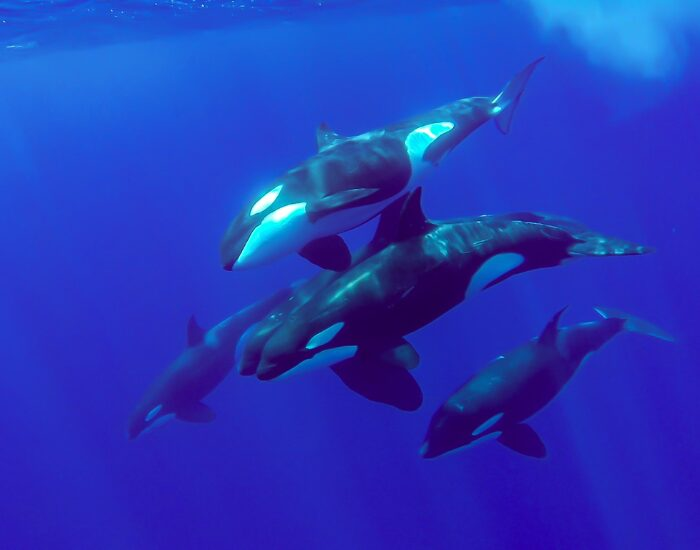
3. Orca (Killer Whale) – Oceanic Social Intelligence
Orcas, or killer whales, have brains weighing up to 6 kilograms (13 pounds). These apex predators live in complex, matrilineal societies, using sophisticated hunting techniques and vocal dialects passed down through generations. Measuring the orca’s brain size involves methodologies such as weight or volume determination through MRI scans and neuroimaging, which help in understanding the evolutionary implications and the relationship between brain size and intelligence. Studies on brain and body sizes reveal that orcas, despite their large body mass, have a significant brain-to-body size ratio, offering insights into their cognitive abilities.
The orca’s limbic system, linked to emotion and memory, is highly developed, and some researchers believe it might even surpass that of humans in complexity. This may explain their intricate social bonds, cultural transmission, and possible awareness of death. The capacity to process sensory information is crucial for these complex behaviors and social interactions, highlighting the correlation between brain size, body size, and cognitive demands. As extant animals, orcas exhibit significant brain-to-body mass ratios, which contribute to their advanced cognitive functions and social structures.
4. Bottlenose Dolphin – The Problem Solver
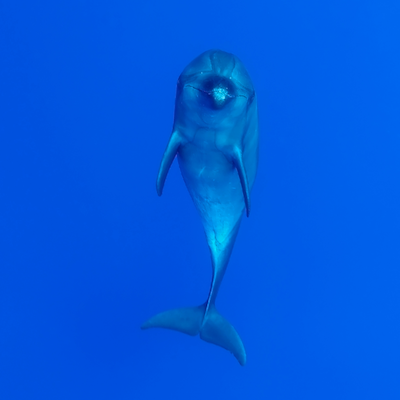
Dolphins are incredibly smart. With an average weight of up to 1.6 kilograms (3.5 pounds), the bottlenose dolphin is a top contender in brain-to-body ratio and intelligence. They use tools (like sea sponges for foraging), understand abstract concepts, and can recognize themselves in mirrors. Multiple studies have investigated dolphin intelligence, revealing their remarkable cognitive abilities. When compared to different species, bottlenose dolphins’ brain size is notably large, which contributes to their advanced cognitive functions.
Their social structures are complex, with alliances, vocal signatures (akin to names), and cooperation. They also exhibit play behavior, a trait often linked to high cognitive function. Dolphins demonstrate high levels of social and emotional intelligence, further highlighting their advanced cognitive capabilities.
If you found this interesting, I recently wrote an article about some of the most intriguing facts about dolphins!
5. Great Apes – Our Brainy Cousins
Chimpanzees, gorillas, and orangutans (or the great apes) all have large brains relative to body size, about 370 to 600 cubic centimeters, depending on the species. They’re capable of using tools, forming tight social bonds, and displaying emotions like grief.
Chimpanzees can plan for the future, learn sign language, and pass knowledge down generations, while orangutans have been observed crafting tools from scratch. Their prefrontal cortex, the brain’s decision-making hub, is particularly well-developed, with a significant number of cortical neurons contributing to their cognitive abilities.
In comparison, the adult human brain weighs approximately 1.3 kg and has a higher density of cortical neurons, which plays a crucial role in advanced cognitive functions. Despite having much smaller brains, some animals, like corvids, exhibit high levels of intelligence comparable to that of great apes.
Field Note from Sumatra: “During my trek, I saw firsthand how much ‘mental labor’ goes into being an orangutan. Recent 2025 studies confirm that young orangutans spend up to 8 years in an ‘apprenticeship’ with their mothers, learning everything from nest-building to identifying over 250 types of edible plants. Watching that mother in Sumatra, I realized their large brains aren’t just for ‘thinking’, they are massive libraries of cultural knowledge passed down through generations.”
6. Human Beings – The Ultimate Big Brain Example
It wouldn’t be a brain list without mentioning humans, whose brains average about 1.4 kilograms (3 pounds). The adult human brain weighs typically around 1.3 kg, with variations based on gender and individual differences. Though not the largest in absolute size, our brain-to-body ratio and cerebral cortex development make us unique, a fact well-documented in the science of studying human brains.
The encephalization quotient (EQ) is an accurate measure of intelligence, providing a comparative analysis of brain sizes relative to body sizes, which helps in understanding intelligence variations among species. The total size of the human brain, when considered alongside its cognitive abilities, highlights the remarkable efficiency and complexity of our neural architecture.
The human brain is built for abstract thinking, language, art, morality, and long-term planning. Our ability to build upon collective knowledge is arguably what makes our intelligence so distinct.

7. Octopus – The Invertebrate Genius
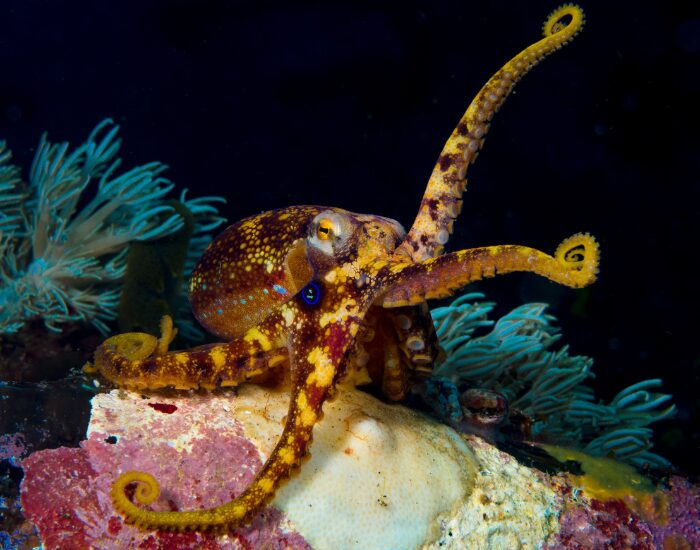
Octopuses have surprisingly large brains for invertebrates, up to 500 million neurons, with two-thirds located in their arms. This high number of nerve cells contributes to their ability to solve puzzles, escape enclosures, and use tools.
Their decentralized brain structure allows individual arms to operate independently. This complex nervous system supports rapid learning and memory, making them one of the most intelligent marine animals despite not being a vertebrate. Additionally, visual processing plays a crucial role in their intelligence, enabling them to navigate and interact with their environment effectively. The octopus brain is considered one of the most complex organs in the animal kingdom.
8. Ravens and Crows – Brainy Birds
Corvids, types of blackbirds (ravens, crows, and jays) have some of the largest brains relative to body size among birds. Despite having a relatively small brain compared to mammals, these avian prodigies are known to make tools, remember faces, and plan for the future. Corvids have small brains compared to mammals, yet they exhibit high intelligence, demonstrating that brain architecture and other factors play a crucial role in cognitive abilities.
Interestingly, the term ‘bird brain’ is often used to highlight the remarkable cognitive abilities of birds, challenging the stereotype that a smaller brain equates to lesser intelligence.
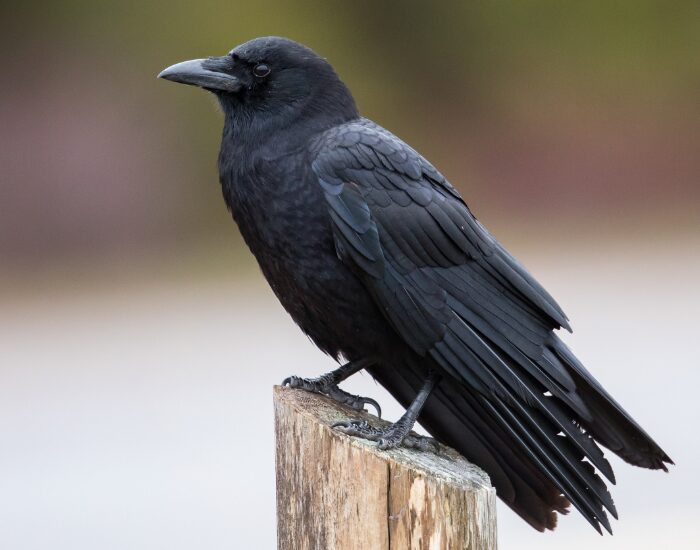
Crows in particular have shown the ability to solve multi-step puzzles and pass knowledge socially, traits once believed exclusive to primates. Their pallium (avian equivalent to the cerebral cortex) is highly developed.
If you don’t believe this, have a look at this video:
9. Parrots – Masters of Mimicry and Memory
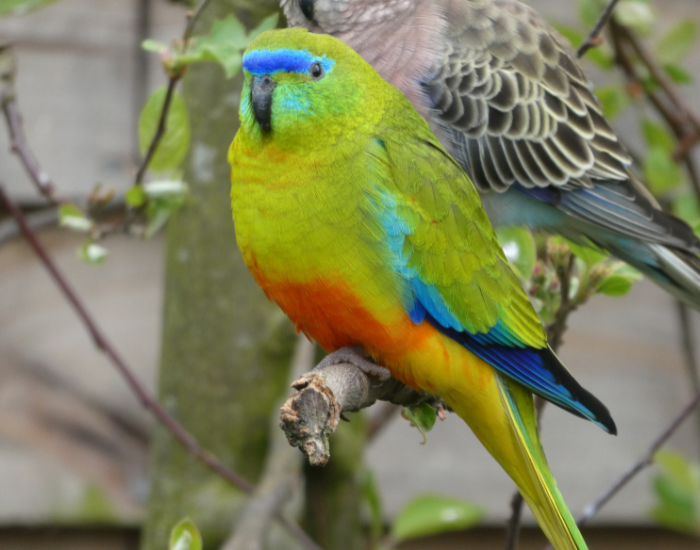
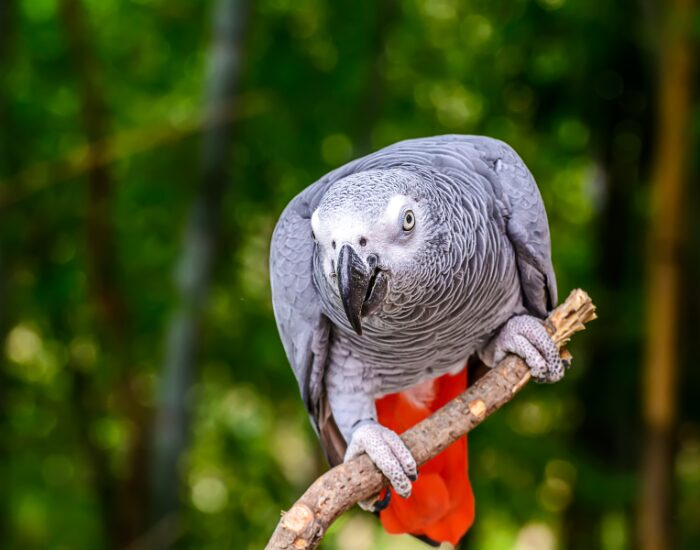
Another avian marvel, parrots possess large, densely packed brains. Species like the African grey parrot can learn hundreds of words, recognize colors, and even perform basic math. These birds provide fascinating and diverse examples of intelligence, showcasing the complexity of animal brains. Parrots have relatively the largest brains among birds, which contributes to their advanced cognitive abilities.
Their ability to mimic human speech is more than just parroting, it involves high-level memory and processing. Some parrots have shown cognitive performance comparable to 4–5-year-old children. Studies conducted by researchers at the University of Arizona have further highlighted the advanced cognitive abilities of parrots, demonstrating their remarkable problem-solving skills and social behaviors.
10. Pilot Whale – Deep-Diving Social Specialists
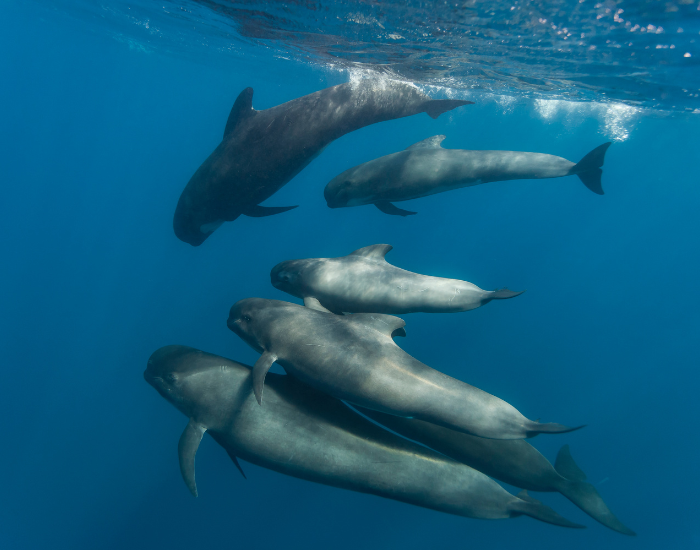
Pilot whales are not actually whales but a type of dolphin. They have brains weighing approximately 2.7 to 3.2 kilograms (6 to 7 pounds), making them among the largest-brained cetaceans relative to body size. These highly social marine mammals live in tight-knit family groups called pods, sometimes numbering in the hundreds.
Their impressive brain size supports sophisticated echolocation abilities for hunting squid and fish in deep waters, sometimes diving to depths of over 600 meters. Pilot whales are known for their complex vocalizations and strong social bonds, with pods often staying together for life. Their advanced cognitive abilities allow them to coordinate group hunting strategies and maintain intricate social hierarchies within their communities.
11. Beluga Whale – The “Canary of the Sea”
Beluga whales possess brains weighing around 2 kilograms (4.4 pounds), which is substantial considering their smaller body size compared to other whales. Nicknamed the “canary of the sea” for their diverse vocalizations, belugas are among the most vocal cetaceans, capable of producing a wide range of sounds for communication.
Their large brains support remarkable echolocation abilities, crucial for navigating the murky Arctic and sub-Arctic waters where they live. Belugas demonstrate advanced social behaviors, including cooperative hunting, care for injured pod members, and complex play behaviors. Their facial muscles allow them to change expressions, and they can even turn their heads independently, a rare trait among whales, suggesting enhanced spatial awareness and cognitive flexibility.

12. Giraffe – A Towering Surprise
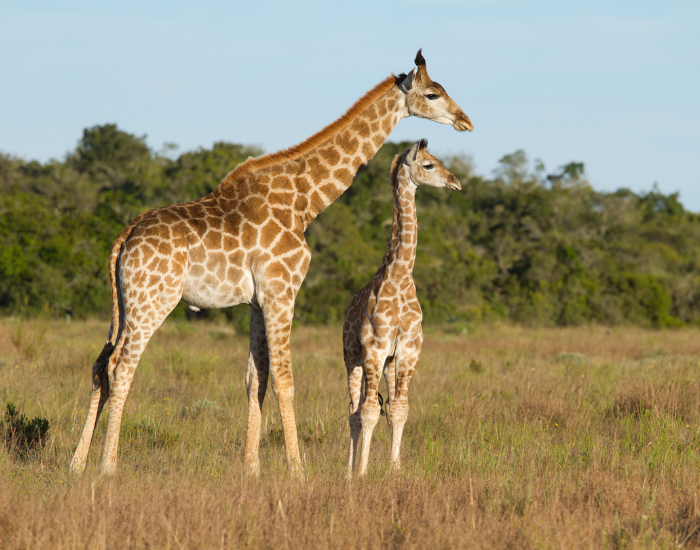
While often overlooked, giraffes have relatively large brains, about 680 grams (1.5 pounds). Despite their large size, giraffes have smaller brains compared to some other animals, which can impact their cognitive abilities. Their brain plays a crucial role in managing blood flow through their long necks and coordinating their movement and balance.
In relation to the animal’s body mass, the giraffe’s brain size is quite small, which is a common trait among animals with a larger body. Giraffes also have complex social structures and can form long-lasting relationships. Recent studies suggest they may be more intelligent than previously believed, capable of social learning and decision-making.
Brain Size vs. Brain Efficiency
It’s tempting to think that the bigger the brain, the smarter the animal, but that’s not always the case. Some animals have large brains due to body size, but relatively little cortical folding (a sign of advanced processing). Meanwhile, birds and primates have smaller but highly efficient brains. The body mass ratio is crucial in understanding these differences, as it highlights how brain size relative to body size varies among species. The relationship between brain size and body weight across different species is significant when evaluating intelligence.
Brain size scales relative to body size, with larger animals typically having smaller brain-to-body size ratios. For example, ants have relatively larger brains compared to their body sizes, while larger animals like sperm whales have smaller brain-to-body size ratios, illustrating Haller’s Rule.
The encephalization quotient (EQ) measures brain size relative to body size and is a better indicator of cognitive ability. Dolphins and humans top this list, while animals like elephants have low EQs despite big brains.
Why Do Some Animals Need Big Brains?
Large brain size evolution is often linked to:
- Social complexity (like in dolphins and primates)
- Tool use and environmental manipulation
- Memory-based navigation
- Communication and vocal learning
- Problem-solving and planning
Various factors such as maternal investment, behavioral complexity, and body size influence the evolutionary adaptations in brain structure, thereby affecting cognitive abilities.
In species where survival depends on flexibility, learning, and cooperation, big brains become a biological advantage.

Noteworthy Mentions: Animals with Unusual Brains
The manta ray has the largest brain of any fish.
Interestingly, according to Haller’s Rule, the smallest animals tend to have a larger brain-to-body size ratio. For example, ants, despite their tiny size, have proportionately larger brains compared to their overall body mass. Additionally, the overall size of brains varies significantly across species, and this variation is often related to the size of the animal’s body.
Sea lions have surprisingly complex brains that support learning tricks and solving tasks. When comparing brain sizes, it is essential to consider how these sizes relate to those of other species. While certain species, like humans or sperm whales, may have large brains, analyzing the brain sizes of other species provides a more accurate measure of cognitive capabilities.
Dogs have variable brain sizes by breed, but many exhibit empathy, memory, and obedience.
Pigs are smart problem-solvers with excellent long-term memory.
Common Questions About Animal Brains
The leech has 32 segmented brains, one in each body segment. But these are simple ganglia, not complex brains like mammals.
Octopuses have a central brain and a mini-brain in each of their eight arms, totaling nine. This decentralized system helps them coordinate complex movements.
The sperm whale holds the record for the largest brain of any mammal—and any animal—by mass.
The human tops this list, followed by dolphins and some birds like corvids and parrots.
Big Brains, Big Questions
From the oceans to the skies, animals with the biggest brains have evolved incredible capabilities, problem-solving, emotional bonds, communication, and even culture. But size isn’t everything. How brains are structured and used matters just as much, if not more. Relative brain size, which considers the brain-to-body mass ratio, provides a more accurate measure of intelligence than absolute brain size alone. According to Haller’s Rule, the smallest animals possess relatively the largest brains, which significantly impacts their intelligence and brain functionality.
Studying brain size helps us understand intelligence, evolution, and animal behavior. It also raises questions about how we measure intelligence and what it really means to be smart in the animal kingdom. Comparing brain sizes across species, including humans and other animals, highlights the evolutionary adaptations and complexities of behavior related to brain size.
So, the next time you wonder, “Which creature has the biggest brain?”, remember, it’s not just about weight. It’s about wonder.
Experience The Most Intelligent Animals !
This blog is reader-supported. When you buy experiences through links listed on this site, we may earn an affiliate commission.
References:
Abramson, J. Z., Hernández-Lloreda, M. V., Esteban, J. A., Colmenares, F., Aboitiz, F., & Call, J. (2017). Contextual imitation of intransitive body actions in a Beluga whale (Delphinapterus leucas): A “do as other does” study. PLoS ONE, 12(6), e0178906. https://doi.org/10.1371/journal.pone.0178906
Connor, R. C. (2007). Dolphin social intelligence: Complex alliance relationships in bottlenose dolphins and a consideration of selective environments for extreme brain size evolution in mammals. Philosophical Transactions of the Royal Society B: Biological Sciences, 362(1480), 587–602. DOI: 10.1098/rstb.2006.1997
Hart, B. L., Hart, L. A., & Pinter-Wollman, N. (2008). Large brains and cognition: Where do elephants fit in? Neuroscience & Biobehavioral Reviews, 32(6), 1140–1155. https://doi.org/10.1016/j.neubiorev.2007.05.012
Howard-Spink, E., Tennie, C., Mitra Setia, T., et al. (2026). Culture is critical in driving orangutan diet development past individual potentials. Nature Human Behaviour, 10, 243–254. https://doi.org/10.1038/s41562-025-02350-y
Connor, R. C. (2007). Dolphin social intelligence: Complex alliance relationships in bottlenose dolphins and a consideration of selective environments for extreme brain size evolution in mammals. Philosophical Transactions of the Royal Society B: Biological Sciences, 362(1480), 587–602. https://doi.org/10.1098/rstb.2006.1997
Jozet-Alves, C., Schnell, A. K., & Clayton, N. S. (2023). Cephalopod learning and memory. Current Biology, 33(20), R1091–R1095. https://doi.org/10.1016/j.cub.2023.08.013
Ridgway, S. H., & Hanson, A. C. (2014). Sperm whales and killer whales with the largest brains of all toothed whales show extreme differences in cerebellum. Brain, Behavior and Evolution, 83(4), 266–274. Doi: 10.1159/000360519
Sharma, P., Gero, S., Payne, R., et al. (2024). Contextual and combinatorial structure in sperm whale vocalisations. Nature Communications, 15, 3617. https://doi.org/10.1038/s41467-024-47221-8
Venditti, C., Baker, J., & Barton, R. A. (2024). Co-evolutionary dynamics of mammalian brain and body size. Nature Ecology & Evolution, 8, 1534–1542. https://doi.org/10.1038/s41559-024-02451-3
Wright, A., Scadeng, M., Stec, D., et al. (2017). Neuroanatomy of the killer whale (Orcinus orca): A magnetic resonance imaging investigation of structure with insights on function and evolution. Brain Structure & Function, 222, 417–436. https://doi.org/10.1007/s00429-016-1225-x