
That First Bob-White Call
The northern bobwhite quail (Colinus virginianus), also known as the Virginia quail, is more than just a game bird. This small, ground dwelling bird has long been a familiar sound across eastern North America, its clear “bob-WHITE!” call echoing through grasslands, farmlands, and brushy pastures. Yet the story of the bobwhite is more than its iconic whistle. It’s an indicator of healthy landscapes, a barometer of how well our suitable habitats, from nesting cover to brood rearing areas, are being managed.
Over the past decades, widespread habitat loss, shifting land use patterns, and changing agricultural practices have caused dramatic declines in quail populations, in some regions by more than 80%. Once abundant in southern states and even stretching into parts of southern Arizona, bobwhites now face conservation challenges, joining the list of endangered birds in the US, that mirror the pressures on many other native quail species. Their decline reminds us that the health of one small bird can reveal much about the state of entire ecosystems.
Here are 13 things you probably didn’t know about the northern bobwhite, blending natural history and conservation science with surprising insights into its unique adaptations.
1. The Northern Bobwhite’s Call Named the Bird
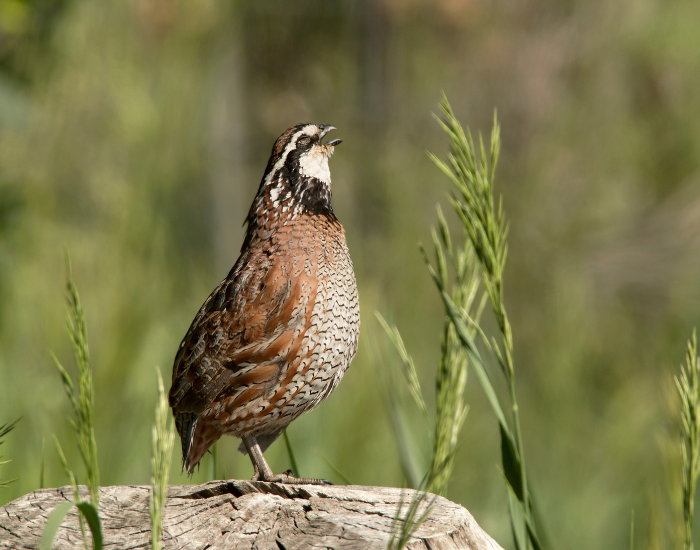
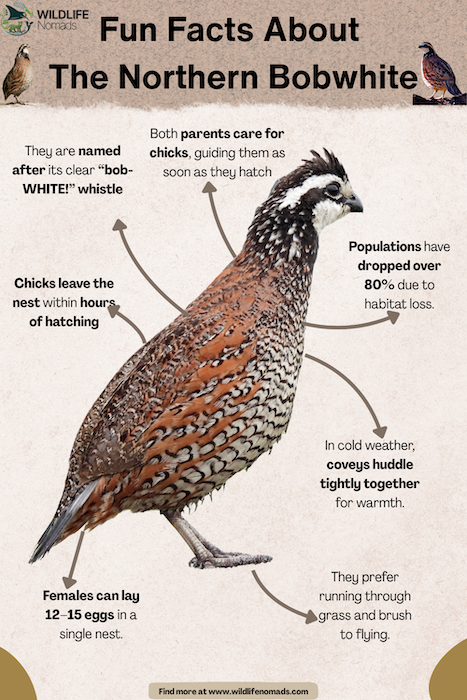
Not many birds are literally named after their voice, but the bobwhite quail is. That sharp whistle—bob-WHITE!—rings across eastern North America in spring and summer, especially during the breeding season. Farmers once joked they didn’t need calendars when they had bobwhites.
2. They’re Ground-Dwelling Birds
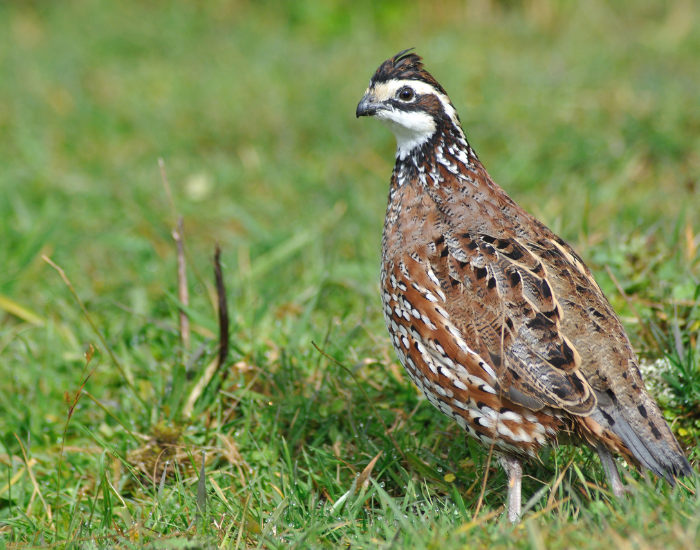
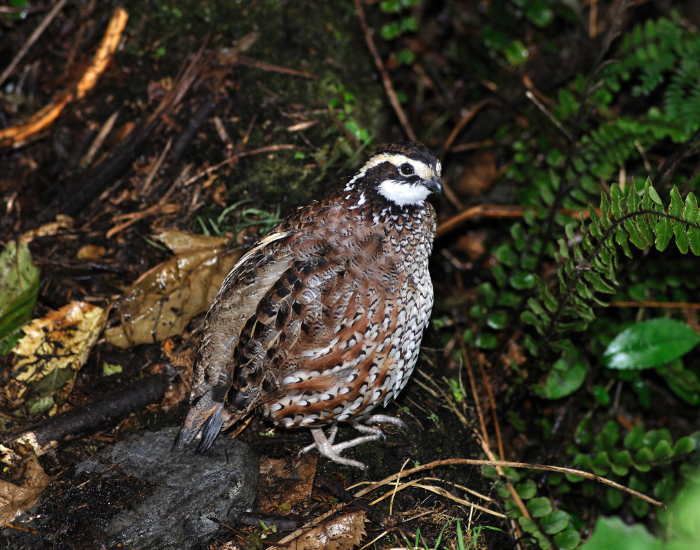
Bobwhites are classic ground dwelling species, built for camouflage, not soaring. Their mottled brown, white, and black plumage makes them nearly invisible against brushy meadows, grass clumps, or leaf litter. If closely disturbed, they explode into short bursts of flight before diving back into woody cover or protective cover.
3. A Widespread Range With Regional Stories
The northern bobwhite quail roams across eastern North America, stretching from the Midwest and Southeast into southern Arizona, eastern Mexico, and Cuba. They thrive in agricultural fields, brushy pastures, and open woodlands, but vanish from areas without suitable habitat. At the northern edge of their range, places like Nebraska or Colorado, harsh cold weather makes survival especially tough. The fall population of northern bobwhite declines significantly over winter, as many birds do not survive the cold months, and coveys remain together until early spring.
4. Habitat Loss is Their Biggest Threat
Once common across rural America, bobwhites have suffered an 80–85% decline since the 1960s. The culprits? Habitat loss, land use patterns, agricultural practices, and urban sprawl.
- Removal of hedgerows and brush piles
- Conversion of grasslands into intensive monocultures
- Lack of escape cover and overhead cover
Each change chips away at the mosaic bobwhites need to survive.
5. A Mosaic of Cover is Essential
A bobwhite’s neighborhood needs multiple habitat types in close proximity:
- Nesting cover: the nest site is a specific location on the ground in dense brush, often a shallow depression lined with grasses, leaves, and arching materials to conceal the entrance
- Brood rearing habitat: open, weedy areas with insects for chicks
- Escape cover: shrubs and woody thickets to evade avian predators
- Protective cover: brushy layers for thermal shelter
Lose one piece, and the whole survival puzzle falls apart.
6. A Beloved but Fragile Game Bird
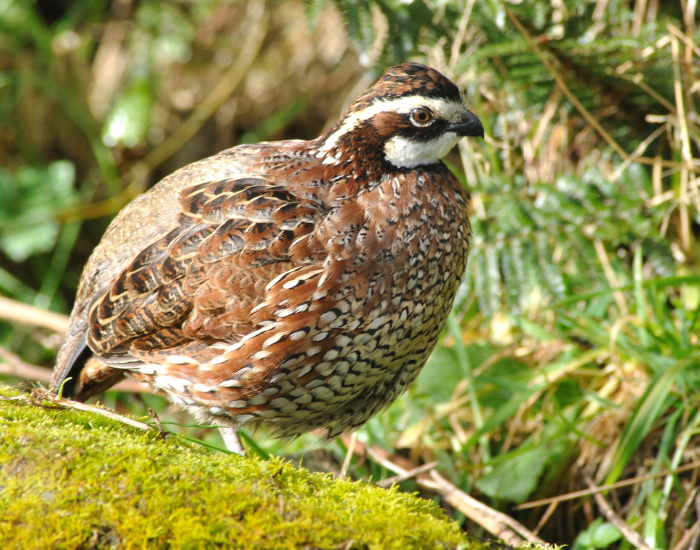
The bobwhite is one of the most popular game birds in the U.S., with hunting traditions stretching back centuries. Like most game birds, the northern bobwhite is shy, elusive, and forms coveys. Yet being a game bird hasn’t guaranteed its survival, declines are more about vanishing landscapes than overhunting. Still, management often relies on collaborations with hunters, landowners, and agencies.
7. Seasonal Diet Shifts
The northern bobwhite’s diet varies seasonally and by age.
The northern bobwhite’s diet consists mainly of plant material: grass seeds, green plants, berries, and grains. In summer, chicks depend heavily on insects like beetles and grasshoppers for protein. In winter, annual weeds and leftover grain are lifelines. Watching a covey scratch through snow in search of plant material reminds me how finely balanced survival can be.
8. Chicks Leave the Nest Immediately
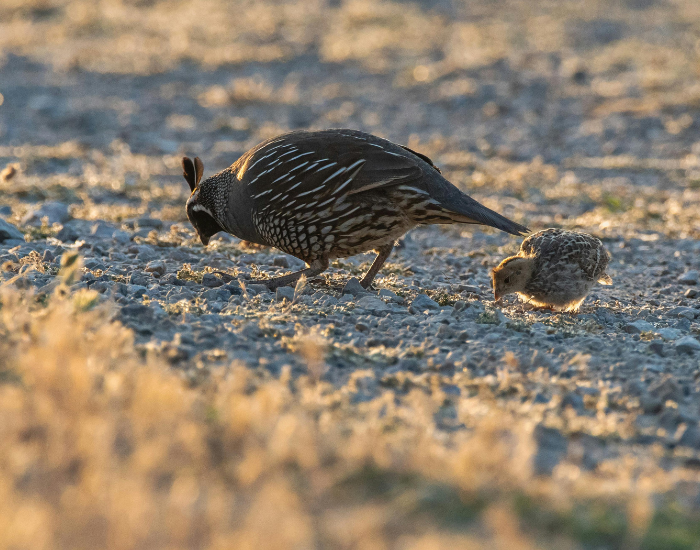
Unlike many birds, bobwhite chicks are precocial. Within hours of hatching, they follow parents out of the nest, foraging in lines across bare ground and low vegetation. Their nests, just a shallow depression, don’t offer much protection, so mobility is key.
9. Bobwhite Pairs and Family Bonds
During the nesting season, a bobwhite pair forms as a male and female come together, often exhibiting flexible pairing behavior that can include polygamous tendencies within the population. The female generally lays 12–15 eggs, one per day. Both parents share incubation and brood care, guiding the chicks until they’re independent. In some cases, two females share a nest, a quail version of cooperative parenting.

10. Fire and Grasslands Go Hand in Hand
It may sound destructive, but prescribed fire is one of the best tools for bobwhite conservation. Fire maintains brushy meadows, reduces woody encroachment, and stimulates growth of grass seeds and insects. Studies in Missouri and the Carolinas show higher nest success in areas managed with fire and grazing compared to unmanaged fields.
11. The Masked Bobwhite is Endangered
Among the bobwhite’s 22 subspecies, the masked bobwhite of southern Arizona and northern Mexico is federally listed as endangered species. One subspecies, the masked bobwhite, is federally listed as endangered. Some populations of bobwhites were historically classified as separate species or subspecies. Scaled quail, another native quail species, sometimes hybridizes with bobwhites in overlapping ranges. Its population nearly vanished due to grazing pressure and habitat loss. Breeding programs and reintroduction efforts, supported by the U.S. Wildlife Service, aim to recover it, but progress is slow.
Other subspecies, like the rufous-bellied bobwhite and black-headed bobwhite, also face regional declines.
12. Avian Predators and Overhead Cover
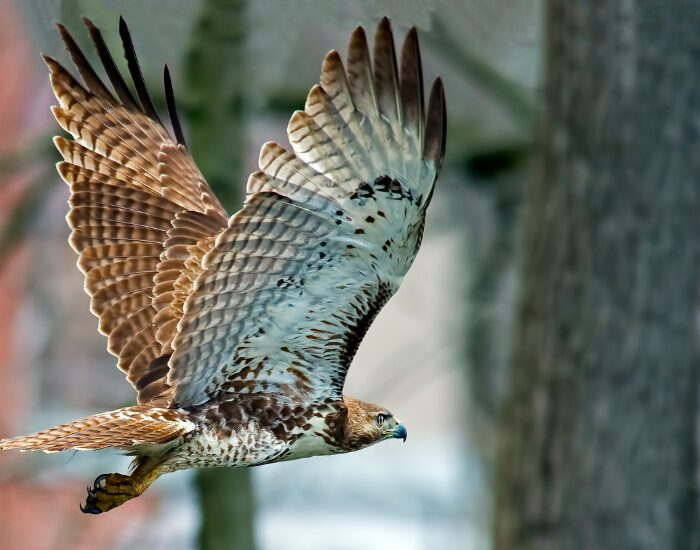
Coveys are vulnerable to hawks, owls, and other birds of prey. Without overhead cover or woody cover, bobwhites are sitting ducks. Radio-tracking studies in Missouri show broods selecting shrub patches that provide both food and escape cover, avoiding tall trees where raptors perch.
13. A Conservation Success in Progress
The National Bobwhite Conservation Initiative (NBCI) represents a major effort to reverse declines. Through partnerships with landowners and agencies, NBCI promotes:
- Restoring brushy pastures and hedgerows
- Creating brood rearing cover and escape cover
- Encouraging agricultural practices that leave grass clumps and weeds
In regions where these methods are applied at scale, populations are rebounding, a hopeful sign for a species often described as the “canary in the coal mine” of farmland health.
What Does a Northern Bobwhite Look Like? Surprising Physical Features
Compact and Camouflaged
The northern bobwhite quail is instantly recognizable among North America’s native quail for its compact, rounded shape and striking plumage. This ground dwelling bird sports a reddish brown body, a short tail, and a white underside, all perfectly camouflaged for life in brushy meadows and grass clumps.
Male vs Female Plumage
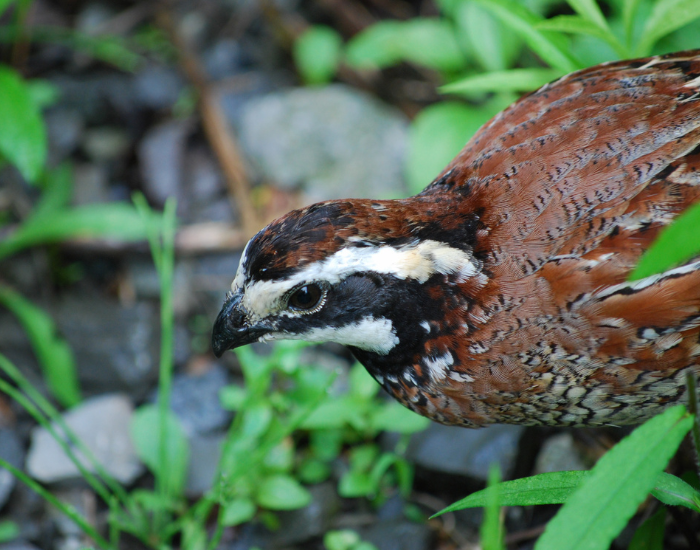
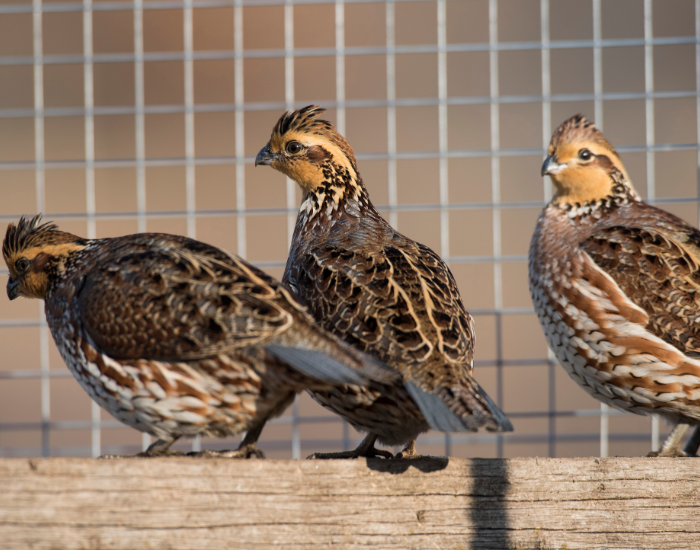
One of the most eye-catching features is the bold facial pattern. Male bobwhites display a crisp white throat patch and a white stripe above the eye, edged with a dark border. Female bobwhites show a softer, buff-colored throat and eye band. This subtle difference helps birders and biologists tell males and females apart in the field.
Size and Concealment
Northern bobwhites reach about 10 inches in length with a 15-inch wingspan. Small but sturdy, they are built for quick dashes through dense cover rather than long flights. Their mottled brown, black, and white plumage provides excellent concealment from avian predators, blending seamlessly into nesting cover and escape cover.
A Rare Subspecies: The Masked Bobwhite
The masked bobwhite, a rare and endangered subspecies found in southern Arizona, stands out with its dramatic black facial mask. It’s a reminder of the diversity within this group of game birds.
Built for Life on the Ground
Adapted for a life close to the ground, northern bobwhites have strong legs and sharp claws, perfect for scratching through bare ground in search of seeds, insects, and green plants. Their diet shifts with the seasons, but the northern bobwhite’s diet consists mainly of plant material and insects. During the breeding season, young birds need protein for growth.
Nesting and Brood Rearing
Both parents build nests, usually a shallow depression lined with grasses and leaves, tucked into a grass clump or beneath a shrub. After hatching, chicks leave the nest shortly after hatching, following parents through the undergrowth as they forage and learn to avoid danger.
Vulnerable to Habitat Loss
The same features that make bobwhites well-suited to their environment also make them vulnerable. As brushy pastures and native grasslands disappear across eastern North America, suitable habitat is harder to find. This loss fuels the population decline of this popular game bird.
Conservation and Resilience
Conservation now focuses on restoring brood rearing cover, maintaining overhead cover, and using wildlife management tools like prescribed fire to keep landscapes healthy for bobwhites and other ground dwelling species.
A Testament to Adaptation
The northern bobwhite’s unique appearance is more than just a field mark, it’s a testament to adaptation and resilience. By protecting the habitats that support these birds, from shallow depressions lined with grass to sprawling brushy meadows, we can ensure that both the call and beauty of the bobwhite remain part of our natural heritage.
Recent Scientific Research on Northern Bobwhites
In the past decade, researchers have deepened our understanding of how northern bobwhites respond to habitat change, predation pressure, and management practices. Here are a few highlights from recent studies:
Fire, Grazing, and Nest Success
Research in Missouri and the Carolinas has shown that prescribed fire and rotational grazing are critical for maintaining quality bobwhite habitat. A 2022 USDA Forest Service study found that areas managed with both fire and grazing supported higher brood survival rates and better nesting cover than unmanaged sites. This suggests that fire is not destructive but rather essential for sustaining bobwhite populations.
Quick FAQ About Northern Bobwhites
Yes, the northern bobwhite quail is a type of quail, sometimes called the Virginia quail.
They are not globally endangered, but some subspecies like the masked bobwhite are federally listed as endangered.
Yes—but only in short bursts. They prefer to run and hide in woody cover.
Across North America, from the Midwest and Southeast to eastern Mexico and Cuba.
Provide suitable habitat types: brush piles, escape cover, protective cover, and grass clumps. Avoid pesticides and maintain diverse vegetation.
A world quail refers to quail species with a global distribution, found across different continents and regions. These species highlight the diversity and wide range of quails worldwide.
Listening for a Vanishing Call
The northern bobwhite is more than a game bird, it’s a storyteller of the landscape. When I hear that whistle now, I think about how much habitat has been lost, but also how resilient these birds can be when given the right conditions.
Protecting bobwhites isn’t just about saving a single bird species, it’s about preserving habitat types that countless other creatures rely on. Whether through prescribed fire, wildlife management, or community conservation, every effort helps.
The call of the bobwhite still echoes across North America. The question is: will future generations hear it?