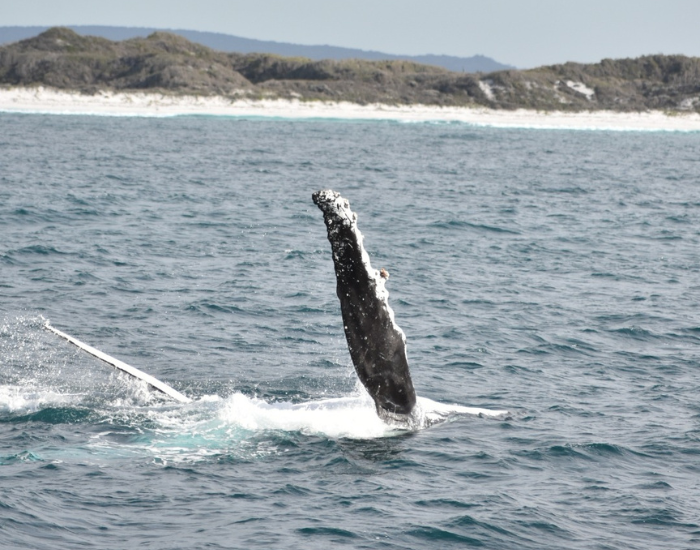
Whale watching California Los Angeles is an experience that combines ocean adventure, marine wildlife encounters, and stunning coastal scenery. Whether you’re hoping to spot blue whales, humpback whales, or the seasonal migration of gray whales, Los Angeles offers year-round opportunities to see some of the largest animals on the planet in their natural habitat.
From Newport Beach to Santa Monica, the southern California whale watching scene is thriving, drawing both seasoned ocean lovers and first-time visitors. Tour operators like Harbor Breeze Cruises and Breeze Cruises offer excursions guided by experienced captains and marine naturalists, ensuring you’ll learn as much as you see.
Why Los Angeles?
The Pacific Ocean off the California coast serves as a major migration highway for numerous whale species. What makes whale watching California Los Angeles so special? It’s all about location and timing. The continental shelf drops dramatically close to shore, creating deep-water conditions that attract large marine mammals just miles from the coastline.
According to the National Oceanic and Atmospheric Administration (NOAA), the Southern California Bight supports one of the most diverse marine ecosystems in North America. This underwater canyon system provides rich feeding grounds where whales congregate throughout the year.
The convergence of warm and cold ocean currents creates an upwelling effect, bringing nutrient-rich waters to the surface. This phenomenon supports massive populations of krill and small fish – essentially a whale buffet that attracts species from around the Pacific.
Choosing a Whale Watching Tour Operator
Not all LA whale watching tours are the same. Here’s what to look for:
- Experience & safety record – Operators with a strong safety history and well-trained crews.
- Eco-friendly practices – Support companies that follow NOAA’s whale watching guidelines.
- Knowledgeable guides – Onboard marine naturalists enhance the experience with fascinating insights.
- Boat size & amenities – Smaller boats can feel more personal; larger vessels offer more stability.
Popular los angeles whale watching tour departure points include San Pedro, Long Beach, Dana Point, and Newport Harbor.
Best Times for Whale Watching in Los Angeles
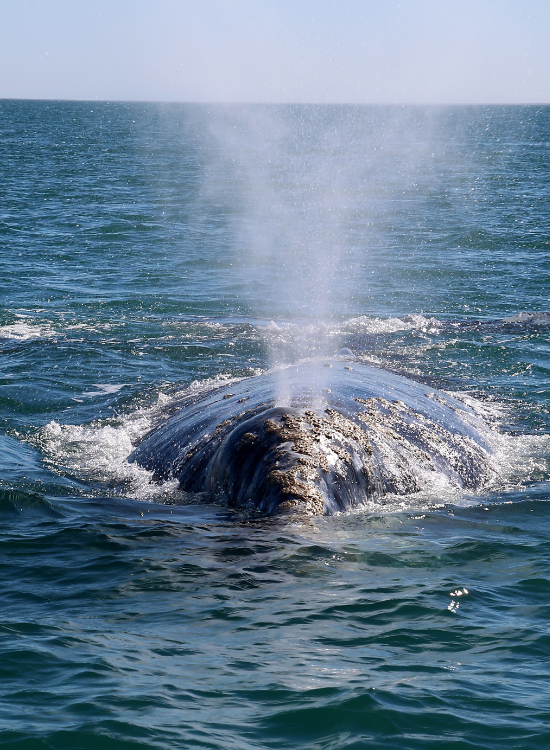
- Winter and spring months (December–April) are prime for gray whales on their annual migration from Alaska to Baja California, Mexico.The gray whale migration is one of nature’s most remarkable journeys. These gentle giants travel over 12,000 miles roundtrip between Alaska and Baja California – the longest migration of any mammal. Peak viewing for los angeles whale watching tour experiences occurs from January through March when southbound mothers and calves pass close to shore.
- Blue whale season typically runs May–October, with sightings of giant blue whales off the coast.Blue whales, the largest animals ever to exist on Earth, visit Los Angeles waters during summer and fall. The Smithsonian Institution reports that these magnificent creatures can reach lengths of up to 100 feet and weigh as much as 200 tons.Whale tours Los Angeles during blue whale season offer:
- Peak sighting months: June through September
- Best morning departure times for calmer seas
- Opportunities to see feeding behaviors
- Incredible size comparisons with your tour vessel
- Year-Round Species: Los Angeles waters host several species throughout the year:
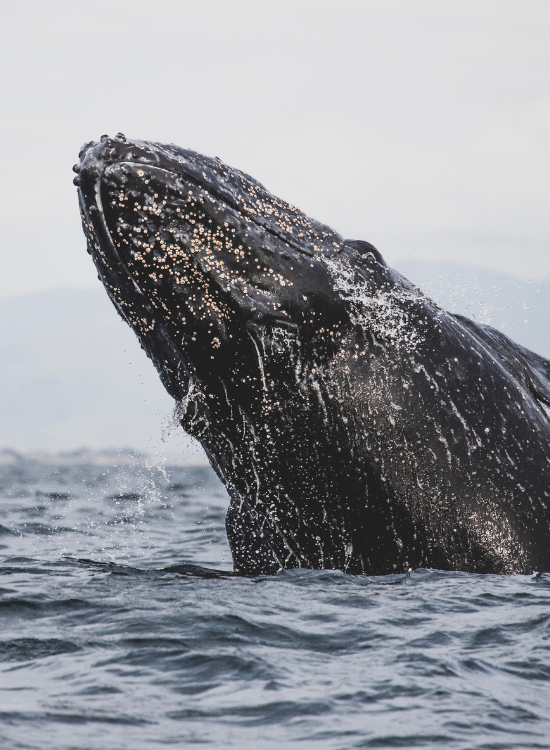
- Humpback Whales: Known for their acrobatic displays and complex songs, humpbacks can be spotted year-round with peak activity from April through November.
- Fin Whales: The second-largest whale species, fins are present year-round but most commonly seen during spring and summer months.
- Minke Whales: Smaller but equally fascinating, minkes appear regularly throughout the year and are often curious about boats.
- Occasionally, killer whales and fin whales make appearances during whale tours los angeles.
Checking with your chosen operator for daily whale sighting reports ensures you pick the best possible day.
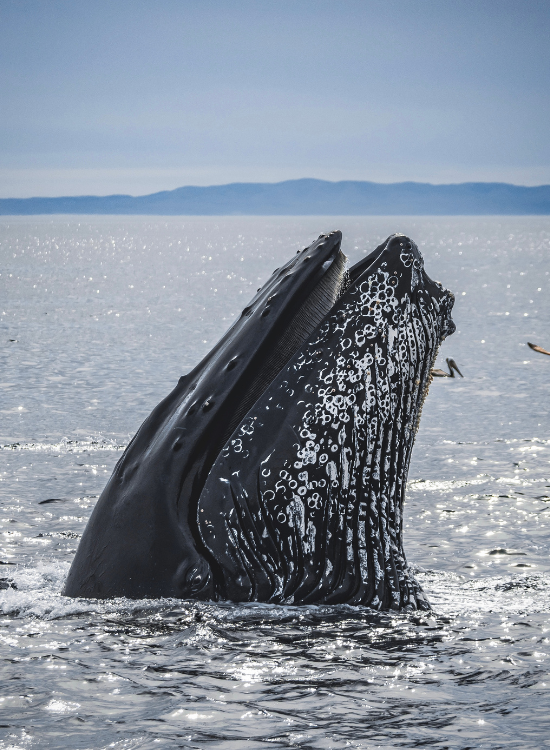
Whale and Dolphin Species You May See
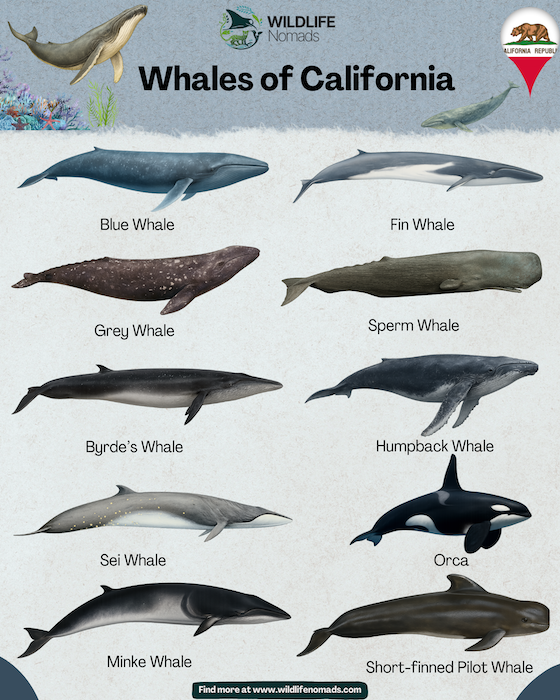
On los angeles whale watching trips, you could encounter:
- Blue whales – The largest animals ever known.
- Gray whales – Known for their friendly behavior during migration.
- Humpback whales – Famous for breaching and tail-slapping.
- Minke whales – Smaller and quick to surface.
- Fin whales – Second only to blue whales in size.
- Killer whales – Rare but spectacular visitors.
Dolphin encounters are common, with common dolphins, bottlenose dolphins, and Pacific white-sided dolphins often traveling alongside boats. You might also see sea lions hauled out on buoys, harbor seals resting along the shoreline, and even ocean birds like pelicans and cormorants.
Top Whale Watching Destinations in LA
- Newport Beach – Known for calm waters and abundant marine life.Newport Beach consistently ranks as the premier destination for whale watching california los angeles adventures. The Balboa Peninsula provides easy access to deep waters where whales congregate.Why Newport Beach excels:
- Protected harbor provides calm departure conditions
- Multiple tour operators with varying price points
- Only 30-45 minutes to reach prime whale watching areas
- Consistent whale sightings year-round
- Family-friendly facilities and amenities
- Dana Point – Dubbed the “Dolphin & Whale Watching Capital of the World.”The Dana Point Harbor offers:
- Year-round whale watching opportunities
- Educational Dana Point Ocean Institute programs
- Smaller group tour options
- Spectacular coastal scenery
- Higher success rates for whale sightings
- Long Beach – Close to Catalina Channel, a nutrient-rich feeding ground.For those staying in central Los Angeles, Long Beach provides convenient access to whale watching without the drive to Orange County:
- Easy access from downtown LA
- Harbor cruises combined with whale watching
- Family-friendly Aquarium of the Pacific nearby
- Multiple departure times daily
- Parking and public transportation options
- Santa Monica – Offers scenic backdrops and occasional whale sightings.
- San Pedro – Historic port with easy access to the Pacific Ocean and Newport Bay.Often overlooked, San Pedro offers excellent whale watching with fewer crowds:
- Less crowded boats and waters
- Competitive pricing
- Access to deep offshore waters
- Historic port atmosphere
- Cabrillo Beach Marine Aquarium for post-tour education
Tips for a Successful Whale Watching Experience
- Dress in layers – Ocean breezes can be chilly even on sunny days.
- Bring binoculars for close-up views of spouts and breaches.
- Arrive early to secure good seating and complete check-in.
- Protect your camera – Salt spray can damage lenses.
- Listen to guides – Following instructions ensures safety and the best viewing opportunities.

What to Expect on a Tour
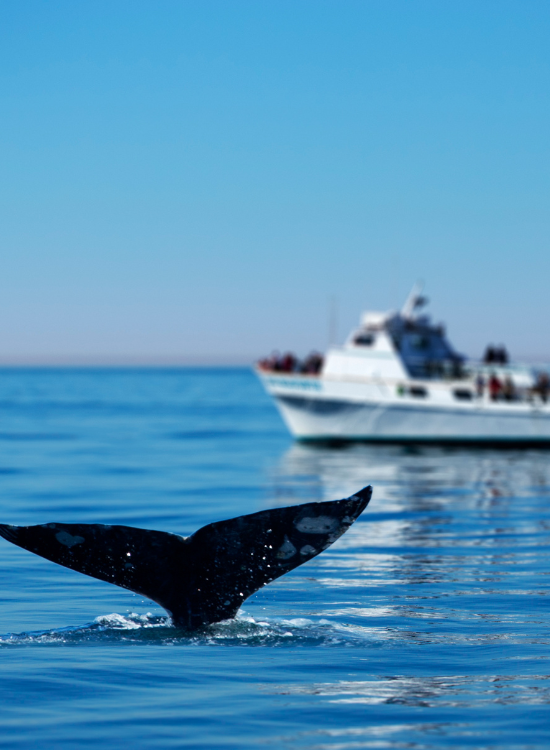
Most watching tours last 2–3 hours. You’ll be accompanied by experienced captains and guides who share facts about migration patterns, lunge feeding, and whale behavior. Some tours guarantee sightings or offer a free return ticket if no whales are spotted.
Expect moments of calm scanning the horizon, sudden bursts of excitement when a whale spouts, and the thrill of watching a fluke disappear beneath the surface. The experience often includes sightings of ocean critters like sea lions, dolphins, and pelagic birds.
Educational Opportunities
Whale watching is not just entertainment — it’s an educational experience:
- American Cetacean Society – Offers field guides and conservation info.
- NOAA – Publishes marine mammal protection guidelines.
- Aquarium of the Pacific – Exhibits on marine life, located in Long Beach.
- Griffith Observatory – Features ocean-related educational events.
Many operators provide onboard lectures, videos, and wildlife fact sheets, making los angeles whale watching perfect for families and school groups.
Essential Qualities to Look For
Experienced Captains and Marine Naturalists: Look for operators with certified marine biologists or naturalists aboard. These experts can identify species, explain behaviors, and enhance your educational experience significantly.
Safety Record and Equipment: Verify that operators maintain proper Coast Guard certifications, safety equipment, and emergency protocols. Check recent inspection records and safety ratings.
Vessel Size and Comfort: Consider your comfort preferences:
- Larger vessels (100+ passengers) offer stability but less personalized experience
- Medium boats (50-100 passengers) balance comfort with intimacy
- Small boats (under 50 passengers) provide personalized attention but may be less comfortable in rough seas
Booking and Preparation
To make the most of your whale watching california los angeles adventure:
- Book in advance during peak seasons.
- Check weather forecasts and sea conditions.
- Choose morning tours for calmer seas.
- Avoid heavy meals before departure if you’re prone to seasickness.
Reading reviews helps identify reputable los angeles whale watching tour operators with high sighting success rates.
Time of Day Considerations:
- Morning tours (8-11 AM) typically offer calmer seas and better lighting for photography
- Afternoon tours may encounter more wind and chop
- Full-day tours provide maximum whale encounter opportunities
What to Bring
Essential Items:
- Layered clothing (ocean temperatures are typically 10-15°F cooler than land)
- Sunscreen and hat
- Sunglasses
- Camera with extra batteries
- Binoculars (many operators provide these)
- Motion sickness medication (take 30 minutes before departure)
- Water and snacks
Pro Tips:
- Bring a waterproof bag for electronics
- Wear non-slip shoes with closed toes
- Pack a light jacket even on warm days
- Consider bringing hand warmers during winter months
Safety and Precautions
Top whale watching tours prioritize safety:
- Crews are trained in emergency procedures and first aid.
- Vessels are equipped with communication devices and life jackets.
- Operators maintain safe viewing distances to avoid disturbing whales.
Follow crew instructions, hold onto railings, and stay seated when the boat is moving quickly.
Conservation and Responsible Whale Watching
Sustainable southern california whale watching is about more than just great photos:
- Support eco-certified operators.
- Learn about threats to whales, like ship strikes and entanglement.
- Understand the importance of marine life protection in the Pacific Ocean.
Your ticket helps fund research and conservation efforts, from monitoring annual migration routes to protecting feeding grounds.
Extending Your Trip – Nature & Parks
Pair your whale watching california los angeles experience with:
- Griffith Park hikes and views.
- Santa Monica beach walks.
- Newport Bay nature trails.
- Baja California side trips for different marine species.
Nature lovers can combine boat tours with coastal explorations for a full day of wildlife encounters.
Why Whale Watching in LA Is Worth It
From the winter and spring months of the gray whale migration to the year round sightings of dolphins and humpbacks, whale watching california los angeles is one of the most rewarding wildlife experiences in the region.
Whether you choose a small-group charter out of Newport Beach or a family-friendly watching tour from Long Beach, you’ll witness magnificent creatures in their element, learn about marine life, and leave with a renewed appreciation for the largest animals in the ocean.
Find Whale Watching Tours
This blog is reader-supported. When you buy through links listed on this site, we may earn an affiliate commission.