During my year at Uppsala University in Sweden, my life revolved around damp field gear, lab reports, and the constant hum of Scandinavian biodiversity. However, curiosity never respects borders. I made two trips down to Germany during that time. The familiar calls of the Great Tit and Blue Tit greeted me, but I was humbled by how much I didn’t yet know about the specific avian tapestry of Deutschland.
Now, as a professional biologist, I’m preparing to head back to Germany. This time, I’m not just a student with scratched binoculars. This time I will be prepared for birding in my free time and spot all the birds of Germany. And I want you to be prepared as well for the different types of bird you may find in this beautiful country! Whether you’re a seasoned twitcher or a casual traveler, understanding birds in Germany requires looking past the “common” labels. You need to dive into the ecology that makes this region a central hub for European migration.
Common Birds in Germany: Species You’ll See Everywhere
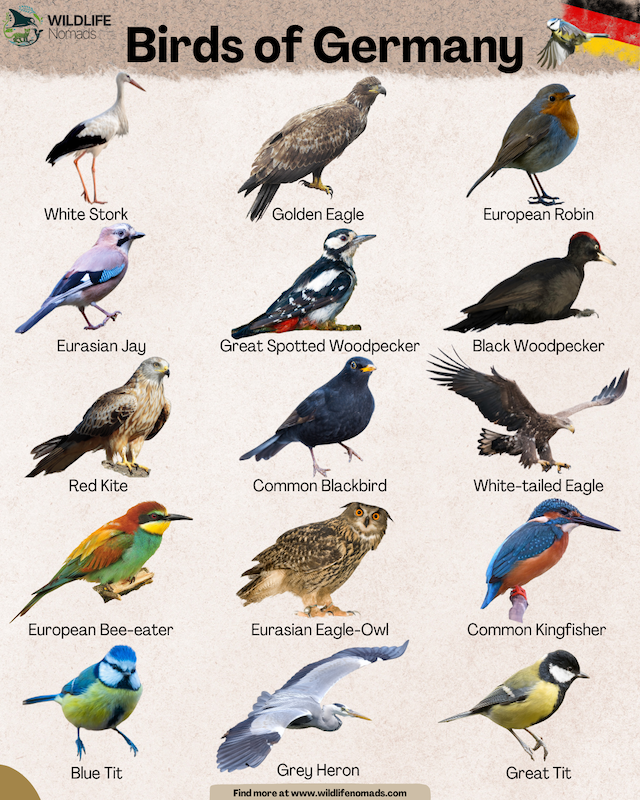
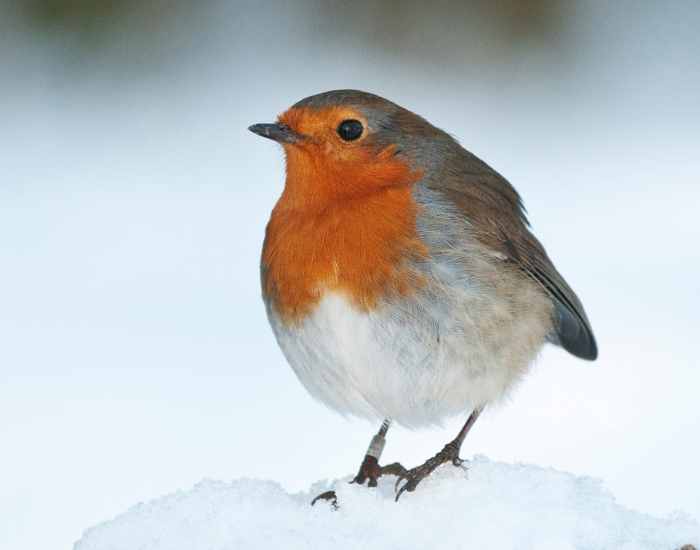
European Robin (Erithacus rubecula)
The European Robin ranks among the most common birds species in Germany. The European Robin is a small bird that feeds on insects, spiders, and worms found on the ground. In Scandinavia, I noticed they were slightly more wild. However, in German gardens, they’re practically your best friend. They follow gardeners to catch turned-up worms.
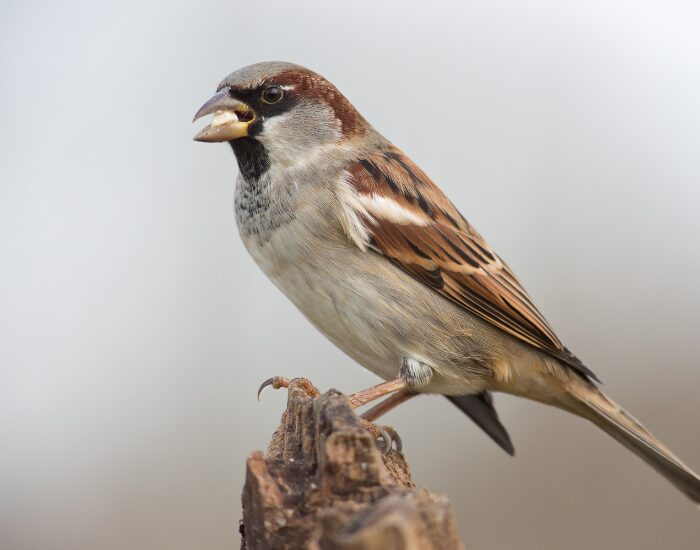
House Sparrow (Passer domesticus)
House sparrows thrive across Germany. The House Sparrow belongs to the family of world sparrows (Passeridae), which are widespread globally. These brown birds with thick beaks gather in large groups around buildings. They’re highly social creatures that nest in colonies. Moreover, they’ve adapted perfectly to human settlements.
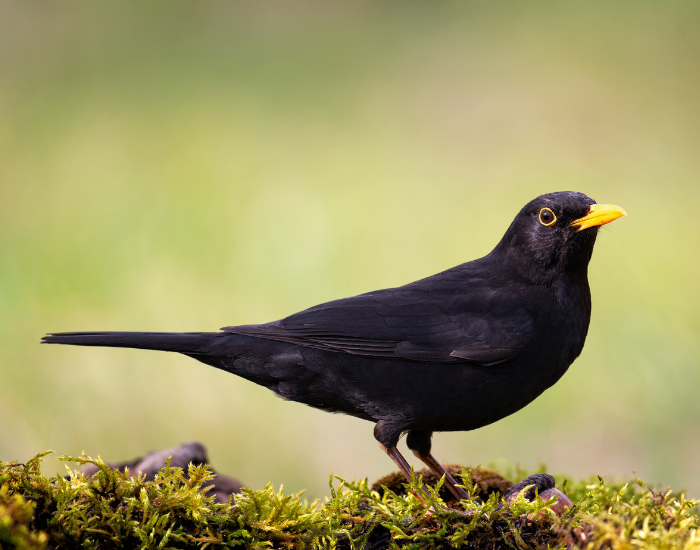
Common Blackbird (Turdus merula)
There are many black bird species in the world. But this one is the Common Blackbird tops the charts in garden bird counts across Germany. Males are jet black with bright yellow beaks. The yellow beak is a distinguishing feature of the male blackbird (Females and juveniles have dark beaks though).
The Common Blackbird is highly adaptable and is often found in urban areas. Females display brown plumage. These birds eat insects and berries. The common blackbird is known for its melodious songs and is often found in gardens and parks. Furthermore, their melodious song fills German gardens at dawn.
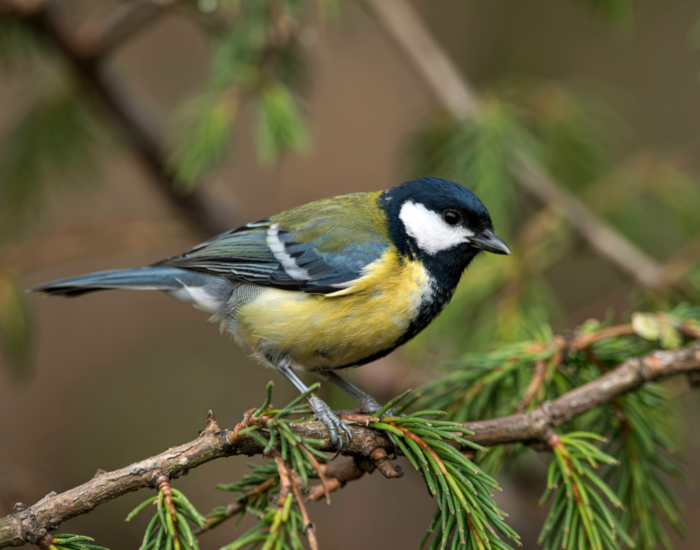
Great Tit (Parus major)
Great Tits are common visitors to bird feeders throughout Germany. They feature black heads, white cheeks, and yellow breasts with a distinctive black stripe. These birds inhabit forests, parks, and gardens. They’re also known for their diverse vocalizations.
Blue Tit (Cyanistes caeruleus)
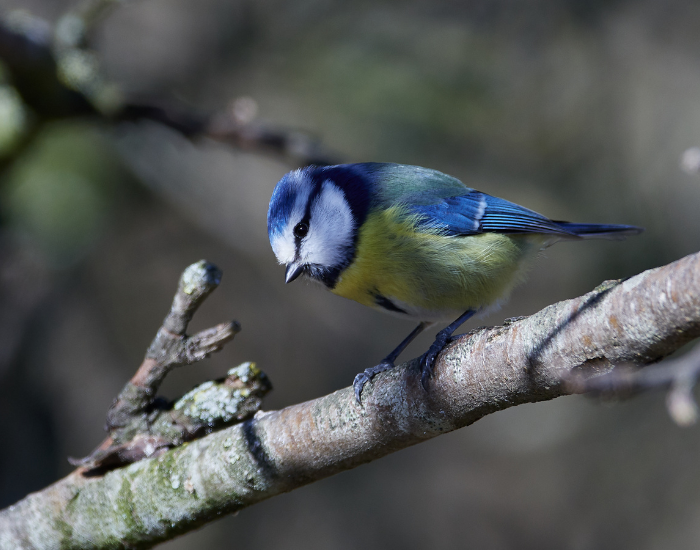
Blue Tits are small, colorful birds common across Germany. They have blue crowns, wings, and tails. Their yellow breasts make them easy to spot. These birds prefer deciduous and mixed forests. However, they also visit gardens regularly.
German Birds of Prey: Masters of the Sky
The diversity of birds of prey in Germany directly reflects the country’s varied topography. Bird species in Germany are categorized into groups based on their taxonomic treatment and nomenclature.
The avifauna of Germany includes various families of birds such as Anatidae, Accipitridae, and Corvidae. Among raptors, some species are closely related, sharing evolutionary connections within the same family or order. As a biologist, I view these as “apex indicators.” If raptors are doing well, the entire ecosystem is likely healthy.
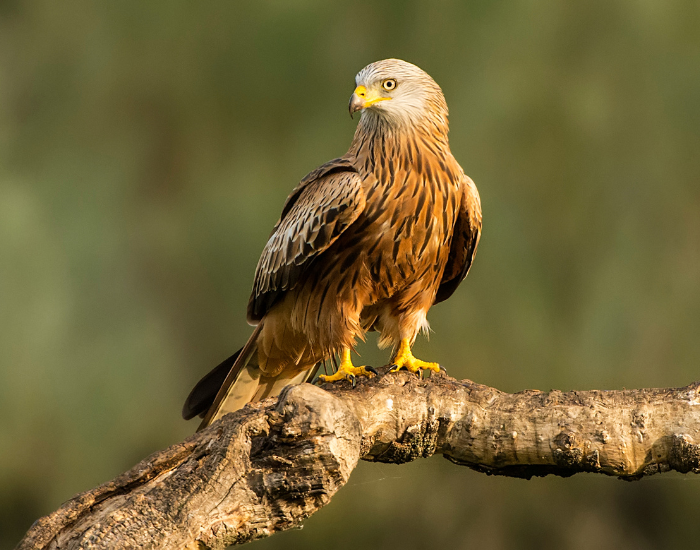
Red Kite (Milvus milvus)
Germany is the global stronghold for Red Kites. Over 50% of the world’s population breeds here. Their fork-shaped tail makes them easy to identify even for beginners. These birds soar gracefully over open countryside.
Golden Eagle (Aquila chrysaetos)
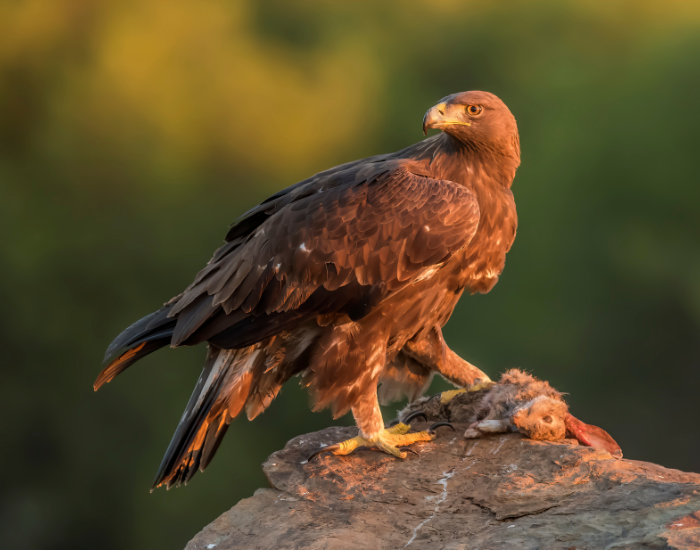
Golden Eagles inhabit primarily Alpine regions.This eagle has a special meaning to me, as it is a very important bird of Mexico, the one that appears on the flag. It is surrounded by myths, and an true iconic animal of Mexico. These magnificent birds are among Germany’s rarest bird species.
Eurasian Sparrowhawk (Accipiter nisus)
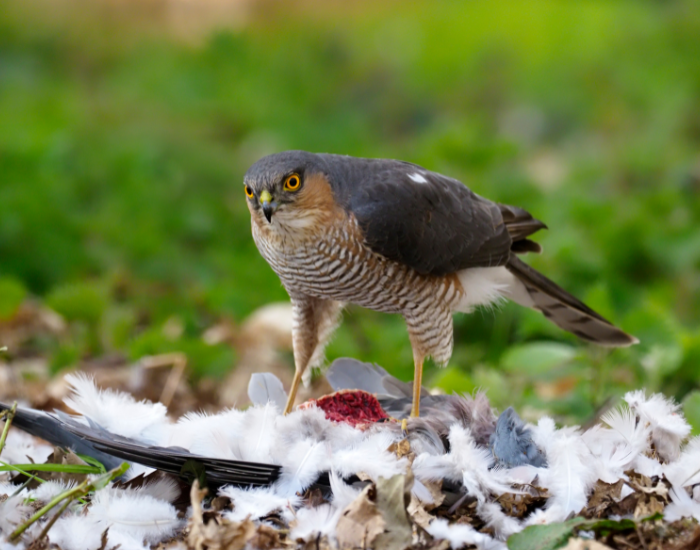
Eurasian Sparrowhawks terrorize garden bird feeders. They’re built for agility, darting through thickets to catch small birds. These hawks in Germany demonstrate remarkable hunting prowess in dense vegetation.
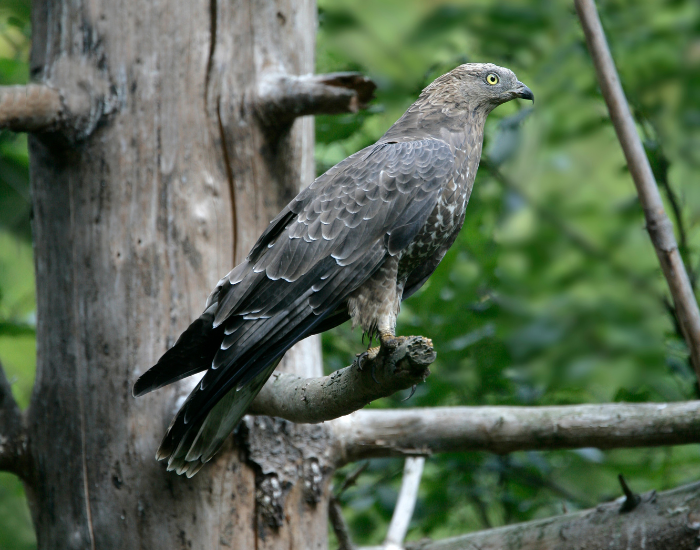
Honey Buzzard (Pernis apivorus)
Honey Buzzards specialize in feeding on wasp and bee larvae. Their feathers are uniquely structured to resist stings. This fascinating evolutionary adaptation allows them to exploit a food source other raptors avoid
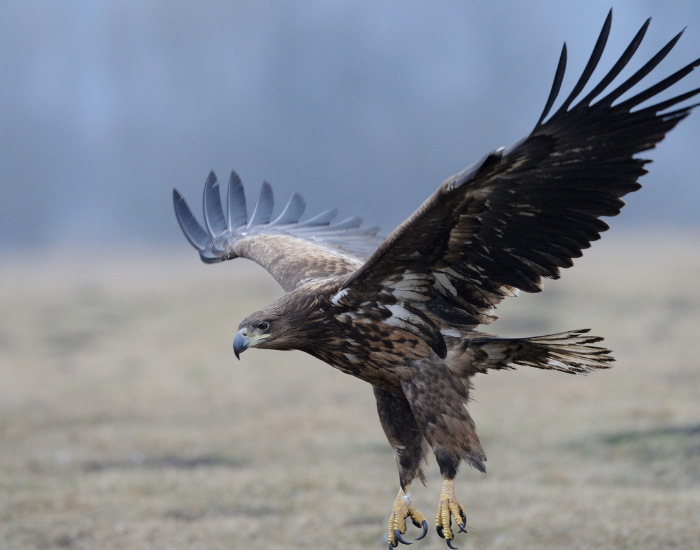
White-tailed Eagle (Haliaeetus albicilla)
Often called the “flying barn door” due to its massive 2.4-meter wingspan, this raptor impresses every observer. These birds were nearly extinct in Germany in the early 20th century. I am so glad we did not have to include them on birds that went extinct.
Thanks to strict DDT bans and habitat protection, they’ve made a remarkable comeback. White-tailed Eagles are among the most impressive German birds of prey. They hunt fish, waterfowl, and sometimes carrion.
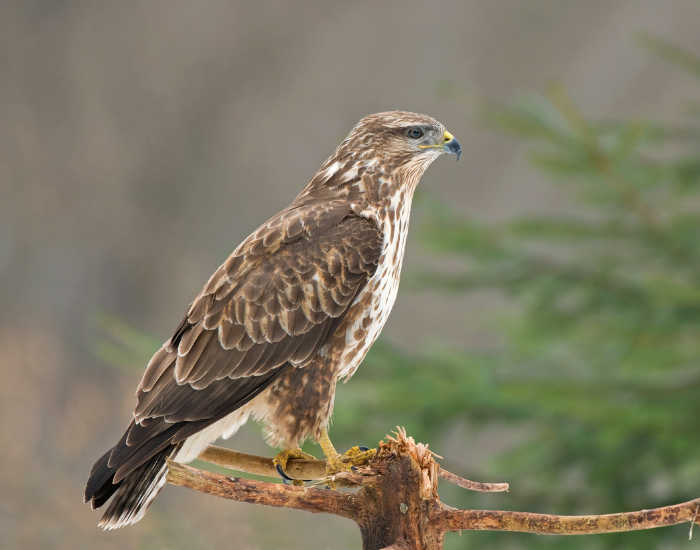
Common Buzzard (Buteo buteo)
If you’re driving on the Autobahn and see a large raptor perched on a fence post, it’s almost certainly a Common Buzzard. These are the most frequent hawks in Germany. They’re highly adaptable birds that can switch from hunting voles to eating earthworms when weather turns.
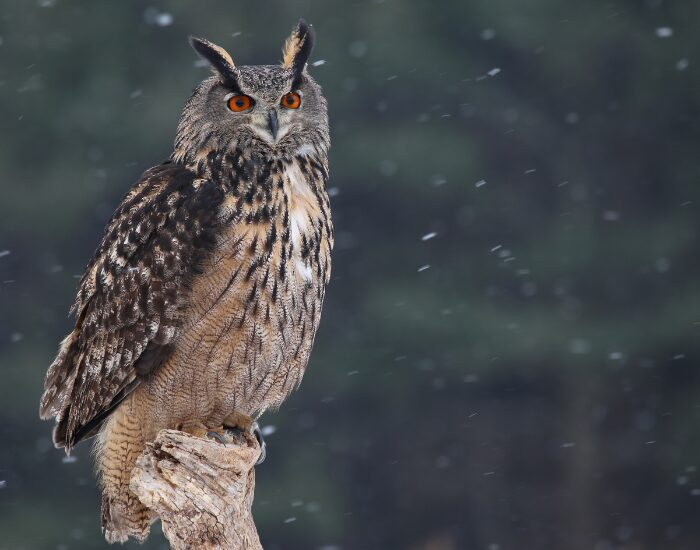
Eurasian Eagle-Owl (Bubo bubo)
One of the different species of owls found in Germany. The “king of the night” represents the raw, wild side of native German birds. With their orange eyes and ear tufts, they’re unmistakable. These owls need limestone cliffs and old-growth forests to thrive.
Waterbirds: The Lifeblood of Germany’s Wetlands
Germany’s wetlands serve as vital stopovers on the East Atlantic Flyway. Ducks are a key group of waterfowl in these habitats, with physical adaptations such as webbed feet and oil-coated feathers that help them thrive in aquatic environments. Bird populations in Deutschland fluctuate dramatically with the seasons.
The White Stork (Ciconia ciconia)
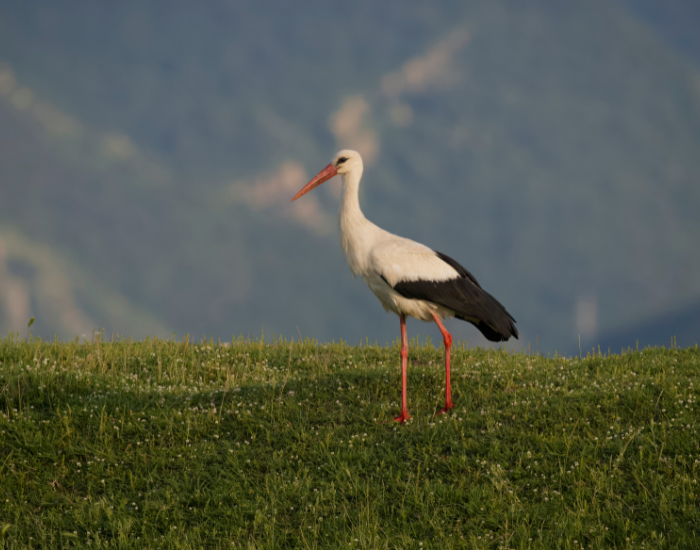
You cannot discuss birds from Germany without mentioning the White Stork. During my first trip to the German countryside, I was mesmerized by massive stick nests perched atop village chimneys. This big white and black bird symbolizes spring’s arrival. The White Stork is known for its elegant form and stark black and white markings, with distinctive white markings on its plumage that make it easy to identify.
Great Crested Grebe
Great Crested Grebes are known for their elaborate courtship dances. If you’re near a lake in Bavaria, watch for their head-shaking rituals. These waterbirds display striking black head plumes during breeding season.

Greylag Goose (Anser anser)
The Greylag Goose is the ancestor of most domestic geese. They’re loud, social, and incredibly hardy. These large grey birds gather in massive flocks during migration. In addition, they’re common year-round residents in many areas.

Grey Heron (Ardea cinerea)
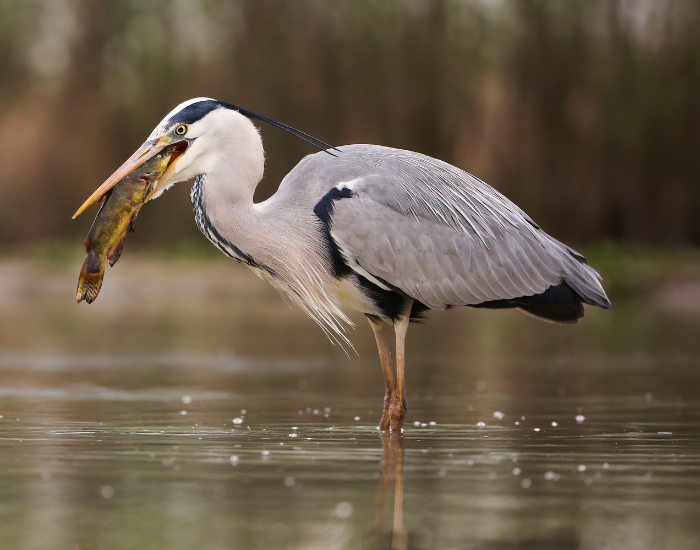
Grey Herons are very good at patience. You’ll see them standing motionless in ditches along the Rhine. This testament to the “sit and wait” predatory strategy proves highly effective. The Grey Heron is Europe’s most common type of heron and prefers fish and amphibians. These \ birds have a strong beak, which is an adaptation for catching prey such as fish, frogs, and small mammals.
Mute Swan (Cygnus olor)
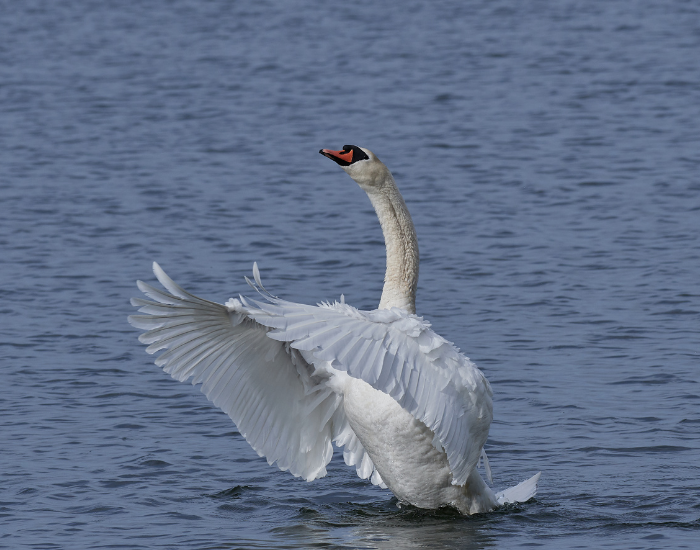
While common, Mute Swans are impressively powerful. They’re one of the heaviest flying birds in the world. These white birds with orange beaks defend their territories aggressively during breeding season.
Common Cuckoo (Cuculus canorus)
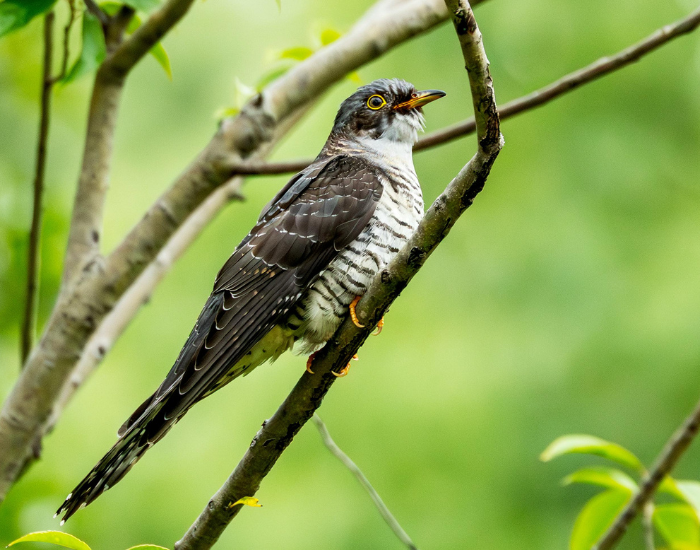
The Common Cuckoo is a biological marvel and a bit of a villain. As a brood parasite, it lays eggs in other birds’ nests. Research from the Max Planck Institute for Biological Intelligence shows the arms race between cuckoos and their hosts. This represents one of Europe’s most studied examples of co-evolution.
Woodpeckers and Allies: The Forest Drummers
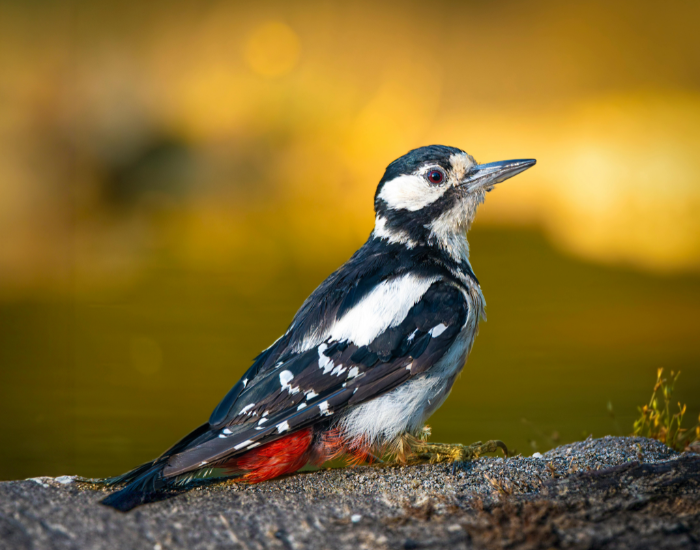
These birds are often seen and heard drumming and foraging on tree trunks, using their strong beaks and long tongues to search for insects. Great Spotted Woodpeckers are the most common woodpecker in Germany and are frequently heard drumming on tree trunks. I missed this diversity when living in the thinner forests of the north.
Great Spotted Woodpecker (Dendrocopos major)
The Great Spotted Woodpecker is the most common species. You’ll hear their rhythmic drumming long before seeing the flash of red on their undertail. These black and white birds excavate nest holes in dead trees.
Black Woodpecker (Dryocopus martius)
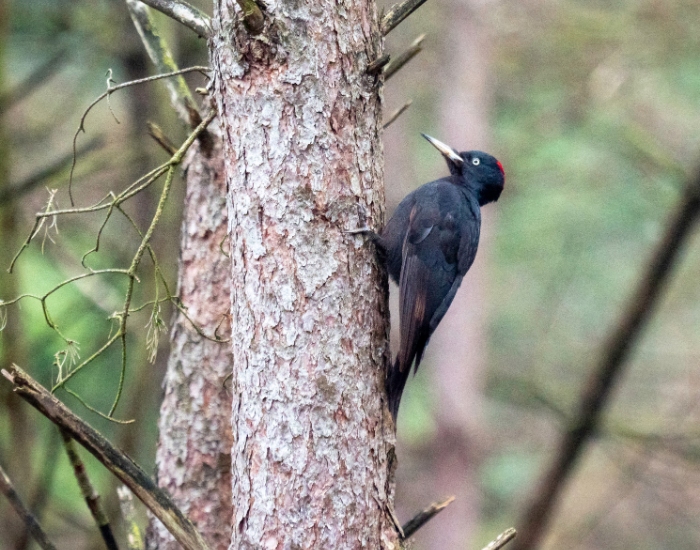
Black Woodpeckers are about the size of crows. They’re jet black with red crowns. Their call sounds like a prehistoric cry echoing through beech trees. These large birds require extensive old-growth forests.
Eurasian Green Woodpecker (Picus viridis)
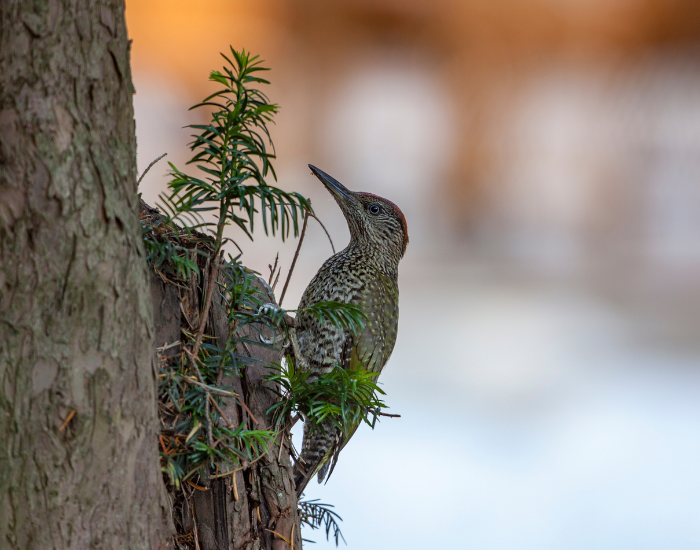
Eurasian Green Woodpeckers often feed on the ground, eating ants. They have a distinctive “laughing” call that brightens long days of field observations. These green birds with red crowns prefer open woodlands and parks.
Middle Spotted Woodpecker (Dendrocoptes medius)
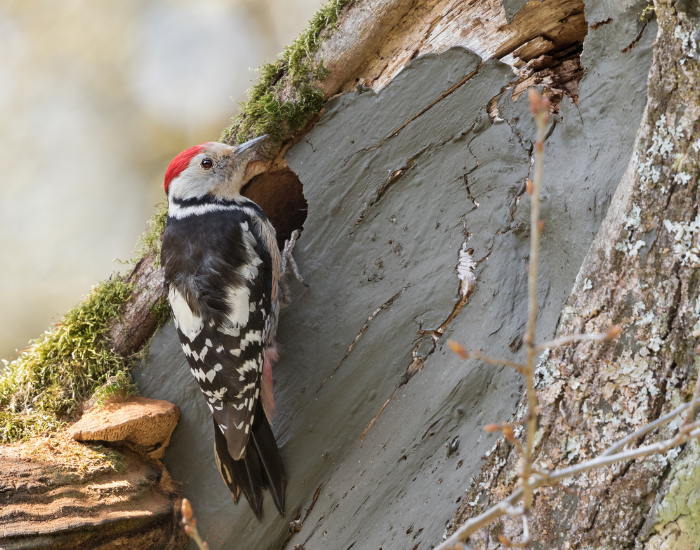
Middle Spotted Woodpeckers are less common than their Great Spotted cousins. They inhabit old oak forests. These birds represent important indicators of forest health and biodiversity.
Warblers, Thrushes, and Songbirds
As we move into smaller native birds of Germany, identification becomes a game of “ear birding.” Many of these small birds share similar drab, olive, or brown plumage. However, their songs are highly distinctive.
Among these are the Old World warblers, a diverse group of insectivorous passerines that, unlike the brightly colored New World warblers of the Americas, rely on complex vocalizations rather than bold patterns to define their territories. It is important to note that many of these species are currently threatened by habitat loss, making it essential to preserve the wetlands and thickets they rely on during their long migrations.
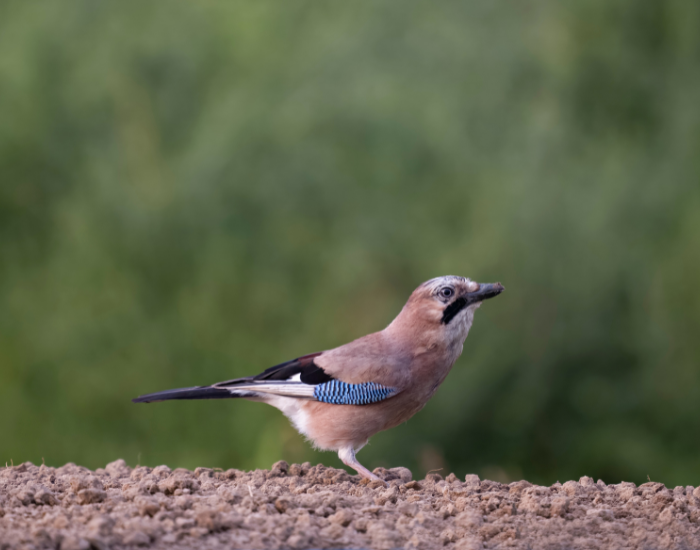
Eurasian Jay (Garrulus glandarius)
Eurasian Jays are the “sentinels” of German woods. They scream to alert other animals of predators. I frequently encountered them in Swedish forests. They’re just as prevalent in Germany. These colorful birds cache acorns for winter.
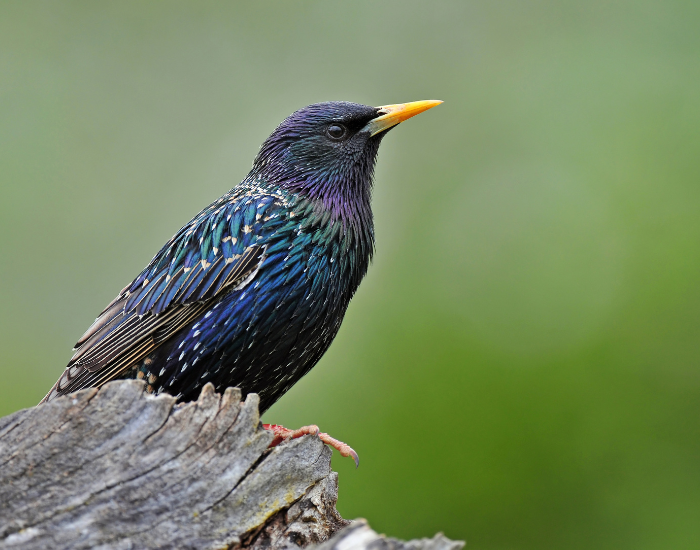
Common Starling (Sturnus vulgaris)
Common Starlings are fascinating creatures despite being abundant. They form spectacular murmurations in autumn. These black birds with iridescent plumage are highly social and adaptable.
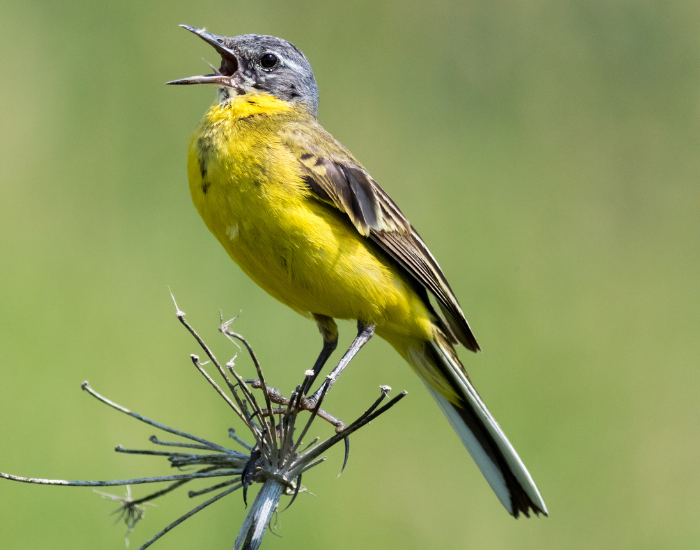
Yellow Wagtail (Motacilla flava)
Yellow Wagtails are small, ground-dwelling birds. They constantly pump their tails while hunting insects. These birds prefer wet meadows and agricultural areas. They’re summer visitors to Germany.
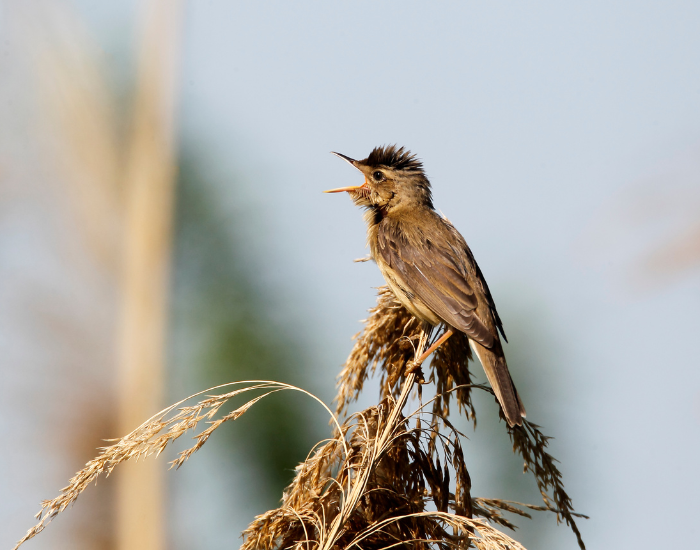
Reed Warbler (Acrocephalus scirpaceus)
Reed Warblers are masters of camouflage in wetland vegetation. These brown birds weave intricate nests between reed stems. Common Cuckoos frequently parasitize their nests.
Urban Birds: Thriving in German Cities
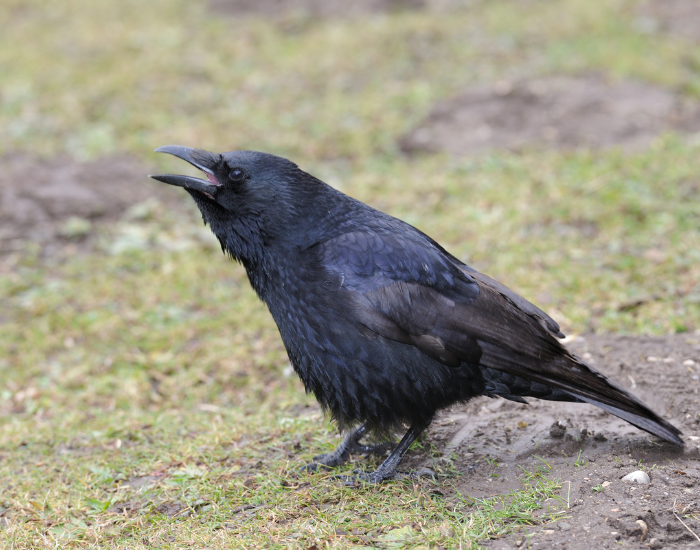
Carrion Crow (Corvus corone)
Carrion Crows are highly intelligent problem-solvers. These black birds thrive in urban environments. They use tools and demonstrate remarkable cognitive abilities. Therefore, they’re fascinating subjects for behavioral studies.
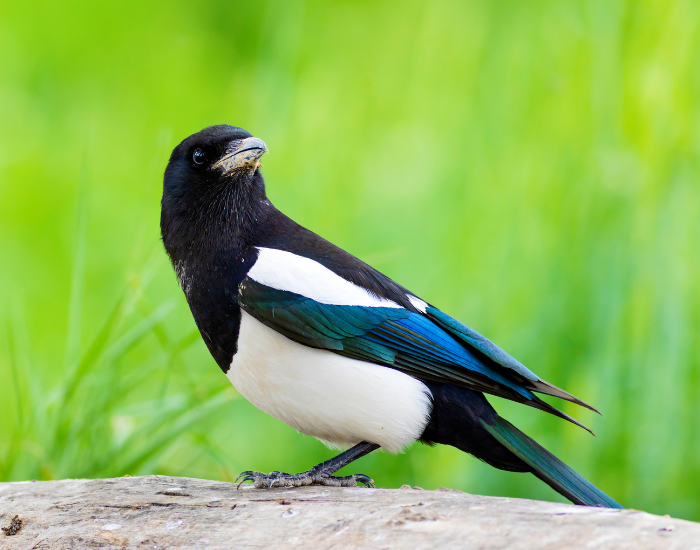
Eurasian Magpie (Pica pica)
Eurasian Magpies are unmistakable with their black and white plumage and long tails. These birds are infamous nest predators. However, they also play important ecological roles as scavengers.
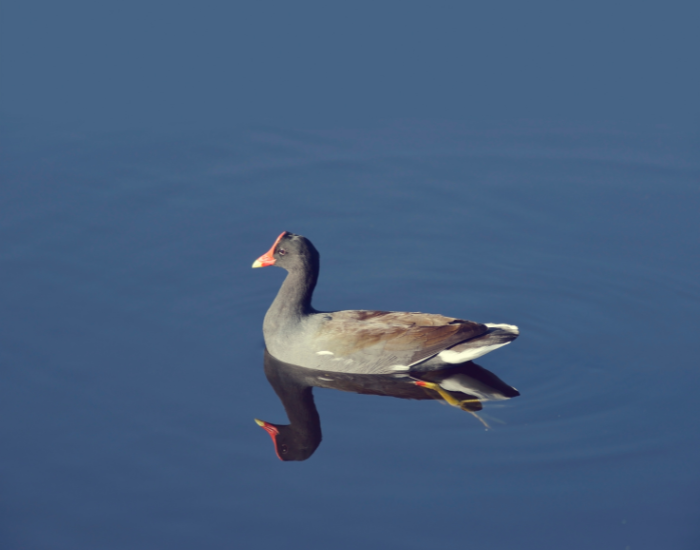
Common Moorhen (Gallinula chloropus)
Common Moorhens inhabit urban ponds and waterways. These dark birds have red bills with yellow tips. They’re common year-round residents in suitable habitats.
FAQs About Birds in Germany
The Eagle (Steinadler) is the traditional national symbol, although not ofically. It appears on the German coat of arms. However, some associate the Federal Eagle (Bundesadler) with the White-tailed Eagle. The Partridge was just named Germany’s Bird of the Year for 2026!
The Common Blackbird (Amsel) and Great Tit usually top garden bird counts. House Sparrows are also extremely abundant in urban areas.
That would be the White Stork. They’re iconic birds seen nesting on high platforms and rooftops. White Storks symbolize good luck in German culture.
Germany hosts diverse raptors including Red Kites, Common Buzzards, and White-tailed Eagles. Golden Eagles inhabit Alpine regions. Eurasian Sparrowhawks are common in woodlands. In addition, several owl species occur throughout the country.
Several species face conservation concerns. Farmland birds have declined significantly. However, conservation efforts have helped species like White-tailed Eagles recover. Organizations like NABU continue working to protect threatened species.
European Robins, House Sparrows, and Great Tits are excellent starting points. These common birds are easy to identify. White Storks are unmistakable when present. Furthermore, Common Buzzards are frequently seen.
A Biologist’s Final Thoughts
Germany is more than a transit point. It’s a living laboratory for bird enthusiasts. From hawks patrolling fields to tiny Goldcrests hidden in conifers, there’s profound interconnectedness here. My time in Sweden taught me the basics. However, Germany showed me the complexity of European birdlife.
When you search for birds in Germany, don’t just chase rare species. Appreciate the House Sparrow for its social complexity. Observe the Carrion Crow for its problem-solving intelligence. Each bird species tells a story about the health of the land.
The diversity of bird species in Germany reflects the country’s varied landscapes. Whether you explore wetlands, forests, or urban parks, you’ll find fascinating birds. Therefore, grab your binoculars and discover the remarkable avian world that Deutschland offers.