Why New York’s Birds Captivated Me
New York is a crossroads for migratory birds, a breeding ground for sparrows and warblers, and a year-round home to familiar backyard favorites like blue jays and downy woodpeckers. With more than 480 species recorded by the New York State Ornithological Association, the state’s birdlife offers endless opportunities for discovery. From wading birds stalking wetlands to song sparrows at backyard feeders, there’s always a feathered visitor to watch.
Birdwatching, often called birding, is one of New York’s most rewarding outdoor activities. The state’s varied landscapes, dense forests, rolling grasslands, sprawling wetlands, and urban parks, support an incredible mix of breeding birds, migratory birds, and year-round resident birds. Whether you’re exploring the Adirondacks, walking along the Hudson River, or simply watching your garden feeders, you’ll find yourself immersed in a vibrant tapestry of avian life.
Getting started is simple: all you need is a keen eye, a bit of patience, and maybe a pair of binoculars. Learn to identify common bird species by their size, plumage, and songs, and use field guides or apps to sharpen your skills. To attract more species at home, plant native shrubs, set up bird feeders, and provide fresh water, small steps that help protect birds while turning any outdoor space into a haven.
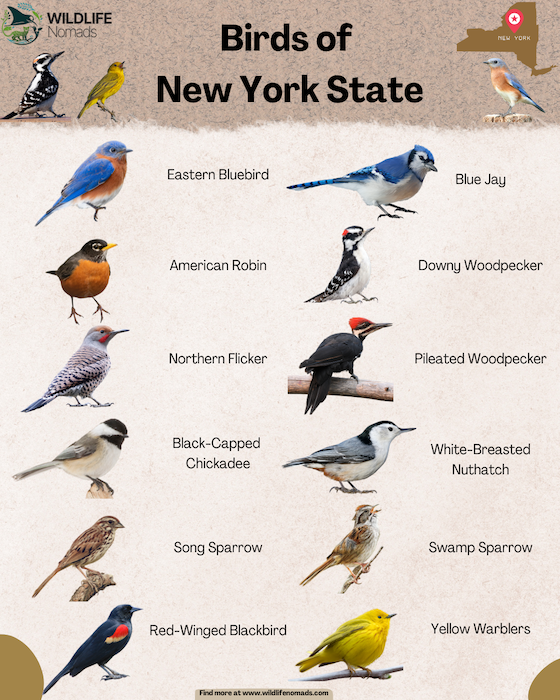
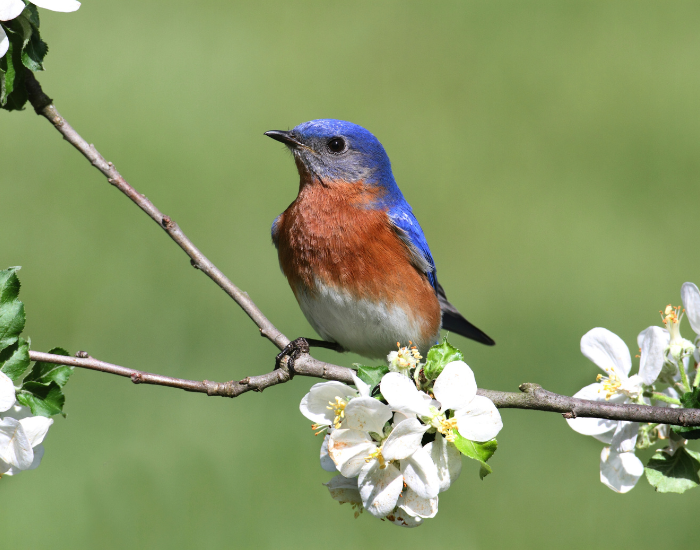
1. Eastern Bluebird (State Bird of New York)
The eastern bluebird is not just stunning but symbolic, it’s the official state bird of New York. Males boast bright blue wings and a reddish chest, while females carry softer hues, including a rich brown breast. I once spent a summer tracking their nesting habits in upstate meadows, and watching a male deliver insects to his chicks never failed to lift my spirits.
Eastern bluebirds thrive in open fields, orchards, and woodland edges. They prefer cavities for nesting, so bird feeders and nest boxes can help them flourish. Conservation efforts like the New York State Bluebird Society’s nest box trails have been vital in boosting their numbers after declines in the mid-20th century.
2. Blue Jay
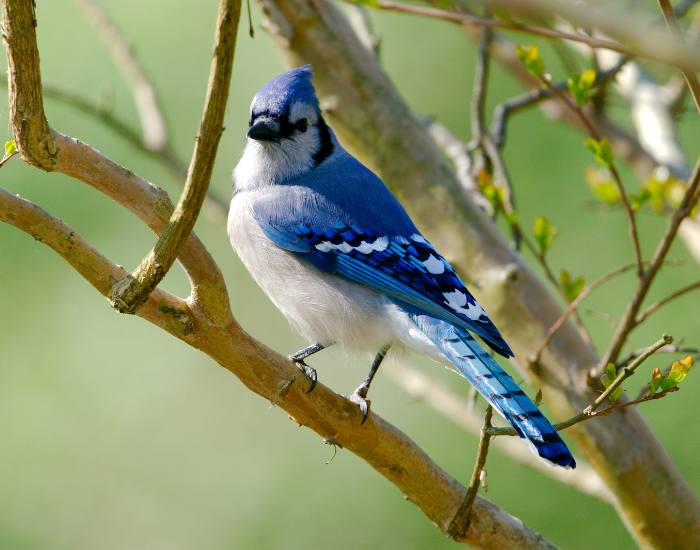
Few birds command attention like the blue jay. Their loud calls often echo through woodlands and suburban parks, and their flashes of blue wings brighten even the greyest mornings. The blue jay’s underside is whitish to pale gray, a feature that helps with identification. During my first winter in New York, I watched a family of blue jays hoard acorns in the snow, a strategy that ensures food for leaner times.
Blue jays are intelligent and social. They sometimes mimic hawks to scare away rivals, and they often dominate backyard feeders stocked with sunflower seeds or peanuts. While they can appear bossy, their role in spreading acorns contributes to oak forest regeneration, an often-overlooked ecological gift.
3. American Robin
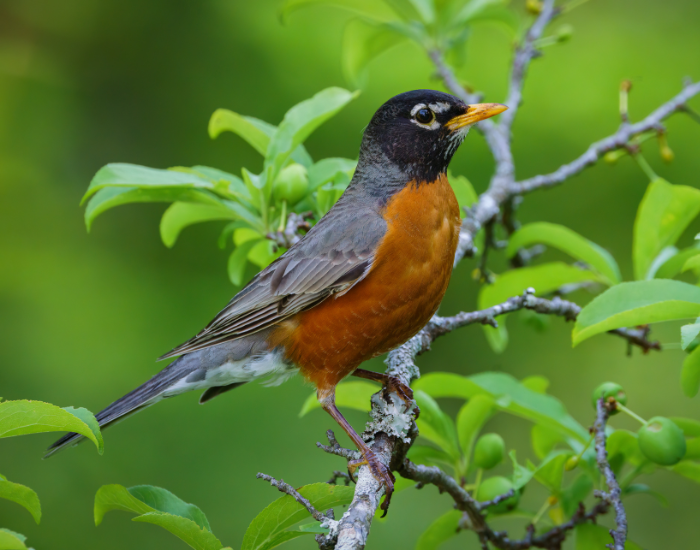
If spring had a soundtrack in New York, it would be the song of the American robin. Their bright orange bellies and cheerful calls make them one of the most recognizable NYS birds. I still remember my first robin sighting after a long snowy season; it felt like nature’s way of saying, “warmer days are coming.”
Robins thrive in woodland edges, parks, and backyards, often foraging on lawns for worms. They’re among the most common breeding birds, with some raising multiple broods in one season. Their adaptability makes them a true success story among New York State birds.
4. Downy Woodpecker
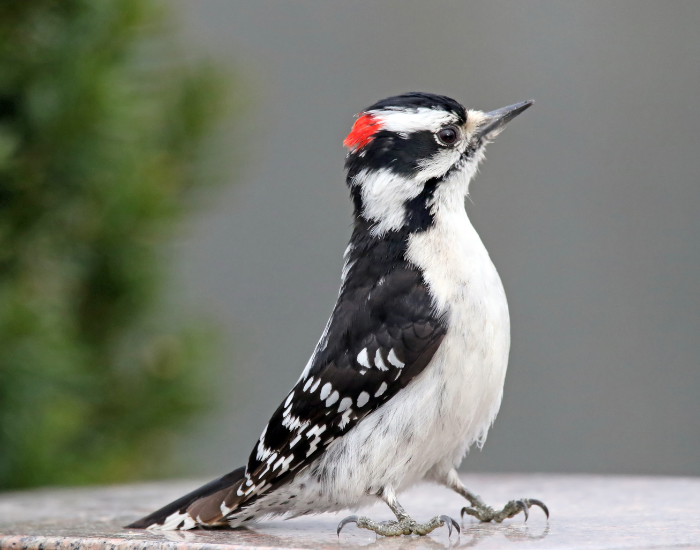
The smallest of North America’s woodpeckers, the downy woodpecker is a regular at suet feeders. During one frosty Catskills morning, I watched a pair drumming on dead trees, their tiny beaks producing surprisingly loud rhythms.
Downy woodpeckers nest in tree cavities they excavate in dead branches at various heights.
These birds are easy to spot with their black-and-white plumage and red nape patch on males. They play a crucial role in ecosystems by controlling insect populations. If you’re hoping to see them at home, suet cakes or peanuts are the way to go.
5. Northern Flicker
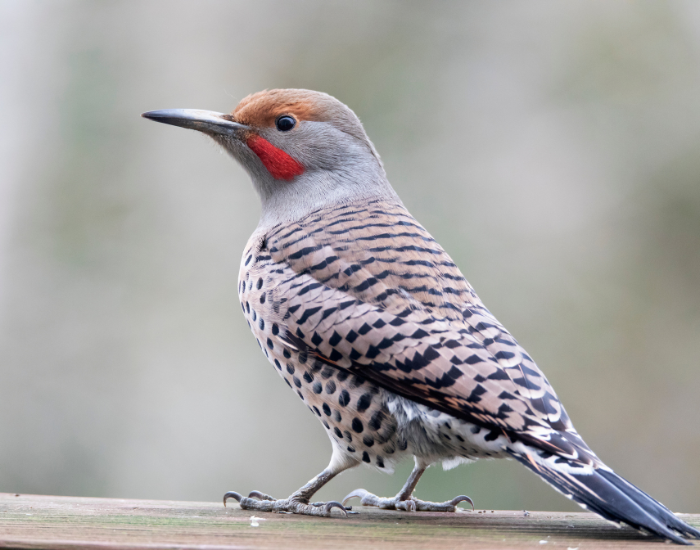
Among New York’s woodpeckers, the northern flicker is unique. Unlike most, it often feeds on the ground, flicking leaves aside in search of ants. I once tracked a flicker in a suburban yard, amazed by its persistence in unearthing a colony of insects.
Its bright yellow underwings (earning it the name “yellow-shafted flicker”) make it a standout when it takes flight. Flickers are also known for their loud calls and distinctive drumming on metal surfaces, sometimes even gutters or light poles.
6. Pileated Woodpecker
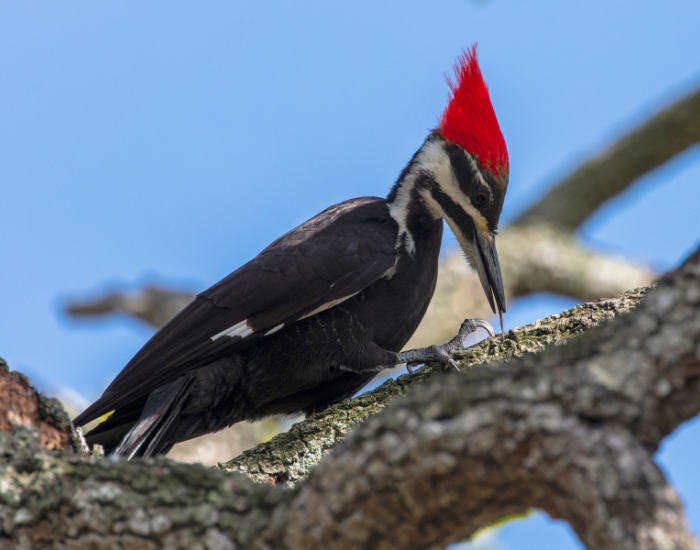
Nothing stops you in your tracks quite like the pileated woodpecker. With its flaming red crest and large size, it looks almost prehistoric. In one of my most memorable field moments, I stumbled across a pileated hammering a massive hole in a tree, showering the forest floor with wood chips.
Pileated woodpeckers rely on mature forests, where they excavate tree cavities that later shelter owls, bats, and other wildlife. Their presence signals a healthy forest ecosystem, proof that conserving old-growth areas is vital.
7. Black-Capped Chickadee
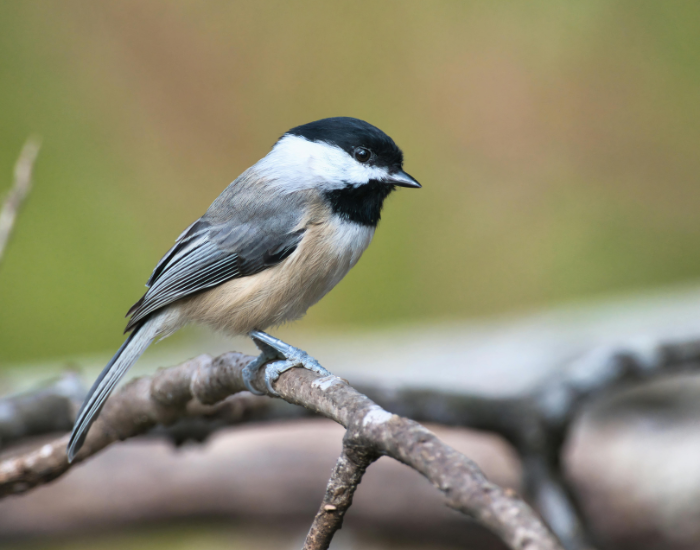
Curious and bold, the black-capped chickadee is often the first bird to investigate backyard feeders. On a snowy day in the Adirondacks, one even perched briefly on my gloved hand before darting back to the trees.
Black capped chickadees are year-round residents in New York, known for their non-aggressive nature and frequent visits to feeders.
Their “chick-a-dee-dee-dee” call is unmistakable. They’re year-round resident birds, adapted to tough winters by storing seeds and remembering their hiding places. Offering sunflower seeds or suet can easily bring them to your yard.
8. White-Breasted Nuthatch
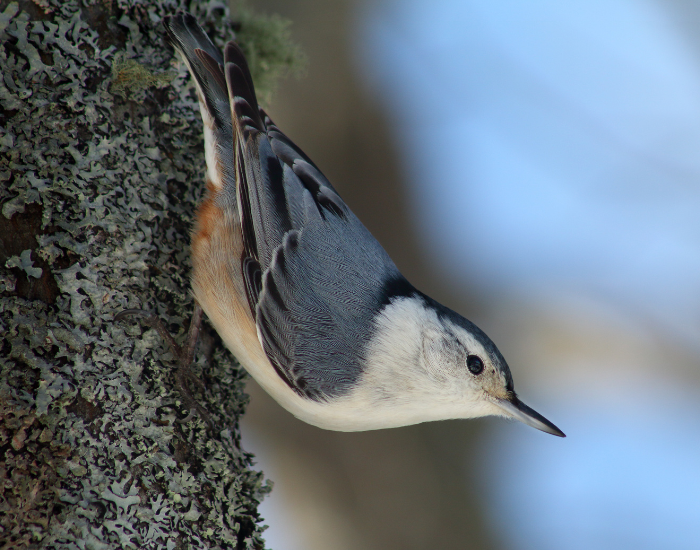
The white-breasted nuthatch is another common backyard visitor, known for its quirky habit of climbing down trees headfirst. I once followed one along a maple trunk, watching as it probed bark for insects.
These birds often join mixed winter flocks with chickadees and titmice, increasing survival chances during the cold months. They’re especially drawn to sunflower seeds and peanuts at feeders.
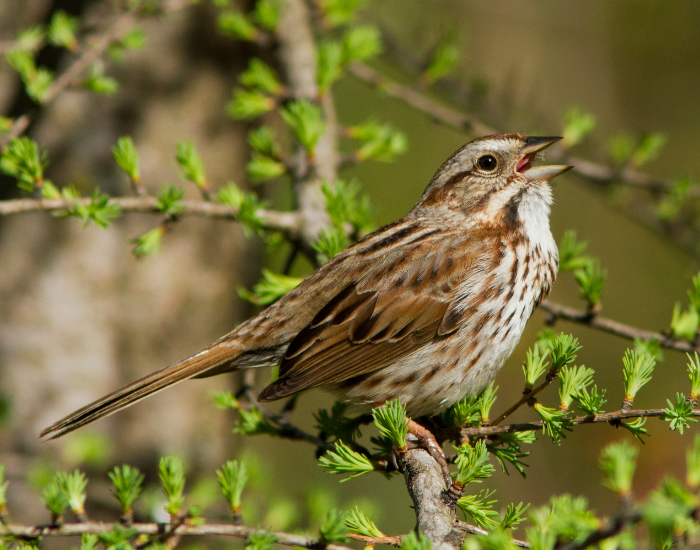
9. Song Sparrow
One of the most familiar songbirds in New York State, the song sparrow fills wetlands and backyards with its melodic trills. Their streaky brown feathers may look plain, but their voices more than make up for it.
They are adaptable year-round residents, thriving in suburbs, farms, and wild marshes alike. In one study, researchers documented over 20 different song variations among song sparrow populations in New York, proving just how complex their communication can be.
The chipping sparrow, another common New York species, is often found in suburban and semi-open areas, especially during the breeding season.
10. Swamp Sparrow
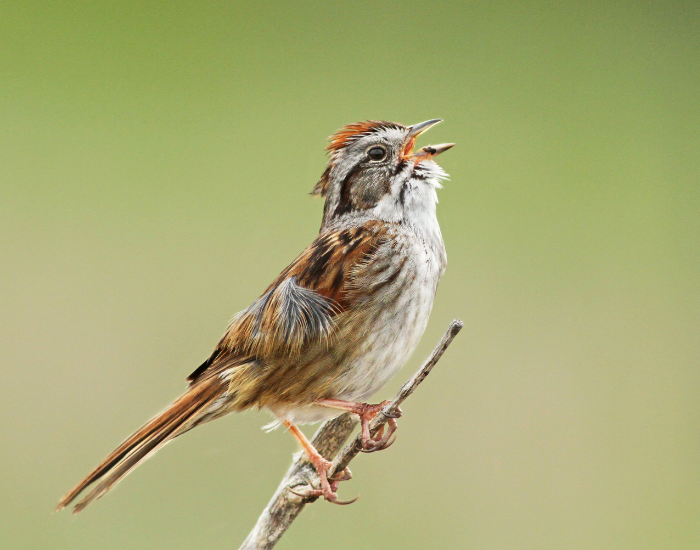
While less common than the song sparrow, the swamp sparrow is equally fascinating. I recall crouching in a Hudson Valley marsh to catch a glimpse of one, its rusty wings glowing against tall reeds.
True to its name, it prefers wetlands and tall grass, where it sings a slower, more melodic tune. Protecting marsh habitats is essential for the survival of swamp sparrows and many other grassland birds.
11. American Tree Sparrow
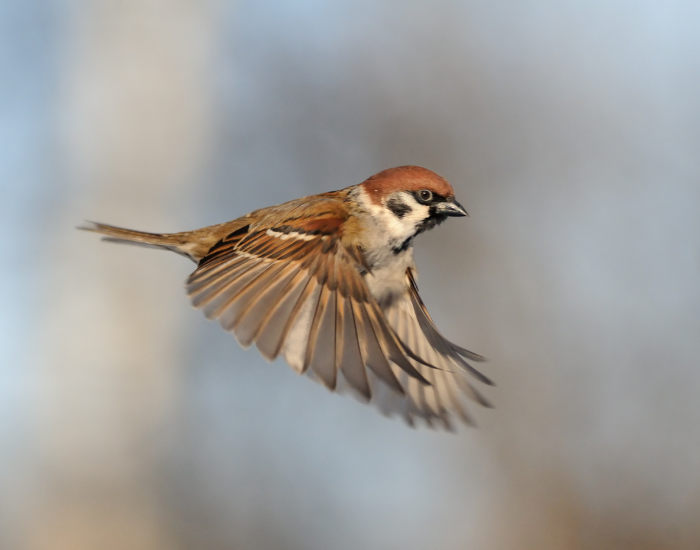
The American tree sparrow is a winter visitor, often flocking with juncos. I once watched them forage in the snow, their rusty caps bobbing as they scratched for seeds.
Though called a tree sparrow, they spend much of their time on the ground. Their presence adds life to otherwise quiet winter landscapes in New York.
12. White-Throated Sparrow
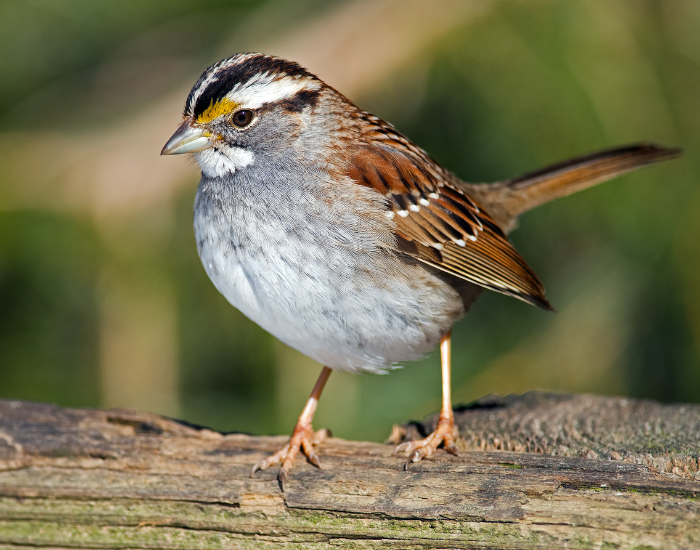
The white-throated sparrow carries one of the most beautiful songs of any New York State bird, a whistled “Oh-sweet-Canada-Canada.” I still remember hearing this chorus during a dawn hike in the Adirondacks. White-throated sparrows can be identified by the distinctive yellow patch in front of their eyes, which is a key feature for birdwatchers.
White-throated sparrows prefer forest understories and shrubby edges. During the breeding season, they nest in northern forests, migrating through New York in large numbers. Backyard feeders with millet or sunflower seeds often draw white-throated sparrows in during spring and fall.
13. Red-Winged Blackbird
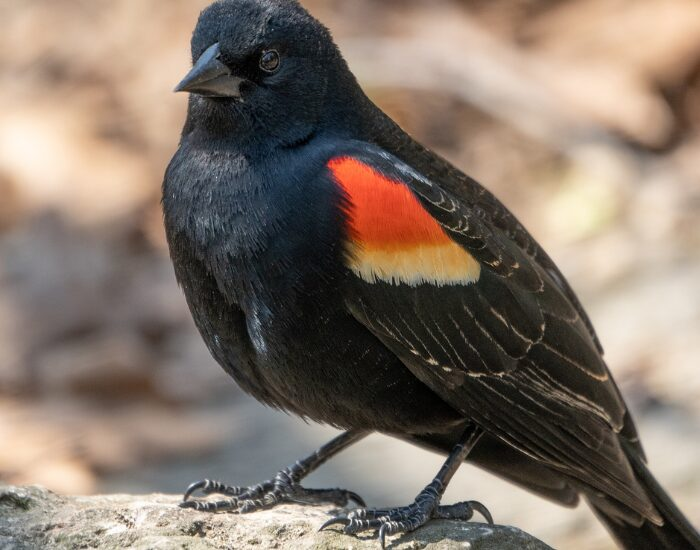
In spring, wetlands across New York come alive with the “conk-la-ree” calls of the red-winged blackbird. The males’ glossy black plumage and fiery red-and-yellow wing patches make them unmistakable.
These breeding birds are tied to marshes, where they fiercely defend territories. I once saw a male dive-bombing a much larger crow to protect his nest, a testament to their boldness. Red-winged blackbirds are also known to chase away other birds from their nesting areas, often dominating feeders or marshes to protect their young.
If you have ever wondered about what kind of black bird you are seeing, here we have a guide about:
14. Baltimore Oriole
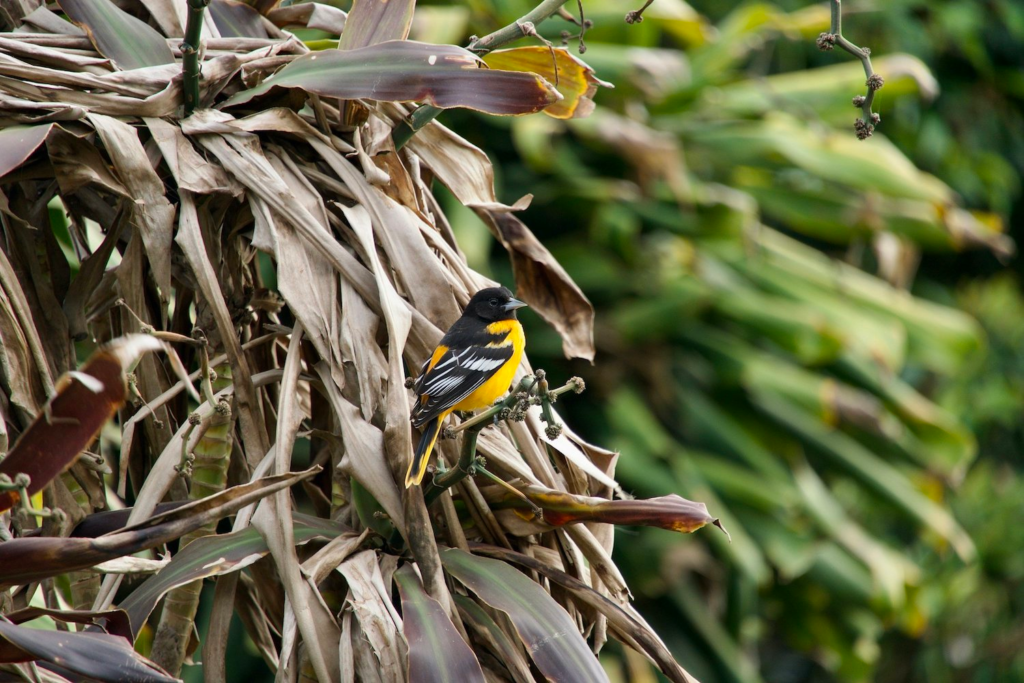
Few birds bring as much color to New York as the Baltimore oriole. I first spotted one glowing orange in a park near Buffalo, sipping nectar from blossoms.
They favor woodland edges and suburban yards, especially where fruit trees or nectar feeders are available. During the breeding season, males show off their bright orange breeding plumage, while females weave intricate hanging nests.
15. Yellow Warblers (and Other Warblers)
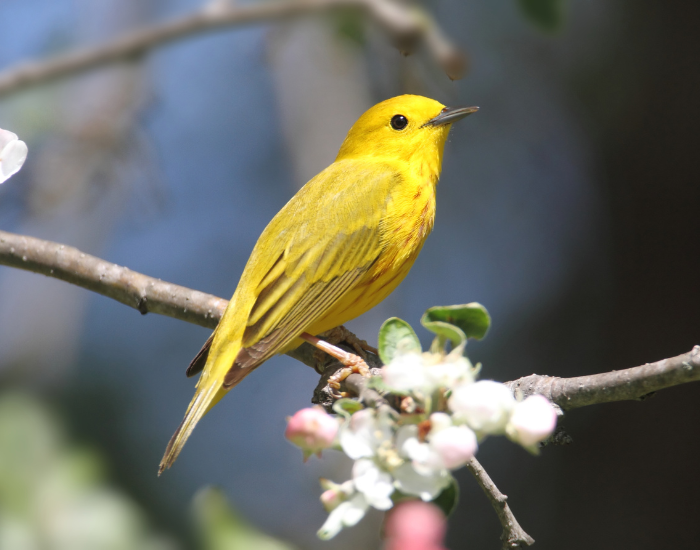
Warblers add a burst of yellow and song to New York’s spring migration. The yellow warbler, palm warbler, and yellow-rumped warbler are among the most common. I recall entire willows alive with yellow warblers near Lake Ontario, their songs rising with the morning sun.
New York is home to a diverse group of wood warblers (Parulidae), while world warblers are a related group of small, insectivorous birds found in other parts of the world.
These migratory birds prefer wetlands, shrubby edges, and forests. Each species carries subtle differences in song and color, but all brighten upstate summers with their lively presence.
16. House Finch & House Sparrow
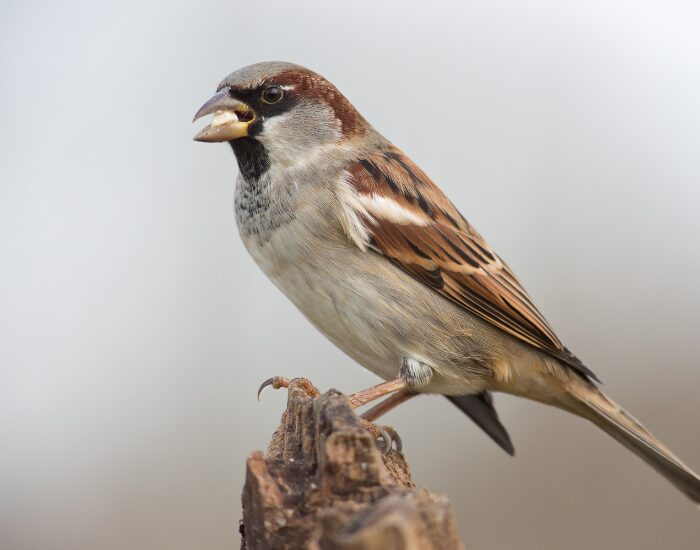
Two of the most common New York State birds in urban settings are the house finch and the house sparrow. Both are frequent visitors to feeders and city parks.
House finches add splashes of red, while house sparrows, though non-native, have become deeply woven into the fabric of urban life. I’ve often seen them darting between café tables in New York City, scavenging crumbs alongside pigeons.
Another common New York bird is the brown headed cowbird, known for its unique breeding behavior of laying eggs in the nests of other bird species.
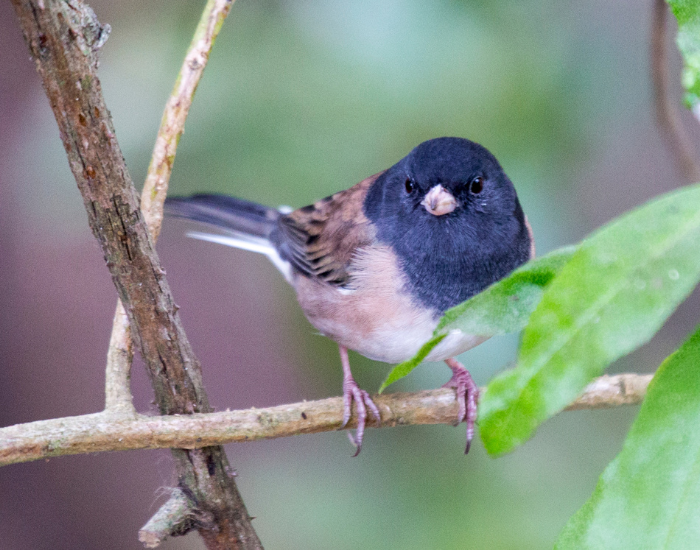
17. Dark-Eyed Junco
Known as “snowbirds,” dark-eyed juncos flood into New York during the winter months. Their slate-gray plumage contrasts beautifully against snow.
I remember watching flocks hop beneath feeders in the Catskills, scratching at the ground for millet. They embody resilience, thriving in cold where many species migrate away.
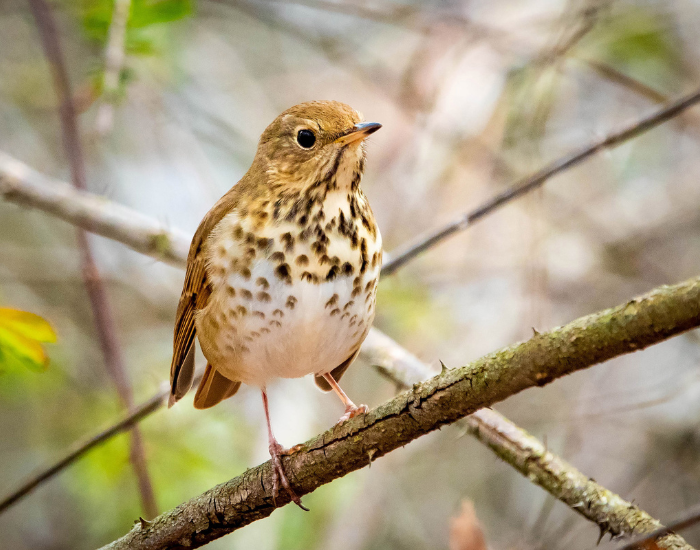
18. Hermit Thrush
The hermit thrush may not be flashy, but its flute-like song is unforgettable. While camping in the Adirondacks, I once lay awake just to listen to its spiraling notes echo through the forest.
They prefer mature forests and can be shy, but their presence is a good sign of healthy woodlands. The hermit thrush is one of several wood thrush relatives in the state, each playing its part in the forest chorus.
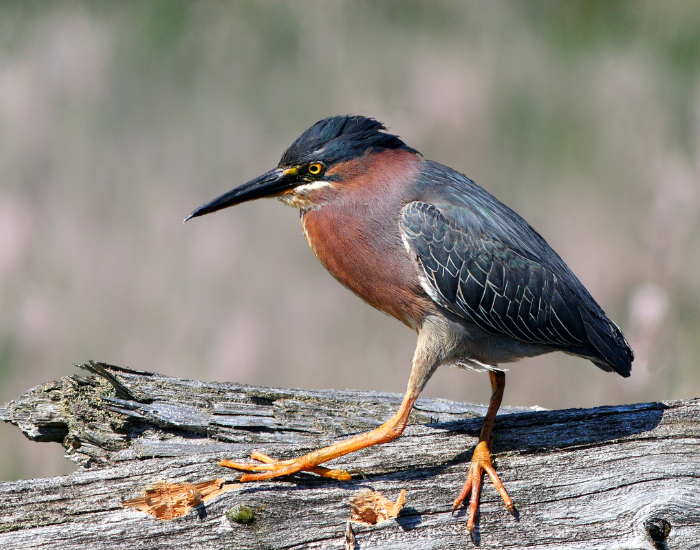
19. Green Heron & Black-Crowned Night Heron
New York wetlands host spectacular wading birds. The green heron, small and secretive, sometimes uses tools, dropping insects or twigs into the water to lure fish. The black-crowned night heron, by contrast, stalks marshes at dusk with its piercing red eyes.
Both are vital aquatic birds, dependent on clean wetlands. I once spent an evening watching a black-crowned night heron along the Hudson, its silhouette framed by the last light of day, a haunting reminder of the need to protect birds and their habitats.
Creating a Bird-Friendly Backyard in New York
Attracting NYS birds to your yard is simple and rewarding. Provide bird feeders with sunflower seeds, suet, and nectar to welcome chickadees, orioles, and woodpeckers. Plant native shrubs and coniferous trees to offer food and shelter. Adding a birdbath helps draw in both wild birds and migrating birds.
While many familiar species visit feeders, most birds in New York have specific preferred habitat requirements and may not be attracted by feeders alone. Creating a variety of natural features in your yard can help support a wider range of species.
Most importantly, take steps to protect birds. Keep cats indoors, reduce pesticide use, and place decals on windows to prevent collisions. Even small efforts contribute to the survival of both breeding birds and year-round resident birds in New York State.
If you still wonder about to create a friendly garden with animals, read our article about:
Science Spotlight: What Research Tells Us About New York’s Birds
Recent studies are shedding new light on the challenges and opportunities facing birds in New York. A 2024 research paper found that bird collisions in New York City spike dramatically during nights of heavy migration combined with poor weather, such as low clouds or unfavorable winds. These conditions make it harder for birds to navigate and increase the risk of striking buildings and windows — a reminder of the hidden dangers migratory species face in urban environments.
On the flip side, researchers are also finding that private yards play a surprisingly important role in conservation. A 2023 study highlighted how residential yards, when planted with native shrubs, trees, and wildflowers, can provide critical food and shelter for birds and other wildlife. Even small steps like reducing pesticide use or adding water sources can transform an ordinary garden into a pocket of biodiversity.
FAQ: Birds of New York State
The American robin is one of the most common, alongside house sparrows and mourning doves.
The eastern bluebird.
Over 480 bird species have been recorded.
The eastern bluebird is iconic, though the blue jay is just as recognizable.
Likely yellow warblers or American goldfinches, common in summer.
Start with size, color, and song. Apps like Merlin Bird ID are great tools for beginners.
Look for distinctive markings and features. The hairy woodpecker and red bellied woodpecker are both common. Adult males of some species, like the hairy woodpecker, have unique markings such as a red patch on the nape. Examining tail feathers can also help with identification, as different species have varying patterns and lengths.
The american crow is a widespread black bird, known for its all-black plumage, strong bill, intelligence, and adaptability. It is often seen in a variety of habitats, from cities to farmlands.
Pay attention to color and markings. Some species lay light brown eggs, which can help narrow down the possibilities when identifying nests.
Birds in New York – More than You Expect
Every encounter with New York State birds reminds me why I became a biologist. From the acorn-carrying blue jay to the flute-like hermit thrush, each species adds to the state’s living tapestry. Birdwatching here isn’t just a hobby. it’s a daily reminder that wildness still thrives around us, even in the busiest places.
If you are still curious about birds. here we a few articles that may interest you:
- Birds of Florida: 15 Species You Should Know
- The Top 10 Big Birds: Exploring Largest
- 12 Birds of Canada