I still remember the first time a jay caught me off guard. I was standing in a birch woodland outside Uppsala, Sweden, clipboard in hand, counting birds for a research project on fear responses. We had set up a fake bird of prey, a silhouette of a hawk on a pole to test how behaviour changed when a predator appeared present. Most species scattered. Wrens and blue tits flew in less often to forage. The jay screamed instead. That harsh, screeching call ripped through the trees, and every other bird vanished. The jay stuck around, watching. That moment told me everything about why jay birds have fascinated naturalists for centuries.
Jays belong to the crow family (Corvidae), and they rank among the most colourful members of this group. From oak woodland in the UK to cloud forests in the Andes, jay birds have adapted to a stunning range of habitats. Here are 15 types worth knowing.
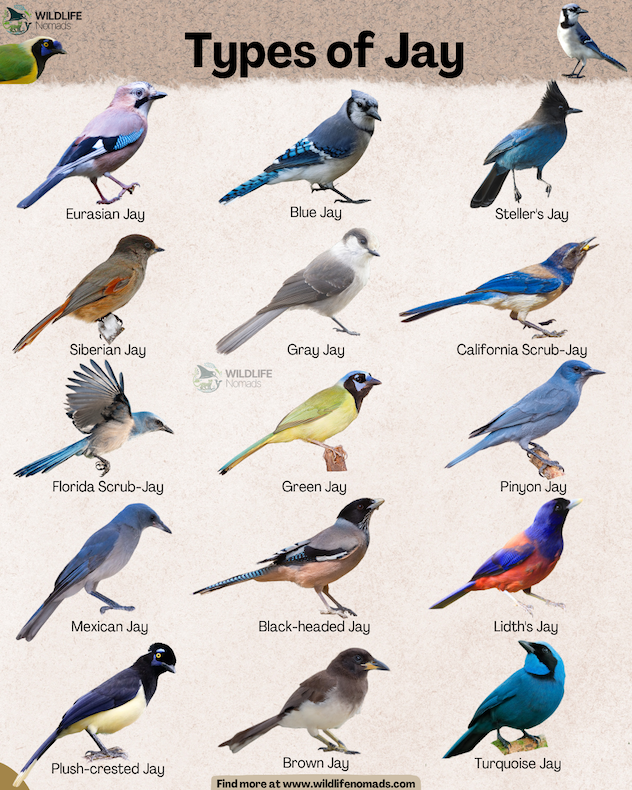
1. Eurasian Jay (Garrulus glandarius)
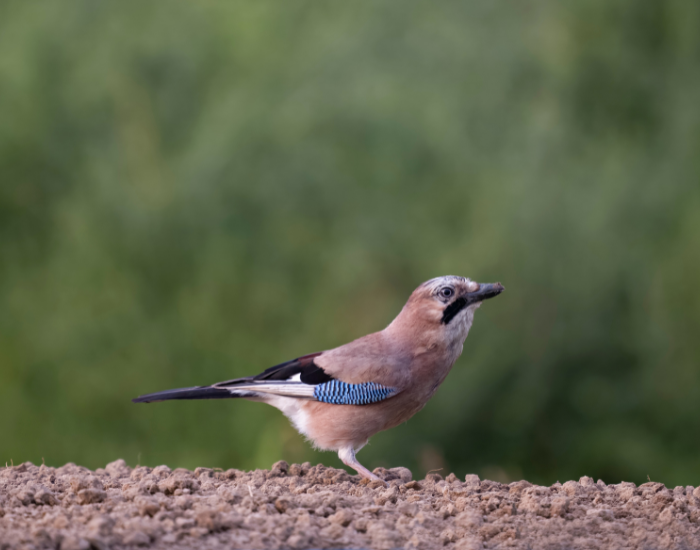
The Eurasian jay is the bird most people in the UK call “the jay.” It is the most colourful member of the crow family in Britain, pinkish-brown plumage, a striking black moustache stripe, a white rump that flashes in flight, and black and white wings marked with a vivid blue panel. The black tail completes a palette that wildlife photographer John Bridges has captured beautifully for the Woodland Trust.
It thrives in broadleaf woodland across England, Wales, and lowland Scotland, though you will rarely find it in northern Scotland (less common but still can be found). Over recent decades, jays have pushed into urban areas, parks, and mature gardens, a shift the British Trust for Ornithology tracked through Garden BirdWatch. Around 170,000 pairs are resident birds in the UK year round. In autumn and winter, watch for them in any park or garden with oaks.
The diet of this jay revolves around acorns. Each autumn, a single bird may bury thousands of acorns for winter retrieval. This makes them crucial to oak tree regeneration, scientists credit jays with spreading oaks northward after the last ice age. Forgotten caches sprout into new trees. Jays eat other nuts, many insects, especially caterpillars during breeding season, plus eggs, nestlings from other birds, and small mammals.
Male and female build a nest together from twigs and moss in shrubs or a tree fork. The female lays four to five eggs. Both parents feed the chicks until the young birds become independent.
2. Blue Jay (Cyanocitta cristata)
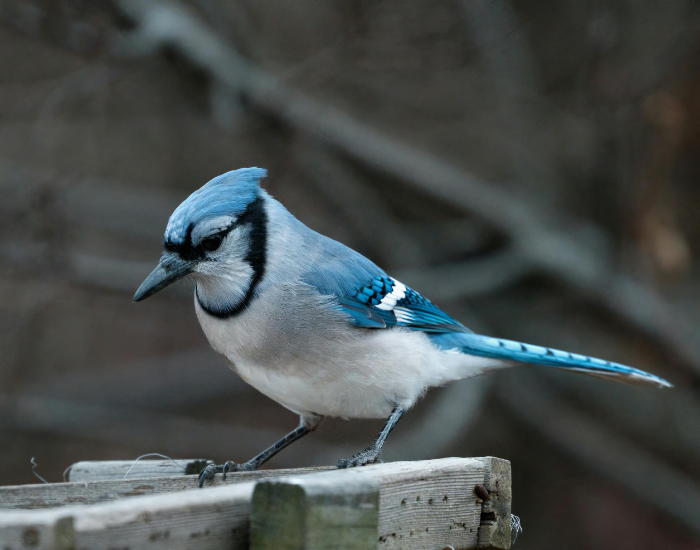
Bright wings, a white chest, and a bold crest make the Blue Jay unmistakable across eastern North America. Like the Eurasian jay, they hoard acorns, up to 5,000 each autumn. They feed on peanuts and occasionally take eggs from other nests. Despite being called a “uk blue jay” by some visitors who spot the British jay’s wing patch, these two belong to different genera.
3. Steller’s Jay (Cyanocitta stelleri)
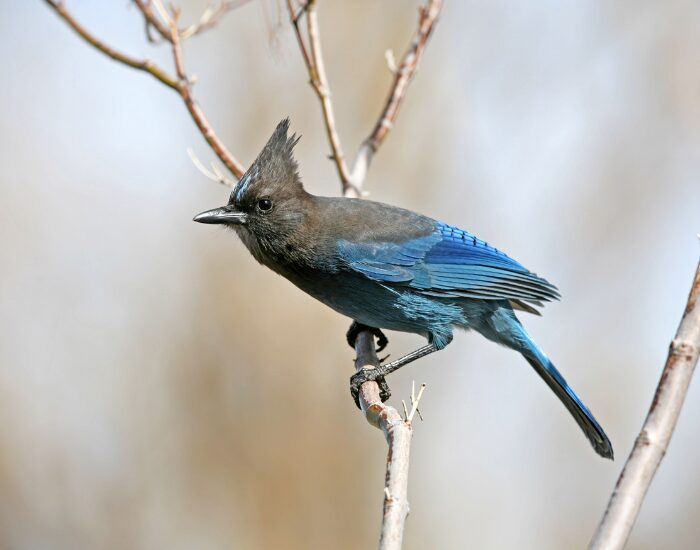
The Blue Jay’s western cousin sports a dark body, black head, and bold crest suited to conifer forests from Alaska to Central America. I have met Steller’s Jays at campgrounds in Vancouver, where they approach picnic tables without hesitation. They cache food for winter and nest in tall conifers lined with twigs.
4. Siberian Jay (Perisoreus infaustus)
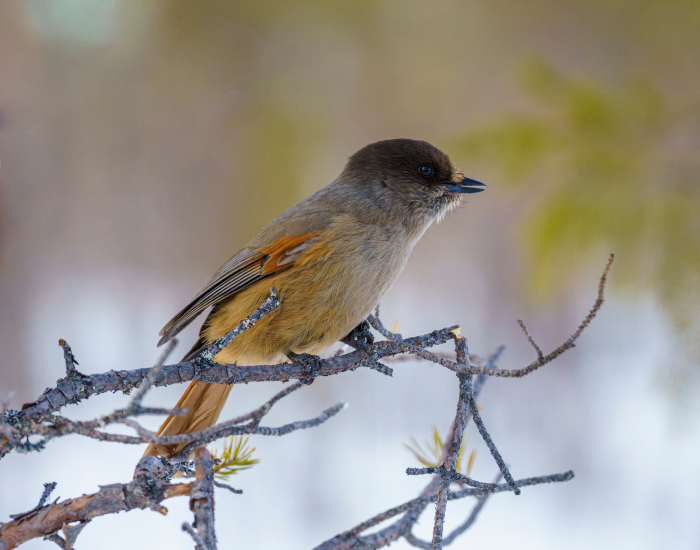
This is the jay I came to know during my time in Sweden. The Siberian Jay lives in old-growth boreal forests across Scandinavia and Russia. It is small, with a muted body, rusty-red panels on the wings, and darker plumage on the crown. They live in family groups year round, caching berries under bark for winter survival. Unlike the wary Eurasian, they approach humans with open curiosity.
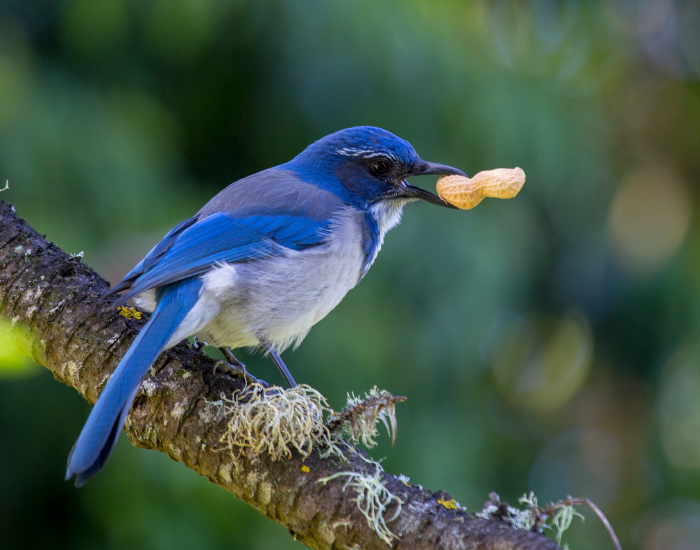
5. California Scrub (Aphelocoma californica)
A sleek, crestless jay with a head and wings tinged vivid azure, set against a grey back. It ranges along the Pacific coast of north America including California. Famous in cognition research, scrub-jays can plan for the future, caching food where they anticipate hunger. They occupy chaparral, open scrub, and suburban gardens.
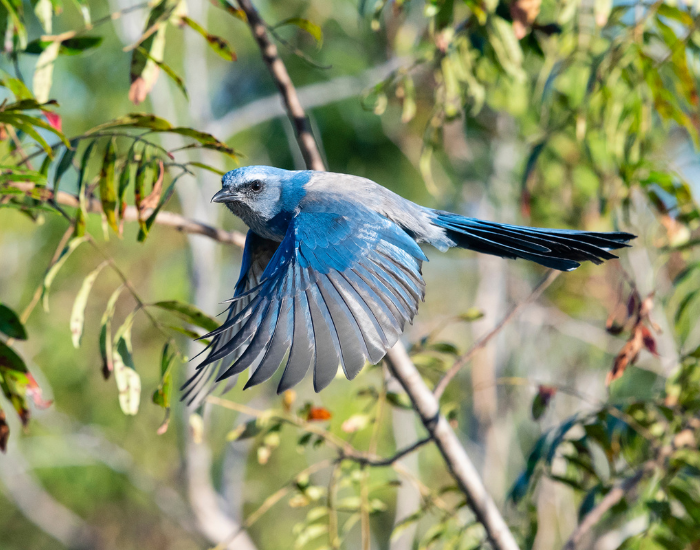
6. Florida Scrub (Aphelocoma coerulescens)
One of North America’s most endangered species, living only in Florida’s shrinking scrub oak habitat. Fewer than 4,000 remain. Young from previous broods help parents raise new chicks, a cooperative strategy that underscores why habitat conservation matters.
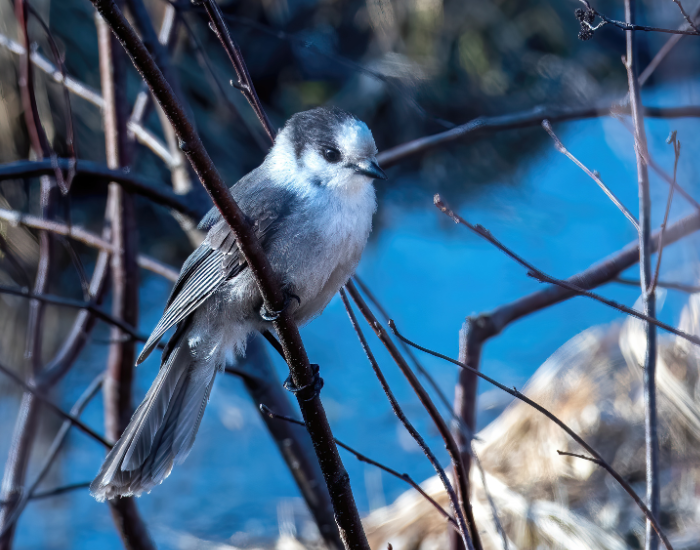
7. Canada Jay (Perisoreus canadensis)
Formerly the Gray Jay, this soft-toned resident bird inhabits boreal forests across Canada. Called “camp robber” for stealing food from campsites, it caches thousands of items by gluing them to branches with saliva. The female incubates eggs in a thick nest insulated with feathers and moss while temperatures drop below freezing.
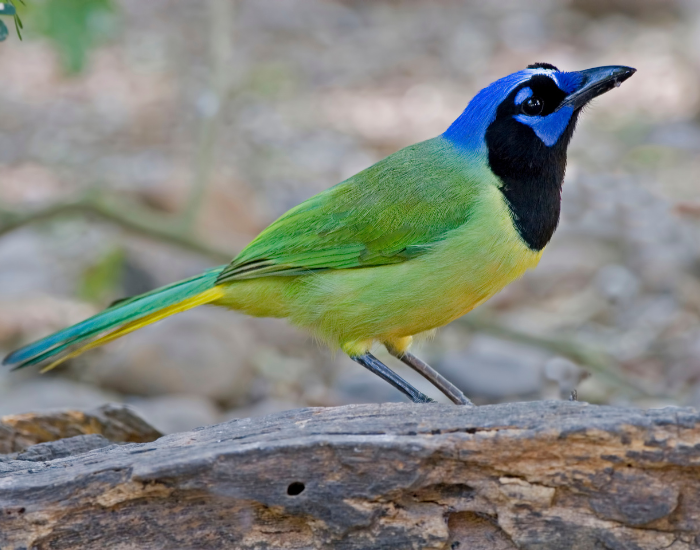
8. Green Jay (Cyanocorax yncas)
Electric green plumage, a dark head, and a yellow tail make the Green Jay one of the most stunning species alive. Two populations exist: the northern Green Jay (C. luxuosus) in North America, including Texas, and the South American Inca Jay (C. yncas). Though they look similar, a massive geographical gap and distinct genetic differences lead many scientists to classify them as two separate species/ They feed on invertebrates and fruits, and older offspring help parents feed nestlings.
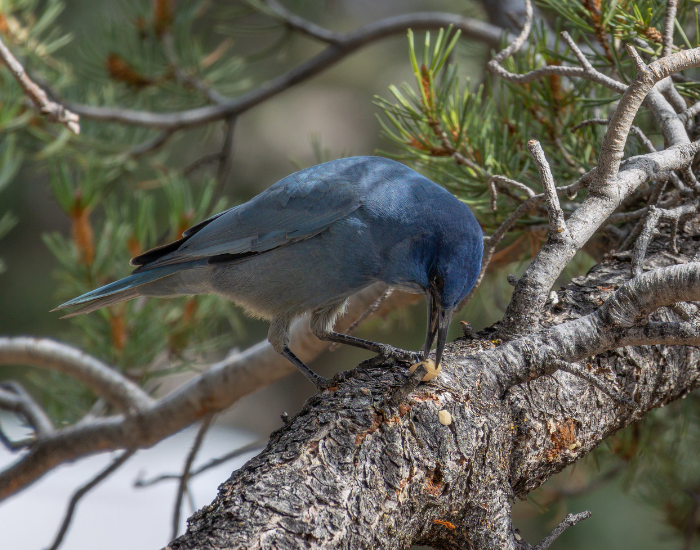
9. Pinyon Jay (Gymnorhinus cyanocephalus)
Looking more like a small crow than a typical jay, the Pinyon Jay travels in huge nomadic flocks across the western United States. It has a near-obligate relationship with pinyon pine, caching pine nuts that germinate into new trees, mirroring the role of jays in woodland expansion. Now listed as Vulnerable by the IUCN.
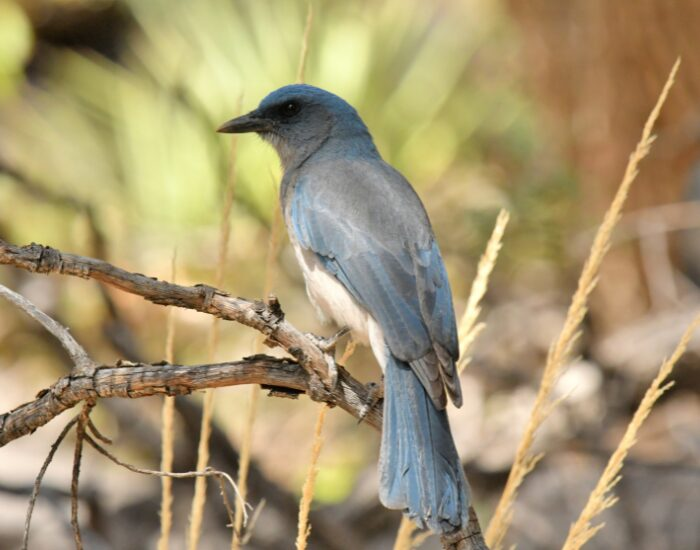
10. Mexican Jay (Aphelocoma wollweberi)
A social jay found in the pine-oak mountains of Arizona and Mexico. Groups of up to 25 share territory defence and chick-rearing. They forage on the ground for acorns, pine nuts, and small reptiles.
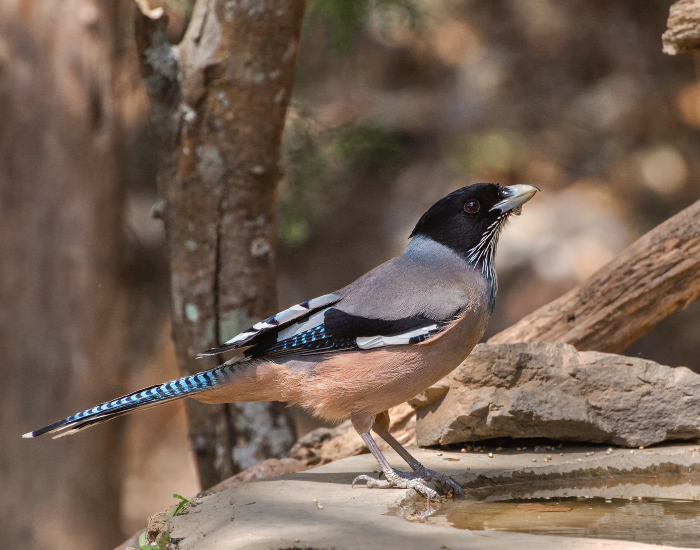
11. Black-headed Jay (Garrulus lanceolatus)
This species replaces the Eurasian jay across the western Himalayas. A black crest, streaked breast, and azure wing patches hint at their shared genus. It feeds on acorns and insects in temperate forests from Afghanistan to Nepal.
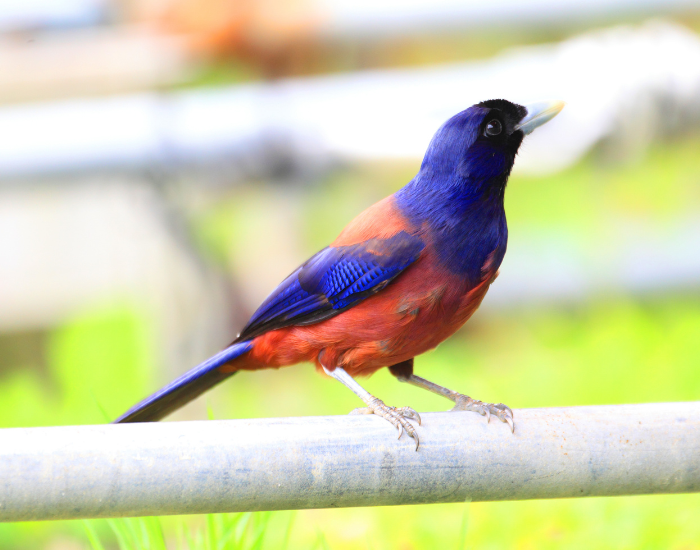
12. Lidth’s Jay (Garrulus lidthi)
A deep purple-blue jay restricted to two islands in southern Japan, with fewer than 10,000 individuals. It nests in tree cavities and feeds on acorns from laurel forests. Conservation efforts include mongoose eradication programmes.
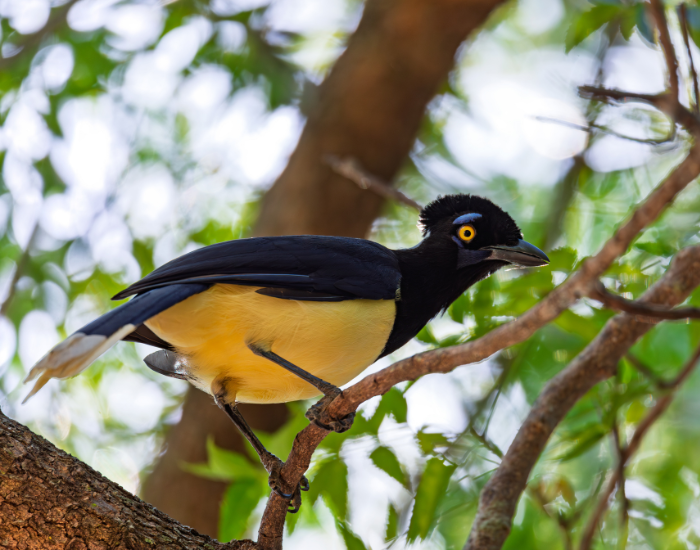
13. Plush-crested Jay (Cyanocorax chrysops)
A striking South American species, velvety black crest, cobalt upperparts, creamy-yellow chest. Flocks of five to fifteen travel through forests from Brazil to Argentina, eating fruits and eggs.
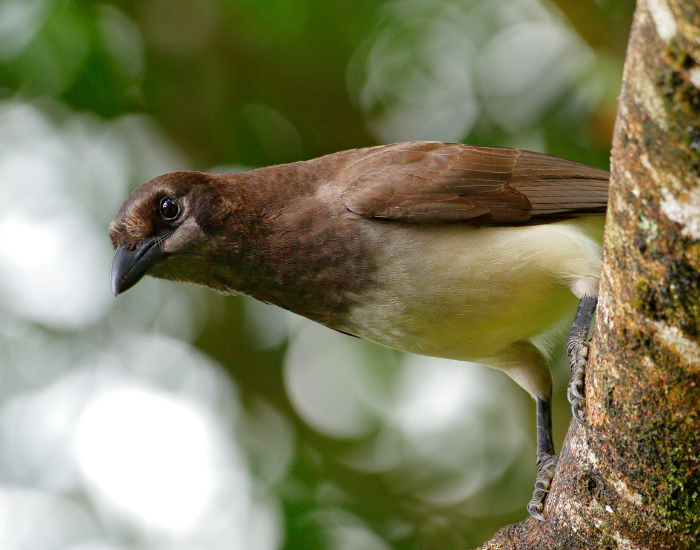
14. Brown Jay (Psilorhinus morio)
The largest jay in North America at 46 centimetres. Warm brown plumage and a heavy build make it look closer to a crow. It ranges from southern Texas to Panama, living in noisy family groups and feeding on fruit and small vertebrates. Young sport a yellow bill that darkens to black with age.
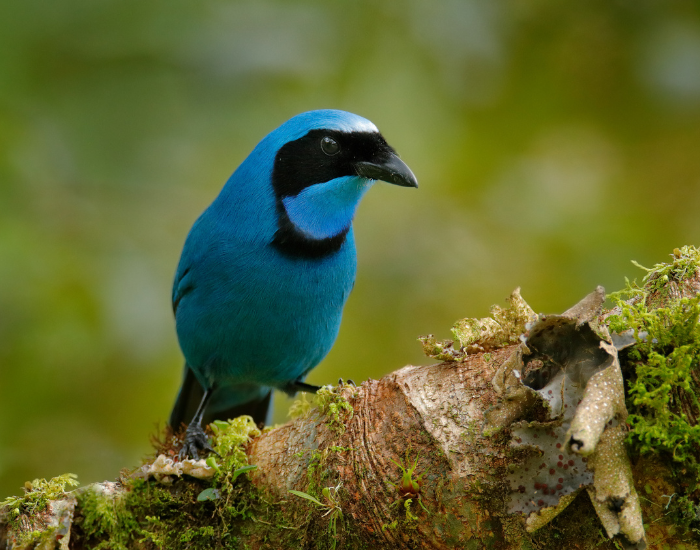
15. Turquoise Jay (Cyanolyca turcosa)
A cloud forest specialist along the Andes from Colombia to Bolivia. Vivid turquoise plumage with a black face mask makes it one of the most photogenic species. It forages in the canopy at 2,000–3,500 metres elevation.
FAQs about Jays you May have
In the UK, jays are not rare, roughly 170,000 breeding pairs are resident across England, Wales, and parts of Scotland, though scarce in northern Scotland. They stick to dense cover, so patience helps. Autumn offers the best chance to watch them foraging on open ground, burying acorns before winter.
The word likely derives from Old French “jai” or Latin “gaius,” possibly imitating the bird’s harsh call. In medieval Europe, the jay was associated with chattiness and mischief.
Scatter whole peanuts or acorns on a platform feeder or on the ground. Avoid salted nuts. The common jay bird in UK gardens also takes suet and sunflower seeds. Jays eat almost anything once they trust the source. Patience matters — they need weeks to build confidence around new feed stations.
Yes. Jays belong to Corvidae alongside crows, ravens, and magpies. Compared to other corvids, they stand out for colourful plumage. They share the intelligence, adaptability, and complex social behaviour that define this family.
Why Jays Matter
Every time I see a jay, whether it is an Eurasian jay burying acorns in English woodland or a Steller’s Jay sizing me up at a Canadian campsite, I remember these birds quietly shape the ecosystems around them. They plant forests, police their territory with alarm calls, and display cognitive abilities that rival any wild animal their size. The Wildlife and Countryside Act protects them in the UK, but awareness protects them everywhere.
References:
Cheke, L. G., & Clayton, N. S. (2012). Eurasian jays (Garrulus glandarius) overcome their current desires to anticipate two distinct future needs and plan for them appropriately. Biology Letters, 8(2), 171–175. https://doi.org/10.1098/rsbl.2011.0909
Cheke, L. G., Bird, C. D., & Clayton, N. S. (2011). Tool-use and instrumental learning in the Eurasian jay (Garrulus glandarius). Animal cognition, 14(3), 441–455. https://doi.org/10.1007/s10071-011-0379-4
Grodzinski, U., & Clayton, N. S. (2010). Problems faced by food-caching corvids and the evolution of cognitive solutions. Philosophical Transactions of the Royal Society B, 365(1542), 977–987. https://doi.org/10.1098/rstb.2009.0210
Woolfenden, G. E., & Fitzpatrick, J. W. (1996). Florida Scrub-Jay ecology and conservation. In Current Ornithology (pp. 1–26). Springer. https://doi.org/10.1007/978-1-4615-5881-1_1
British Trust for Ornithology. (2023). Garden BirdWatch: Jay population trends. https://www.bto.org/our-science/projects/gbw
RSPB. (2024). Jay (Garrulus glandarius): Bird facts. https://www.rspb.org.uk/birds-and-wildlife/jay