If you’ve lived in Arizona for more than five minutes, you’ve probably had “The Talk.” You know the one where a neighbor warns you to check your shoes. Or you find yourself standing on a chair with a blacklight at 2 AM.
While there are over 50 scorpion species in Arizona (in the Southwest), one name strikes a unique chord of both fear and fascination. The Arizona bark scorpion (Centruroides sculpturatus) isn’t just another desert creature. It’s an evolutionary unique creature that has survived for hundreds of millions of years.
From glowing neon blue under UV light to surviving nuclear tests, here are 10 essential facts about Arizona’s most venomous arachnid.

1. The Arizona Bark Scorpion Is the Only Social Scorpion Species in North America
Most scorpions are solitary creatures. If two meet, one usually ends up as dinner. However, the Arizona bark scorpion breaks this rule completely.
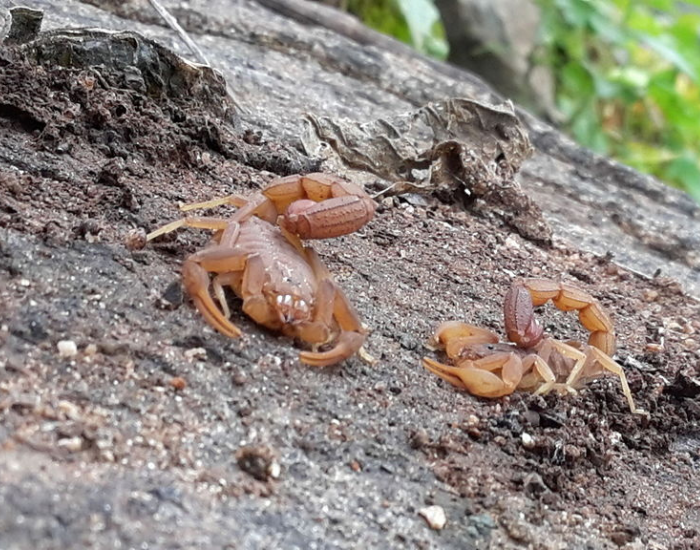
During winter months, when desert temperatures drop, bark scorpions engage in communal hibernation. It’s not uncommon for homeowners to find clusters of up to 40 individuals huddling together. They gather for warmth and moisture conservation in these winter aggregations.
This social behavior is unique among North American scorpion species. Therefore, if you find one Arizona bark scorpion in your home during winter, there are often more nearby. They frequently shelter in abandoned burrows, under rocks, or in small caves during cold months.
2. They Are Gravity-Defying Climbers
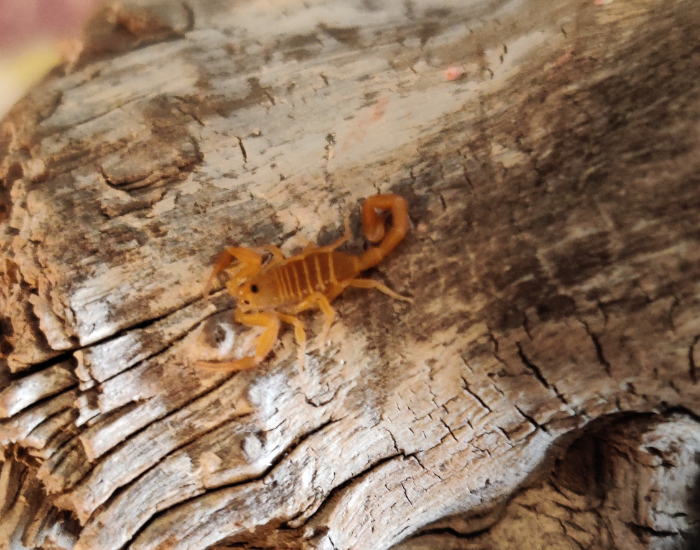
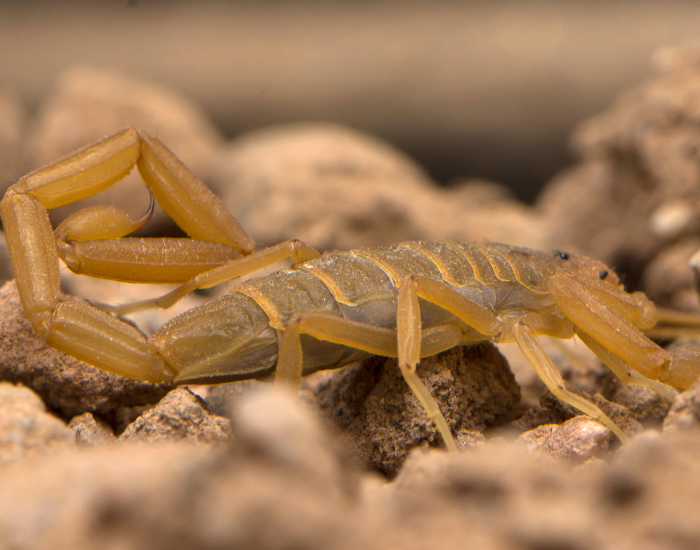
Most desert scorpion species are ground-dwellers that spend their entire lives in burrows. The Arizona bark scorpion, however, is a world-class climber. Thanks to specialized structures on their four pairs of legs, they can scale vertical walls and trees. They even walk across your ceiling.
This climbing ability is why bark scorpions are commonly found in attics. They also frequently fall into sinks and bathtubs after losing their grip while exploring high places. This “negative geotaxis” means they prefer to be upside down. It’s a survival strategy to stay away from ground-based predators.
Unlike other scorpions that dig burrows, Arizona bark scorpions prefer to rest under tree bark during daylight hours. This habitat preference gives them their common name.
3. Arizona Bark Scorpions Glow Bright Neon Blue Under UV Light
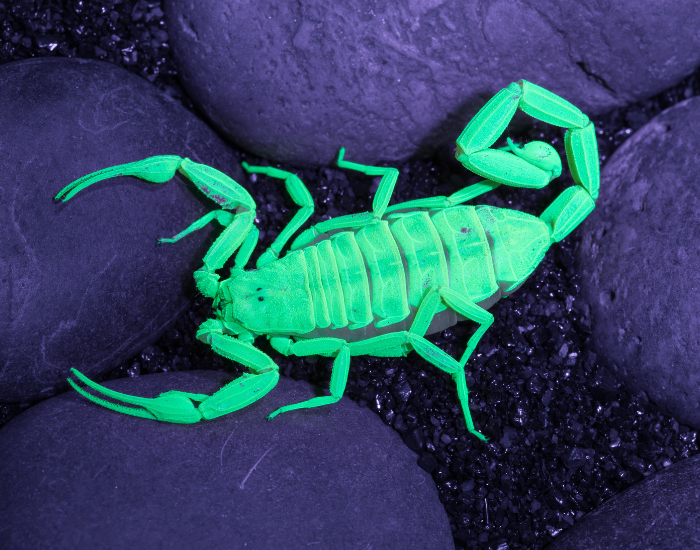
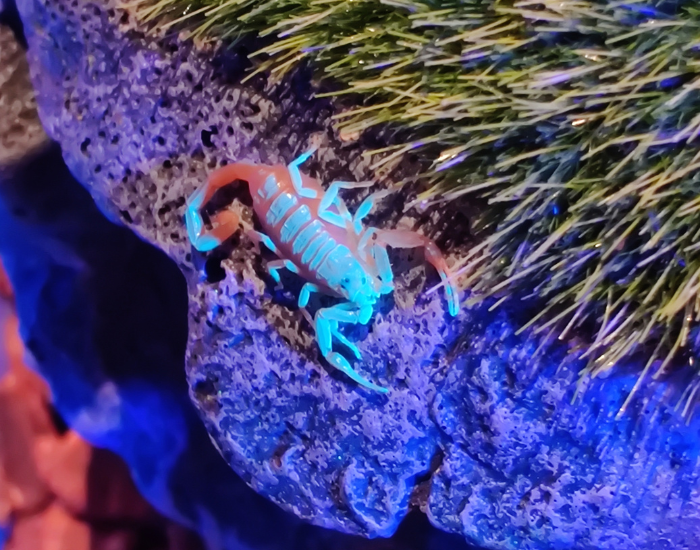
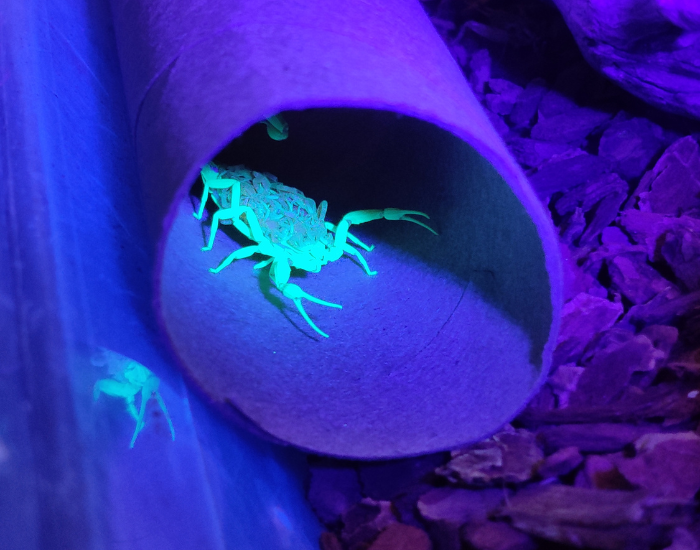
One of the most famous traits of scorpions in Arizona is their fluorescence. Under ultraviolet light, the Arizona bark scorpion glows a bright, eerie neon blue-green color. Scorpions glow a bright bluish-green color under UV light, making them easy to spot at night.
The science behind this is fascinating. A protein in their hyaline layer (part of the exoskeleton) reacts to UV rays. Scientists at the American Museum of Natural History suggest this may help them detect light and shadow. It might act as a giant sensory organ across their entire segmented body.
This fluorescence makes them easy to find at night with a black light. Many Arizona residents use UV light flashlights to find scorpions and spot these arachnids before accidentally encountering them. The glow is visible even from several feet away on desert rocks.
4. They Can Survive Underwater for Two Days
Living in the desert means being ready for flash floods. The Arizona bark scorpion has an incredible metabolic adaptation. It can survive being completely submerged in water for up to 48 hours.
They accomplish this by slowing their metabolism to near-halt. Essentially, they enter a temporary state of suspended animation. Therefore, trying to flush one down the toilet often doesn’t work. They can make a surprising comeback hours later.
This remarkable survival ability helps them endure extreme environmental conditions throughout their range in Arizona and New Mexico.
5. Arizona Bark Scorpions Are Practically Nuclear-Proof
During U.S. nuclear testing in the 1950s, researchers made a shocking discovery. While most life forms perished at ground zero, scorpions were found alive and well. The Arizona bark scorpion can withstand radiation levels that would be instantly fatal to humans.
This resilience is a testament to a biological blueprint that has remained largely unchanged. Scorpions have existed for over 400 million years. That’s well before the first dinosaur ever took a breath. Their ancient design has proven nearly indestructible through multiple mass extinction events.
6. Their Venom Powers Modern Medicine
While the Arizona bark scorpion is the most venomous scorpion in North America, its venom is actually helping humans. The Arizona bark scorpion is the only scorpion species in the U.S. that is considered medically significant due to its venom, and is the only scorpion species of medical significance in the United States. Researchers are studying the neurotoxins to develop breakthrough treatments.
Some venom peptides can be “painted” onto brain tumors. This helps surgeons see the edges of cancer more clearly during operations. Scientists are also using compounds from the venom to develop new treatments for autoimmune diseases like multiple sclerosis.
According to studies published in the journal Toxins, these complex chemicals are a goldmine for drug discovery. The venom that causes severe pain in humans can be life threatening, especially in vulnerable populations such as children and the elderly, and holds the key to medical advances.
7. They Have the Ultimate Low-Energy Diet
Imagine eating one meal and being full for an entire year. That’s life for a bark scorpion. They have the lowest metabolic rate of any invertebrate. When food is scarce, they can slow their metabolism to one-third of their normal rate.
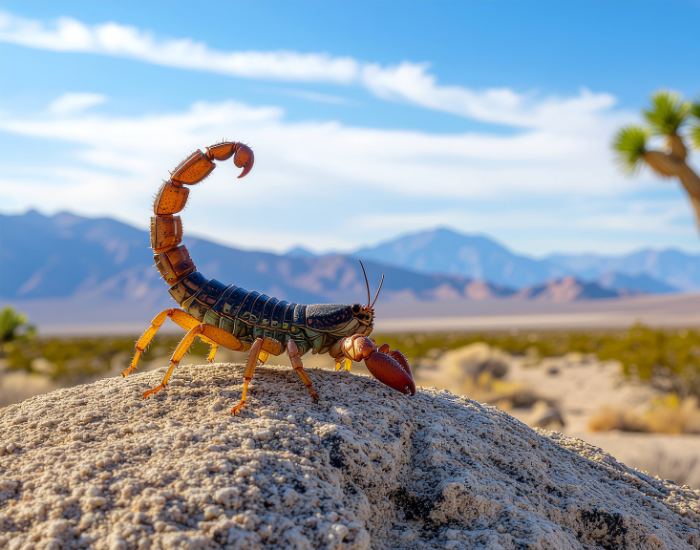
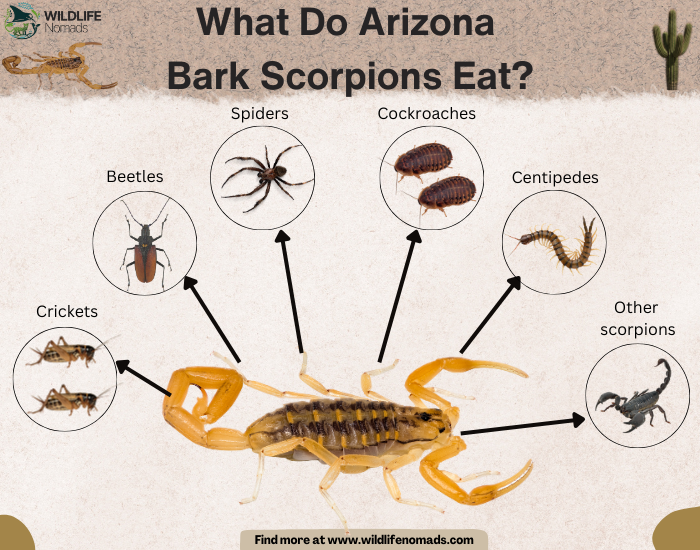
This allows them to survive on as little as one or two insects per year. Arizona bark scorpions are ambush predators. They wait patiently for prey like crickets, beetles, cockroaches, spiders, and other prey to wander by. Arizona bark scorpions feed on small and medium-sized animals including beetles, spiders, crickets, and cockroaches. Their prey species include small invertebrates, terrestrial arthropods, and other scorpions.
Ornamental plants and irrigated lawns around homes can attract beetles and other prey, which in turn attract scorpions.
During summer months, they become more active hunters. However, their energy efficiency remains unmatched in the animal kingdom.
8. Female Scorpions Give Birth to Live Young
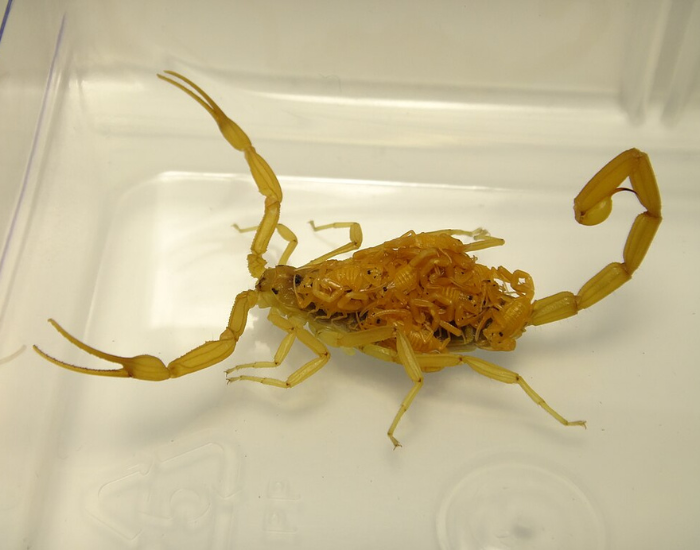
Unlike many arachnids that lay eggs, the Arizona bark scorpion gives birth to live young. These baby scorpions, called scorplings, are born white and soft. Immediately after birth, they crawl onto their mother’s tail and back.
She carries them for about three weeks until their first molt. During this time, she protects them from harsh desert elements and predators. The female scorpions provide no food, but the elevated position keeps the young safe.
A single brood typically includes 25 to 35 young. After molting, the juveniles disperse to begin their independent lives. They reach sexual maturity after several more molts over approximately three years.
9. They Have an Evolutionary Nemesis: The Grasshopper Mouse
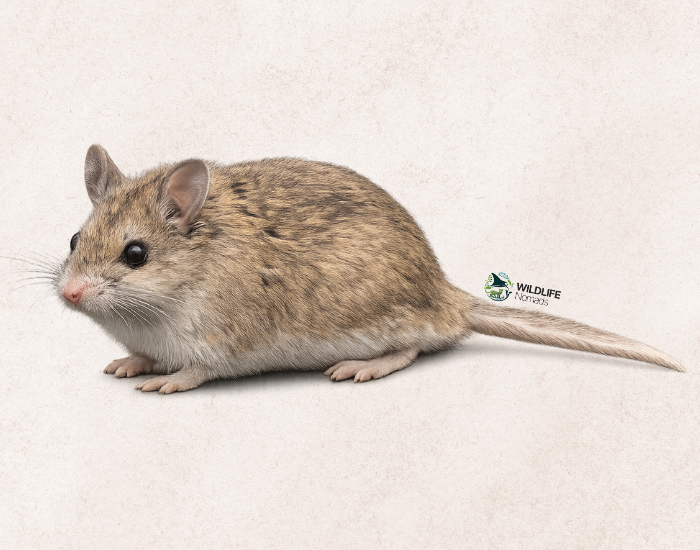
From all the animals in Arizona, there is one creature the Arizona bark scorpion truly fears. The Southern Grasshopper Mouse has evolved a miraculous immunity to their venom. When the scorpion stings this small mouse, something remarkable happens.
The mouse’s body actually converts the venom into a painkiller. Instead of being paralyzed, the mouse feels a “rush” and continues its attack. Eventually, it eats the scorpion whole. This predator-prey relationship represents millions of years of evolutionary arms race.
The grasshopper mouse is one of the few animals that can consistently prey on Arizona bark scorpions. Arizona bark scorpions are also preyed upon by a variety of other animals, such as bats, birds, reptiles, and other scorpions, highlighting their role in the food chain and interactions with other animals in the ecosystem. Other predators include birds and larger lizards that can tolerate the venomous sting.
10. Arizona Bark Scorpions Can Squeeze Through Tiny Gaps
Because they have a flat, segmented body design, the Arizona bark scorpion doesn’t need much room to enter your home. They can flatten their bodies and squeeze through gaps as small as 1/16th of an inch.
If you can slide a credit card under your door or through a window crack, a bark scorpion can get through it. This is why sealing your home is so important in Arizona. Check weep holes, door sweeps, and window screens regularly.
Their maximum length reaches about 3 inches long, including the tail and stinger. Despite this size, their incredible flexibility allows access through the smallest openings.
Distribution and Habitat of Arizona Bark Scorpions
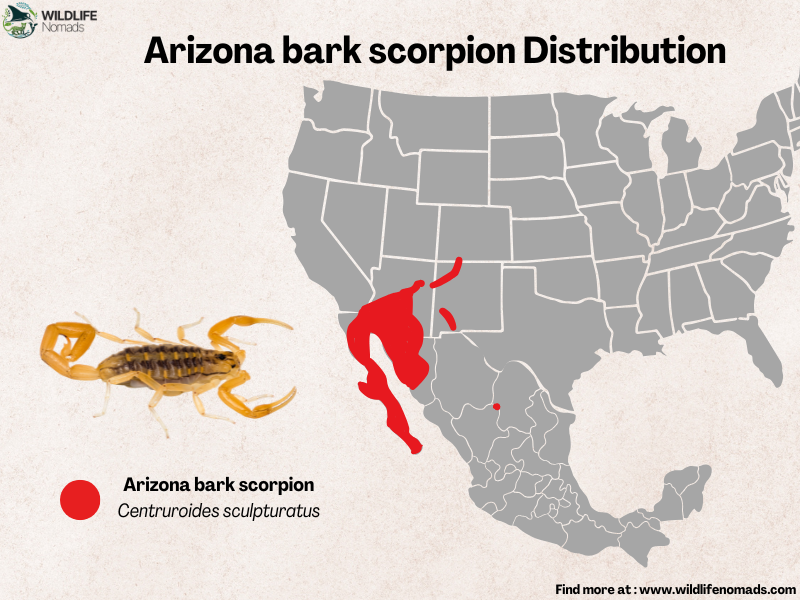
Arizona bark scorpions are common to the where they share their habitat with other iconic desert species such as the Sonoran desert toad, Gila monster, western diamondback rattlesnake, and the fast-moving roadrunners. Common across the southwestern United States and northwestern Mexico, they are one of the most frequently encountered scorpions in Arizona, especially in homes and urban areas. Their range extends into southeastern California, southern Nevada, southwestern New Mexico, and northern Mexico, making them the most common venomous scorpion species found in Arizona residences.
These scorpions inhabit a variety of desert environments and are nocturnal, particularly well adapted to the desert environment. They prefer areas with riparian habitat near rivers and streams. However, they also thrive in rocky hillsides, irrigated lawns, and urban areas, where they benefit from the availability of food, water, and shelter. In New Mexico, they occupy similar desert and riparian zones.
Their range includes both the Sonoran Desert and Chihuahuan Desert ecosystems. The Arizona bark scorpion prefers elevations below 8,000 feet. They are most commonly found in central and southern Arizona, particularly in the Phoenix metropolitan area.
When it comes to managing scorpions, pest-proofing your home is the most effective way to reduce scorpion contact and potential stings.
FAQs About Arizona Bark Scorpions
Yes, the Arizona bark scorpion is the most venomous scorpion species in North America. However, with modern antivenom treatment, fatal stings are extremely rare.
In the wild, Arizona bark scorpions typically live 5 to 7 years. In controlled conditions, some individuals have lived longer. They reach sexual maturity after about 3 years.
They are attracted to moisture and their prey species. Irrigated lawns, leaky pipes, and abundant insects all draw bark scorpions closer to homes. They seek shelter during extreme temperatures.
Yes, unlike other scorpions, bark scorpions are excellent climbers. They can scale stucco walls, trees, and even walk across ceilings. This climbing ability sets them apart from other desert scorpion species.
They are most active during summer months, particularly from April through October. They become nocturnal during hot weather, emerging at night to hunt. During winter months, they enter a less active state.
Arizona bark scorpion stings can cause severe pain, numbness, frothing at the mouth, difficulties in breathing, muscle twitching, convulsions, loss of muscle control, respiratory distress, and excessive salivation. Symptoms from a scorpion sting generally develop within 20 minutes and can worsen during the first 4 hours after envenomation. Severe envenomation is more common in small children, and immediate medical attention is advised if stung, especially for children or the elderly.
To prevent scorpion stings, regularly inspect bedding if pets are allowed outdoors at night to ensure their safety. Avoid direct contact with scorpions and use tools to capture them safely. Use a black light at night to find Arizona bark scorpions and trap them in a jar. Educate children about scorpions and encourage them to report any sightings to help prevent stings.

Living with Arizona’s Most Fascinating Arachnid
The Arizona bark scorpion (Centruroides sculpturatus) is a remarkable creature. While we might not want them as houseguests, we can respect their place in the desert ecosystem. They serve as natural pest controllers, consuming insects and other invertebrates.
By understanding their climbing habits, social nature, and survival capabilities, we can coexist safely with these ancient arachnids. Their venomous sting demands respect. However, their contribution to science and ecosystem balance deserves recognition.
The next time you spot one glowing under UV light, remember you’re witnessing a survivor that has existed since before dinosaurs walked the Earth. With proper precautions and respect, Arizona residents can share the desert with these ultimate survivalists.