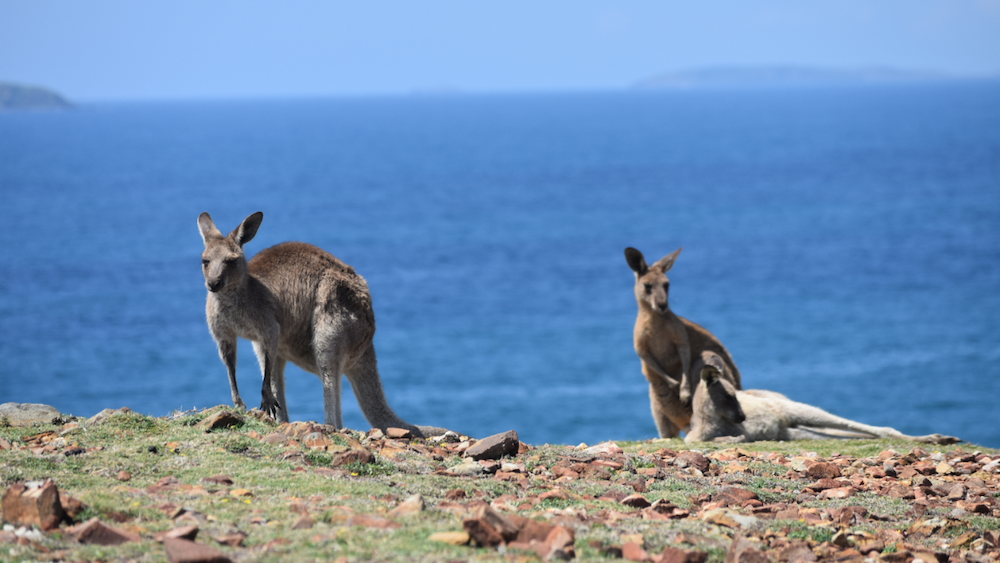
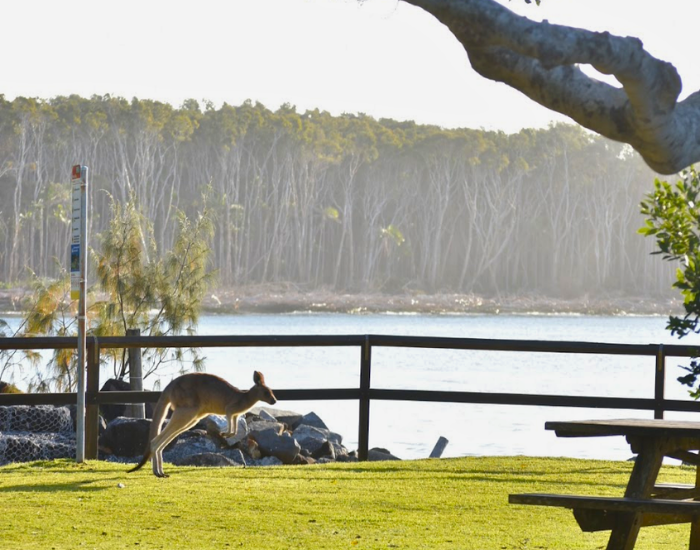
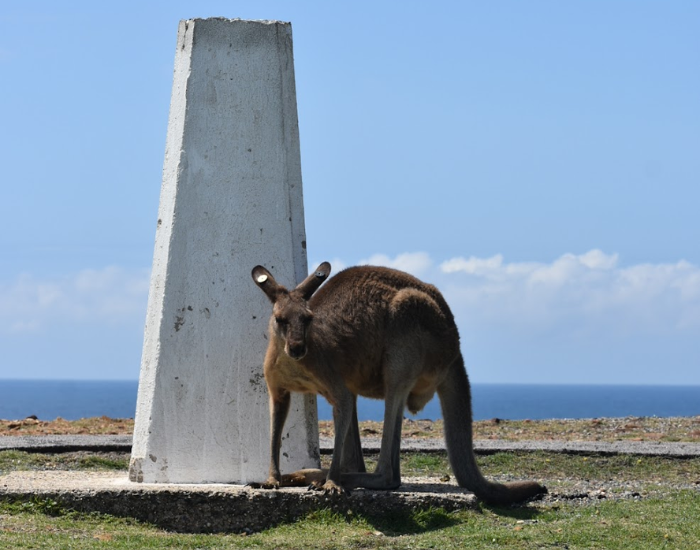
On a grassy headland near Coffs Harbour, two eastern grey kangaroos stood between me and the Pacific. A white concrete survey marker sat behind them. Out at sea, the Solitary Islands floated in the haze. It was a short stop on a long drive. Still, it gave me one of my favourite photos from our Australia lap.
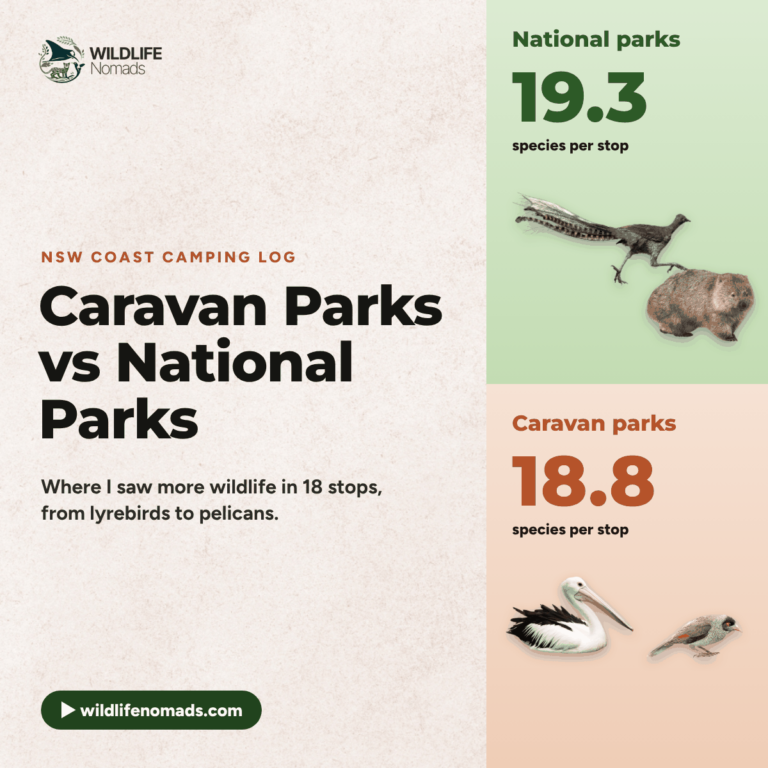
Jackie and I drove from Brisbane to Sydney over three months, from late August to mid-November 2026. We camped at 18 stops and logged every animal we could identify. This guide picks my 10 favourite wildlife stops on that route, plus a bonus finale.
It is not the fastest way to Sydney. It is the slowest, wildest and most rewarding one I know.
Before You Cross the Border
If you start in Brisbane or the Gold Coast, don’t rush south. Some of my best wildlife days happened before we ever left Queensland.
- Coombabah Lakelands: mangroves and wetlands where I have watched bar-tailed godwits rest after their huge migration.
- Springbrook: on one hike I saw five red-bellied black snakes, two of them mating beside the track.
- Lamington: old rainforest, great birds and long trails. Give it at least a full day.
- Byron Bay: busy, yes, but I have dived with zebra sharks there. Go under the water, not just to the lighthouse.
How I Picked These Stops
At every stop, I log each species I can identify in a spreadsheet, with notes on behaviour and the campground. I walk the nearby tracks at dawn and look around camp after dark. These 10 stops gave us the best mix of wildlife, scenery and real adventure.
Most are national park campgrounds. A few are towns or holiday parks that earned their place. The species counts below come from my notes, so they reflect my effort, the weather and how long we stayed.
The Route at a Glance
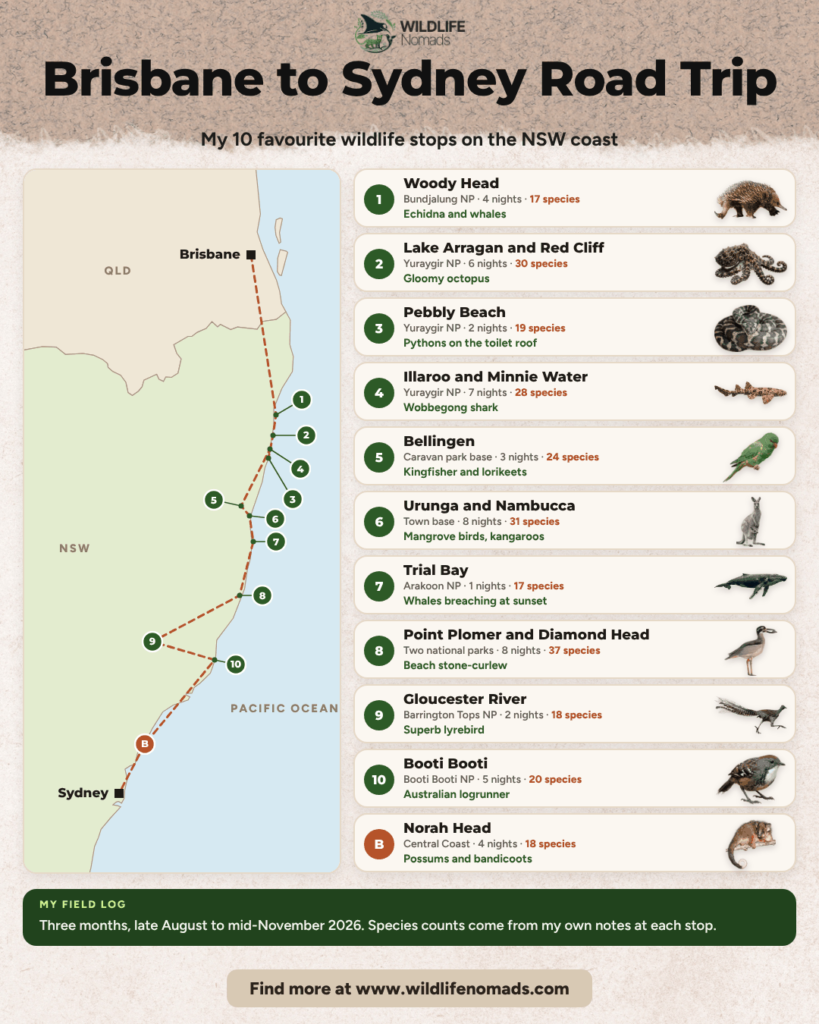
| Stop | Place | Park or base | Nights | Species I logged | Highlight |
|---|---|---|---|---|---|
| 1 | Woody Head | Bundjalung NP | 4 | 17 | Echidna and whales |
| 2 | Lake Arragan, Red Cliff and Sandon River | Yuraygir NP | 6 | 30 | Gloomy octopus |
| 3 | Pebbly Beach | Yuraygir NP | 2 | 19 | 4WD creek crossing |
| 4 | Illaroo and Minnie Water | Yuraygir NP | 7 | 28 | Wobbegong shark |
| 5 | Bellingen and the Coffs Coast | Caravan park base | 3 | 24 | Azure kingfisher |
| 6 | Urunga and Nambucca | Town base | 8 | 31 | Mangrove birds |
| 7 | Trial Bay | Arakoon NP | 1 | 17 | Sunset whale breaches |
| 8 | Point Plomer and Diamond Head | Limeburners Creek and Crowdy Bay NPs | 8 | 37 | Beach stone-curlew |
| 9 | Gloucester River | Barrington Tops NP | 2 | 18 | Superb lyrebird |
| 10 | Booti Booti | Booti Booti NP | 5 | 20 | Australian logrunner |
| Bonus | Norah Head | Central Coast | 4 | 18 | Bandicoots and bush rats |
1. Woody Head
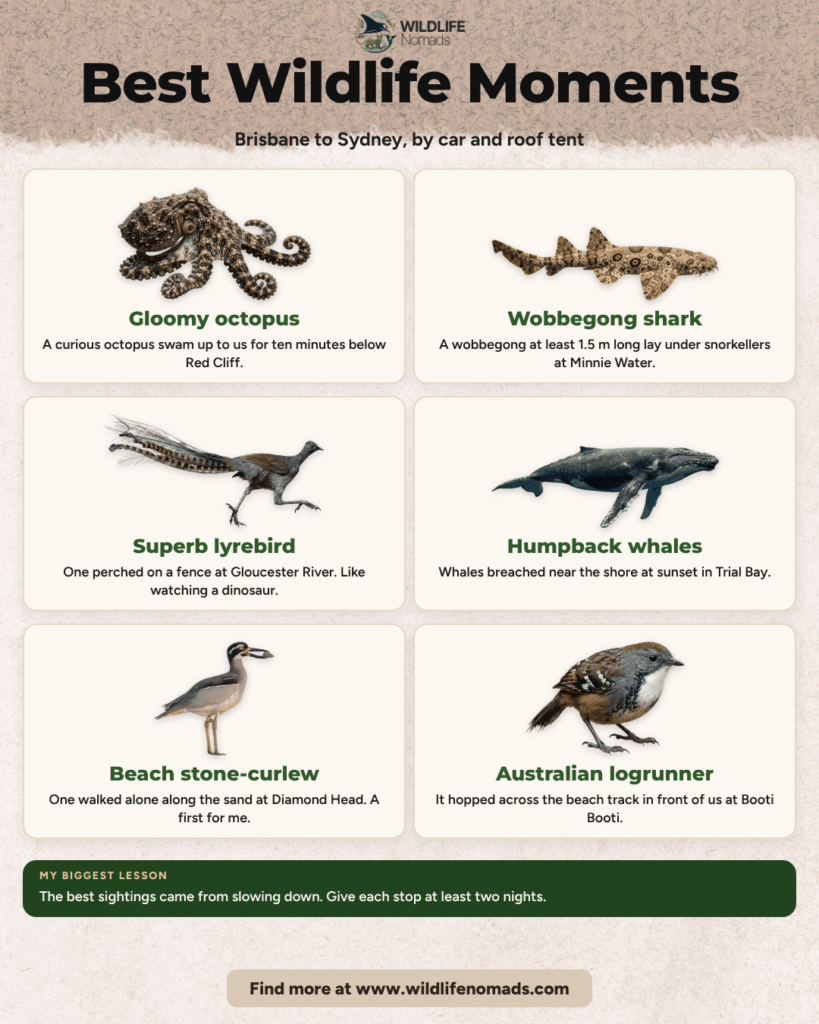
Woody Head was our first stop in NSW, and it set the bar high. An echidna wandered through the campground. A wonga pigeon walked past our car one morning. From the headland, we watched humpback whales passing on their migration.
The coastal walk is the place to start. We saw pelicans and a white-bellied sea eagle there, and Jackie snorkelled with big rays in cold water. Toilets and showers were clean and close to our site.
My tip: avoid public holiday weekends. Our quiet campground filled with families overnight before the long weekend.
2. Lake Arragan, Red Cliff and Sandon River
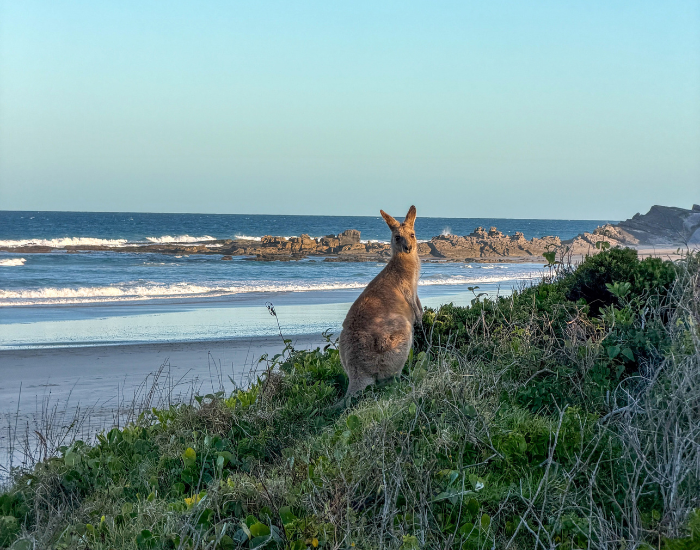
This is the stop I most want to go back to. Red Cliff sits above the surf, with kangaroos grazing between the tents. Just behind it, Lake Arragan is dead calm and lined with paperbarks. Two completely different moods sit side by side, and both are beautiful.
Strong winds pushed us off the beach sites after a sleepless night. We moved to a lakeside site and found a different set of animals. There were fewer kangaroos but far more birds in the morning, including my first ever rufous whistler. We swam in the lake instead of the surf.
My favourite moment came on the rocks below Red Cliff. We went looking for octopuses, and a gloomy octopus seemed to find us first. It splashed as we passed, then came closer, curious, for about ten minutes. A coastal carpet python also lived on the toilet roof, so we always looked up before going in.
On the way south, stop at Brooms Head for a quick look. Then spend at least one night at Sandon River. From our site, we crossed to a small island at low tide. Its rock pools were full of tiny fish, a reminder of how pools work as nurseries. A whistling kite spent all day in a noisy turf war with another bird.
My tip: book Sandon River ahead. I wish we had stayed longer.
3. Pebbly Beach
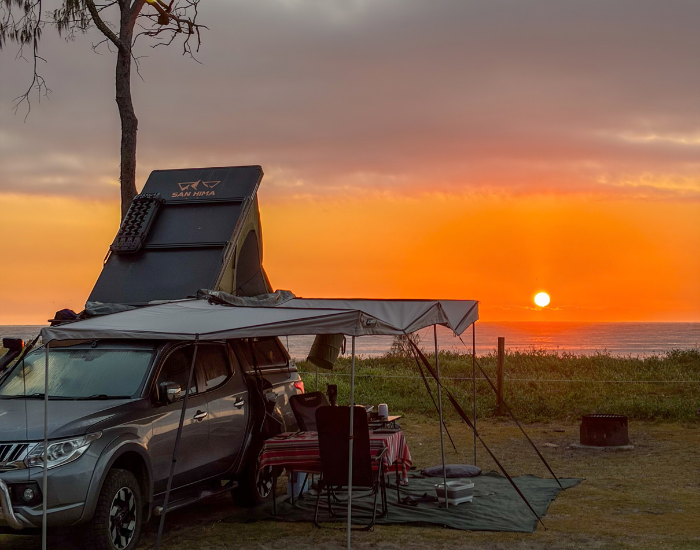
Pebbly Beach is the adventure stop. You need a high-clearance 4WD, a stretch of beach driving and a crossing of Station Creek at low tide. We did it in our Triton and found it fun. Smaller cars looked like they struggled.
Once there, it feels outside civilisation. There is one drop toilet, no showers and no drinking water. We saw sooty and pied oystercatchers, ghost crabs and a swamp wallaby on the track in. Two pythons lived on the toilet roof this time.
Our second night brought heavy wind and rain, so we left after two days. Camping is simple in so many ways, until it isn’t.
My tip: check the tide times and the forecast before you go. In a roof tent, pick a site sheltered by trees.
4. Illaroo and Minnie Water
We spent a full week at Illaroo, and the bush behind our site kept giving. Lace monitors walked out of it every day. One big goanna strolled right past a startled woman and her baby. A buff-banded rail lived in the same patch, my first one ever.
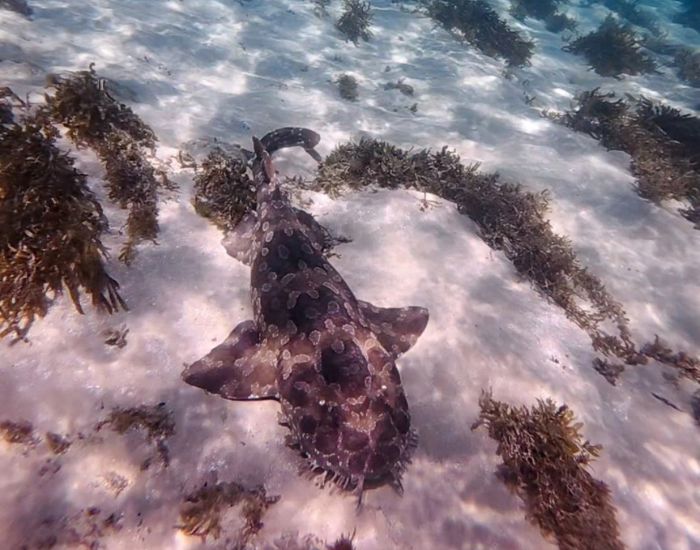
Then came the best spontaneous decision of the trip. We drove over the hill to Minnie Water and saw a perfect snorkelling spot. Jackie, a free diver, grabbed her fins without a second thought. Soon we passed a large estuary stingray. Then, right under three snorkelling teenagers, lay a wobbegong shark at least 1.5 metres long.
Back on land, the coastal walk towards town was full of white-cheeked honeyeaters. One afternoon a yellow-tailed black cockatoo called from a banksia. Three more answered and flew in. After that, they came back every afternoon.
My tip: pack your snorkel gear where you can reach it. The best moments here are not planned.
5. Bellingen and the Coffs Coast
Bellingen was meant to be one night. After Pebbly, we needed calm, so we stayed three. We camped at the tourist park, but the real value is the area around it. Dorrigo’s rainforest is close, and so are the Coffs Harbour beaches.
The Bellinger River was full of life. An azure kingfisher flashed past us like blue lightning one evening. I saw my first scaly-breasted lorikeets, plus a wompoo fruit-dove and white-headed pigeons on a walk nearby. A pair of eastern ospreys nested on the rail bridge.
One quiet afternoon, a turtle head rose from the river. It was a short-necked turtle, most likely a Murray River turtle. Sadly, we also found two dead grey-headed flying-foxes on power lines. It was a reminder that how we build things matters for wildlife.
On the way north or south, detour to Look At Me Now Headland at Emerald Beach. Eastern grey kangaroos graze right on the cliff top, with the Solitary Islands behind them.
My tip: sit by the river at dusk and wait. That is when the kingfisher showed up.
6. Urunga and Nambucca
Urunga is my hidden gem of this whole route. I had never heard of it, and neither had Jackie, even though she is Australian and lives in the region. I found it on Google Maps and went for the photos. Real life was even better.
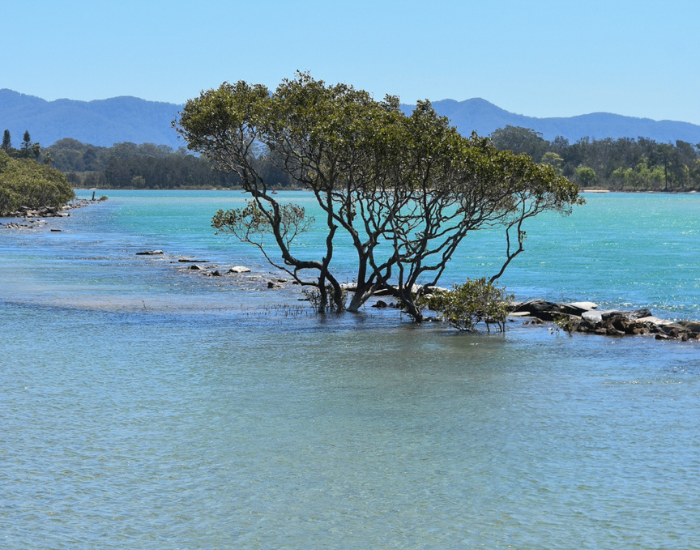
Walk the Urunga boardwalk over the mangroves at low tide. We watched terns on the rocks, a little black cormorant hunting and a white-faced heron stalking fish. The restored wetland nearby is full of water lilies. There we saw swamphens, a sacred kingfisher, royal spoonbills and my first variegated fairywren.
Nambucca itself is one of the most beautiful places I have ever seen. Kangaroos and black cockatoos visited the yard where we stayed. In nearby Yarriabini National Park, we found brown cuckoo-doves among very old trees.
My tip: do the Nambucca foreshore walk. That is where I finally saw a bowerbird, after years of only finding their bowers.
7. Trial Bay
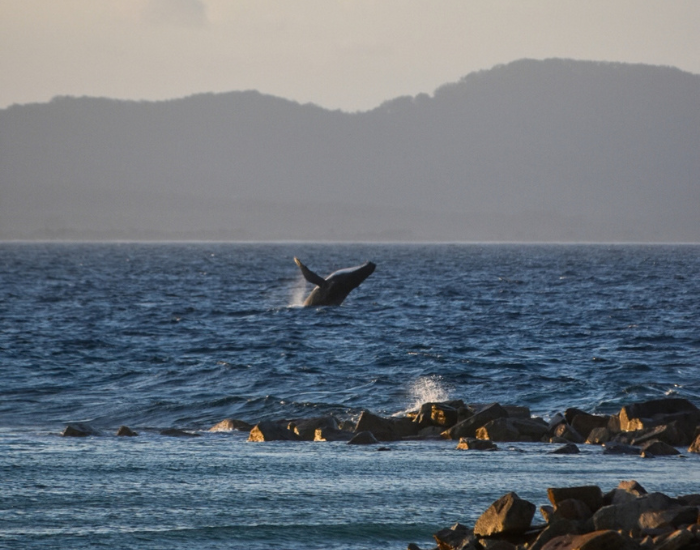
Trial Bay gave us one of the best evenings of the whole lap. The bay curves so much that you can watch the sun set over the water. That is rare on the east coast. We sat on the grass as humpback whales breached near the shore at sunset.
Eastern rosellas fed on the lawn beside the old gaol walls. The trail to the German monument was the best part for birds and views. It has hot showers, a kitchen and laundry, so it feels more like a holiday park.
My tip: avoid public holidays. We paid 58 dollars for one night, and the same site cost 35 dollars days later.
8. Point Plomer and Diamond Head
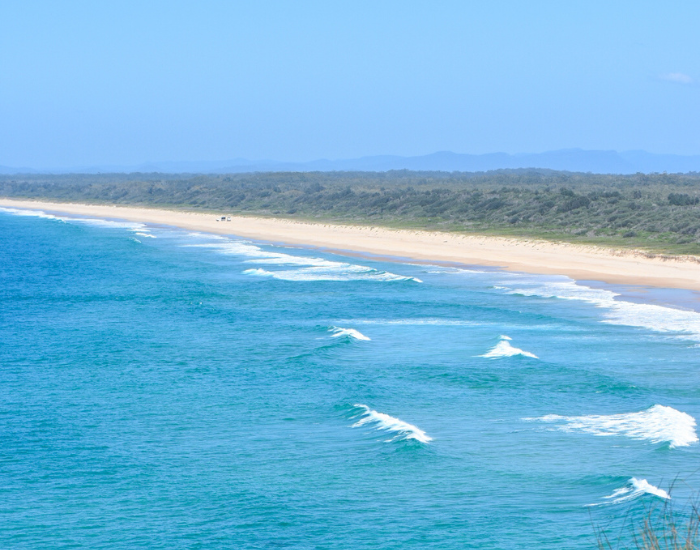
These two campgrounds sit about an hour apart, and they suit travellers who like quiet coast. Point Plomer has wild beaches without a single hotel in sight. There are cold showers and no drinking water, so bring your own. You also need your own fire pit.
From the lookouts we saw humpback whales and my first Australasian pipit. On the beach, copper-tailed skinks basked in the sun, a new reptile for me. A ranger also told us about a red-bellied black snake near camp.
Diamond Head was rainy, but one sunny afternoon made up for it. A beach stone-curlew walked alone along the sand, a new species for me. Crimson rosellas, a grey butcherbird and a weebill joined the list. Kangaroos with joeys were everywhere around camp.
One day a mother and joey stood right next to our car. I stood up to see them better. Then I noticed a huge, muscular male behind them, so we kept our distance.
My tip: pick a sheltered site when rain is coming. Beachfront sites look great but catch every gust.
9. Gloucester River, Barrington Tops
We camped at both Polblue and Gloucester River in Barrington Tops. Polblue felt wonderfully remote, with wombat burrows and wallabies all around camp, but it was cold and wet. If you only have time for one, choose Gloucester River.
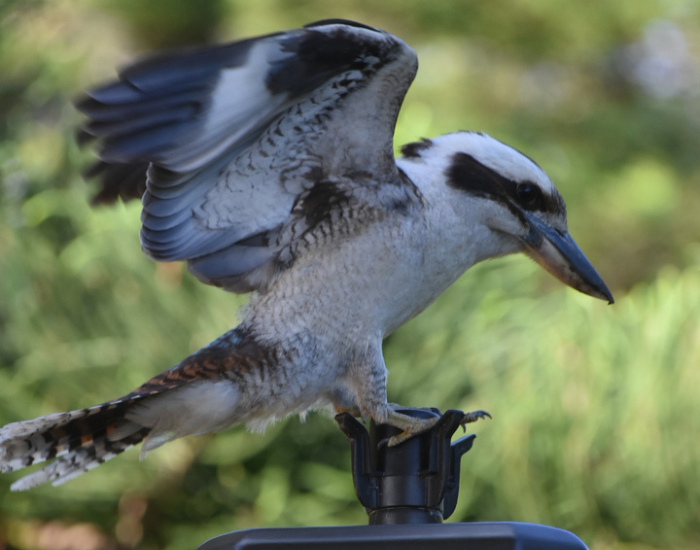
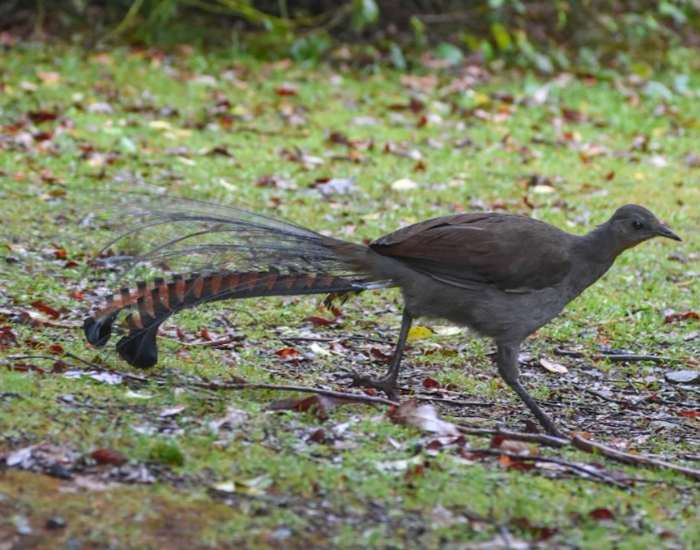
This is the place for superb lyrebirds. One perched on a fence in front of the toilets, and it felt like watching a dinosaur. I grew up watching them in documentaries, so seeing one so close was special. We saw many more after that.
Red-browed finches fed in groups around camp. A superb fairywren perched on our camping chair. One night, a common brushtail possum walked past with a baby on her back. The next night she jumped onto our picnic table.
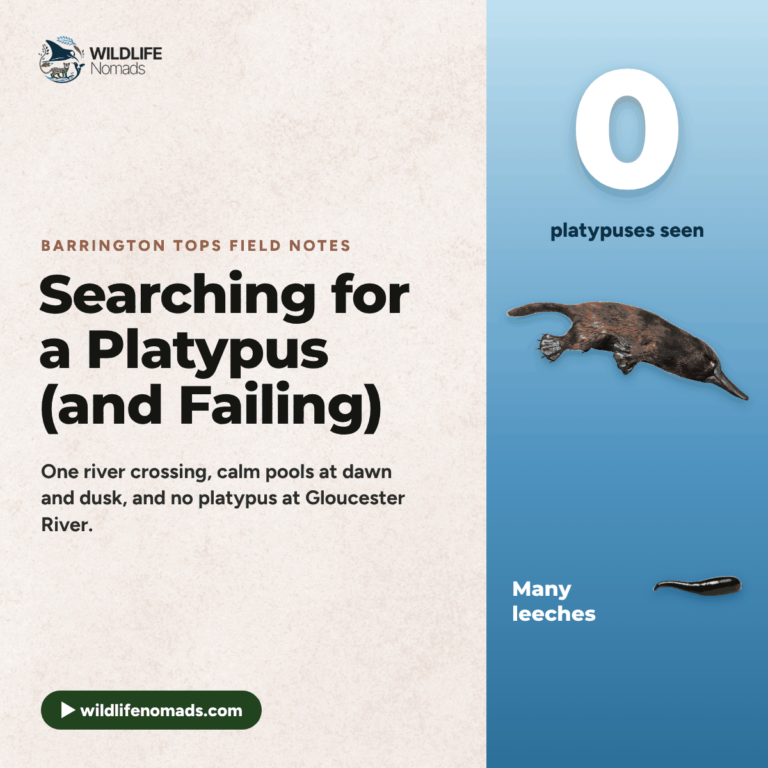
I walked every trail looking for a platypus and came back with nothing but leeches. That story deserves its own post.
My tip: bring spare socks and expect leeches in wet weather. There are only drop toilets and rainwater taps, so bring drinking water and food.
10. Booti Booti
Booti Booti surprised us. We stayed one night at a caravan park in Forster first. It was expensive, packed and had almost no wildlife. Booti Booti, just south, was quiet, had hot showers and clean flush toilets, and was full of life.
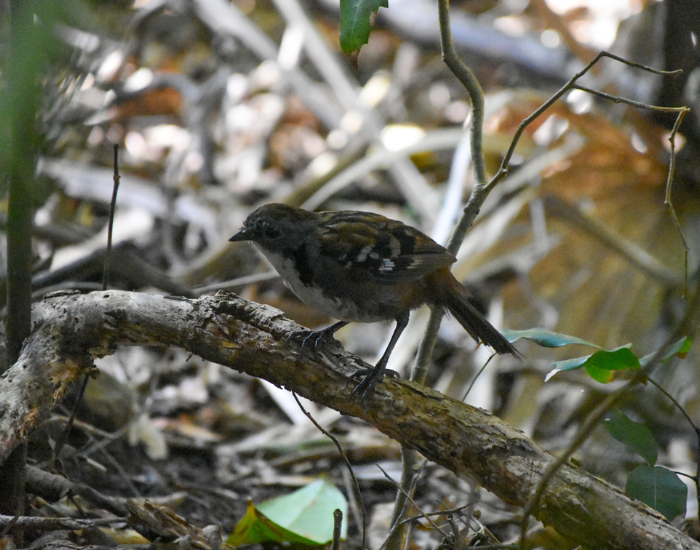
The two walking tracks there gave us most of our sightings. On the beach track, an Australian logrunner hopped across the ground in front of us. I also saw an adult male golden whistler in full colour. Lace monitors, black-faced monarchs and a wedge-tailed eagle rounded out a great list.
My tip: walk one track each day, and leave the firewood behind. Fires are not allowed here.
Bonus Finale: Norah Head
Our first night at Norah Head was hot, windy and full of weekend crowds. Then strong winds pushed us to a site next to the bush. It was the best decision of that stop.
After dark, the bush came alive. We saw bush rats, ringtail possums and northern brown bandicoots around our site. By day, eastern whipbirds and eastern rosellas joined them. The walk to the lighthouse is beautiful, and Lighthouse Beach is perfect at sunset.
My tip: visit on weekdays if you can. Quiet camps mean more wildlife.
Know Before You Go
- Facilities vary a lot. Many national park campgrounds have drop toilets, cold showers or no drinking water. We carried a 100-litre water bladder.
- Some roads are rough. Pebbly Beach is 4WD only. Other campgrounds have long gravel roads.
- Leeches love wet forest. Expect them at Barrington Tops after rain.
- Book ahead. Popular sites fill fast, especially at Sandon River, on weekends and on public holidays.
- Wind matters. Beachfront sites can be brutal in strong winds, especially in a roof tent.
- Spring means swooping. Magpies swooped me several times at Polblue in October.
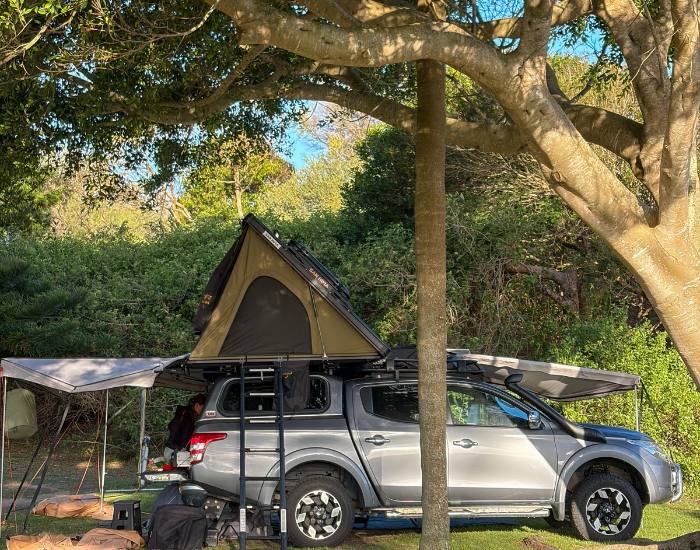
We travelled in a Mitsubishi Triton with a roof tent, solar panels and a fridge. That setup made most stops easy, but a car and tent can do this route too.
FAQs About a Brisbane to Sydney Wildlife Road Trip
You can drive it in two days, but you will see little wildlife that way. For these 10 stops, I would plan at least three to four weeks. We took nearly three months.
No, most stops are reachable in a normal car. Pebbly Beach is the exception, as it needs a high-clearance 4WD and a low-tide creek crossing.
Look At Me Now Headland at Emerald Beach is the classic spot. We also saw eastern grey kangaroos at Red Cliff, Trial Bay and Diamond Head.
Gloucester River campground in Barrington Tops National Park was the best place for us. Superb lyrebirds walked around the campground itself.
Slow Down and Let the Coast Find You
Looking back, our best sightings rarely came from plans. They came from moving sites in the wind and detours to unknown towns. They came from evenings sitting still by a river.
If you drive this route, give each stop at least two nights. Walk at dawn, look up before entering the toilet, and keep your snorkel close. You can follow the rest of our Australia lap as it continues.
References:
- NSW National Parks and Wildlife Service. Pebbly Beach campground, Yuraygir National Park: visitor info. nationalparks.nsw.gov.au.
- NSW National Parks and Wildlife Service. Gloucester River campground and picnic area. nationalparks.nsw.gov.au.
- Coffs Coast Tourism. Look At Me Now Headland Walk. coffscoast.com.au.