The first time my uncle handed me a lead rope on his ranch in central Mexico, the horse on the other end was an Azteca, half Andalusian, half American Quarter Horse, and entirely uninterested in my opinions. I was maybe twelve. He stood over me, breathing warm hay-scented air into my hair, and I remember thinking how strange it was that something so familiar could feel so alien up close. That’s the trick with horse breeds: we grow up surrounded by their silhouettes on cereal boxes, in westerns, on highway signs, and we stop looking.
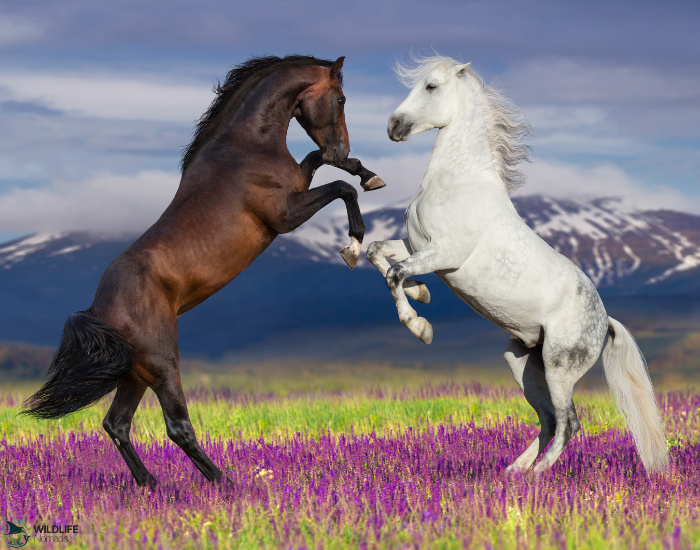
But the deeper I got into field biology, the more I realized that horses, like donkeys, goats, and seabirds, reward the people who slow down. Look at the wide forehead, the sloping shoulders, the deep chest, the expressive eyes, and a horse stops being a horse and becomes a specific, selectively bred answer to a specific question about climate, terrain, and human ambition. These are the 17 horse breeds I think every curious naturalist should know.
How Many Horse Breeds Are There, Really?
Before we get to the list, a quick reality check. Estimates of how many horse breeds exist worldwide range from 350 to over 600, depending on which breed registry you trust. Some are recognized by major studbooks, others are local landraces with deep history but loose paperwork.
For this article I picked 17 iconic horse breeds that show the full spectrum: hot blooded sprinters, gentle giants, hardy ponies, and a few breeds you’ve probably never seen in person. My family in Mexico kept horses for generations alongside cattle, and even after my uncles sold off most of the herd, the horses stayed. That’s the thing about these animals: once they’re part of your culture, they don’t leave.
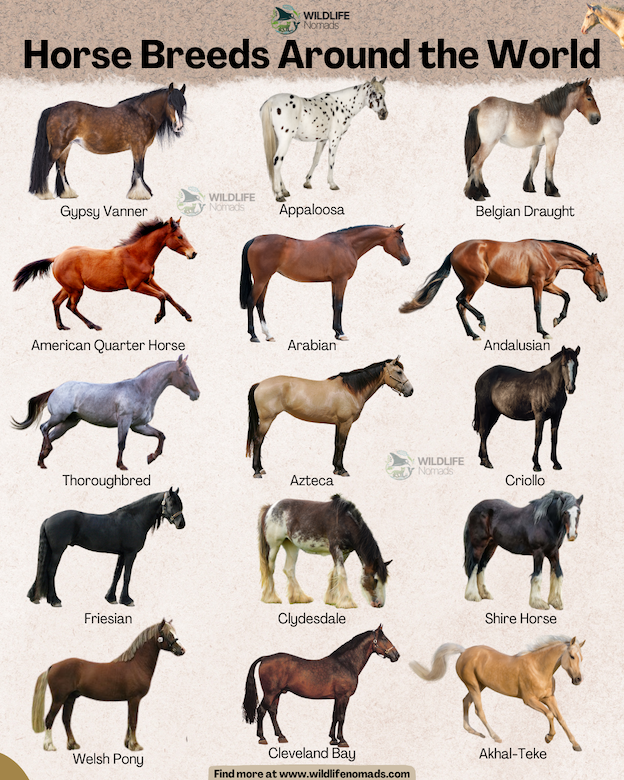
1. American Quarter Horse
If horse breeds had a most popular horse, this would be it. The American Quarter Horse is the most registered breed on Earth, with over five million horses on the books. The name comes from its blistering speed over a quarter-mile. It’s often called the fastest horse in the world over short distances, clocking sprints to around 44 – 50 mph. But it is also one of the fastest animals on land, approaching the speeds of specialized savannah sprinters like the cheetah and springboks for the top 10.
My uncles in Mexico talk about the American Quarter Horse the way other people talk about classic cars. Its compact body type, deep chest, and powerful hindquarters make it perfectly suited for cattle work across the western United States. For first time riders, it’s also one of the most docile and forgiving mounts you’ll find.
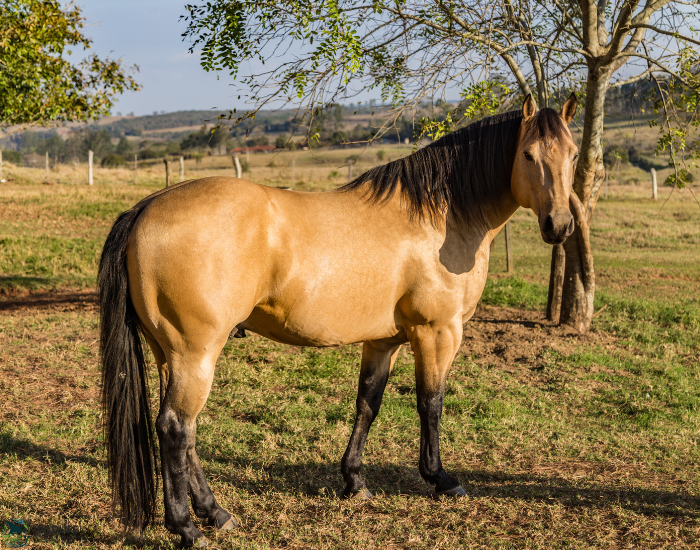
2. Arabian
The Arabian is the oldest breed on this list and arguably the most influential. Originally bred by Bedouin tribes on the Arabian Peninsula over 4,000 years ago, this hot blooded horse contributed bloodlines to nearly every other popular horse breed alive today. You can spot an Arabian instantly: dished face, wide forehead, high tail carriage, and those impossibly expressive eyes. Arabian horses dominate endurance riding events around the world, regularly competing in 100-mile rides without breaking stride. I once watched a small grey Arabian finish a desert race in Jordan looking less tired than the riders.
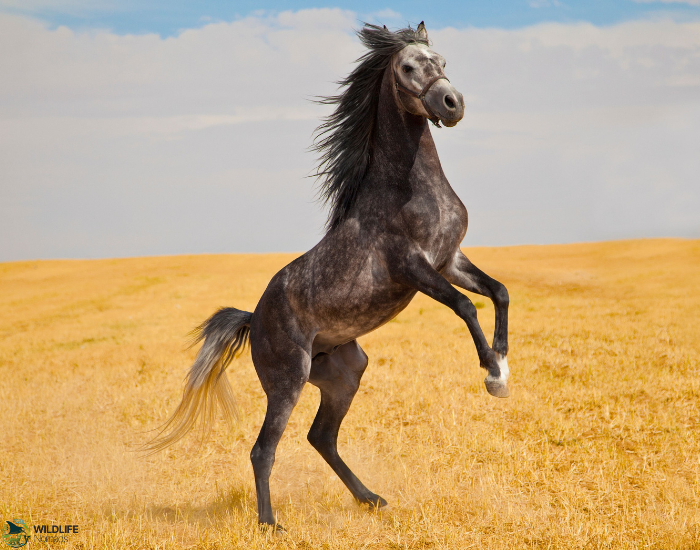
3. Thoroughbred
When people picture racing, they’re picturing a Thoroughbred. This is the breed behind the Kentucky Derby, the Grand National, and most flat racing on the planet. Thoroughbreds trace back to three Arabian and Oriental stallions imported to England in the 1600s and 1700s, and the breed has been selectively bred for raw speed ever since. Beyond the track, retired Thoroughbred horses are remarkable athletes in eventing, dressage, and show jumping. They are not, however, beginner horses; their sensitivity demands experienced riders who can read every twitch.
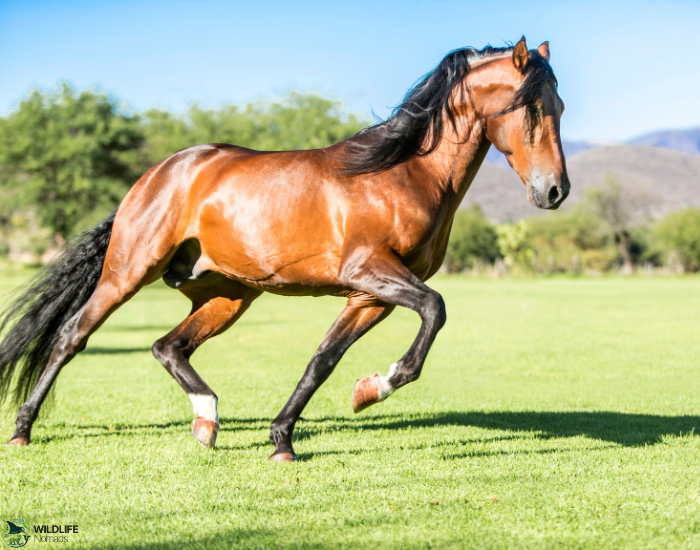
4. Andalusian
The Andalusian, sometimes called the Pure Spanish Horse, is the breed that conquistadors brought to the Americas; which means every Criollo, Mustang, and Azteca traces partial ancestry to these animals. Generally noble in profile, with a long flowing mane and remarkable agility, the Andalusian dominated European battlefields and royal courts for centuries. Today it’s a star of high-school dressage, where its natural collection and willingness to perform make it suitable for the most demanding equestrian sports. My tío has one cross on his ranch, and watching it move is like watching liquid.
5. Azteca
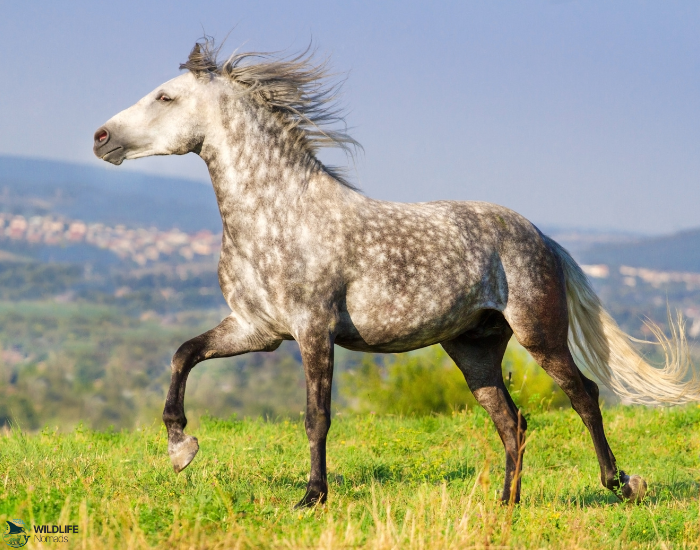
The Azteca is Mexico’s national horse, developed in the 1970s by crossing Andalusian, American Quarter Horse, and Criollo bloodlines. It’s the breed I grew up around. The Azteca was bred specifically for charrería — Mexican rodeo — which demands a versatile horse with cow sense, agility, and a calm head under noisy crowds. Standing roughly 15 hands fully grown, with a sloping shoulder and a strong, balanced frame, an Azteca can work cattle in the morning and perform dressage-adjacent maneuvers in the afternoon. It’s a young breed registry but a deeply iconic one.
6. Criollo
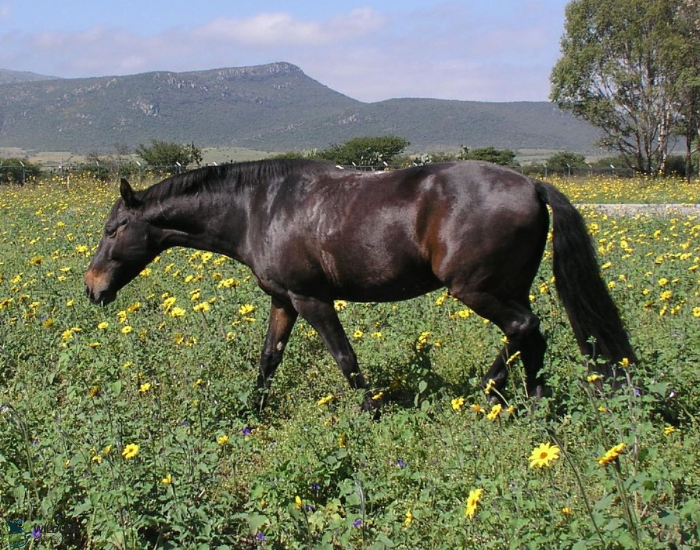
The Criollo is the working horse of South America; descended from Iberian horses brought by Spanish colonists, then shaped by 400 years of survival on the pampas. These are not beautiful horses by show-ring standards. They’re short, muscular, and built like compact tanks. But Criollos are arguably the hardiest riding horses on the planet. In one famous endurance ride from Buenos Aires to New York in the 1920s, two Criollos crossed 13,000 miles on grass alone. My uncle has one, and it eats things other horses won’t even sniff.
7. Friesian
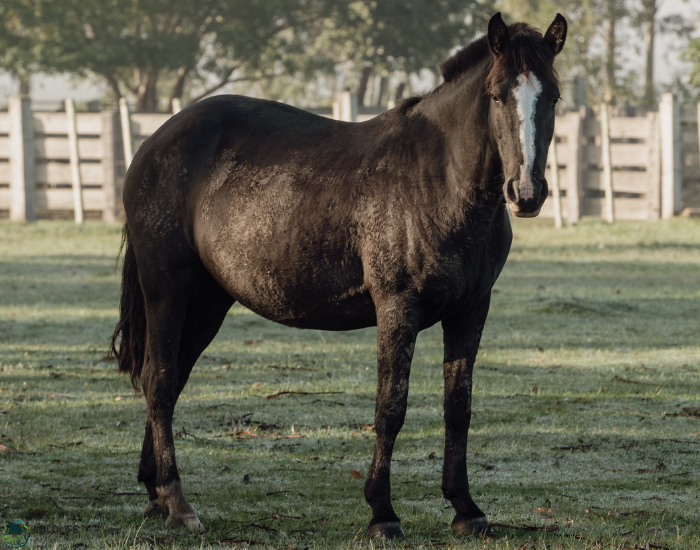
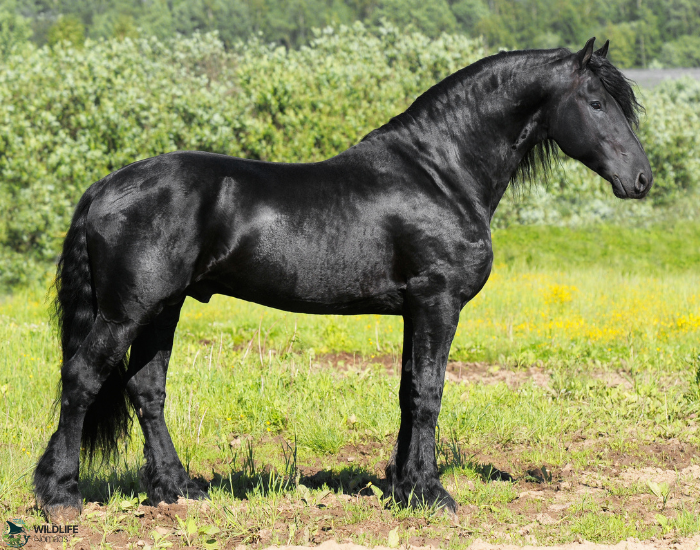
If horse breeds had a goth phase, it would be the Friesian. Originating in the Netherlands, these black-coated, feather-legged beauties were bred for medieval knights and later for pulling carriages. The Friesian nearly went extinct in the early 1900s, surviving only because a handful of breeders refused to let it disappear. Today it’s a star of dressage, parade work, and historical films; every cinematic knight’s mount tends to be a Friesian. Their high knee action and arched necks make them showstoppers in any setting.
8. Appaloosa
The Appaloosa is unmistakable: a spotted coat pattern that ranges from leopard spots to blanket markings over the hindquarters. Developed by the Nez Perce people in what is now the Pacific Northwest, the Appaloosa is one of the few iconic horse breeds with a clearly Indigenous American origin. Beyond the flashy coat, Appaloosas have mottled skin, striped hooves, and a white sclera around the eye. They’re hardy, sure-footed, and excellent for trail riding and ranch work; the kind of horse that gets the job done without theatrics.
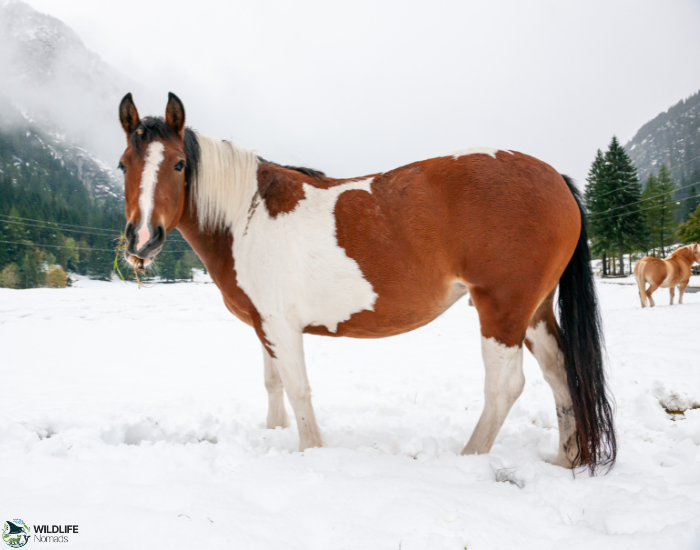
9. Clydesdale
Most Americans know the Clydesdale from beer commercials, which is a shame because there’s so much more to this breed. Originating in Scotland in the 18th century, Clydesdales are one of the great draft horse breeds; gentle giants developed for pulling heavy loads and pulling carriages through Scottish farmland. A fully grown stallion can weigh over a ton and stand 18 hands tall. Despite their size, they are remarkably docile and gentle, which is why they’ve become such reliable horse-show ambassadors for draft horse breeds in general.
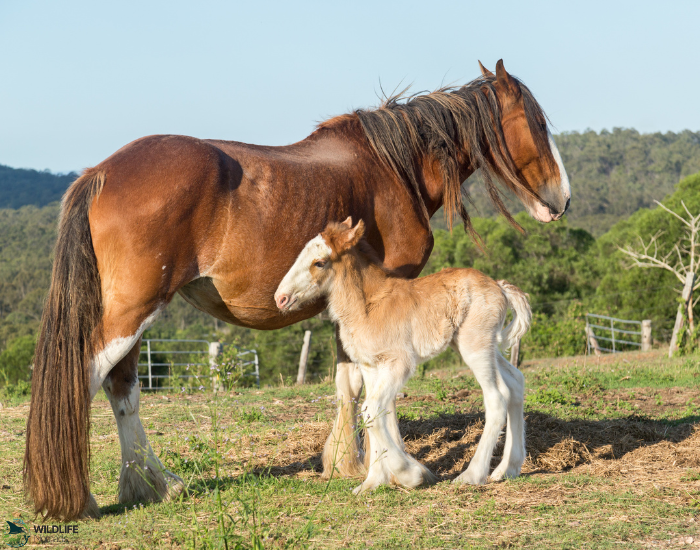
10. Shire Horse
If the Clydesdale is famous, the Shire horse is enormous. The Shire is the largest of the draft horse breeds and arguably the largest horse breed period; historically capable of pulling five tons. Originally bred in central England for agricultural work and brewery deliveries, the Shire was nearly lost when tractors took over farms after World War II. Conservation organizations now list it as “at risk.” Standing next to a Shire horse for the first time is genuinely disorienting; your sense of equine scale resets.
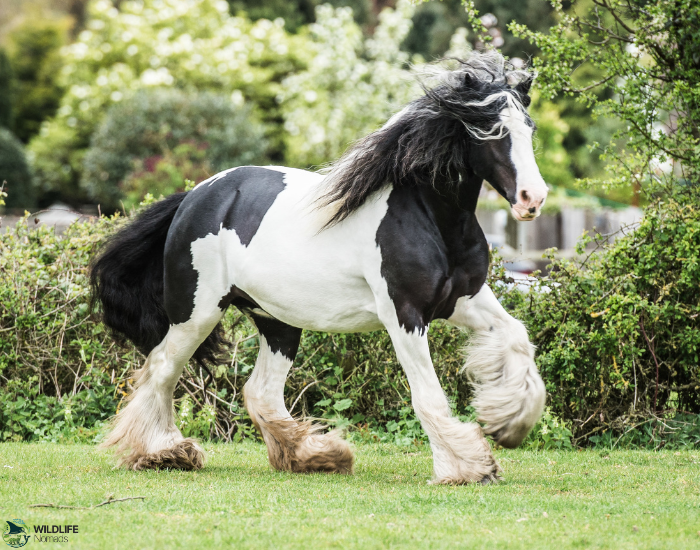
11. Welsh Pony
The Welsh pony is proof that small can be mighty. Native to the Welsh hills for at least a thousand years, this hardy pony survived harsh winters with minimal human help, which is why it’s tougher than horses three times its size. The breed registry recognizes four sections, ranging from the small Section A to the Welsh Cob. Welsh ponies are popular among horse lovers for kids’ programs, leisure riding, and competitive driving. I’ve watched Welsh ponies out-jump full-sized horses in agility events; they’re scrappy in the best way.
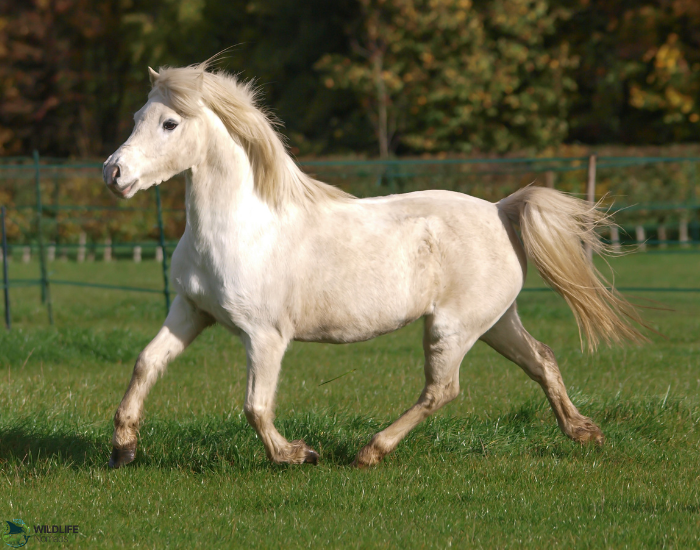
12. Mustang
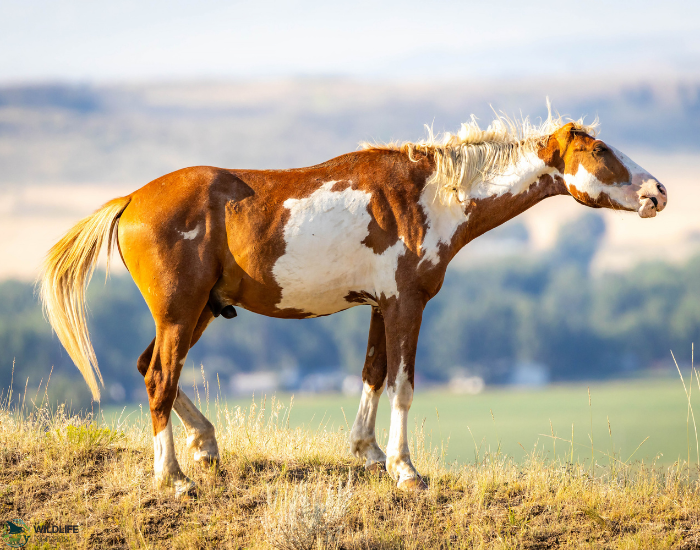
The American Mustang is technically feral rather than wild (similar to the introduced species: brumbies in Australia) , descended from Spanish horses that escaped or were released centuries ago. Today they roam public lands across the western United States, managed (controversially) by the Bureau of Land Management. Mustangs are not a single breed in the formal sense, but they represent something irreplaceable: a self-selecting population shaped by predators, drought, and terrain rather than by humans. Adopted Mustangs make excellent trail riding partners once gentled, with surefootedness and stamina that few other horses types can match.
13. Cleveland Bay
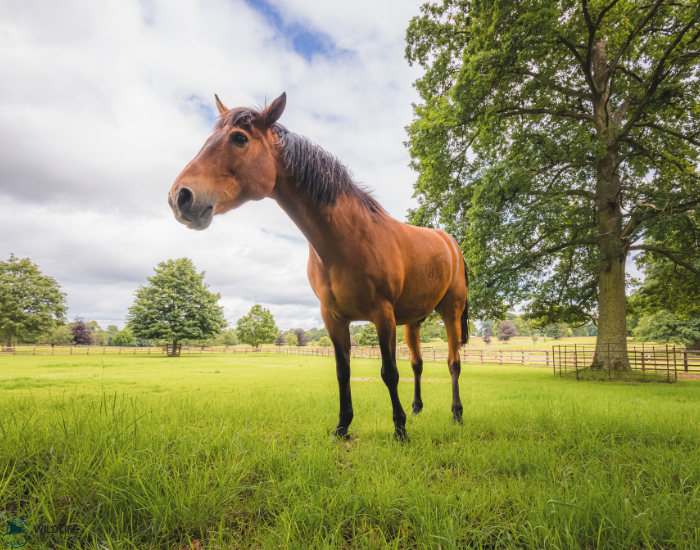
The Cleveland Bay is the oldest established horse breed in England, originating in Yorkshire’s Cleveland district. Always solid bay in color with black points, this versatile breed historically pulled royal carriages and worked farms with equal competence. Cleveland Bays are now critically rare, with fewer than a thousand purebreds worldwide. The British royal family still keeps a few, which is one reason the breed survives at all. They cross beautifully with Thoroughbreds to produce sport horses for eventing and show jumping.
14. Akhal-Teke
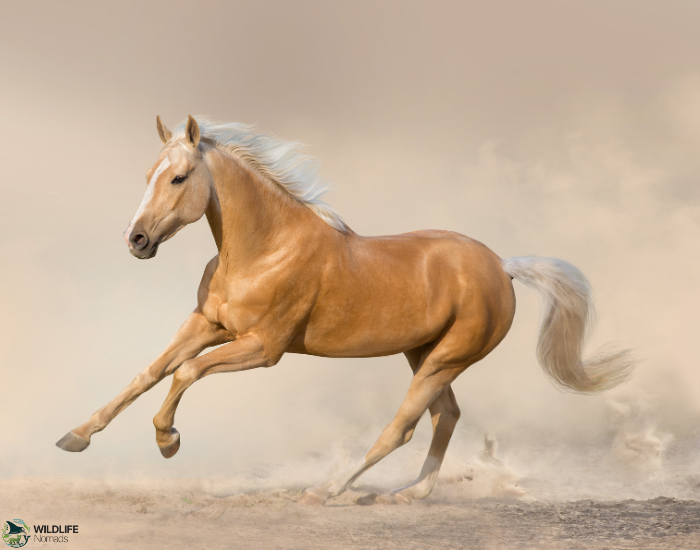
The Akhal-Teke is the most otherworldly horse you’ll ever see. Originating in Turkmenistan, this hot blooded breed has a metallic golden sheen to its coat; a genuine optical effect produced by a unique hair structure. They are tall, lean, and built for desert endurance, with a deep chest and a slim frame that recalls a greyhound more than a typical riding horse. Genetic studies suggest the Akhal-Teke is one of the oldest horse breeds in the world, possibly an ancestor of the Arabian itself.
15. Lipizzaner
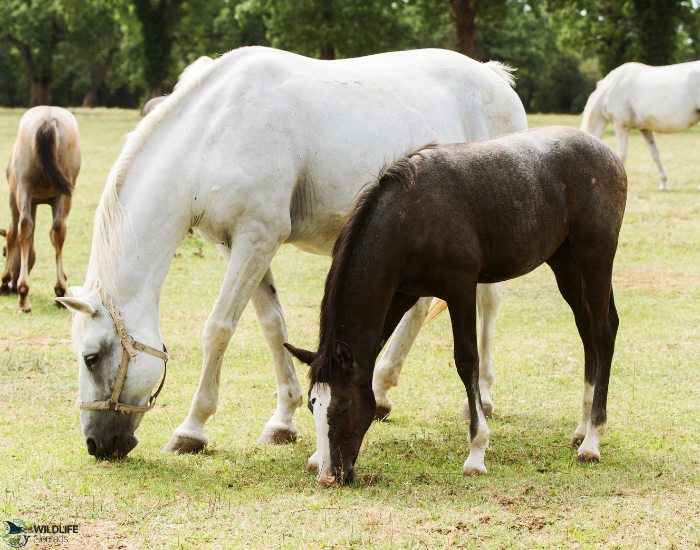
The Lipizzaner is famous because of the Spanish Riding School in Vienna, where these white stallions perform classical dressage routines that haven’t changed in 400 years. Bred from Spanish, Arabian, and Italian stock starting in the 1500s, the Lipizzaner is born dark — bay or black — and slowly turns white over six to ten years. Their intelligence and willingness to learn complex movements make them legends in the dressage world. In most cases they outlive other breeds, regularly working into their late twenties.
16. Icelandic Horse
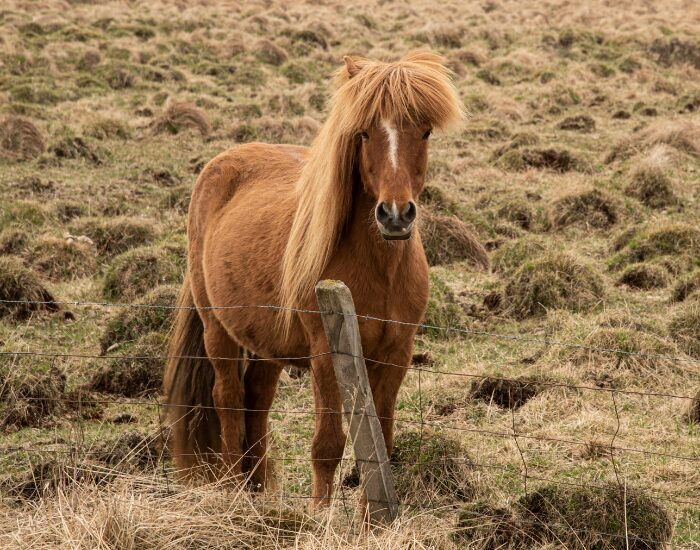
One of the few animals from Iceland. Meet the Icelandic horse: a living time capsule. Due to a 1,000-year-old ban on importing horses to Iceland, this breed remains one of the purest on Earth. They are famous for their two unique gaits; the tölt and the skeið (flying pace); which offer a smooth ride over the island’s jagged volcanic terrain. Biologically, they are a masterclass in cold-weather adaptation, sporting a double coat that can withstand sub-arctic gales.
17. Przewalski’s Horse
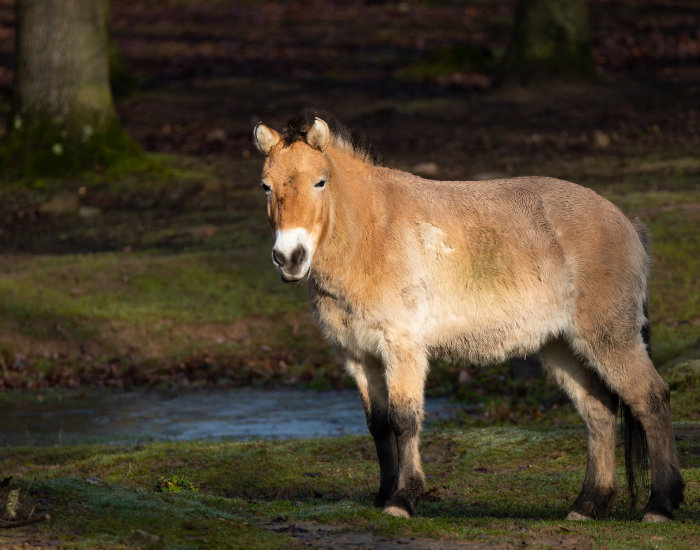
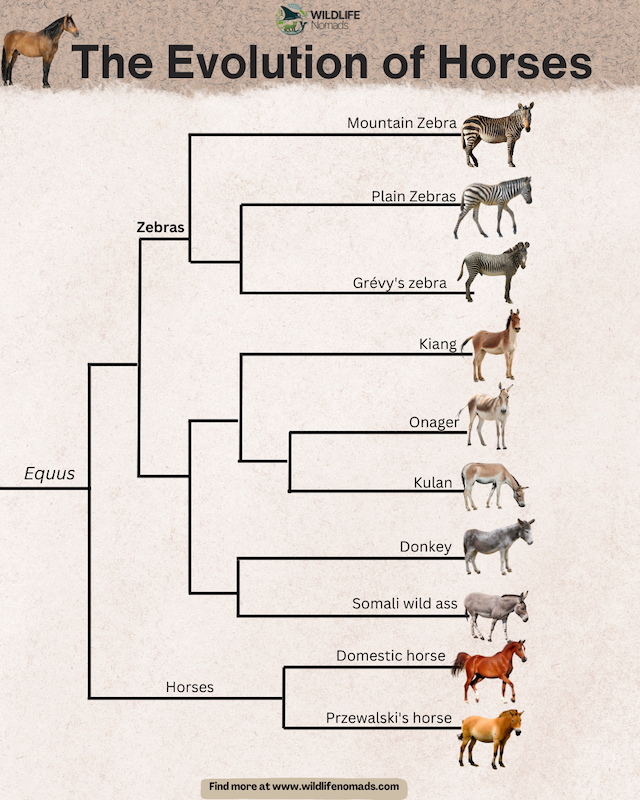
While often grouped with breeds, Przewalski’s horse is actually a distinct subspecies and the only truly wild horse remaining. They carry 66 chromosomes compared to the 64 found in all domestic breeds. With their stocky build, upright “Mohawk” mane, and primitive leg striping, they represent the ancestral blueprint of the caballine horse. After being declared extinct in the wild, intensive conservation efforts have successfully returned them to the Mongolian steppe.
Frequently Asked Questions
Horse breeds are populations of horses that have been selectively bred over generations to share consistent physical characteristics and temperament. A breed registry maintains pedigrees and breed standards. Different breeds excel at different jobs — racing, dressage, pulling carriages, trail riding — because of how their ancestors were shaped by climate, work, and human selection over centuries.
The big horse breeds are mostly draft horse breeds: Shire, Clydesdale, Belgian, Percheron, and Suffolk Punch. The Shire horse is generally the tallest, with stallions topping 18 hands. These gentle giants were originally bred for pulling heavy loads on farms and pulling carriages through cities. Despite their size, they tend to be the most docile horses you’ll ever meet.
For first time riders, the most popular horse breeds are typically the American Quarter Horse, the Morgan, the Appaloosa, and the Welsh Cob. These breeds are generally calm, hardy, and forgiving. Quarter horses in particular are suitable for leisure riding because of their balanced temperament. For experienced riders looking for more sensitivity, an Arabian or Thoroughbred is a different animal entirely.
The classic race horse breeds are the Thoroughbred (flat racing), the American Quarter Horse (sprint racing), the Standardbred (harness racing), and the Arabian (endurance racing). Each was selectively bred for a specific kind of competition. Thoroughbreds dominate the world stage, but Quarter Horses are technically faster over a short quarter-mile sprint.
Why I Keep Coming Back to Horses
Horses, like donkeys, goats, and seabirds, are animals so woven into our daily background that we forget to look closely. But every breed on this list is a kind of living archive — selectively bred over centuries to solve a problem we no longer remember asking. The next time you pass a pasture, slow down. Notice the body type, the deep chest, the wide forehead, the way the horse holds its head. You’re looking at evolution and culture meeting in a single animal. If you want more on the biology of speed and stamina, my guide to the fastest animals on land covers a few horse breeds, too. Drop a comment with your favorite breed — I want to hear which one you’d put on your top 15.
References:
Librado, P., Khan, N., Fages, A., et al. (2021). The origins and spread of domestic horses from the Western Eurasian steppes. Nature, 598(7882), 634–640. https://doi.org/10.1038/s41586-021-04018-9
Petersen, J. L., Mickelson, J. R., Cothran, E. G., et al. (2013). Genetic diversity in the modern horse illustrated from genome-wide SNP data. PLOS ONE, 8(1), e54997. https://doi.org/10.1371/journal.pone.0054997
Orlando, L., Ginolhac, A., Zhang, G., et al. (2013). Recalibrating Equus evolution using the genome sequence of an early Middle Pleistocene horse. Nature, 499(7456), 74–78. https://doi.org/10.1038/nature12323
Khanshour, A. M., & Cothran, E. G. (2013). Maternal phylogenetic relationships and genetic variation among Arabian horse populations using whole mitochondrial DNA D-loop sequencing. BMC genetics, 14, 83. https://doi.org/10.1186/1471-2156-14-83
Ablondi, M., Viklund, Å., Lindgren, G., Eriksson, S., & Mikko, S. (2019). Signatures of selection in the genome of Swedish warmblood horses. BMC Genomics, 20(1), 717. https://doi.org/10.1186/s12864-019-6079-1
Cosgrove, E. J., Sadeghi, R., Schlamp, F., et al. (2020). Genome diversity and the origin of the Arabian horse. Scientific Reports, 10(1), 9702. https://doi.org/10.1038/s41598-020-66232-1
Promerová, M., Andersson, L. S., Juras, R., et al. (2014). Worldwide frequency distribution of the ‘Gait keeper’ mutation in the DMRT3 gene. Animal Genetics, 45(2), 274–282. https://doi.org/10.1111/age.12120