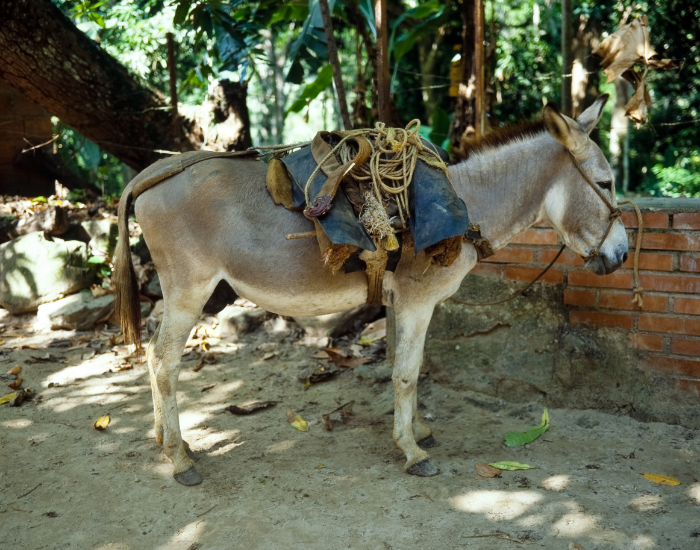
Growing up in Mexico, donkeys were common to see. When i had to go to rural areas, I watched them carry heavy loads through narrow mountain paths. Most people saw them as simple beasts of burden. However, my career as a field biologist changed everything.
The donkey (Equus africanus) isn’t just a small horse. These domestic animals are highly intelligent social animals with ancient roots in Africa. They aren’t stubborn, they’re survivors.
If you’ve wondered about donkey breeds or searched “donkeys or donkies” (it’s donkeys!), you’re in the right place. These facts about donkeys prove they deserve respect, not just work.
1. Their Ancestor, the African Wild Ass, is Critically Endangered
Domesticated donkeys are everywhere. However, the African wild ass (Equus africanus) is critically endangered. Fewer than 200 wild animals remain in their arid habitat near the Horn of Africa, however other estimates suggest that there may be up to 600 individuals remaining in the wild (Ethiopia and Eritrea).
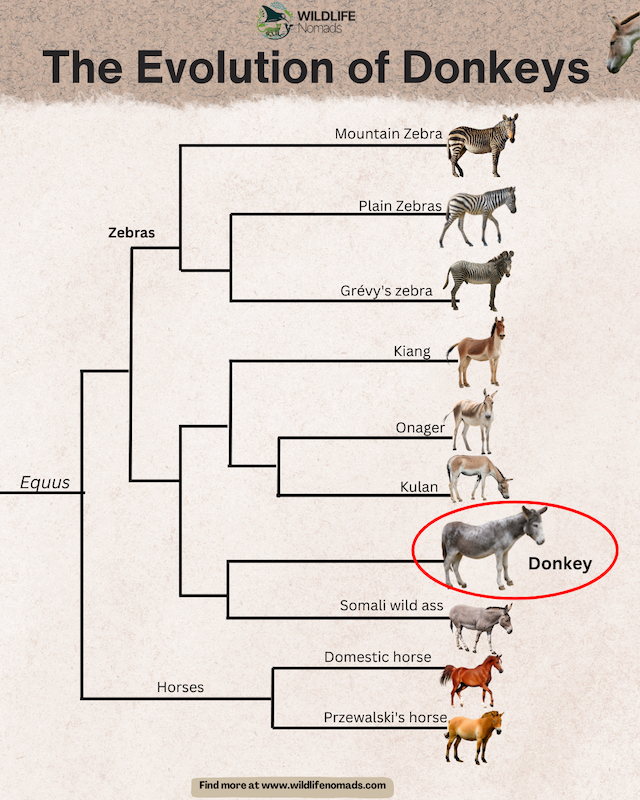
This separate species evolved for extreme conditions. They survived where food and water were scarce. Today, habitat loss and competition with other animals threaten their existence. Therefore, every domestic donkey connects us to this endangered wild ancestor.
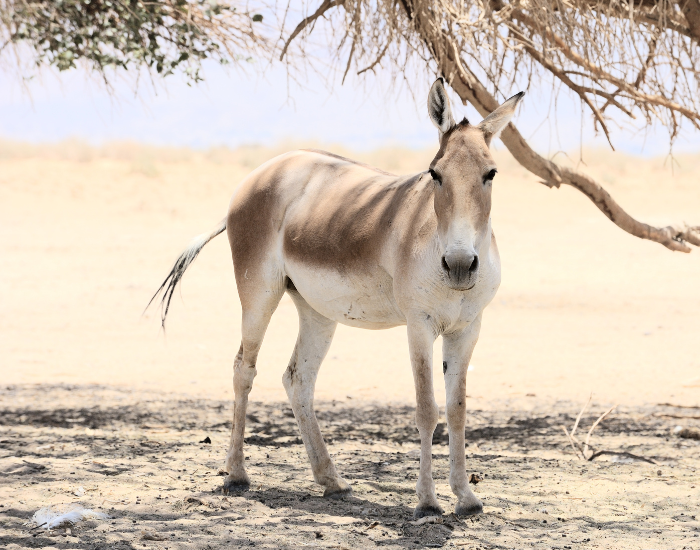
The Asiatic wild ass faces similar threats. Both species show us why conservation efforts matter for these remarkable animals.
2. Donkeys Don’t Freeze… They Think
Many people call donkeys stubborn. As a biologist, I find this label completely wrong. It misunderstands their strong sense of self-preservation.
Unlike horses, donkeys evolved in challenging environments like rocky canyons. When a male donkey or female donkey senses danger, they don’t run blindly. Instead, they stop and assess the situation. This donkey behavior prevents injuries on treacherous terrain.
This careful approach shows high intelligence. If your donkey refuses to move, they’ve likely spotted a threat you missed. Their donkey’s sense of caution has kept them alive for millennia.
3. They Form Lifelong Bonds
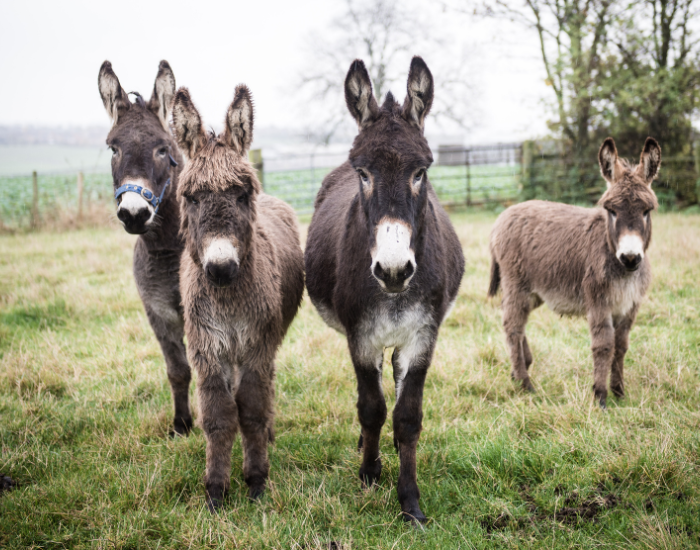
Donkeys are deeply social animals. Working donkeys often become inseparable companions. These lifelong bonds run so deep that separation causes severe stress.
A female donkey may stop eating if her bonded partner dies. This condition, called hyperlipemia, can be fatal without veterinary care. Most of them need companionship to thrive.
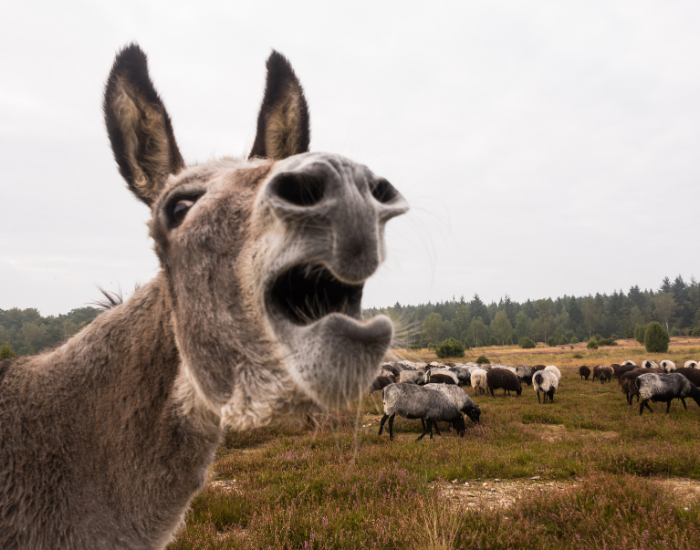
They bond with other species too. Many donkeys befriend goats and sheep. This gentle nature makes them excellent companions. However, their animal welfare depends on having friends nearby.
4. The Hee-Haw is a Long-Distance Call
They communicate through their famous bray. This isn’t random noise, it’s sophisticated communication developed over long periods in vast desert landscapes.
A donkey’s hee-haw travels up to three kilometers. They vocalize while inhaling and exhaling, creating that distinctive two-tone sound. When they express emotions through braying, they signal location, mark territory, or call their herd.
This adaptation helped wild animals stay connected across long distances. Even domesticated donkeys retain this powerful communication tool.
5. They Are Ultimate Livestock Guardians
Forget guard dogs. Many farmers use them as livestock guardians. Their natural dislike of canines (wolves, coyotes, stray dogs) makes donkeys protect sheep and goats fiercely.
Donkeys don’t just alert the flock. They actively chase, kick, and bite predators. Their strong sense of territory and lack of flight response makes them formidable opponents. Therefore, protecting sheep becomes second nature.
A male donkey guarding livestock will fearlessly confront threats. This protective instinct has made them invaluable on farms worldwide.
6. Not All Donkeys Are the Same: Meet the Breeds
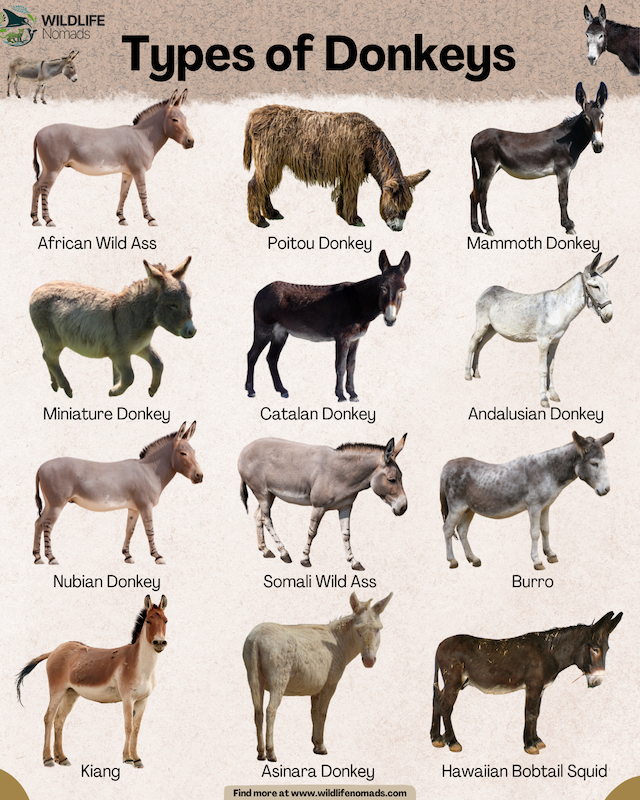
Donkey breeds vary dramatically. Many people think they’re all alike. However, centuries of specialized breeding created distinct types:
Miniature Donkeys: These aren’t bred-down versions. They’re a specific breed from Sicily and Sardinia, standing under 36 inches tall. Miniature donkeys make gentle companions for small farms.
Mammoth Donkeys: Developed in the US for breeding large mules, these giants exceed 56 inches (14 hands). Mammoth donkeys are impressive pack animals that carry heavy loads with ease.
Poitou Donkeys: This rare French breed has unique “cadenettes”, long, matted cords resembling dreadlocks. These other donkeys showcase the incredible diversity within the species.
7. The Science of Mules and Donkey Hybrids
What two animals make a donkey? Actually, donkeys are their own species. However, crossing them with horses creates donkey hybrids.
When a male donkey (jack) breeds with a female horse (mare), you get mules. A male horse (stallion) with a female donkey (jenny) produces a hinny. Mules combine donkey endurance with horse strength, making them prized pack animals.
Most mules and hinnies are sterile. They have 63 chromosomes, an odd number that prevents normal reproduction. However, extremely rare cases of fertile female mules exist. A male zebra crossing with a female donkey creates a zebra hinny, though this rarely occurs.
These crosses show the fascinating biological sciences behind equine genetics. Donkeys and mules have served humans for thousands of years.
8. Impressive Memories Donkeys Possess
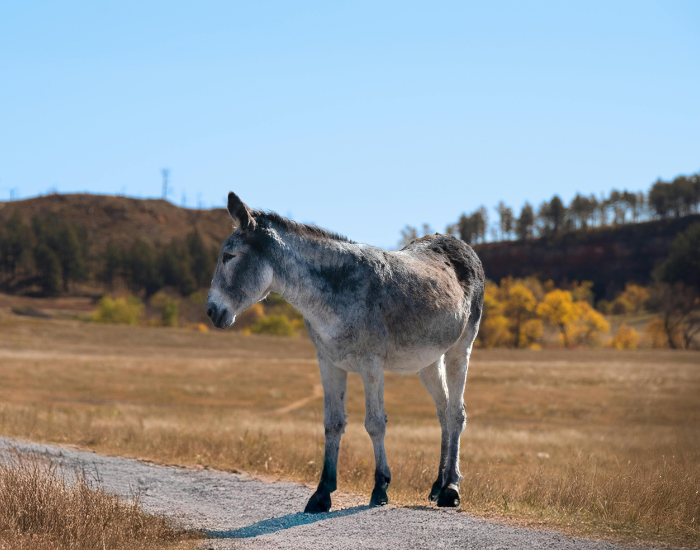
They have good memory that rivals elephants. Research from biological sciences journals confirms they recognize places and other donkeys after 25 years.
I’ve watched working animals navigate challenging environments back home without guidance. These impressive memories help them remember water sources in deserts, a key trait crucial for desert wildlife to survive.
This cognitive ability affects donkey behaviour profoundly. They remember kind treatment and mistreatment for years. Therefore, gentle handling creates lasting trust.

9. They Stay Cool with Those Large Ears
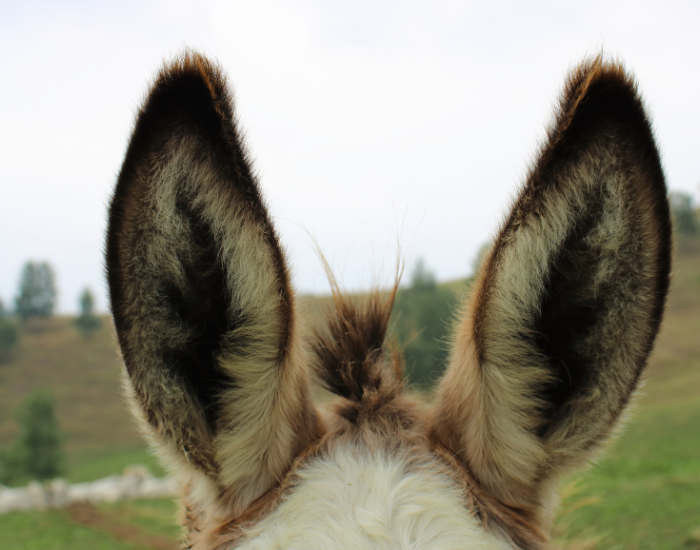
Why do donkeys have such large ears compared to horses? It’s not just for hearing (though they hear brays from miles away).
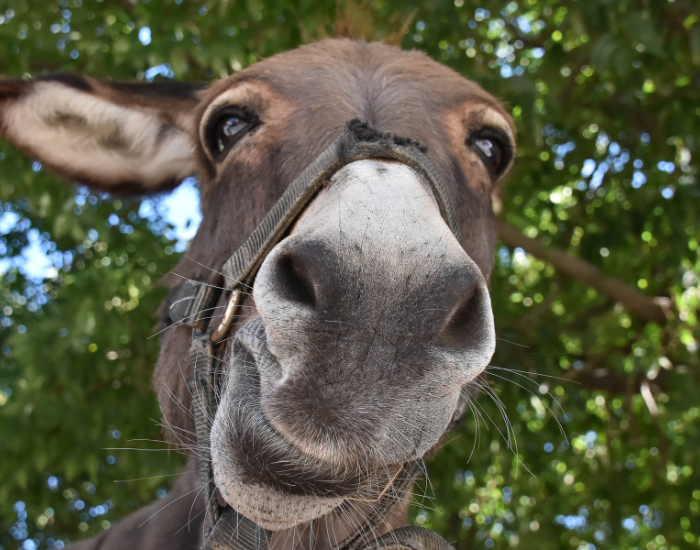
Those ears contain blood vessels that help donkeys stay cool in desert heat. Blood circulates through thin skin, dissipating body heat efficiently. This vital adaptation comes from their Middle East and African origins.
Unlike horses, donkeys evolved in arid habitats where cooling mechanisms meant survival. Their large ears prove nature’s brilliant engineering.
10. Donkeys Eat Specific Diets: No Rich Grass Allowed
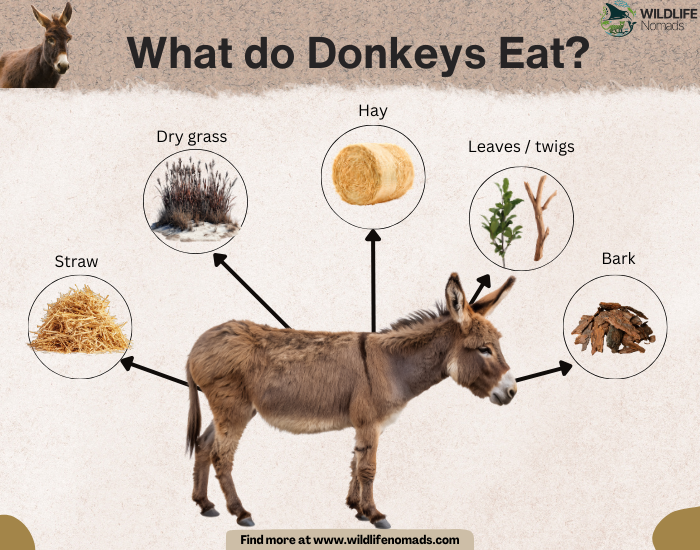
One critical fact about donkeys: their food needs differ from horses. They extract nutrients efficiently from poor-quality forage. Wild donkeys eat tough, fibrous, woody plants.
Too much rich grass causes obesity or laminitis, a painful foot condition. They thrive on straw and limited hay. Their digestive system is a masterpiece of biological efficiency.
Frequently Asked Questions
Donkeys are social animals that form lifelong bonds, have impressive memories spanning 25+ years, serve as excellent livestock guardians, possess large ears for cooling, and require lean diets unlike horses. Their intelligence often gets mistaken for stubbornness.
Donkeys are their own separate species descended from the African wild ass. However, crossing a male donkey with a female horse creates mules, while a male horse with a female donkey produces hinnies. These donkey hybrids combine traits from both parents.
Donkeys can be wonderful companions with proper care. However, they need companionship (at least one friend), appropriate space, lean diets, and veterinary care. Miniature donkeys often make better pets for smaller properties than mammoth donkeys. Their gentle nature suits families well.
No. While both belong to family Equidae, donkeys and horses are separate species. Think of them as cousins, not siblings. Unlike horses, donkeys have different behaviors, vocalizations, and survival strategies.
This is a myth! Domestic donkeys have a single stomach like humans and horses. They’re hindgut fermenters, meaning they break down fibrous plant material in their large intestine, not multiple stomachs.

Why Donkeys Matter
From the United Nations recognizing their role in global agriculture to the Royal Society studying donkey behaviour, these animals prove they’re more than beasts of burden.
Donkeys are social animals with gentle nature, strong sense of family, and biological history as rugged as their native landscapes. Whether miniature donkeys on small farms or working donkeys carrying heavy loads, they’ve served humans faithfully.
The critically endangered Asiatic wild ass and African wild ass remind us why conservation matters. Domesticated donkeys connect us to these wild ancestors.
Next time you see a donkey, look past the “stubborn” stereotype. See those large ears, the intelligence in their eyes, and remember you’re observing one of Earth’s most resilient domestic animals. From protecting sheep to navigating challenging environments, donkeys deserve our respect and proper animal welfare.