Convergent evolution has fascinated me since my first biology lectures. The idea that creatures separated by entire oceans can develop nearly identical solutions to the same survival problems, spines, quills, streamlined bodiesm still gives me chills. I have already written about hedgehogs, porcupines, and the echidna, a monotreme, one of the few egg laying mammals on Earth. Each carries spines. None share a recent ancestor. The natural next chapter? Tenrecs, a group of small mammals from Madagascar that represent perhaps the most dramatic example of parallel adaptation among all living things. Here are 12 facts that prove it.
1. Tenrecs Are Not Hedgehogs… Not Even Close
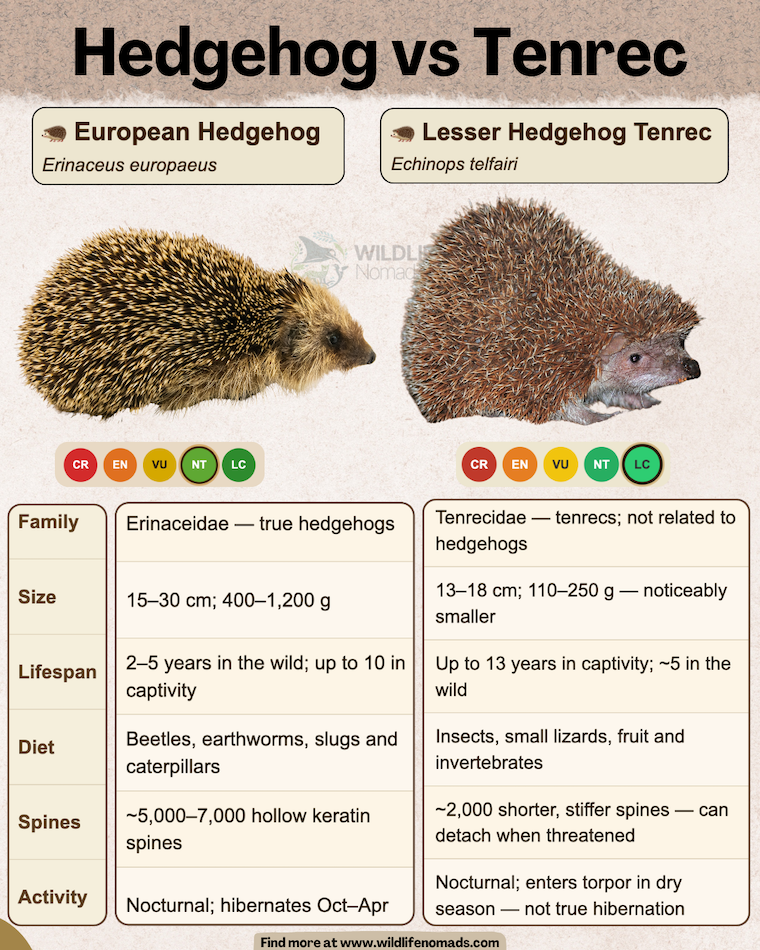
The lesser hedgehog tenrec looks so much like a hedgehog that even experienced naturalists do a double take. Covered in hardened spines with a pointed snout, this creature is a master of disguise. However, tenrecs and hedgehogs share no close evolutionary relationship. While true hedgehogs belong to the family Erinaceidae, tenrecs are part of the family Tenrecidae.
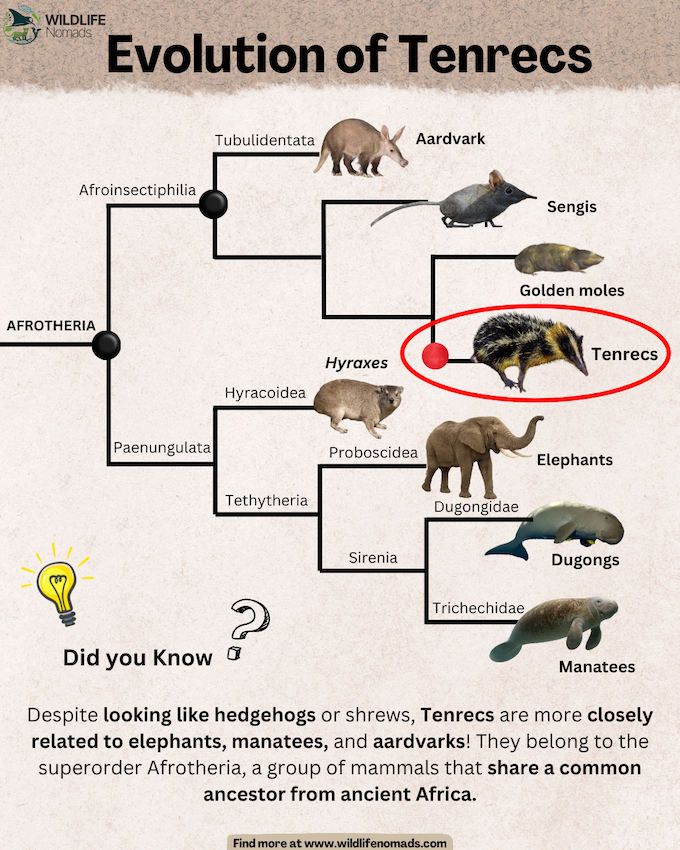
Surprisingly, their closest relatives aren’t the spiny creatures they resemble, but rather golden moles, aardvark, hyraxes, and even manatees and dugongs. They belong to the superorder Afrotheria, a group of mammals that evolved in Africa. When tenrecs colonized Madagascar roughly 30 million years ago, they arrived as a single lineage. Isolated from the mainland, they began a radical transformation, proving that biological “looks” can be incredibly deceiving.
2. Over 30 Species Exist… And They Look Nothing Alike
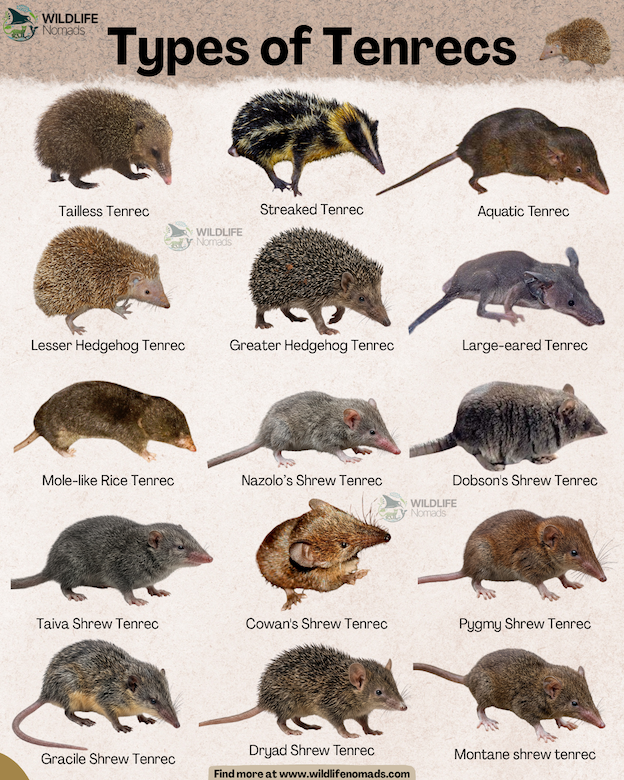
Most people picture a spiny ball when they hear “tenrec.” The reality is far more diverse. Researchers recognize over 30 tenrec species, and they range from tiny shrew tenrecs weighing just 5 grams to the common tenrec (Tenrec ecaudatus) that can exceed a kilogram. Some resemble mice. Others look like otter shrews. A few mimic mole tenrecs that burrow underground using powerful forelimbs.
The lesser Madagascar hedgehog tenrecs (Echinops telfairi) sport spines and roll into defensive balls. The lowland streaked tenrec wears black-and-yellow barbed quills and communicates through stridulation. Rice tenrecs look so much like shrews or mice that they are often mistaken for them in the field. Web footed tenrec species paddle through streams. No single species of unrelated mammals elsewhere on Earth packs this much morphological variety into a single lineage. Each tenrec species fills a different ecological niche, a textbook case of adaptive radiation that makes Darwin’s finches look modest by comparison.
3. Madagascar Is Their Entire World
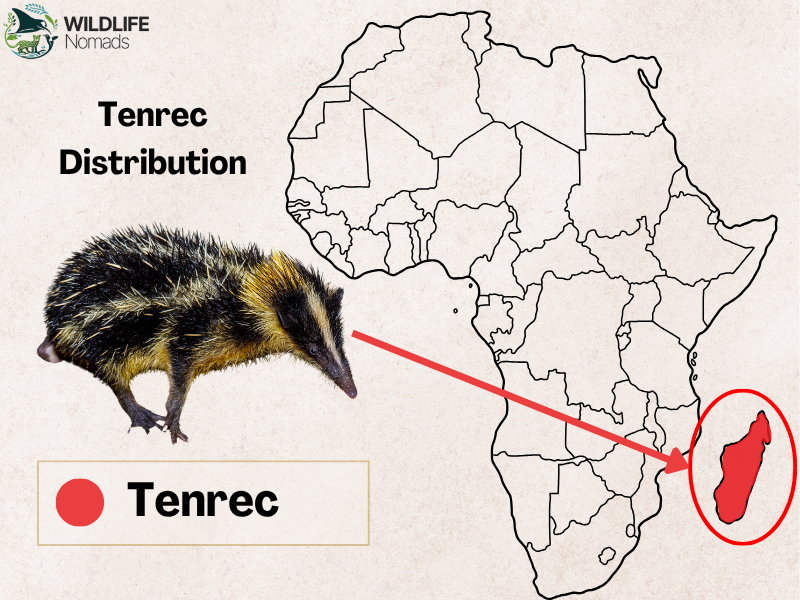
Where do tenrecs live? Almost exclusively on Madagascar. Every species in the family except the otter shrews of mainland Africa calls this island home. Tenrecs inhabit everything from humid rainforests along the eastern coast to forests in the west and southwestern Madagascar. Some thrive in coastal regions. Others prefer montane forests above 2,000 meters.
The lesser Madagascar hedgehog tenrecs favor dry deciduous forests and spiny bush in southern and southwestern Madagascar. Lowland streaked tenrecs stick to the eastern rainforests. This geographic partitioning helped drive the explosive diversification across the island. Madagascar’s isolation created a natural laboratory. Most tenrec species never needed to compete with other mammals like shrews, moles, or hedgehogs, those creatures simply never arrived. Tenrecs filled every available role instead.
4. The Lesser Hedgehog Tenrec Is the Star of the Family
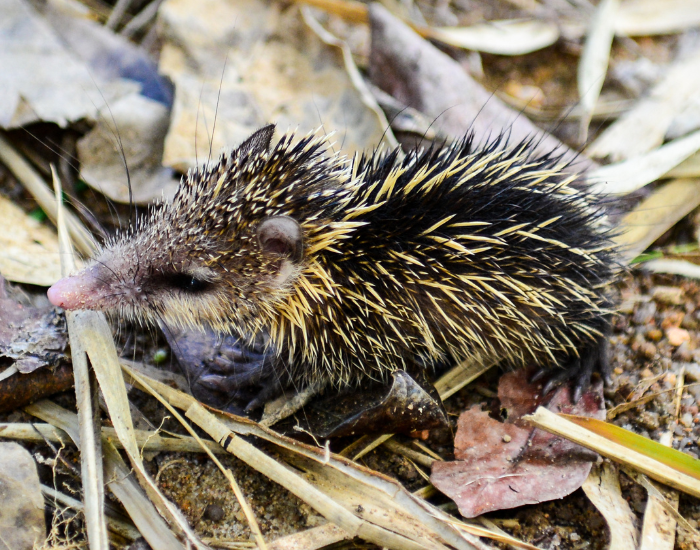
Among all known species, the lesser hedgehog tenrec (Echinops telfairi) gets the most attention, a genuine animal ambassador for the entire group. This creature measures just 15 to 18 centimeters long and weighs between 110 and 250 grams. Lesser hedgehog tenrecs carry a coat of short, sharp spines across their backs, with softer fur on their bellies. When threatened, they curl into a tight ball, exactly like a hedgehog, though the mechanism evolved completely independently. Two species of hedgehog tenrec exist on Madagascar, and this one dominates the spotlight.
Lesser Madagascar hedgehog tenrecs are nocturnal. They spend their nights foraging for insects, small vertebrates, and fruit across the forest floor. Their sensitive whiskers help them navigate in total darkness. During the cool dry season in Madagascar, lesser hedgehog tenrecs enter torpor, a form of hibernation that helps them conserve energy when resources become scarce. This ability to drop their body temperature sets them apart from most other warm-blooded creatures on the planet.

5. Tenrecs Have a Bizarrely Low Body Temperature
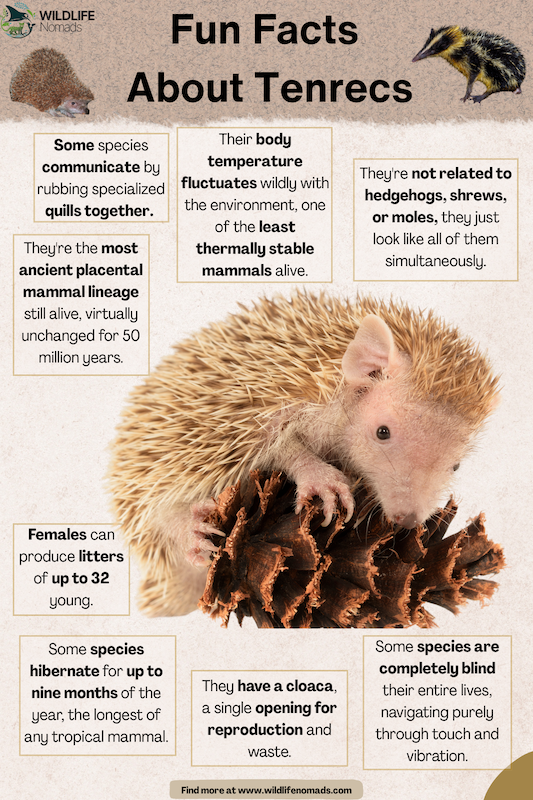
Most mammals maintain a stable, warm internal temperature. Tenrecs break that rule. The lesser Madagascar hedgehog tenrecs and several other members display a relatively low body temperature that fluctuates with their environment, a trait called heterothermy. During torpor, their temperature can drop to nearly ambient levels, sometimes as low as 5°C.
This strategy helps tenrecs conserve energy during Madagascar’s dry season when insects and fruit become scarce. One species — the common tenrec (Tenrec ecaudatus) — can remain in torpor for up to nine months, longer than almost any other creature. Some researchers believe this trait may reflect an ancient condition shared by early placental mammals millions of years ago. Tenrecs may represent a living window into what the earliest placental creatures looked like and how they regulated their metabolism.
6. Their Diet Is Surprisingly Flexible
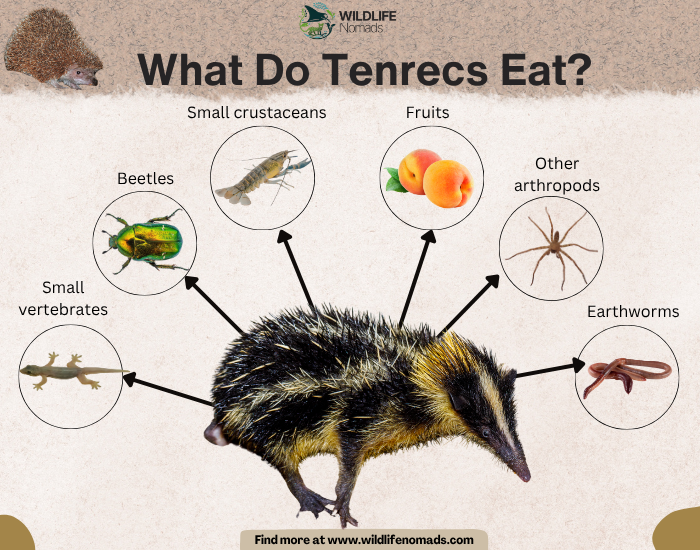
What do they consume? The answer depends entirely on which one you are watching. Most tenrec species are opportunistic feeders. The lesser hedgehog tenrec will consume insects, worms, small animals, bird eggs, and even fruit. Larger varieties like the tailless tenrec tackle frogs and invertebrates. Shrew tenrecs focus almost exclusively on insects in leaf litter. The web footed tenrec hunts aquatic invertebrates in forest streams, snatching prey from floating vegetation and rocks.
Tenrecs consume whatever their habitat provides. Some find food by probing soil with their sensitive whiskers. Others tongue-clicking for a rudimentary form of echolocation, a rare ability among terrestrial mammals. The lowland streaked tenrec clicks its quills together to produce sound, then listens for echoes. This technique helps it find food in dense undergrowth where vision is useless. Female lesser hedgehog tenrecs forage more aggressively before the breeding season to build fat reserves. The dietary flexibility across this group makes them one of the most adaptable lineages of small creatures in the world.
7. One Species Communicates by Rubbing Its Spines
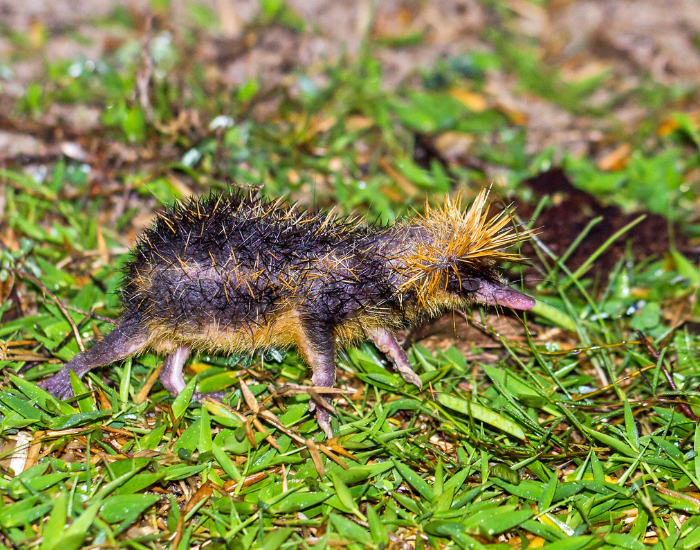
The lowland streaked tenrec produces sound by rubbing together specialized quills on its back, a process called stridulation. This makes it one of the only living things known to communicate this way outside of insects. Crickets use stridulation constantly. Among warm-blooded animals, the behavior is almost unheard of.
The lowland streaked tenrec uses these sounds to maintain contact with family members in dense forest undergrowth. Groups forage together, and stridulation helps them coordinate without relying on vision. The modified hairs that produce these sounds evolved from the same basic spine structure that other hedgehog tenrec species use purely for defense. Same raw material, completely different function, another example of the tenrec family’s extraordinary adaptability.
8. The Largest Tenrec Holds a Breeding Record
The tailless tenrec (Tenrec ecaudatus) produces the largest litters of any living creature in its class. A single female can give birth to over 30 undeveloped young in one litter. The average sits around 15 to 20. These babies are tiny and helpless, smaller than baby mice at birth. Females can have up to 32 nipples to feed this enormous brood.
Why so many offspring? This species adopts a survival strategy based on sheer numbers. Madagascar’s predators — fossas, snakes, birds of prey — take a heavy toll on small creatures. By producing massive litters, this approach ensures enough undeveloped young survive to adulthood. Most mammals invest heavily in fewer, more developed offspring. Tenrecs take the opposite approach. Evolutionary biologists see this as another echo of early placental mammals, which likely reproduced in similar fashion millions of years ago.
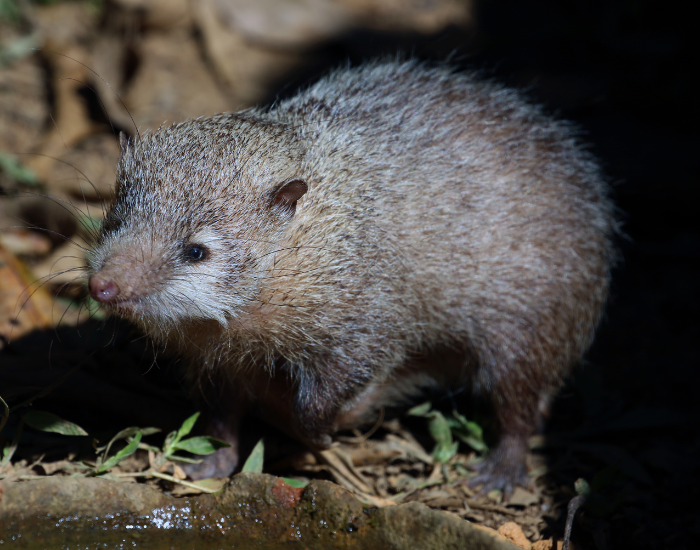
9. Tenrecs and Hedgehogs Are a Textbook Case of Convergent Adaptation
While the resemblance between a lesser hedgehog tenrec and a European hedgehog is uncanny, it is only one piece of a larger puzzle. This is a classic example of convergent adaptation. Because Madagascar lacked traditional competitors, the tenrec family underwent adaptive radiation, essentially “mimicking” the body forms of animals found on other continents to fill vacant ecological niches.
The result is an entire family of “impersonators.” Mole tenrecs developed the same powerful forelimbs as true moles for life underground, while shrew tenrecs evolved the twitchy, elongated snouts of standard shrews. Even the web-footed tenrec mirrors the streamlined body of an otter. This phenomenon demonstrates the “creativity” of natural selection: when unrelated organisms face identical survival pressures, evolution often settles on the exact same physical solutions, creating a “mirror world” of wildlife on one isolated island.
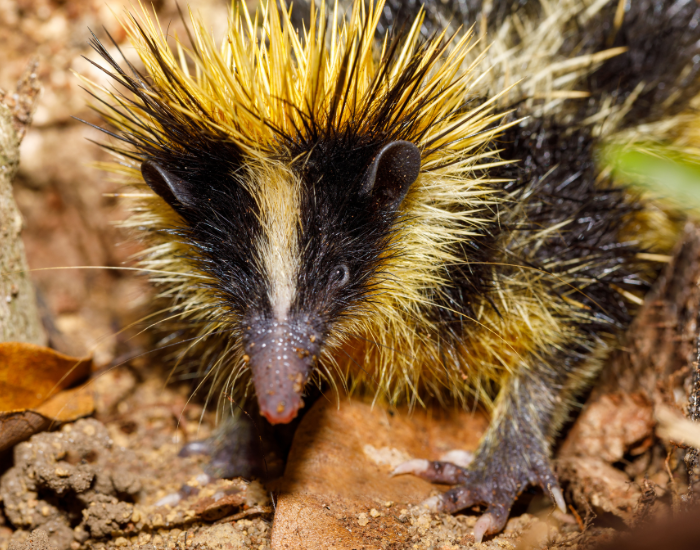
10. You Can Keep Lesser Hedgehog Tenrecs as Pets… With Caveats
The lesser hedgehog tenrec has become a popular exotic pet in recent years. In human care, these can live 8 to 13 years. They require warm enclosures (around 25 to 30°C), a diet of insects and high-quality cat food, and hiding spots that mimic tree cavities and leaf litter. Unlike hedgehogs, lesser Madagascar hedgehog tenrecs do not carry the same disease risks, which makes them appealing.
That said, keeping tenrecs as pets demands serious research. They need specific humidity and temperature ranges. They enter torpor if conditions drop too cool, which can become dangerous without proper monitoring. Most tenrecs are solitary and do not enjoy handling. Legal regulations vary, many U.S. states and other regions restrict exotic mammal ownership. Before considering a hedgehog tenrec as a pet, check local laws and connect with a veterinarian experienced in exotic species care. These creatures deserve informed, dedicated attention, not impulse purchases driven by cute social media clips.
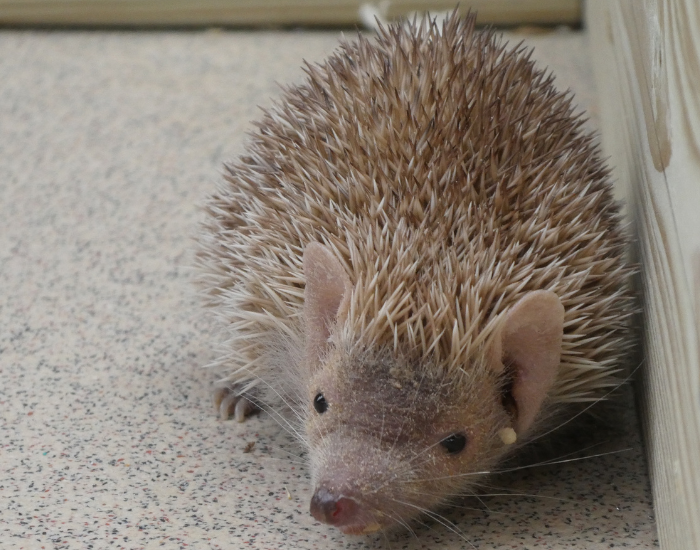
11. Habitat Loss Threatens Tenrec Populations
Madagascar has lost roughly 90% of its original forest cover. Slash and burn agriculture — known locally as “tavy”, remains the primary driver of deforestation. As forests disappear, tenrecs lose the habitat they depend on for shelter and breeding. Coastal regions and dry forests face particularly intense pressure from expanding agriculture.
The IUCN currently lists most species as Least Concern, but that classification masks localized declines. The greater hedgehog tenrec and several tenrec species with restricted ranges face mounting pressure from habitat loss. Large eared tenrec groups in southeastern Africa face similar threats from deforestation and water pollution. Conservation efforts must address both the unique Malagasy tenrecs and their closely related continental cousins. Without habitat protection, this remarkable diversity could erode within a few generations.
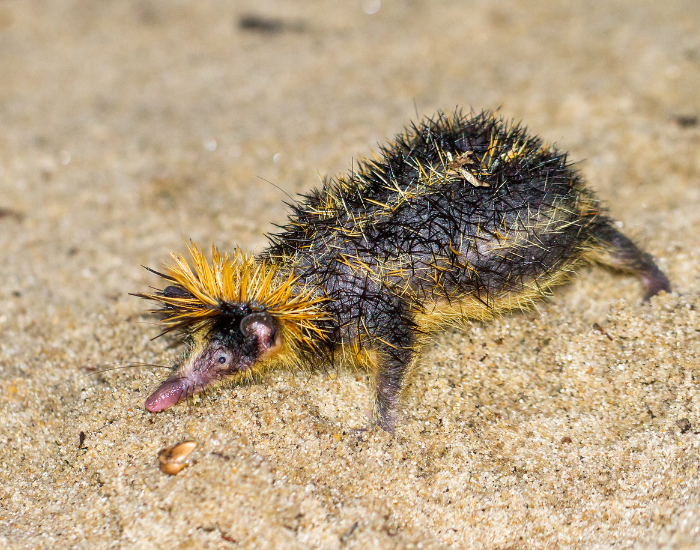
12. Tenrecs May Hold Clues to Early Evolution
Tenrecs fascinate researchers for reasons beyond their quirky appearance. Their relatively low body temperature, large litter sizes, and heterothermic metabolism resemble traits scientists associate with early placental mammals. Some argue that tenrecs may have retained ancestral characteristics that most other warm-blooded creatures lost millions of years ago.
The tenrec family diverged from its closest relatives roughly 70 million years ago. Molecular studies suggest that Malagasy tenrecs share a common ancestor with golden moles and otter shrews, all part of the superorder Afrotheria, which also includes elephants and aardvarks. The natural history of these animals is not just a Madagascar story. It is a window into the deep past of all warm-blooded life.
Frequently Asked Questions
Yes, lesser hedgehog tenrecs are legal to keep as pets in some regions. They need warm enclosures, insect-based diets, and hiding spots that mimic natural shelters like tree cavities. Most tenrecs are solitary and do not tolerate excessive handling. Check local regulations before purchasing, and find a veterinarian experienced with exotic creatures to ensure proper human care.
The diet includes insects, worms, small animals, bird eggs, fruit, and in some cases, aquatic invertebrates. Feeding habits vary by variety and habitat. Lesser Madagascar hedgehog tenrecs are primarily insectivorous but will also consume fruit. Many tenrecs find food using sensitive whiskers or, in rare cases, echolocation.
The Tenrec’s Lesson in Evolutionary Creativity
Studying echidnas, porcupines, and hedgehogs taught me that evolution loves to repeat its best designs. Tenrecs take that idea further than any other group on Earth. One lineage, one island, dozens of forms mimicking creatures from every continent. Whether you are drawn to their bizarre biology or their conservation needs, tenrecs deserve far more attention than they currently receive.
If Madagascar’s wildlife fascinates you, explore my deeper dive into the animals of Madagascar. And if you have encountered tenrecs, in the wild, in a zoo, or even as pets — share your experience in the comments. Birds, snakes, and fossas may dominate Madagascar headlines, but tenrecs are the island’s most quietly extraordinary residents.
Refrences:
Everson, K. M., Soarimalala, V., Goodman, S. M., & Olson, L. E. (2016). Multiple loci and complete taxonomic sampling resolve the phylogeny and biogeographic history of tenrecs (Mammalia: Tenrecidae) and reveal higher speciation rates in Madagascar’s humid forests. Systematic Biology, 65(5), 890–909. https://doi.org/10.1093/sysbio/syw034
Lovegrove, B. G., & Génin, F. (2008). Torpor and hibernation in a basal placental mammal, the lesser hedgehog tenrec (Echinops telfairi). Journal of Comparative Physiology B, 178(6), 691–698. https://doi.org/10.1007/s00360-008-0257-9
Eisenberg, J. F., & Gould, E. (1970). The tenrecs: A study in mammalian behavior and evolution. Smithsonian Contributions to Zoology, 27, 1–138. https://doi.org/10.5479/si.00810282.27
Poux, C., Madsen, O., Glos, J., de Jong, W. W., & Vences, M. (2008). Molecular phylogeny and divergence times of Malagasy tenrecs: Influence of data partitioning and taxon sampling on dating analyses. BMC Evolutionary Biology, 8, 102. https://doi.org/10.1186/1471-2148-8-102