I first fell in love with parrots while working at a zoo in Mexico. Although I was technically stationed in the reptile area, I spent every spare moment hanging out with the bird keepers. It was there that I had my first truly close encounter: magnificent macaws would fly down and sit right on my arm. Looking into their eyes every day and being part of their feeding routines allowed me to admire their complexity in a way you just can’t get from a distance.

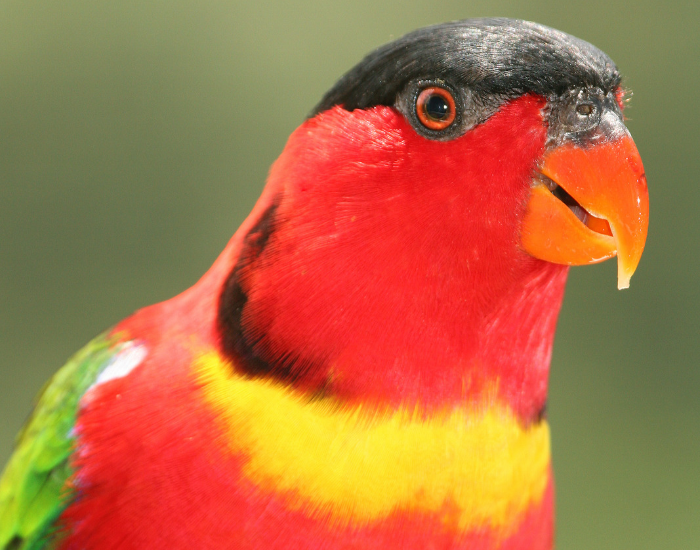
Now, living in Australia, parrots are everywhere here. On every hike, I’m greeted by the raucous calls of wild galahs, occasional black cockatoos, and the neon flashes of rainbow lorikeets darting through the gum trees.
Whether you’re a birdwatching amateur, considering adding a parrot friend to your family, or you’re simply curious about these intelligent birds, understanding the various types of parrots available can help you appreciate just how remarkable this bird family really is.
Let’s dive into this comprehensive guide that covers everything from the most popular pets in the bird world to rare species fighting for survival in the wild.

16 Fascinating Parrot Species Around the World
Parrots are found on every continent except Antarctica, ranging from tiny, colorful companions to massive rainforest dwellers with incredible intelligence. Here’s a deeper look at 16 remarkable parrot species from across the globe, covering parrots of various sizes, temperaments, and origins.
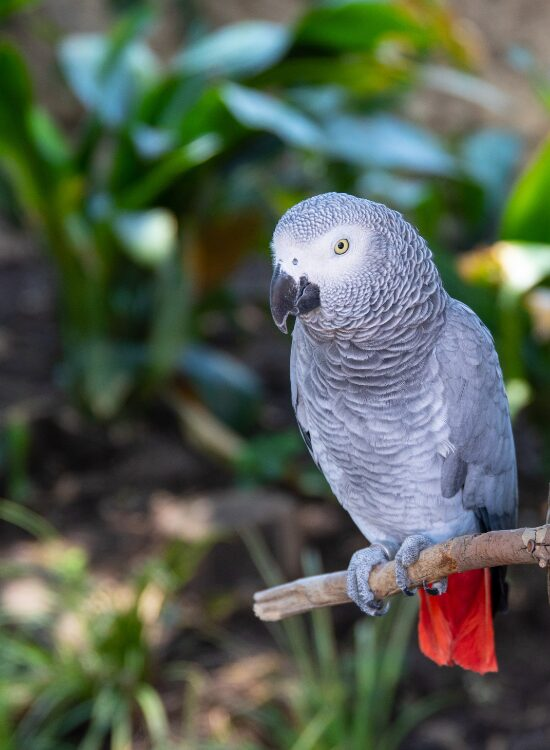
1. African Grey Parrot
The African Grey Parrot, native to Central and West Africa, is widely considered the most intelligent parrot species in the world. Already features in the blog entry “Animals with the biggest brains“, this parrot measures around 13 inches long, it’s best known for its exceptional talking ability and advanced problem-solving skills.
African greys can learn hundreds of words and often use them contextually. They mimic human speech with uncanny clarity and pick up tricks that put many other pets to shame. African grey parrots are emotionally sensitive and require significant mental stimulation, daily mental challenges, and bonding time with their humans.
Unfortunately, wild populations have declined due to poaching and habitat loss, and African grey parrots are now listed as endangered.
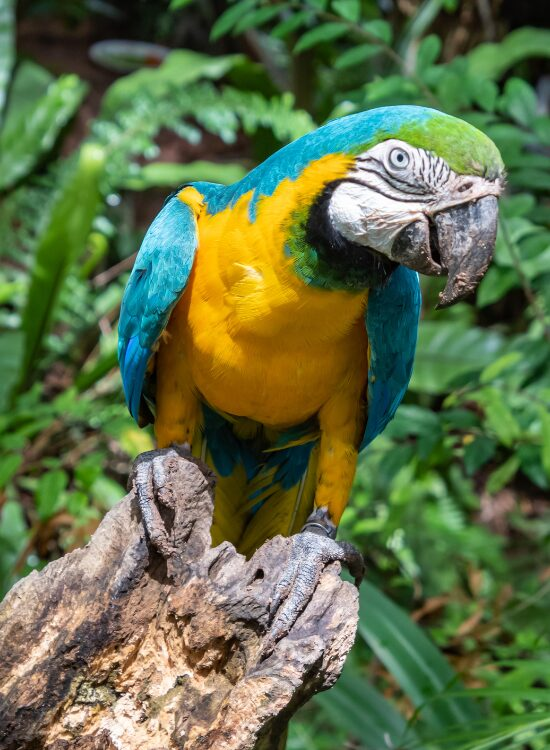
2. Blue-and-Gold Macaw
One of the most iconic parrot species, the Blue-and-Gold Macaw hails from the rainforests of South America. These striking birds grow up to 36 inches in length and are known for their vivid blue and yellow feathers, strong personalities, and loud vocalizations.
Highly intelligent and affectionate, macaws thrive on social interaction and need plenty of space and enrichment. They form strong bonds with humans and can learn an impressive repertoire of tricks. While their populations remain stable in some areas, deforestation poses an ongoing threat to their natural habitat.
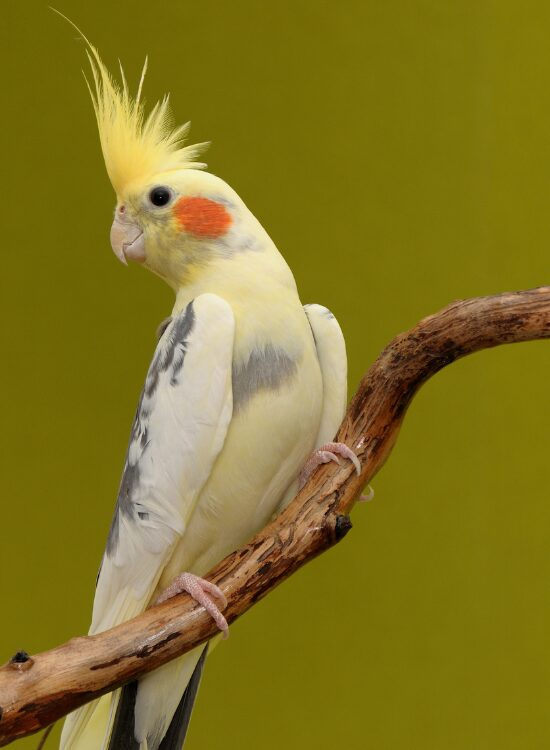
3. Cockatiel
Native to the arid regions of Australia, the Cockatiel is a small, gentle parrot measuring about 12 inches in length. With their expressive head crests and friendly personalities, cockatiels make excellent pets for first-time bird owners.
They are especially known for their whistling abilities and ability to mimic sounds. While they may not talk as clearly as larger parrots, they often learn short phrases. Social and affectionate, cockatiels enjoy bonding with humans and are relatively easy to care for. Their manageable size also makes them suitable for a wide range of living situations.
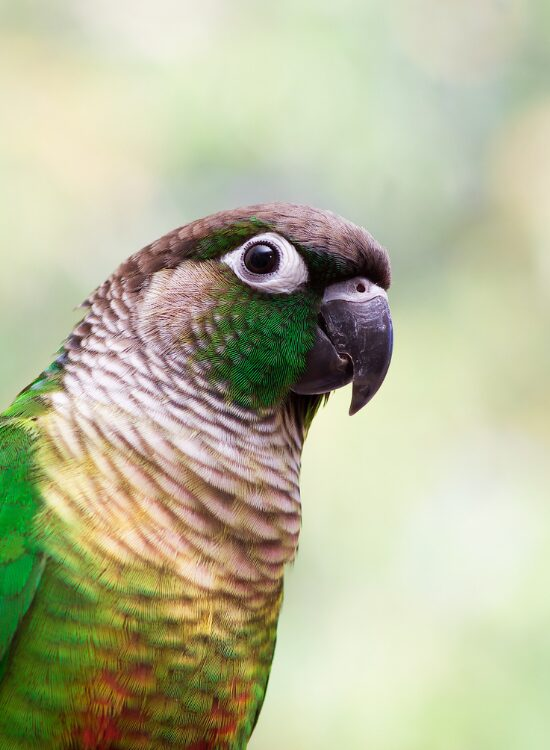
4. Green-Cheeked Conure
The Green-Cheeked Conure, found in South America, is a playful and cuddly small parrot with a huge personality packed into a 10-inch frame. Known for their acrobatics and clown-like behavior, green cheeked conures are moderately quiet compared to other conures, making them a good choice for apartment living.
They can learn a few words and pick up simple tricks, though they’re better known for their expressive body language. Social and inquisitive, green cheeked conures form strong bonds with their owners and rank among the most affectionate companions in the parrot world. Conures in general are some of the most rewarding small parrots for new bird owners.
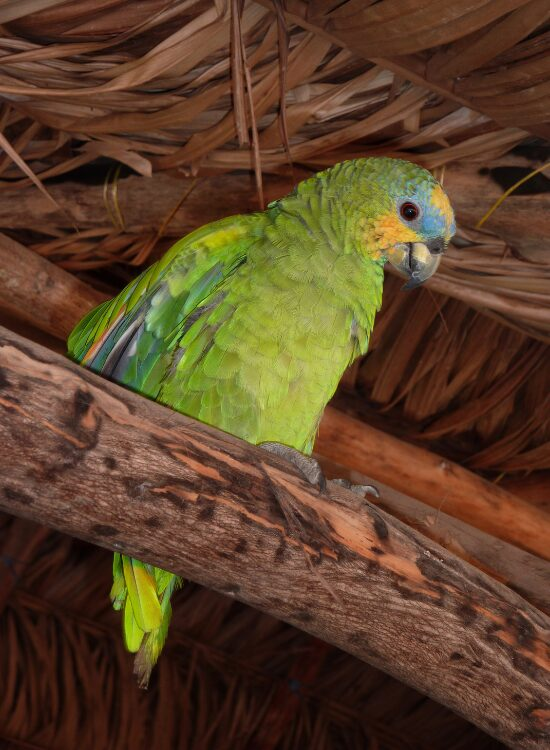
5. Amazon Parrot
Amazon parrots, which inhabit forests throughout South America and Central America near the Amazon river basin, are celebrated for their bold personalities and impressive speaking abilities. Species like the Yellow-Naped and Blue-Fronted Amazon are especially talented at mimicking human speech.
These parrots are medium sized parrots (around 13–15 inches) and have vibrant green feathers often accented with bright red, blues, or yellows. While highly interactive and affectionate, they can also be stubborn and require consistent socialization, proper care, and training. With patience, amazon parrots become wonderful companions for experienced bird owners.
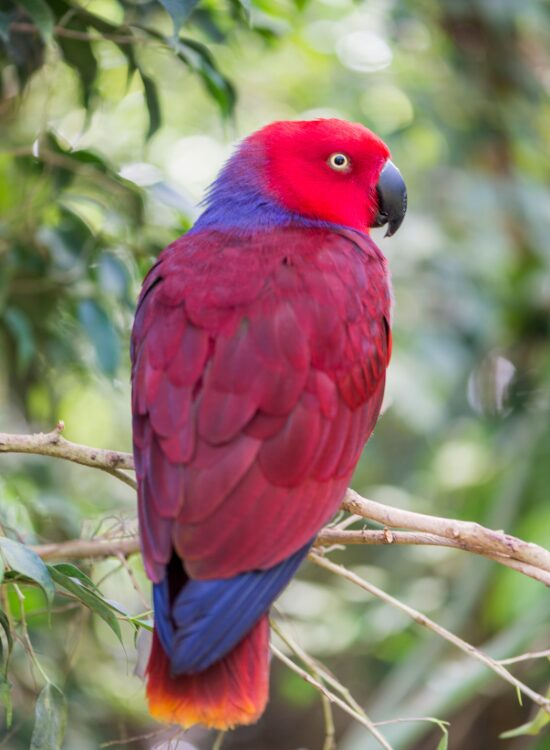
6. Eclectus Parrot
The Eclectus Parrot stands out for its extreme sexual dimorphism: males are bright green with orange beaks, while females are bright red and purple. Found in parts of Australia, New Guinea, and surrounding islands, eclectus parrots are calm, intelligent, and relatively quiet.
They grow to about 14 inches in length and are best known for their gentle personalities. The white bellied subspecies, native to specific surrounding islands, shows beautiful variation in plumage and is one of the rarer white bellied eclectus forms in captivity. Because of their docile nature and striking appearance, eclectus parrots are increasingly popular as companion birds, though they require a specialised diet of fruit and fresh food to thrive.
7. Kakapo
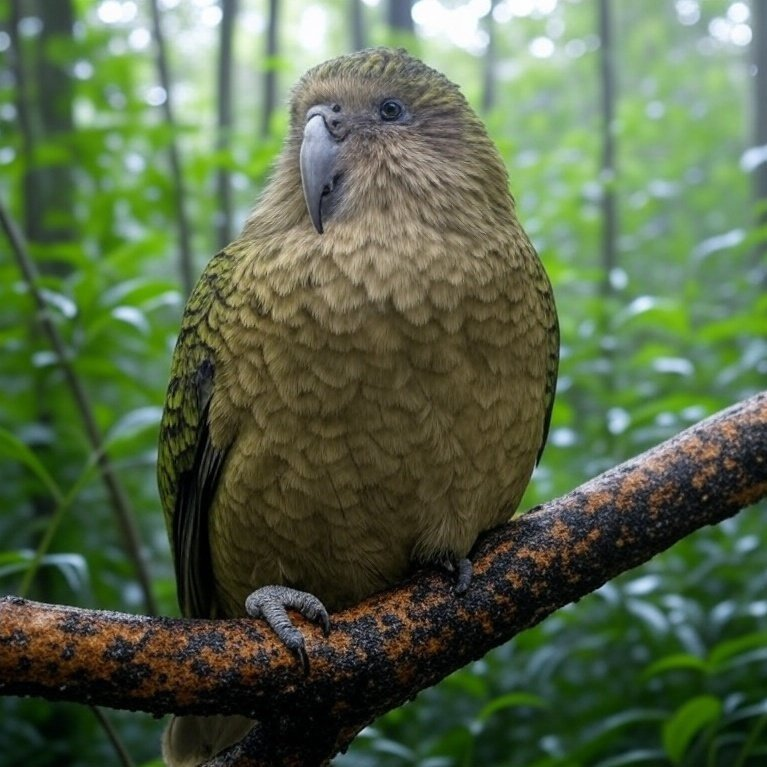
The Kakapo is a truly unique bird, it’s the world’s only flightless parrot, and one of the rarest species on Earth. Native to New Zealand, and one of the most unique animals, Kakapos are nocturnal, ground-dwelling parrots with mossy green feathers and a strong, musty scent.
These birds can weigh up to 9 pounds and live for several decades. With fewer than 250 individuals remaining, the Kakapo is critically endangered. Thanks to intensive conservation efforts, their numbers are slowly increasing, but they remain one of the planet’s most vulnerable avian species.
8. Sun Conure
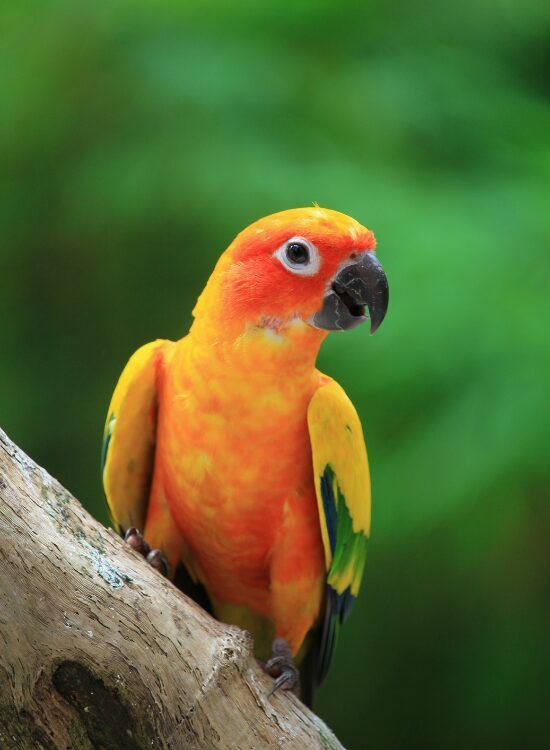
Bright and bold, the Sun Conure (also known as the Sun Parakeet) is native to northeastern South America. With its radiant yellow-orange plumage and playful nature, this small-to-medium-sized parakeet (about 12 inches) is a favorite among bird lovers.
Sun conures are social, affectionate, and very vocal. While they aren’t the best talkers, their cheerful disposition and dazzling appearance make them great pets. They learn tricks readily and enjoy interacting with their humans throughout daily activities. As a parakeet species, the sun conure is one of the most visually stunning. However, wild populations are considered endangered due to trapping and habitat loss.
9. Budgerigar
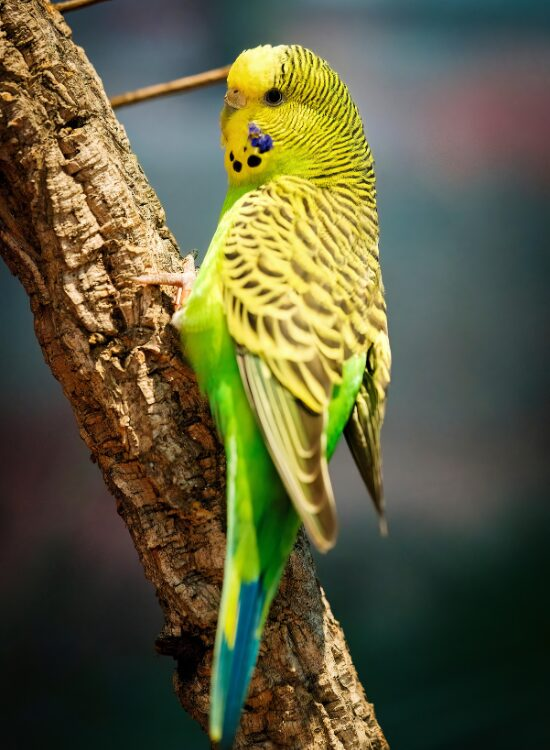
Also known as the budgie or parakeet, the Budgerigar is the world’s most popular pet bird. Native to Australia (here you can find more about Australia’s amazing birds), these small parrots measure just 6–8 inches but are bursting with personality.
Budgies are intelligent and capable of learning words, tunes, whistles, and surprisingly complex tricks. They come in a wide range of colors due to selective breeding, from classic green and yellow to vivid blue. Their small size, affordability, and social nature make budgies ideal for beginner bird owners, though they still require daily interaction and mental stimulation to stay happy. As a parakeet species, budgies have become the global symbol of pet bird ownership.
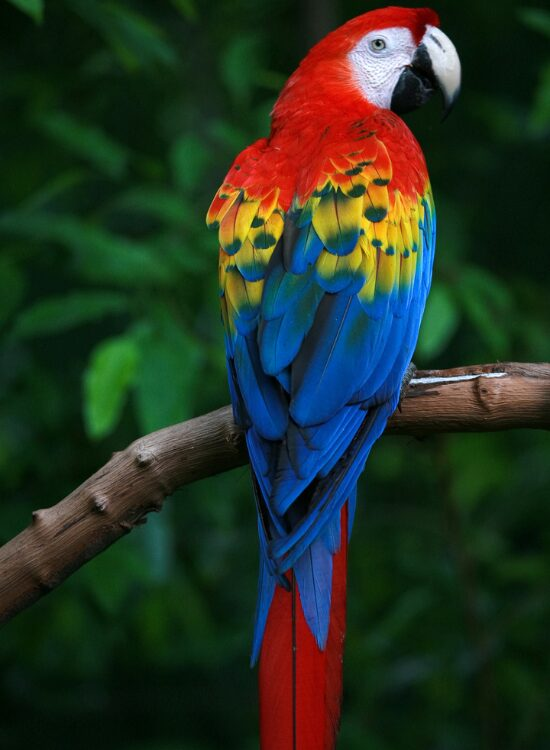
10. Scarlet Macaw
The Scarlet Macaw is a showstopper, known for its brilliant red, blue, and yellow feathers and commanding presence. Native to Central and South American rainforests, this large parrot can grow up to 32 inches in length.
Scarlet macaws are incredibly intelligent and social, forming lifelong pair bonds in the wild. In captivity, they need a lot of space and undivided attention to prevent boredom. Like other macaws, they form strong bonds with their flock, human or otherwise. While still relatively widespread in some areas, they are threatened in others by habitat loss and the illegal pet trade.
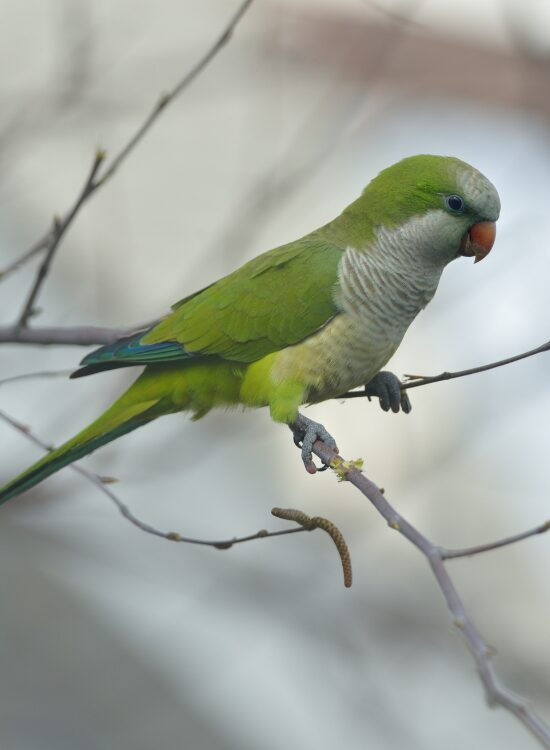
11. Quaker Parrot
Also called the monk parakeet, the Quaker Parrot is a small, green bird originally from South America. They measure about 11–12 inches and are highly intelligent and social. Quaker parrots are excellent talkers and known for their unique nesting behavior, they build large, communal nests out of twigs.
These birds are hardy, adaptable, and often found living in feral colonies in urban areas around the world. The monk parakeet’s quirky personalities, talkative nature, and ability to learn tricks make them a favorite among parrot enthusiasts and excellent pets for owners willing to commit time. As a parakeet variety, they’re one of the most outgoing.
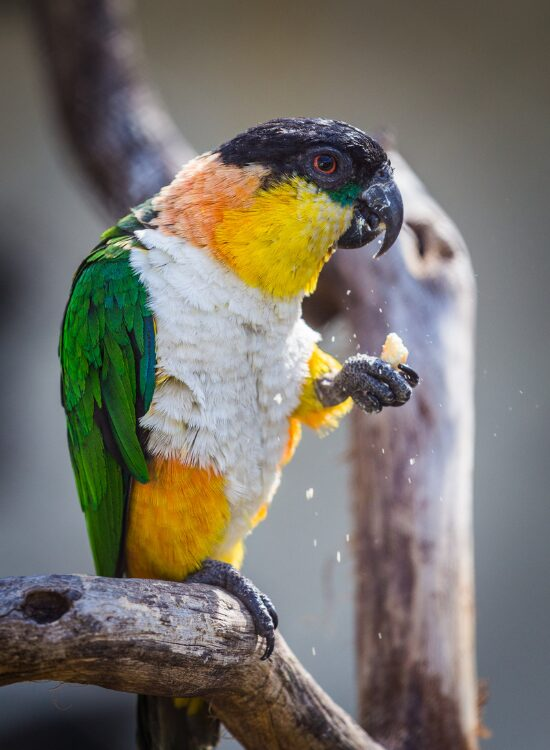
12. Caique
Caiques are small, high-energy parrots native to the Amazon basin. Measuring around 9–10 inches, these birds are sometimes referred to as the “clowns of the parrot world” due to their playful, bouncy antics. They genuinely enjoy playing and rarely sit still for long.
They are not particularly good talkers, but they make up for it with their interactive behavior and curiosity. Caiques are extremely social and thrive with active, engaged owners. They need plenty of toys, tricks training, and out-of-cage time to stay mentally and physically stimulated.
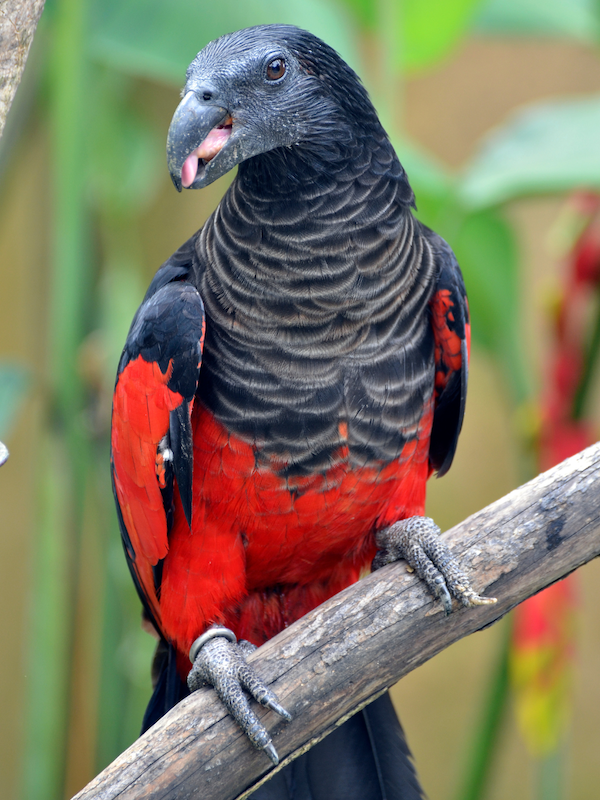
13. Dracula Parrot
The Dracula parrot, also known as Pesquet’s parrot, is one of the most striking species I’ve ever researched. Native to the highland forests of New Guinea, this bird earned its gothic nickname thanks to bald black facial skin, deep red plumage, and a hooked vulture-like beak.
Unlike most parrots, Dracula parrots are specialised feeders. Their diet consists almost entirely of figs, which is why their faces lack feathers, a clever evolutionary adaptation to keep sticky fruit pulp from matting. Sadly, they’re considered vulnerable due to hunting for their bright red feathers and ongoing habitat loss.
I find this species fascinating because it challenges every stereotype people hold about parrots. They aren’t the chatty, brightly mimicking birds you picture as pets. They’re wild, niche-adapted, and a reminder of how diverse the parrot family really is.
14. Black Cockatoo
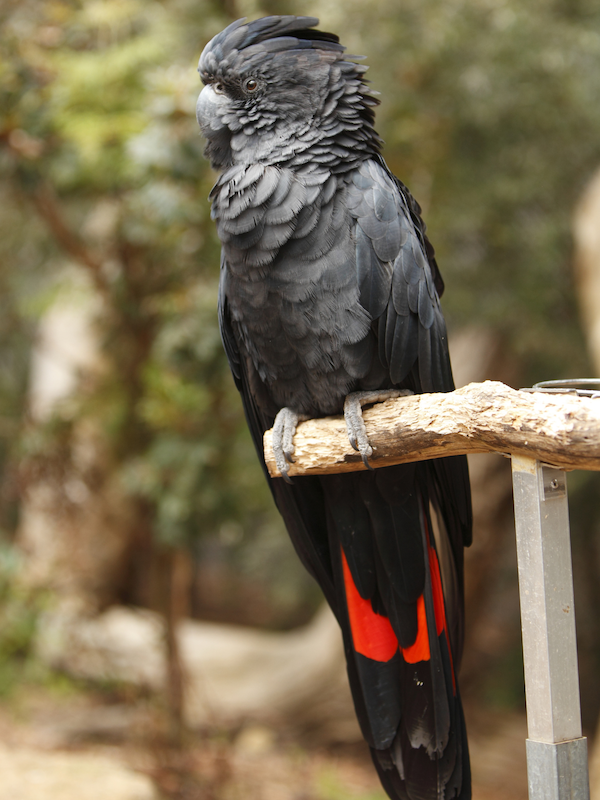
The black cockatoo is one of my favourite birds to spot in the Australian bush. Several species belong to this group, including the red-tailed, yellow-tailed, and the rare glossy black cockatoo. All share the same dramatic dark plumage and powerful beaks built for cracking tough seeds.
These large parrots are highly intelligent and form tight family flocks. I’ve watched yellow-tailed black cockatoos rip apart banksia cones with such precision it borders on artistry. They aren’t typical pet bird candidates — most species are protected, and their needs are far too specialised for the average home.
Within the broader cockatoo family, the black cockatoos stand apart for their slow reproductive rate and dependence on old-growth hollows. Their haunting calls echoing across the eucalyptus canopy are, for me, the soundtrack of wild Australia. Among all the cockatoos I’ve encountered, the glossy black remains the most elusive.
15. King Parrot
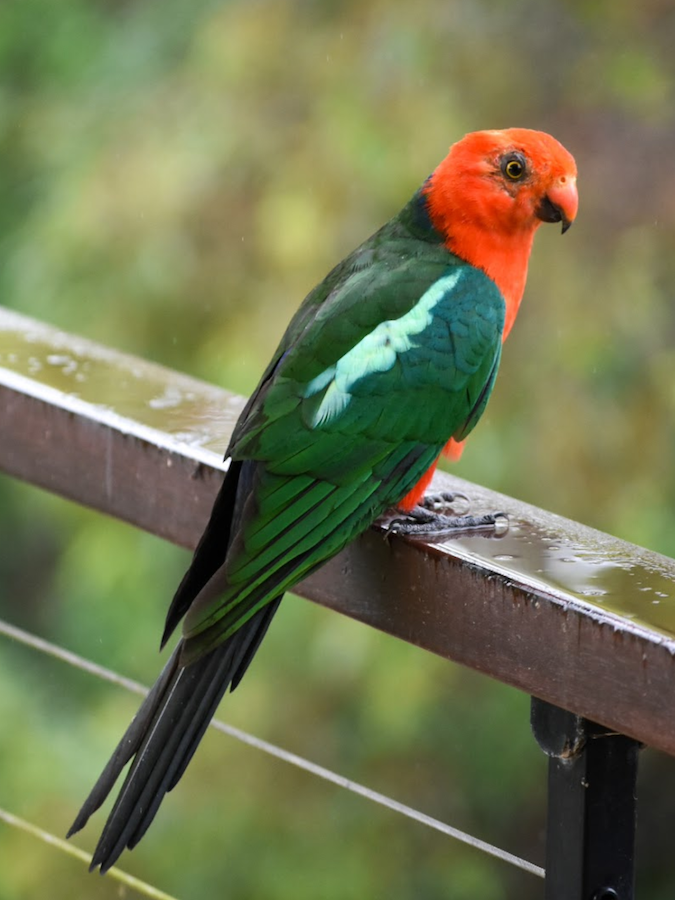
The Australian king parrot is impossible to miss. Males flash brilliant scarlet heads and bodies with green wings, while females wear elegant emerald and red. Native to the eastern forests of Australia, these medium sized parrots measure about 16 inches from beak to tail.
I see king parrots often on rainforest trails near my home. They’re calm, deliberate birds, far less raucous than the cockatoos sharing the same canopy. They feed on seeds, fruits, and blossoms, and form strong bonds with mates that can last for years.
While not common in the pet trade outside Australia, king parrots are admired worldwide for their stunning plumage and gentle temperament. They prove that not every parrot has to be a chatterbox to be unforgettable.
16. Galah
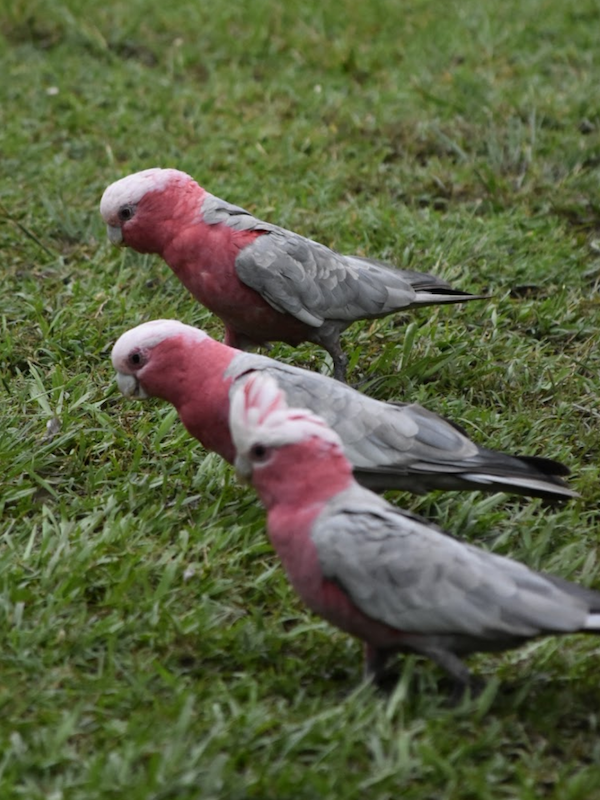
The galah, also called the rose breasted cockatoo, is the bird that greets me on almost every Australian sunset walk. With soft pink chests and pale grey wings, the rose breasted cockatoo is arguably the most recognisable of all cockatoos on the continent.
They travel in noisy, acrobatic flocks and are known for their playful personalities. In captivity, galahs are excellent mimics, learn tricks quickly, and form deep attachments to humans. They live for 40+ years, which makes ownership a serious long-term commitment.
What makes galahs special, to me, is how perfectly they reflect the Australian landscape. Bright, social, hardy, and full of character, a daily reminder of why I love this continent and its birds of Australia.
Other Notable Parrots Worth Knowing
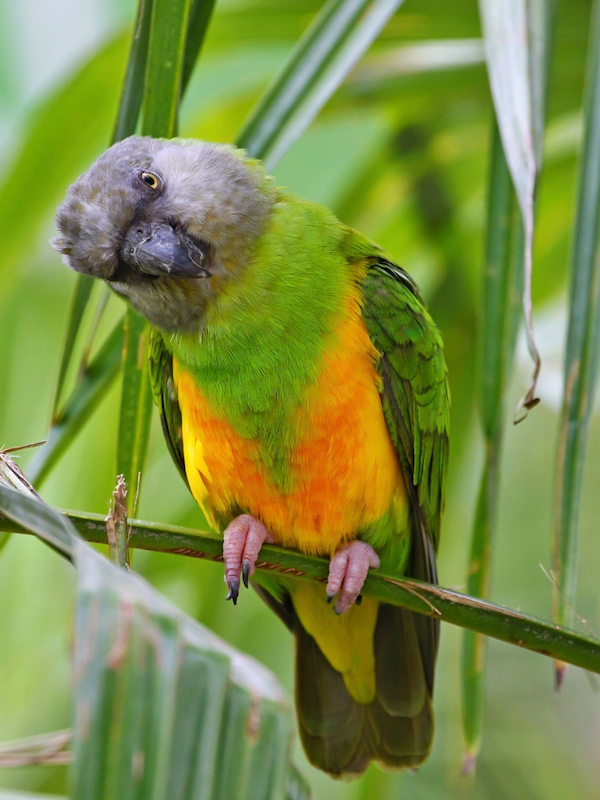
Beyond the 16 species above, a few other birds in the parrot order deserve a mention for their unique traits and rising popularity among bird owners. Senegal parrots from West Africa are quiet, compact birds that make great pets for apartment living, and senegal parrots are some of the easiest larger parrots for newcomers. The maroon bellied conure, a close relative of the green cheeked conure, is gentler than most conures and excels at simple tricks. Bird owners who love the maroon bellied conure often praise its calm nature.
Bird enthusiasts often discuss the pionus chalcopterus (bronze-winged pionus) for its calm demeanor, and the jenday conure for its dazzling sun-like plumage. Both the pionus chalcopterus and jenday conure are great pets for the right household. The rainbow lorikeet, found across Australia and Indonesia, brings vibrant colours to backyard gardens and feeds primarily on nectar and pollen.
Your FAQs about Parrots
Not all parrots mimic human speech. While the African Grey and Amazon parrots are the “gold standards” for vocal mimicry, species like the Pionus or Caique are generally quieter. Mimicry is actually a social tool. In the wild, parrots use unique vocalizations to identify their “flock” and bond with partners.
Habitat loss and the illegal pet trade are the primary drivers of decline. Currently, species like the Spix’s Macaw and the Philippine Cockatoo are on the brink of extinction. Conservation efforts now focus on protecting old-growth nesting trees and implementing community-based protection programs.
Noise levels vary wildly across the parrot world. Budgies and green cheeked conures are relatively quiet, while macaws, cockatoos, and Quaker parrots can be genuinely loud. If you live in an apartment, knowing how much noise a species produces matters as much as cage size. Noisy birds aren’t a problem — they’re just a mismatch for the wrong household.
Some parrots do well with families, others don’t. Cockatiels and budgies usually fit active homes thanks to their friendly nature. Larger parrots like macaws and cockatoos need enough interaction and patience that they can overwhelm younger kids. Always supervise time between children and any pet bird, and consider whether other birds or smaller pets might suit your lifestyle better.
Diversity of Parrot Species
From my early days in Mexico feeling the powerful grip of a Macaw on my arm to my morning hikes here in Australia accompanied by the raucous calls of wild Cockatoos, my perspective on these birds has evolved. As a biologist, I’ve learned that the diversity of parrot species is about much more than just vibrant plumage; it’s about a 50-million-year evolutionary history that has produced some of the most socially complex animals on Earth.
References:
Bradbury, J. W., & Balsby, T. J. S. (2016). The functions of vocal learning in parrots. Behavioral Ecology and Sociobiology, 70(3), 293–312. https://doi.org/10.1007/s00265-016-2068-4
Heinsohn, R., Legge, S., & Endler, J. A. (2005). Extreme reversed sexual dichromatism in a bird without sex role reversal. Science, 309(5734), 617–619. https://doi.org/10.1126/science.1112774
Olah, G., Butchart, S. H. M., Symes, A., Guzmán, I. M., Cunningham, R., Brightsmith, D. J., & Heinsohn, R. (2016). Ecological and socio-economic factors affecting extinction risk in parrots. Biodiversity and Conservation, 25(2), 205–223. https://doi.org/10.1007/s10531-015-1036-z
Olkowicz, S., Kocourek, M., Lučan, R. K., Porteš, M., Fitch, W. T., Herculano-Houzel, S., & Němec, P. (2016). Birds have primate-like numbers of neurons in the forebrain. Proceedings of the National Academy of Sciences, 113(26), 7255–7260. https://doi.org/10.1073/pnas.1517131113
Pepperberg, I. M. (2017). Animal language studies: What happened? Psychonomic Bulletin & Review, 24(1), 181–185. https://doi.org/10.3758/s13423-016-1101-y
Schweizer, M., Seehausen, O., & Hertwig, S. T. (2011). Macroevolutionary patterns in the diversification of parrots: Effects of climate change, geological events and key innovations. Journal of Biogeography, 38(11), 2176–2194. https://doi.org/10.1111/j.1365-2699.2011.02555.x
White, T. H., Collar, N. J., Moorhouse, R. J., Sanz, V., Stolen, E. D., & Brightsmith, D. J. (2012). Psittacine reintroductions: Common denominators of success. Biological Conservation, 148(1), 106–115. https://doi.org/10.1016/j.biocon.2012.01.044