There is something hauntingly beautiful about the American Southwest at dusk. When the sun dips below the horizon, the desert doesn’t go to sleep, it wakes up.
Among the creosote bushes and sandy washes of the Mojave and Chihuahuan deserts, one of the most fascinating characters begins its shift: the Kit Fox (Vulpes macrotis). As a biologist, I’ve always been struck by how these “cat-sized” predators are the ultimate example of evolutionary refinement. They aren’t just the smallest canids in North America; they are specialized machines designed to thrive in landscapes where water is a luxury and shade is nonexistent.
My fascination with the Vulpes genus deepened through years of tracking their distinct adaptations—from the way their “built-in sand shoes” (fur-padded paws) allow them to move silently over scorching dunes, to the thermal windows in their oversized ears that radiate heat to the night air.
In this guide, we’ll move beyond the basic facts to explore the 12 truths of kit fox survival, including the latest 2026 conservation data on the San Joaquin kit fox subspecies, currently fighting for its place in a rapidly changing California landscape.
1. Not one but 2: The Kit Fox Family Tree
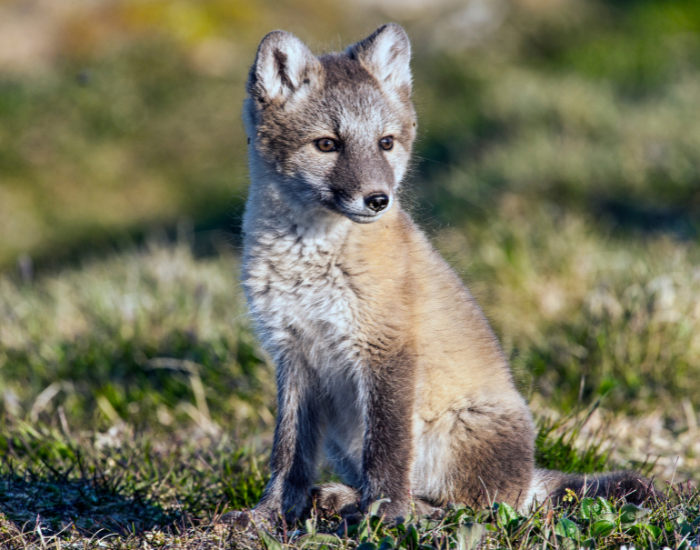
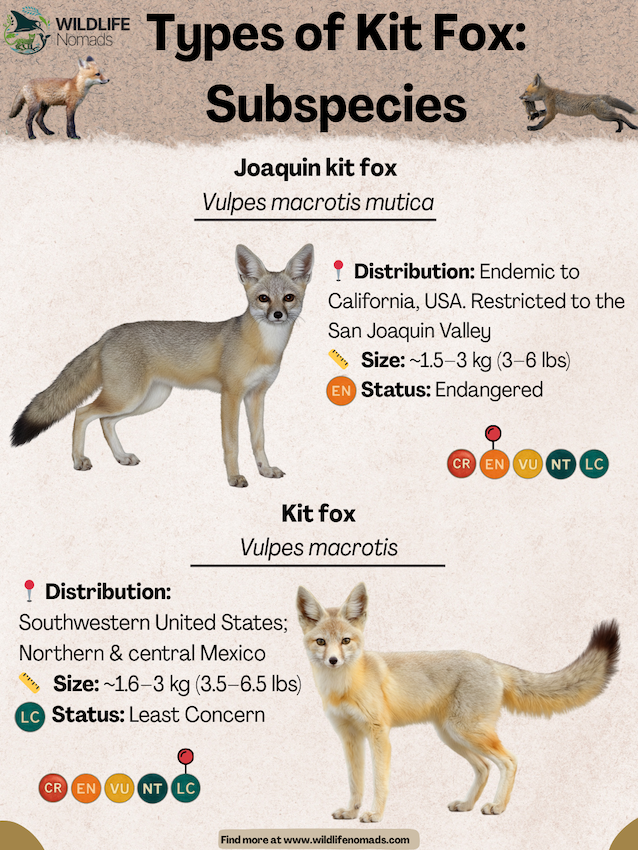
The kit fox belongs to the canid family and is scientifically known as Vulpes macrotis. Within this species, there are two recognized subspecies: the San Joaquin kit fox (Vulpes macrotis mutica) and the more widespread Vulpes macrotis macrotis, often referred to as “other kit foxes.” The San Joaquin kit fox is found only in California’s San Joaquin Valley, where it faces critical threats from habitat loss and fragmentation, earning it a place on the endangered species list.
Kit foxes are closely related to the swift fox (Vulpes velox), and in regions where their ranges overlap, such as western Texas and eastern New Mexico, these two species can interbreed. However, genetic studies have confirmed that the kit fox and swift fox remain distinct species, each with unique adaptations and ecological roles. The kit fox family tree is a fascinating web of regional variations and subspecies, reflecting the diverse habitats they occupy across the American West.
2. They’re Incredibly Small – Cat-Sized Predators
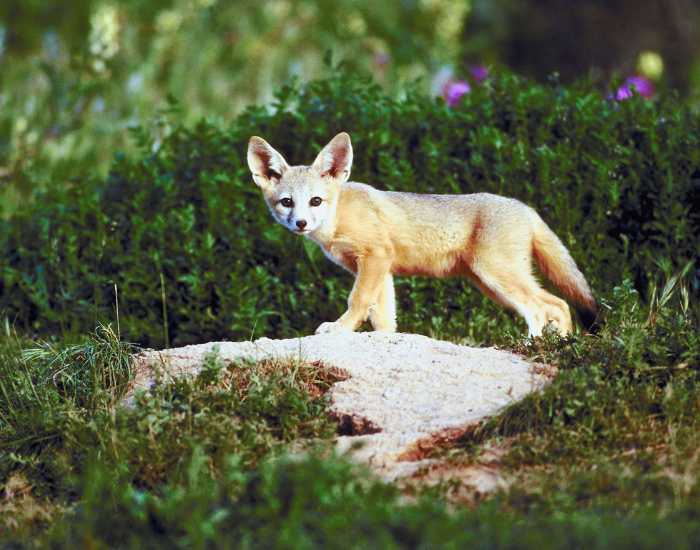
When discussing kit fox size, we’re talking about a truly petite predator. These animals are built with a slim body designed for speed and heat dissipation in extreme desert conditions.
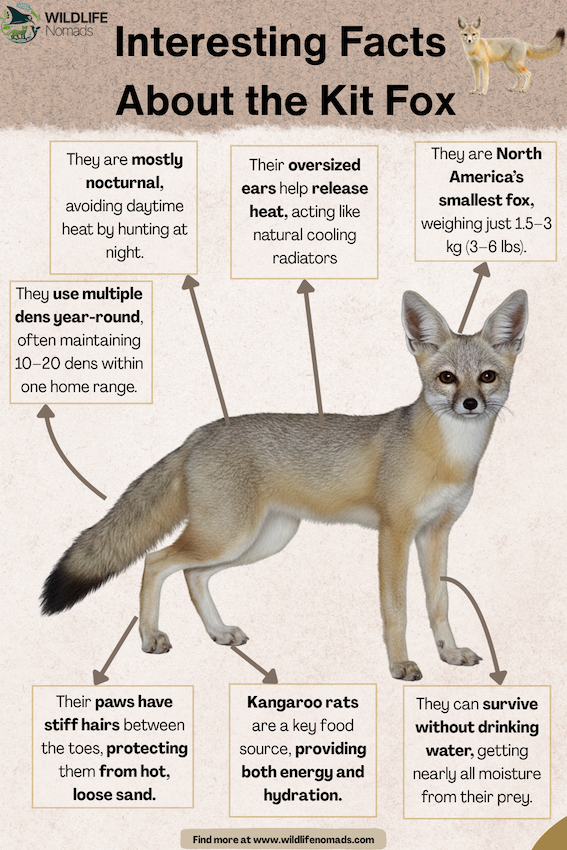
An adult typically weighs between 3.5 to 6 pounds. Their adult weight rarely exceeds six pounds, making them lighter than most house cats. Their total length reaches about 30 inches, but a significant portion comes from their magnificent bushy tail. The tail features a distinctive black tip that helps distinguish them from other foxes.
If you’re wondering how big is a kit fox compared to a pet, imagine a very leggy, slender Chihuahua. Despite their small stature, these desert foxes are exceptionally territorial. They maintain a home range they defend vigorously, ensuring adequate populations of kangaroo rats and other prey.
3. Those Massive Ears Serve Two Critical Functions
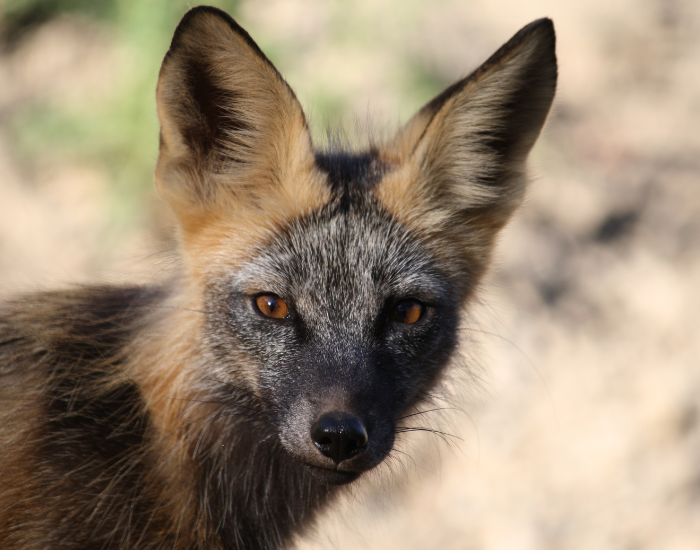
The most striking feature of any desert fox is undoubtedly its large ears, including their prominent inner ears (very similar to the fennec fox and the bat eared fox). These oversized appendages aren’t just for show. Instead, they serve two vital biological functions that make desert survival possible: the inner ears help dissipate heat and provide exceptional hearing.
First, these large ears, with their extensive network of blood vessels, help dissipate heat. Desert life is a constant battle against heat stress. The large ears act like natural radiators, keeping their core temperature stable when temperatures soar above 100°F. This adaptation prevents overheating in the arid interior.
Second, the large ears provide excellent hearing, making their auditory sense extraordinarily acute. They can detect the faint rustle of a beetle or the heartbeat of a rodent underground. This makes them super efficient hunters in the pitch black of the desert night. Their auditory prowess gives them a significant advantage over prey species like kangaroo rats and ground squirrels.
4. Their Range Spans the Southwestern United States
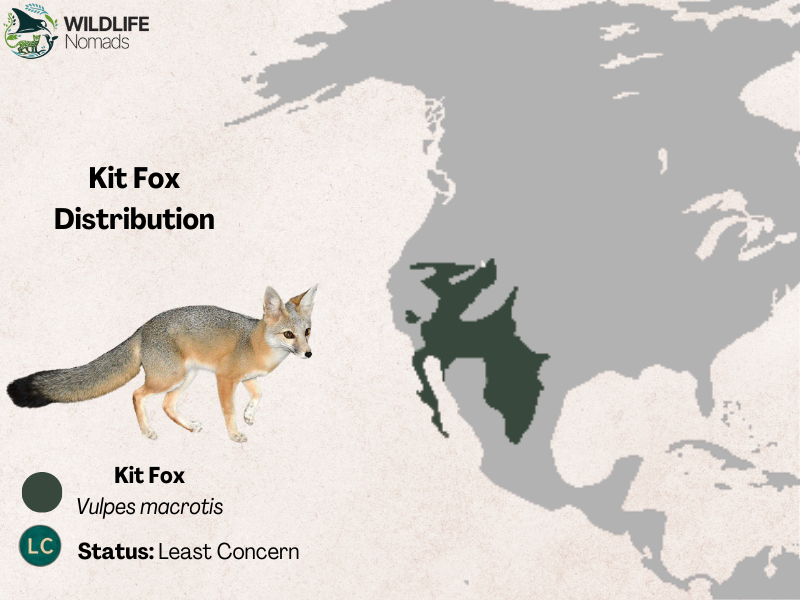
The kit fox range is quite specific to dry lands. These animals are found throughout the southwestern United States, including California, Arizona, New Mexico, and western Texas, extending into northern and central Mexico and the arid interior of Oregon.
They inhabit western Texas and New Mexico, where desert scrub dominates. Populations also exist in southwestern Colorado and southeastern California. Joshua Tree National Park is one of the best places to observe these animals in their natural habitat. Additionally, they occupy parts of the Rocky Mountain region and the northern Chihuahuan Desert.
They prefer desert scrub, chaparral, and grasslands, habitats offering loose, sandy soil for digging elaborate dens vital for protection against predators and extreme heat. However, the San Joaquin kit fox occupies the agricultural areas and grasslands of California’s Central Valley, facing unique challenges from severe habitat fragmentation.
Unlike some fox species, kit foxes are not exceptionally territorial. They often live in pairs or small groups, sharing several dens scattered throughout their home range. At night, they emerge to hunt kangaroo rats, prairie dogs, and cottontail rabbits, using keen senses and agility to navigate the desert landscape.
5. They Have Built-In “Sand Shoes” for Desert Travel
If you look closely at these animals, you’ll notice stiff tufts of hair between their toe pads. These guard hairs act like snowshoes, providing traction in loose sand. They also protect paws from blistering surface temperatures that can exceed 150°F on the desert floor.
This specialized feature helps them navigate the arid interior without burning their feet or sinking into dunes. The guard hairs are particularly crucial during summer months when sand temperatures become extreme. Without this adaptation, these small predators would struggle to hunt effectively during twilight hours when they’re most active.
6. They Can Survive Without Ever Drinking Water
In the wildlife world, water is usually the limiting factor. Not for this remarkable desert fox! Their digestive tract is super efficient at extracting every possible drop of moisture from prey. While they will drink if water appears after rare rain, they can survive indefinitely without drinking standing water.
This revolutionary adaptation sets them apart. They get all necessary hydration from the moisture in the animals they eat. Kangaroo rats, which form a significant portion of their diet, have high water content in their tissues. Consequently, these foxes rarely need to seek external water sources. This ability allows them to thrive in environments where other predators cannot.
7. They’re Opportunistic Omnivores with Varied Diets
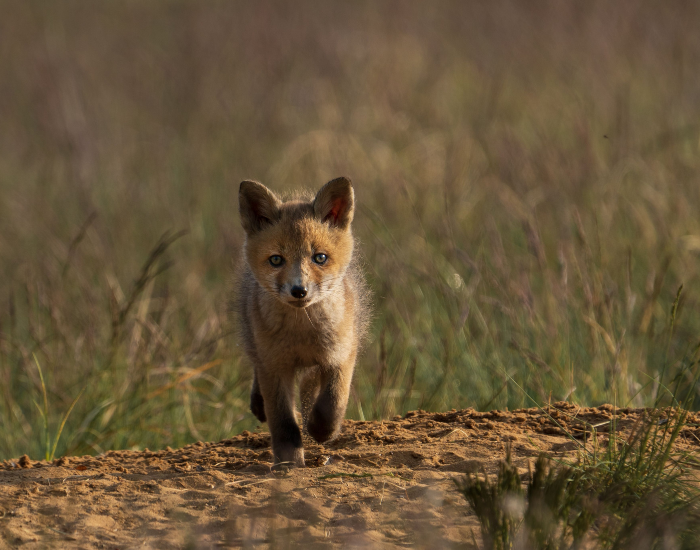
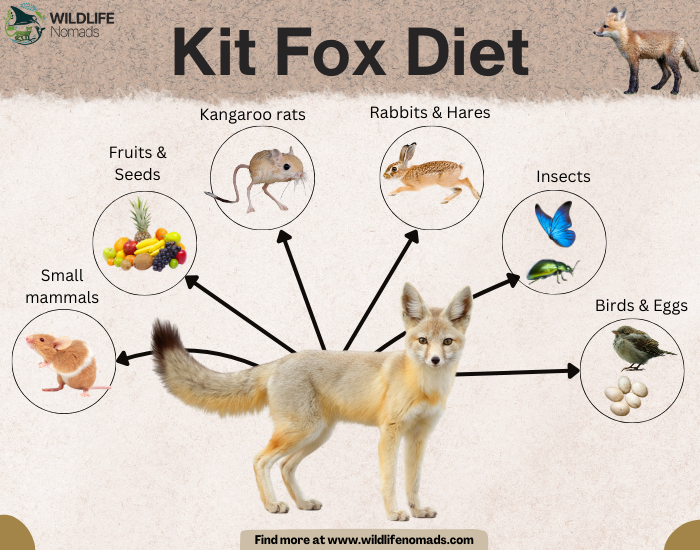
While primarily carnivorous, these animals are highly opportunistic feeders. They’re the “clean plate club” of the desert. Their food sources include a diverse array of prey that varies by season and availability.
Kangaroo rats serve as the dietary staple in most regions. These rodents are abundant and provide excellent nutrition. Black tailed jackrabbits and cottontail rabbits become important prey, especially during the breeding season when energy demands increase. Ground squirrels and prairie dogs round out the rodent menu. Other common prey species for kit foxes include lagomorphs, rodents, and insects. Kit foxes also consume birds, reptiles, carrion, and occasionally plant material, reflecting their interactions with other animals in their ecosystem.
They also consume insects, birds, and even cactus fruits when other resources are scarce. They also cache food, burying prey to eat later, and may scavenge human food when available. This ensures meals even when hunting is lean. This behavior demonstrates remarkable planning and resource management for such small animals.
8. They Maintain Multiple Dens Year Round
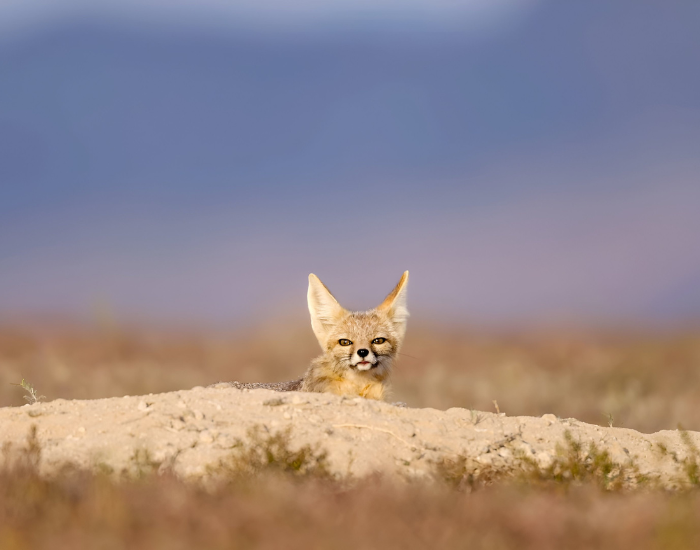
Unlike many other canids, these desert foxes use dens year round, which they dig themselves or modify from burrows of other animals. They don’t just have one “home.” Instead, a single mating pair might utilize several dens within their home range. In fact, some pairs maintain 10 to 20 different den sites.
These underground retreats provide refuge from predators like coyotes and other predators. More importantly, they offer a cool microclimate to escape midday sun that can make surface temperatures unbearable. They often inherit or modify dens from other animals or previous generations, expanding them into complex underground labyrinths with multiple entrances.
This multi-den strategy provides flexibility and safety. If one den becomes compromised by predators or flooding, they simply move to another. This network of safe havens is essential for raising young foxes successfully.
9. They Form Monogamous Pairs to Raise Pups
The life history of the kit fox includes distinct reproductive and developmental stages. Female foxes begin searching for natal dens in September and October, visiting and cleaning usable dens before making a final selection. Kit foxes are monoestrous, having one breeding season per year, typically from December to February. The kit fox is a socially monogamous species, with the mated pair remaining together throughout the year, although some extra-pair mating has been observed in genetic studies.
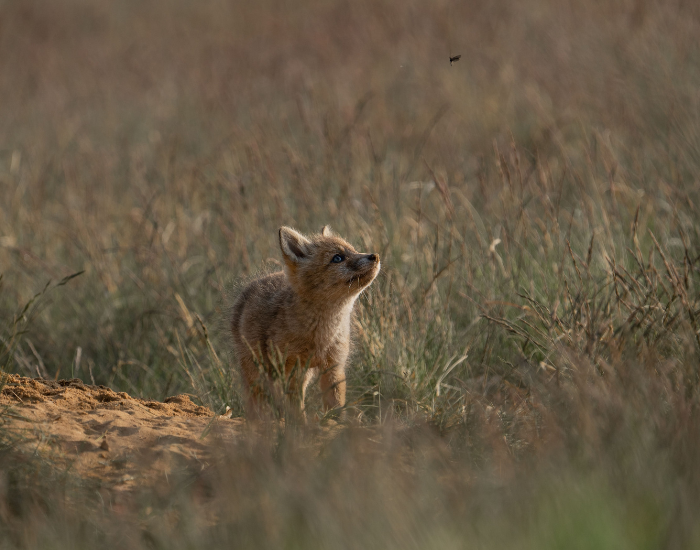
A typical litter consists of four to five kit fox pups born in underground dens. Litter size is usually four or five, and kit fox pups do not emerge from the den until they are at least four weeks old. The parents’ home range becomes busy as both parents work together, with the male doing most of the hunting while the female stays in the den protecting the pups. The pup-rearing period involves several hours each day of care and teaching by both parents.
10. The San Joaquin Kit Fox Is Critically Endangered
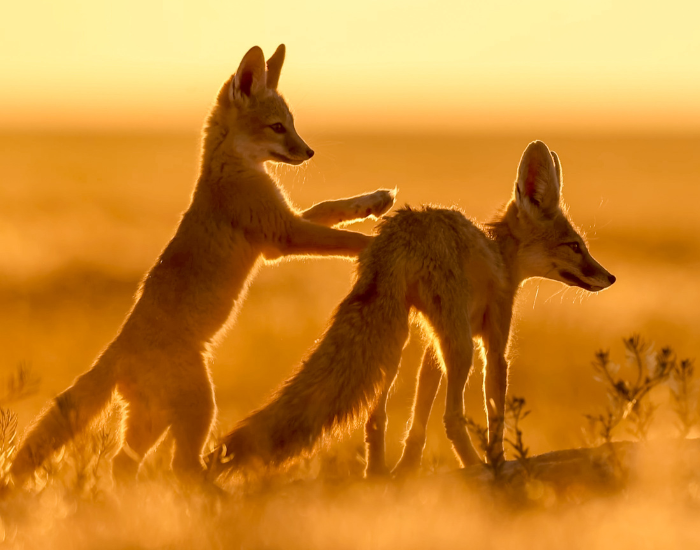
We must discuss the San Joaquin kit fox (Vulpes macrotis mutica). This subspecies, native to California’s Central Valley, is currently listed as endangered. The situation is dire and requires immediate conservation attention.
Urbanization and industrial agriculture have fragmented their habitat dramatically. This leaves them in small groups vulnerable to disease and predators.
The San Joaquin subspecies faces additional threats from non-native red foxes. These invasive predators species compete directly for food and den sites. Conservation efforts must address multiple pressure points simultaneously, habitat restoration, predator management, and public education all play crucial roles. Despite decades on the endangered list, this subspecies continues facing significant challenges from ongoing development.
11. They Face Constant Threats from Larger Predators
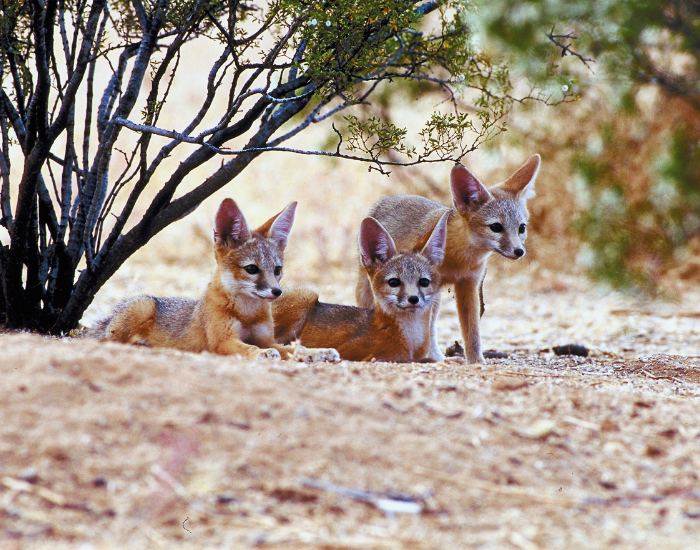
Life at the bottom of the predator pecking order is tough. Coyotes are the primary threat to these small foxes. Interestingly, coyotes often kill them not for food but to eliminate competition. Both species target the same prey, including ground squirrels and prairie dogs.
In areas where red foxes have moved in, these native animals often lose their home range entirely. Red foxes are larger and more aggressive, driving native populations from dens and hunting territories. This competition creates additional conservation challenges across their range.
Golden eagles also pose threats, particularly to young foxes during first dispersal. Bobcats occasionally prey on them as well. Therefore, these desert foxes must remain constantly vigilant. Their small size makes them vulnerable despite being skilled hunters themselves.
12. They’re Essential Regulators in Desert Ecosystems
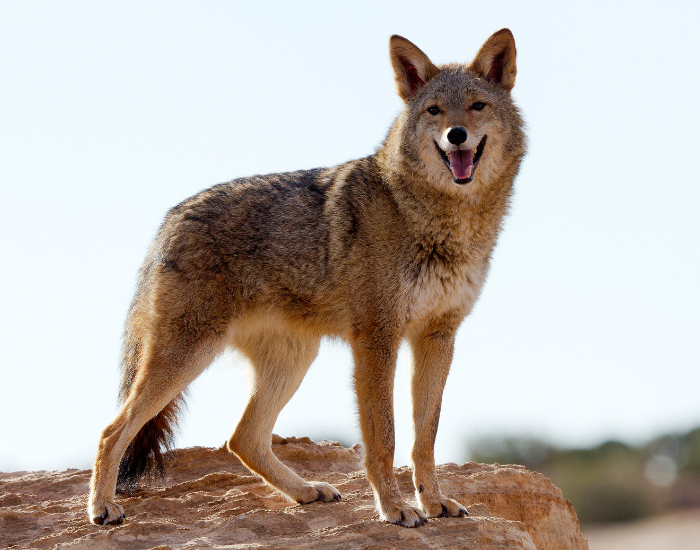
The kit fox plays a vital role in the animal diversity web. By keeping populations of rodents and jackrabbits in check, they prevent overgrazing of desert vegetation. A healthy population usually indicates the entire desert scrub ecosystem is in balance.
Their presence benefits numerous other species beyond just controlling prey populations. For example, abandoned dens provide shelter for burrowing owls, lizards, and insects. This creates a ripple effect throughout the ecosystem. Consequently, protecting these animals helps preserve entire biological communities.
When these animals disappear from an area, rodent populations can explode. This leads to vegetation degradation and affects countless other species. Their role as mid-level predators makes them an indicator species or a high-level predator (close to a keystone species but not quite) in desert environments.
13. You Can Help Protect Them!
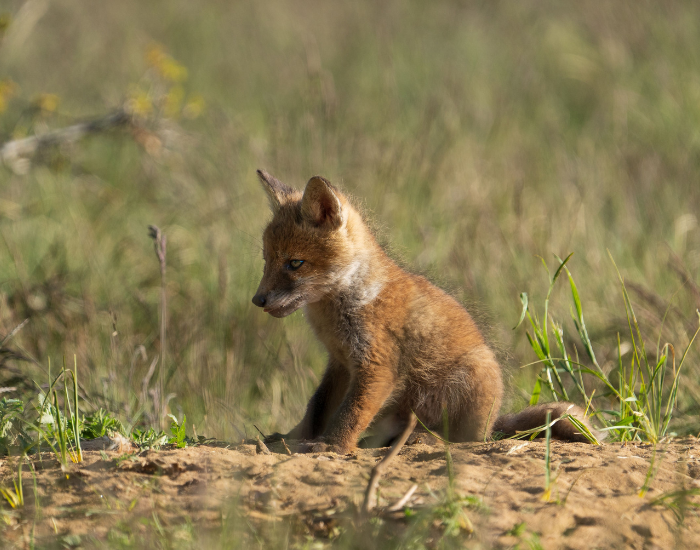
Conservation doesn’t require a biology degree. Several simple actions make meaningful differences for these remarkable animals.
First, support organizations working on habitat conservation. The USDA Forest Service, Defenders of Wildlife, and local conservation groups contribute to research and protection efforts. Financial contributions fund critical studies and land protection initiatives.
Second, if you own property within their range, consider conservation-friendly practices. Maintain native plants and avoid excessive pesticide use. This supports healthy populations of kangaroo rats and other prey species. Additionally, secure trash to avoid attracting coyotes, which prey on these smaller foxes.
Third, advocate for wildlife corridors in your community. Contact local representatives about protecting habitat connectivity. Highway underpasses and green bridges help animals move safely between habitat patches.
Finally, educate others about these fascinating animals. Many people have never heard of kit foxes or don’t understand their ecological importance. Sharing knowledge builds public support for conservation initiatives.

14. Kit Foxes Are Part of an Ancient Fox Experiment
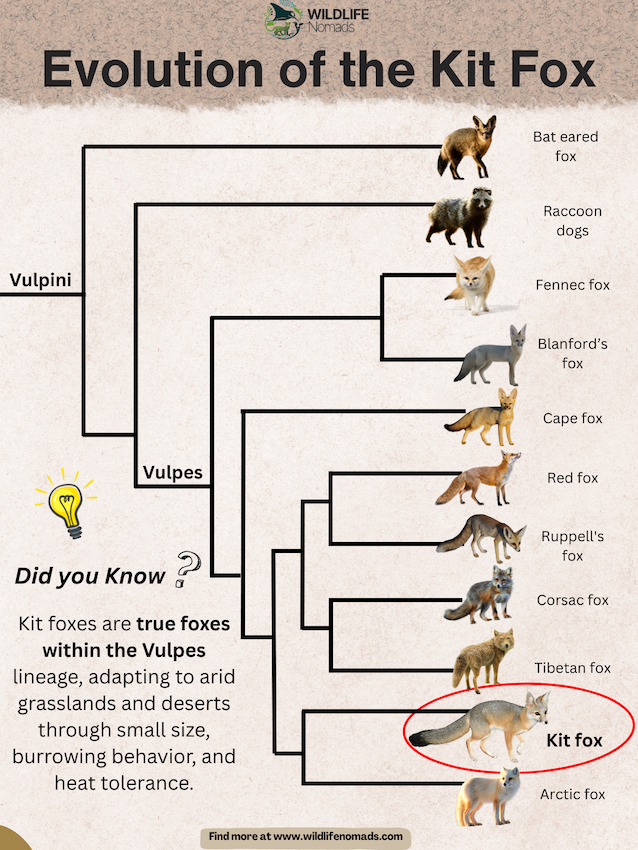
Kit foxes evolved as part of an early diversification within the true fox (Vulpes) lineage, branching off millions of years ago as foxes began adapting to very different climates across the globe. While some lineages moved north and specialized for cold, like the Arctic fox, others adapted to deserts and open landscapes. The kit fox represents this arid-adapted path, evolving small body size, efficient cooling, and burrowing behavior to survive extreme heat and scarce resources.
This desert strategy mirrors adaptations seen in other foxes that split off under different pressures. Fennec foxes followed a similar desert trajectory in North Africa, while bat-eared foxes diverged even earlier, evolving insect-specialist traits in African savannas. In contrast, the tanuki (raccoon dog) represents a separate, forest-adapted branch of canids altogether, showing just how diverse fox-like animals became as they spread into new environments. Together, these species tell the story of how foxes evolved not one way, but many.
Kit Fox vs. Gray Fox: Quick Identification
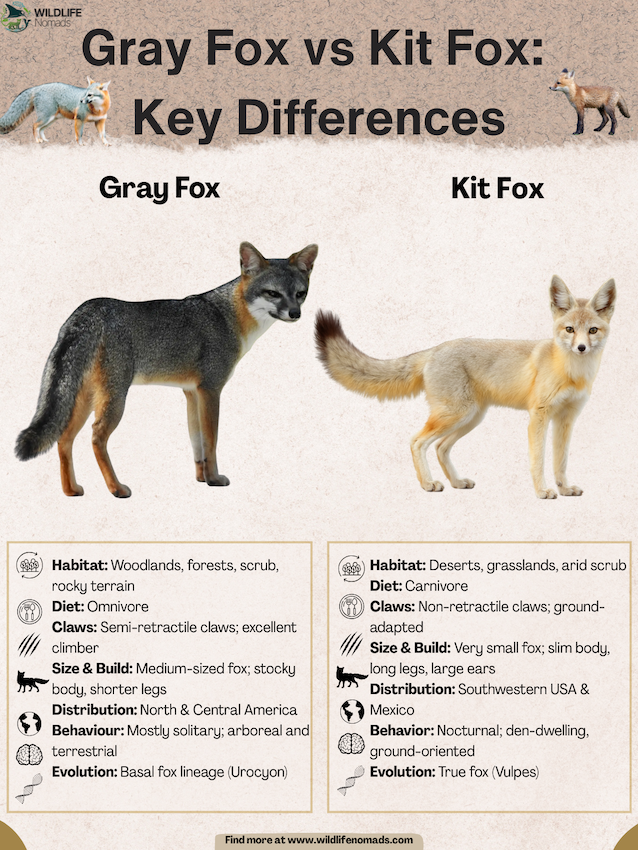
These animals are much smaller with a slim body compared to gray foxes. They have a black-tipped tail, while gray foxes have a black stripe down the entire tail length. Kit foxes display pale, yellowish-gray coats versus grizzled gray with reddish neck tones. The distinct dark patches on their nose may reduce sun glare. Gray foxes can climb trees, these ground-dwelling desert foxes cannot.
Where to Observe Kit Foxes in the Wild
Wildlife enthusiasts have several excellent options for observing these elusive animals. However, patience is essential since they’re primarily nocturnal.
Joshua Tree National Park in southeastern California offers some of the best viewing opportunities. Park rangers can provide guidance on recent sightings and best viewing locations. The Mojave National Preserve is another excellent location, particularly during early evening hours.
In the Rocky Mountain region, Great Sand Dunes National Park occasionally yields sightings. New Mexico’s White Sands National Park is another potential location. Remember to maintain respectful distances and never attempt to feed or approach wild animals. Using red lights for nighttime viewing helps avoid disturbing their natural behavior.
FAQs About Kit Foxes
They primarily inhabit Arizona, California, Colorado, Idaho, Nevada, New Mexico, Oregon, Texas, and Utah. Population density varies significantly across these states depending on habitat quality.
Absolutely. They frequently eat ground squirrels, especially in areas where kangaroo rats are less abundant. Prairie dogs are also targeted when available in their range.
In most jurisdictions, no. They’re wild animals with highly specific needs. Because the San Joaquin subspecies is endangered, very strict federal laws protect them from human interference.
They’re incredibly shy and nocturnal. While exceptionally territorial with each other, they almost always flee from humans. They’re not aggressive toward people under normal circumstances.
In the wild, they typically live five to seven years. Predation and disease are primary limiting factors. In captivity with proper care, they can live 10-12 years.
Protecting North America’s Smallest Fox
The kit fox reminds us that resilience doesn’t always come in large packages. These animals have mastered living in places designed to be inhospitable. As we continue expanding into the southwestern United States, it’s our responsibility to ensure their range remains intact.
Whether supporting the USDA Forest Service or simply learning more about the animal diversity web, every bit of awareness helps. These remarkable desert foxes deserve our protection and respect.
The next time you’re driving through the arid interior at night, watch for those large ears. You might catch a glimpse of North America’s most efficient little hunter. The experience of spotting one of these elusive animals in the wild is truly unforgettable.