Why the Grizzly Bear Demands Our Attention
The air was crisp in the Canadian Rockies. Pine scent mixed with glacial melt as we searched for “The Boss”, a legendary grizzly bear known throughout the region. My partner, who has explored wild corners across continents, had seen one years before. She described the massive grizzly bear as “a walking mountain of muscle and grizzled fur.”
We explored for days through Banff National Park. Every snapped twig made us alert. However, we never found him. The wilderness doesn’t work on your schedule. A friend who stayed after we left actually spotted The Boss. The photographs confirmed everything we’d heard about this dominant male grizzly bear.
The grizzly bear story is woven into North America’s conservation history. These bears once ranged from Alaska to Mexico and across the Great Plains. Around the 1800s, approximately 50,000 grizzly bears roamed the lower 48 states. Today, after being hunted nearly to extinction, the species holds threatened status in the contiguous United States. They persist largely in isolated populations within six recovery ecosystems, most notably the Greater Yellowstone and Northern Continental Divide ecosystems.
Understanding these animals requires going beyond frightening headlines. As a powerful animal, the grizzly bear plays a vital ecological role in North American habitats, influencing food webs and shaping the environment through its behaviors. Therefore, here are 12 essential facts about the grizzly bear to help you appreciate their importance and respect the wild space they need.
1. Why Are They Called “Grizzly” Bears?
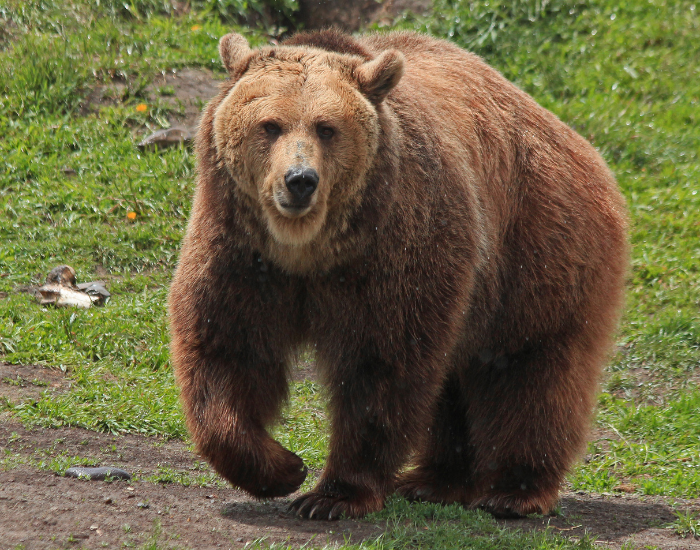
The name “grizzly” doesn’t refer to their fearsome reputation. Instead, it comes from their appearance. The term derives from the “grizzled” or gray-tipped guard hairs on their brown bear coat. This silver-tipped fur is particularly noticeable on their shoulders and backs, creating a distinct salt-and-pepper look.
The scientific name, Ursus arctos horribilis, translates to “horrible bear.” Early European settlers chose this name out of fear. However, the common name simply describes a visual characteristic of this brown bear subspecies.
2. Grizzly Bears can Weigh 1000 Pounds!
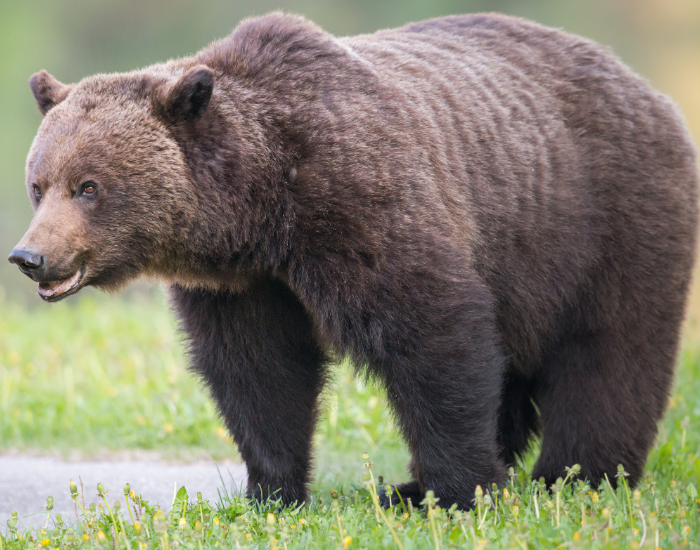
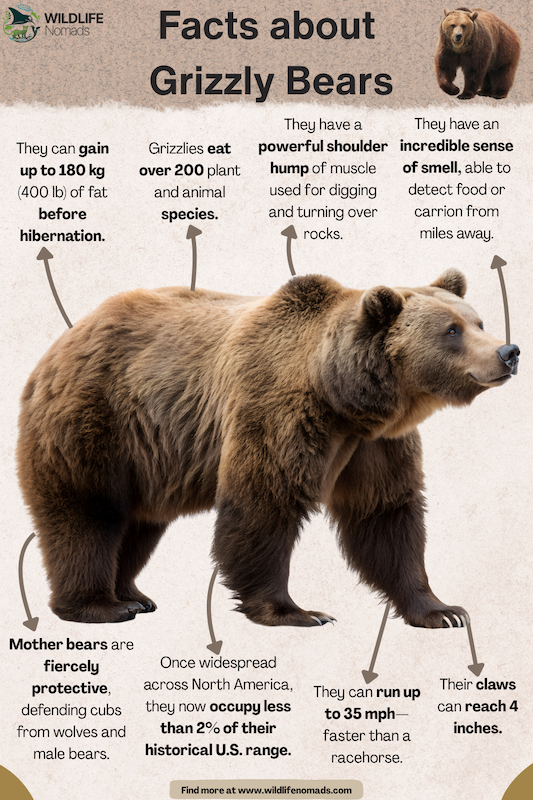
Among all types of bears, Grizzlies are heavyweights. Adult male grizzly bears in the lower 48 states typically weigh between 400 to 700 pounds (180–320 kg). Female grizzly bears are smaller, weighing 250–350 pounds (110–160 kg). However, the largest coastal brown bears easily exceed 1,000 pounds (450 kg).
The famous Kodiak bears of Alaska can reach upwards of 1,300 pounds (590 kg). These massive bears stand up to 10 feet tall on their hind legs. The grizzly bear ranks as the second largest bear species in North America, right behind the polar bear. In comparison, black bears are considerably smaller, with males averaging 200-600 pounds.

3. Understanding the Grizzly Bear Diet: Apex Predators with a Plant-Based Preference
Despite their size and predatory capabilities, grizzly bears are omnivores. In many inland areas, their diet is actually 80–90% plant-based. They forage for roots, tubers, grasses, and numerous berry species like huckleberries and buffaloberries. This intensive feeding, called hyperphagia, occurs especially before hibernation. During this period, grizzly bears consume large quantities of foods to build up fat reserves.
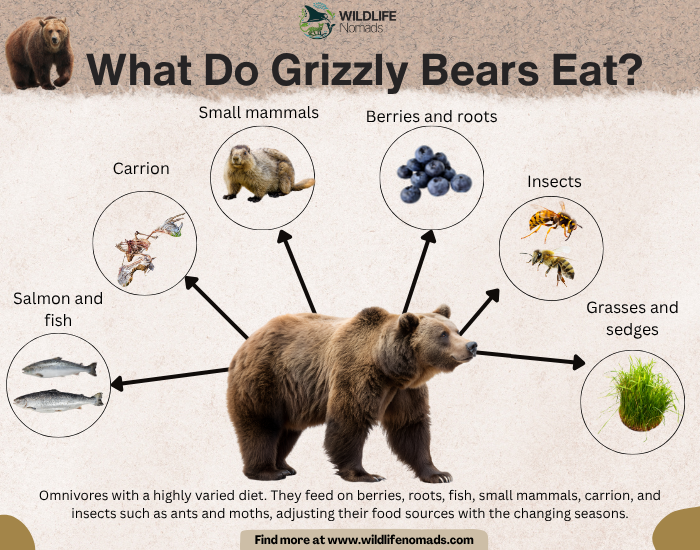
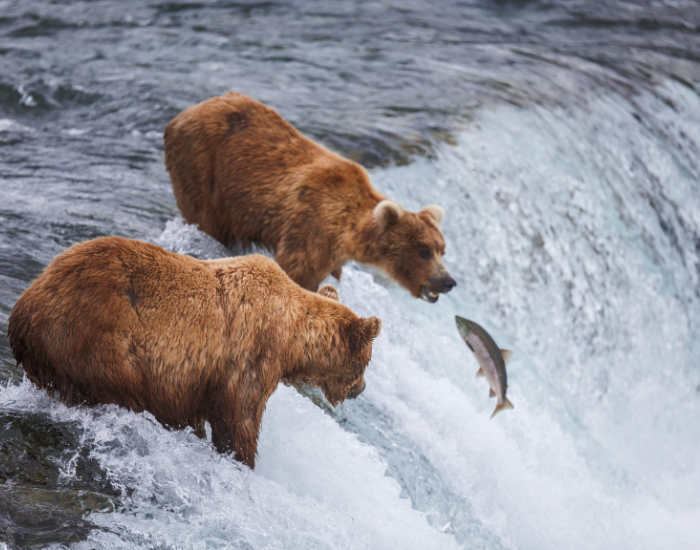
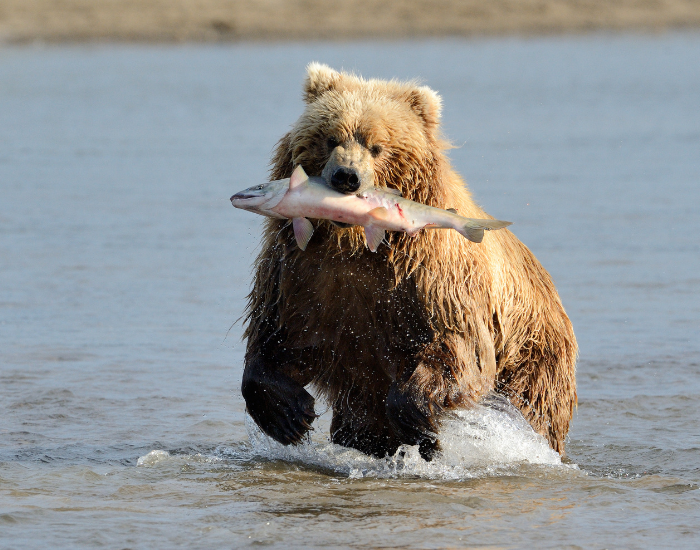
Their long claws and distinctive shoulder hump serve as digging tools. The hump is actually a mass of muscle used primarily to excavate ground squirrels, marmots, and roots. The remaining portion of their diet includes fish like salmon in coastal areas, insects, and larger prey. Grizzly bears also consume animal matter such as small mammals, carrion, and other animal prey, which are important components of their omnivorous diet. Female grizzly bears and males hunt elk, moose, and bison, particularly calves or weakened adults. They also consume carrion when available.
4. What’s Stronger: A Gorilla or a Grizzly Bear?
This classic question pits muscle against size and adaptation. While a silverback gorilla possesses incredible upper body strength, several times that of a human, a grizzly bear would almost certainly dominate in an encounter. If you are interested about strength, have a look at our article of the strongest animals in the world.
Weight and Size: The average male grizzly bear significantly outweighs a gorilla, providing a huge advantage.
Claws: The grizzly bear’s 2–4 inch non-retractable claws can slash through hide and muscle. Gorillas have nails, not claws.
Defense: Bears have thicker hide and dense fat layers that protect against blunt force.
Offense: Grizzly bears evolved for hunting and combat. Gorillas are primarily herbivores and less aggressive unless defending their family.
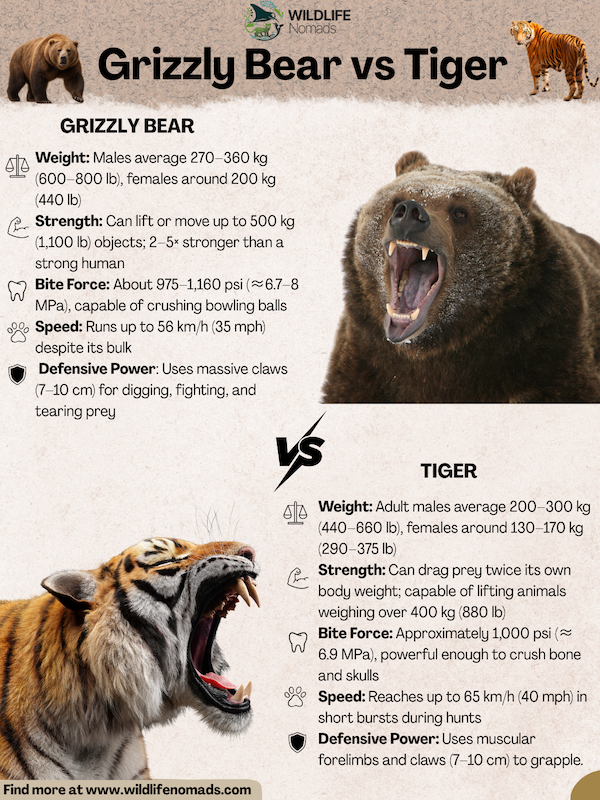
The gorilla’s bite force is comparable or slightly stronger (around 1,300 PSI versus the bear’s 1,160 PSI). However, the bear’s weight, speed (up to 35 mph), and devastating claws make it the dominant fighter. Scientific consensus generally favors the grizzly bear due to superior size, armament, and predatory instinct.

5. Grizzly Bears Have Exceptional Memory and Intelligence
Grizzly bears possess remarkable cognitive abilities that rival primates in certain tasks. They can remember the locations of food sources—such as specific berry patches, salmon streams, or carcass sites, years after their last visit. Research has shown that grizzlies can navigate complex spatial landscapes and return to productive feeding areas across their vast home ranges, which can span 200-500 square miles for males.
Their intelligence extends to problem-solving. Grizzlies have been observed using tools (like rocks to scratch themselves), learning from each other’s behaviors, and adapting feeding strategies based on changing conditions. In Yellowstone, bears learned to flip over rocks to find army cutworm moths at high elevations—a behavior that spread through observation. This intelligence makes them both fascinating and dangerous: they quickly learn to associate humans with food if proper precautions aren’t taken.
6. Grizzly Bears Communicate Through a Complex System of Sounds and Body Language
Grizzly bears are far more communicative than most people realize. They use a sophisticated array of vocalizations including huffing (alarm or stress), jaw-popping (warning), moaning (contentment or communication between mothers and cubs), and roaring (aggression or defense). Cubs make distinct crying sounds when separated from their mothers.
Beyond vocalizations, grizzlies rely heavily on scent marking and body language. They create “bear trees”—rubbing posts where they scratch and leave scent from glands on their backs, communicating territory boundaries and reproductive status to other bears. Their body posture reveals intent: ears pinned back signal aggression, while a bear standing on hind legs is often simply trying to see or smell better, not displaying aggression. Understanding these communication signals is crucial for human safety in bear country.
7. Hibernation and Reproduction: The Art of the Den
Grizzly bears aren’t “true” hibernators like ground squirrels. Instead, they enter a deep dormancy called torpor. During this period, which can last up to seven months, their heart rate and metabolism slow drastically. Body temperature drops only slightly, allowing them to rouse more easily than true hibernators.
Cubs are born in the den to a pregnant female bear, with a typical litter size of one to four cubs (usually two), in late January or February. This process relies on delayed implantation, a unique biological mechanism. Mating occurs in spring or early summer. However, the fertilized egg only implants in the uterus during fall if the female grizzly bears have gained sufficient fat reserves during hyperphagia.
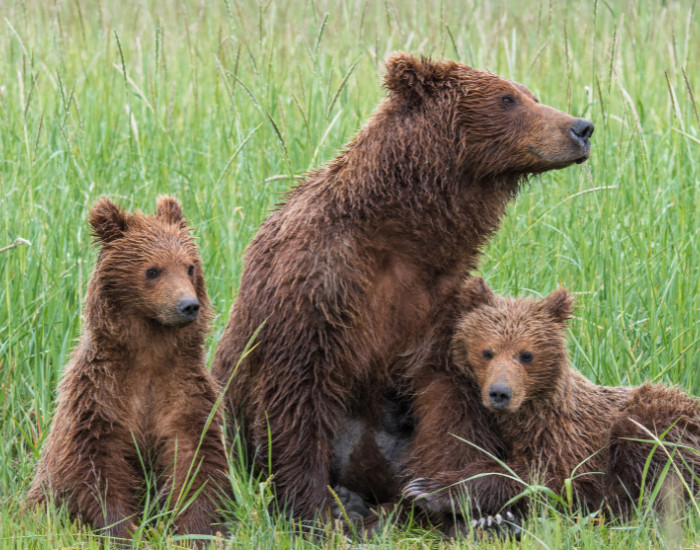
If she hasn’t stored enough fat, the pregnancy is reabsorbed. This harsh but brilliant survival mechanism ensures mother grizzly bears can sustain themselves and their offspring. Cubs remain with their mothers for up to two years, learning essential survival skills. During this time, the mother cares for her cubs by feeding, protecting, and nurturing them as they grow. Female grizzly bears are fiercely protective during this period, making them particularly dangerous to humans.
As terrestrial mammals, grizzly bears have relatively low reproductive rates compared to other animals.
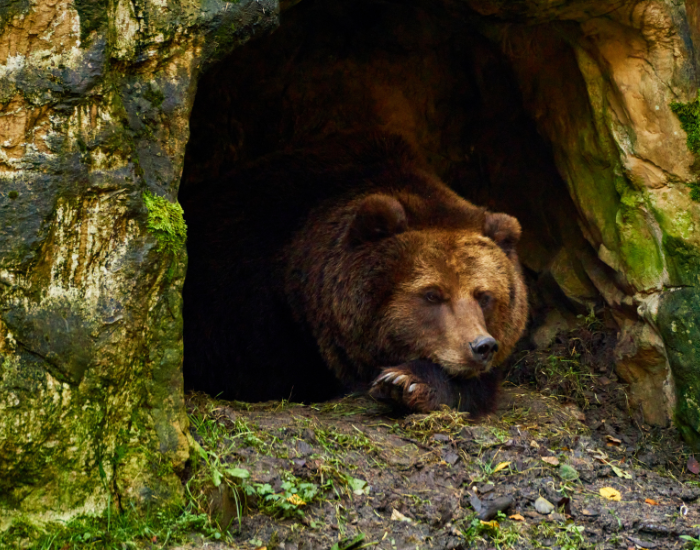
8. The 3 Bear Rule: Essential Safety in Grizzly Bear Country
The “3 Bear Rule” is a critical safety guideline for anyone camping in grizzly bear habitat. This strategy, sometimes called the “Bear Triangle,” simplifies food storage to minimize human-grizzly bear conflicts.
The core principle involves keeping three areas at least 100 yards apart: your sleeping area, cooking/eating area, and food storage area. This distance prevents bears from associating your campsite with food rewards. In areas like Yellowstone, the Northern Continental Divide, and Big Bear Lake region (though only black bears live there now), proper food storage is essential.
Secure food storage is the number one way to prevent bears from becoming habituated. Once habituated, grizzly bears often must be relocated or euthanized. This makes the 3 Bear Rule one of the most actionable pieces of advice for reducing human interaction conflicts.
Human safety is a key consideration in grizzly bear conservation and management strategies, ensuring that both people and bears are protected as their populations recover and interactions increase.
9. Identifying Grizzly Bears: Unique Physical Features
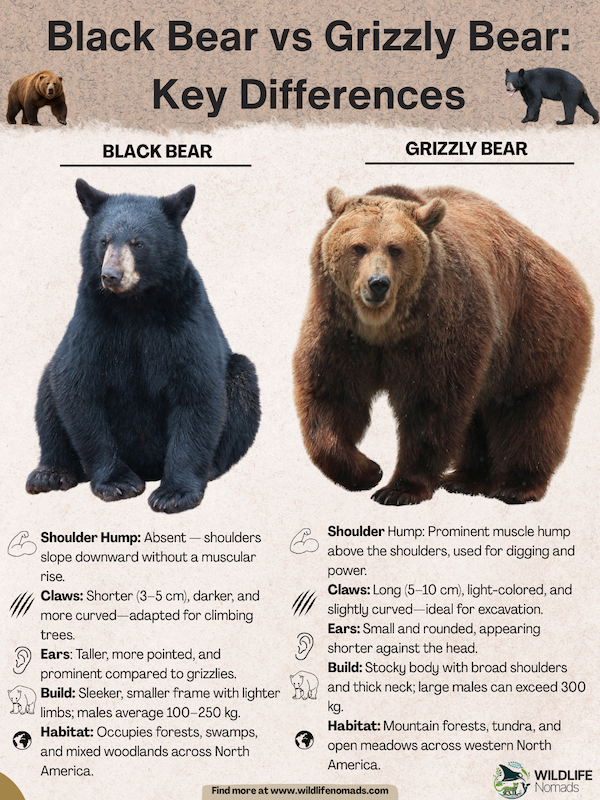
Distinguishing a grizzly bear from black bears is vital for safety. The grizzly bear has several distinct physical markers that set it apart from other bears:
Shoulder Hump: A prominent hump of muscle and fat on the back, used for powerful digging and defense. Black bears lack this feature.
Claws: Long (2–4 inches), non-retractable, and pale in color. These claws are built for excavating. In contrast, black bears have shorter, darker, curved claws designed for climbing trees.
Profile: A distinct “dish-shaped” or concave facial profile. Black bears have a straight facial profile.
Ears: Shorter and more rounded compared to the taller ears of black bears.
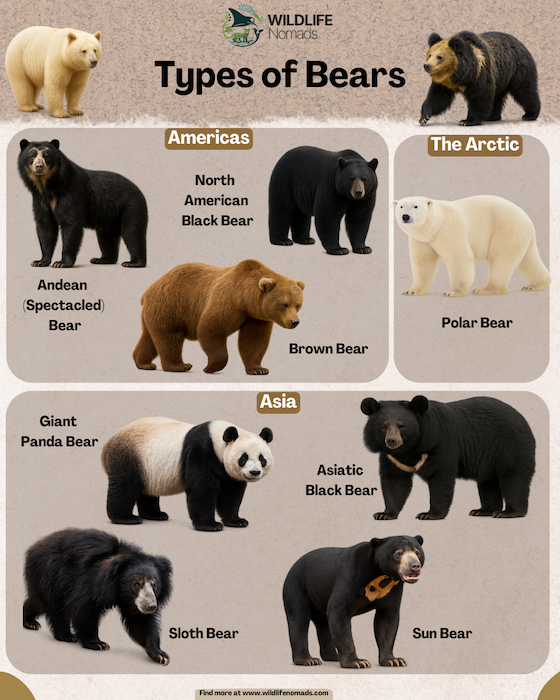
Color alone is unreliable for identification. Both brown bears and black bears can vary in color from blonde to dark brown or black. Therefore, focus on these physical features when identifying grizzly bears in the wild.
10. Keystone Species: The Grizzly Bear’s Ecological Role
The grizzly bear functions as a keystone species. This means their presence is crucial to ecosystem health and functioning. Through foraging and predatory habits, grizzly bears provide numerous ecological benefits:
Soil Aeration: Their digging for roots and rodents like ground squirrels turns over soil, promoting aeration and plant growth across alpine meadows.
Seed Dispersal: By consuming vast quantities of berries, grizzly bears disperse seeds through their scat over wide areas. This helps vegetation propagate throughout their range.
Nutrient Cycling: In coastal areas, grizzly bears drag salmon carcasses into forests. This transfers vital marine nutrients—nitrogen and phosphorus—to inland ecosystems. Researchers in British Columbia have documented this crucial process.
Population Control: Grizzly bears help regulate populations of large mammals such as moose, bison, and elk. By preying on or scavenging these large mammals, they keep the ecosystem in balance and prevent overgrazing.
The health of grizzly bear populations directly indicates the health of entire ecosystems. Their presence supports biodiversity across recovery areas from the Northern Continental Divide to the Greater Yellowstone Ecosystem.

11. Grizzly Bears Are Surprisingly Fast and Agile Despite Their Size
Despite weighing up to 700 pounds (and coastal bears exceeding 1,000 pounds), grizzly bears are astonishingly athletic. They can sprint at speeds up to 35 mph (56 km/h)—faster than any human, including Olympic sprinters. This explosive speed allows them to chase down prey like elk calves or escape perceived threats.
Their agility is equally impressive. Grizzlies are capable swimmers, easily crossing rivers and lakes, and have been documented swimming several miles between islands in coastal areas. They can also climb trees when young (though adults are typically too heavy), navigate steep mountain terrain with ease, and make sharp directional changes while running despite their bulk.
This combination of power, speed, and agility makes grizzlies formidable in their environment. It also reinforces a critical safety message: you cannot outrun a grizzly bear. If you encounter one in the wild, running triggers their chase instinct. Instead, experts recommend standing your ground, speaking calmly, and slowly backing away while avoiding direct eye contact.
12. Conservation Reality: Securing the Grizzly Bear’s Future
The grizzly bear story is one of resilience against overwhelming odds. Since receiving threatened species status under the Endangered Species Act in 1975, their numbers have rebounded significantly. Recovery areas like the Greater Yellowstone Ecosystem and Northern Continental Divide Ecosystem demonstrate that grizzly bear conservation works when properly implemented.
However, major threats persist. Habitat fragmentation remains the primary challenge facing grizzly bear populations today. As human populations expand and recreation increases in mountain regions, the potential for conflict grows. This leads to higher mortality rates among grizzly bears.
Organizations like the U.S. Fish & Wildlife Service and WWF continue managing recovery efforts. Current strategies focus heavily on securing habitat connectivity between isolated populations. This allows genetic diversity to be maintained as grizzly bears move between recovery areas. Grizzly bear recovery is a slow process due to their reproductive habits and specific habitat requirements.
What US States Have Grizzly Bears?
Historically, grizzly bear populations were vast and extended widely. Today, their range in the lower 48 states is restricted to four main recovery ecosystems. The primary US states with established grizzly bear populations include:
Montana: Home to the Northern Continental Divide Ecosystem (NCDE), Cabinet-Yaak, and Bitterroot ecosystems. This state hosts the largest grizzly bear populations in the lower 48.
Wyoming: Home to the Greater Yellowstone Ecosystem (GYE), where grizzly bear conservation efforts have shown significant success.
Idaho: Shares parts of the Greater Yellowstone Ecosystem, Selkirk, and Cabinet-Yaak ecosystems with neighboring states.
Washington: Home to the North Cascades Ecosystem. Reintroduction efforts are underway, though the current population is extremely low or absent.
In Canada, grizzly bear populations remain strong across British Columbia, Alberta, the Yukon, and the Northwest Territories. These northern populations connect with Alaskan brown bears, maintaining genetic diversity.
The historical range of grizzly bears once extended across most of North America, including the northern part of the continent and regions such as northern Canada, highlighting their past abundance and the significant reduction in their habitat over time.
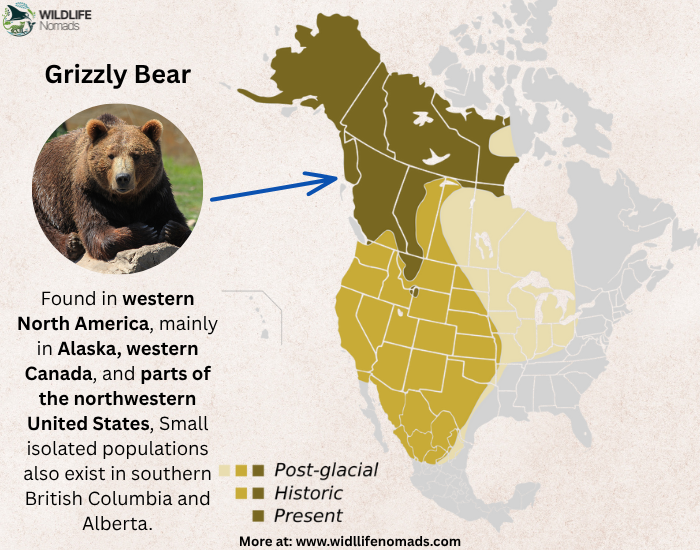
Cephas, CC BY-SA 3.0, via Wikimedia Commons, Edited by Wildlife Nomads
Wildlife Rehabilitation: Big Bear Alpine Zoo’s Conservation Role
While searching for wild grizzly bears is thrilling, not all bears can survive in the wild. The Big Bear Alpine Zoo in California plays a critical conservation role. Unlike typical zoos, this facility functions as a genuine wildlife rehabilitation center.
The Big Bear Alpine Zoo provides sanctuary for indigenous wild animals that are orphaned, injured, or too habituated to humans for release. For example, the zoo has housed grizzly bears like Harley and Ayla. These bears were relocated after multiple human interaction incidents in the Yellowstone area.
The facility focuses on education and rehabilitation, successfully returning over 90% of animals to the wild. This includes managing other animals like black bears, mountain lions, and coyotes native to Big Bear Lake region. The zoo demonstrates conservation in action while allowing the public to connect safely with these animals.
For those seeking a responsible way to observe grizzly bears and support conservation, ethical facilities like the Big Bear Alpine Zoo offer a worthy alternative to encountering wild bears.
FAQ About Grizzly Bears
Grizzly bears have a prominent shoulder hump, dish-shaped facial profile, short rounded ears, and long pale claws. Black bears lack the shoulder hump, have straight facial profiles, taller ears, and shorter dark claws for tree climbing. Despite their names, both species can vary in color.
No, tragically, they do not. The last confirmed sighting of a grizzly bear in Mexico occurred in the 1960s. The Mexican grizzly bear (Ursus arctos nelsoni) is now considered extinct. These bears once symbolized the Sierra Madre Occidental mountains.
Adult male grizzly bears typically emerge from hibernation in mid March, while females with cubs may emerge later in the spring.
Grizzly bears prepare for hibernation in late fall, building up fat reserves and searching for suitable den sites as the weather cools.
Grizzly bears are often found in higher elevations, favoring older, more open forests and specific landscape gradients that provide food and cover.
Traditional hunts held by Native American tribes were ceremonial and deeply respectful, with grizzly bears playing a significant role in folklore and spiritual practices. These hunts impacted bear populations historically, but modern conservation efforts now focus on protecting grizzlies.
Grizzly bears and wolves often compete for food resources, especially in areas like Yellowstone. While both are apex predators, their interactions can include conflict over kills, but they also play important roles in maintaining ecosystem balance.
During snowy days in winter, grizzly bears typically remain dormant in their dens, conserving energy and sleeping through the coldest months until spring arrives.
The Future of Wild Grizzly Bears
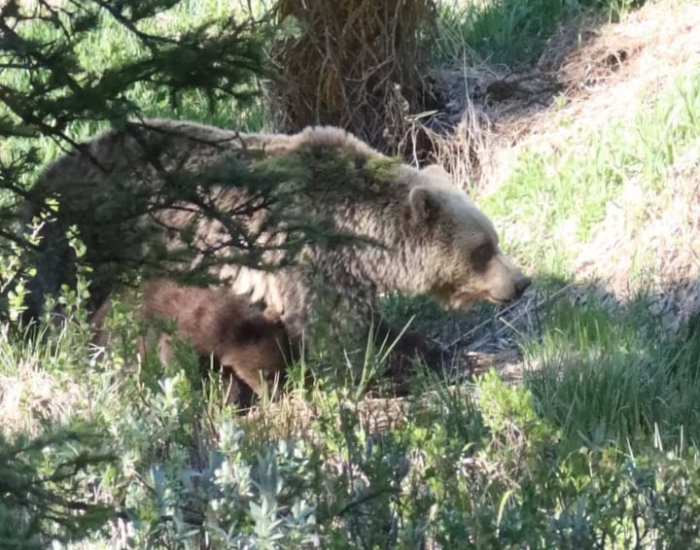
The search for The Boss taught a memorable lesson in patience and respect. These magnificent grizzly bears exist on their own terms, demanding massive, uninterrupted sanctuary. Their story is a powerful narrative of decline and recovery, driven by conservationist commitment and necessary actions from ordinary people.
The future of Ursus arctos horribilis hinges on our collective ability to reduce conflict and secure habitat. Upholding conservation successes of the past half-century requires critical thinking, commitment to science, and deep appreciation for wilderness. The world must be large enough to contain creatures as awe-inspiring as the grizzly bear.
From the Northern Continental Divide to the Greater Yellowstone Ecosystem, these recovery areas represent hope. They demonstrate that grizzly bear populations can rebound when protected. However, continued vigilance is essential. Human interaction must be carefully managed. Habitat corridors must connect isolated populations. Education about coexistence must reach everyone who ventures into grizzly bear country.
The grizzly bear remains an icon of North American wildness. Their presence enriches ecosystems, supports biodiversity, and reminds us that some spaces should remain wild. Whether you encounter them through ethical facilities like the Big Bear Alpine Zoo or hope to spot them in places like Yellowstone, remember that protecting grizzly bears means protecting the wild landscapes we all cherish.
Further reading: