Nature’s Master Engineers
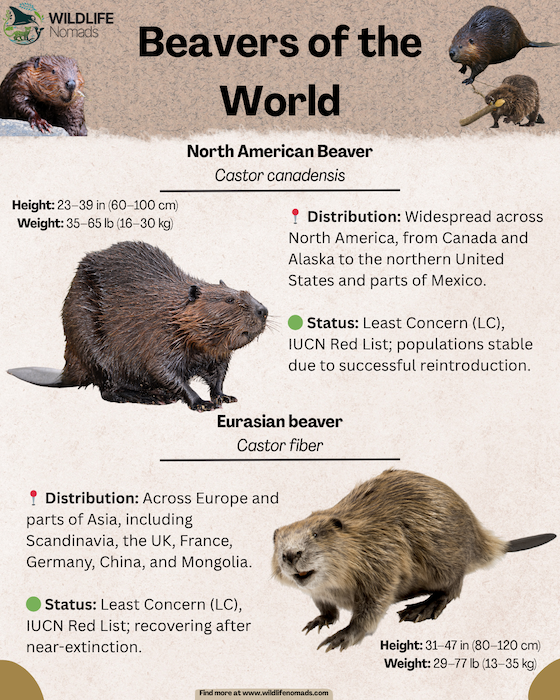
The beaver (Castor canadensis in North America, Castor fiber in Eurasia) stands among nature’s most incredible architects. More than that hey are ecosystem engineers who shape landscapes in profound ways. Their influence ripples far beyond their beaver lodges and the intricate beaver dams they construct.
Beavers inhabit freshwater habitats including rivers, ponds, streams, and lakes. In these environments, they don’t merely survive, they transform the landscape entirely. Their dam building creates beaver ponds that serve multiple functions: nurseries for fish, sanctuaries for birds, and natural filters for water quality.
Understanding Beaver Ecology and Habitat Requirements
North American beavers rank as the largest rodents on the continent. Adult beavers can weigh up to 30 kilograms. Eurasian beavers are actually slightly larger and heavier than their North American counterparts. Both species thrive in habitats rich in woody plants, aquatic vegetation, and flowing water.
Beaver Lodges: Architectural Marvels
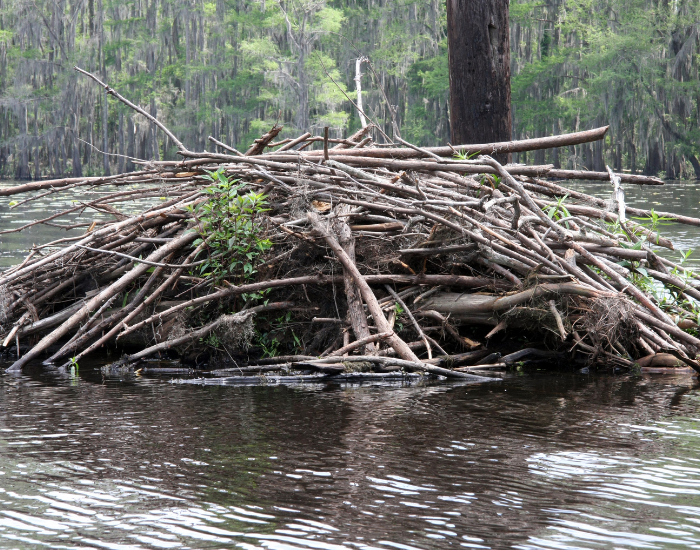
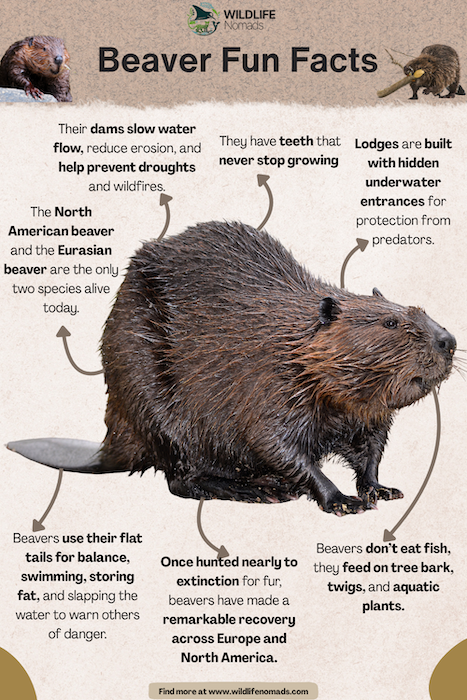
Beaver lodges are dome-shaped structures built from branches, sticks, and mud. These family lodges feature underwater entrances that provide safety from predators. The design keeps inhabitants warm during harsh winters while offering quick escape routes.
Inside, the lodge maintains a surprisingly comfortable temperature. Even when outside temperatures plummet, the interior stays above freezing. This thermal regulation protects newborn beavers during their vulnerable early months. The inner bark serves as insulation and the thick walls create effective barriers against cold.
How Beavers Build Dams and Transform Landscapes
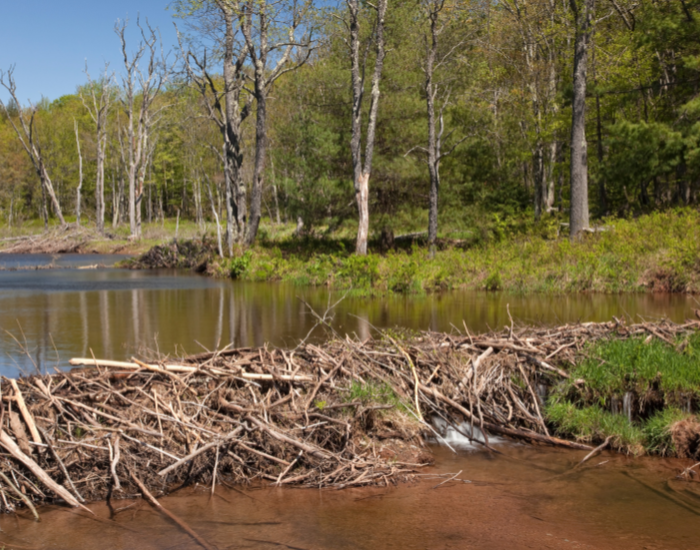
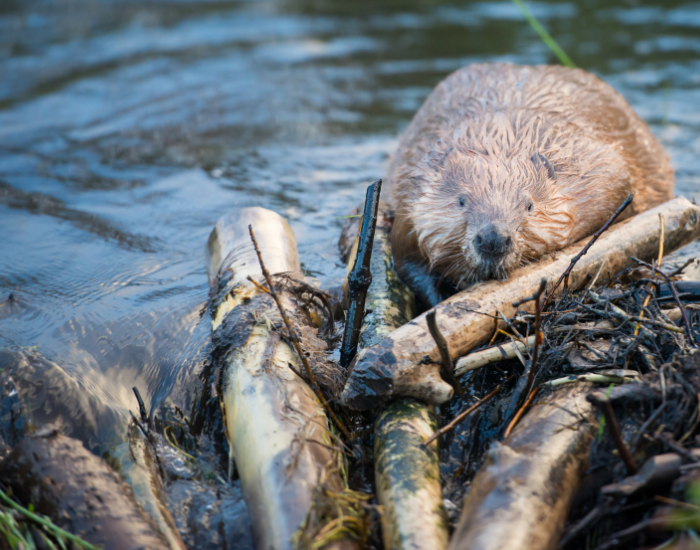
Beavers build dams instinctively when they hear flowing water. This remarkable behavior triggers an engineering process that rivals human hydraulic projects. They use branches, mud, stones, and aquatic plants as building material. Some beaver dams stretch more than 50 meters, creating massive wetlands that transform entire valleys.
The construction process demonstrates remarkable engineering skill. Beavers cut trees using their chisel-like beaver teeth, which are orange due to iron content. This iron strengthening allows them to fell substantial trees. The continuously growing teeth require constant use to prevent overgrowth. They then transport food and building material through water, which is far easier than overland dragging.
Beavers position branches strategically, then pack mud and vegetation into gaps. The structure must withstand considerable water pressure while allowing controlled overflow. Maintenance continues year-round, with beaver activity peaking during spring and summer when repairs are most critical. A single family may work hundreds of hours annually maintaining their dam infrastructure.
The engineering sophistication rivals human water management systems. Beavers intuitively understand hydraulics and adjust dam height to maintain optimal pond depth for their lodge’s underwater entrances. When water levels rise dangerously, beavers modify their dams by creating spillways or removing sections temporarily. This adaptive management prevents catastrophic failures while maintaining pond integrity.
Winter Food Supply and Survival Strategies
Beaver populations prepare meticulously for winter. They create stored caches of cut branches near the lodge entrance. These underwater food supplies, often called winter food supply, ensure survival through freezing months when ice covers beaver ponds.
The inner bark of trees provides essential nutrition. Beavers prefer certain woody material, especially willow, aspen, and birch. However, they adapt to available woody plants in their territory. During my summer fieldwork in Montana, I observed how beavers cut and transport food with remarkable efficiency, creating underwater pantries that sustain them through harsh conditions.
The Complex Social Lives of Beaver Families
Beavers are not solitary animals. They live in family groups consisting of a breeding pair, their kits (baby beavers), and juveniles from previous years. This family lodge system creates cooperative and highly social communities where family members work together on dam building, lodge maintenance, and raising young.
Beaver Communication and Territory Marking
Beavers use scent mounds to mark territory boundaries. These piles of mud mixed with secretions from their anal glands send clear messages to other beavers. The substance called castoreum historically attracted fur trade interest and was used in perfumes.
Communication extends beyond scent. The tail slap serves as an alarm signal, warning family members of danger. The beaver’s tail creates a loud crack against water that echoes through wetlands. During evening observations, I’ve also heard their whistles and chirps echoing through cattails at dusk. These vocalizations reveal surprisingly intricate family life.
Breeding and Raising Newborn Beavers
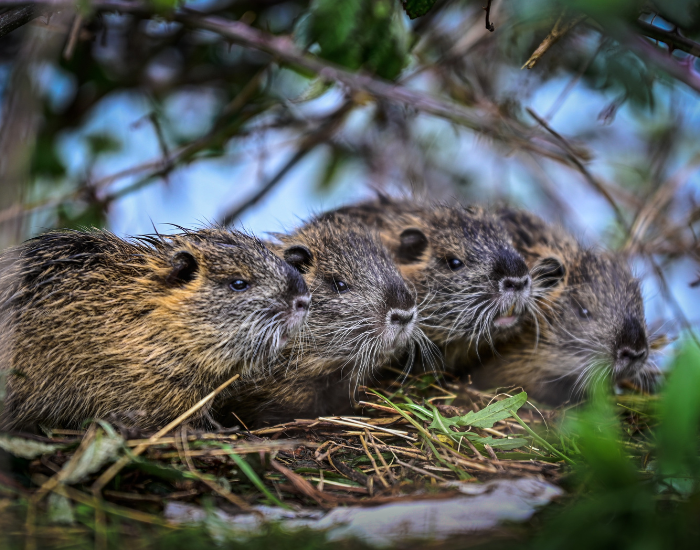
The breeding pair typically mates in winter. After a gestation of about 105 days, females give birth to newborn beavers in spring. Kits are born fully furred with eyes that open within days, ready to swim almost immediately.
Family members share parenting duties. Older siblings help care for younger kits, learning skills they’ll need when they establish their own family groups. This cooperative breeding strengthens family bonds and improves kit survival rates. Young beavers typically remain with their family life for two years before dispersing to find mates and establish new territories.
Ecosystem Benefits: Why Beaver Activity Matters
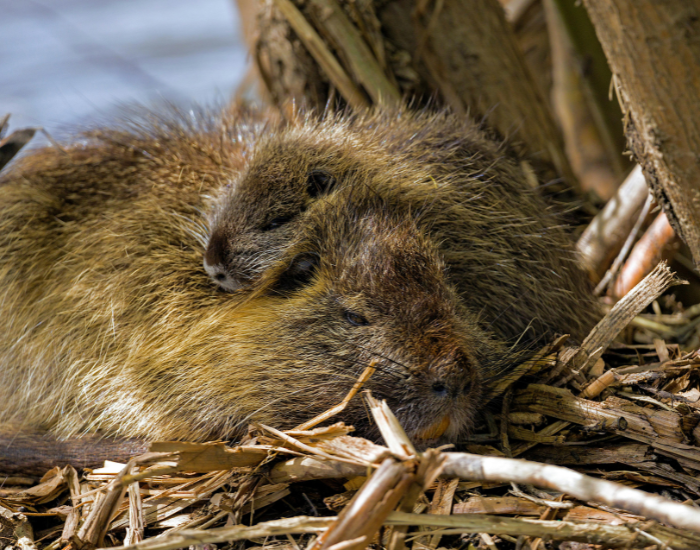
Beavers are classic ecosystem engineers. Their activity changes landscapes in ways that benefit countless other wildlife species and enhance overall ecosystem function.
Biodiversity Enhancement Through Wetland Creation
Wetlands created by beaver activity attract extraordinary biodiversity. Bird species multiply in these habitats. Waterfowl use beaver ponds for nesting and feeding. Wading birds patrol the shallows for fish and amphibians.
I’ve walked riverbanks in Vancouver, in British Columbia where old dam sites transformed small trickles into thriving wetlands. Aquatic vegetation flourished in the nutrient-rich water. Frogs called from the reeds at dusk. Herons patrolled the shallows throughout the day. Without beavers, that valley would remain just another dry channel.
The beaver ponds act as magnets for animal species. These wetlands provide water storage during droughts that supports both wildlife and agriculture. In Washington, where beaver populations are rebounding, these ponds serve as critical lifelines during dry summer months. The varied depths and structures support remarkable biodiversity including aquatic plants, amphibians, invertebrates, and numerous mammals.
Water Quality Improvement and Sediment Control
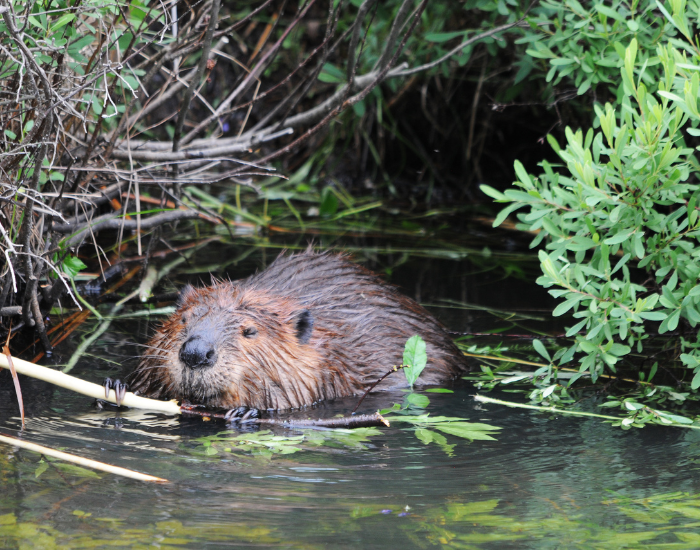
Beaver ponds act as natural filters. They trap sediments and pollutants before they reach downstream areas. This filtration improves water quality significantly. The settling process removes suspended particles, clarifying the water at the water’s edge and throughout the pond levelers.
Nutrient cycling also improves. Beaver ponds process nitrogen and phosphorus more efficiently than flowing streams. This reduces downstream algal blooms and improves overall water quality for aquatic life and human use.
Groundwater Recharge and Flood Prevention
Beaver dams slow peak water flows during storms. This reduces flooding downstream while allowing more water to infiltrate soil. The infiltration recharges groundwater aquifers that supply wells and springs throughout the watershed.
During dry seasons, this stored groundwater maintains stream flows. Small streams that would otherwise dry up continue flowing thanks to beaver-influenced groundwater discharge. This creates permanent water sources even during severe droughts.
Carbon Storage in Beaver-Created Wetlands
Wetlands created by beaver ponds lock away carbon in sediments. As organic matter accumulates, carbon becomes buried in anaerobic conditions. This long-term storage helps mitigate climate change impacts.
Research suggests beaver-created wetlands store significant carbon compared to flowing streams. The slow decomposition in waterlogged sediments keeps carbon sequestered for decades or centuries, making beavers unexpected allies in climate resilience.
Supporting Fish Populations and Aquatic Life
Beaver ponds provide critical habitat for fish species. Young chinook salmon benefit enormously from these refuges. The ponds offer protection from predators, abundant food, and stable temperatures. The still water provides ideal conditions for salmon fry to develop before migrating downstream.
Trout populations also thrive in beaver ponds. The deeper water provides thermal refuges during hot summers. The abundant aquatic insects create excellent food sources that support robust fish populations.
Amphibians find ideal breeding sites in beaver ponds. Frogs, salamanders, and other species lay eggs in the shallow, vegetated margins. These populations support larger food webs, benefiting birds and mammals throughout the ecosystem. The presence of hind legs and webbed hind feet adaptations in amphibians make these wetlands particularly suitable.
Managing Beaver Conflicts and Human Interactions
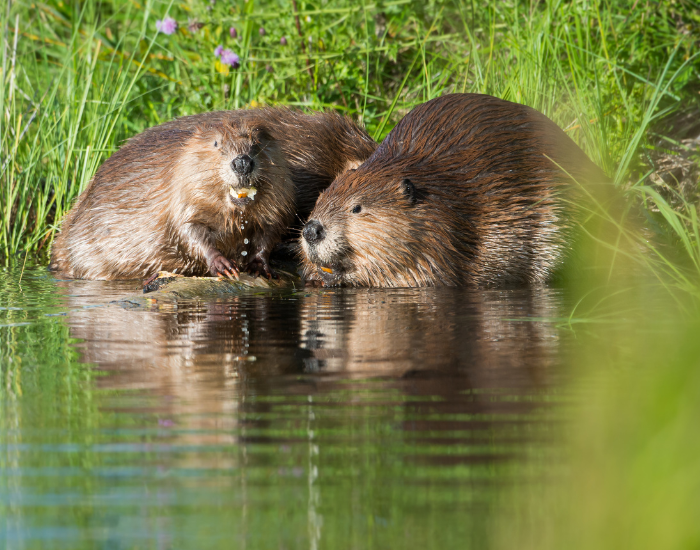
Not everyone welcomes beaver activity on their property. Beaver conflicts arise when dam building floods farmland, damages crops, or blocks culverts. In some regions, landowners view them as nuisance beavers requiring removal.
Common Problems Caused by Beaver Flooding
Flooded roads and fields create significant frustrations for property owners. Beaver dams can raise water levels several feet, inundating areas that were previously dry. Agricultural damage occurs when crops drown or become inaccessible, representing real economic losses.
Orchards face particular vulnerability. Beavers cut fallen trees and valuable fruit trees for food and dam construction. A single family can fell hundreds of trees in a year through dam building activity. This beaver damage represents substantial economic losses for property owners who depend on these resources.
Effective Beaver Management Strategies
Modern beaver management balances ecological benefits with human needs. Several strategies help minimize conflicts without eliminating beaver populations entirely.
Pond levelers offer elegant solutions. These pipes installed through beaver dams regulate water height while allowing beavers to maintain their structure. The constant water flow through the pipe doesn’t trigger the beavers’ dam-building instinct because the sound is minimal.
Tree guards protect valuable vegetation. Wire fencing around the tree trunk prevents beavers from cutting specific specimens. This approach, sometimes called protecting trees, allows property owners to safeguard high-value trees while permitting beavers access to less critical woody material.
Beaver relocators offer alternatives when conflicts prove insurmountable. These professionals trap nuisance beavers and transport them to suitable habitat elsewhere through careful translocation programs. The release site must provide adequate food, water, and absence of established beaver territories.
In Western Washington, conservation projects actively seek beavers for restoration areas. Property owners experiencing beaver conflicts can often arrange free relocation through these programs, turning a problem into a conservation solution.
The Historical Context: Fur Trade and Population Recovery
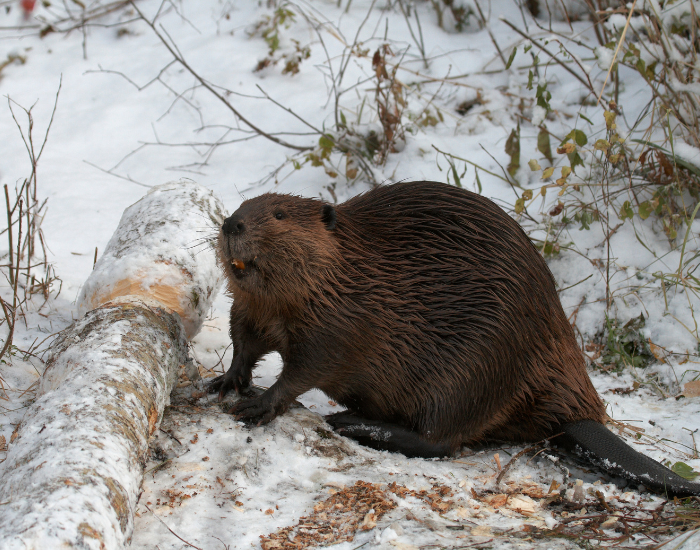
European colonization devastated North American beaver populations through intensive fur trade. Beaver pelts commanded high prices for hat making and clothing. The beaver’s fur became one of the most valuable commodities in early North America. By the early 1900s, beavers had disappeared from much of their historic range.
Near Extinction of Eurasian Beavers
Eurasian beavers faced even more severe population crashes. Hunting for beaver pelts and castoreum nearly eliminated them from Europe. By 1900, only about 1,200 Eurasian beavers survived in scattered populations across the continent.
The loss of beavers cascaded through European ecosystems. Wetlands drained, biodiversity declined, and water quality deteriorated. The absence of these ecosystem engineers left lasting scars on the landscape that are still being repaired today.
Conservation Success Stories and Population Recovery
Modern conservation has achieved remarkable success restoring beaver populations. In North America, regulated trapping and habitat protection allowed natural recovery. North American beavers now occupy most of their former range across the continent.
European reintroduction projects have systematically returned Eurasian beavers to suitable habitats. Scotland’s reintroduction began in 2009 and has expanded successfully. England welcomed beavers back to Devon, where they’ve demonstrated clear benefits for wetlands and salmon runs. These beavers belong to carefully managed populations that are monitored for success.
These conservation efforts show that ecosystem restoration can succeed. Protecting beavers means protecting the diverse animal species that depend on beaver-created habitats. Other beavers throughout North America and Europe continue benefiting from these protection efforts.
Regional Variations: Beavers Across North America
Beaver populations vary across the continent based on climate, vegetation, and human land use. Understanding these regional differences helps inform management decisions and conservation strategies.
Beavers in Washington State and the Pacific Northwest
Washington hosts thriving North American beaver populations. The abundant rainfall and diverse woody plants create ideal habitat. Beavers live throughout the state, from coastal areas to mountain valleys, adapting to various conditions.
The Pacific Northwest, including the beavers northwest region, demonstrates particularly clear benefits from beaver activity. Salmon populations depend heavily on the habitat complexity beavers create. Conservation groups actively encourage beaver presence in salmon-bearing watersheds.
Western Washington has seen growing recognition of beavers’ value for salmon recovery. Restoration projects increasingly include beaver reintroduction as a core strategy. The beaver site locations are carefully selected to maximize ecological benefits while minimizing conflicts.
Adaptations to Different Climates and Habitats
Beavers adapt remarkably to diverse environments across North America. In Alaska, they build especially robust lodges to withstand severe winters. The thick walls and large size provide better insulation against extreme cold that would otherwise be lethal.
In drier regions, beavers may travel farther from water to find adequate food. They create canal systems to transport food back to their ponds. These canals can extend hundreds of meters through meadows and forests, demonstrating remarkable planning ability.
Some beavers hold territories along large ponds or rivers where dam building isn’t necessary. Others work in small streams where they can more easily create ponds. This flexibility allows them to occupy diverse habitats throughout their range.
FAQs About Beavers
Beavers are generally shy and avoid human contact. They’re not naturally aggressive toward people. However, they may defend themselves if cornered or threatened, especially when protecting newborn beavers. Respecting their space ensures peaceful coexistence. Observe from a distance and never attempt to feed or touch wild beavers.
No! Beavers make terrible pets and keeping them is generally illegal. They’re wild animals with specific habitat requirements and complex social needs. They need large territories with water access and abundant woody plants. Beavers live best in natural family groups where they can express natural behaviors like dam building and lodge maintenance.
Running water near your property provides the primary attraction. The sound of flowing streams triggers their dam building instinct. Trees, especially willow, aspen, birch, and cottonwood, also attract them as preferred foods. If your property includes both a stream and food sources, beaver colonization becomes likely. Small streams are particularly attractive because they’re easier to dam.
Yes, North American beavers are widespread throughout Washington State. They occupy habitats from coastal areas to mountain valleys. The state’s abundant rainfall and diverse woody plants create excellent beaver habitat. Washington actively manages beaver populations, recognizing their importance for salmon recovery and wetland creation.
Swimming in beaver ponds is usually safe. Beavers typically avoid humans and aren’t aggressive. They may slap their tails as a warning if disturbed, but attacks are extremely rare. Use common sense precautions: don’t corner beavers, avoid approaching lodges closely, and respect their space. Water quality rather than beaver behavior poses the primary safety consideration.
Oregon features the beaver as its official state animal, reflecting its historical and ecological importance. New York also claims the beaver as its state mammal.
Recognizing the Beaver’s Critical Role
When we think about ecosystem health, apex predators like wolves or eagles often dominate our imagination. Yet the humble beaver proves just as critical for landscape function and biodiversity.
By building beaver dams and creating beaver ponds, they generate space for countless animal species. They clean water through natural filtration. They enhance climate resilience through wetland creation. Their engineering creates the foundation for thriving ecosystems that support semi aquatic mammals, birds, fish, and amphibians.
I’ve spent decades studying wildlife ecology. Believe me, few animals demonstrate such clear, measurable benefits as beavers. Their presence transforms barren streams into bustling wetlands within just a few years through persistent beaver activity.
Beavers remind us that conservation extends beyond saving individual species. It requires recognizing the complex systems these ecosystem engineers support. Next time you encounter a quiet pond in a valley, notice the dragonflies skimming the surface. Watch for salmon fry darting through shadows. Listen for frogs calling from the reeds.
Chances are, beavers build that world. They maintain it through tireless dam building and lodge maintenance. They defend it through family cooperation across generations. The beaver’s tail slapping on water, the sound of flowing streams being transformed, the sight of webbed hind feet gliding through ponds, these are the signs of nature’s master engineers at work, creating habitat that benefits us all.
Further Reading:
- The Remarkable Return of Wolves in California
- Mexican Gray Wolf, from the brink of extinction
- From the Brink of Extinction: The California Condor